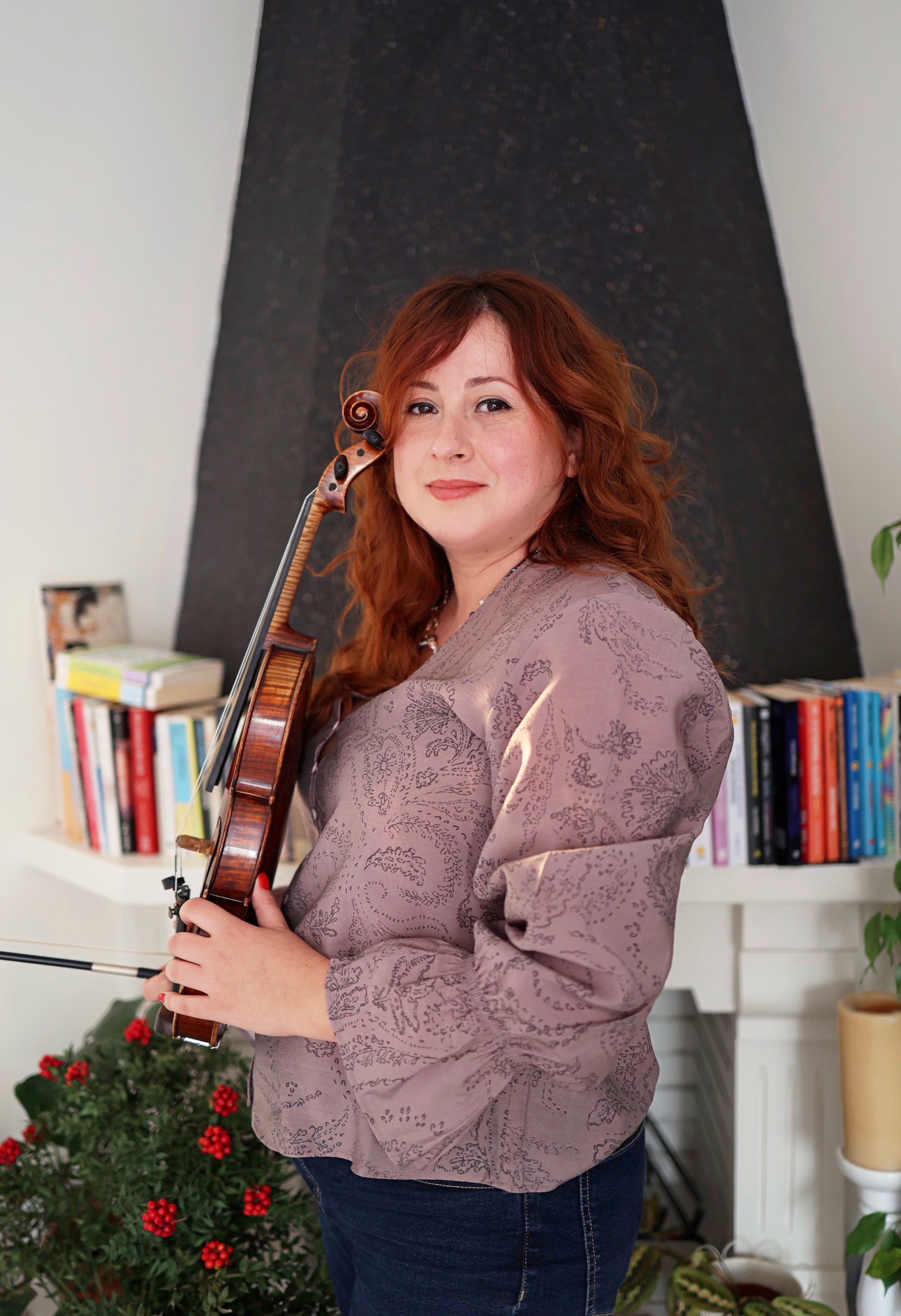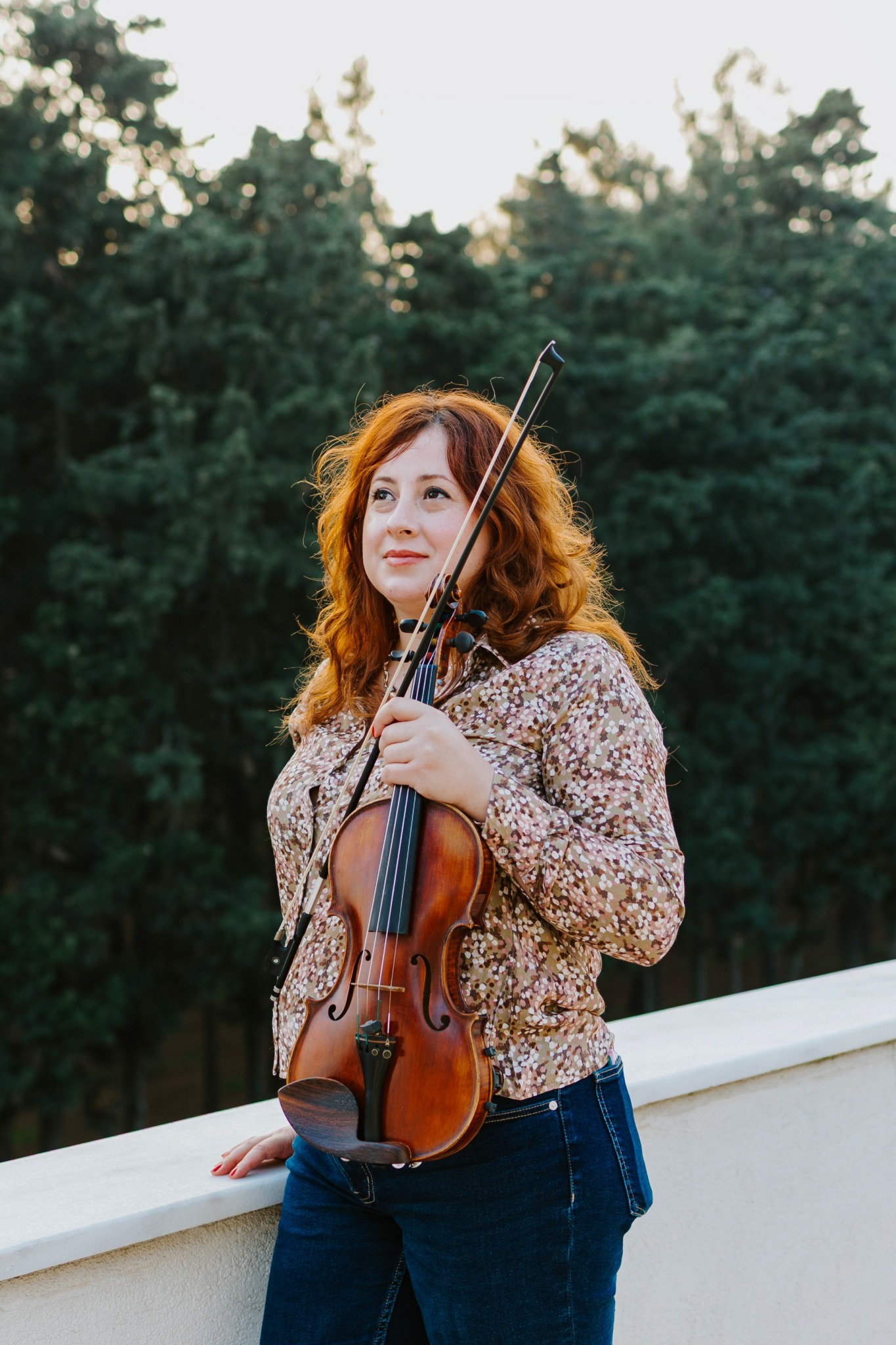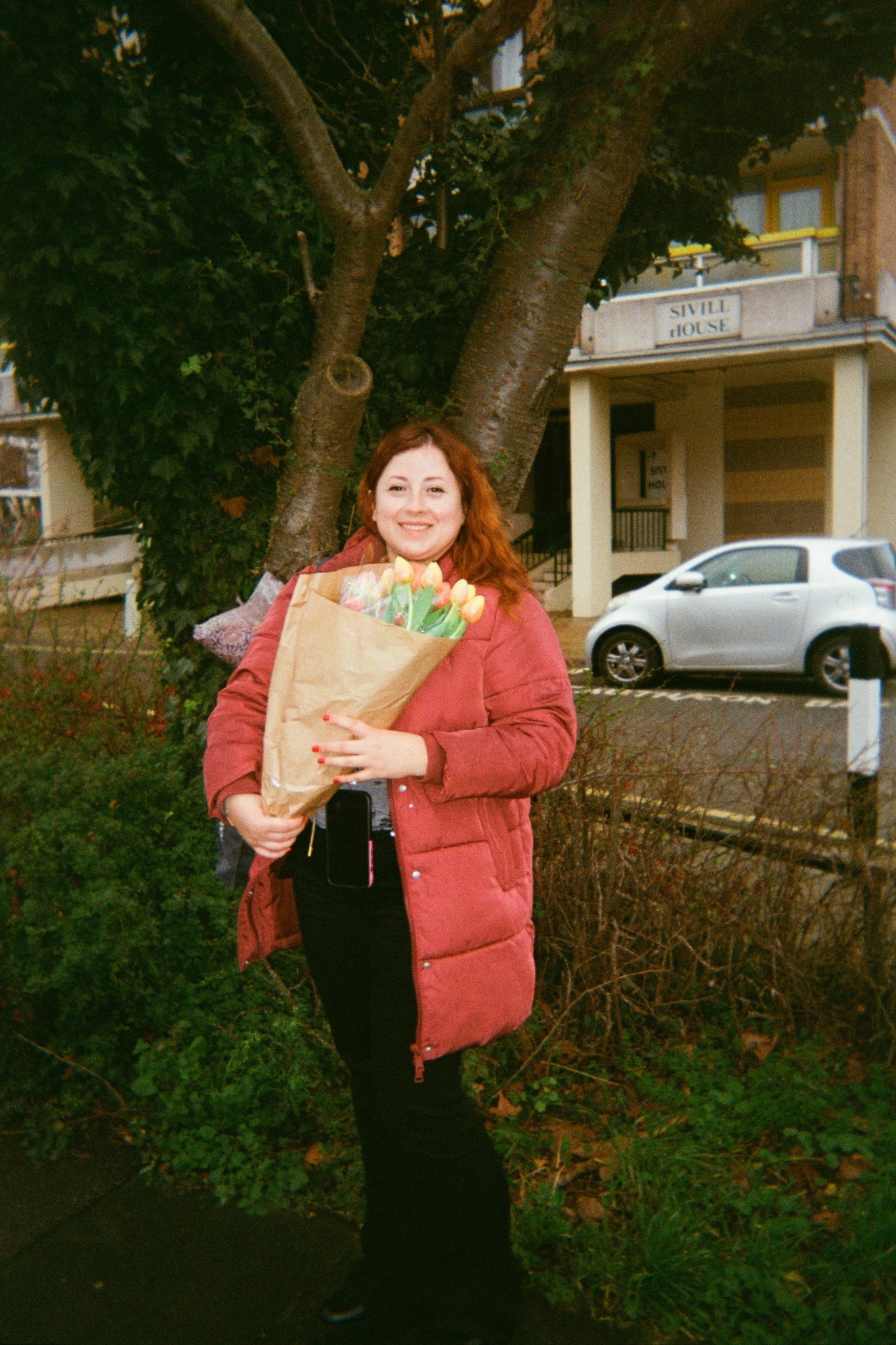

We recently connected with Cansu Ozyurek and have shared our conversation below.
Cansu, appreciate you joining us today. Can you take us back in time to the first dollar you earned as a creative – how did it happen? What’s the story?
The first money I earned from my creative work came from tutoring homeschooled students. I would travel to their homes four or five times a week, and we’d spend about an hour and a half to two hours each day practicing violin together.
It was a very simple beginning, but it meant everything to me. Those lessons were enough to sustain me during my first two years in LA, which felt like a huge achievement at the time. I was building a life around music, one student at a time.
I still remember the feeling of those early days—packing my violin, driving across the city, walking into someone’s home, and sharing music with a young student who was just starting their own journey. It felt honest and grounding, and it reminded me that creativity doesn’t always begin on a stage or in a studio. Sometimes it begins in a living room, with patience, practice, and a few scales played over and over again.
Looking back, those lessons were more than just a way to make a living. They were the foundation of my life as a musician in LA.
As always, we appreciate you sharing your insights and we’ve got a few more questions for you, but before we get to all of that can you take a minute to introduce yourself and give our readers some of your back background and context?
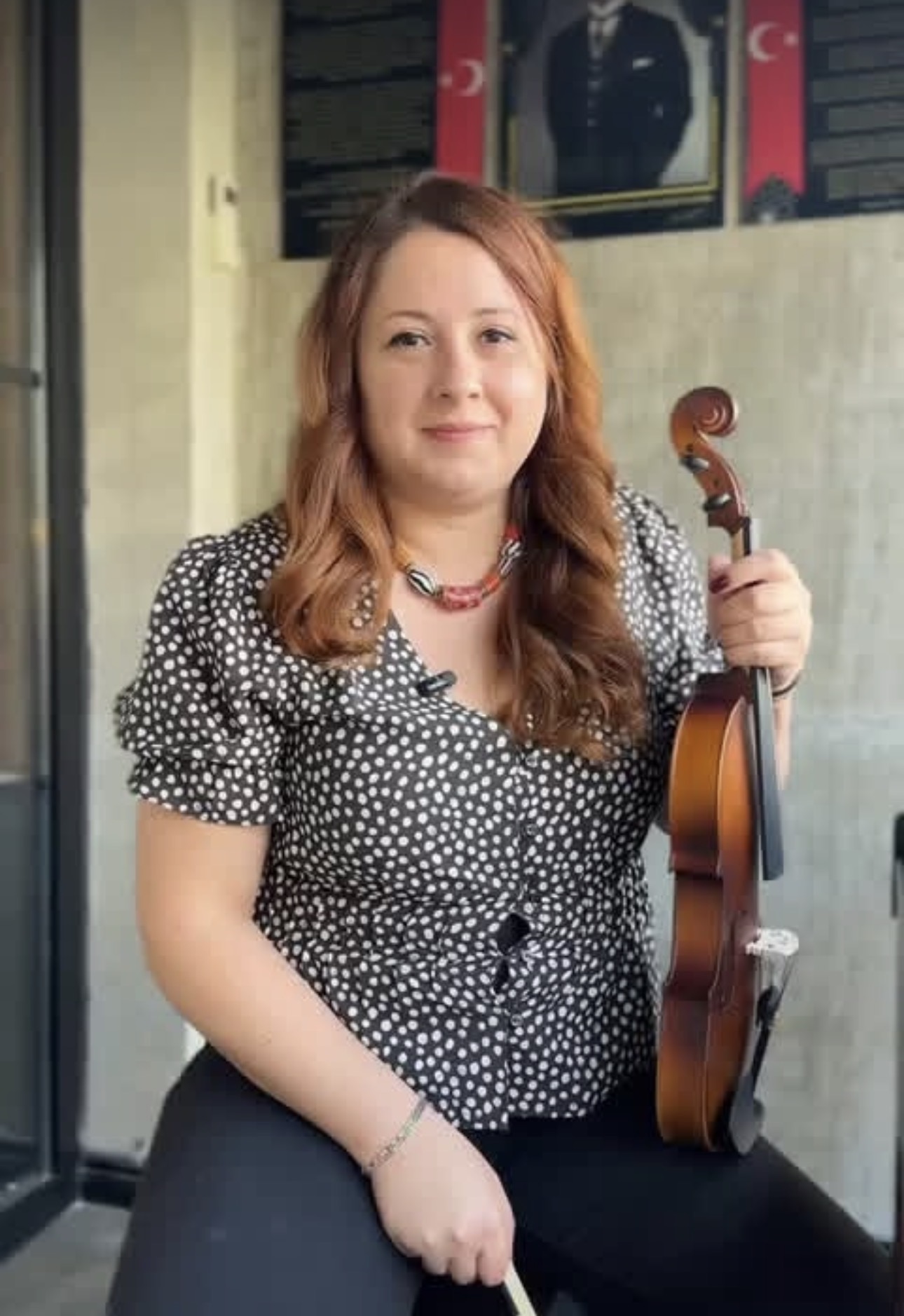
My name is Cansu Ozyurek. I’m a violinist, recording artist, and music educator originally from Turkey. I came to the United States in 2015 to study at Berklee College of Music in Boston, where I completed my bachelor’s degree. Since then, I’ve built my career between performing, recording, and teaching.
My work sits at the intersection of classical training and contemporary creative projects. I perform with orchestras and ensembles, record violin for film and documentary soundtracks, and collaborate with artists across different genres. One of the projects I’m proud of is recording improvised violin for the documentary Rhino Man, which later received recognition and was screened privately in Edinburgh with the attendance of Prince William. I’ve also had the opportunity to perform in a concert alongside Serj Tankian, the lead vocalist of System of a Down, accompanied by an orchestra.
In addition to performing and recording, teaching is a major part of my life. Through my music studio, I teach violin, viola, and beginner piano to students of different ages. My goal as a teacher is not only to build technical skills but also to create a supportive environment where students can develop confidence, curiosity, and a genuine connection with music.
What sets my work apart is the balance between discipline and creativity. I was trained in a very rigorous classical environment, but I’m also deeply interested in improvisation, storytelling, and the emotional side of music. Whether I’m recording for a film, performing live, or teaching a child their first scale, I approach music as a form of expression and connection rather than just technical execution.
One thing I’m particularly proud of is building my career as an international artist. Moving to another country to pursue music was both exciting and challenging, but it allowed me to grow not only as a musician but also as a person. Navigating different cultures, industries, and creative communities has shaped the way I see collaboration and artistic work.
For people who discover my work—whether they are listeners, collaborators, or students—I want them to know that authenticity is at the center of everything I do. My work is about curiosity, exploration, and emotional honesty. Music, for me, is a way of creating meaningful experiences, whether that happens in a concert hall, a recording studio, or a small lesson room with a student discovering music for the first time.
Can you tell us about a time you’ve had to pivot?
One of the most defining pivots in my career happened during the pandemic. Like many musicians, almost all of my work disappeared overnight. Concerts were cancelled, recording sessions stopped, and suddenly the industry I depended on completely paused.
At that time there wasn’t much to do so I decided pursuing my master’s degree at California State University, Northridge. I had to find a way to support myself while continuing my studies. Since there were no music jobs available, I started working as a waitress. It wasn’t part of the plan, but it became the practical solution during a very uncertain time.
I remember bringing my laptop to the restaurant and writing parts of my master’s thesis between shifts or during quiet moments. It was a strange contrast—moving between the fast pace of restaurant work and the deep focus required for academic writing and music research. But in a way, it taught me a lot about perseverance.
That period reminded me that building a creative career isn’t always glamorous. Sometimes it means doing whatever you need to do to keep going while staying committed to your goals. I finished my master’s degree during that time, and eventually the music world slowly started opening again.
Looking back, I’m actually proud of that chapter. It showed me that my dedication to music wasn’t dependent on ideal circumstances. Even while working outside the industry, I never stopped moving toward my artistic goals. That experience made me more resilient and grateful for every opportunity that came afterward.
What can society do to ensure an environment that’s helpful to artists and creatives?
In my view, the most important thing society can do to support artists and creatives is to recognize that creative work is real work. Music, film, visual arts, and other creative disciplines shape culture and emotional life, but artists often have to constantly justify the value of what they do.
One of the biggest ways to support a thriving creative ecosystem is by creating sustainable opportunities for artists. This can include funding for the arts, accessible performance and exhibition spaces, and educational programs that make creative disciplines available to younger generations. When societies invest in the arts, they’re also investing in cultural identity, innovation, and community.
Another important aspect is supporting artists not only during moments of success but also during the quieter periods in between projects. Many creative careers are unpredictable, and systems that provide stability—such as grants, residencies, and fair compensation for creative work—can make a huge difference.
I also think audiences play a powerful role. Simply showing up to concerts, exhibitions, or independent projects can have a meaningful impact. Supporting artists by engaging with their work, sharing it, and valuing the time and effort behind it helps sustain creative communities.
Ultimately, a thriving creative ecosystem happens when society understands that art isn’t a luxury—it’s a vital part of how we tell our stories, process emotions, and connect with each other.
Contact Info:
- Instagram: @cansumuzikakademi