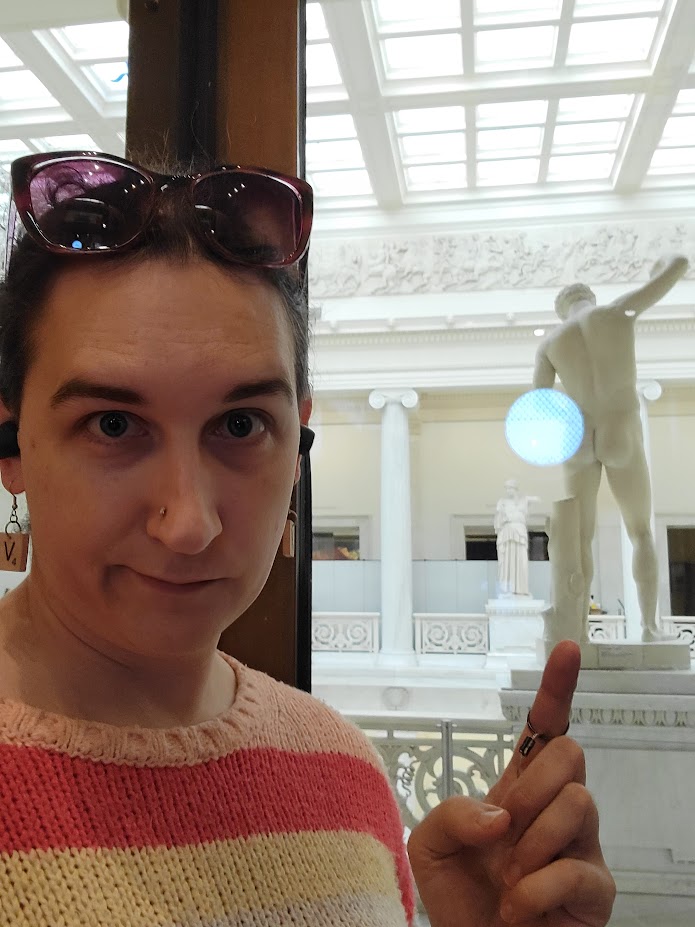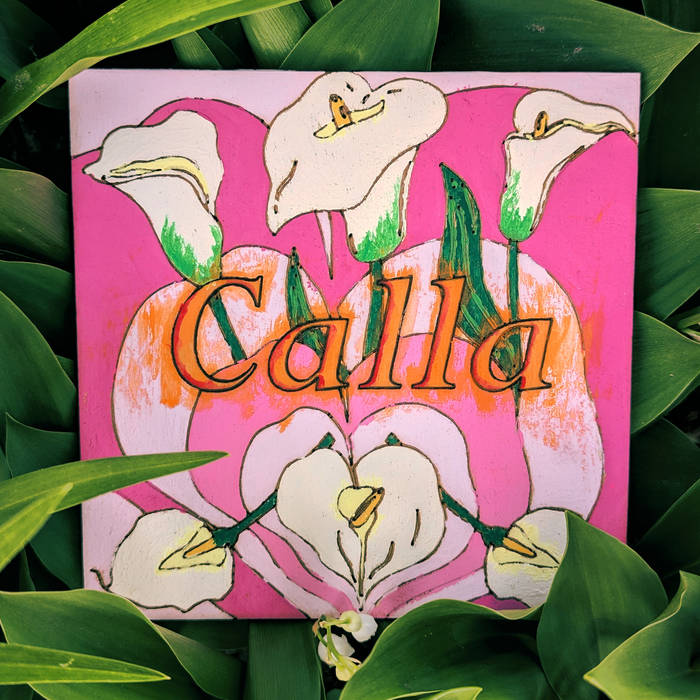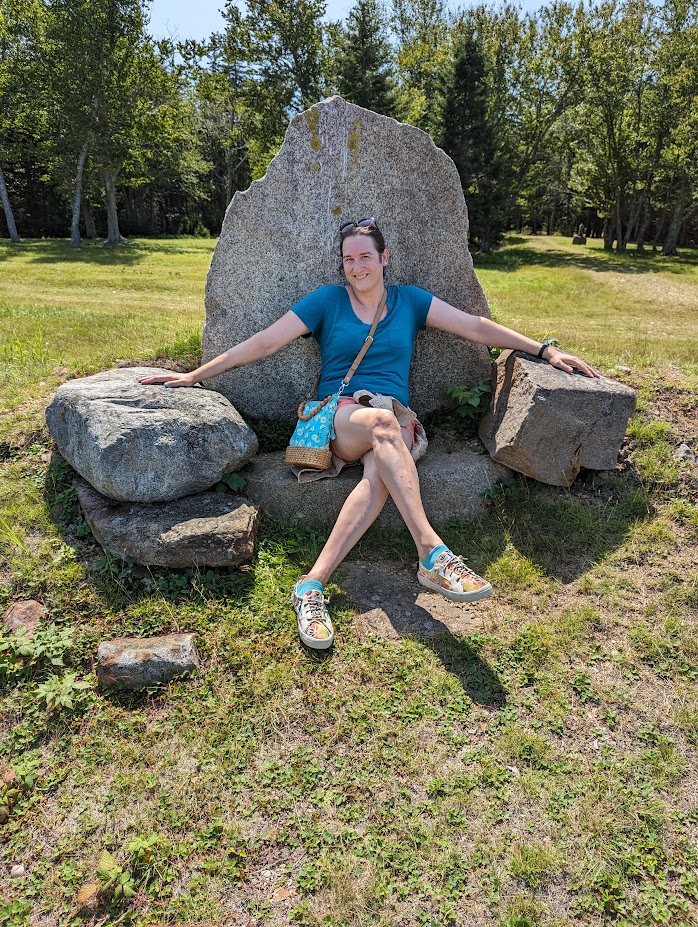

We’re excited to introduce you to the always interesting and insightful Calla Eris Orion. We hope you’ll enjoy our conversation with Calla Eris below.
Calla Eris, thanks for taking the time to share your stories with us today Learning the craft is often a unique journey from every creative – we’d love to hear about your journey and if knowing what you know now, you would have done anything differently to speed up the learning process.
Besides obsession and solitude, right? Haha! Never being satisfied with things. Oe would say oe maintain a healthy enough level of perfectionism paired with a desire to be done with a task; oe want to move on to the next idea as soon as possible, but not at the risk of being insufficient. It’s not enough to just get the idea down, it has to feel smooth. If oe read or experience a piece of oer own work and any bit of it feels ‘tacky’ or ‘rough’ to os, oe sand down the edges of it until it’s smooth again.
Learning is constant research coupled with the formation of new habits. Deciding oe’re good enough will never do, because there’s always somewhere deeper to work. So, oe chase knowledge, read craft, study the work of people who are better than oe are, or doing what oe want to be doing. Oe don’t know that oe would have wanted to speed up the process. Seems to os that everything oe’ve learned and experienced has helped os be who oe are today, including watching terrible TV and sinking hours into couch rotting. The desire to analyze, understand, and predict patterns across all forms of media and art… All that time it took made it worth it. Plus, rushing means oe’re not enjoying oer task, so why are oe doing it? Oe are oer own ancient goddess to entertain.
Sometimes it does feel like oe’re not picking up information. Oe’ll read a sentence, or write something down, and it will feel wrong and oe’ll feel the urge to go back to it. To render it again, either inside oer thoughts or on the page. But oe learned to trust, oe guess, that sometimes oe’re getting more information than oe realize. Sometimes oe’ll speed-read like this on purpose, and then go back and read it again slowly and be surprised at how much of what oe read the second time actually feels familiar. Oe think we (as a culture) lack faith in that process. We think we have to bear down and memorize every word on the page. That can be a real wall, it has been for os. We have to trust our minds to be able to grapple with subjects without direct intervention. If we knew how much our brains did behind the curtain, well… We’d probably be a lot farther along.
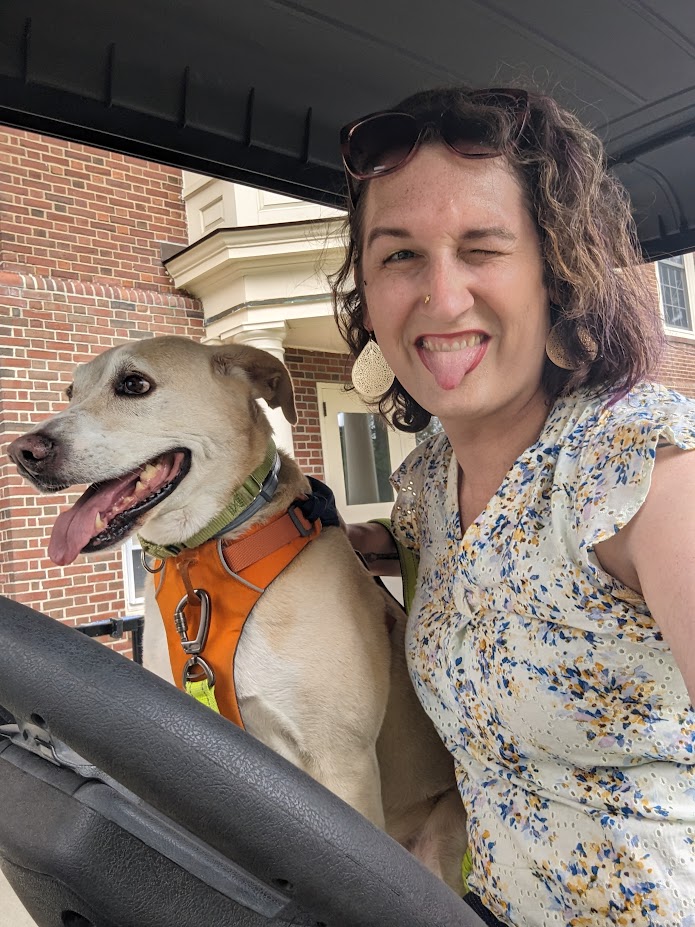
As always, we appreciate you sharing your insights and we’ve got a few more questions for you, but before we get to all of that can you take a minute to introduce yourself and give our readers some of your back background and context?
Oe are an embodied collective of creative goals and mindsets, each one with different talents and capabilities, but all serving the greater purpose of making the best work possible. Whether that’s in writing novels, short stories, recording music, or developing a video game.
First and foremost, oe’re a creator for oerself. Oe’re not in the creative business for the purpose of being a business person, although oe do understand the necessity of such a viewpoint. What oe make is intended for oer own entertainment, as something oe enjoy the act of pursuing for pursuit’s sake. Oe share it with the world as an act of good grace, of understanding that if oe create something oe can enjoy, then other people can too.
Oe’ve always been interested in creative hobbies. As a child, oe wrote narratives, banged out recordings onto the magnetic strip of a cassette tape, designed games and systems of logic. Oe did it because oe wanted to express something; a voice which called urgently from inside.
Becoming trans deeply shifted our mission. Before this, oe chased self-expression, but had no real reason why to do it. Oe asked oerselves, why does what oe’ve made matter? Why is it important to the world? It’s essential to be able to point at a broader goal and be connected intimately to its growth and success. Aligning oer work with oer transition helped os have a cause to promote; to draw on, and also to apply oerself to. Oer mission is to lift up trans voices, to clarify oer position within the trans global narrative, and to make trans presence in the generation of culture essential.
Any insights you can share with us about how you built up your social media presence?
Oe initially resisted social media. Most of oer friends used Instant Messenger, so oe did most of our communicating there. When oe finally did accept social media into oer lives, oe did so under the main purpose of connecting with people oe already knew or oe had met throughout the course of oer daily lives.
At some point, oe found a desire to use social media for more. To promote art to others. But the more oe pushed for oer content as oer main narrative, the harder it seemed to get attention for that content. Oe found it difficult to want to continue to drive oer social media presence with external links to books, music, or games. Few people clicked on them, and fewer still responded after clicking. Something didn’t work, oe were hitting a wall.
Social media relies on connections and conversations. Networking isn’t about getting access to a person for your own benefit, it’s about making friendships and relationships that run deeper than your mutual interests of art. We need to be talking to each other, having meaningful and progressive dialogues. Once oe started leaning into the essential qualities that define os, oe started to see actual growth in oer social media presence.
If you are just starting out, it’s going to feel hard. It’s just part of the process. Continue to engage yourself, be honest about who you are and what your aims are, and find others who are having the kind of conversations you want to have. Most people will ignore you if you drop the same link to the same content every single day, but they’ll pay attention to you when you say something compelling and truthful.
What do you find most rewarding about being a creative?
The process! As much fun as it is to see the finished project — and believe os, it’s one of the most deeply satisfying parts of any endeavor — the process of going from concept to completion is the most rewarding part. Watching the ideal unfurl, assessing each decision and how it affects both the future of the work and what’s already been set in motion, is an incredible learning experience. And humbling, too.
It is in the act of creation that oe see oerself depicted in the work. Oe’ve learned so much about oerself through this process, as the act of creating involves significant subconscious introspection. Hints of things oe might be obscuring from oerself that can’t help but come to surface. Every piece of art that oe create leads os down a new path of self-discovery. It is one of the top reasons for doing what oe do.
Sure, it can be difficult to look directly into the eye of the beast sometimes, but the wealth of information that can be gleaned is worth every pain.
Contact Info:
- Website: https://www.callaorion.com
- Instagram: https://www.instagram.com/callaeris/
- Youtube: https://www.youtube.com/@callaeris
- Other: Threads: https://www.threads.net/@callaeris