

We recently connected with Caleb Rogan and have shared our conversation below.
Hi Caleb, thanks for joining us today. Can you talk to us about serving the underserved.
Perspective plays a crucial role in our lives. Often, we become so engrossed in our own experiences and challenges that we overlook the importance of understanding others’ situations. By stepping into others’ shoes, we not only cultivate gratitude but also find motivation to assist those who are less fortunate. In my field, working with justice-involved youth has become a profound passion. Witnessing young individuals who have endured significant trauma transform into remarkable individuals underscores the importance of this work.
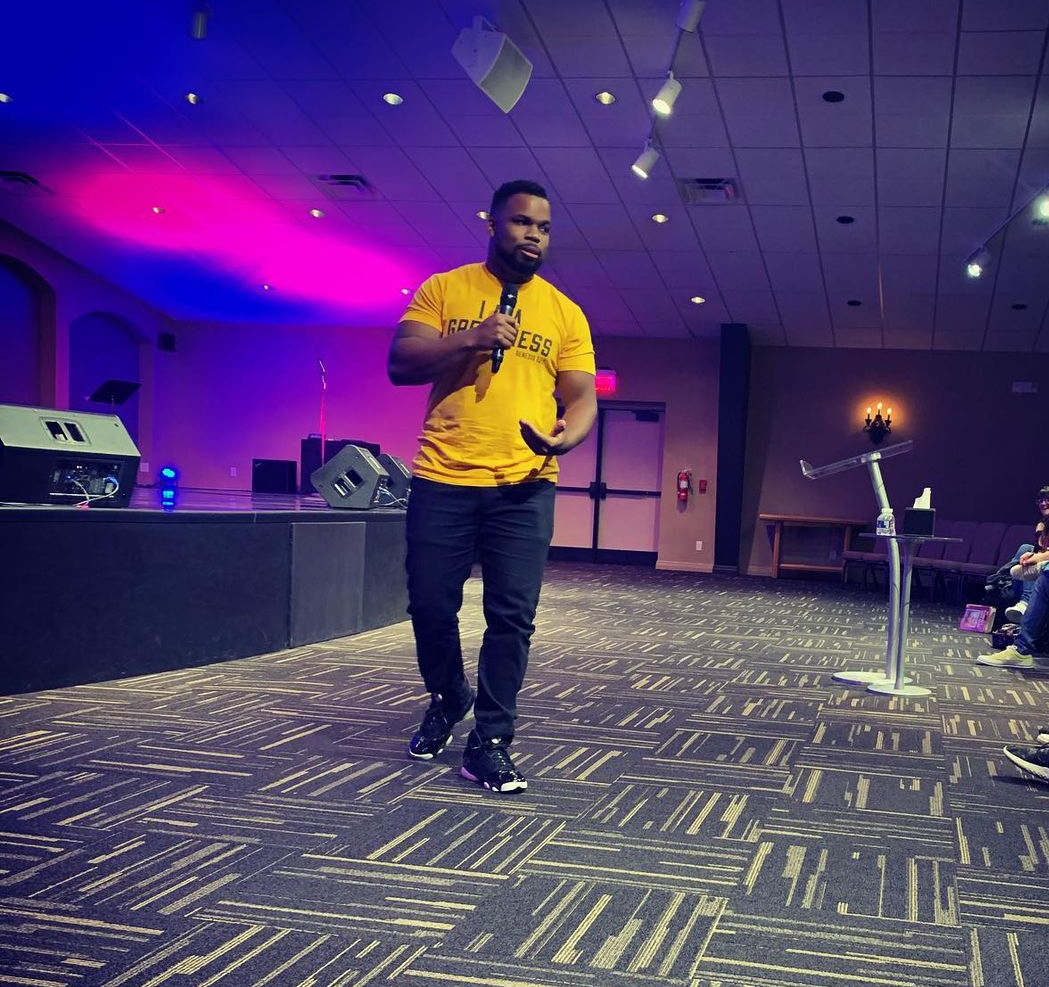
Great, appreciate you sharing that with us. Before we ask you to share more of your insights, can you take a moment to introduce yourself and how you got to where you are today to our readers.
Our organization is dedicated to supporting youth who have been involved with the justice system. Comprising a diverse team of seven mentors with varied backgrounds, we are committed to building meaningful connections with each youth. Our role involves helping them set goals and develop actionable plans for achieving success.
One of the primary challenges we encounter is that serving youth from trauma-affected backgrounds often means addressing issues that extend beyond the individual. Many of these youths face similar challenges as their families, necessitating a holistic approach. To effectively support these young people, it is crucial to engage with and support their families as well. Our success is measured by our ability to connect with entire families, integrate them into our community, and provide the necessary support to parents, enabling them to foster a nurturing environment that benefits each child.

How do you keep your team’s morale high?
To manage a team effectively and maintain high morale, it’s essential to foster open communication and set clear goals. Encourage regular dialogue, actively listen to team members, and provide the necessary resources for achieving their objectives. Recognize and reward achievements, offer constructive feedback, and support professional development to help team members grow and stay motivated. Ensuring a work-life balance and offering flexible arrangements can also contribute to a positive work environment.
Building a supportive team culture involves promoting team bonding, modeling positive behavior, and addressing issues promptly. Empower team members by delegating responsibilities and encouraging innovation. Additionally, support their well-being with resources for mental and physical health and regularly solicit and act on feedback. These practices create a productive and engaging atmosphere that benefits both individual and team success.
We often hear about learning lessons – but just as important is unlearning lessons. Have you ever had to unlearn a lesson?
I had to unlearn the notion that success follows a universal blueprint. True success manifests uniquely for each individual, and while it’s valuable to learn from others’ experiences, attempting to replicate their paths often misses the mark. Each person’s journey is distinct and cannot be duplicated. It’s beneficial to draw inspiration and general concepts from success stories, but investing in a one-size-fits-all course may not always yield the desired results. Instead, it’s crucial to have faith and recognize that your opportunities and experiences will differ from others. Focus on your personal journey and trust that it will unfold in its own way.
Contact Info:
- Website: https://www.rynashville.org
- Instagram: rocklifeyouth
- Linkedin: https://www.linkedin.com/in/calebrogan