

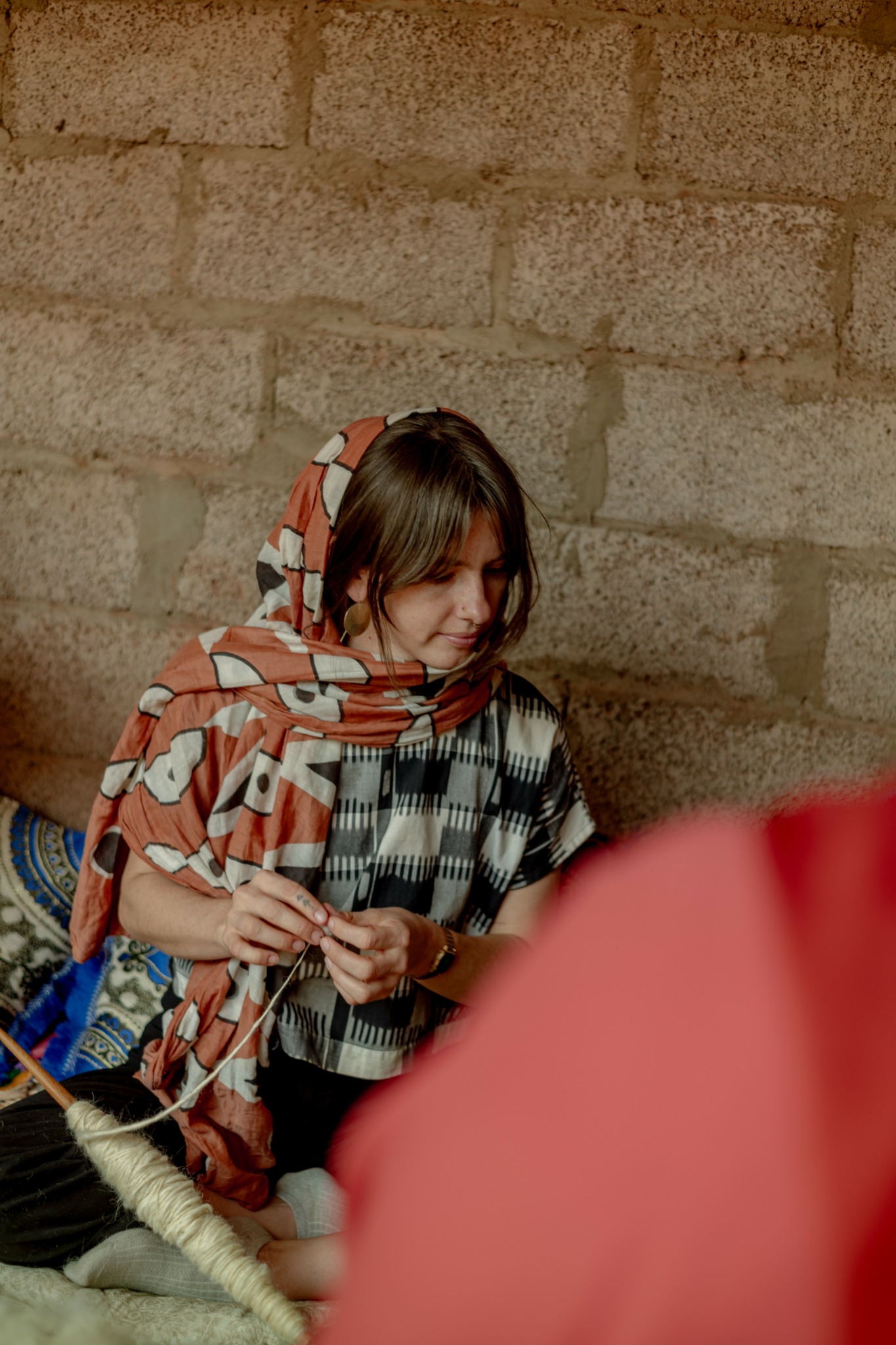

Alright – so today we’ve got the honor of introducing you to Caitlin Garcia Ahern. We think you’ll enjoy our conversation, we’ve shared it below.
Hi Caitlin, thanks for joining us today. What’s the backstory behind how you came up with the idea for your business?
Before starting Thread Caravan, I studied Sociology and International Business at Loyola University New Orleans. In my early twenties, I lived in New Orleans, New York, Hawaii, and Cambodia, working in a range of roles primarily connected to education and social impact. On the side, I ran a small clothing brand and nurtured my creative practice daily. At the time, I didn’t yet see how all the pieces would fit together.
Eventually, sewing clothing led me down a sustainability path. As I learned about the negative impacts of fast fashion, I became obsessed with materials, learning where they came from and ensuring they were made from 100% natural fibers. If I couldn’t trace the origins of a material, I usually opted to upcycle existing clothing instead.
Around the same time, I began working with fair trade artisan organizations and realized this could be the perfect avenue to combine social impact and craftsmanship. While working with these organizations, I noticed a gap between makers and consumers. Artisan goods were becoming increasingly popular, but most people purchasing them knew very little about the artisans behind the work, the materials and processes involved, or the cultural significance of the craft. What impact do handmade goods truly have if the stories, traditions, and people behind them remain invisible?
I started Thread Caravan in 2014 to bridge that gap. My vision was to create immersive travel experiences where participants could learn traditional crafts directly from local artisans, fostering meaningful cross-cultural exchange while supporting the preservation of heritage crafts. The emphasis is on process rather than production, and on fostering genuine human-to-human connection.
These experiences also provide education about materials and craft processes, serving as a form of resistance to the industrial fashion system and encouraging a deeper appreciation for how things are made.
Awesome – so before we get into the rest of our questions, can you briefly introduce yourself to our readers.
My name is Caitlin Garcia-Ahern, and I’m the Founder, CEO and Creative Director of Thread Caravan, an ethical travel company that creates immersive craft and cultural experiences around the world in collaboration with local artisan communities.
My path to founding Thread Caravan wasn’t a direct one. I studied Sociology and International Business at Loyola University New Orleans and spent my early twenties living and working in places including New Orleans, New York, Hawaii, Cambodia, Guatemala, and Mexico. Throughout those years, I worked in education, social impact, and fair trade, while simultaneously nurturing my own creative practice through sewing, textiles, photography, and design.
The idea for Thread Caravan emerged while I was working with fair trade artisan organizations. I noticed that while handmade products were becoming more popular, there was still a disconnect between makers and consumers. People could purchase a beautiful handwoven textile or ceramic piece, but often knew very little about the artisan who created it or the cultural traditions behind it. I built Thread Caravan as a tool to share traditional craft knowledge and preserve craft practices.
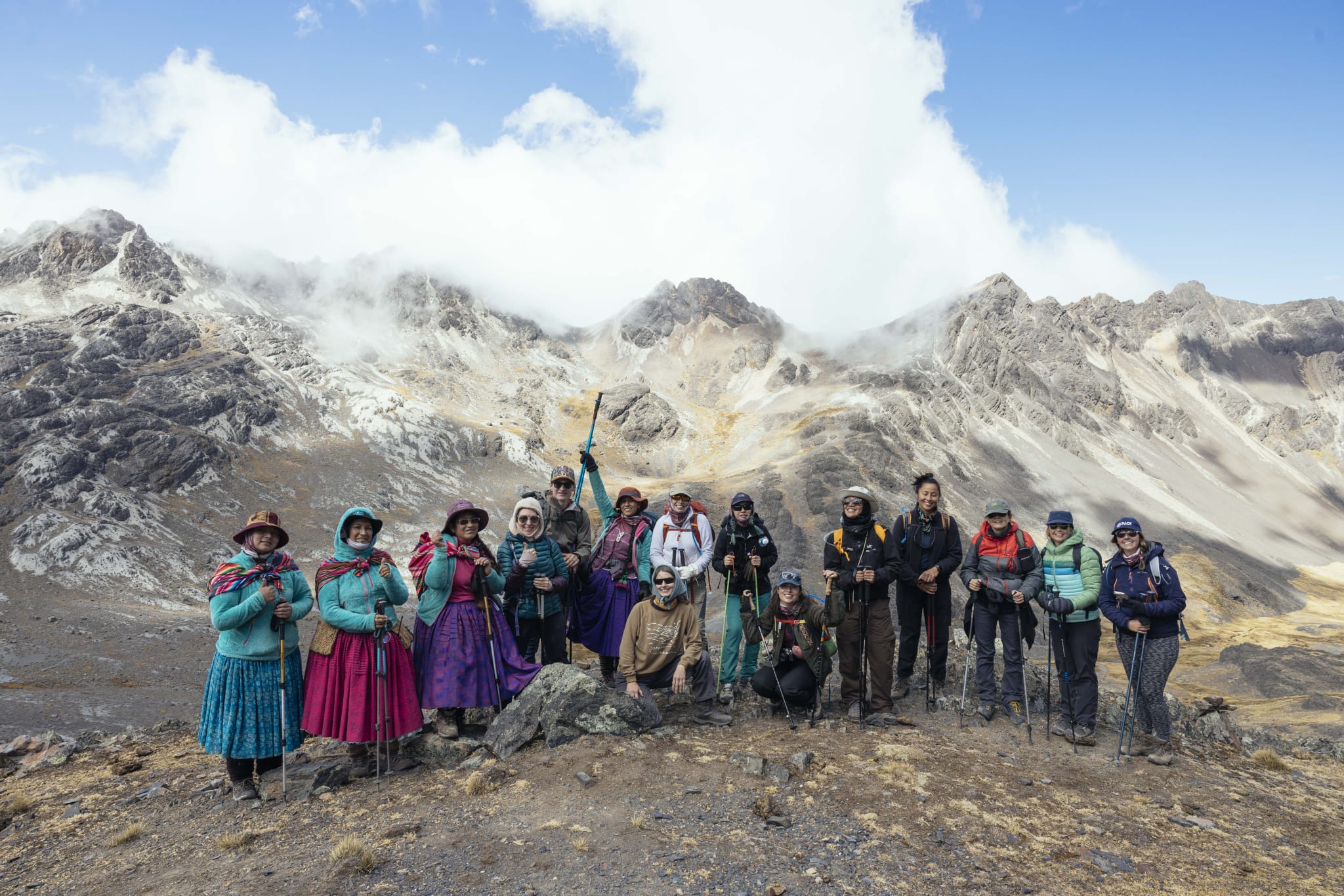
Today, we organize small-group journeys around the world where travelers learn traditional crafts directly from master artisans. Our experiences range from making ceramics with indigenous communities in Oaxaca and ice climbing with the Cholitas Escaladoras in Bolivia to exploring indigo dye traditions in Japan, knitting in Iceland, and more.
What sets Thread Caravan apart is that we are not simply a travel company, nor are we solely focused on craft. We use traditional craft as a vehicle for cultural exchange, education, and human connection. Our experiences prioritize participation over observation. Rather than watching a demonstration from afar, travelers sit alongside artisans and practice the craft with their own hands, gaining perspective into the complexity and skill learned over generations. That said, our trips are about more than creating a finished object. The true value lies in the relationships formed. We believe travel can be a force for human connection and cultural preservation, and we’re committed to building experiences that reflect those values.
I believe one of the greatest challenges of our modern world is disconnection. Disconnection from the origins of materials and goods, and the people behind them, and often disconnection from one another. Thread Caravan seeks to address this by creating space for human connection and education.
What I’m most proud of is the community that has formed around Thread Caravan. Over the past decade+, we’ve brought together thousands of travelers and dozens of artisans from different backgrounds, cultures, and generations. While they come from different backgrounds, they are connected through a mutual love for craft and genuine desire to learn with an open mind.
How did you build your audience on social media?
I started Thread Caravan in 2014. In the first few years of the business, Instagram marketing was at its peak. There was no paid advertising, just genuine community building and organic reach.
We began growing our social media presence by collaborating with other small, independent businesses in the arts and crafts space that I believed shared a similar audience with Thread Caravan. Rather than focusing on traditional advertising, we focused on partnerships that felt authentic and mutually beneficial.
During our first year, I invited two independent arts magazines to co-host trips with Thread Caravan. I created the itineraries and facilitated the experiences, while the magazines sent their editors to participate and co-host. We branded the trips as collaborations and marketed them to their communities of loyal readers, which helped us reach people with shared values.
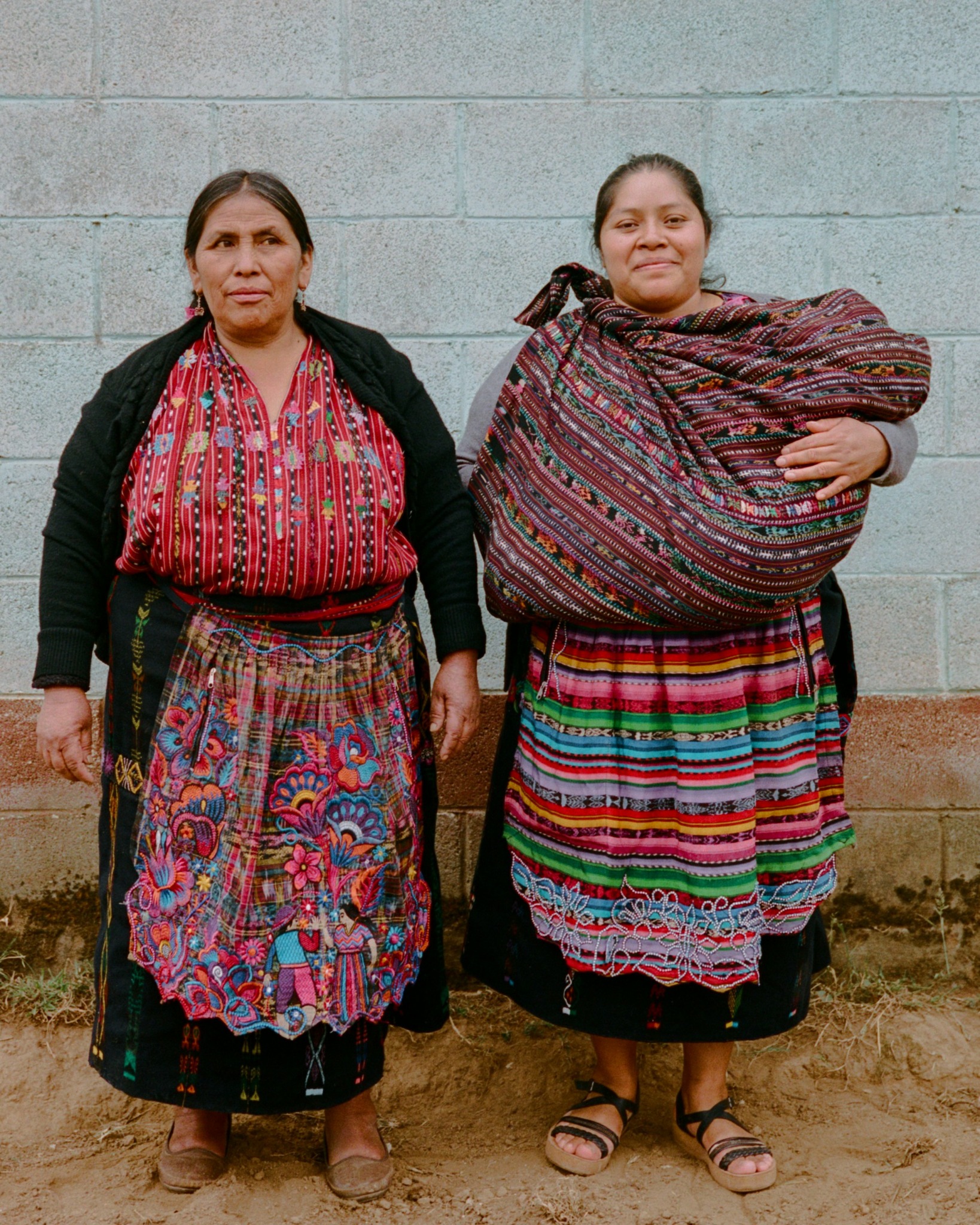
Additionally, whenever we brought a photographer on a trip (which was often in those early years, as we were building our visual content library), I would reach out to small artisan-made clothing brands to see if they would like to send products for us to photograph during the journey. Our team would wear the pieces, the photographer would document them in unique settings on the trips, and the brands would then share the images with their audiences, saying things like, “See our handmade dress photographed on Lake Atitlán, Guatemala with @threadcaravan.”
In many ways, it was an early form of influencer marketing, but it felt much more collaborative and community-driven than what the industry has become today. We were a group of small creative businesses supporting one another and sharing stories that celebrated craft and travel.
Any thoughts, advice, or strategies you can share for fostering brand loyalty?
Our primary communication channels with guests are social media and our email newsletter. However, because our trips are intentionally small and intimate, relationships often continue after the experience ends. Many of our trip hosts stay in touch with guests, and we are fortunate to have a strong return rate (approximately 14% of our guests have traveled with us more than once). At its core, our approach to customer loyalty is centered on community-building. We focus on creating meaningful and lasting relationships that naturally encourage guests to stay connected long after they return home.
On Thread Caravan’s 10th anniversary, I handwrote and mailed postcards to every guest who had participated in two or more trips (more than 300 people in total). Several recipients told me they had never received a handwritten postcard before and that it felt incredibly special. That project reminded me how meaningful small, personal gestures can be in an increasingly digital world.
We’ve also created several initiatives that help foster brand engagement and loyalty. One of them is our Frequent Traveler Program, which offers a 15% trip discount to guests who have attended five or more trips. The program is designed to reward the incredible community of travelers who continue to support our work and return to come learn with us.
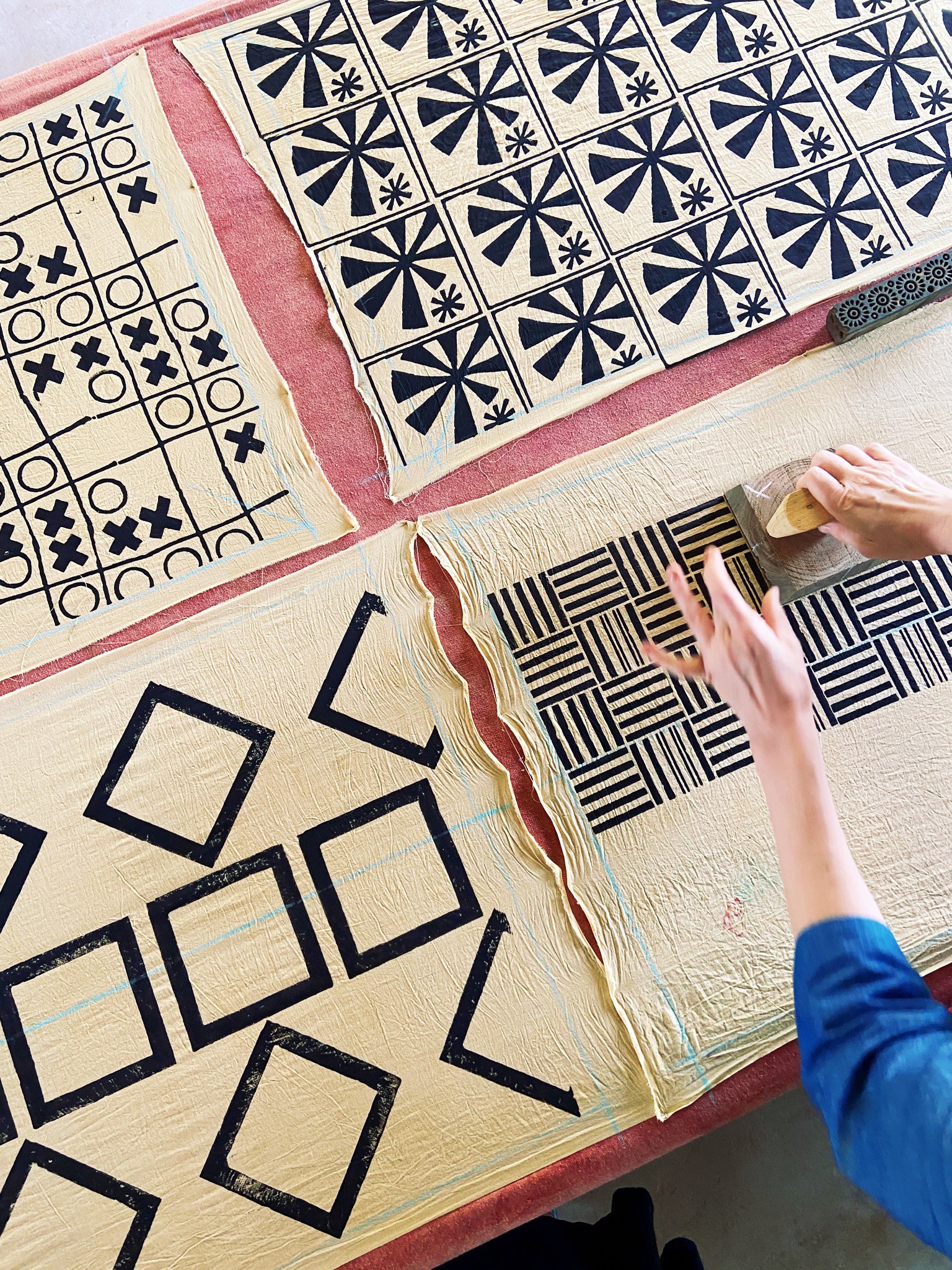
A new and quickly-beloved tradition is our trip patch collection. Guests receive a custom patch on each trip they attend, which they can collect and sew onto a travel bag or jacket. Over time, these patches become a visual record of their adventures and the communities they’ve visited through Thread Caravan.
We have also produced a very limited run of Thread Caravan merch. Interestingly, the majority of purchases have come from our most loyal past guests, which reinforces the idea that people are genuinely connecting with the people they’ve met and experiences they’ve had through our trips.
Contact Info:
- Website: www.threadcaravan.com | www.caitlin.info
- Instagram: www.instagram.com/threadcaravan | www.instagram.com/caitlin.garcia.ahern
- Linkedin: https://www.linkedin.com/in/caitlin-garcia-ahern
- Other: https://maps.app.goo.gl/cnbw3qWRAmiACa836
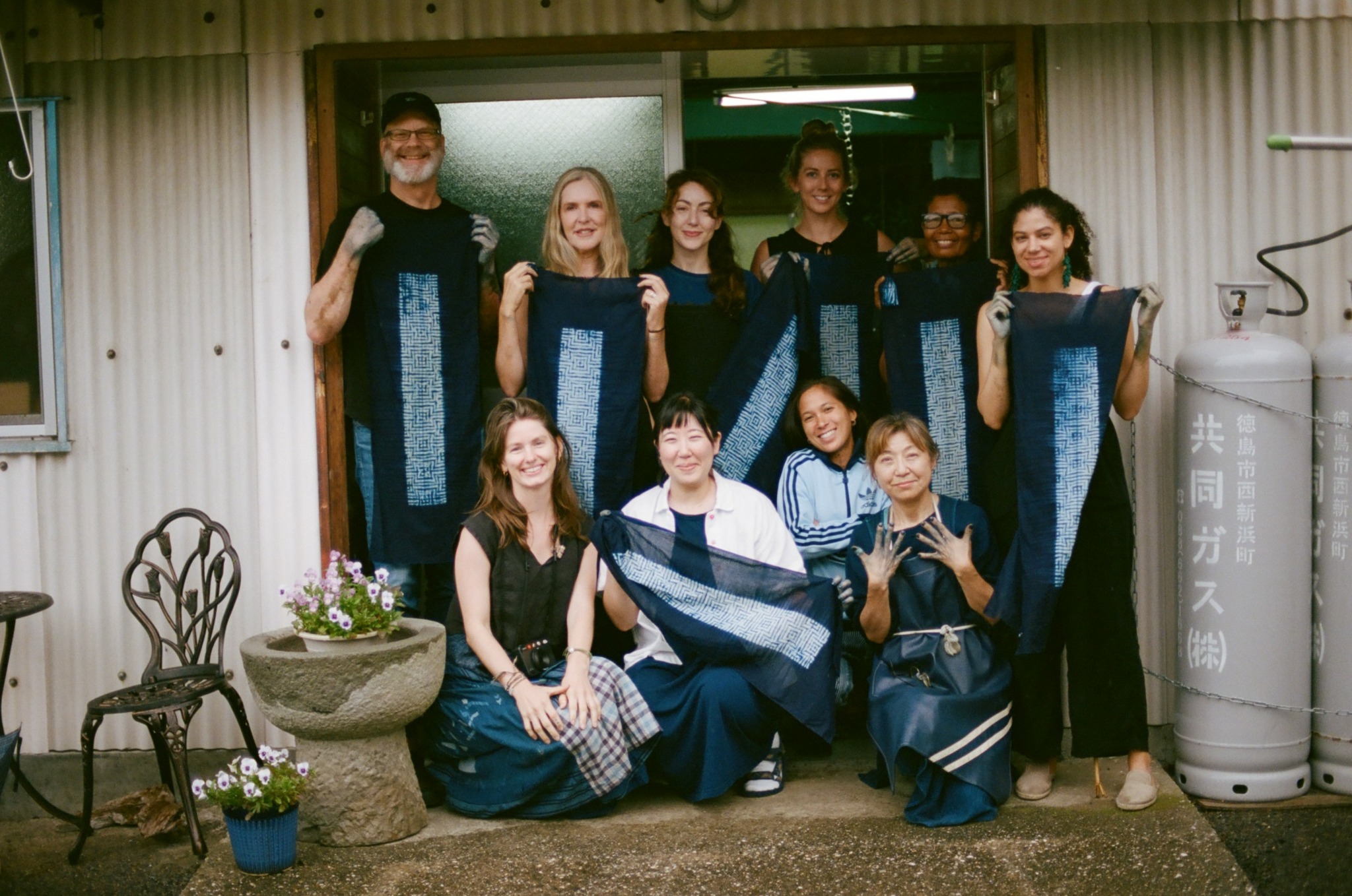
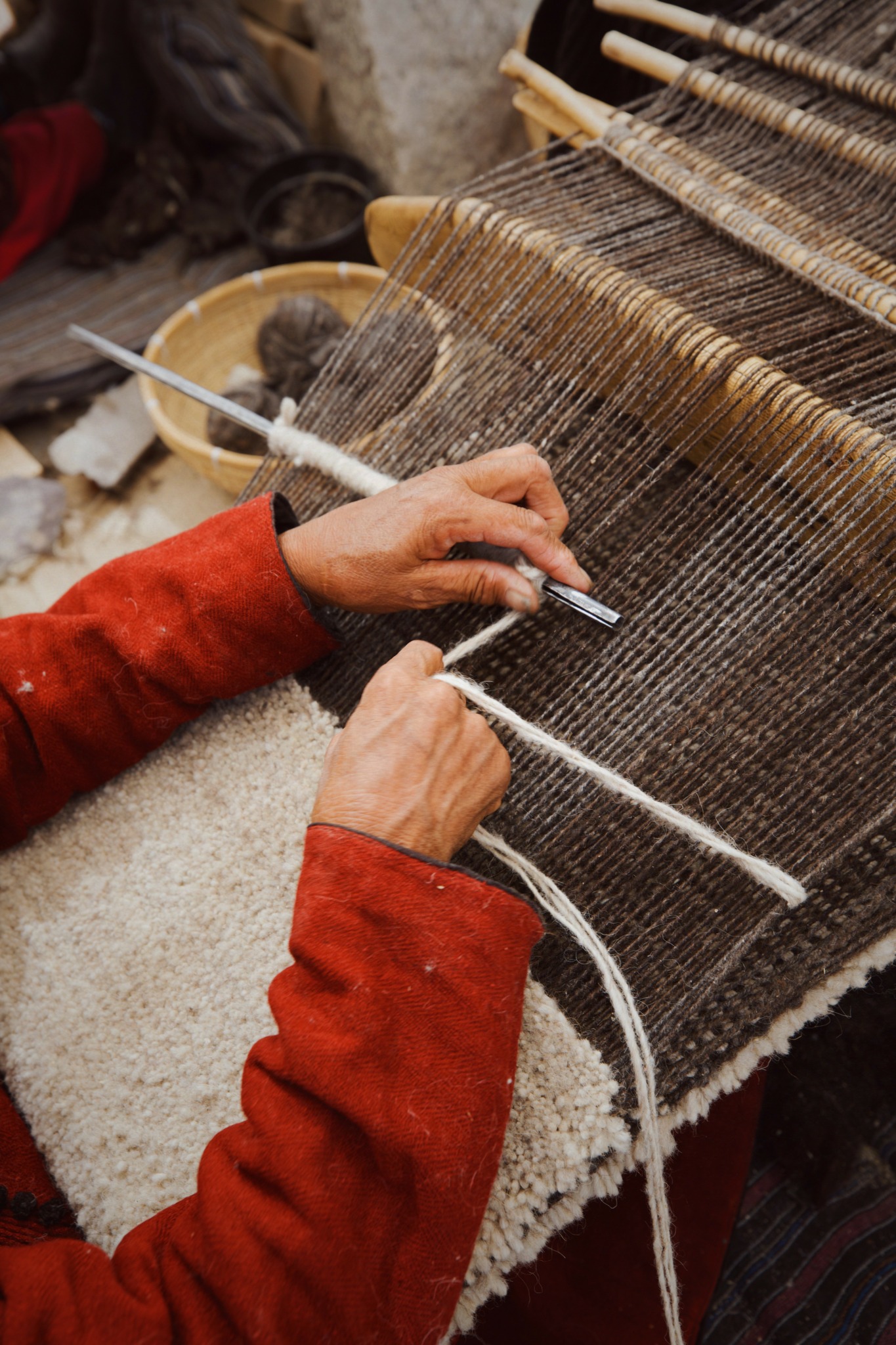
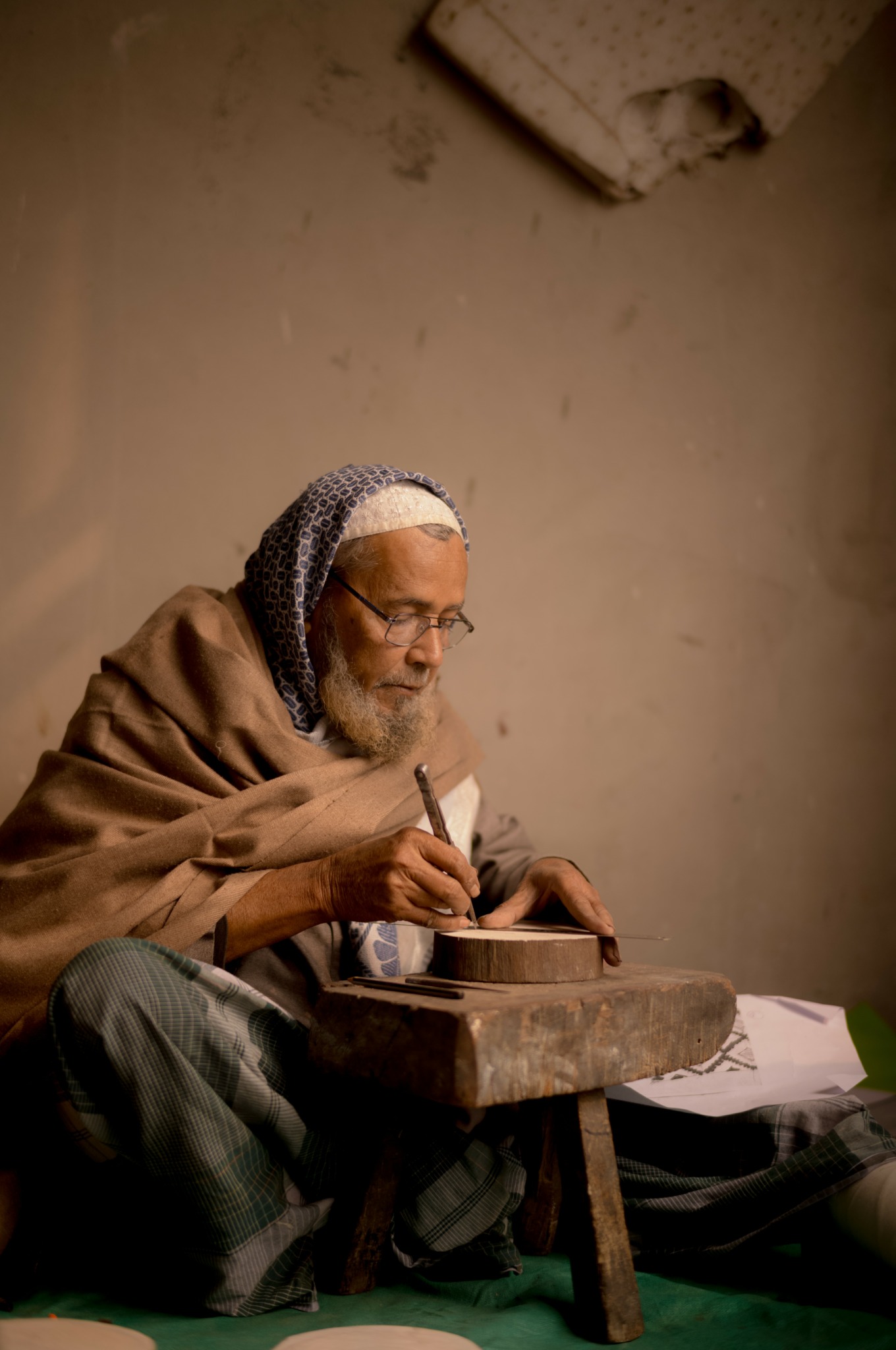
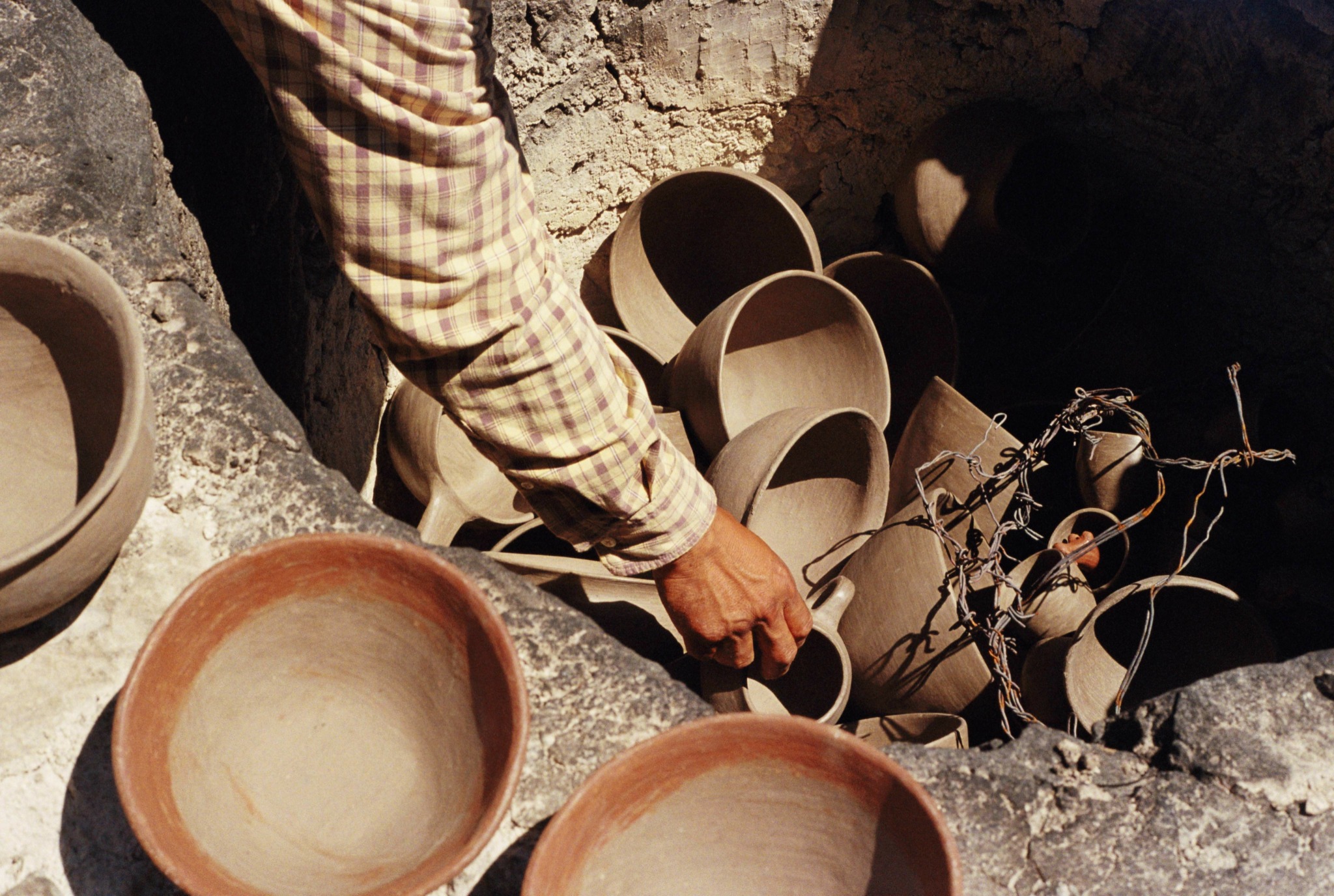
Image Credits
Kate Berry, Iris Humm