

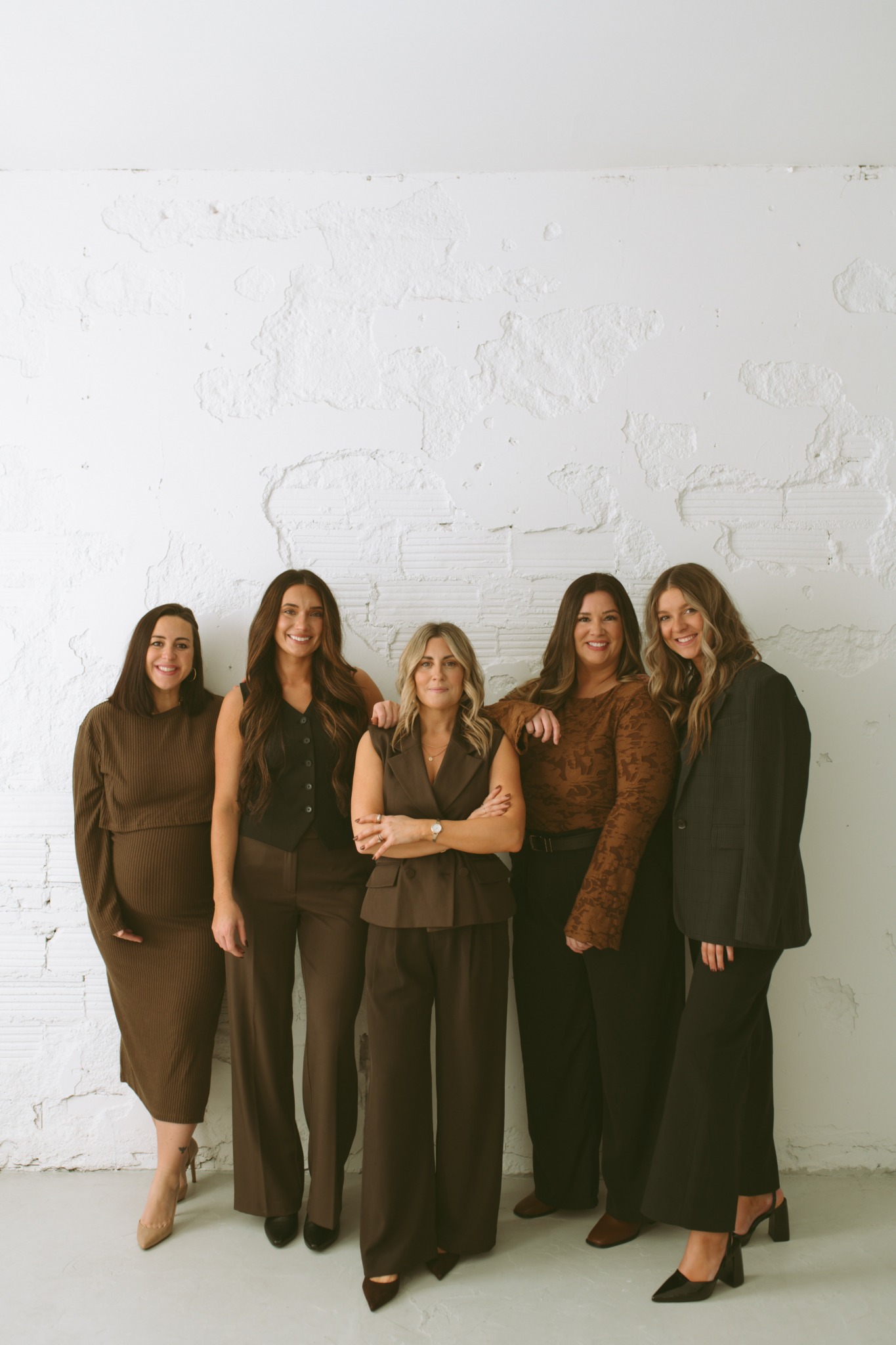

We caught up with the brilliant and insightful Brittany Burgdorf a few weeks ago and have shared our conversation below.
Brittany, appreciate you joining us today. Risk taking is something we’re really interested in and we’d love to hear the story of a risk you’ve taken.
I’ve taken a lot of risks in my life but when I look back, they all come down to one pattern: I’ve consistently chosen growth over comfort, even when it meant walking away from something that looked “right” on paper.
That started early.
I became a young mother while finishing college, which in itself required a level of discipline and resilience that shaped how I approach everything. At the same time, I made the decision to pursue a dream job that allowed me to travel the world, balancing responsibility at home while pushing myself professionally in ways that stretched me far beyond what felt familiar.
As my career progressed, the risks evolved. I walked away from roles that no longer aligned, even when they were stable. I transitioned out of corporate into consulting, which meant stepping away from predictability into uncertainty. I launched. my own event venue in Lawrenceburg Indiana and a marketing company. And eventually, I took one of the biggest risks, starting my own agency.
At the time, I had built a strong foundation in events and marketing. I knew how to generate momentum, build experiences, and drive growth. But building something of my own meant betting on myself fully not just as an operator, but as a leader.
From there, that risk compounded. What started as one business turned into building and operating multiple and eventually, into founding Foundress. That shift was another risk in itself. It required me to move beyond execution and into building infrastructure, systems, and a team that could scale beyond me.
At every stage, the common thread was this: I was willing to leave something that worked in order to build something better aligned. None of those decisions felt easy in the moment. Walking away from stability never does. There were moments of uncertainty, moments of recalibration, and moments where I had to trust my own judgment without external validation.
But each risk created expansion. It built resilience. It built clarity.
And ultimately, it built a business and a life that are fully aligned with how I want to operate and lead.
If there’s one thing I’ve learned, it’s that risk isn’t a single moment — it’s a mindset. It’s the willingness to continually evaluate where you are, and to make a change when you know you’re capable of more.
And in my experience, the bigger risk is staying somewhere that no longer fits, just because it feels safe.
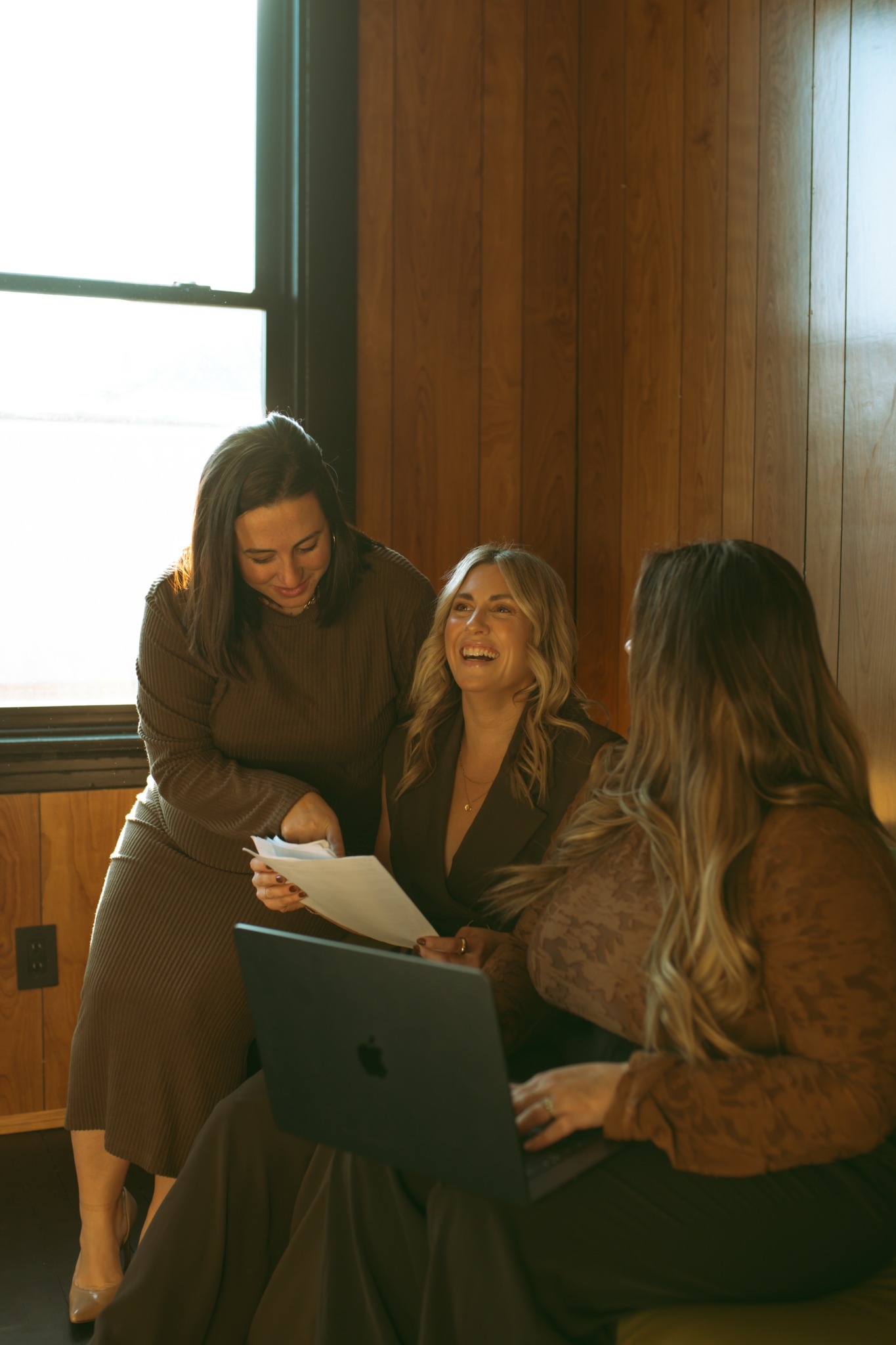
Awesome – so before we get into the rest of our questions, can you briefly introduce yourself to our readers.
I’m the founder of Foundress, a growth and infrastructure consulting agency that supports organizations as they scale.
My background didn’t start in infrastructure, it started in execution. Early in my career, I worked closely with founders on branding, marketing, and business development. I built my career around helping businesses grow visibility, generate revenue, and create momentum. And for a long time, that was enough.
But as I grew alongside the businesses I was supporting, I started to see a deeper issue. Many organizations weren’t struggling because they lacked ambition, talent, or even demand. They were struggling because they were trying to scale without the underlying structure to support that growth. Financial reporting was reactive. Operational systems were unclear. Expansion decisions were driven by instinct instead of data. And more often than not, the founder was carrying the weight of the entire business.
I’ve been in that position myself, being the one everything depends on, and I know how limiting that can become.
That realization is what led me to build Foundress. Today, we work with organizations that are ready to expand, whether that’s into new markets, new revenue streams, or new levels of leadership. Our work focuses on strengthening financial foundations, building operational clarity, developing expansion strategies, and implementing the systems and reporting needed to support sustainable growth.
We don’t just help businesses grow, we help them build the structure that allows growth to last. What sets us apart is how we operate. We sit at the intersection of strategy and execution. We’re not consultants who deliver a plan and step away, and we’re not just implementers executing someone else’s vision. We work alongside leadership teams to bring clarity, discipline, and accountability to how they scale. We also bring pattern recognition from working across multiple industries and growth stages. We’ve seen what happens when companies expand too quickly without financial visibility, when systems are built reactively instead of intentionally, and when leaders burn out trying to hold everything together. Our work is as much about prevention as it is about progress.
What I’m most proud of isn’t a revenue milestone or a launch, it’s the shift we create for the leaders we work with.
When someone says, “I can finally see my business clearly,” or “I feel like this can run without everything sitting on my shoulders,” that’s when I know the work is doing what it’s supposed to do.
The main thing I want people to understand about Foundress is that we are not here to create noise or short-term wins.
We are here to build stability, structure, and long-term scalability. If you’re building something meaningful and you want it to grow beyond you, that requires more than ambition. It requires systems, financial discipline, operational clarity, and a strategy that can actually support expansion. Foundress exists to build that backbone , so you don’t just start something successful. You build something that can sustain, scale, and evolve.
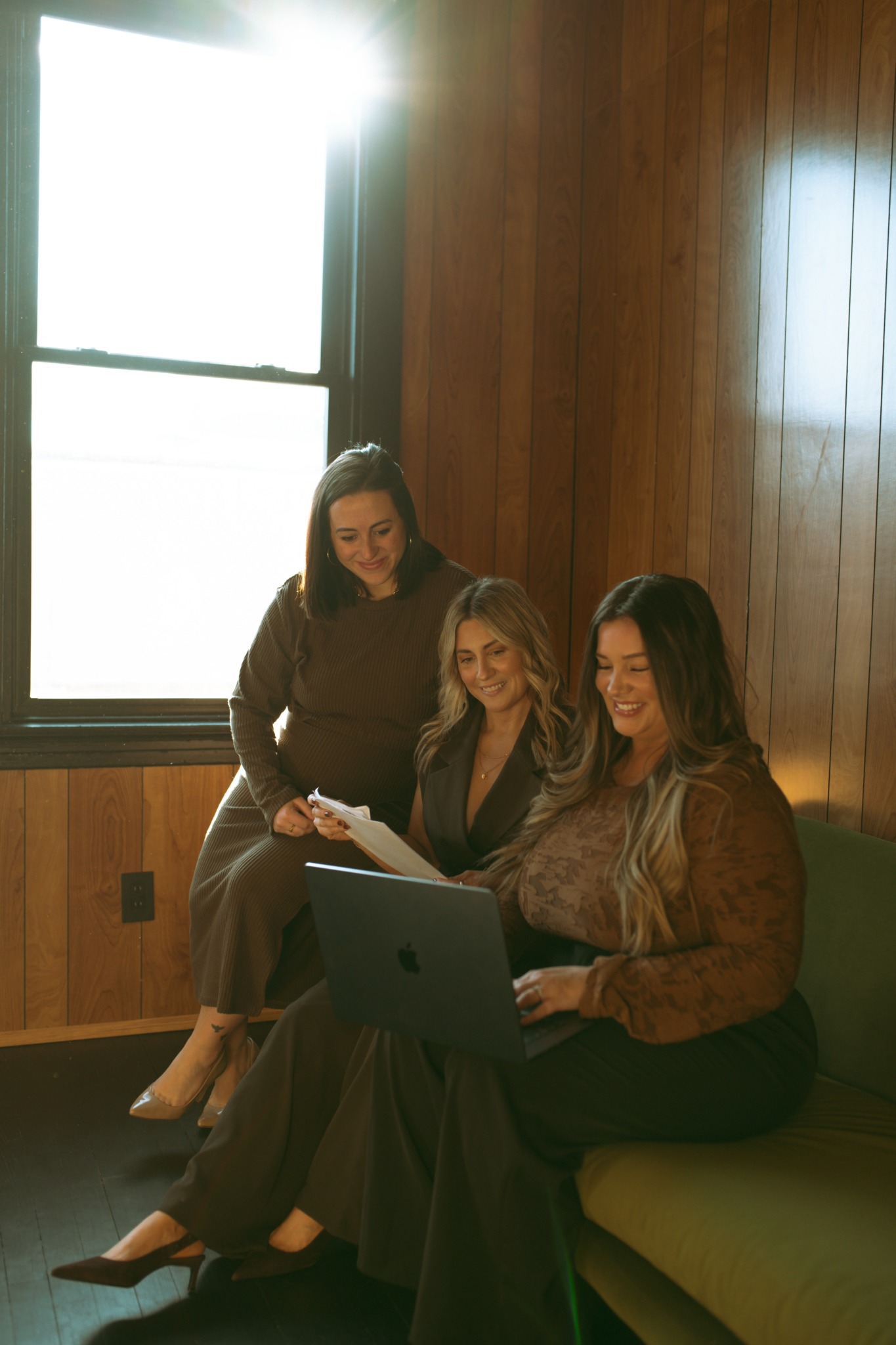
We’d love to hear a story of resilience from your journey.
One of the biggest tests of my resilience wasn’t operational, it was personal. For a long time, my identity was tied to achievement in a traditional sense. Corporate titles, growth, climbing the ladder – I took pride in that. It gave me a clear benchmark for success, and I worked hard to earn it.
Walking away from that wasn’t just a career decision. It was an identity shift.I remember the tension of leaving something that was recognized and respected to step into something that, at the time, didn’t have the same external validation. Moving into consulting, and eventually building my own business, meant trading clarity for uncertainty.
And there was skepticism.
A lot of people didn’t see consulting as something that could truly scale. It was often viewed as dependent on the individual, not something you could build into a structured, growing organization. I heard that more than once.
But I saw it differently. Through my experience, I had already identified the gap, organizations didn’t just need execution, they needed infrastructure. They needed strategy that could actually be implemented and sustained. And I believed there was a way to build a model around that, one that wasn’t limited to a single person, but could grow through systems, team, and structure.
Still, believing that and building it are two very different things. There were moments where I felt the pull to go back to what was familiar, where success was clearly defined, where the path was already laid out. That’s the part people don’t always talk about. It’s not just about taking a risk once, it’s about continuing to choose it when it would be easier to retreat.
Resilience, for me, was staying committed to that vision even when it wasn’t fully proven yet.
It meant trusting my perspective, even when it didn’t align with how others had done it before. It meant building something that didn’t have a clear blueprint. And it meant letting go of needing external validation in order to move forward.
Over time, that decision proved itself. What started as a shift away from traditional structure became the foundation for Foundress, a business built on the belief that consulting can be both strategic and scalable when it’s rooted in systems, not just individuals.
Looking back, that season taught me that resilience isn’t just about pushing through challenges, it’s about having the conviction to redefine success for yourself, and the discipline to build something others may not immediately understand.
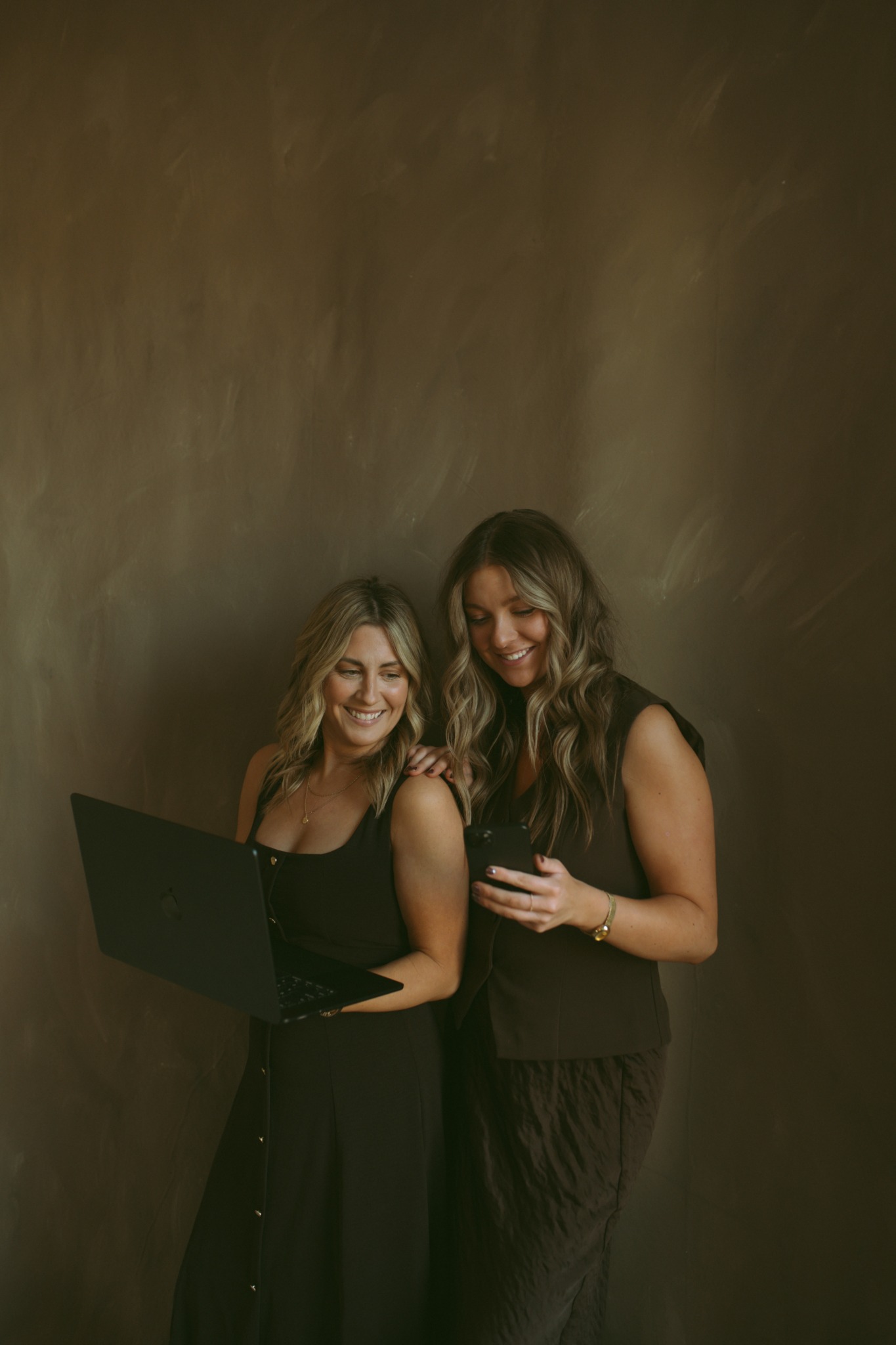
Any stories or insights that might help us understand how you’ve built such a strong reputation?
What’s helped me build my reputation in the market hasn’t been a single strategy. It’s been a consistent approach to how I show up with people over time. I believe strongly in the idea of “giving to get,” but not in a transactional way. It’s about creating real value in your relationships before you ever need something in return.
Early in my career, I focused heavily on building and nurturing my network. I stayed in touch. I followed through. I made introductions. I showed up prepared. And I treated every interaction, whether with a peer, a client, or a leader, as something worth investing in long-term.
Over time, those relationships compound. Your former coworkers become advocates. Your clients become repeat partners.
Your network becomes a source of opportunity, not because you ask for it, but because you’ve earned trust.
For me, reputation has been built on consistency. Doing what I say I’m going to do. Delivering at a high level. And maintaining relationships even when there’s no immediate business tied to them. Trust isn’t built in big moments. It’s built in small, repeated actions over time.
And I’ve found that when people trust both your character and your competence, they’re willing to open doors, make introductions, and stand behind your name when you’re not in the room. That’s ultimately what builds a strong reputation. Not visibility, but credibility.
Contact Info:
- Website: https://www.foundressmade.com
- Instagram: foundress.made
- Linkedin: https://www.linkedin.com/company/foundress-agency
Image Credits
Allysha Anne Photography