

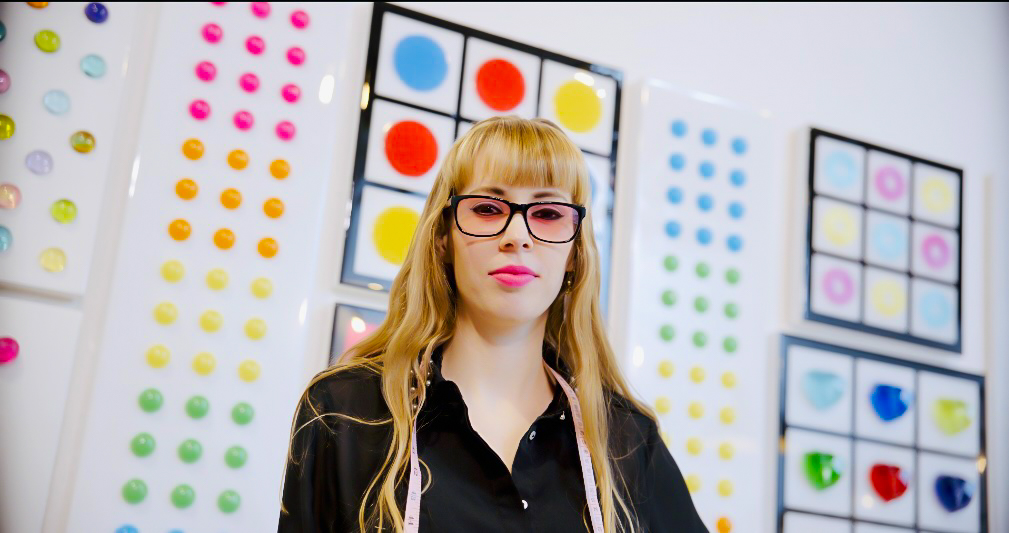

We were lucky to catch up with Brianna Davis recently and have shared our conversation below.
Brianna, looking forward to hearing all of your stories today. Did you always know you wanted to pursue a creative or artistic career? When did you first know?
When I look back at my life, the signs were everywhere. I was always making something. I’d stay up late drawing, cutting up magazines for collages, and rearranging my room like it was a living installation. My parents graciously let me paint my bedroom walls four different colors and redesign it however I wanted. That freedom planted something important in me: the belief that space, color, and objects could transform how you feel.
But like a lot of creative kids, I absorbed the quiet fear that art wasn’t practical. There’s that looming “starving artist” narrative that makes creativity feel risky. So in my early adulthood, I tried to outrun it. I completed two years of college on a medical track before finally listening to the part of me that lit up in creative spaces and switched to Interior Design.
The shift felt immediate. Color Theory and Fundamentals of Design didn’t feel like classes, they felt like oxygen. I soaked up everything. For the first time, I wasn’t forcing myself forward; I was pulled.
Interior Design, though, taught me an unexpected lesson: I didn’t actually want anyone else’s opinion. That realization crystallized when a client was absolutely determined to paint their entire house light yellow. I remember thinking, “I don’t want to negotiate vision.” I wanted to create it.
That led me into home staging and real estate, which was closer. Every home became my canvas. I staged them as if they were installations: bold, cohesive, immersive. I collaborated with local artists, borrowing their work to display in the homes and hosting open house art tours. I even curated a major show for Impact HUB’s grand opening, featuring work from ten incredible artists. I was orbiting the art world, just not fully inside it yet.
From there I moved into Production Design and Prop Mastering in film and commercial work, which I loved. It satisfied my love of detail, illusion, and building visual worlds. I also wrote and illustrated ten Pop Art children’s books, another step closer. Each chapter of my career felt like I was circling something.
Then came the moment.
I was Production Designer and Prop Master on a commercial with a joke about a busy mom leaving her keys in the freezer. In film, prop integrity matters. Real ice would melt, cloud, crack, or become unsafe to handle. So I engineered a solution: I fabricated a crystal-clear block of “ice” with the keys perfectly suspended in the center.
When I finished it, I was stunned. It was beautiful. Hyper-real, glossy, controlled, but also playful. I remember staring at it and feeling something click. My mind started racing. If I could do this with ice… what else could I create? What other everyday objects could I elevate, suspend, exaggerate?
That block of ice was the first time I saw my own artistic voice fully formed. It wasn’t client-driven. It wasn’t collaborative. It was mine.
Everything I make now traces back to that moment.
Brianna, before we move on to more of these sorts of questions, can you take some time to bring our readers up to speed on you and what you do?
I make art: art for the people.
I’ve always resonated with something Andy Warhol said: “Pop Art is about liking things.” That idea feels radical in its simplicity. My work is rooted in joy: fun objects, bold color, gloss, nostalgia, sweetness, exaggeration. I make what I genuinely love. If it doesn’t excite me, it doesn’t get made. I’m actually my toughest critic, so everything that leaves my studio has passed a very high bar.
My background in Production Design and Prop Mastering deeply informs my practice. I think like a builder. I engineer my pieces. I consider structure, longevity, materials, finish. The work may look playful, but it’s constructed with precision.
Archival quality is non-negotiable for me. I’ve done extensive research into materials and processes to ensure my work stands the test of time. Every panel is built with museum-grade, acid-free, chemically stable components designed to resist fading, yellowing, and degradation. I want my collectors to know that the joy they feel today will last for decades, even centuries.
What truly sets my work apart is dimension and surprise.
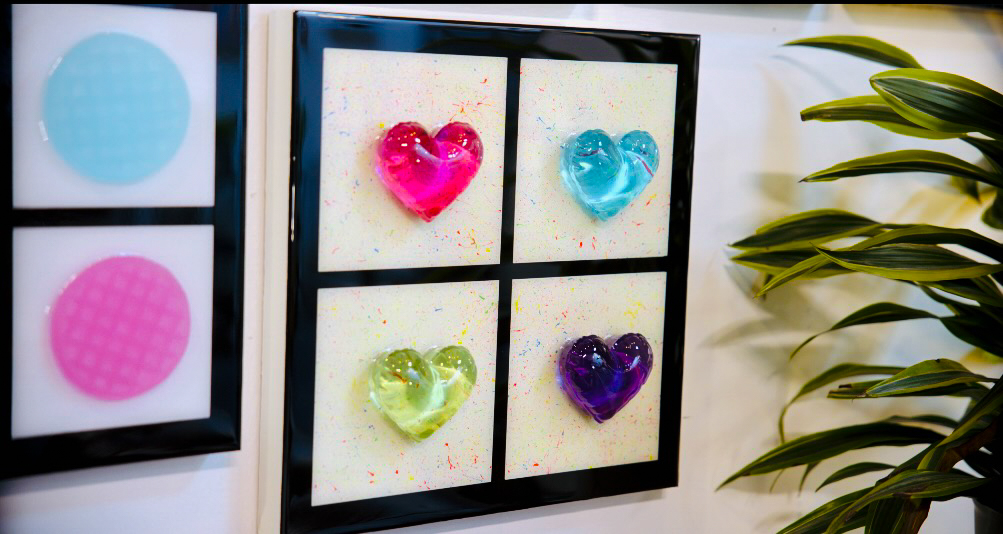
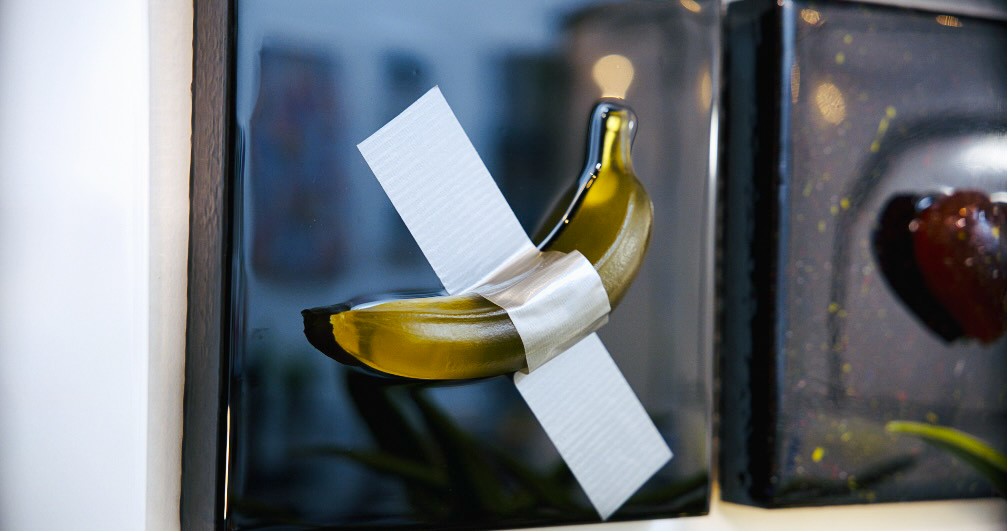
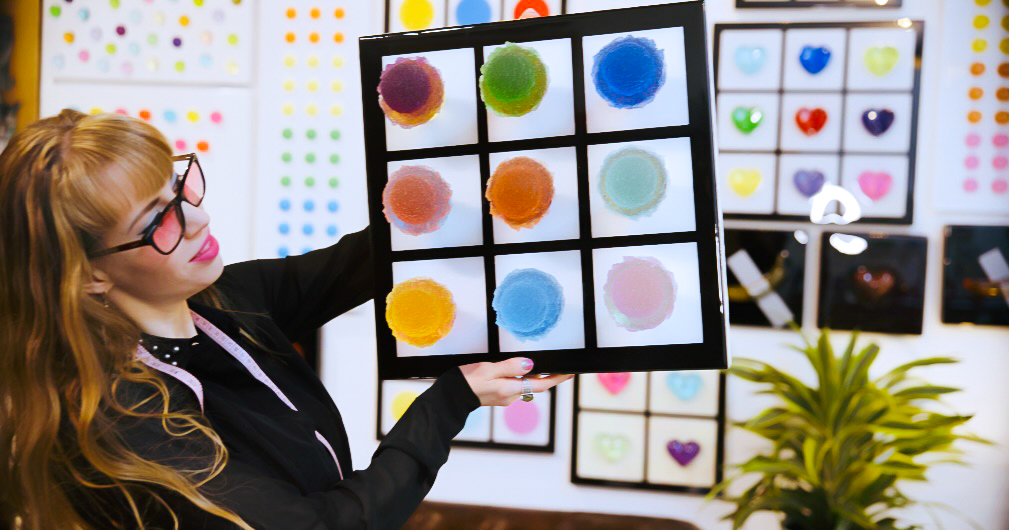
From a distance, many of my pieces read as graphic, minimal compositions: bold shapes, repeating forms, satisfying color fields. But as you move closer, the illusion shifts. A “dot” becomes a macaron. A pattern becomes a sculpted waffle. Surfaces reveal layers of resin, paint, and structure. There’s a moment of realization, and that moment is everything to me.
I love watching people approach a piece, tilt their head, step closer, and then smile when they discover what’s really there. That sense of playful deception (the art reveal) is central to my work. It invites interaction. It rewards curiosity.
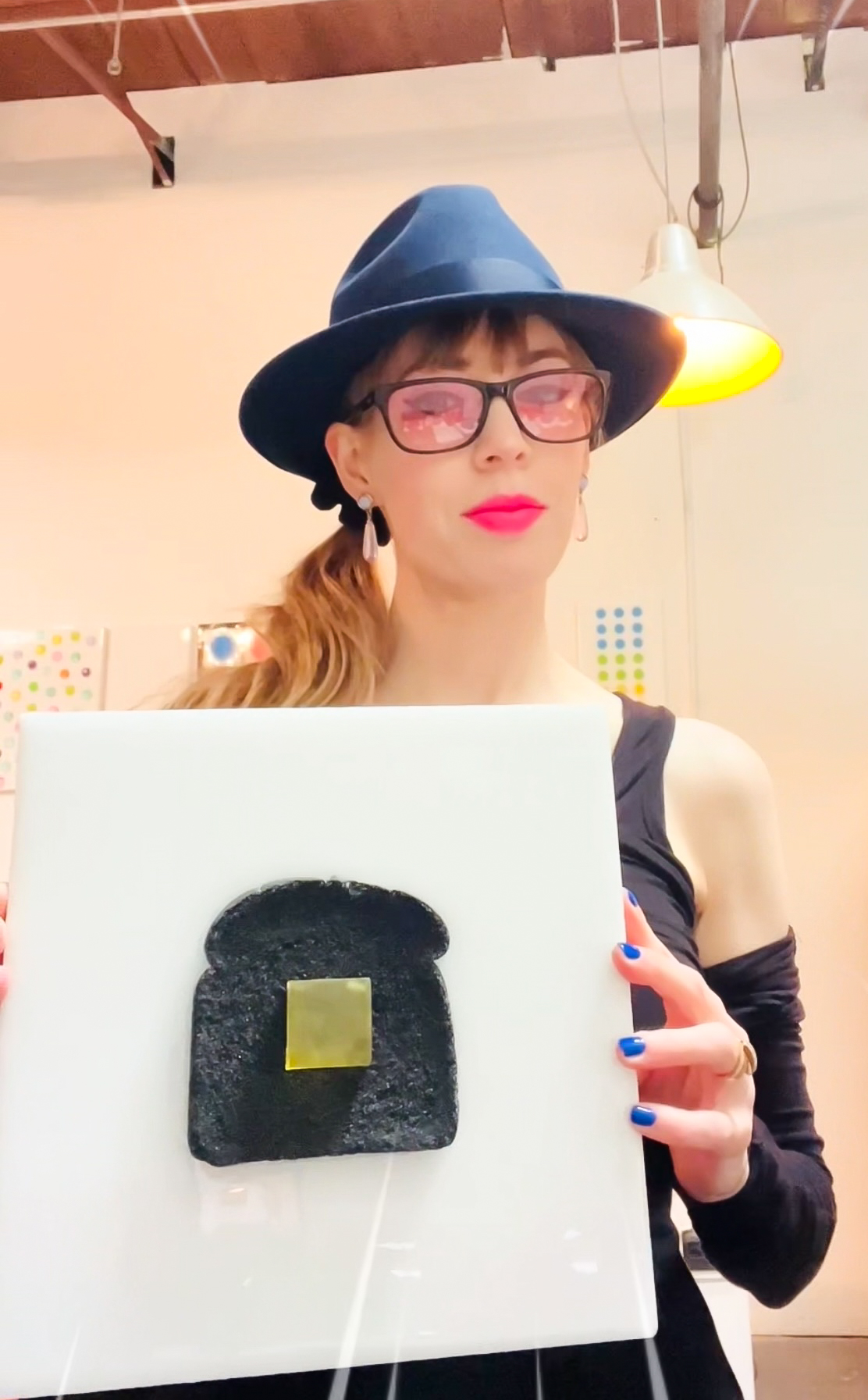
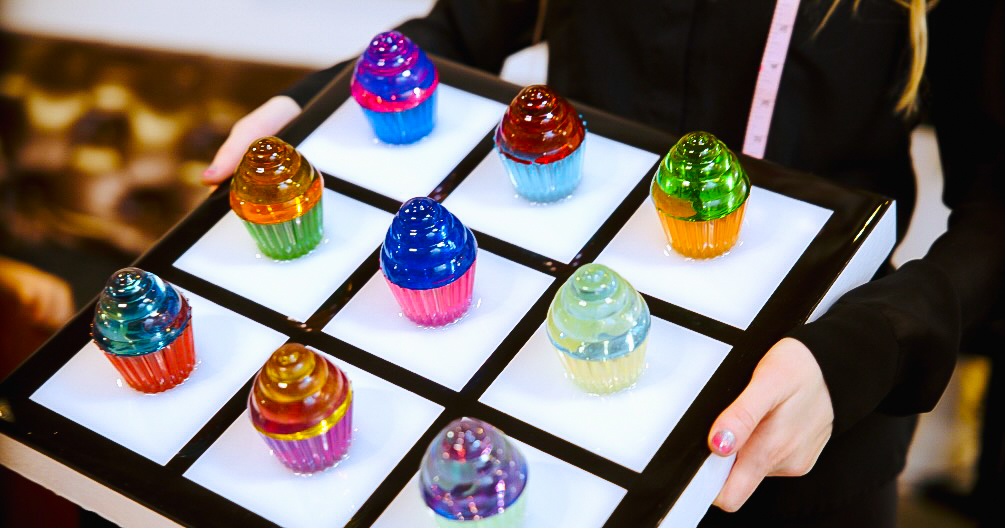
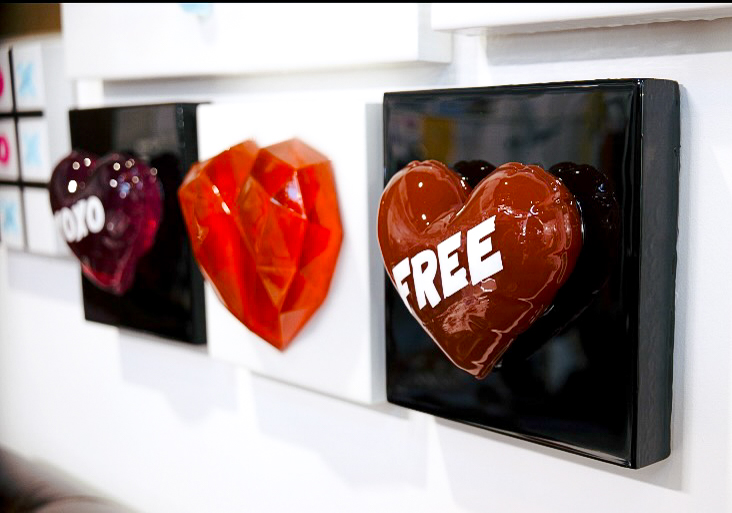
At its core, my art elevates the everyday. I take familiar, nostalgic objects: candy, desserts, foods, and shapes, and give them permanence, gloss, scale, and reverence. Things that might normally be disposable become preserved, monumental, and worthy of contemplation.
What I’m most proud of is that my voice feels fully my own. After years of working in design, staging, film, and publishing, I’ve arrived at a practice that integrates all of it: color theory, spatial awareness, fabrication, storytelling, illusion.
For potential collectors, collaborators, and followers, I want them to know this: my work is engineered happiness. It’s layered, intentional, archival, and built to last.
And most importantly, it’s fun.
Is there mission driving your creative journey?
Yes, absolutely!
My work is driven by a few core ideas: beauty, levity, and perception.
We live in a world that can feel heavy and serious. I’m interested in creating moments of lightness, art that doesn’t demand solemnity to be taken seriously. There’s power in joy. There’s intelligence in play. I want my work to create smiles without sacrificing sophistication.
I’m also deeply fascinated by perception, the idea that what you think you’re seeing isn’t always what’s there. Many of my pieces operate as a visual sleight of hand. From afar, they appear graphic and minimal. As you move closer, the illusion dissolves and something dimensional, detailed, and unexpected is revealed. That moment of discovery, that shift in understanding, is intentional. It reminds us to look twice. To question our assumptions. To stay curious.
Another driving force behind my work is pushing against the notion that art has to be flat- conceptually or physically. I mean that both literally and figuratively. I’m building pieces that extend off the wall, that have depth, gloss, shadow, and presence. I want viewers to experience art spatially, not just visually.
Ultimately, my mission is to create work that feels beautiful, well-designed, technically strong, and emotionally uplifting. I want my art to live in spaces where it sparks conversation, invites interaction, and adds a sense of delight.
If someone walks away from one of my pieces feeling lighter than they did before, I’ve done my job.
In your view, what can society to do to best support artists, creatives and a thriving creative ecosystem?
The obvious answer is: buy our art. Collect it. Commission it. Invest in it. That direct support allows artists to keep creating.
But I also understand that not everyone is in a position to purchase work, and that’s okay. There are so many meaningful ways to support artists and a thriving creative ecosystem.
Show up. Go to exhibitions, galleries, open studios, museums. Being physically present matters more than people realize. Energy in a room matters.
Share what moves you. If you see a show you love, tell a friend. If you see a piece online that resonates, like it, comment on it, send it to someone who would appreciate it. Those small actions genuinely help artists grow their audience and sustain their practice.
Engagement is modern patronage.
I also think we can support artists, and each other, by allowing space for different perspectives. Not every piece of art is for every person, and that’s a good thing. We don’t need to love everything, but we also don’t need to tear things down. Creative ecosystems thrive when there’s room for experimentation, risk, and differing viewpoints.
We live in a time where opinions are voiced instantly and often harshly. I believe we’d all benefit from being a little slower to judge and quicker to extend grace. Art is vulnerable. It’s an offering.
At its best, art connects us. It creates joy, dialogue, discomfort, inspiration- sometimes all at once. A healthy creative culture isn’t built just on commerce, but on curiosity, respect, and participation.
Support artists by participating in the culture. Show up. Engage. Encourage. Stay open.
That’s how creativity continues to thrive.
Contact Info:
- Website: https://www.PopArtBooks.com
- Instagram: https://www.instagram.com/popartbri/
- Facebook: https://www.facebook.com/PopArtBri/
- Youtube: https://www.youtube.com/@PopArtBri
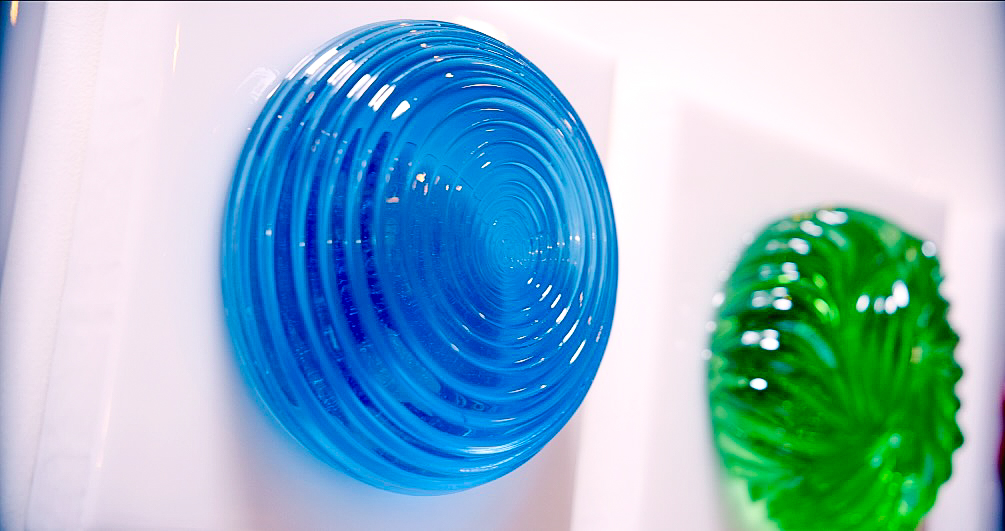
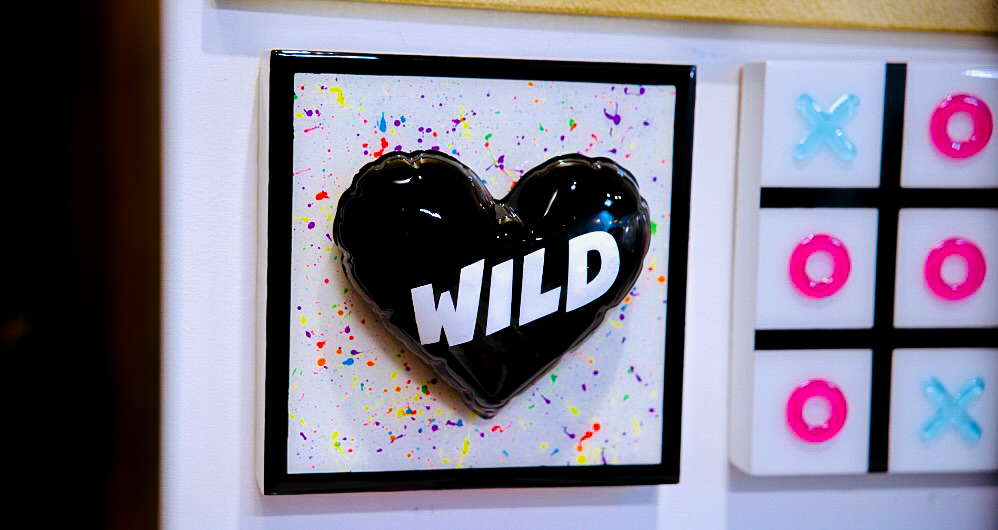
Image Credits
Sohrab Mirmont