
We were lucky to catch up with Brian Lawrence recently and have shared our conversation below.
Alright, Brian thanks for taking the time to share your stories and insights with us today. One deeply underappreciated facet of being an entrepreneur or creative is the kind of crazy stuff that happens from time to time. It could be anything from a disgruntled client attacking an employee or waking up to find out a celebrity gave you a shoutout on TikTok – the sudden, unexpected hits (both positive and negative) make the profession both exhilarating and exhausting. Can you share one of your craziest stories?
I had this story waiting to be told. Never published.
It was my birthday, and I wasn’t planning on doing any kind of reflection. Just another day, really. I threw on an old sweatshirt without thinking twice about it—Encore Studios. And somewhere in that ordinary moment, I caught myself standing there a little longer than usual. Not in a dramatic way. Just noticing it. Fourteen years of my life connected to that name. A company that, at the time, I knew was important to me, but I don’t think I fully understood how much it would shape everything that came after. When people look at what I do now—websites, SEO, helping wedding businesses grow—it feels current, it feels intentional, it feels like a natural extension of who I am. But that clarity didn’t exist back then. Back then, I was still figuring out what kind of professional I actually wanted to be.
If you go back to the early 80’s to mid-90s, I owned multiple wedding stores, and I had built them around this idea that I could give couples everything in one place. Invitations, photography, video, flowers, limousines, favors. I wanted to remove the friction of planning by becoming the place where it all came together. And for a period of time, it worked. I was busy, I was growing, and from the outside, it looked like I had built something strong. But internally, the way I was operating was very driven by numbers. I was thinking about margin, about volume, about how to sell more and stay competitive. I did care about my clients, and when something went wrong, I didn’t hide from it. I fixed it, I owned it, I did what I could to make it right. But there’s a difference between caring in moments and building your entire business around a standard, and I hadn’t made that shift yet.
Around that same time, I wrote a book—The Wedding Experts Guide to Sales and Marketing. It was my way of putting everything I had learned, including the parts I was still trying to understand, into something tangible. That book ended up reaching the owners of David’s Bridal, before they became what most people recognize today, and they brought me down to their headquarters. I remember that meeting clearly. There was a sense that they saw something in me that I hadn’t fully defined yet. They offered me a position to build a marketing division based on selling leads to vendors, and I turned it down. At the time, it felt like I was protecting what I had built. Looking back, it feels more like I wasn’t ready to step away from it, even though something inside me was starting to question whether I should.
By the end of 1995, that question became harder to ignore. Every year, I would take the time between Christmas and New Year’s to step away, reset, and come back with energy. That was my rhythm. But that year, when it was time to come back, I didn’t feel it. I had a young son, we were thinking about expanding our family, and there was this quiet realization that kept surfacing—I didn’t want to keep doing what I was doing in the same way. So I tried to make a move. I put together a resume, spoke to recruiters, started looking outside of my world. And nothing really happened. Not because I wasn’t capable, but because my experience didn’t translate in a way that made sense to people outside of the industry. I had gone deep, but I hadn’t gone broad.
Sitting with that forced me to think differently. Instead of asking who might hire me, I started asking who would actually understand what I brought to the table. That led me to Encore Studios, one of the leading national luxury wholesale invitation brands at the time—a company known within the industry for its craftsmanship, its design, and the level of quality it demanded from itself. I had worked with them as a retailer, so I knew what they represented from the outside. I sent them my resume, I sent them my book, and I told them I would call on a specific day at a specific time. And I did. That conversation turned into something I didn’t expect. They told me they had never had a marketing person, but they were open to the idea, and they asked me to define what that role could be. I wasn’t stepping into something established. I was being asked to imagine it. So I did. I wrote what I believed I could do for them, what I believed they needed, and how I could bridge the gap between what they were producing and how the industry experienced it. When they came back and said, “If you can do half of this, it’s worth hiring you,” it wasn’t just validation. It was the beginning of a different way of seeing my place in the industry.
What I walked into at Encore changed me, but not in a way that announces itself. It happened through observation. Through contrast. I came in thinking that the way you prove your value is by outworking everyone—longer hours, earlier mornings, later nights. That’s what I knew. And it didn’t land there. They weren’t impressed by hours. They weren’t measuring commitment that way. They expected you to do your job well, and then go home. Be with your family. Live your life. It sounds simple, but it challenged something in me that had been tied to how I defined success.
The deeper shift came from watching how they approached quality. I remember seeing finished invitation orders that, to me, looked completely fine. The kind of work I would have been comfortable delivering without a second thought. And I watched those same orders get rejected. A color not exactly right. A detail that didn’t meet their standard. And they would scrap the entire thing and start again. There wasn’t a discussion about whether it was acceptable. The only question was whether it was right. At first, it didn’t make sense to me. I was still thinking in terms of cost, margin, practicality. But over time, I started to see the effect of that mindset. The trust they had in the market. The respect from retailers. The confidence people had in their name. They weren’t protecting a product. They were protecting what it meant to be associated with them.
That realization stayed with me long after I left Encore and built what I do today. Because when I work on websites and SEO, I’m not thinking about it as a technical task or a design project. I’m thinking about whether what we’re putting out into the world actually represents the business in a way that holds up. If a site looks good but doesn’t communicate clearly, it doesn’t work. If it brings in traffic that doesn’t convert into real conversations, it doesn’t work. If the messaging feels like it could belong to anyone, it doesn’t work. That standard—this idea that “good enough” and “right” are not the same thing—comes directly from that experience.
At the same time, I’m still working through another part of what I learned there, which is how to balance that level of commitment with the rest of life. Owning a business brings a different kind of pressure, and it’s easy to slip back into old patterns if you’re not paying attention. I find myself structuring my time in a way that allows me to be present for my family, for my grandchildren, for my health, while still holding myself to the standard I believe in professionally. It’s not something that resolves once and stays resolved. It’s something you keep adjusting, depending on where you are and what’s in front of you.
When I look back on that sweatshirt, that period, that version of myself, what stands out isn’t the position I held or even the growth we achieved. It’s the shift in how I define what it means to do something well, and how that definition has followed me into everything I’ve built since. At the time, it just felt like a new opportunity. Now, it’s clear that it was something much deeper than that.
Brian, before we move on to more of these sorts of questions, can you take some time to bring our readers up to speed on you and what you do?
I’ve been in the wedding industry for over 40 years, but it didn’t start with a plan. It started with a storefront.
Back in 1981, I opened a small invitations and favors business. That was the entry point. I wasn’t thinking about building a brand or becoming a consultant or doing anything on a national level. I was trying to figure out how to serve couples in a meaningful way and build something that worked. Over time, that one store turned into seven locations, and I expanded into just about every part of the wedding experience—photography, video, flowers, limousines, entertainment. I became what I used to call “one-stop shopping” for wedding couples.
From the outside, it looked like success. Inside, it was a grind, and I was learning in real time what actually matters and what doesn’t.
There were moments in that chapter that forced me to look at myself honestly. I was good at selling. I was good at creating volume. But I wasn’t always as focused on quality and consistency as I should have been. When things went wrong, I stepped up and made them right, but that’s different from building something where things go right because of the standard you hold every single time. That distinction didn’t fully hit me until the next phase of my career.
I spent 14 years as the Vice President of Sales and Marketing at Encore Studios, one of the leading national luxury wholesale invitation brands, working with over 5,000 wedding businesses across the country. That experience changed how I think about business in a way that still shows up in everything I do today. Encore had a level of quality control that I had never seen before. Work that most companies would accept without hesitation was rejected and redone if it wasn’t exactly right. At first, it didn’t make sense to me. Over time, it made perfect sense. They weren’t just producing invitations—they were protecting what their name meant every time it left their hands.
At the same time, they had a culture that valued balance. Do your job well, take ownership of it, and then go home and live your life. That was very different from the mindset I had built running my own business, where the assumption was that working more hours meant you were doing more. That combination—uncompromising standards with a clear boundary around life—had a lasting impact on me, even though I didn’t fully realize it at the time.
When I eventually stepped out on my own again, I didn’t go back to what I had done before. I went in a completely different direction. I built a boutique web design and SEO agency focused exclusively on the wedding and event industry, something I’ve been doing now for over 12 years. And what I brought with me wasn’t just experience—it was a different lens.
What I do today is often described as website design and SEO, but that’s not really the way I think about it. Most websites in the wedding industry look fine. That’s not the issue. The issue is that they don’t work the way couples actually make decisions. They don’t communicate clearly. They don’t build trust quickly. They don’t guide someone from interest to action in a way that feels natural. And from an SEO standpoint, a lot of businesses are chasing traffic instead of focusing on the right traffic—people who are actually a fit and ready to engage.
So the problem I solve is helping wedding businesses get that right. Not just how their website looks, but how it functions as a decision-making tool for couples and as a visibility asset for search—both traditional Google search and what’s now happening with AI platforms. That includes everything from site structure and messaging to Google Business Profile optimization, content strategy, and how reviews and authority signals come together. It’s not about quick fixes. It’s about building something that holds up over time.
What sets me apart is that I’m not coming at this as a marketer who learned the wedding industry. I grew up in it. I built businesses in it. I’ve been on the front lines with couples. I’ve seen what works when someone is making a real decision with real money and real emotion behind it. And I’ve also seen what doesn’t work, even when it looks good on the surface. That perspective changes how I approach everything. It’s not theoretical. It’s practical, and it’s grounded in how people actually behave.
I’ve also had the opportunity to co-author a book with Alan Berg, From Browsing to Booking, which focuses on how wedding businesses can turn their websites into something that actually drives inquiries and bookings instead of just existing online. That work, along with speaking, consulting, and working directly with clients across the country, has allowed me to share what I’ve learned in a way that helps other businesses grow in a meaningful way.
What I’m most proud of isn’t a single project or a single client. It’s the consistency of the work and the impact it has. Seeing a business go from struggling to get inquiries to having a steady flow of the right clients. Seeing someone gain confidence in how they present themselves because it finally reflects who they actually are. That’s where the satisfaction comes from.
If there’s one thing I’d want people to understand about me and my work, it’s that I take it seriously in a way that goes beyond the surface. I care about whether what we create actually works for you. Not just in terms of aesthetics or rankings, but in terms of real outcomes—conversations, bookings, growth. And I’m honest about what it takes to get there. This isn’t something that happens overnight. It requires clarity, consistency, and a willingness to do things the right way instead of the easy way.
The industry is changing quickly right now, especially with how AI is influencing search and how couples are finding and evaluating vendors. What worked a few years ago isn’t enough anymore. The businesses that are going to stand out are the ones that are willing to evolve while staying grounded in who they are. That’s where I spend my time now—helping clients navigate that shift without losing what makes them unique.
When I look back at everything—from that first store to Encore to where I am now—it doesn’t feel like separate chapters. It feels like a progression of understanding what actually matters, and then applying it in a way that helps other people build something stronger.
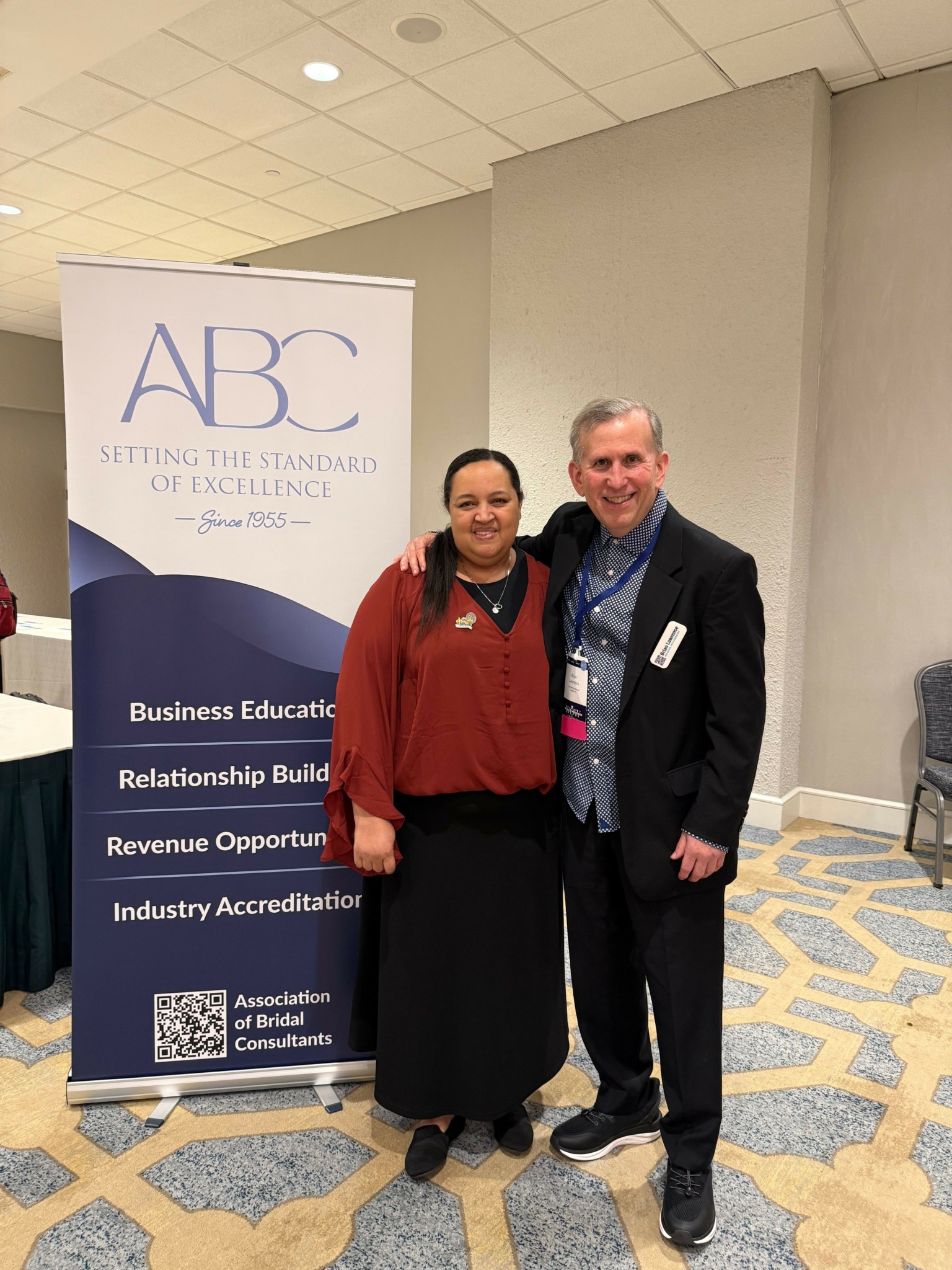
Any stories or insights that might help us understand how you’ve built such a strong reputation?
When I think about how I built my reputation, it really doesn’t come from traditional marketing. It’s not from putting messaging out there and hoping people respond. It’s come from giving first, and not in a calculated way, but in a way where I genuinely want the other person to walk away with something of value whether we ever do business or not.
A big example of that is the book I co-authored with Alan Berg, From Browsing to Booking. When I was invited to do that, I wasn’t thinking about book sales. I wasn’t thinking about it as a product. I was thinking about it as a way to put everything I’ve learned into something useful for the industry. What ended up happening is I started sharing my chapters openly. Sometimes as a gated offer so I could connect with people, sometimes just sending it directly to someone after a conversation. It became less about selling the book and more about letting people experience how I think and how I approach their business before they ever hire me.
That same mindset carries into how I interact with people. Any time I speak with someone—whether it’s a consultation, a quick call, or even just a back-and-forth—I want them to feel like they gained something. Not a pitch. Not pressure. Just clarity. Something they can actually use. And over time, that becomes a reason people remember you, refer you, and trust you.
Another piece of it, which I think matters more than people realize, is how you handle integrity when it costs you something. I work with businesses all over the country, and I get approached all the time by competitors of clients I already work with. They want the same results, the same strategy, the same advantage. And I turn that down. Not in a dramatic way, just in a very straightforward, respectful way. I don’t want to dilute the work I’m doing for someone by taking on their direct competitor. There’s enough business out there for me to build what I want without putting myself in that position. And interestingly, that has led to respect in places you wouldn’t expect. I’ve had people thank me for not working with them because of that stance. That tells you something.
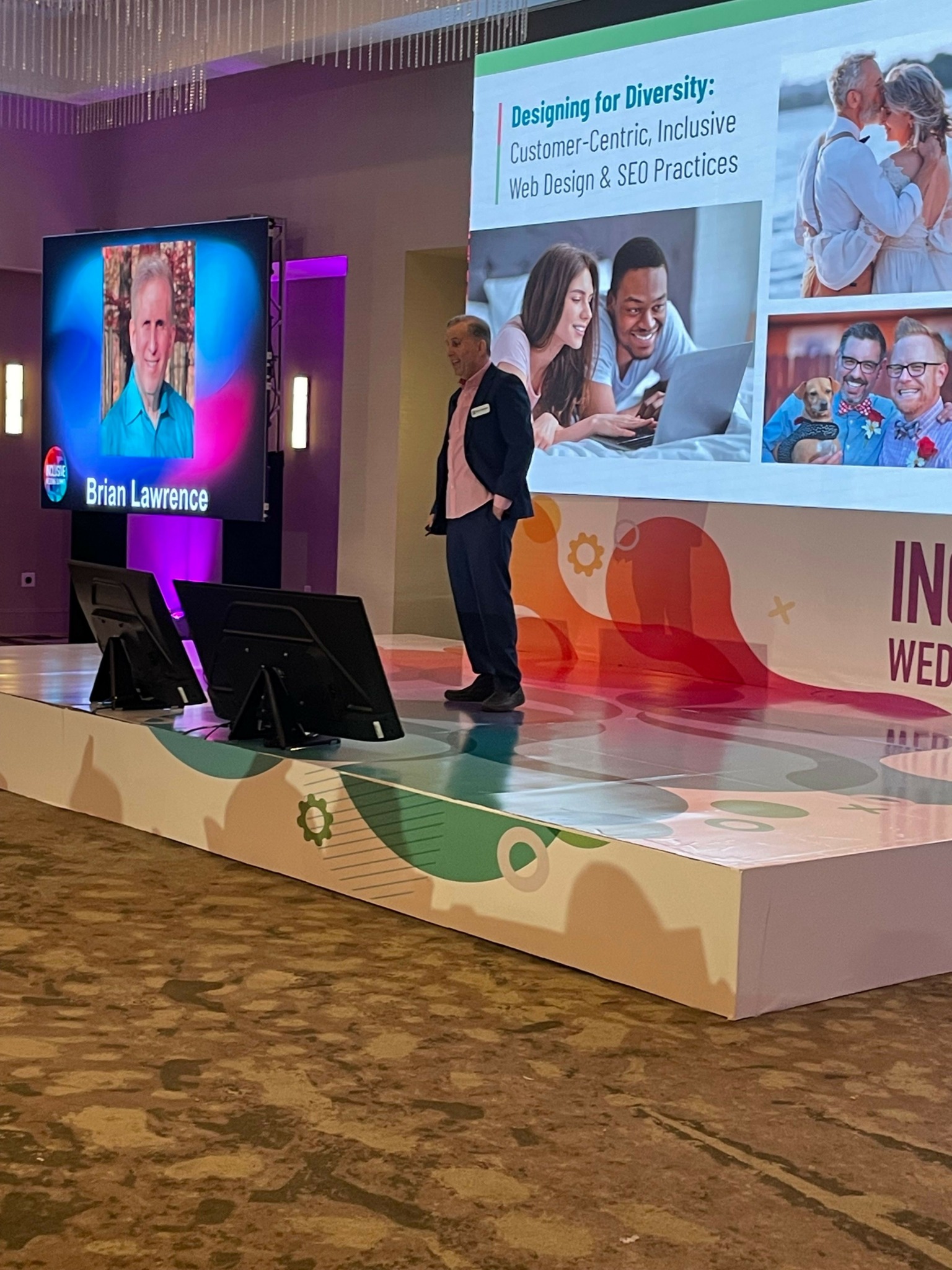
The Inclusive Wedding Summit was another moment that shaped how I’m perceived. Inclusivity was always part of who I am personally, but bringing that into the business in a real, visible way changed things. Not just hosting the event, but sharing what came out of it openly. The presentations, the conversations, the takeaways. It wasn’t about holding onto it as something proprietary. It was about contributing something meaningful to the industry and letting people see where I stand.
And then there’s something I’ve done consistently that probably doesn’t get talked about enough. I’ve spent a lot of time helping influencers and established businesses in the industry without charging them. Looking at their websites, giving them real feedback, helping them improve things. Not as a tactic, but as a way to show what I do in a real environment. When someone with an audience experiences that firsthand, it carries weight when they talk about you. It’s not secondhand. It’s not based on a sales pitch. It’s based on something they actually felt.
When you step back, none of this fits into a typical marketing playbook. It’s slower. It’s more personal. It requires you to be consistent in how you show up. But it builds something that’s hard to replicate. People don’t just know what I do. They know how I do it, and more importantly, why I do it.
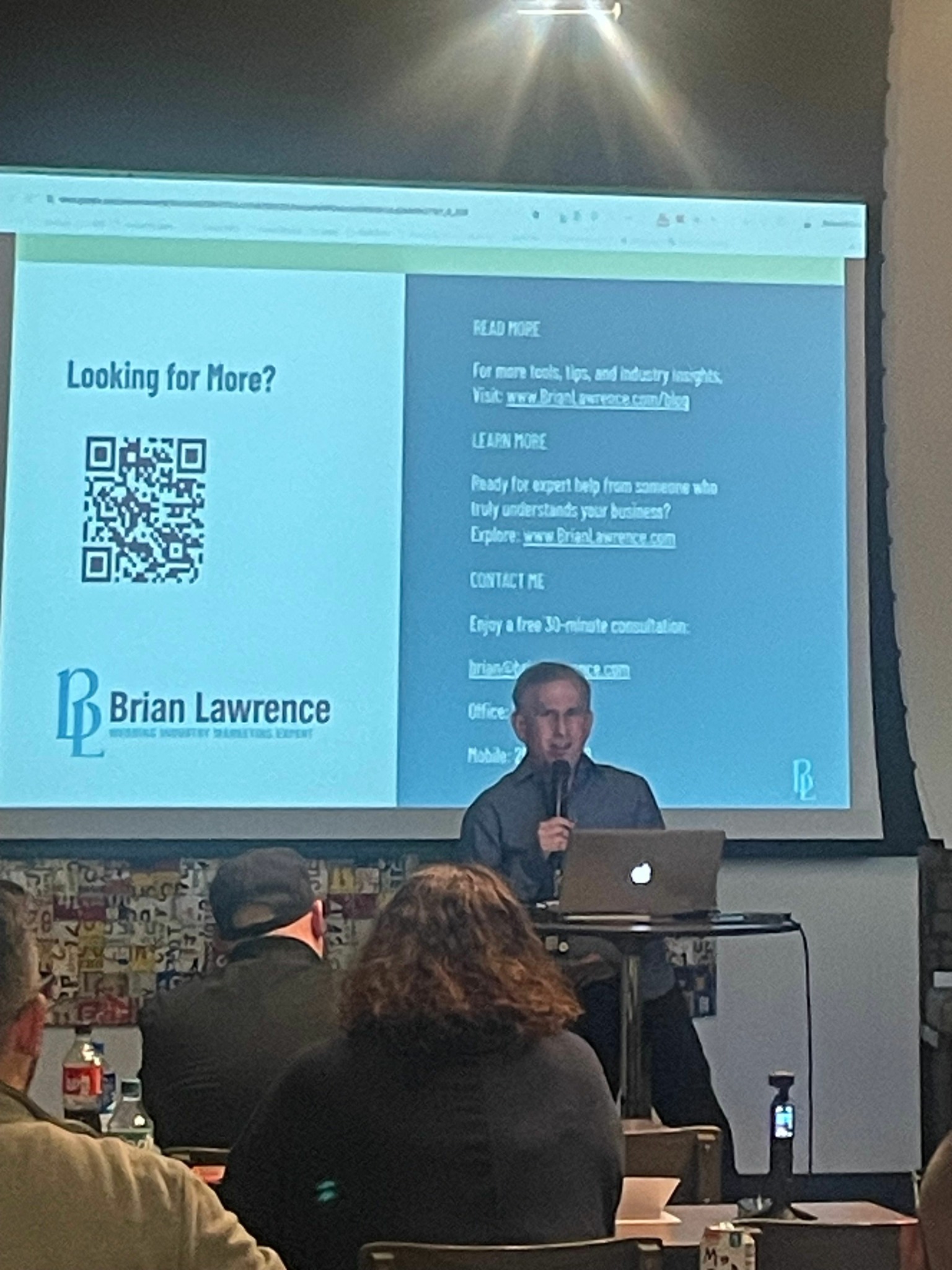
Can you tell us about what’s worked well for you in terms of growing your clientele?
It’s interesting, because I don’t think I ever sat down and said, “What’s my strategy for growing clientele?” It’s not something I’ve approached in a structured, textbook way. When I really think about it, what’s driven my growth is the same thing that built my reputation—it’s how I show up for the people I’m already working with.
I have a hard time staying in the lane of just what I was hired to do. Not because I don’t respect boundaries, but because I genuinely care about the outcome for my clients. If someone hires me to build a website or work on their SEO, I don’t see that as a defined box. I see that as part of a bigger picture, which is helping them get more of the right business and feel more confident in how they present themselves. And once you start looking at it that way, you notice things that technically aren’t your responsibility, but absolutely affect the result.
I spend a lot of time staying close to what’s happening in the industry. Google alerts, new platforms, new venues opening, shifts in how couples are searching, studies that come out. Not because I need more information, but because I’m always thinking, “How does this help someone I’m working with right now?” If I see something that could give them an advantage, I don’t wait until it fits neatly into a project. I reach out. I share it. I connect the dots for them.
A lot of it comes down to paying attention to the details that most people overlook. Something as simple as a contact form. Many times, that’s controlled by a third-party tool or something outside of what I directly manage. But the way that form is structured, the words that are used, the fields that are chosen—it changes the entire tone of how a couple begins the conversation. So instead of a generic “message” field, I’ll suggest something that actually invites a real response. Something that reflects the experience they’re trying to create. That small shift can lead to a completely different interaction, and ultimately a better connection with the right client.
The same thing applies to how my clients follow up. It’s easy to default to “let’s schedule a call,” but that’s not how couples think. They’re looking to feel understood. So I’ll guide clients on how to respond in a way that reflects that—more conversational, more thoughtful, more aligned with the person reaching out. Again, not technically in the scope of “website and SEO,” but very much in the scope of getting better results.
There are also times where I’ll do things that aren’t visible to the client at all. I’ve secret shopped clients before. Not to catch them doing something wrong, but to understand what the experience actually feels like from the outside. Where the friction is, where the opportunity is. And then I can come back with something real, not theoretical. That kind of insight is hard to get any other way.
I also make a point of connecting people when I see an opportunity. If a new venue is opening and I know a client who would be a great fit there, I’ll let them know. Not because it benefits me directly, but because it helps them expand their reach. Over time, those kinds of things add up.
When I look at what’s actually driven growth for me, it’s not campaigns or funnels or anything you’d typically associate with scaling a business. It’s that people feel taken care of. They feel like I’m thinking about their business even when I don’t have to be. And that turns into conversations, referrals, and long-term relationships.
The part I’m probably most proud of is when I read reviews from clients, they don’t just talk about the work. They talk about how I showed up. The extra layer. The things that weren’t expected. That tells me I’m doing it the way I want to do it.
If there’s any “strategy” in it, it’s that. Pay attention. Care more than expected. And don’t stop at what’s written in the agreement if you know there’s a way to help someone get a better result.
Contact Info:
- Website: https://brianlawrence.com
- Instagram: https://www.instagram.com/brianlawrencewebsitesandseo/
- Facebook: https://www.facebook.com/brianlawrencewebsitesandseo
- Linkedin: https://www.linkedin.com/in/localtrafficbuilder/