

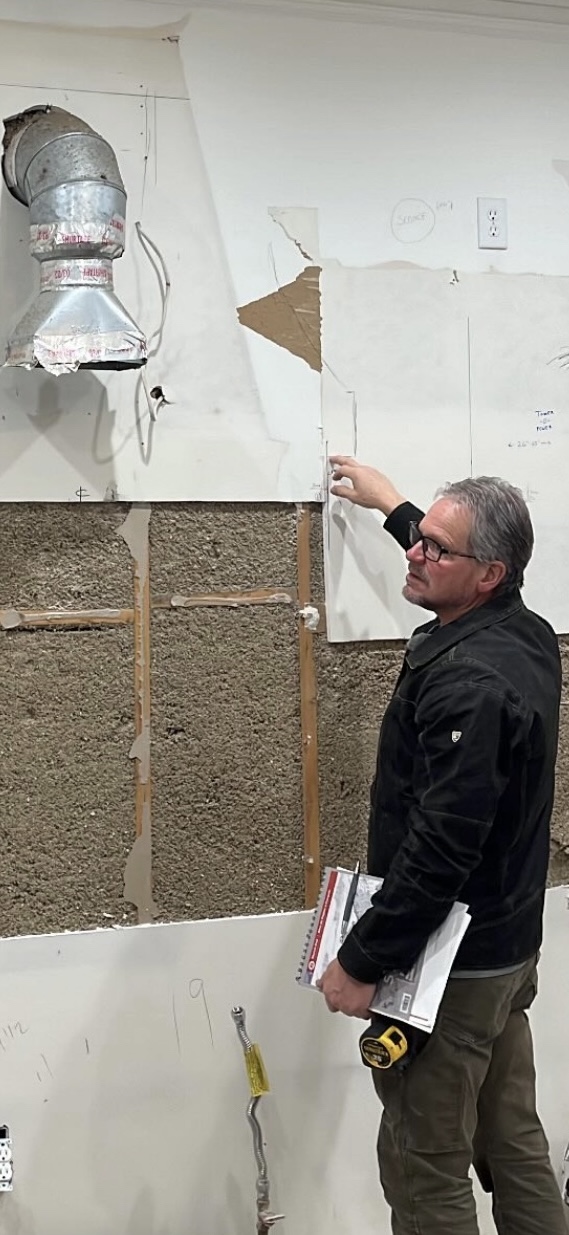

Alright – so today we’ve got the honor of introducing you to Brian Cook. We think you’ll enjoy our conversation, we’ve shared it below.
Brian, thanks for taking the time to share your stories with us today Before we talk about all of your success, let’s start with a story of failure. Can you open up about a time when you’ve failed?
After being in business for 25 + years and Learning this lesson and having it reinforced many times over, I failed in that I forgot or rather ignored one of the most basic fundamentals of owning a business. Good communication with the client. We were particularly busy a few years ago and I got a large kitchen job to build that I wasn’t excited about and I didn’t really have time to do, but the people were super sweet and they were willing to wait and they had total faith that I could give them exactly if not more than what they were looking for. I had been highly recommended to them , and they were willing to pay a premium.
I did all the due diligence in the design work and in the consultations with them, however, when it came to the final design, I wasn’t as detailed as I needed to be and, I basically took several pictures that the homeowner had and I used them to design the kitchen. What I failed to do though was manage the clients expectations by covering every detail with them. So several weeks later, when I installed the cabinets, number 1 I only had the base cabinets built due to time constraints, but as I explained to them, at least that would allow them to continue with their granite templates and installation, however, that also gave them a couple weeks to stare at a kitchen that was only 1/3 done so they began to pick it apart. Part of it was legitimate because as I said, I hadn’t been as detailed as I normally am so some of the trim details were unsatisfactory and not what they had anticipated. That led to weeks and weeks of , frustrating, back-and-forth, lost time and lost money, angry phone calls, and even getting to the point of offering to give them their money back and leave. It got really ugly.
All of that because I had not simply communicated with them to the extent that I typically do regarding every detail of the kitchen.
When I was finished, the husband took me out on the back porch and gave me my final check and got tears in his eyes because as he put it, the kitchen was more beautiful and such high-quality that he couldn’t believe that he actually owned this kitchen. He said that it was a gift for his wife for their 30th anniversary, and that it was more than he had ever dreamed of being able to give to his wife. In that one moment, the job was a success, but to me the job was a failure because I did not communicate properly and I did not manage expectations the way I should have And the way I knew to do.
Brian, love having you share your insights with us. Before we ask you more questions, maybe you can take a moment to introduce yourself to our readers who might have missed our earlier conversations?
My history with woodworking and cabinetry started with my grandfather when I was very young. Some of my earliest memories are playing in his work shop while he worked on projects. He was a very accomplished woodworker in Asheville, NC where he grew up. He never used the “convenient” tools that we use today like pneumatic tools and track saws and all the other means we employ to speed things up. He taught me a rule that I still follow today- “you need to learn how to do something right before you learn how to cheat.” That mindset keeps me grounded on quality and longevity. That’s definitely one thing that sets me apart from the majority of builders and shops.
As I got older I continued working with him and then after I graduated I went to work with my father in commercial construction. So for many years I learned commercial construction and design and the art of being able to actually build what an architect or designer envisioned.
In 1994 I went out on my own doing home remodeling projects but I always enjoyed the woodworking aspect the most so after a few years I began scaling back and focusing more and more on cabinets and furniture until I was able to actually open my own shop dedicated solely to cabinet building.
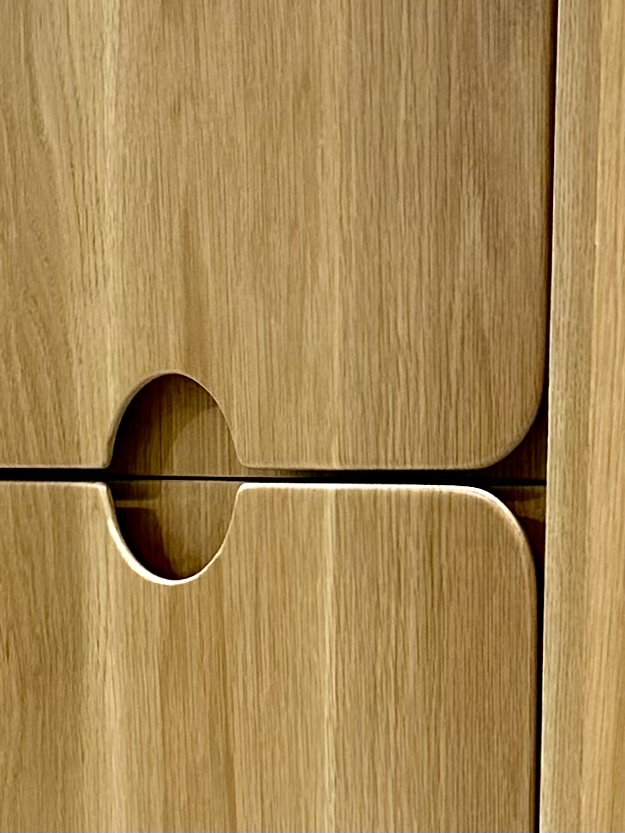
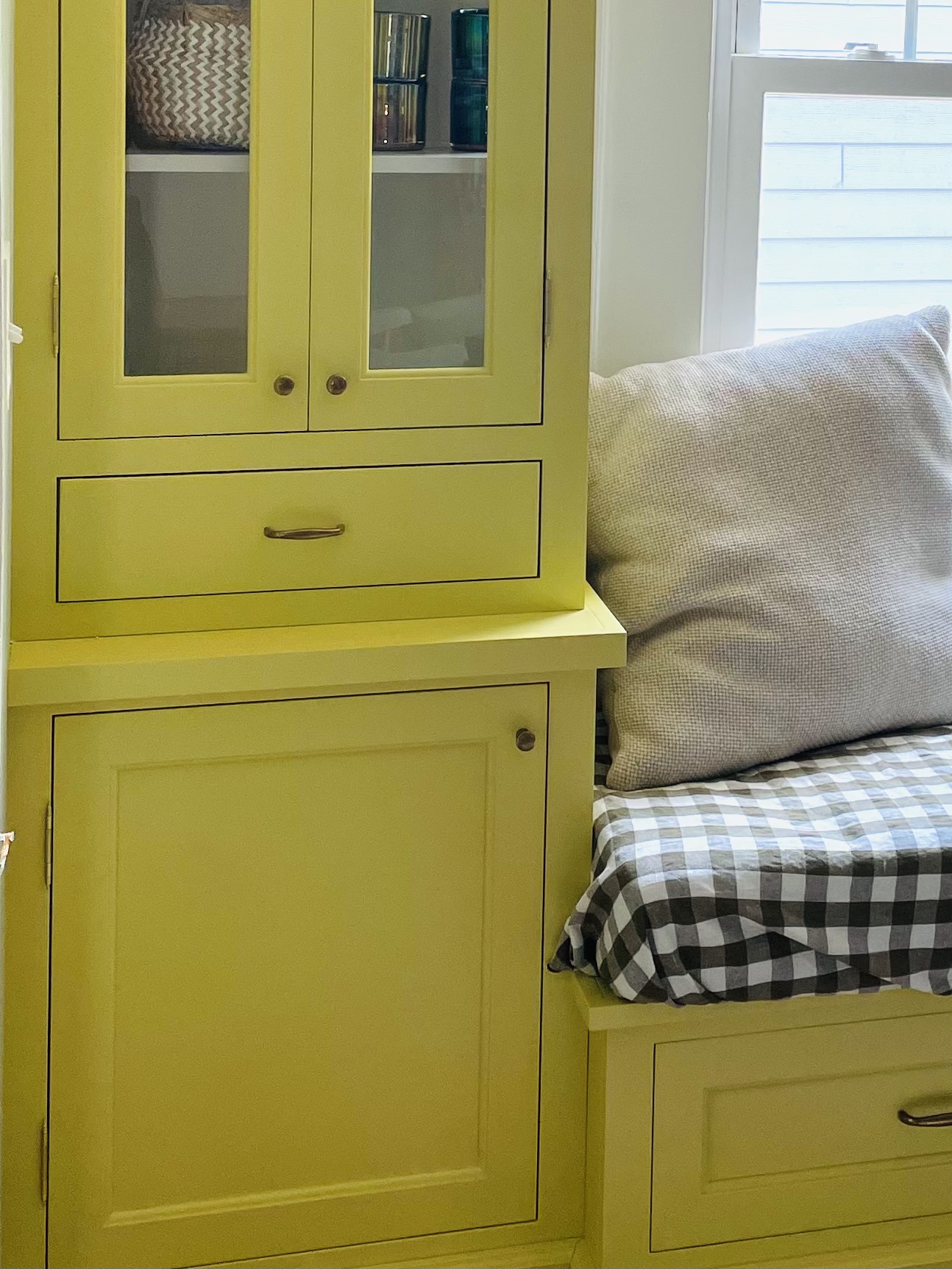
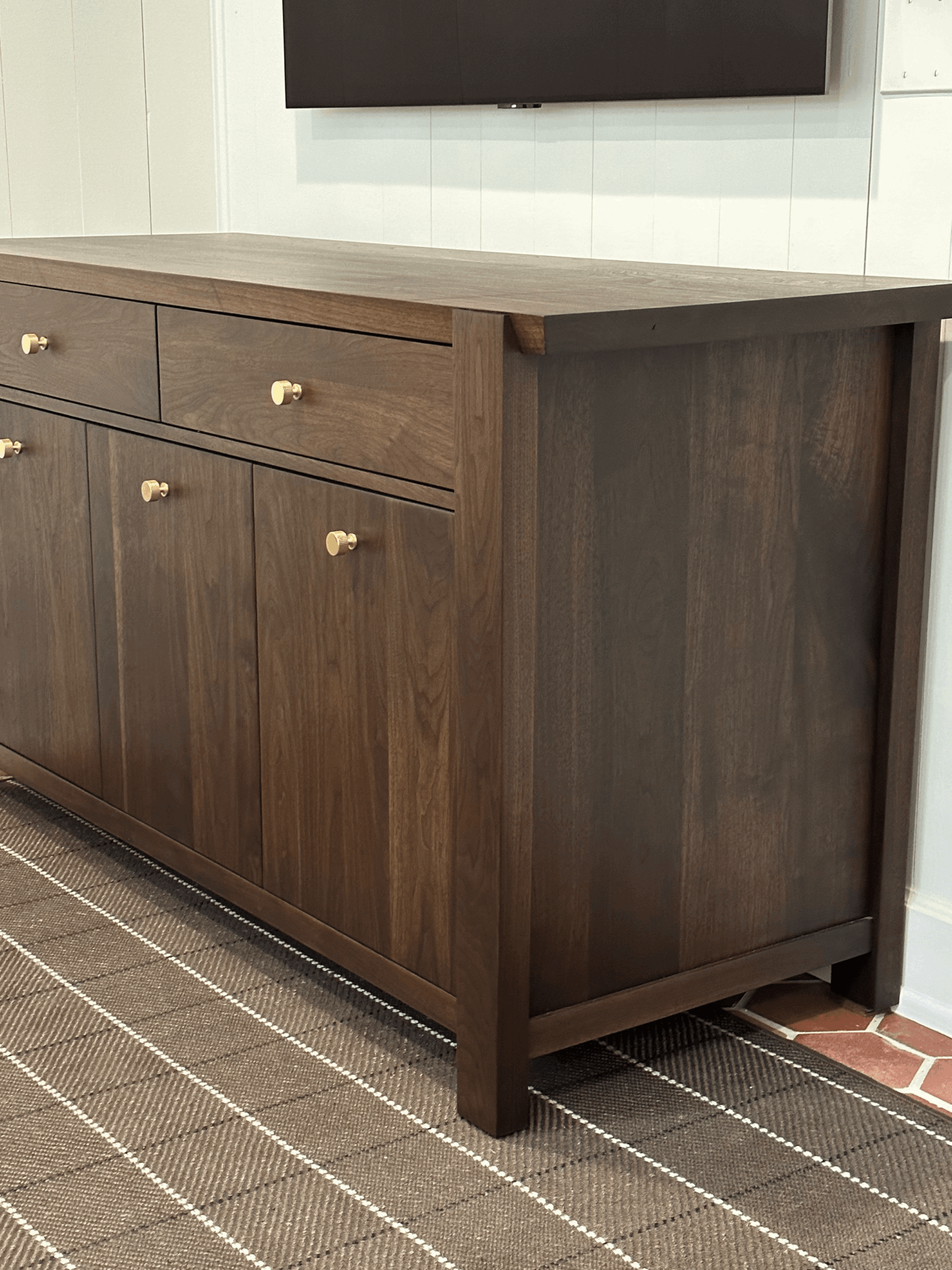
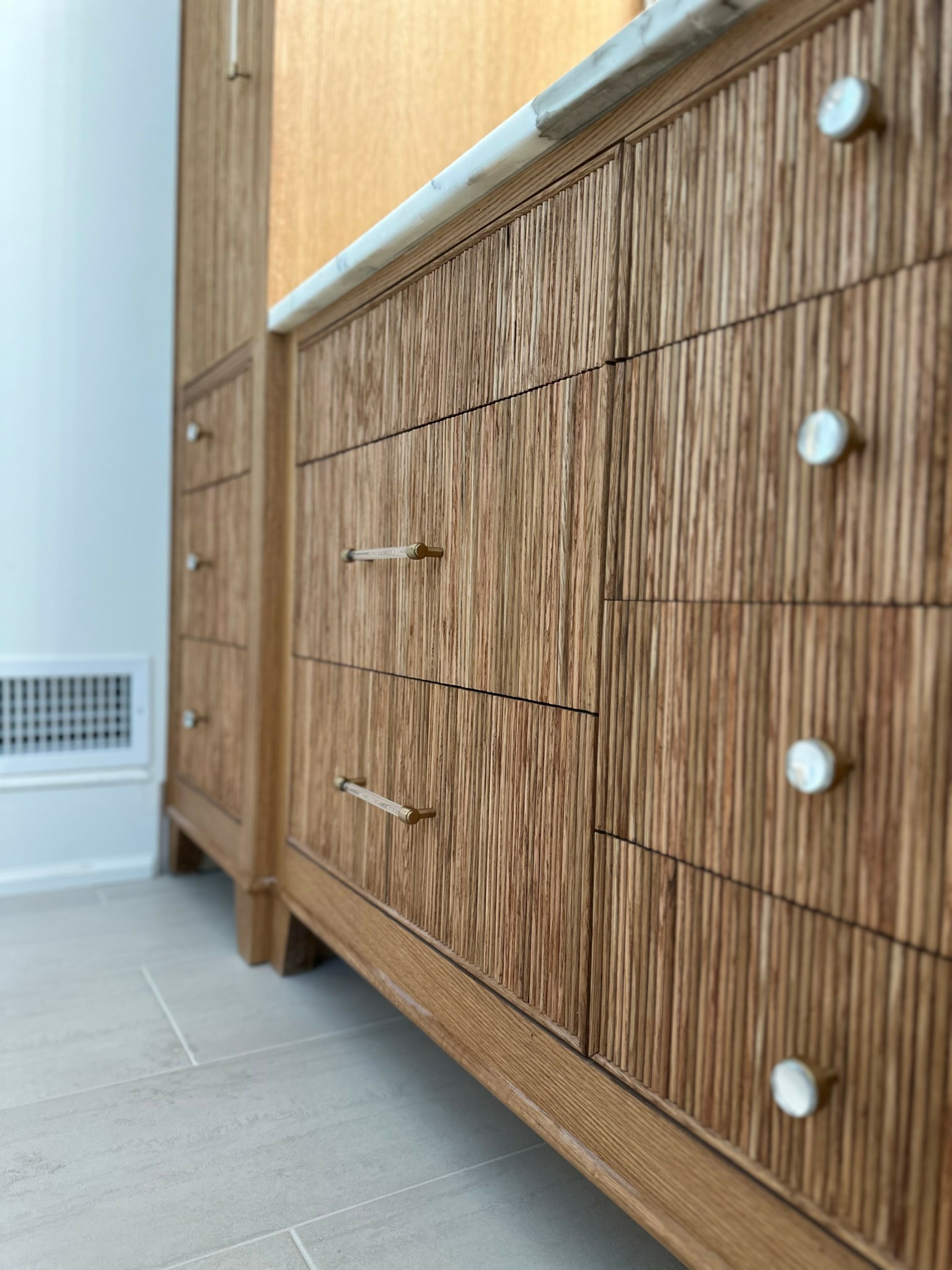
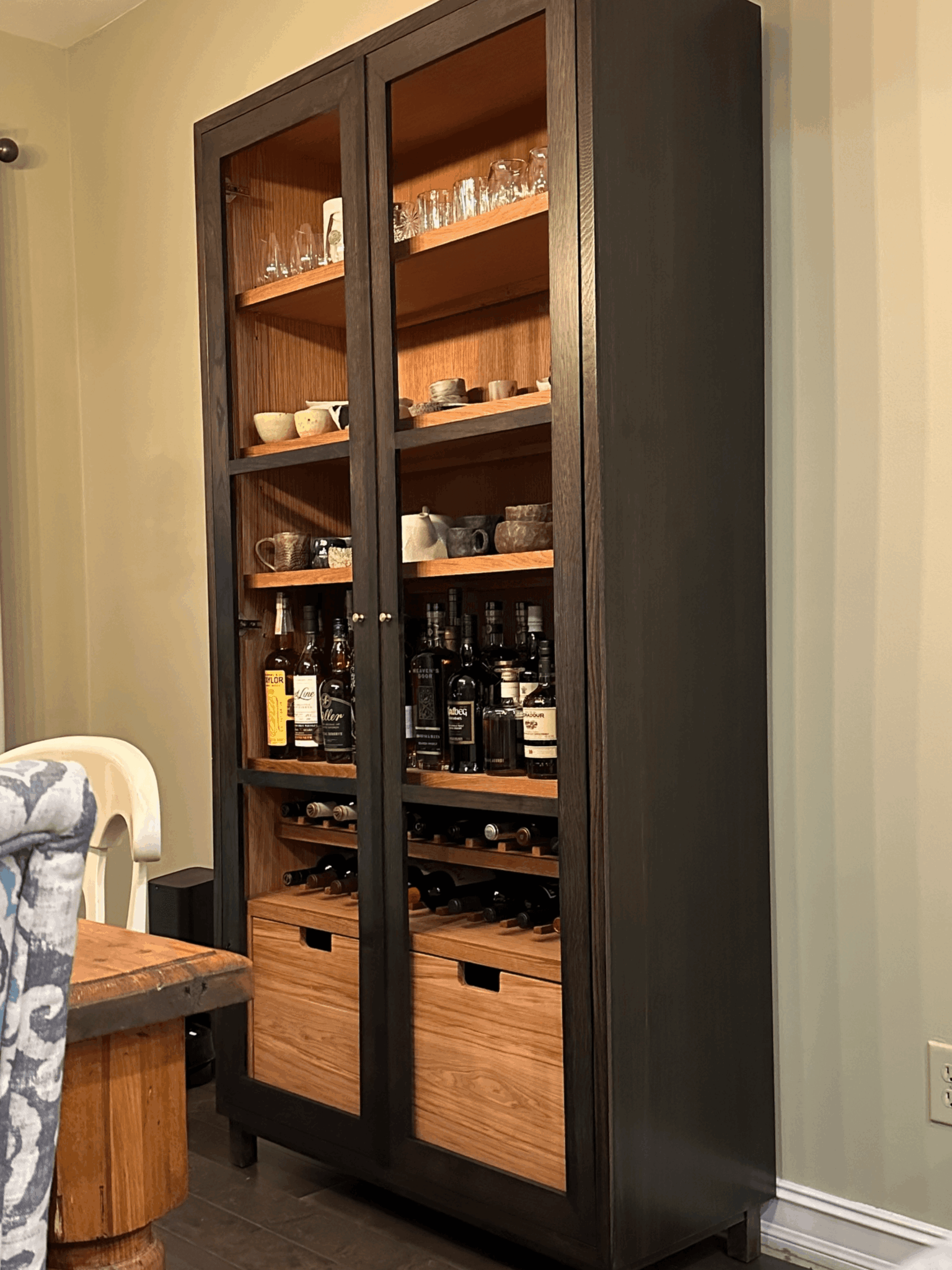
I enjoy the many different aspects of cabinet building and the methods used to achieve different types of design and I have been able to avoid relying solely on one particular design as my “bread and butter”. We do everything from old world inset cabinets to ultra sleek modern to farmhouse.
I’ve never been particularly worried about quick production or maximizing every minute and penny because I prefer to focus on the end product. And even if the end product is basically just another kitchen, for me the real end product is the excitement of the client and the fact that they have zero regrets about the time and money they’ve spent.
I build, finish and install all of my own cabinets but I also offer design services and consulting services with the homeowners, designers and general contractors. The design services allow me a lot of freedom to really hone in on making someone’s kitchen truly their own. I’ll often build a piece of furniture or add some design aspect that gives a unique character to the space and finishes it off in a special way.
One example of that is a client I had a couple years ago. She had a big box company do a quick CAD design for her kitchen and she was pleased with the overall design but when I had my first meeting with her and her husband I tossed out a couple ideas to make the design more personal to them. Their level of excitement instantly went up and that led her to ask me if I’d ever heard of Devol cabinets in the UK. She had their catalog and started showing me all the details that she loved so I offered to create another design for her that incorporated those details and she was ecstatic. I didn’t, and wouldn’t, do a full blown plagiaristic copy of their designs but I was able to use some of those details as a general structure for the kitchen and now this client has a kitchen that is really hers.
Im proud of the fact that I’ve never had to spend any money on advertising because the referrals and word of mouth has kept me busy. That enables me to have a level of trust and friendship with my clients and even potential clients that money can’t buy.
I tell every client to never hesitate to reach out to me with a question or an idea. I invite them to come to the shop as I’m building their cabinets. Many people take me up on that and they get such a kick out of seeing their job being built.
Another unique aspect of my work is that I don’t use any CAD systems to produce my prints or designs. Even if I hire an outside company to do an electronic rendering I still produce a hand drawn, scaled blueprint. That enables me to build the project in my head as I draw it which will catch unforeseen problems or identify aspects that can’t be built or can’t function as imagined. I’ve had other designers give me drawings that when I scale them out they simply won’t work. Or when two planes come together it will look bad. Hand drawing catches all those issues.
As I get older a real desire is to move into hand made furniture full time. That would almost be an impossible way to make a living but I love the idea of the peacefulness of a quiet shop using hand tools and being able to spend the time it takes to create a truly hand made high end piece of furniture. My grandfather built furniture 70 and 80 years ago that my family still owns and use. Chairs that have been reupholstered many times over the years but are still rock solid. Other pieces that are cherished keep sakes for us. Working in a small shop without all the noise and stress would be a great way to work.
Any stories or insights that might help us understand how you’ve built such a strong reputation?
Integrity, patience and not allowing speed and profit to monopolize my work.
My motive is a love of the craft and a real enjoyment in connecting with people.
My desire as an artist is to put myself into each piece.
I came across something that really shaped me years ago- Festina Lente which means “make haste slowly.” It was adopted by ancient Roman emperors because they recognized that impatience and rashness was detrimental to success. It reminds me to slow down, think it thru, work smart and consistently move forward only with a deliberate, diligent and knowledgeable approach.
That approach at first cost me time and money but it has resulted in being known as someone that is reliable in service and product.
Do you have any insights you can share related to maintaining high team morale?
I have had up to 5 employees at times but typically just 1 or 2. But regardless I don’t act simply as a boss demanding productivity. I get to know people and try to use them in a way that their particular talents can shine. I try to involve them in the entire process so they understand why I’m doing something the way that I am or why I’m asking them to do something that may be different than last time.
I love to teach so several of my employees have gone to start their own shops.
Some don’t make it because they don’t like to work or they want a job that allows them to pursue other interests but they know they can leave with no hard feelings. This work isnt for everyone and that’s fine.
Keeping the atmosphere light even when we are under the gun and allowing the crew some autonomy has been a real benefit. I’m not a micro manager and I understand that there are different ways to accomplish the same end result so I like to allow freedom.
Contact Info:
- Website: https://BCIcustomcab.com
- Instagram: Symbios_custom_furniture
- Facebook: Brian Cook
- Linkedin: Brian Cook
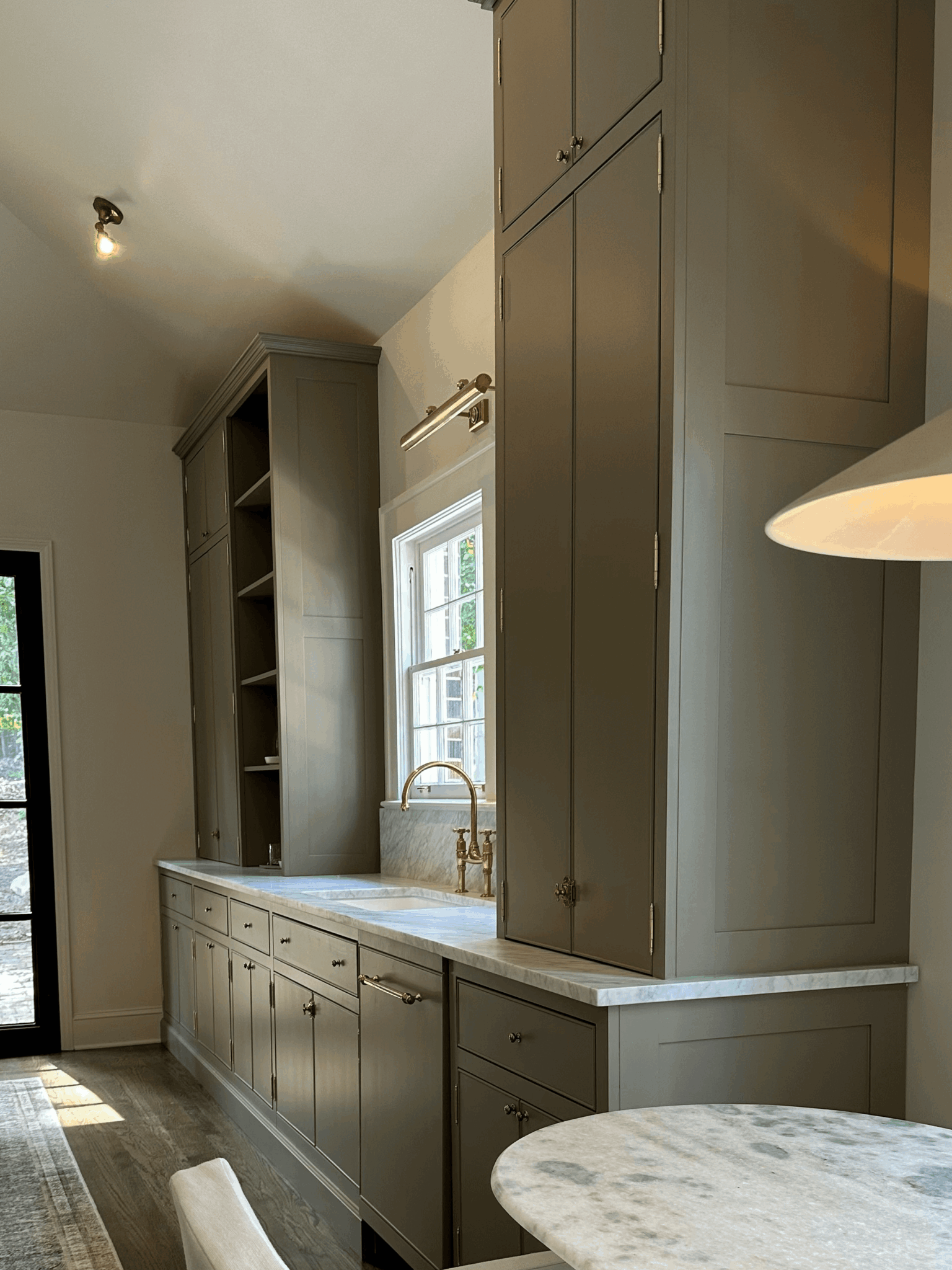
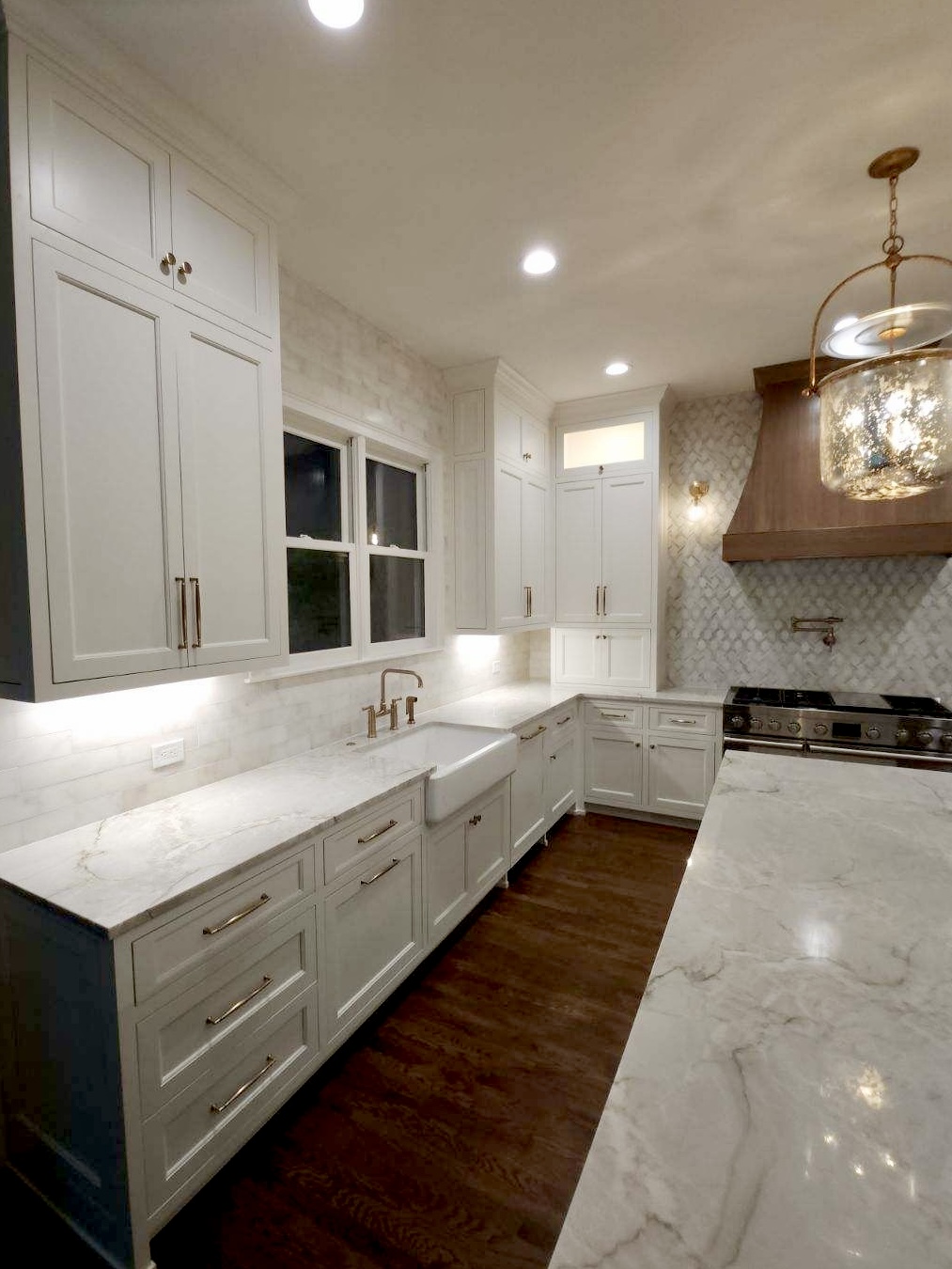
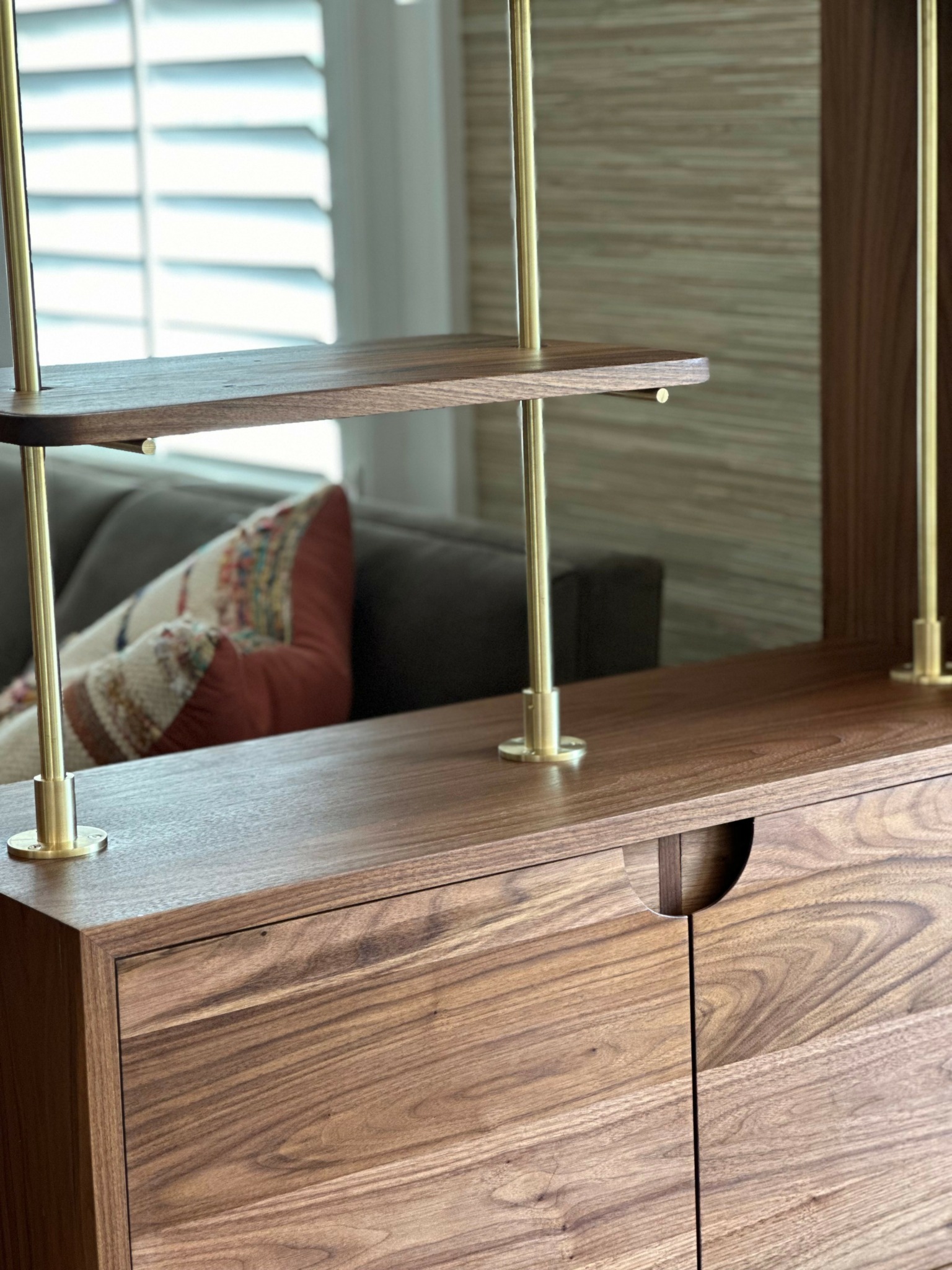
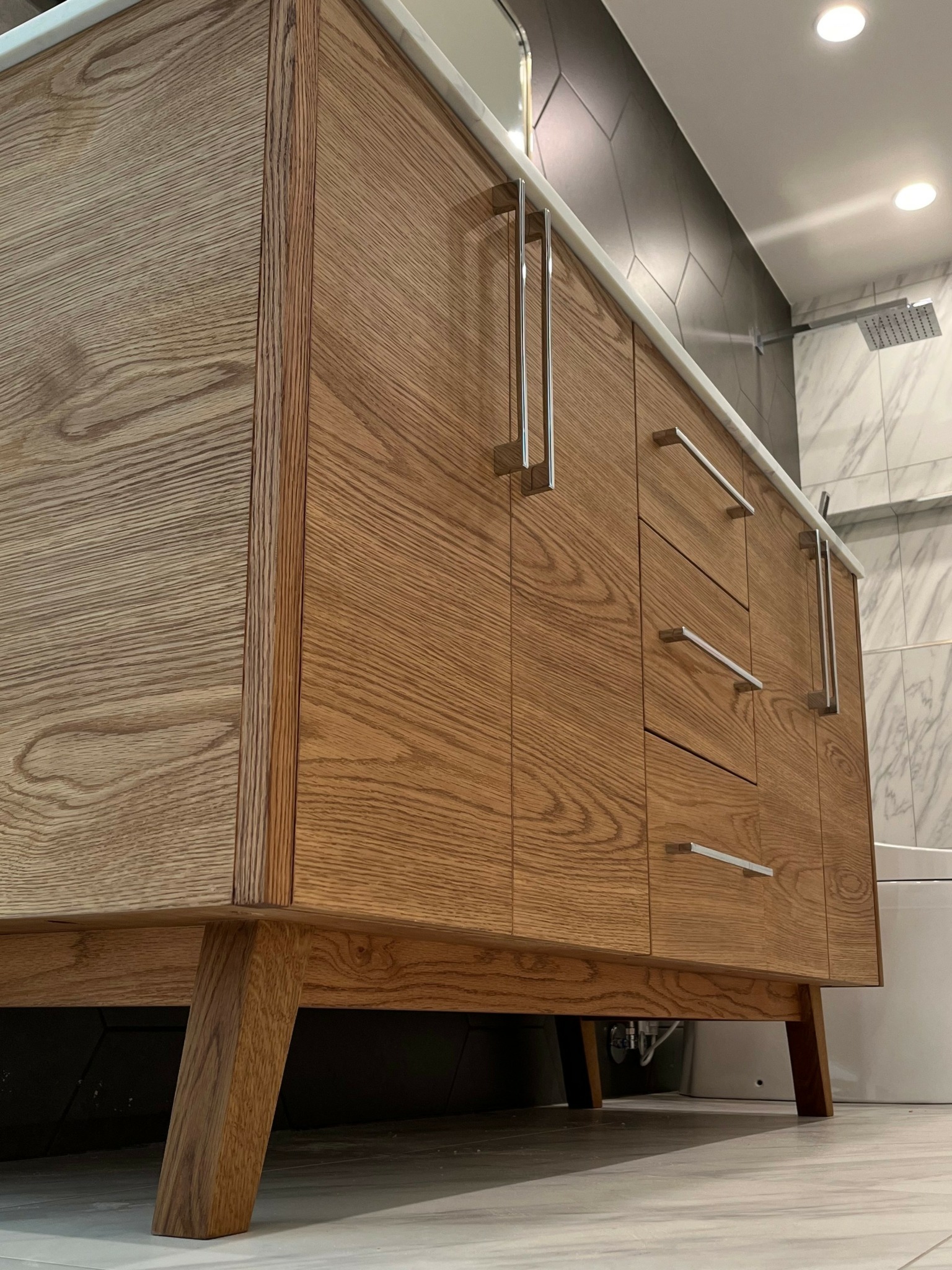
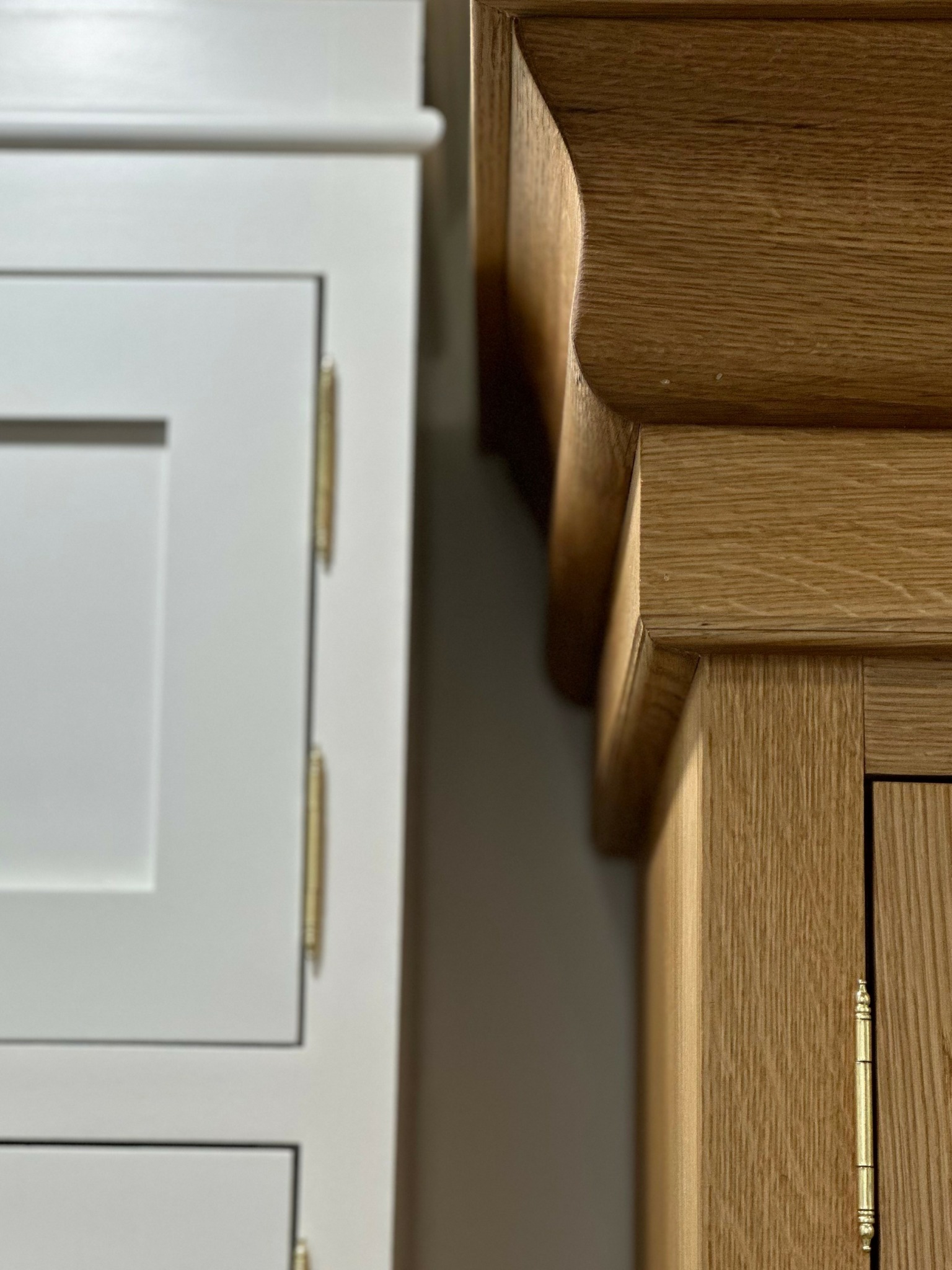
Image Credits
Brian Cook