

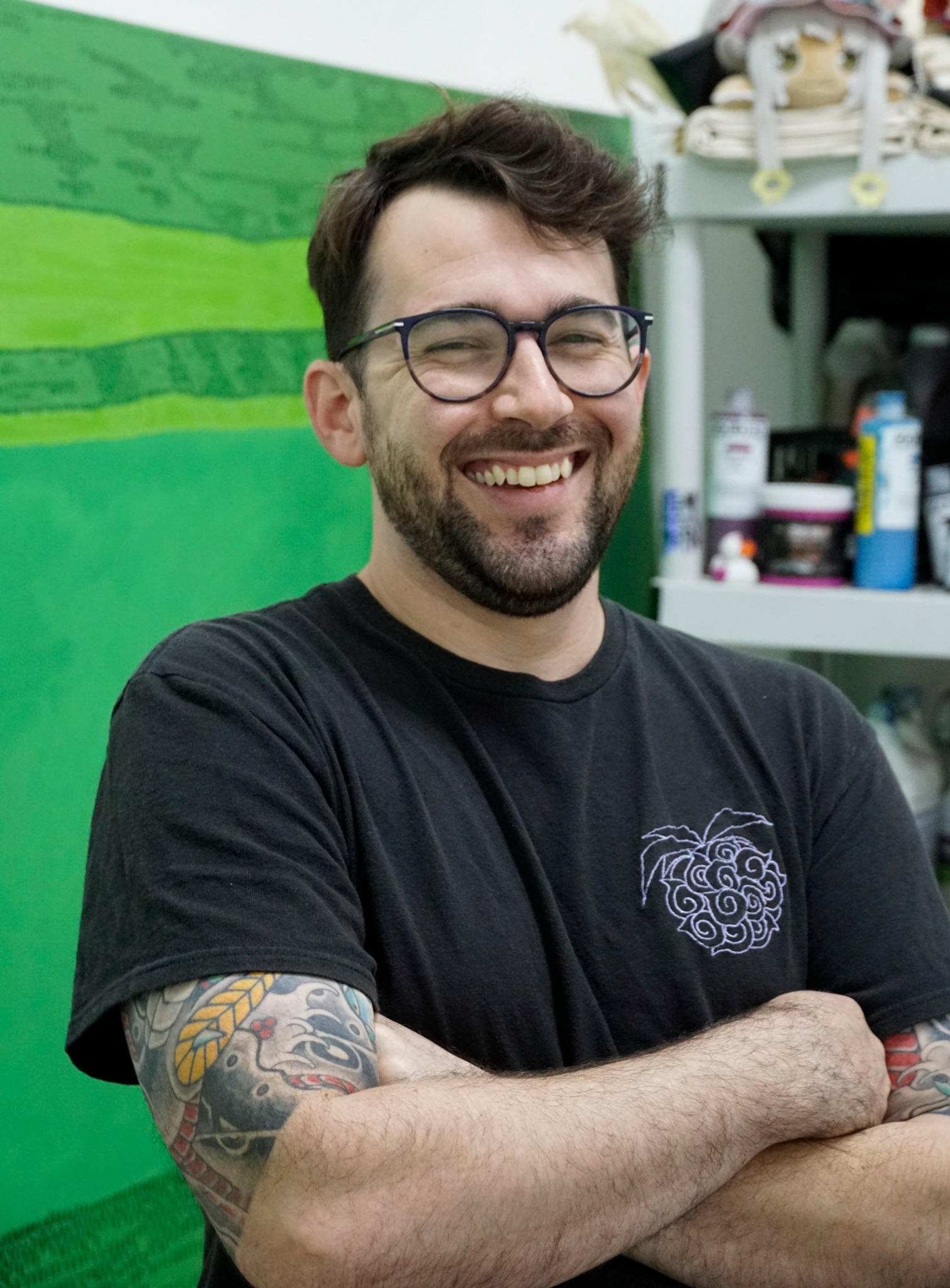

Alright – so today we’ve got the honor of introducing you to Brantly Sheffield. We think you’ll enjoy our conversation, we’ve shared it below.
Alright, Brantly thanks for taking the time to share your stories and insights with us today. I’m sure there have been days where the challenges of being an artist or creative force you to think about what it would be like to just have a regular job. When’s the last time you felt that way? Did you have any insights from the experience?
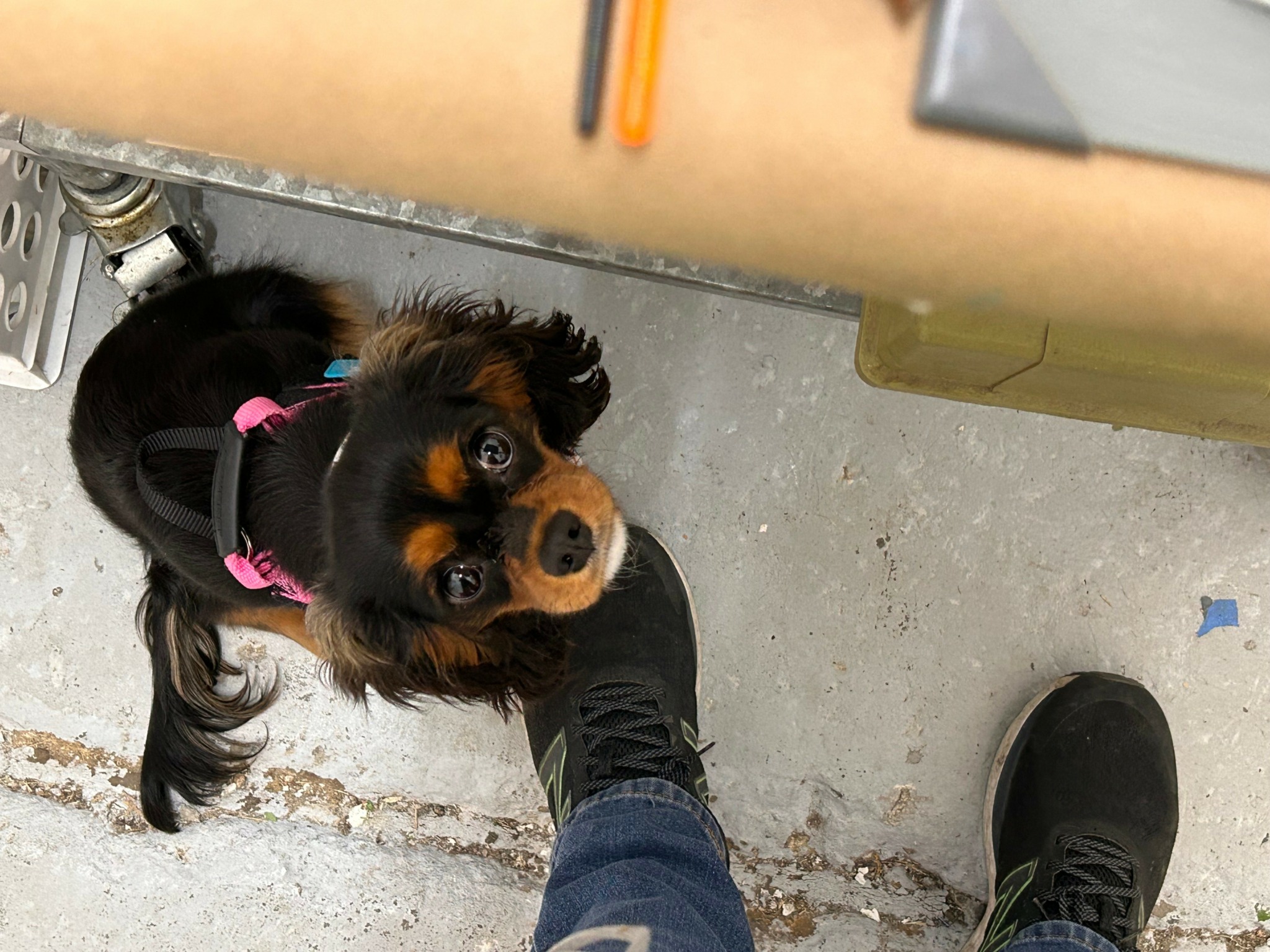
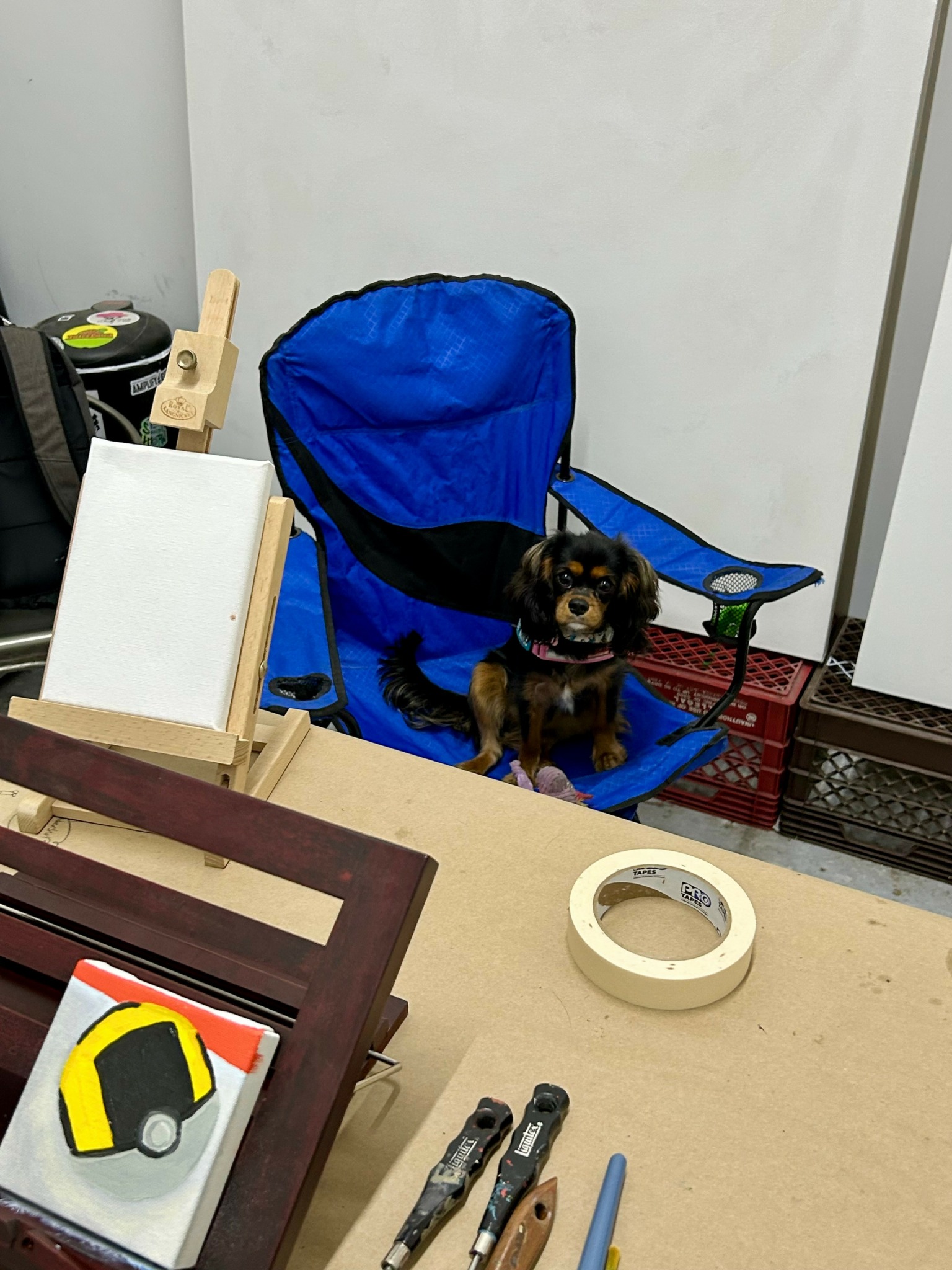
Am I happier as an artist or a creative? I think I know what you mean but, just in case, I consider myself both. I don’t think you can be an artist without being creative. Or is the question: am I happier being an artist or creative? In that case, what am I comparing it too? I don’t really have anything to compare it too, so, yeah, I’m happy. I have a studio practice, a partner that I love, a puppy that I also love, a great community and I am an assistant professor of art at community college. Life pretty great considering all that’s going on in World. I feel very fortunate to live the life I do. Do I think about what it would be like to have a “regular job”? Not really, I can’t picture what I would be doing other than what I’m doing. So, career wise no, but before I was an assistant professor, I wondered what it would be like to have consistent income, health insurance, and job security. For a long time, I was an adjunct professor and ran my studio practice. Some months were super tough especially during the summer. No teaching income, so having to rely on commissions, or sales was tuff. I don’t like having to rely on my work to make majority of my income because of the sacrifices that might be made for the client. Even then I had a tight contract and questionnaire for potential clients because of this very thing. I was also represented by a gallery that was unreliable when it came to sales and cultivating new collectors for me. I left them and I have actually seen a bump in my sales, and I have gained a few new collectors, which I find hilarious given the gallery had three, almost four years to do that for me, and couldn’t.
Brantly, love having you share your insights with us. Before we ask you more questions, maybe you can take a moment to introduce yourself to our readers who might have missed our earlier conversations?
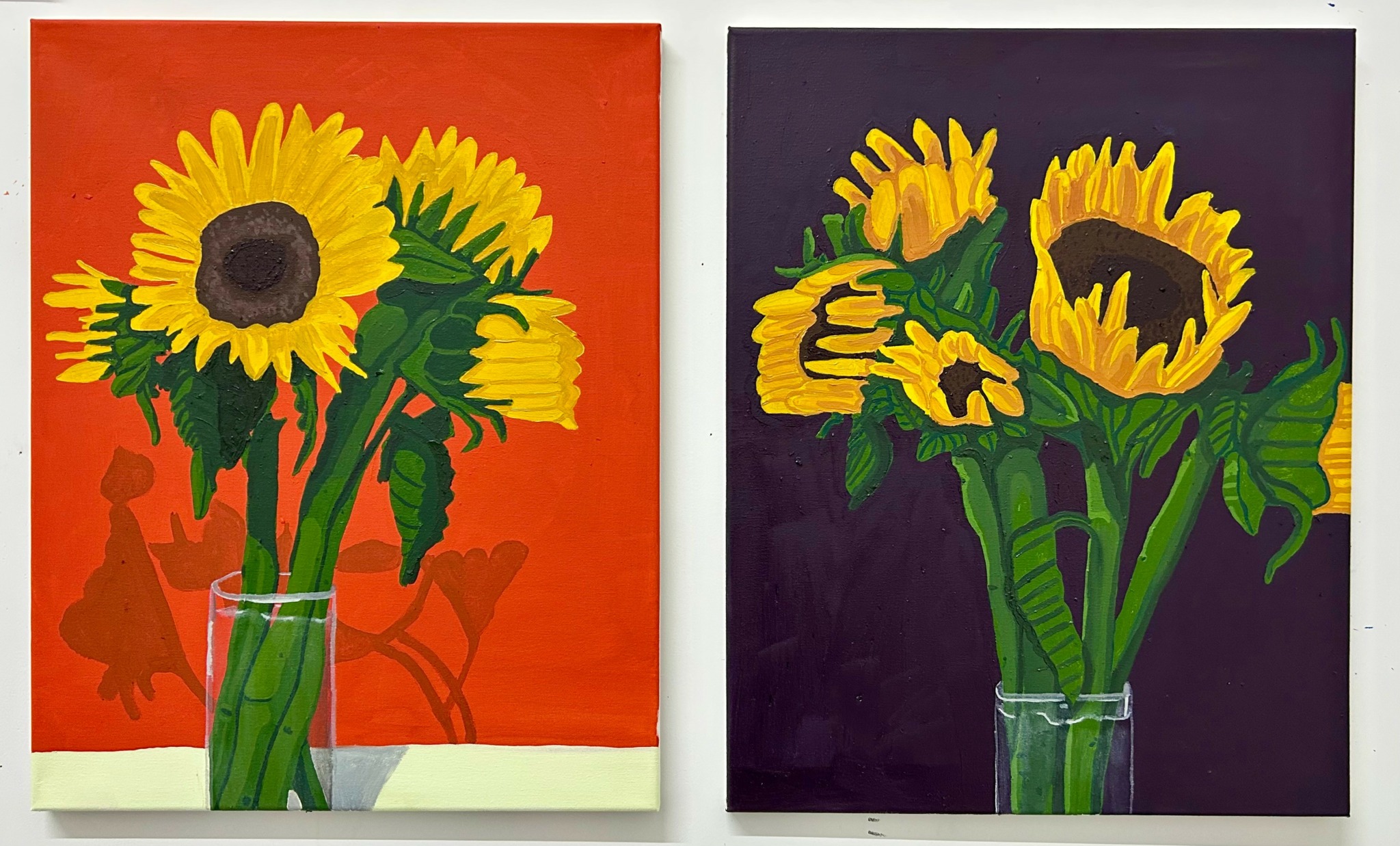
I am a painter that is interested in portraiture as a relational act. My drawings and paintings begin with time spent hanging out with my partner, friends, other artists, and members of my community. This allows for a more intimate conversation and shared presence to shape the image. Working from life, I am interested in how attention accumulates over time and how the environments and objects that surround us participate in our identities.
I came to this approach through observational drawing. What began as a commitment to representation gradually became an interest in relationship, how looking becomes a form of care, and how the act of sitting together can shape both the image and the connection between artist and subject. Domestic spaces, regional environments, and everyday objects become essential in this process of grounding the work in lived experience.
My work includes paintings and drawings of people, pets, spaces, and objects drawn from life. Rather than emphasizing status or idealization, these works document shared time, presence, and the quite negotiations that unfold between individuals and their surroundings. Through portraiture, I explore themes of regional identity, queer life, partnership, and the contemporary American experience.
My practice is rooted in time and collaboration. The act of sitting together becomes as important as the finished painting, and the resulting work reflects a shared experience rather than a one-sided depiction. The specificity of place, particularly in North Texas and the broader American Midwest and South, also grounds my work in a lived regional reality
I am proud of the relationships that have grown through this process and the opportunity to represent the people and environments that shape my life. In addition to my studio practice, my work as an educator informs my commitment to observation, conceptual thinking and helping others learn to see with greater attention and care.
I want viewers and collectors to understand that my work is rooted in presence and reciprocity. Portraiture, in my practice, is not about likeness alone but about shared time, trust, and the subtle truths that emerge through sustained attention. By focusing on the intimate, I hope to create images that feel both specific and deeply human.
In your view, what can society to do to best support artists, creatives and a thriving creative ecosystem?
In my view, the best way society can support artist and sustain a thriving ecosystem is simple, value the work and the people who make.
Buy work from artists in your own community. Purchase pieces because you love them and want to live with them. Support local art organizations that provide artists with resources, opportunities, and spaces to create and exhibit.
Pay artist fairly for our labor. Don’t haggle. Creative work is skilled labor that takes years and years to cultivate.
Seek artists out for what they actually make. Don’t commission someone to imitate a style that isn’t theirs, and don’t micromanage their process. Trust why you were drawn to the artist in the first place.
When artist are respected, compensated, and trusted, the entire cultural landscape becomes richer and more alive.
Do you think there is something that non-creatives might struggle to understand about your journey as a creative? Maybe you can shed some light?
I think people sometimes misunderstand that the “journey” isn’t something that ends, it’s continuous. Even in this moment, talking with you all, I’m still on my artistic journey. Artists are constantly becoming, and if we cease to become, we cease being artists. We are forever students.
We question our own work to grow materially, read and look to grow conceptually, and engage with community to remain part of something larger than ourselves. Our skill sets are built over time through this ongoing process.
Having a degree in a specific discipline doesn’t mean we operate only within that discipline or medium. My undergraduate degree is in Illustration, but I don’t consider myself an illustrator. That department played an integral role in my development as a painter through a color-mixing project, a specific professor, and a study abroad trip between my sophomore and junior year. From there, I continued down a path I forged for myself.
Contact Info:
- Website: https://www.brantlysheffield.com/
- Instagram: @brantly_sheffield
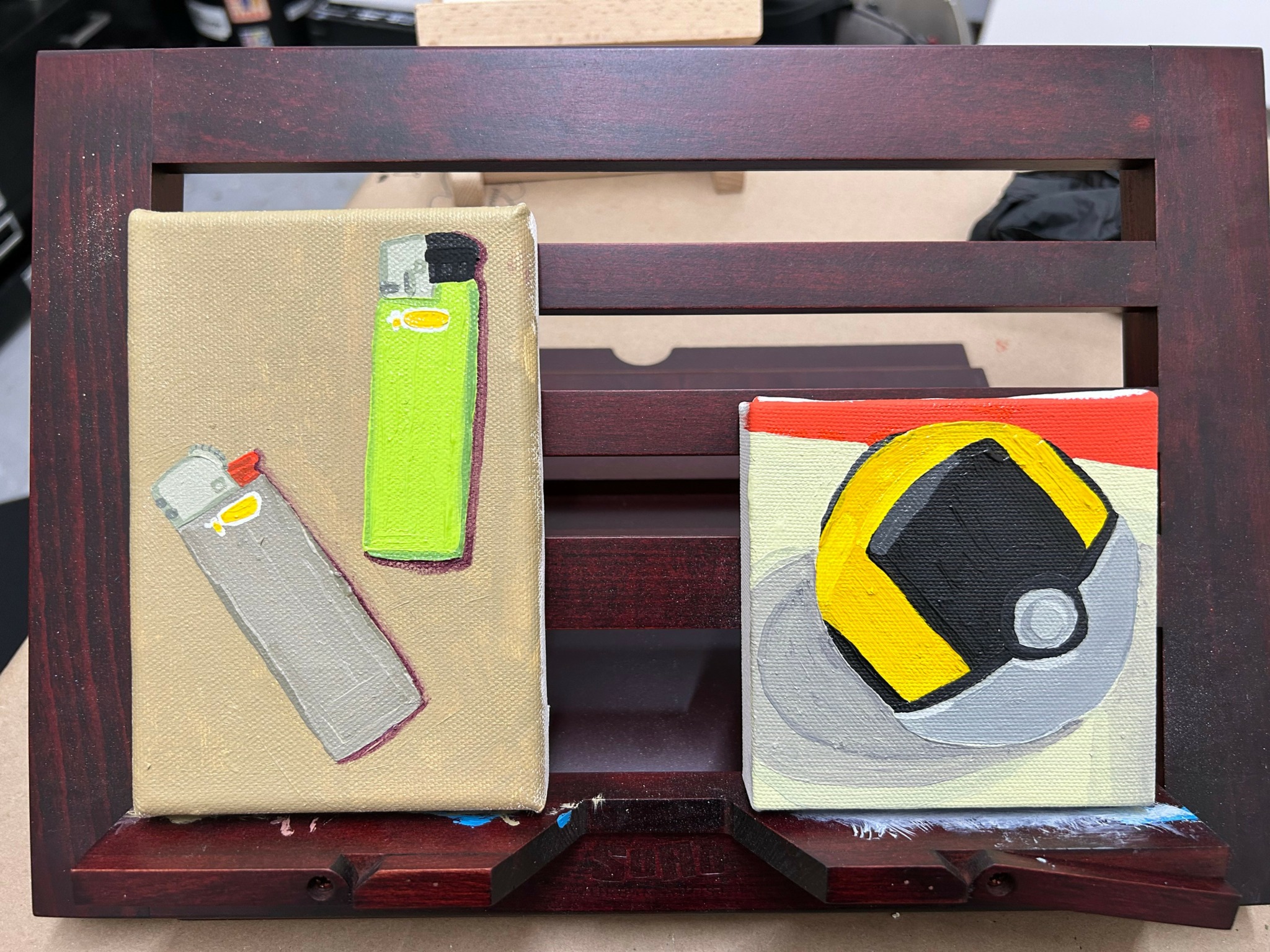
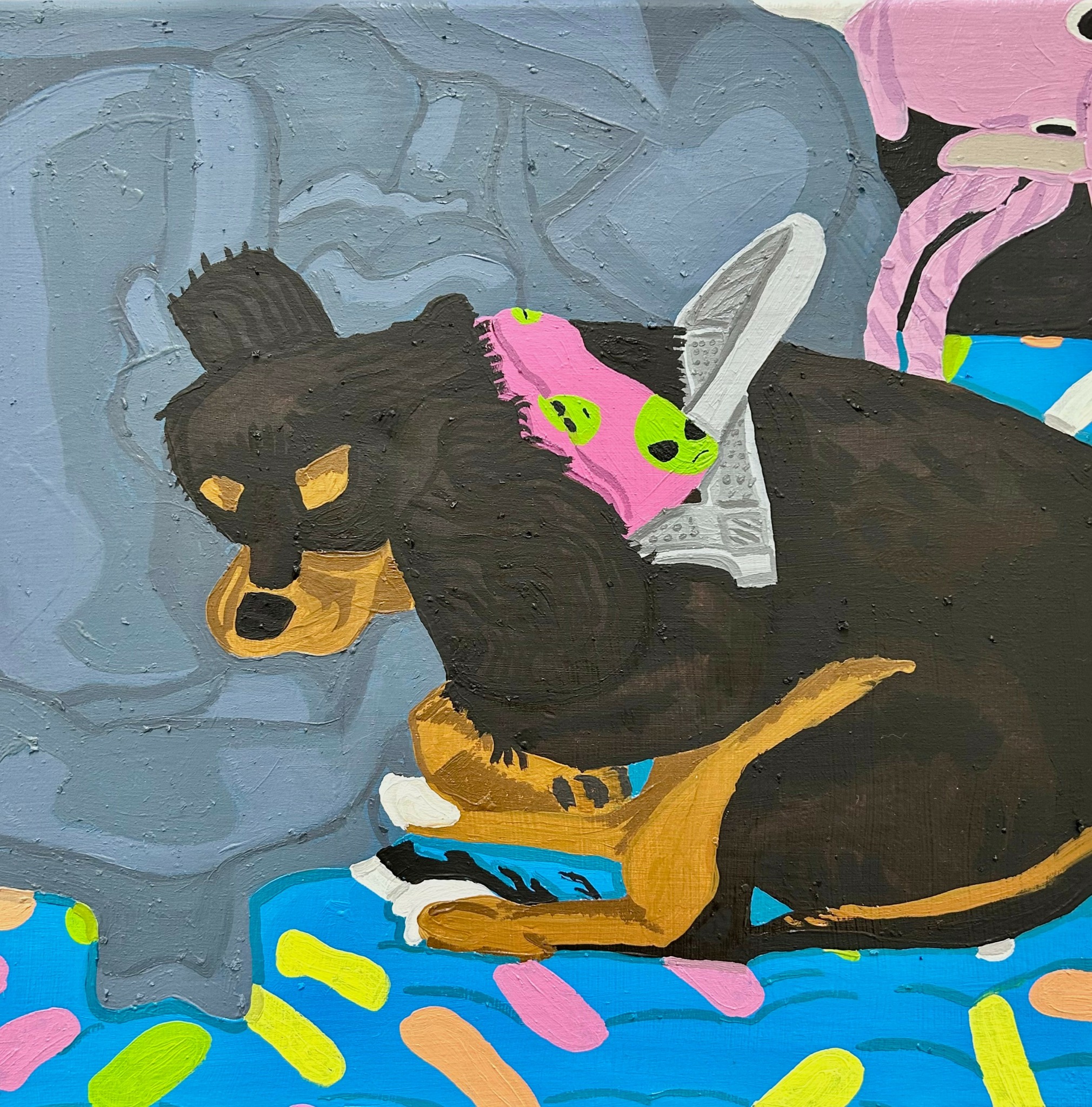
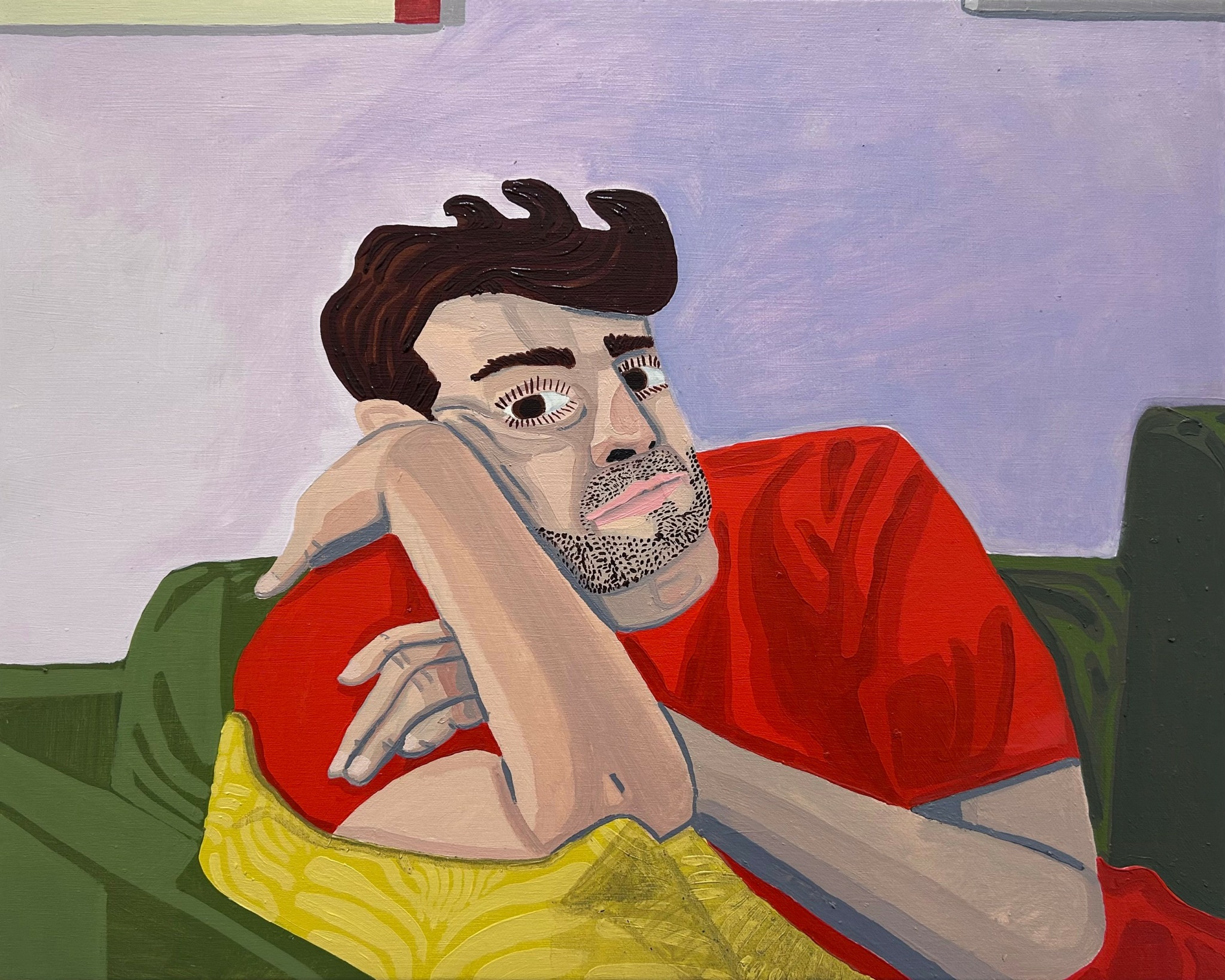
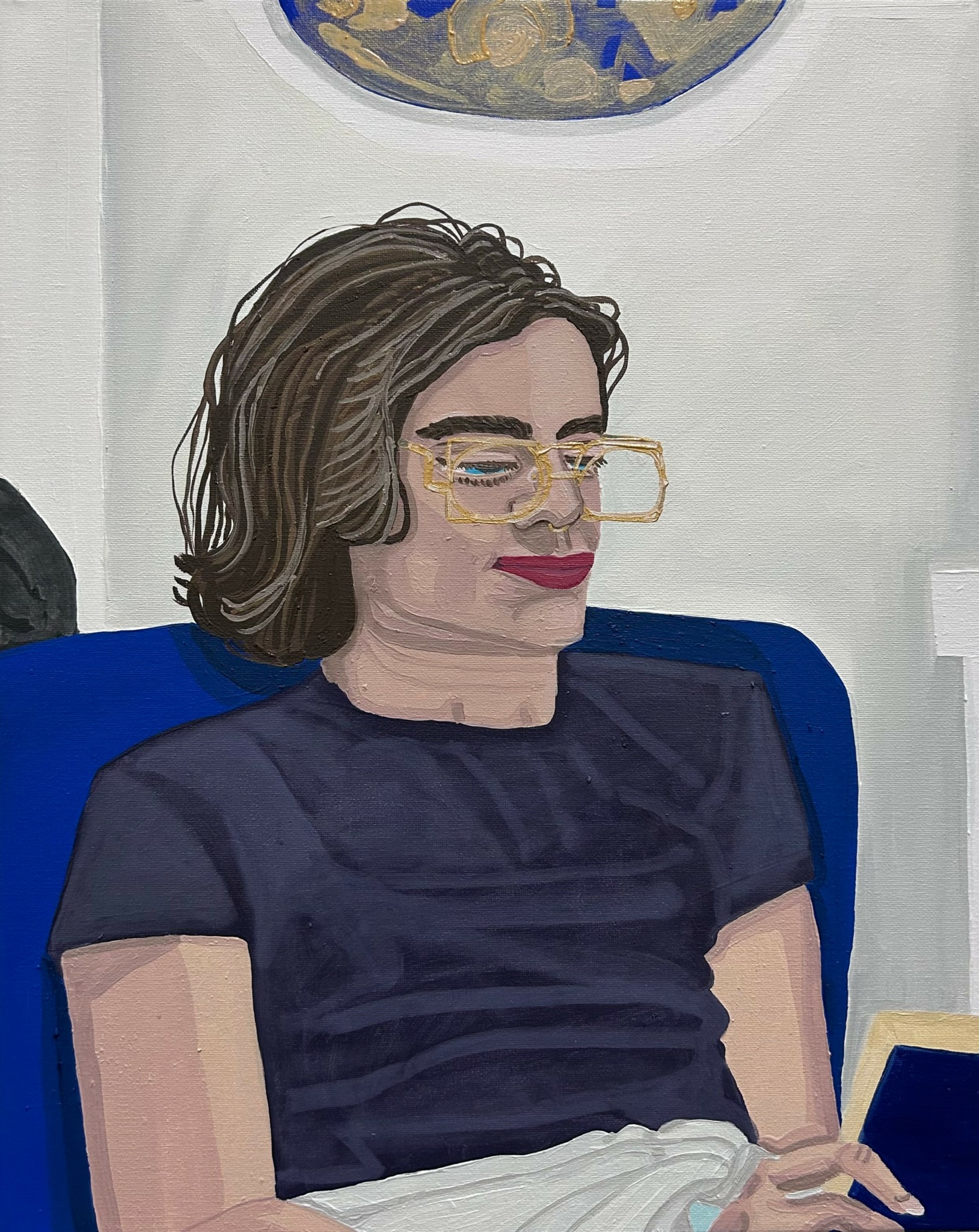
Image Credits
Ben Schultz