


We were lucky to catch up with Brad Hooks recently and have shared our conversation below.
Brad, thanks for joining us, excited to have you contributing your stories and insights. Can you tell us a story about a time you failed?
Any success I’ve had in this field is due to learning from repeated failures. One example is when I did some work for an older woman in her 80s who wanted to renovate her home. A mutual friend recommended me, and I made the mistake of not setting up a contract, assuming it would be a casual agreement. She couldn’t pay a retainer due to a trust, and I moved forward anyway. Unfortunately, she constantly changed her demands and became hostile when I tried to set boundaries. After about 40 hours of work and many out-of-the-blue phone calls, I asked for meetings to be scheduled through email to better manage my time and her expectations; for this, she fired me, refusing to pay any fee while keeping the drawings for herself. I learned the hard way to always issue contracts, require retainers, and ensure payment before releasing any work. In this industry, good-faith arrangements rarely work, and my folksy approach isn’t profitable.
Brad, love having you share your insights with us. Before we ask you more questions, maybe you can take a moment to introduce yourself to our readers who might have missed our earlier conversations?
My name is Brad Hooks, and I’m not sure if there is a straight line as to how I fell into architecture. I came from an engineering family but was more interested in drawing and painting. Architecture seemed to have fallen somewhere in between these categories. At the College of Charleston, I double-majored in Historic Preservation / Community Planning and Art History. The Dean of the HPCP Department was an architect, and he had piqued my interest in the possibility of architecture, even if at the time, I viewed architecture as purely an exercise in preservationist sensibilities. From there, I headed a little further south to the Savanah College of Art and Design to pursue this new discipline. It was there that I realized that a piece of architecture needn’t look like a memorial to a Founding Father. Even though Savannah, like Charleston, was robust in its enforcement of the historic district, the studio culture of SCAD’s Architecture program was of contemporary, even futurist, understandings of the built space. And with most of our projects set within the city, it was a worthwhile exercise in adapting ideals to historic realities and restrictions.
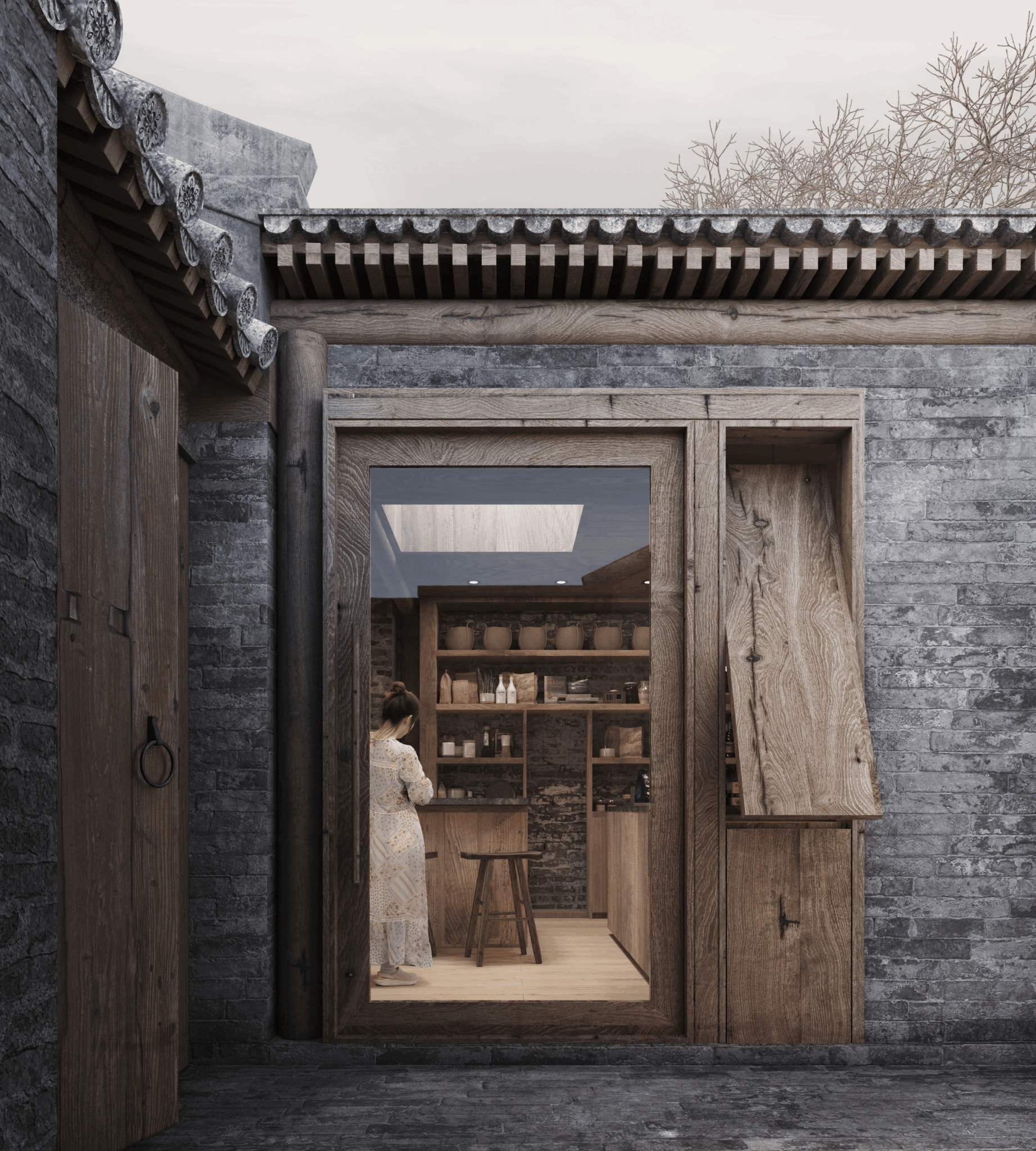
After graduation and navigating a financial crisis, I found myself immersed in the vibrant and complex world of Asian architecture. My journey took me to China, Taiwan, India, and briefly to Bangladesh, where I gravitated toward studios that embraced modern interpretations of local context and vernacular. These studios celebrated honest, raw expressions of form and material, which deeply resonated with me and my own history. By the time I left India, my design sensibilities, aesthetic palette, and professional direction had firmly aligned with modernist principles and minimalist ideals.
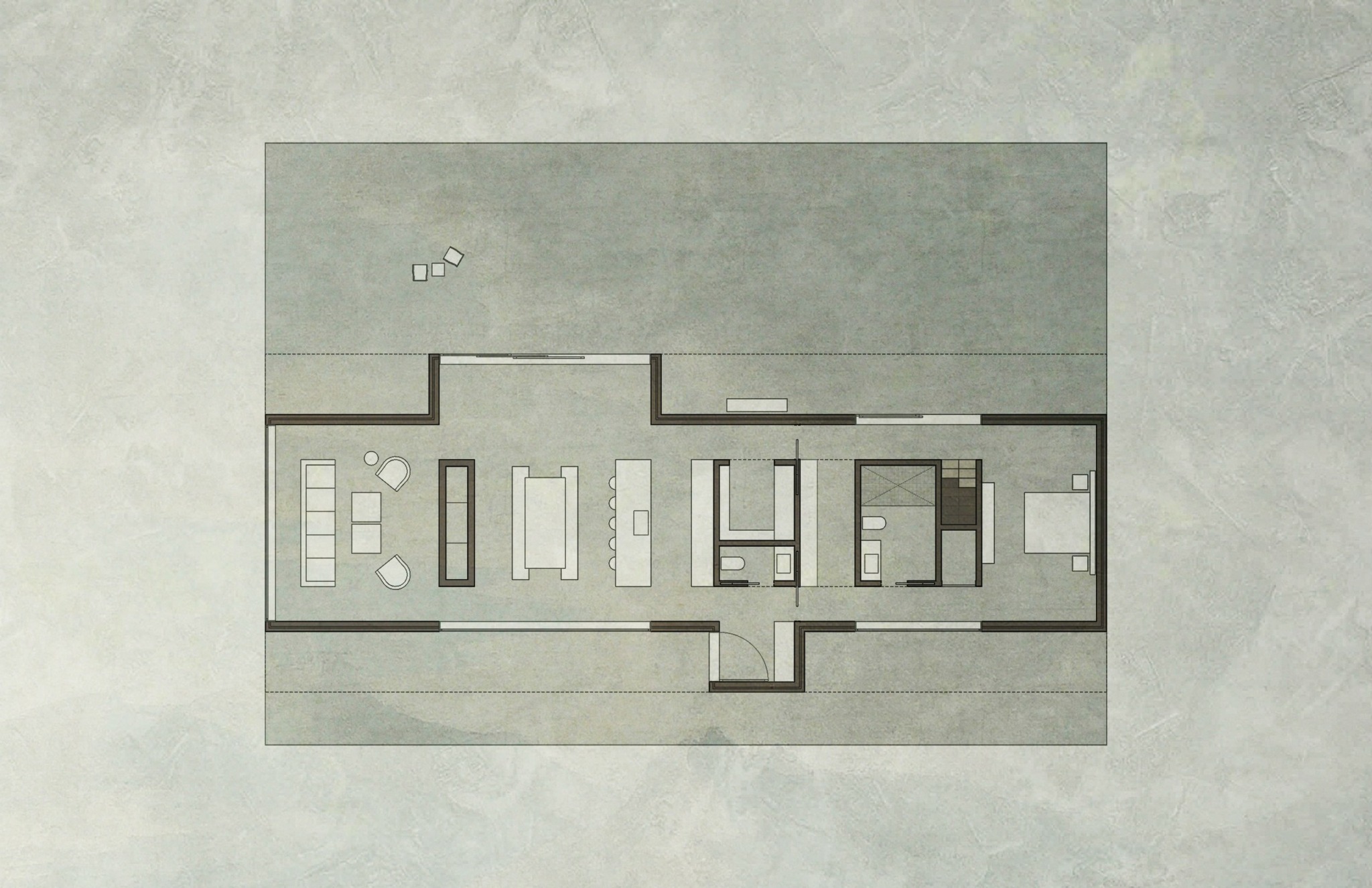
Upon returning to the U.S., I began working in the Hamptons, New York, designing custom contemporary homes. This is where I continue my work today. The services I offer reflect a unique blend of experiences: a small-town South Carolinian background, shaped by training with esteemed international architects, now applied to the high-end residential market of Long Island’s East End. As I start to create my own projects, independent of the office in Bridgehampton, I am focusing on a classical, iterative design process—one that prioritizes simplicity, clarity, and authenticity.
Is there something you think non-creatives will struggle to understand about your journey as a creative? Maybe you can provide some insight – you never know who might benefit from the enlightenment.
To work internationally in places like China and India, for certain types of studios, I was taking a substantial pay cut in US dollars, I was increasing the amount and intensity of work hours, and I was practicing in firms that westerners could easily interpret (correctly) as exploitative and even abusive. The quality of the work was my north star, and it took precedence over my own financial and even physical well-being in pursuit of an expertise that was refined and multi-faceted. Although friends and family, and even fellow architects, could never understand why I was going about my career in this manner, it has led me to a skillset today that is very hard to replicate, especially in the American market. I am quite happy with my own story and how it unfolded, especially the parts that were extremely difficult. These experiences, the good ones and the bad ones, shaped my creative worldview and design philosophy and laid the foundation for my own iterative design process.
How do you keep your team’s morale high?
Being nice and respectful. Copious amounts of dad jokes. Where I come from, a small town in South Carolina called Jackson, my mom and dad would be ashamed of me if politeness were to leave my repertoire, if humility were to lose its place. Although I saw plenty of screaming and humiliation sessions in offices across the globe, it became something to abhor instead of emulate, and I’m certain that my upbringing was the foundation for this understanding. When I work with a team, my goal is to delegate tasks I’m capable of doing myself, to encourage an environment where mistakes are seen as part of the process, and to emphasize that learning from those mistakes is the ultimate goal. I want my teammates to enjoy the design process, and that starts with me being someone they enjoy working with.
Contact Info:
- Website: https://www.bradhooks.com
- Instagram: https://www.instagram.com/bradhooks_/
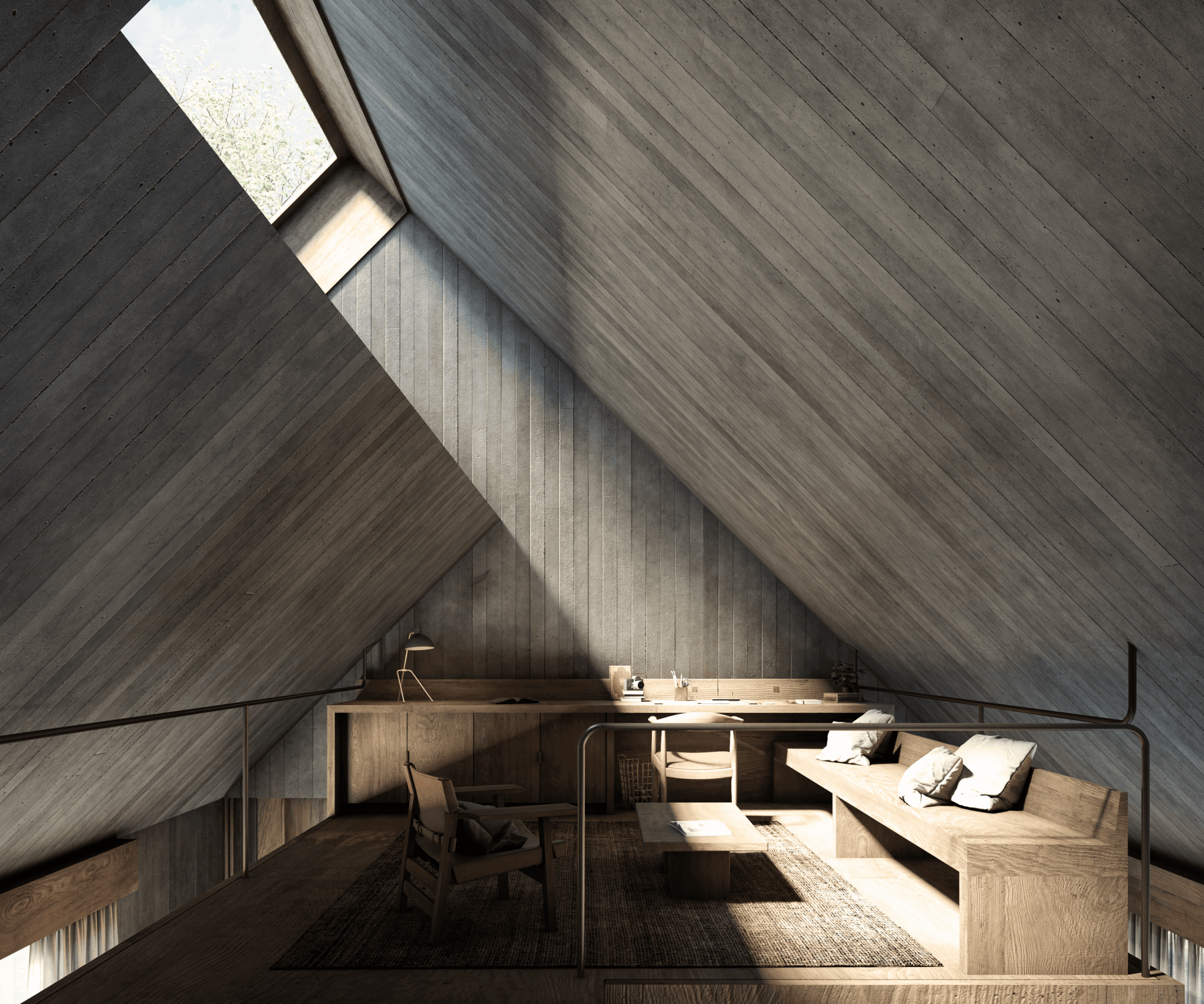
Image Credits
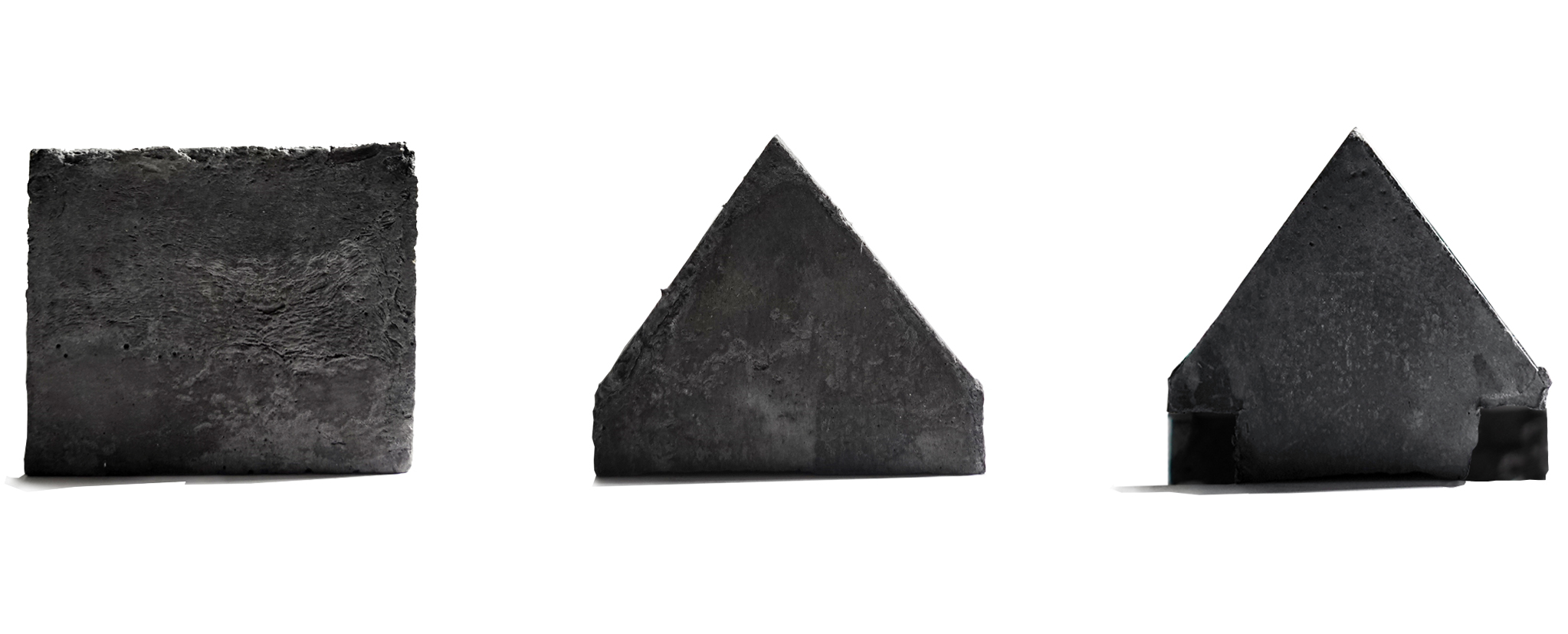
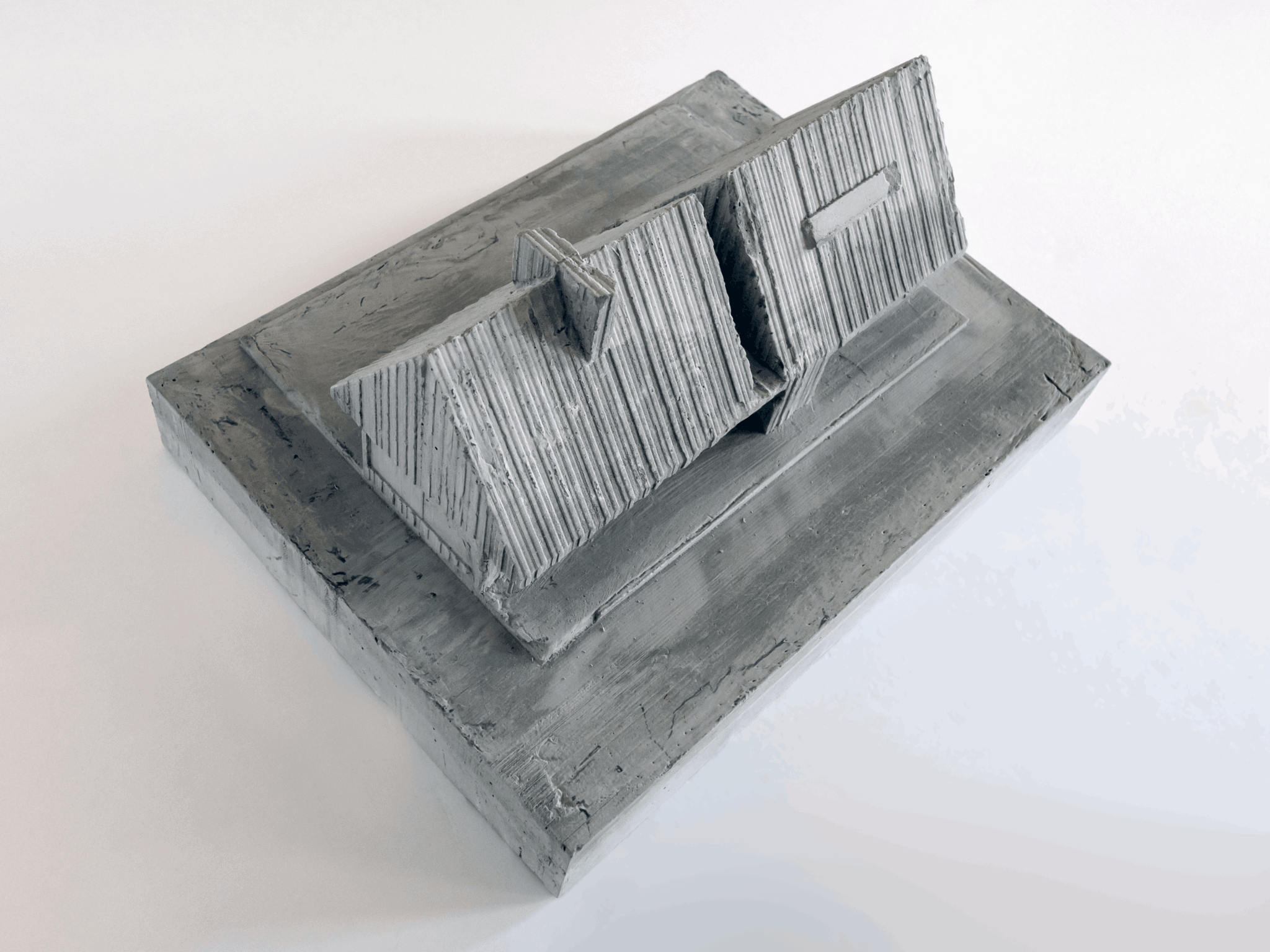
Chris Patrick (Photograph of Gray Concrete Model)