


We recently connected with Boris Kerzner and have shared our conversation below.
Boris, appreciate you joining us today. What was it like going from idea to execution? Can you share some of the backstory and some of the major steps or milestones?
It was a slow process. I was in a software engineering career that I was not passionate about and looking around for something else to do. An in-person course in herbal medicine led me to organic gardening which led me back to school for a masters’ degree in Ecological Landscape Design and Planning which led me to start my own business. The whole process took 8-10 years.
As always, we appreciate you sharing your insights and we’ve got a few more questions for you, but before we get to all of that can you take a minute to introduce yourself and give our readers some of your background and context?
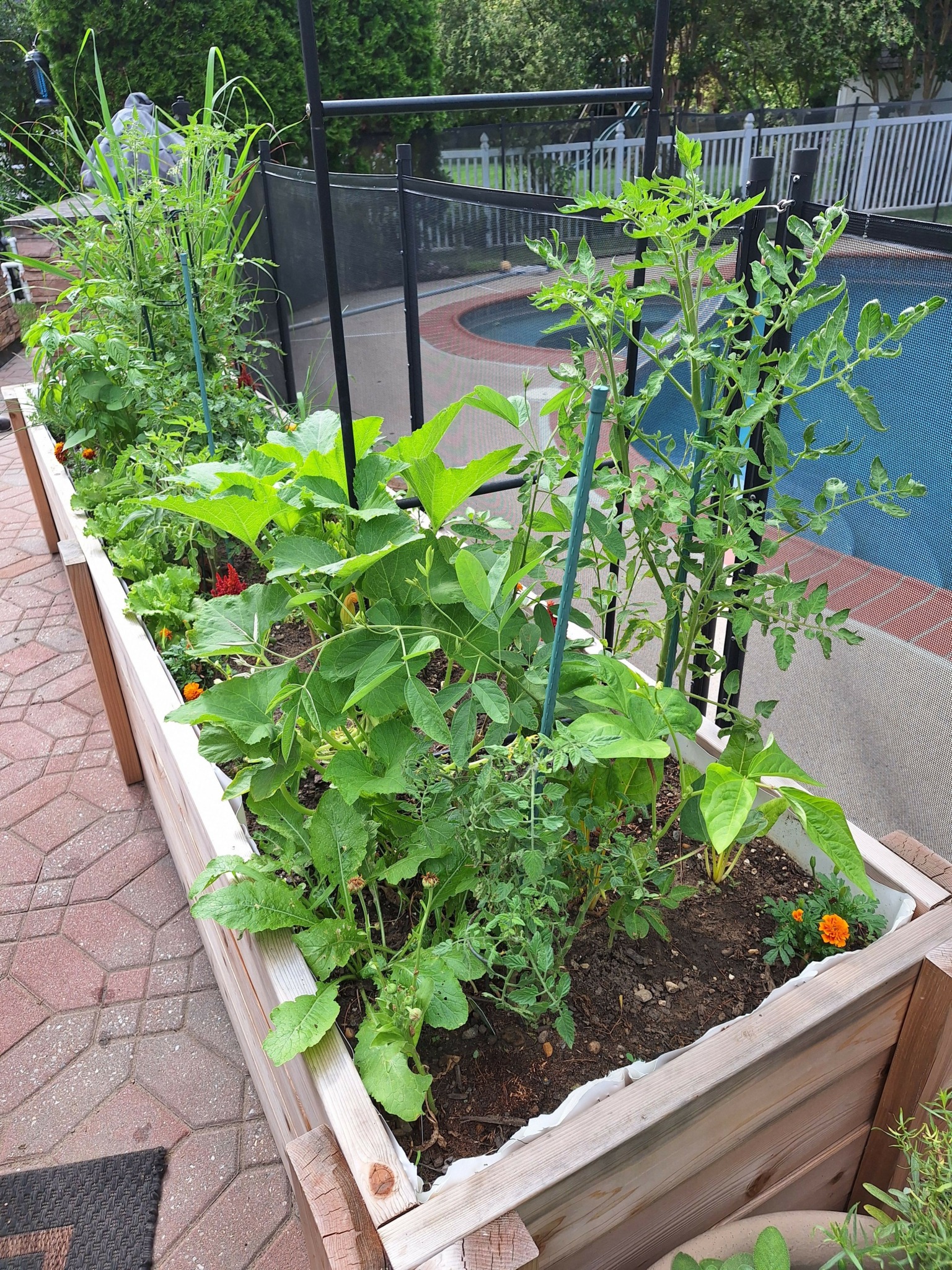
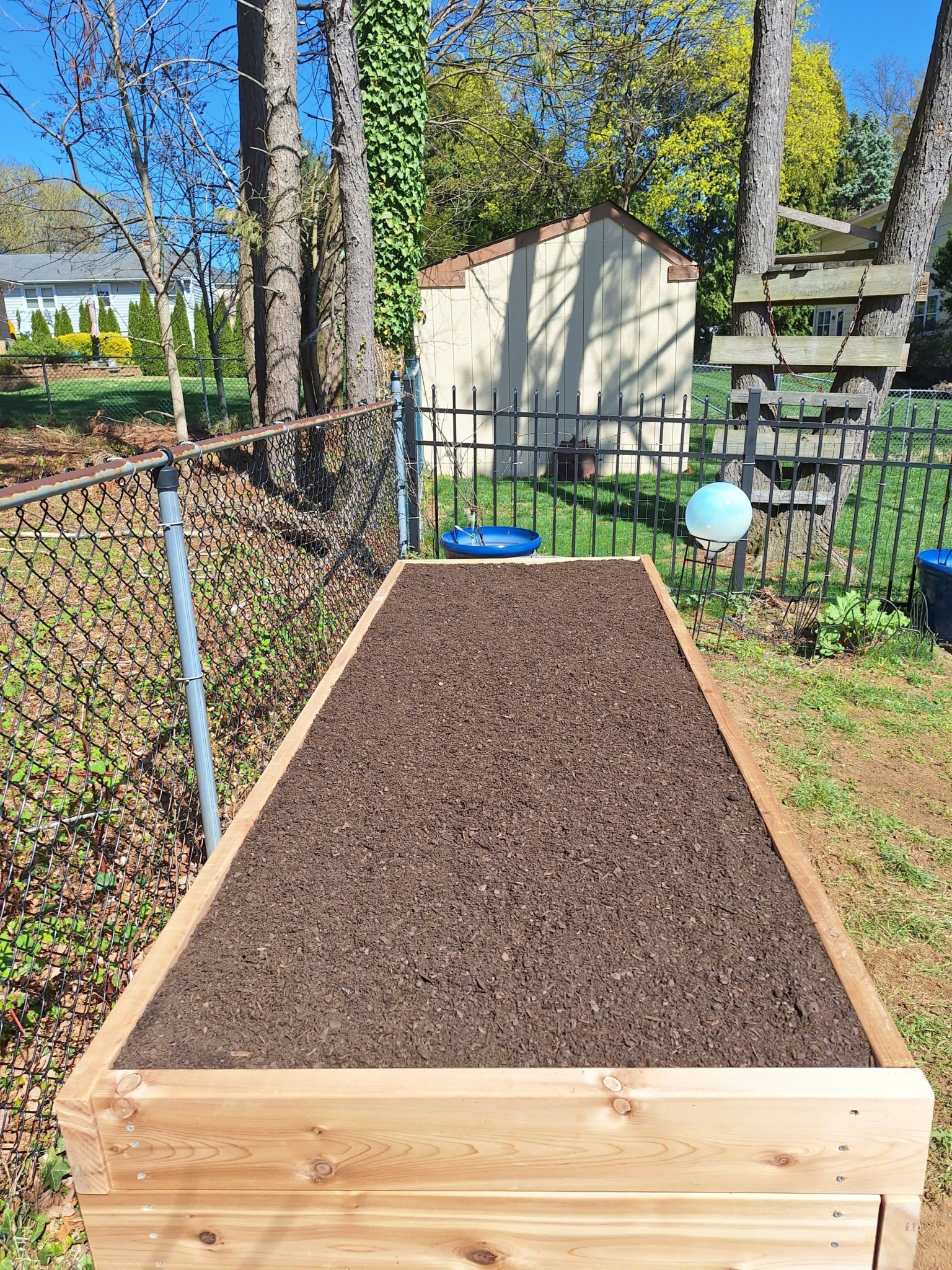
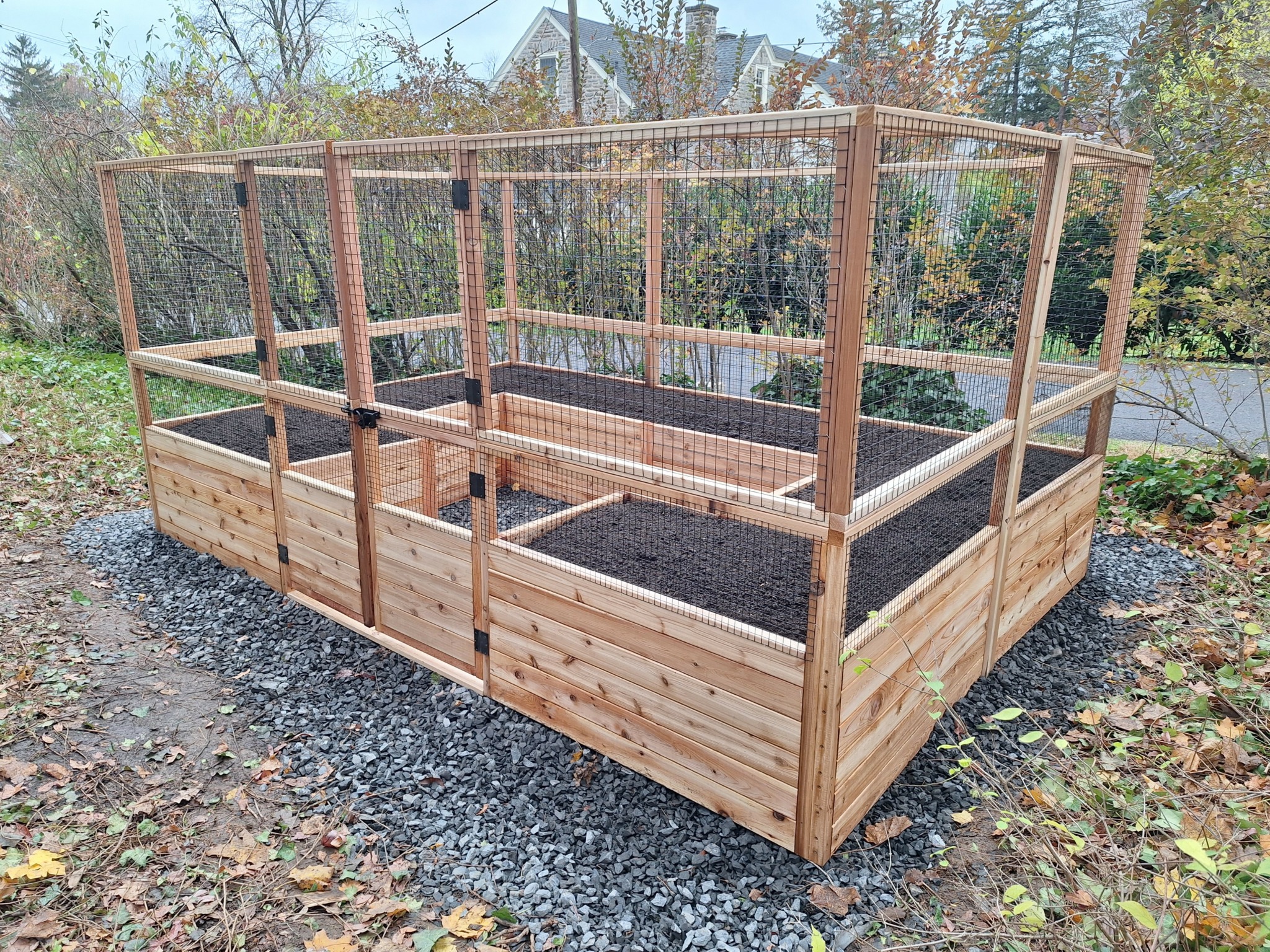
Many residences and places of business have unused lawn that could be more effectively used for growing food. We want to bridge the gap between people’s desire to grow food and their ability & knowledge to do so. We offer a full spectrum of design, installation, and maintenance services focusing on edible gardens. We design gardens, build raised beds and critter fences, plant edible landscapes with berries and fruit trees, put together crop plans, and offer garden coaching & maintenance services. We also utilize native plants in ornamental designs, because research has shown that native plants increase the presence of local bugs and birds, bringing more life to our landscapes.
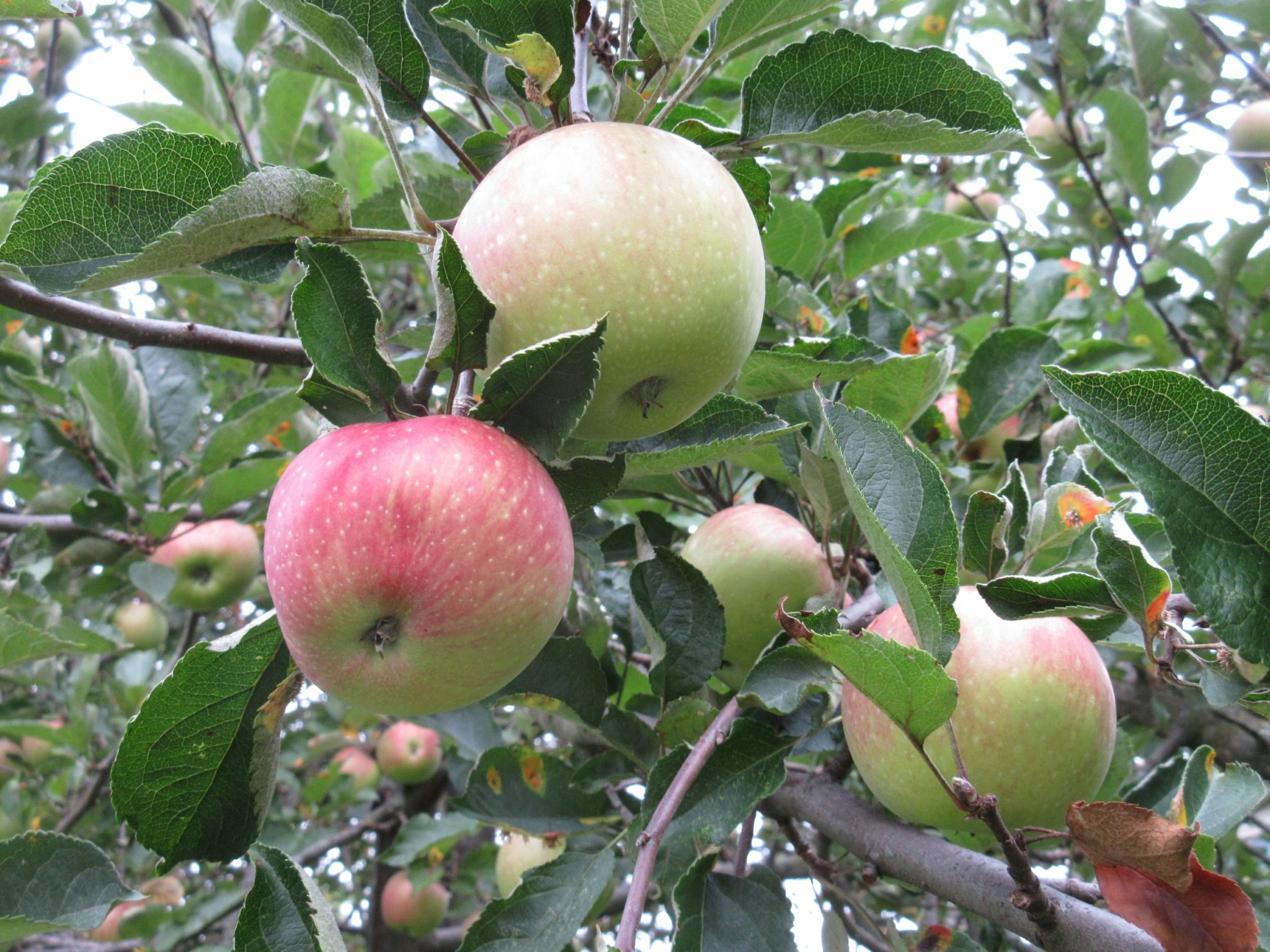
The climate is changing, it takes energy to transport food to our plates, and we can grow so much more close to home. It’s also fun, empowering, healthy, and just plain exciting. It may be useful to think of this approach as retrofitting the suburbs. The original suburban vision was meant to signal gentility and safety while promoting privacy. It may have worked for awhile, but we can update that vision to more closely match what we see out there in the world – a vulnerable biosphere, a shakier climate. That specimen tree planted in the middle of a lawn could be a fruit tree or a walnut tree. Those foundation shrubs don’t have to be yews and arborvitaes – they can be pomegranates, blueberries, and native flowering shrubs like Summersweet with its white and pink blooms. Yes, native plants belong here too! The bugs feed on the plants and birds feed on the bugs, resulting in more sheer life in your yard.
Can you talk to us about how you funded your business?
To start a landscaping business, you really don’t need much – just some tools and a vehicle. Having had significant student debt from college has made me averse to taking on debt, so I bootstrapped the business, investing as I went.
Are there any books, videos or other content that you feel have meaningfully impacted your thinking?
The E-Myth Revisited by Michael E. Gerber taught me the importance of working ON your business, not just IN your business. The central thesis is that many small business owners are competent technicians but don’t know how to run a business, which is a separate skill set. To succeed, they need to constantly be improving and documenting the processes of their business.
Traction by Gino Wickman is next up on my list.
Contact Info:
- Website: https://www.growourfood.com
- Instagram: https://www.instagram.com/grow_our_food/
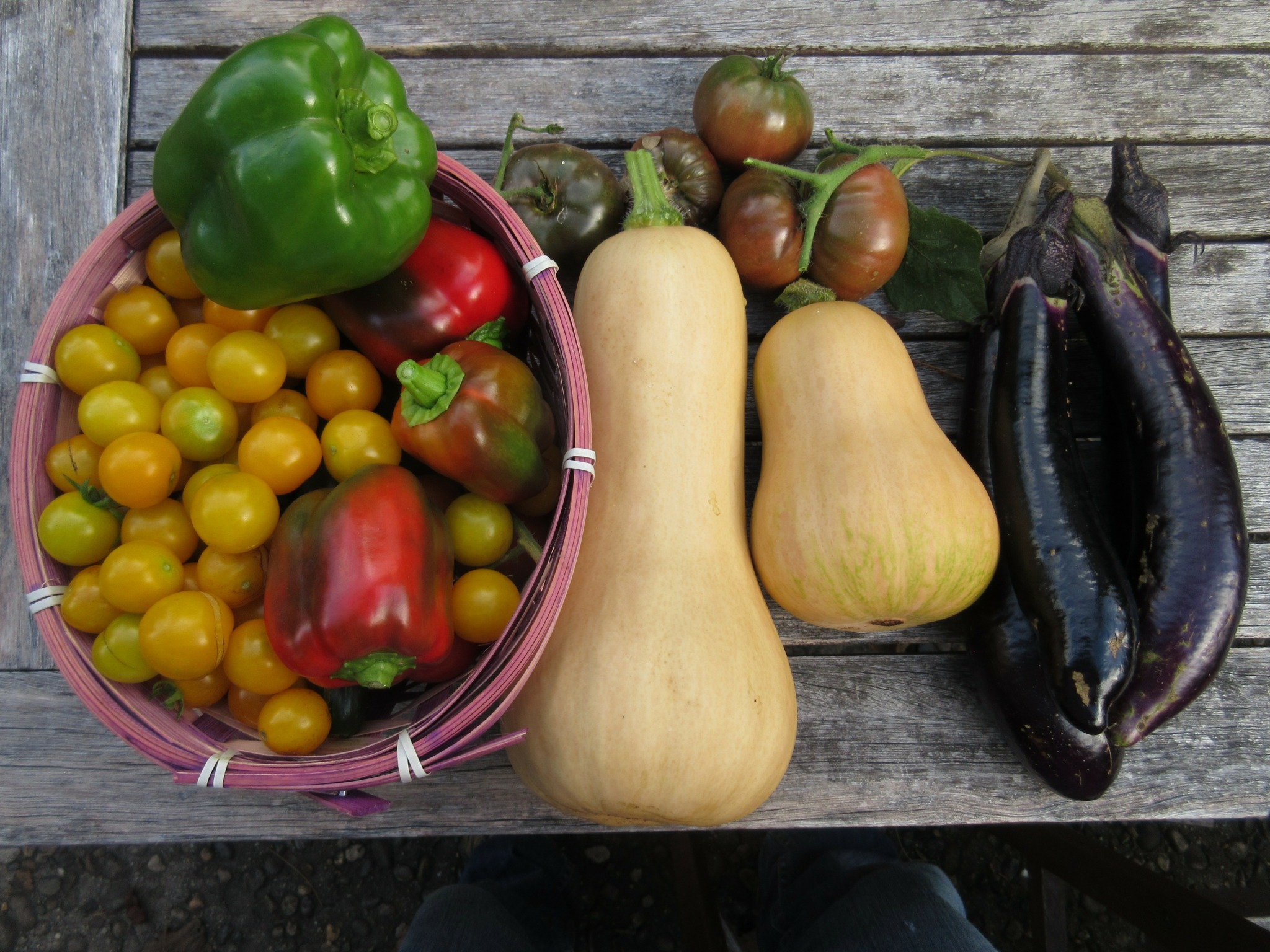
Image Credits
Boris Kerzner – my photos