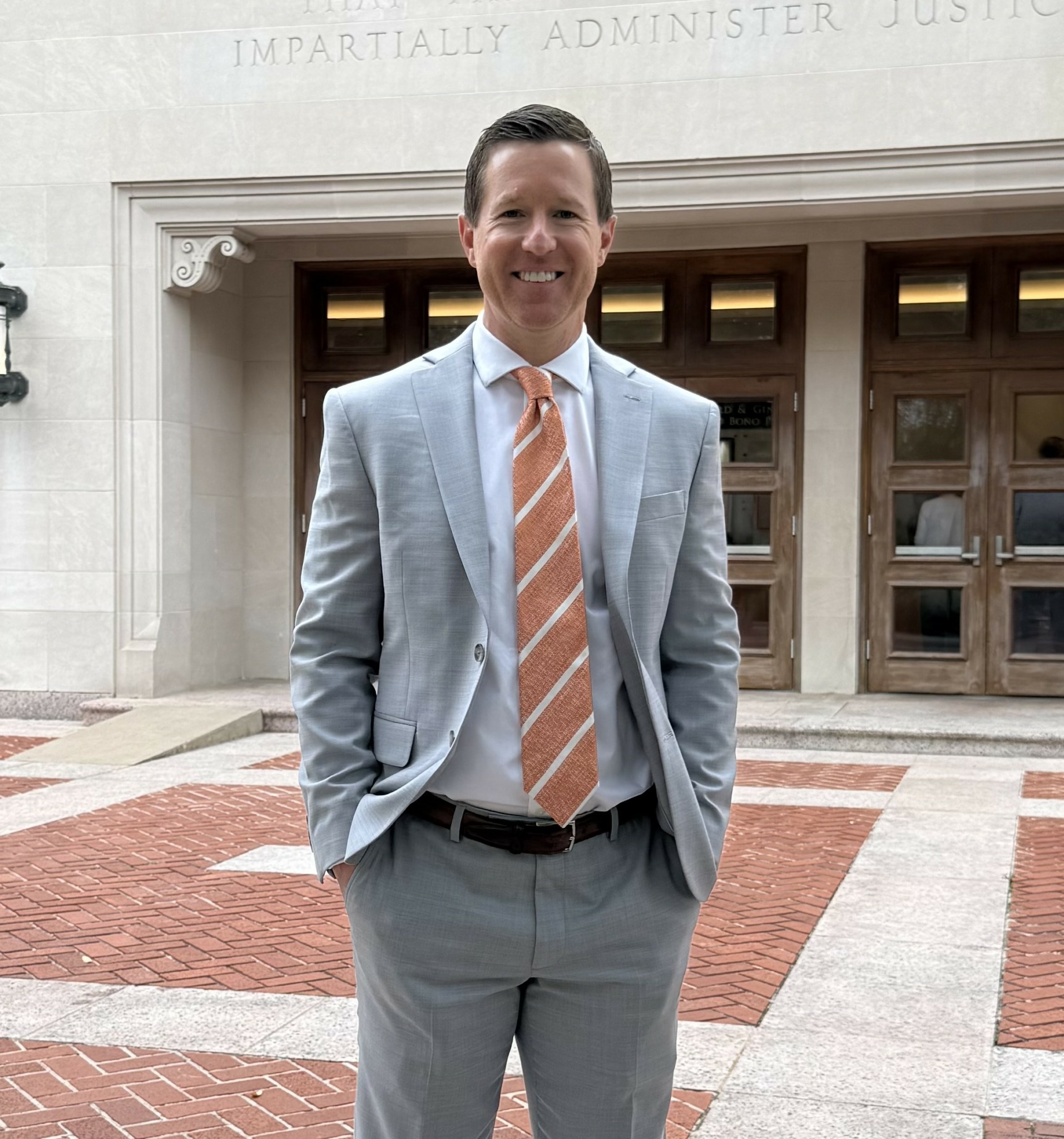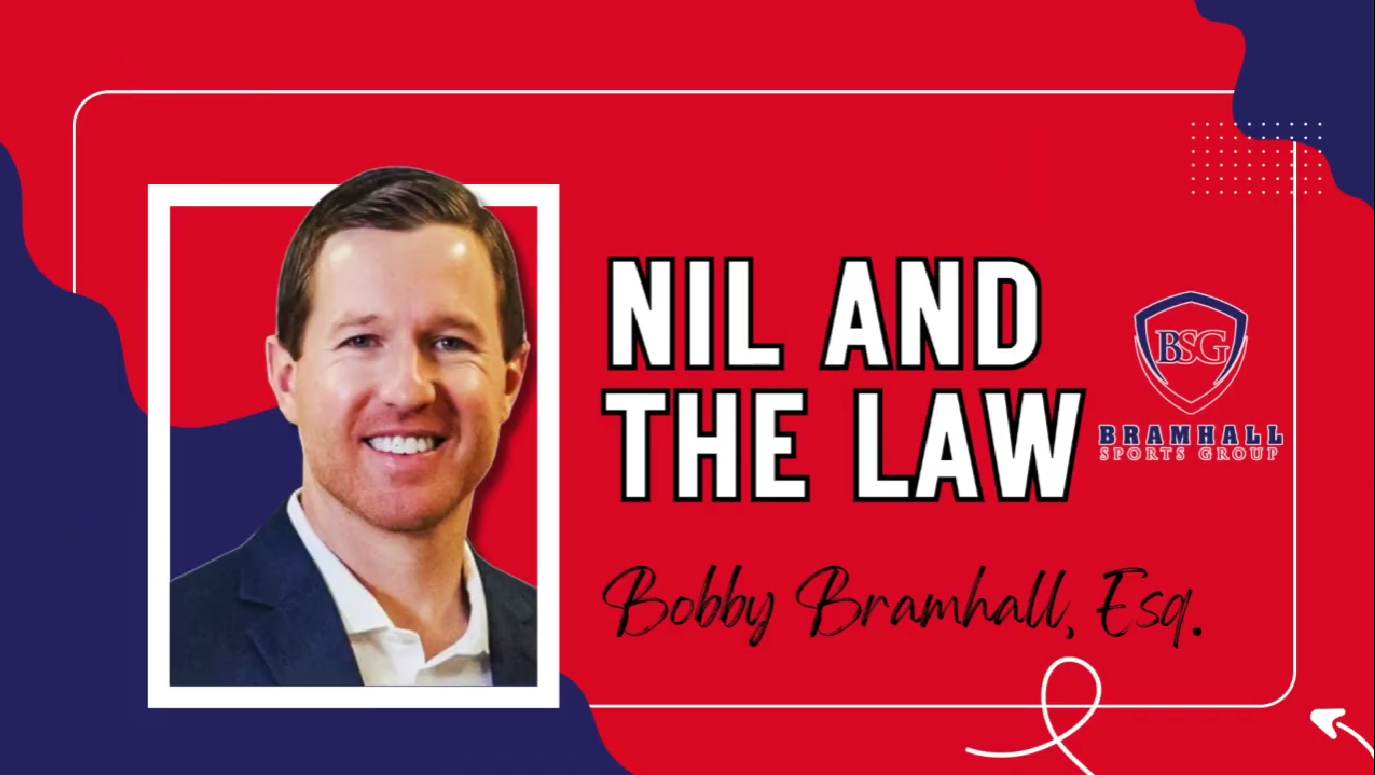

We caught up with the brilliant and insightful Bobby Bramhall a few weeks ago and have shared our conversation below.
Bobby, thanks for joining us, excited to have you contributing your stories and insights. What was it like going from idea to execution? Can you share some of the backstory and some of the major steps or milestones?
After a 7-year pro baseball career, I knew that my next profession would continue to be involved with sports in a meaningful way. I have practiced as a sports attorney, sports and NIL law professor (Tennessee), and sports administrator (Texas A&M) over the past 10 years. After forming one of the very first NIL software companies in 2021, the clarity I had around the future of high school and college athletics was palpable. Long-established publicity rights from music and entertainment were finally impacting the sports industry. The NIL start up journey alongside teaching my Sports and NIL law school classes at the University of Tennessee Winston College of Law led me to form Bramhall Sports Group, which is the name of my current company. We represent individual and business clients in the sports industry, and provide online on-demand NIL education courses and other resources. Available here: https://www.bramhallsportsgroup.com/
Bobby, before we move on to more of these sorts of questions, can you take some time to bring our readers up to speed on you and what you do?
After receiving All-American honors at Rice University and appearing in back-to-back College World Series, I played with four MLB organizations over seven seasons in the United States. This experience and career devotion shaped my view of how I could improve the sports industry. I am now a sports attorney, sports law and NIL law professor, author of Who’s on First? Everything Baseball Players and Their Parents Need to Know, and creator of the online course called NIL Explained: NIL and the Law. I created the first ever NIL law school course in 2023 at the University of Tennessee Winston College of Law and will be teaching the course for the fourth year this fall.
I am most proud of the insights I have gained as a former player turned sports lawyer. Very few have the experience on the player’s side as well as the administrative side of the industry. This shapes my vision for the most impactful and fair decisions that represent all stakeholders in the growing sports industry, especially when it comes to NIL and employment for athletes. I speak about these coming changes in my online course called NIL Explained: NIL and the Law.
Learning and unlearning are both critical parts of growth – can you share a story of a time when you had to unlearn a lesson?
Athletes are conditioned to work incredibly hard for their teams, coaches, and organizations. We sort of have to believe that everyone has our best interests in mind at all times. Most of the time, this is true, especially at the amateur levels where commercialization of a sport is secondary to the unifying team efforts toward shared goals, such as a high school championship. Second-guessing that core tenet can be destructive to morale and potential. That said, the commercialization and monetization of sports that has expanded rapidly on the collegiate and professional side has changed the idea that coaches and organizations are on the same side as players. This is particularly true in college sports where coaches and administrators pull in six and seven figure annual salaries in addition to bonuses and benefits, while the athletes are told that their work and devotion to their university should remain “for the love of the game” and in exchange for tuition assistance or a meal plan. It’s a farce. Universities have built their brands on the backs of free labor as sports programs are the front porch and most lucrative marketing arm for fan and alumni engagement, student applications, on-campus initiatives in conjunction with athletic events, and facility improvements.
In professional sports, a collective bargaining agreement (CBA) allows a league to fairly negotiate with the players through a labor union. This provides an agreement based on mutually agreed revenue figures and value that each side brings to the shared venture. Aside from a few major lawsuits, pro sports has functioned well and rewarded all of its stakeholders their proportionate value. It’s a legitimate model to serve as a guide for what is needed in the college ranks, however messy or difficult “unlearning” those prior understandings and arrangements might be.
Can you tell us about a time you’ve had to pivot?
I recently counseled a family whose son is struggling and unable to pivot from the death of his previous career and passion as a pro baseball player. He worked his way to a very successful college baseball career from very humble beginnings as a player. He was an MLB draft pick and played three seasons before running into disciplinary action within the team. Regretfully, this caused him to voluntarily retire. Ever since, he has struggled tremendously with the inability to find meaning and purpose like he had on the baseball field.
I can relate. I was a collegiate All-American and drafted by the Brewers in 2007. After winning the Hi-A League Era Title in 2008 and being rated the “best changeup” in the Brewers system by Baseball America, I was a top prospect and had outgrown many of my limitations from my college days. Unfortunately, I tore my UCL and was required to have “Tommy John” surgery. The Brewers doctor botched the surgery. After 12 months of unsuccessful rehab, I had to take my release to have a second surgery. This wrecked my equity and accomplishments I had with the organization, of which I was on the brink of realizing a lifelong dream and goal. After returning from 2 years injured with another MLB organization, I had the best season of my career, but was not provided the same opportunities and prospect opportunities I had previously earned. I was spinning my wheels in the mud and had to pivot.
I enrolled in law school and made it my goal to enjoy my life every day, work hard at my new endeavors, and attempt to weave meaning into the seemingly futile years-long baseball experience. I could have played another year professional or coached, but that seemed worse than recreating myself after the identity death I experienced. It was hard. Nobody understood. I was very alone. I embraced the solitude. That’s what allowed me to carve my own path and become someone I wanted to be rather than fall into the next related opportunity.
This decision to pivot has led me down many exciting roads as a sports attorney, law professor, and NIL course creator. I shaped my future with the lessons from my past and I pitched in the Rice University Baseball alumni game this year after not picking up a baseball for 12 years… still got it. It never leaves, no matter how old you get.
Contact Info:
- Website: https://www.bramhallsportsgroup.com/
- Instagram: @bramhallsportsgroup
- Facebook: https://www.facebook.com/profile.php?id=61564534891419
- Linkedin: https://www.linkedin.com/in/bobbybramhall/
- Twitter: @bramhallsports
- Youtube: https://www.youtube.com/@bramhallsportsgroup