

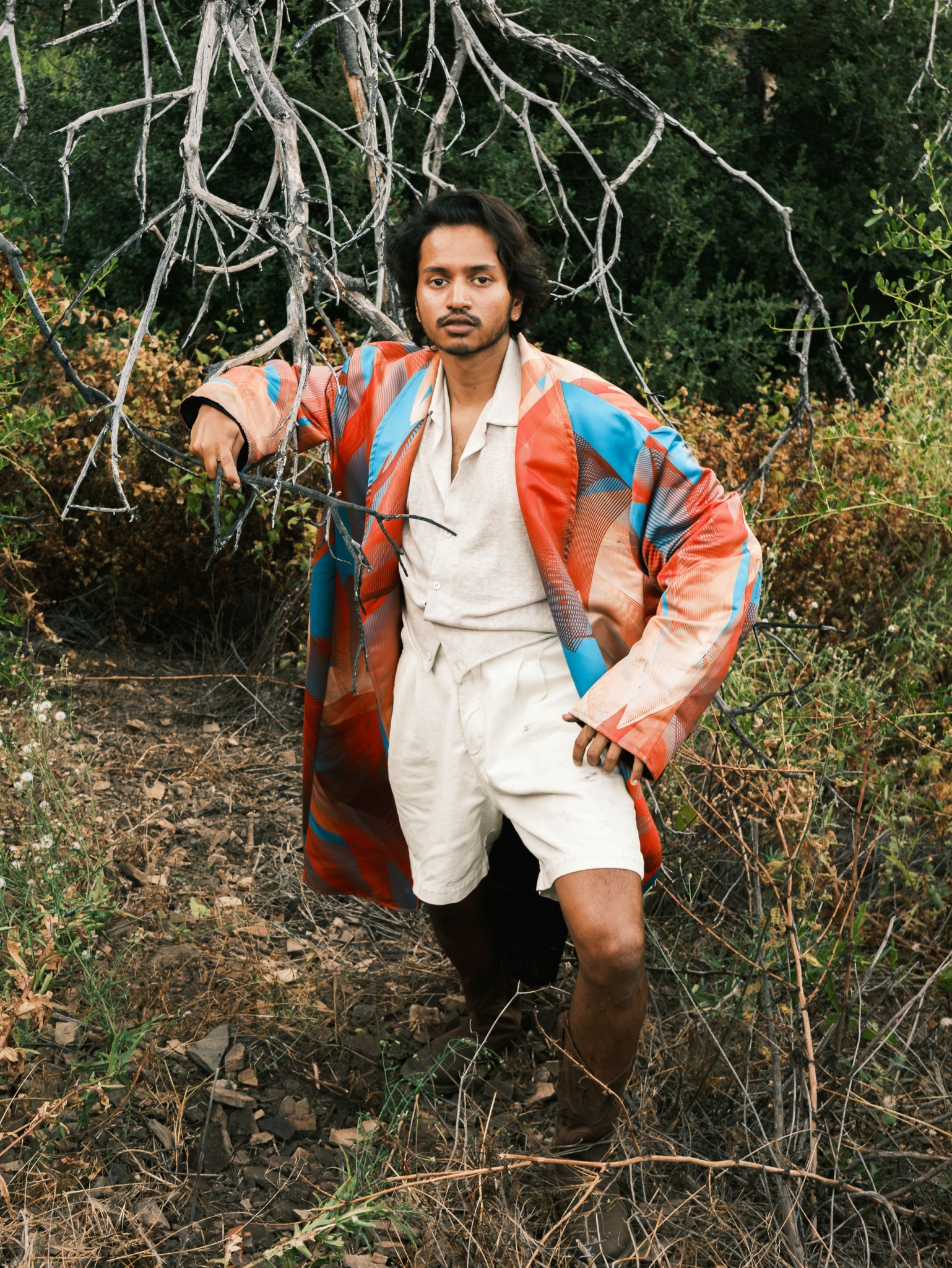

We recently connected with Binoy Zachariah and have shared our conversation below.
Binoy, thanks for joining us, excited to have you contributing your stories and insights. undefined
The Innovation of Radical Authenticity
I started writing songs when I was 15 years old as a closeted and unconfident teenager. Though my writing wasn’t bad, most of it fell into the category of uninspired, as I spent the first decade or so of my artistic journey searching for a voice. Each song felt like an opportunity to push myself closer to the norms of the industry, and so I would study tracks that I loved in an attempt to recreate them. The results were not unpleasant to listen to, but rather lacked any defining traits that made the music feel uniquely and unequivocally mine. I was creating on the surface, snorkeling instead of scuba diving, too afraid of my own discomfort.
As I progressed through my twenties, self-actualization began to take shape. Through conversations with friends or mentors and my own lived experiences, I started to understand the value of sharing insecurities as a means to diminish their power. Topics that felt confined to my deepest psyche had begun making their way to the surface, and instead of fighting them I hesitantly gave them a voice. The more I was willing to genuinely share about myself with those important to me, the more my body began to feel like home. Though I didn’t recognize it at the time, I was stumbling headfirst into the radical authenticity that would change the tide of my career.
In 2021 I began working on a five track project called Boyhood, a brief but sharp look at my own adolescent experience. For the first time, I found myself hungry to talk about parts of my identity that I had always been bullied for, from my brown skin to my undeniable queerness. Boyhood was a reclamation of self, unwavering in its pride for otherness and individuality. Though it did not propel my career externally, something had clicked on the inside, a deep confidence not just in the music but in myself.
Just months after finishing Boyhood in Spring 2022, I felt ready for the next big challenge. This one would come in the form of my debut album The Great Alone, a milestone I had long dreamed of and patiently waited for. One of the early ideas I had was to create a steamy dance floor banger all about hookup culture in the gay community. My goal was to create something equally as meaningful as it was fun, which called again for deep reflection in the lyrics. As exciting as hookup culture is, it also feeds off our insecurity and desire to be chosen. Moreover, sex is an already taboo subject, leave alone sex between two (or more) men. All of this to say, I was nervous yet excited to show my co-producer and friend Arthur what I had written. It felt like my intuition was battling my ego, the latter being deeply concerned with talking about boys and bottoming so openly. On many occasions while making the track, Arthur had to reassure me that the ideas were great, and in actual fact I was just contending with my own discomfort.
The song ended up coming together beautifully and we landed on the title ‘BoysBoysBoys’. I was so enamored with it that I decided to make it the lead single of my album, fit with a choreographed music video that brought the track to life. When the song came out at the end of 2023, I still had pangs of uncertainty about lyrics that felt too personal or uncomfortable. To my surprise, when I started receiving messages from fans and other artists about how much they loved the track, those exact lyrics were the ones everyone praised. Before long, gay dating app Grindr reached out to me for a collaboration brought about by the song, and an artist I love asked if we could make a remix of it together. That remix went on to become the breakout moment of my career so far, landing on several Spotify playlists and even garnering a 2024 QueerX Award Nomination for Anthem of the Year alongside Chappell Roan and Billie Eilish.
As an independent artist without the access and resources of a major label, innovation is key. Finding a way to cut through the noise of thousands of songs being released every week is a choose your own adventure kind of story. My path led me deeper into myself, into accepting the person I am even when I don’t yet like it. I have learned to embrace discomfort in the way I do change, understanding that I will seldom enjoy it but always look back with gratitude. My music has become the product of my lived experience, an amalgam of cultural and social influences that swirl around in my brain and come out in song. I choose to give a voice to as much of myself as possible, for in pride or in shame there is no inspiration more powerful than authenticity.
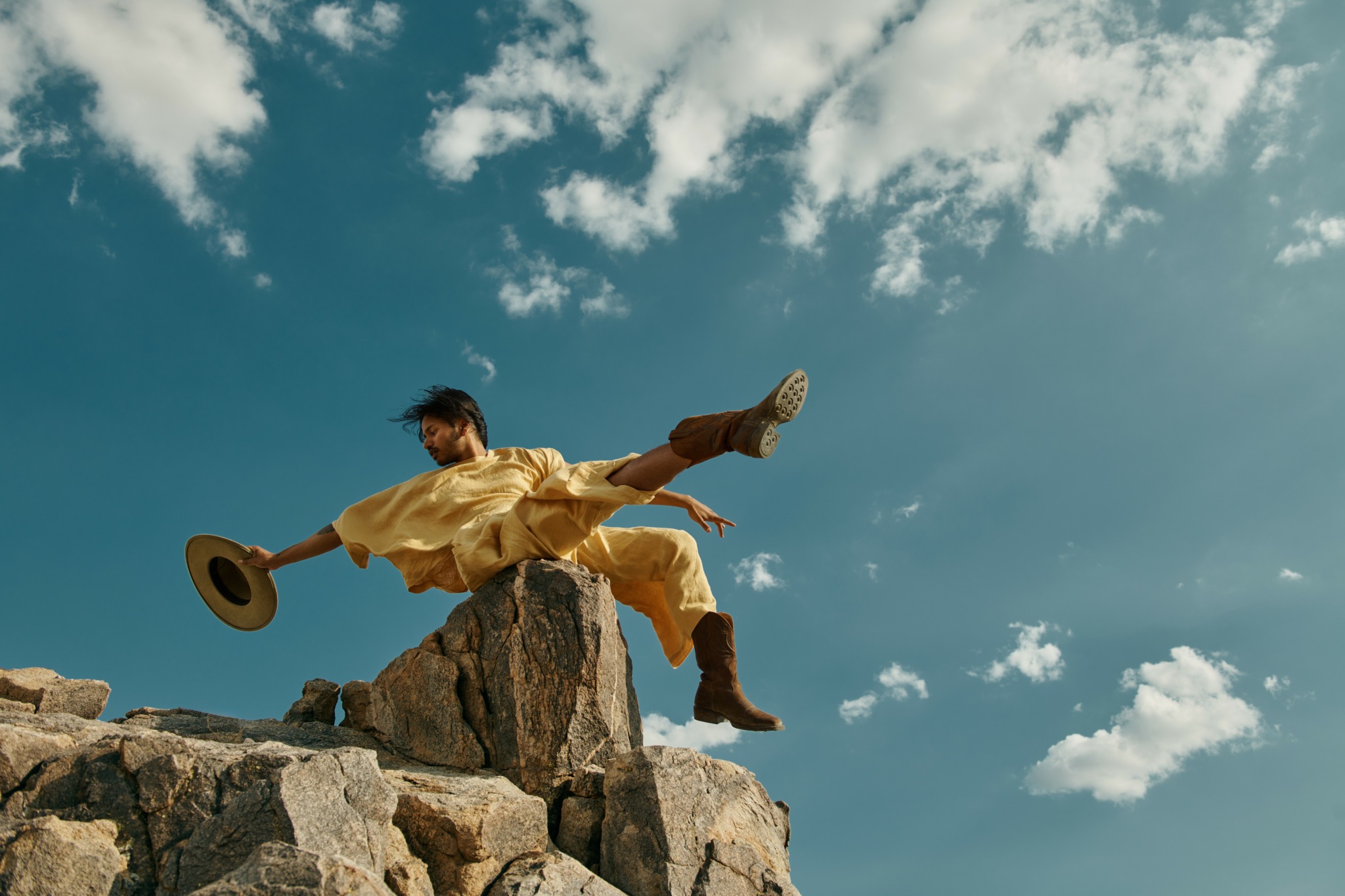
Great, appreciate you sharing that with us. Before we ask you to share more of your insights, can you take a moment to introduce yourself and how you got to where you are today to our readers.
My name is Binoy Zachariah and I was born in 1995. I started playing piano when I was just 6 years old, soon picking up the saxophone and clarinet as well. From a young age I knew I wanted to make music, and so at 20 I relocated to Los Angeles and committed to pursuing a career as an artist. A lot of my work is informed by my queer and cultural identity, sharing stories in a genre fluid style I have dubbed “borderless pop”. From years of writing, I have cultivated a distinct voice that allows me to turn the personal into proverbial through lyrics. My music is bold, creative, and full of intention.
Let’s talk about resilience next – do you have a story you can share with us?
I was born in Nairobi, Kenya to Indian and Sri Lankan immigrant parents. In a lot of ways, I was raised in an extremely progressive household that gave me the tools I needed to self actualize as an adult. However, I was also very aware of certain traditional beliefs that my parents subscribed to, most notably relating to homosexuality. This coupled with the homophobic climate of the country I grew up in made giving a voice to my queerness extremely difficult. I only came out to my parents at 23, and though my mother was quick to accept me I could sense my father’s disappointment and disdain.
“BoysBoysBoys” was the first song and music video I released that blatantly showed off my queerness. Being a song about hookup culture, the video intentionally felt suggestive and erotic in nature, adding fuel to the discomfort I already felt with the lyrics. As it goes, people loved and praised the video, sending messages of how they felt seen and empowered by its candor. One person who was quick to share his contempt for the release was my dad, who sent a 20 minute voice note detailing his outrage. Without getting into details, it felt like the most staggering sucker punch to the gut. The intentions of my art had been completely misunderstood, and I was left feeling more empty than whole.
In many ways, the song’s success and ability to connect me with so many new fans has been vindicating. So too have the kind messages and opportunities it has brought about. Even still, I often reflect on my choice to become an artist and share so much of who I am with the world. Perhaps in another life a healthy relationship with my dad still exists, but perhaps in that same life I haven’t grown in confidence the way I deserve to. Authenticity can often come with a price, and sometimes those debts take years to pay off. A little resilience then, goes a long, long way.

We often hear about learning lessons – but just as important is unlearning lessons. Have you ever had to unlearn a lesson?
I was an overachieving child, so too was my older sister. Adults would call me smart and say I was destined to achieve great things, and so high expectations began to form of myself. When I committed to pursuing music at 19 years old, I created a list of goals I wanted to achieve by 25 that included getting signed to a major label and hitting a specific follower count. Of course, as 25 rolled around I had not achieved a single one of those goals, and the compounding feeling of failure was really starting to impact my mental health. Progress was being made, but I was so hung up on the bigger picture that I could not recognize it. Comparison became my bringer of misery, driving me to the brink of quitting more times than I’d care to admit. I was obsessively clinging on to the idea of becoming one the world’s biggest pop stars.
I have a saying, or rather an unused lyric, that I often tell myself. Success makes you bigger, but failure makes you better. The majority of my twenties felt like a vicious cycle of motivate, create, release, and deflate. At some point, under the weight of my own crippling expectations, I buckled and began to let go. The fixation was no longer on being the best but rather trying my best, digging as deep into myself as I could to challenge the boundaries of my own creativity. That feeling of failure, it seems, had brought me closer to the real artist inside me.
I don’t think I could ever make the most popular song in the world. I care too deeply about otherness, about representing a boy who struggled to be seen and heard. The same intensity and ambition that set alight my expectations as a child still live inside me, rowdy yet more in line now with my path as an artist. I was never meant to make the most popular song in the world, nor will I try to ever again.
Contact Info:
- Website: https://www.binoymusic.com
- Instagram: https://www.instagram.com/binoymusic/
- Facebook: https://www.facebook.com/iambinoymusic
- Twitter: https://x.com/binoymusic
- Youtube: https://www.youtube.com/@binoymusic
- Other: https://www.tiktok.com/@binoymusic
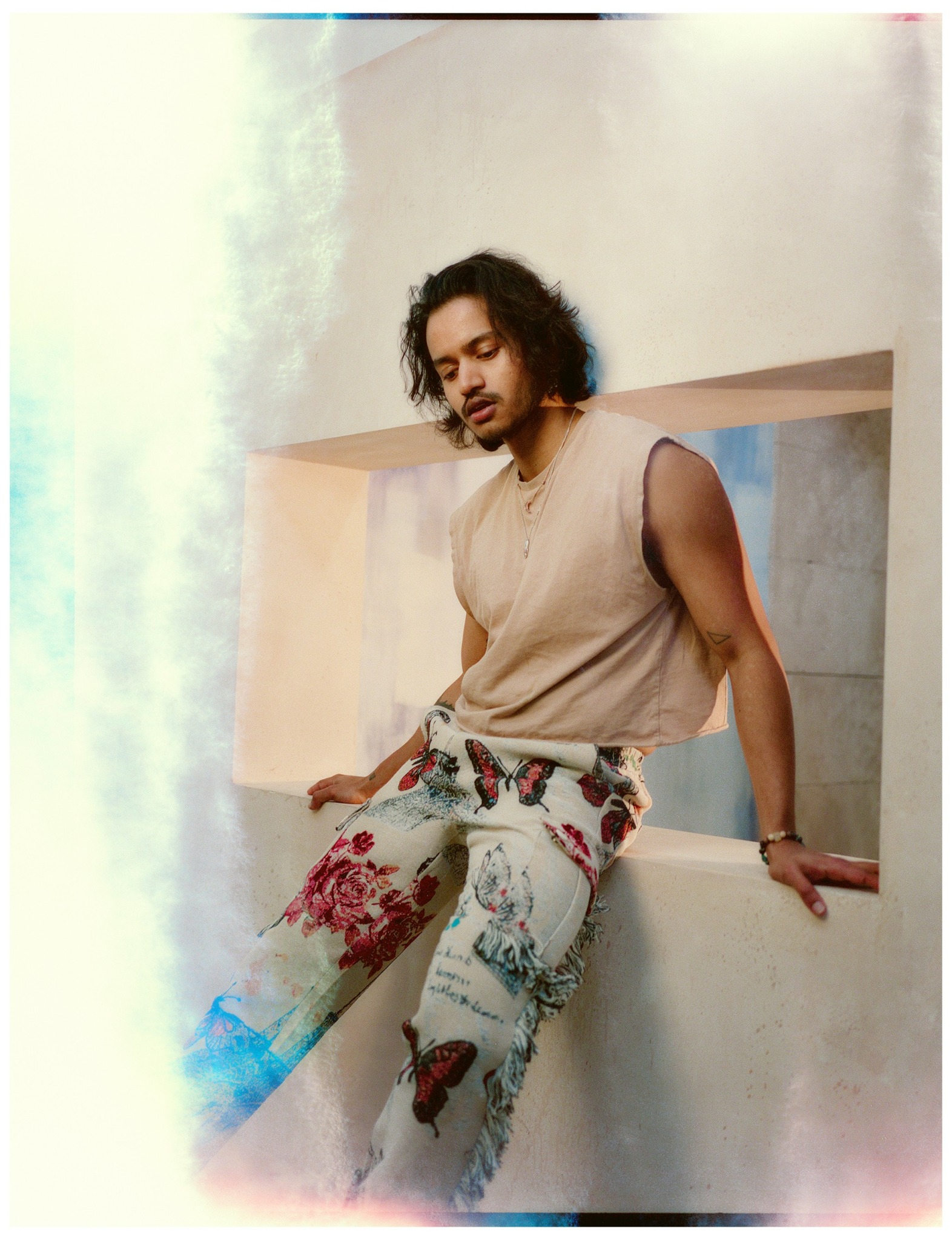
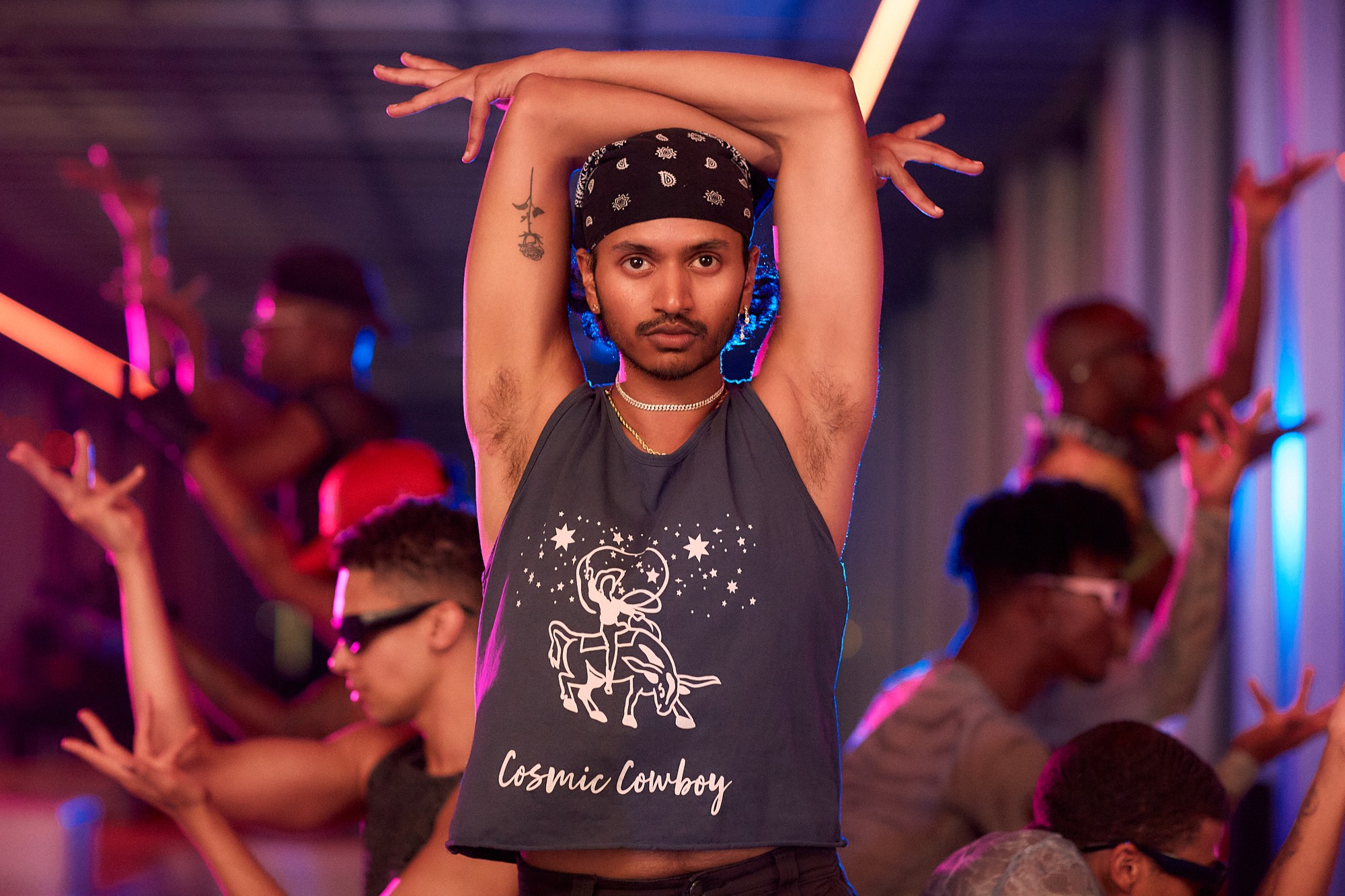
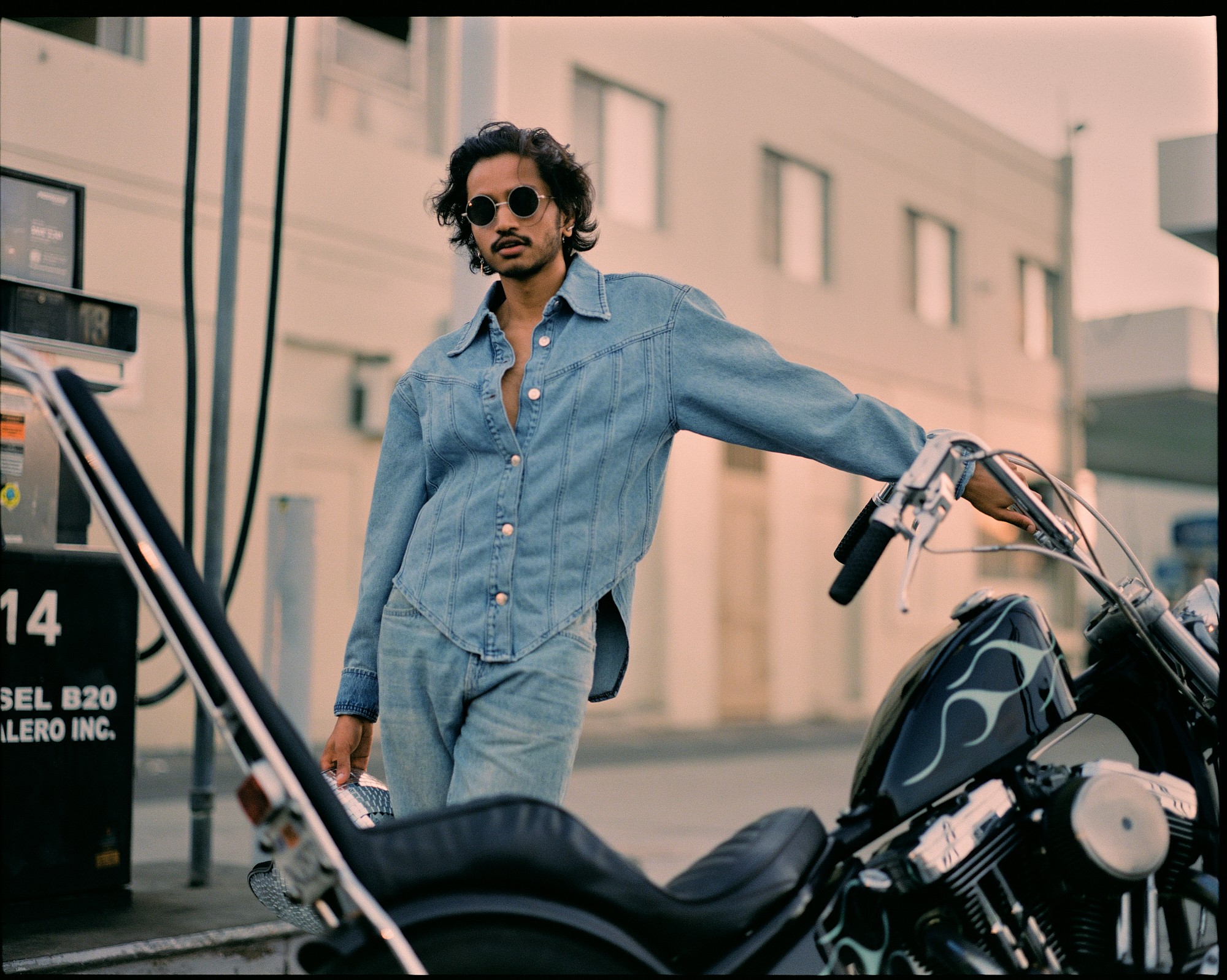
Image Credits
Scott Leahy
Molly Cranna
Travis Chantar
Dustin Giallanza