

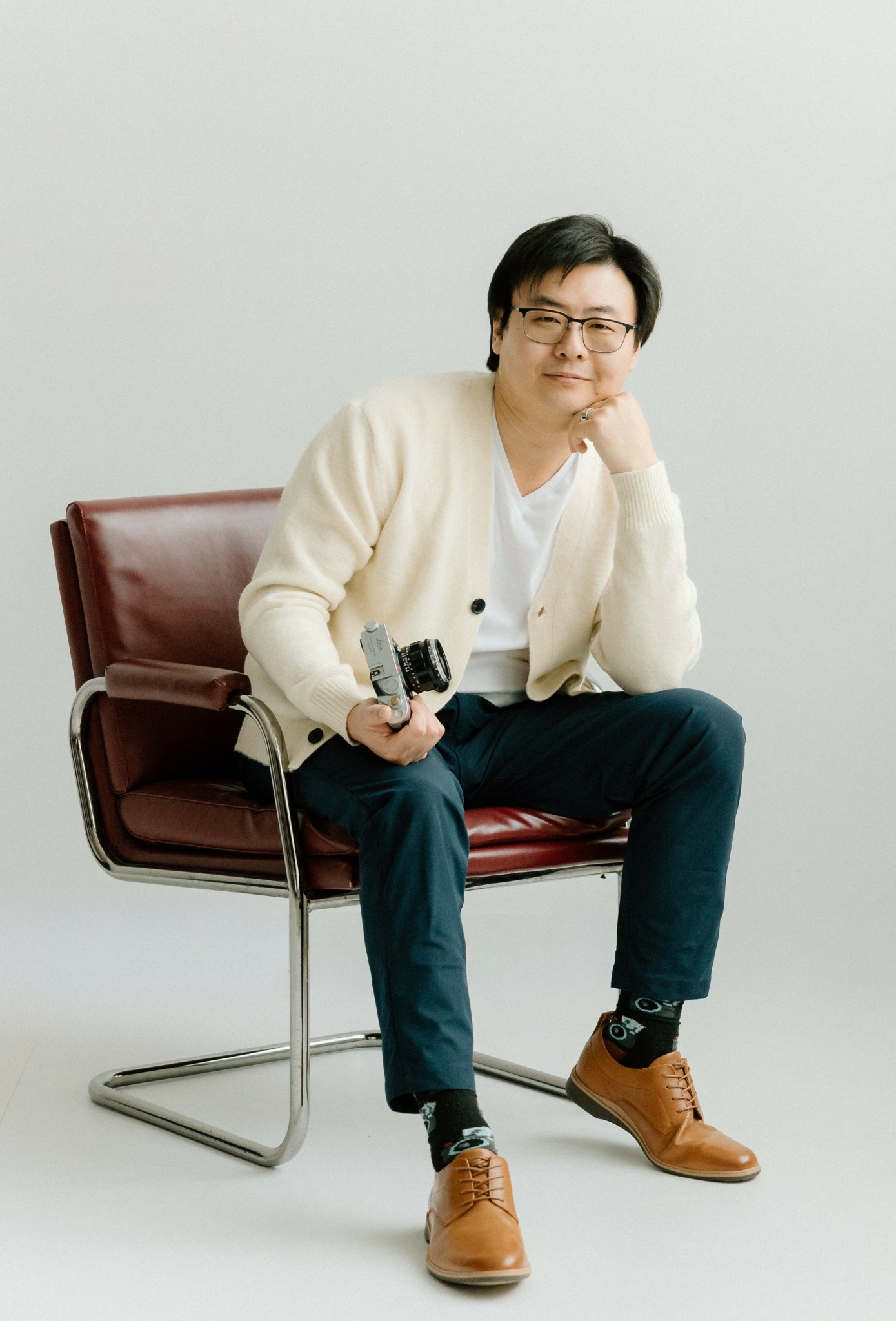

We caught up with the brilliant and insightful Billy Feng a few weeks ago and have shared our conversation below.
Billy, thanks for taking the time to share your stories with us today Talk to us about building a team – did you hire quickly, how’d you recruit the first few team members? Any interesting lessons?
From the beginning, it was not a large team. It started as a solo operation, built slowly and intentionally, with a focus on learning every part of the process firsthand. That included everything from client communication to shooting, editing, and managing the full wedding day experience. Working alone in the early stages created a strong foundation, but as demand grew, it became clear that building a team would be necessary to maintain both quality and consistency.
When it came time to bring on second photographers, the approach was very intentional and not based on the traditional idea of hiring only for technical skill. Instead, the focus was on finding people who genuinely cared about weddings and the experience couples have on their day.
The second photographers who joined the team are not typical in the sense that their value does not start with camera proficiency alone. What mattered most was their personality, empathy, and their ability to show up in a way that supports the couple and the overall energy of the day. I specifically looked for people who love weddings as much as I do, who are naturally attentive to others, and who understand how important the emotional atmosphere of a wedding truly is.
In fact, my main second photographer had never used a professional camera before working with me. That was not a limitation in the hiring decision. It was an opportunity to train someone from the ground up who already had the right mindset, care, and instinct for people. The technical side of photography can be taught through repetition and guidance, but genuine care for clients and emotional awareness cannot be manufactured.
Technical skill is still important, but it is secondary. Cameras and workflows can be taught. What cannot be taught as easily is genuine care, emotional awareness, and the instinct to help a wedding day feel calm, supported, and meaningful. That mindset is what defines the team more than anything else.
If I were starting today, I would not change that approach. If anything, I would double down on it earlier. The biggest lesson has been that clients remember how their day felt just as much as how it was documented, and the people behind the camera play a major role in shaping that experience.
Billy, before we move on to more of these sorts of questions, can you take some time to bring our readers up to speed on you and what you do?
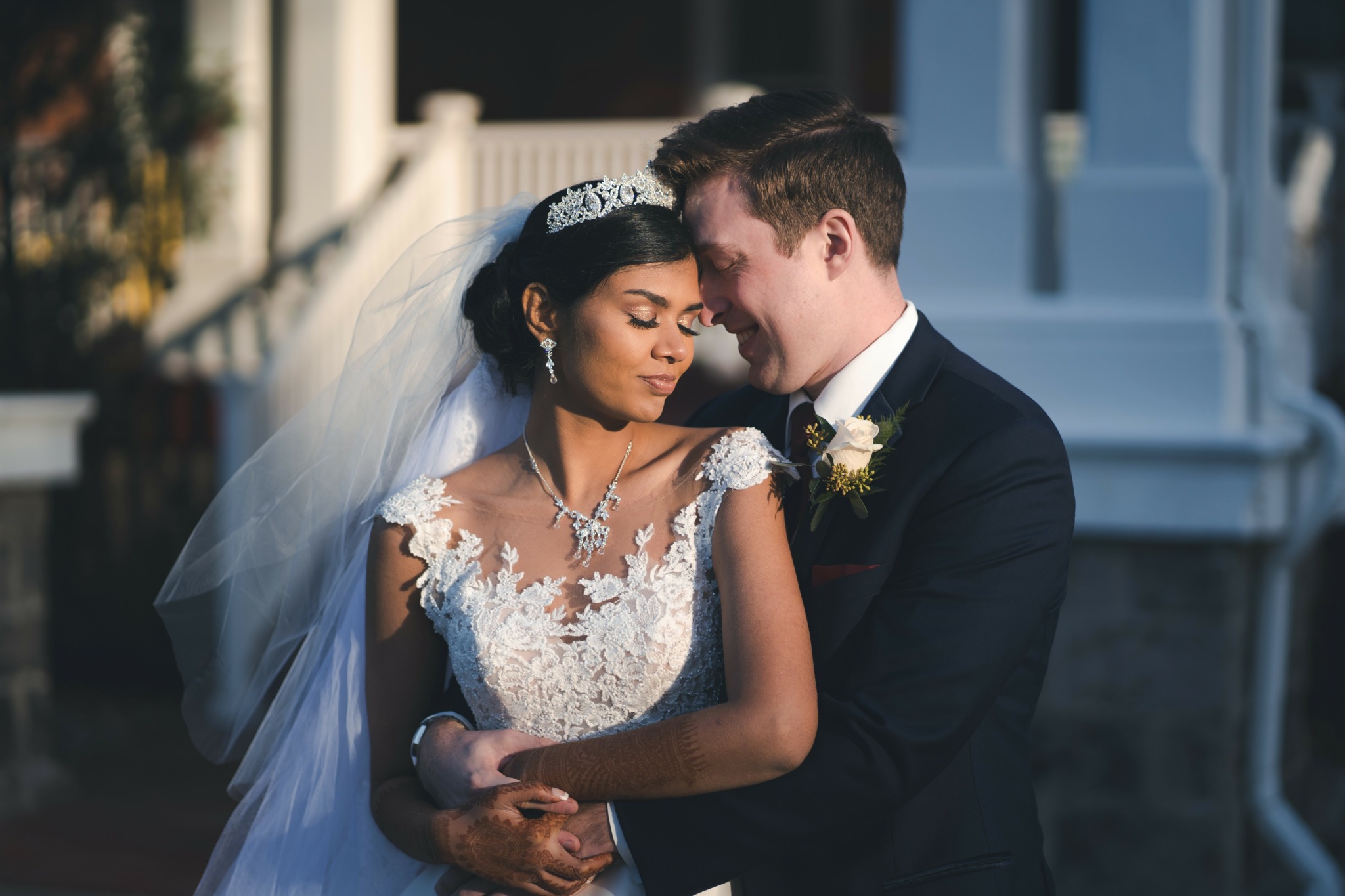
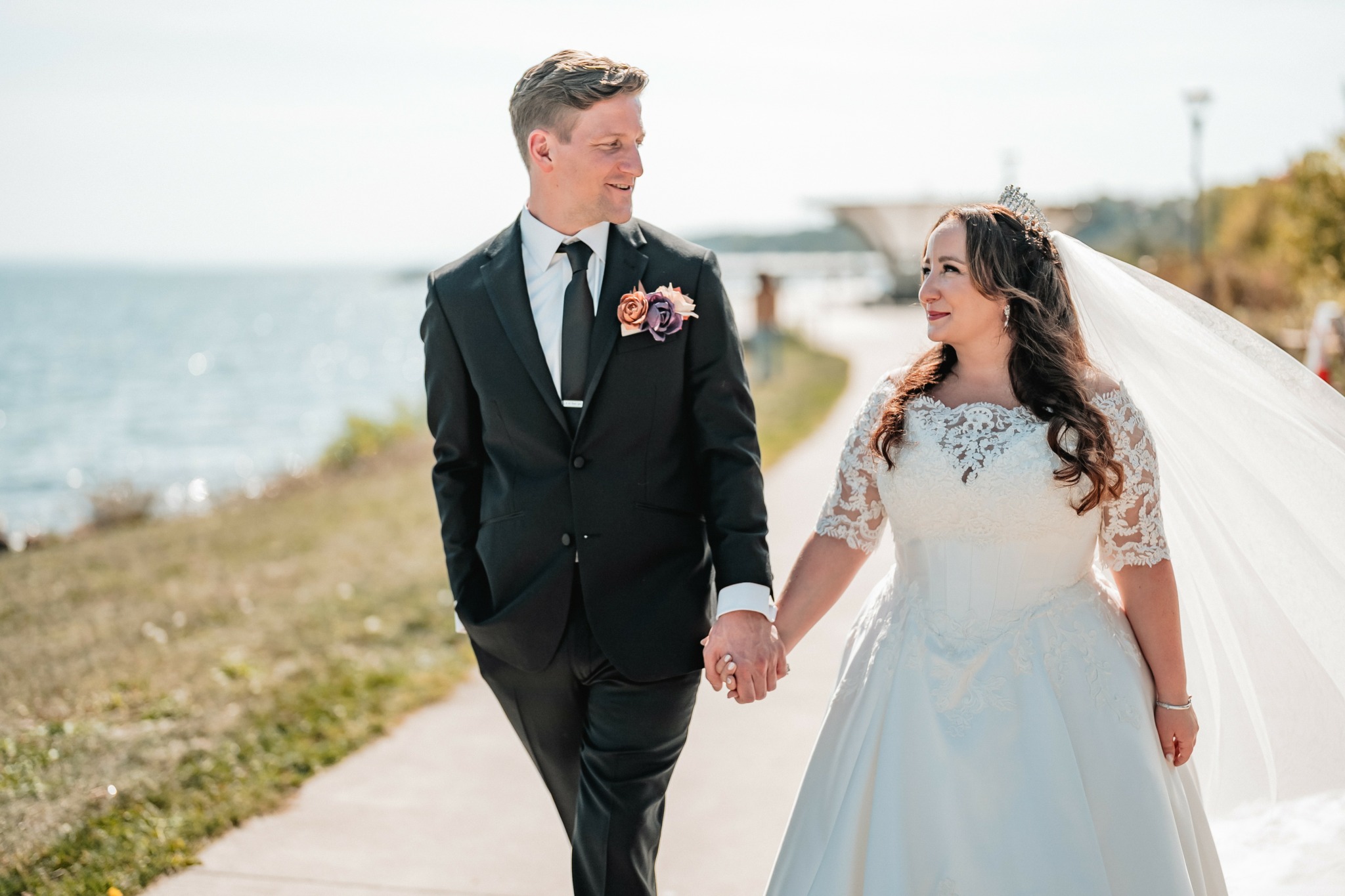
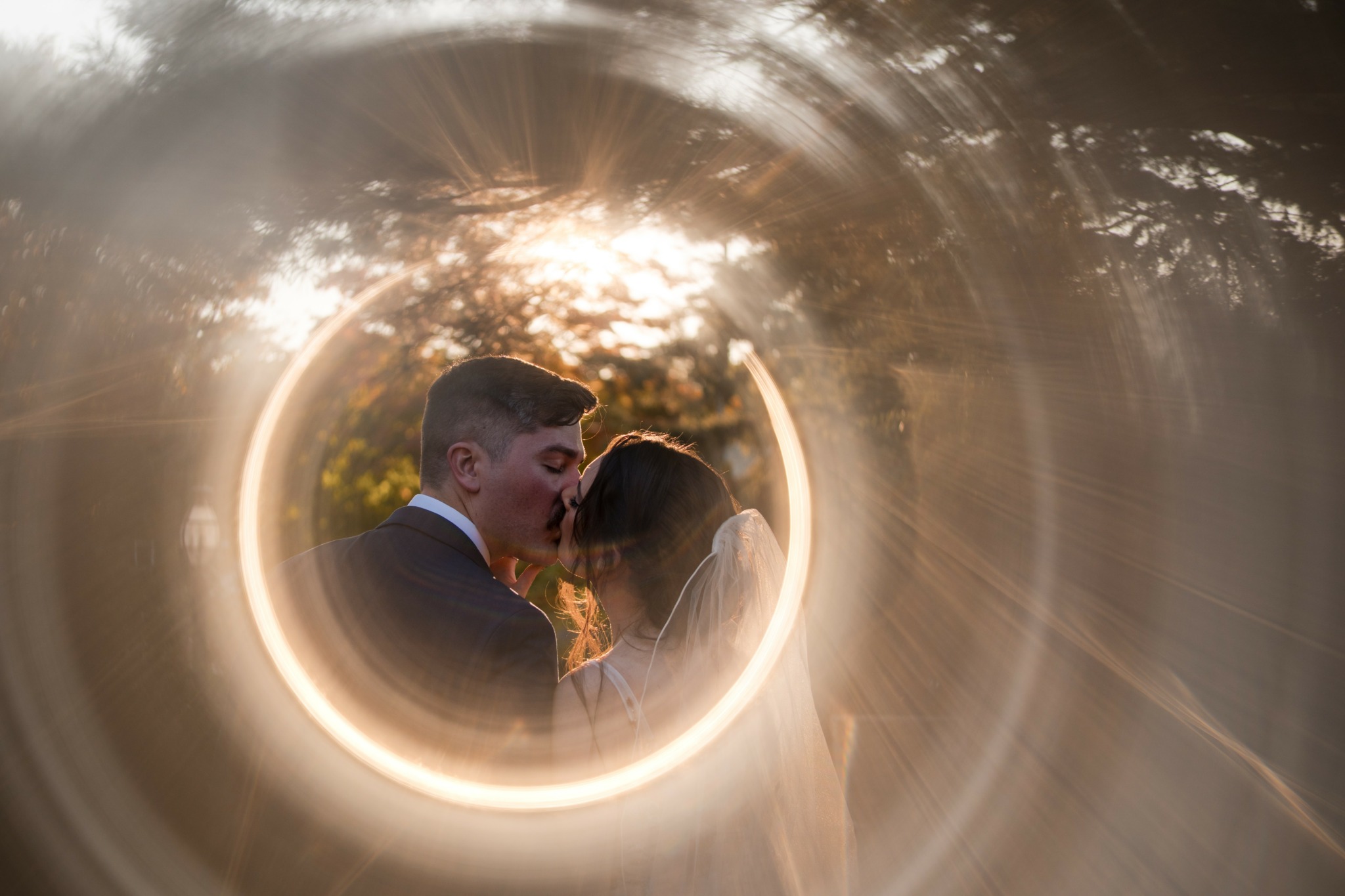
I am a wedding photographer who focuses on documenting real, unscripted moments as they naturally unfold throughout a wedding day. My work is rooted in a background in street photography, which trained me to observe closely, anticipate emotion, and recognize meaningful moments before they fully happen. Over time, that approach naturally evolved into weddings, where those same principles apply in an even more emotionally significant environment.
Before photography, I started in the wedding industry as a DJ in college. That experience gave me a front row seat to how a wedding day truly feels from start to finish. I was not just observing from the sidelines, I was actively helping shape the flow of the day. That perspective ended up being foundational. It taught me how weddings move, where the emotional peaks happen, and how much the small in between moments matter just as much as the major ones.
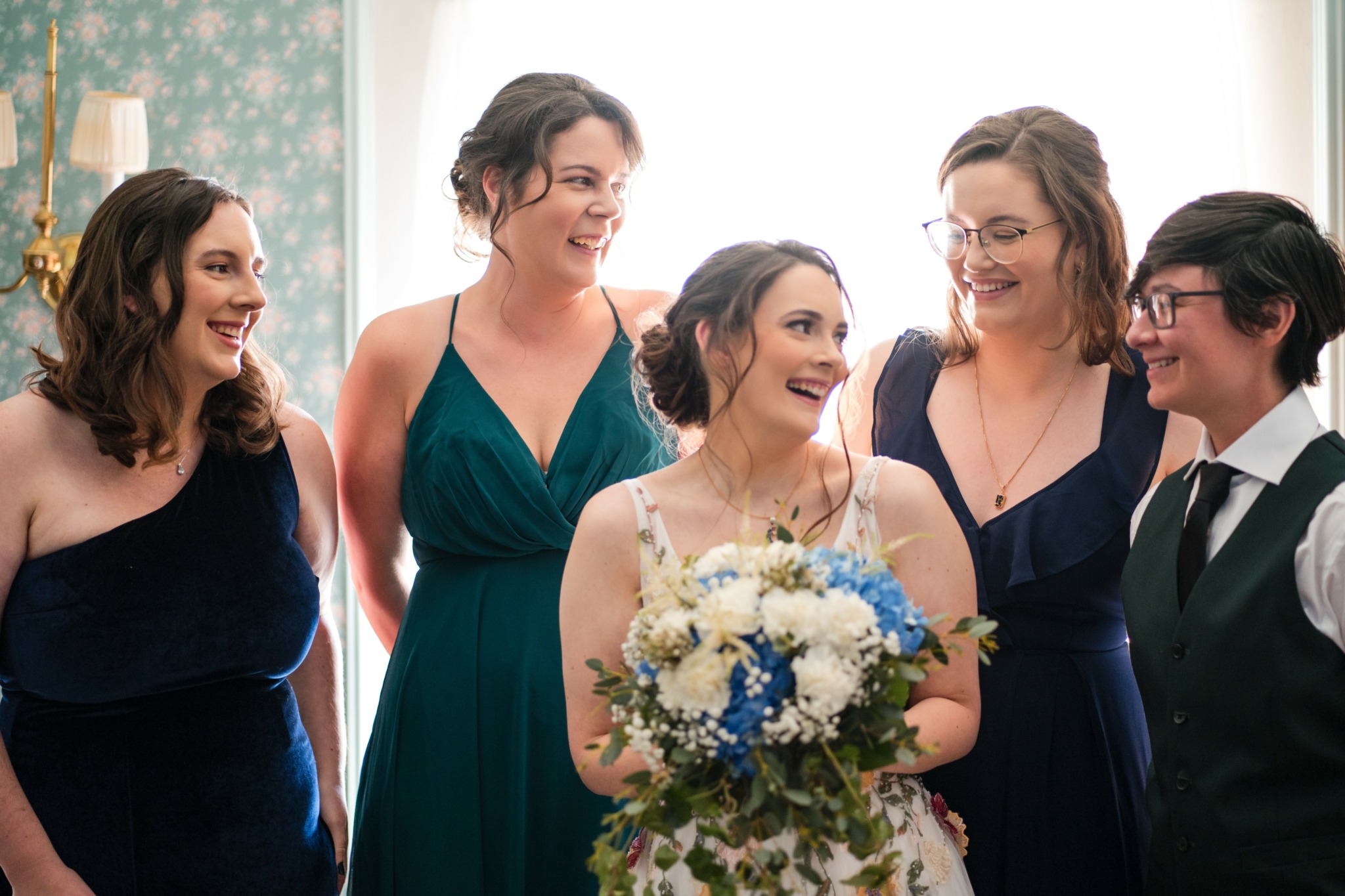
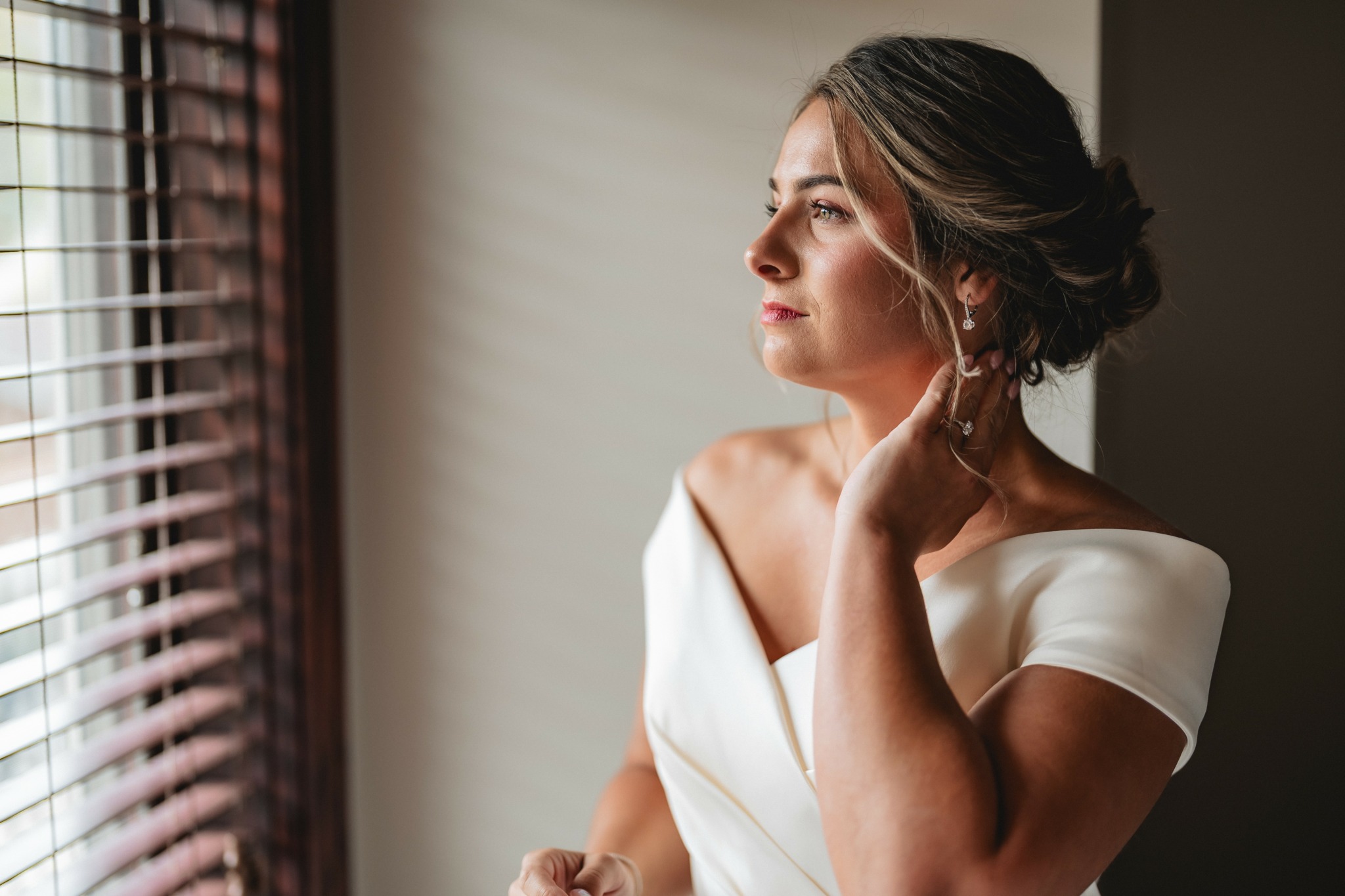
What I provide today is full wedding photography coverage, with a focus on storytelling that prioritizes emotion over perfection. While posed portraits are part of every wedding day and always important, the core of my work is capturing genuine connection. The laughter during getting ready, the quiet moments right before walking down the aisle, the reactions that happen when no one is looking at the camera. Those are the moments that define the story.
In addition to photography, I also offer a hybrid approach that includes video coverage through a cohesive team. The goal is to create a seamless experience where photo and video are working together rather than separately, so couples receive a consistent visual story of their day without fragmented coverage or disconnected styles.
What I believe sets my work apart is the balance between intentionality and restraint. I am not trying to direct every moment or turn a wedding into a production. Instead, I focus on creating space for real moments to happen and knowing when to step in and when to step back. That ability comes from experience, but also from a genuine respect for the emotional weight of the day.
Another defining part of my brand is the team philosophy. The people I work with are chosen first for who they are as individuals, not just their technical ability. I prioritize empathy, awareness, and a natural care for people above all else. Cameras and technical skills can be taught, but the ability to make a couple feel supported and comfortable on one of the most important days of their lives cannot be faked.
What I am most proud of is the trust my clients place in me. Weddings are deeply personal, and being invited into that space is something I never take lightly. My goal is always to give couples something that feels honest and timeless, something that allows them to relive not just how their wedding looked, but how it felt to be there.
What’s the most rewarding aspect of being a creative in your experience?
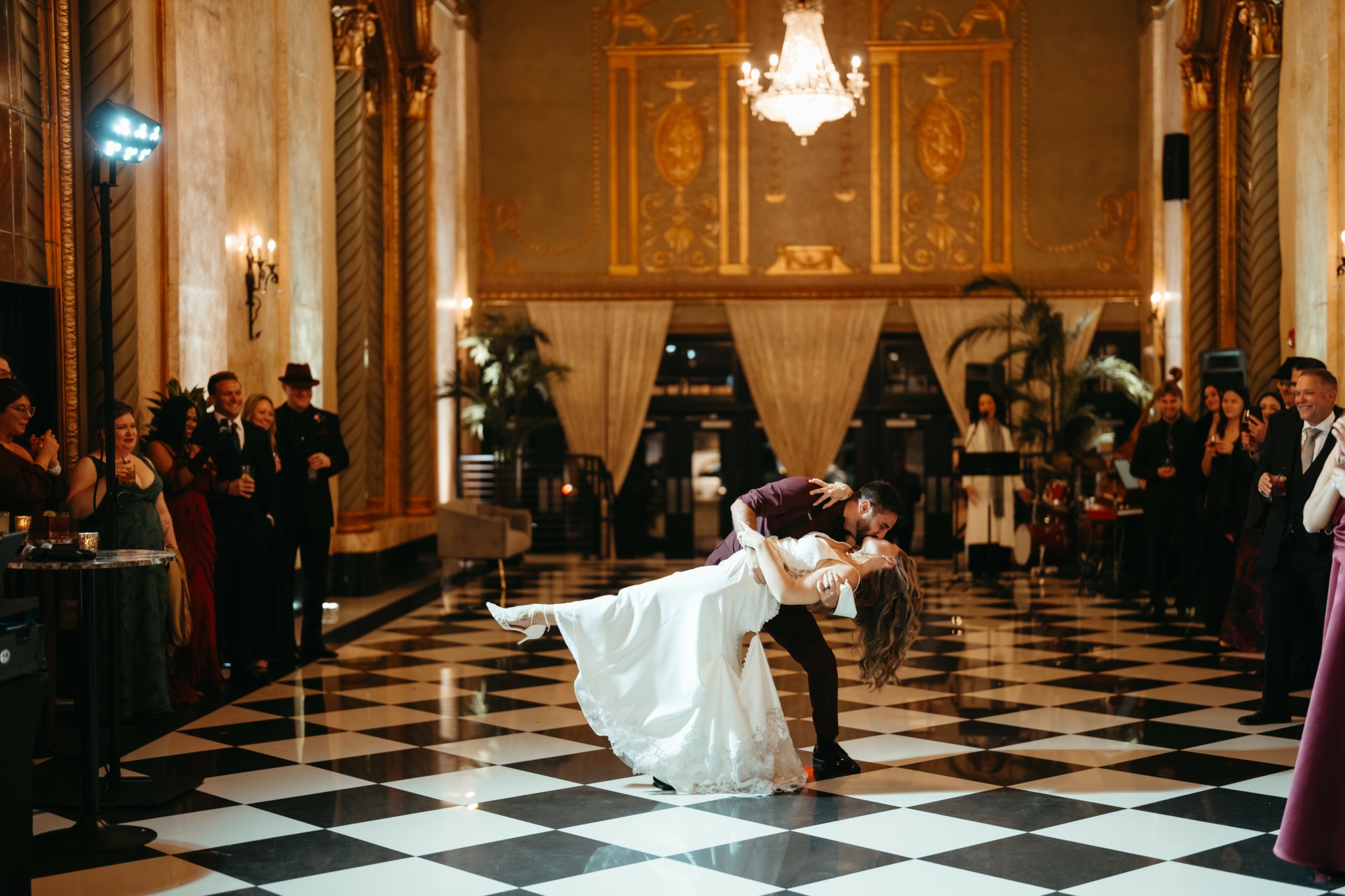
The most rewarding aspect is knowing that the work becomes part of someone’s personal history.
Weddings are such emotionally charged, fast moving days that most of the moments I am capturing are things couples do not fully see or process in real time. Being able to give those moments back to them is what makes the work meaningful. It is not just about creating beautiful images, it is about preserving feelings, relationships, and memories that only become more valuable with time.
There is also something powerful about trust. Couples invite me into one of the most important and vulnerable days of their lives, surrounded by their closest people. Being able to move through that space with care, awareness, and respect is not something I take lightly. The responsibility of that trust is a big part of what makes the work feel important.
Over time, I have also come to appreciate the quieter rewards. Seeing how a couple reacts when they view their photos for the first time, or hearing that an image brought them back to a moment they had forgotten, is incredibly fulfilling. It is a reminder that the work extends beyond the wedding day itself.
At its core, the most rewarding part is knowing that what I create outlives the moment. It becomes something people return to for years, and in some cases, for a lifetime.
Let’s talk about resilience next – do you have a story you can share with us?
One of the most honest parts of this journey is the emotional reality of being a solo entrepreneur in a seasonal, highly competitive industry.
In wedding photography, the work itself is deeply rewarding, but the business side comes with real uncertainty. Bookings do not arrive in a steady rhythm. There are periods where inquiries come in consistently and things feel aligned, and then there are stretches of days or even weeks where nothing new books. Early on, those slower periods were mentally challenging and sometimes destabilizing.
When your entire livelihood is built around future dates filling a calendar, silence can easily turn into doubt. It is easy to start questioning your work, your direction, or whether momentum has stalled. In reality, those cycles are just part of the industry, but learning that takes time and experience.
What helped build resilience was learning to separate worth from booking pace. Instead of interpreting slower periods as failure, they became understood as part of the natural ebb and flow of weddings as a business. During those times, the focus shifted back to craft, client experience, and long term consistency rather than short term validation.
Another important shift was recognizing that resilience is not just about pushing through uncertainty, but also about building systems and habits that stabilize it. That includes continuing to create work that feels true to the brand, investing in relationships with planners and vendors, and trusting that consistency over time compounds in ways that are not immediately visible.
Looking back, those uncertain stretches were not setbacks. They were part of learning how to stay steady in an unpredictable environment. That stability is now one of the most important parts of how the business operates today.
Contact Info:
- Website: https://www.bgf.photography/
- Instagram: https://www.instagram.com/bgf.photography/
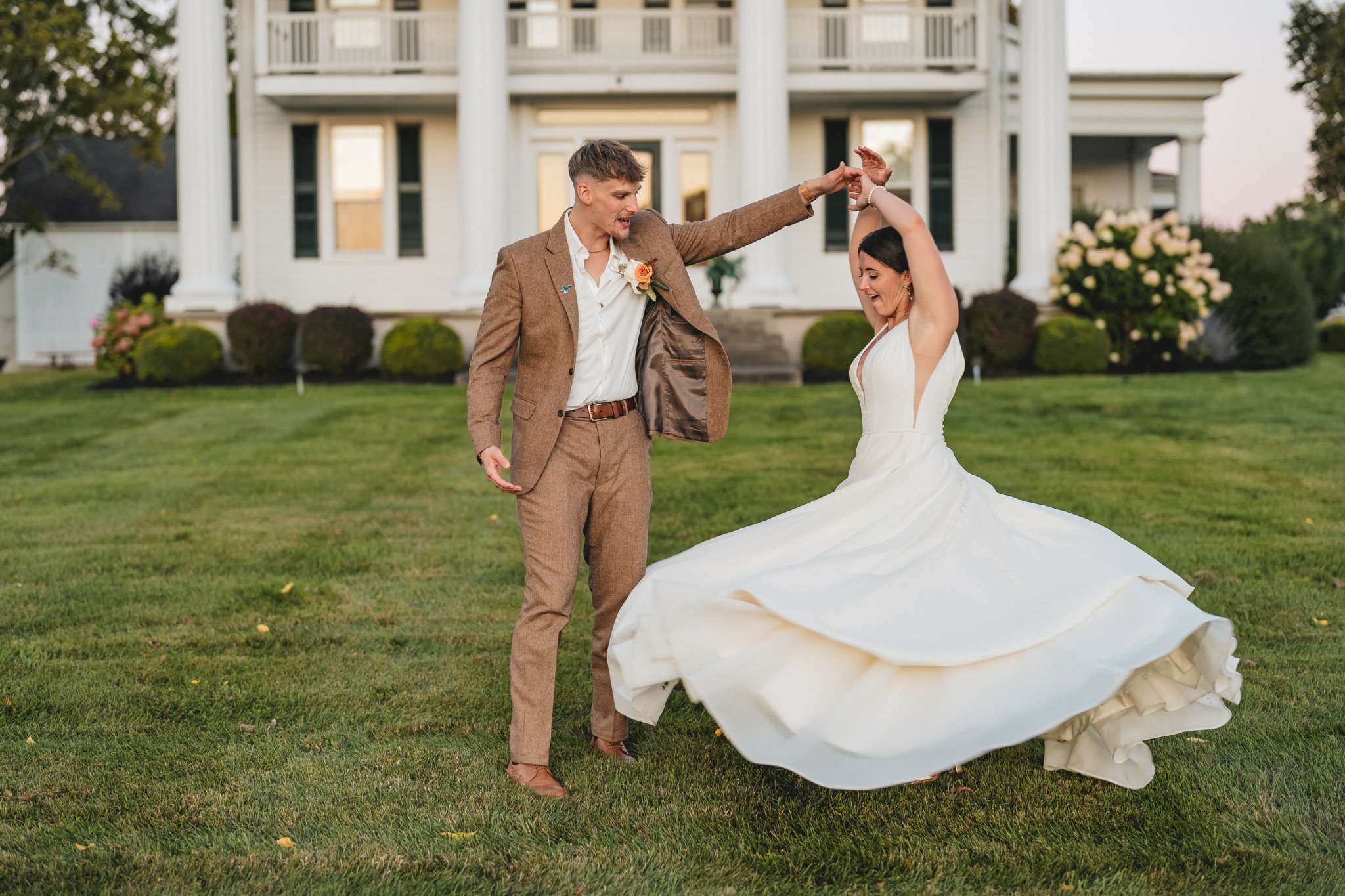
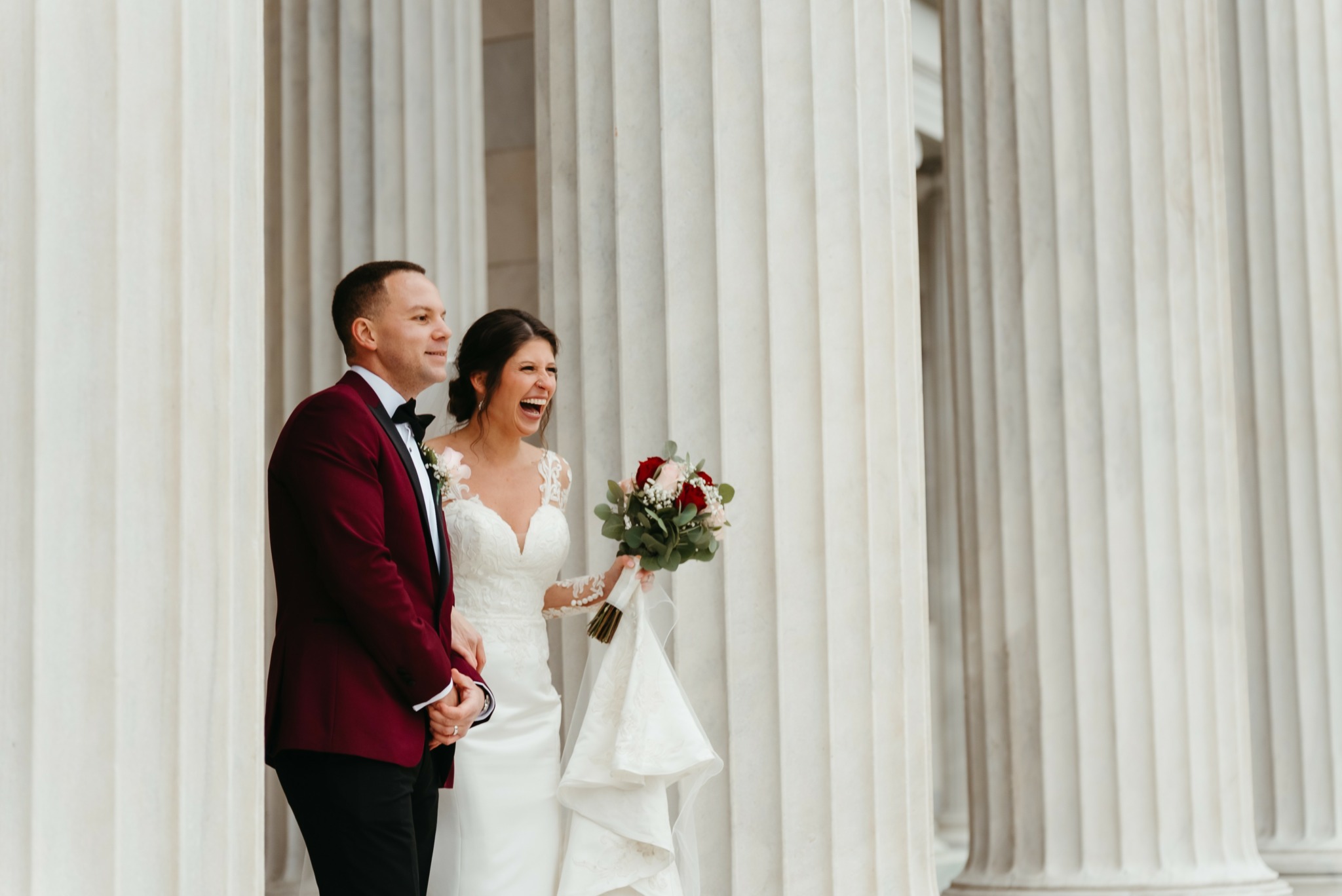
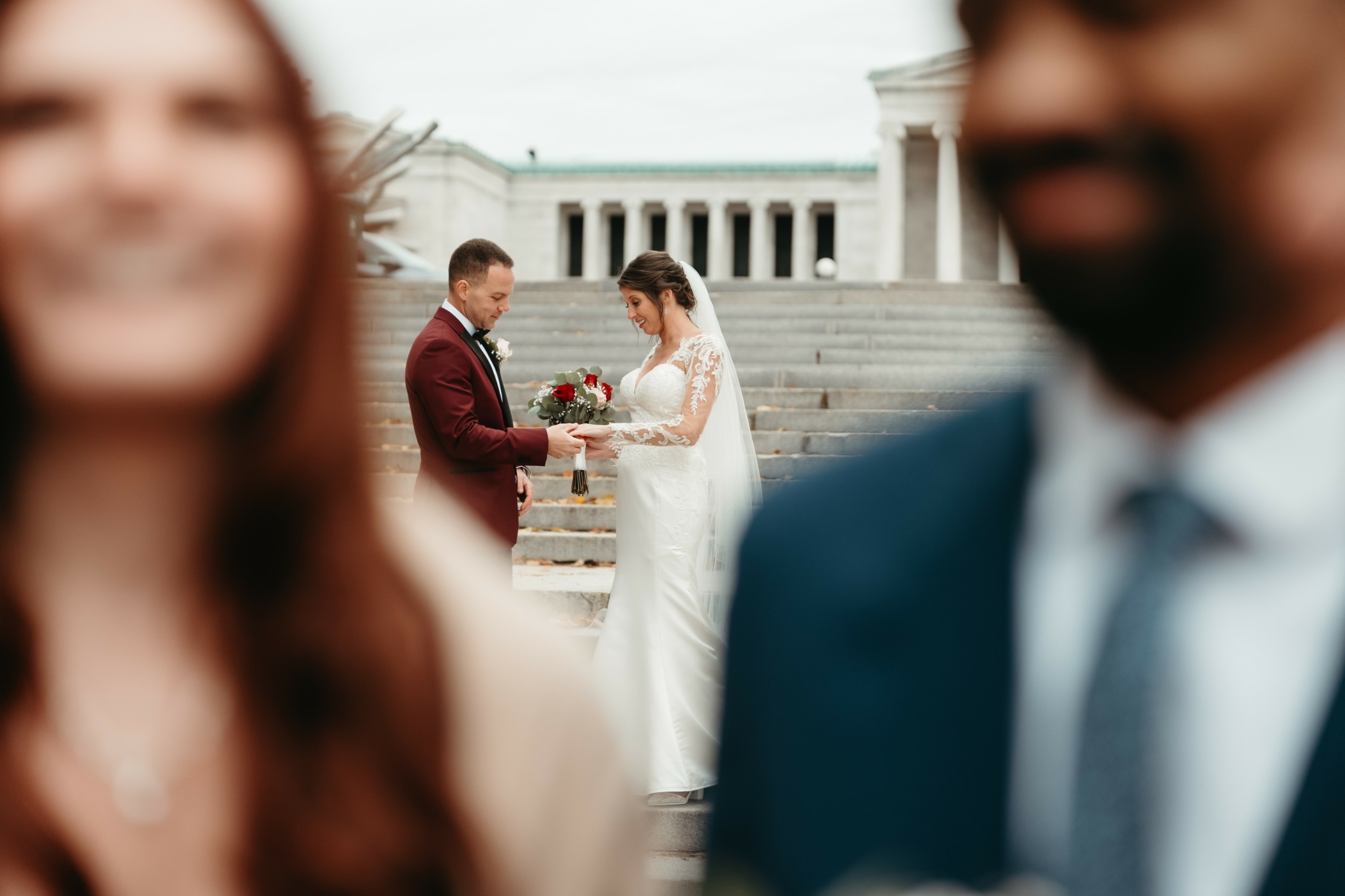
Image Credits
BGF Photography LLC