

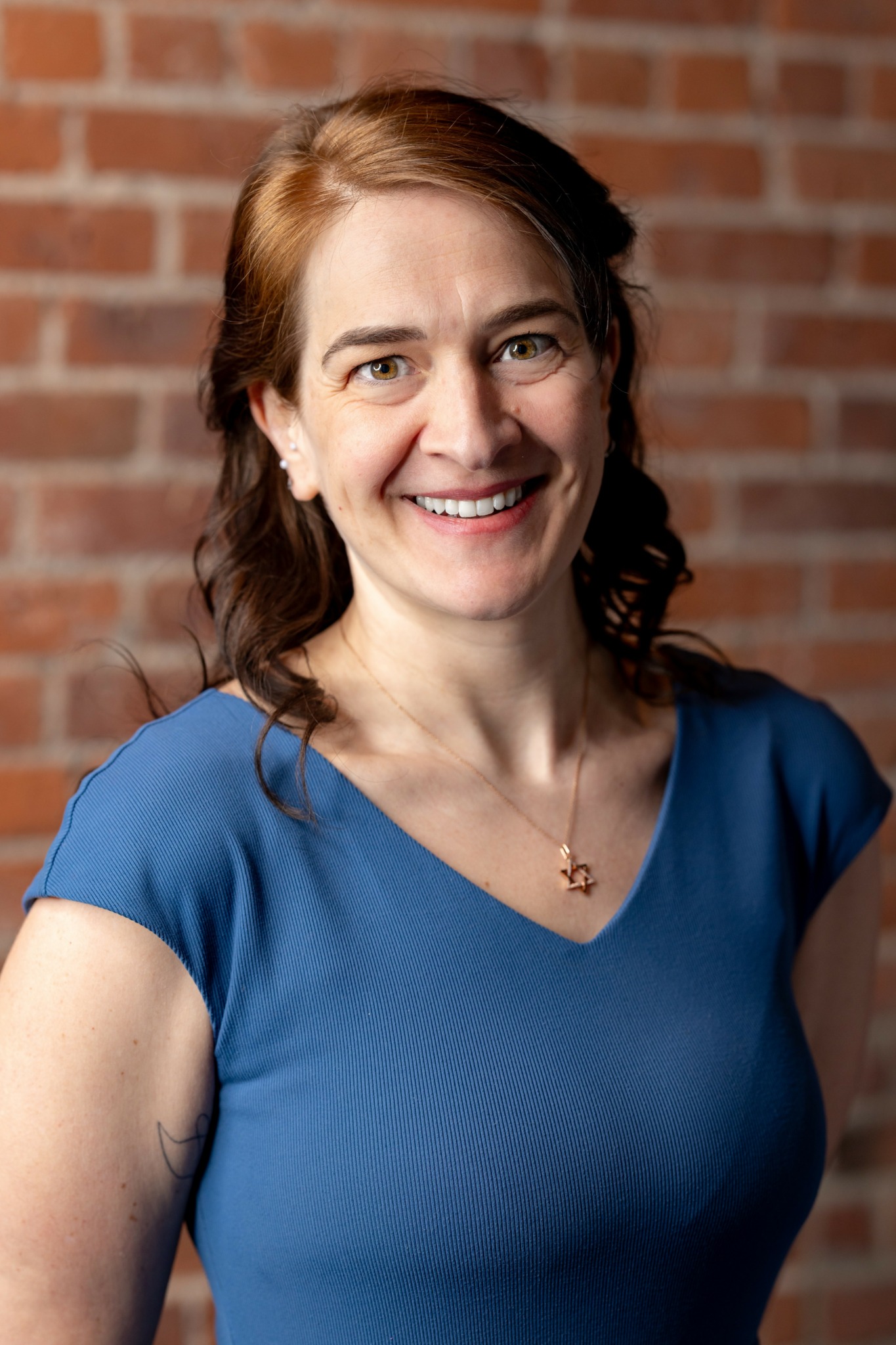

We recently connected with Becka Dente and have shared our conversation below.
Becka, appreciate you joining us today. Being a business owner can be really hard sometimes. It’s rewarding, but most business owners we’ve spoken sometimes think about what it would have been like to have had a regular job instead. Have you ever wondered that yourself? Maybe you can talk to us about a time when you felt this way?
I’m happier as a business owner. But I’d be lying if I said the thought never crosses my mind.
The last time it really hit me was during a stretch where I had a few projects wrapping up at the same time and nothing in my pipeline to take their place. It wasn’t a crisis. I’ve been doing this for nearly ten years, Feast or famine. But there’s this particular flavor of anxiety that shows up in that gap. It’s quiet. It’s not panic. It’s more like…doubt sneaking in.
I remember sitting in my office, wondering if I should be doing some cold outreach, or maybe more posting on LinkedIn. And I thought: what if I just had a job? What if someone else was worrying about the pipeline and I was just… doing the work? Good work. Work I’m genuinely good at. And then logging off. It sounded so much easier.
Here’s the thing though. I’ve spent twenty years doing this. I’ve been the employee, the consultant, the person brought in to fix what someone else built under pressure. And what I’ve learned over those 20 years is that the version of me with “a job” would be a diminished version. Not because having a job is less. It’s not. But because I’ve seen enough orgs from the inside to know that the environments where I’d actually thrive are rare. And I’ve built exactly that environment for myself.
What I’ve really built over these ten years isn’t just a client list. It’s the ability to choose work that matters, with people who operate with integrity. That’s not nothing. So yes, I still have the thought. Probably always will. But I’ve stopped treating it as a warning sign. It’s just the cost of doing something that’s genuinely mine.
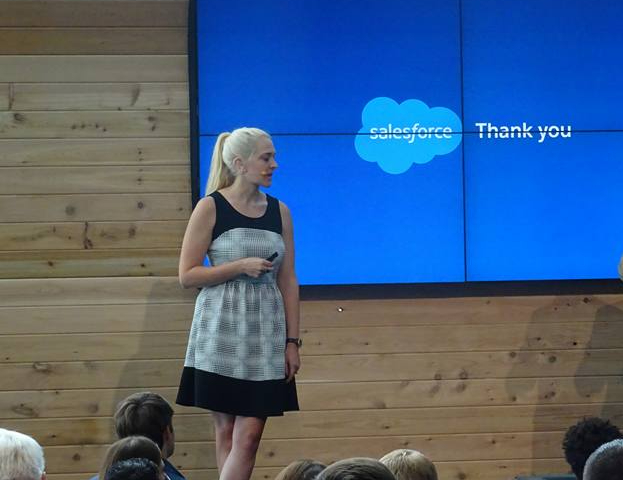
Becka, love having you share your insights with us. Before we ask you more questions, maybe you can take a moment to introduce yourself to our readers who might have missed our earlier conversations?
I’m a Revenue Operations consultant specializing in Salesforce and HubSpot implementations, which is a technical way of saying: I help companies figure out how their sales, marketing, and customer success teams actually work together — and then I build the systems that make that happen smoothly.
I didn’t start here. In fact, quite the opposite. Twenty years ago, I was fresh out of school. I moved to Boston with not much more than someone to live with (my best friend from back home), and a Bachelors degree in neurolinguistics. Not much of a job market for that degree, so I did what a lot of folks to — I got into sales! And honestly I was pretty good at it, but I hated the pressure.
It was a bit of kismet that the company was growing, and the one-women sales ops team needed help. Sales ops meant being the person who understood both the business logic and the technology enough to bridge the gap. But it spoke to something I’ve loved my whole life — figure out puzzles and coming up with creative solutions. Not only did I find a job I was really good at, but that boss became an incredible mentor to me. I worked inside organizations of different sizes and stages, and what I kept seeing was the same pattern: companies would invest heavily in platforms like Salesforce or HubSpot, and then struggle to actually use them in ways that matched how their business really worked.
After about ten years of that, I went out on my own. That was nearly ten years ago now, and the decision was less about escaping something and more about building toward something specific: the ability to choose work that matters, with people who operate with integrity.
I work with companies who have hit a wall with their tech stack. Sometimes setting up a CRM, sometimes untangling one that’s been Frankensteined together over years of “quick fixes.” The problems I solve aren’t usually technical problems (although they can be). They’re usually process problems that show up as technical problems. For example: your sales team says they need better reporting. But when you dig in, what they really need is clarity on what actually counts as a qualified opportunity. That’s where I come in. I listen to how the work actually flows, figure out where the friction is, and then configure systems to support that reality.
I’ve worked as an employee inside enough organizations to know what it actually feels like to be handed a system that doesn’t match your workflow, or to be asked to adopt a process that somebody designed in a conference room without ever doing your job. That perspective shapes everything I build. I’m not optimizing for elegance, I’m optimizing for usefulness and data integrity.
I’ve also built my business around the idea that I want to make my clients better than when we started working together. I don’t want to be the secretive consultant that wields all the power. I want to teach and empower my clients to start thinking link a business analyst, to start behaving like an operations expert. To get so good at it, that someday, they no longer need me. That sounds counterintuitive, but it’s actually the most important thing. I want my clients to know that we are partners working toward the same end. That means the work I do is better, and the relationships I build tend to last.
As for what I am most proud of..? Honestly, the fact that I’m still here. Nearly ten years as a solo consultant in a space that’s constantly changing, and I’ve built something that’s genuinely mine. I’ve had the privilege of choosing meaningful work with good people, and I’ve gotten to do deep, thoughtful implementations rather than rushing through cookie-cutter solutions. I’m proud of the clients who come back to me years later because they know I’ll tell them the truth, even if the truth is that you don’t need to buy another tool, you need to fix your process first.
If you’re looking for someone to set up your tech stack the “right way” — meaning the way that makes sense for your business, not the way it’s supposed to look in a demo — that’s what I do. I bring twenty years of experience in the revenue operations space, and I bring it without the overhead of an agency or the agenda of a software vendor. I care about building systems that actually get used. And I care about working with people who value that kind of integrity.
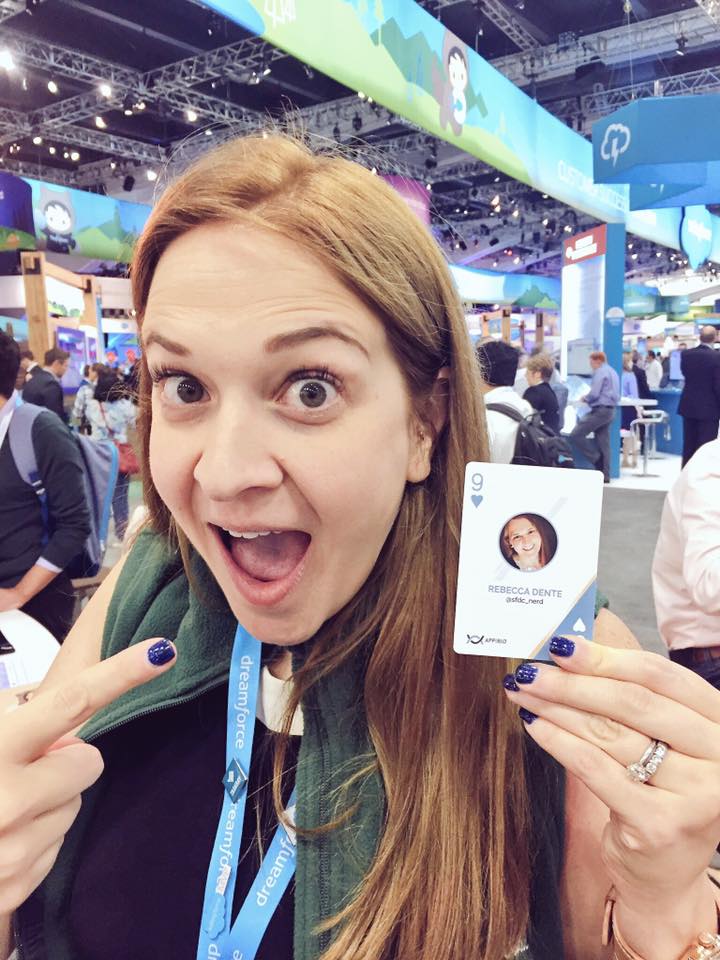
What’s worked well for you in terms of a source for new clients?
Referrals and former clients moving to new companies. That’s been my primary source of work for years now, and honestly, it’s both the best validation of what I do and the most sustainable way I’ve found to grow.
When someone you worked with three years ago lands at a new company and one of their first calls is to you — that tells you something. It means they remember not just that you solved their problem, but how you solved it. That you made them better at their job. That you didn’t create dependency, you created capability.
Referrals are similar. People refer you when they trust that you’ll make them look good by extension. When a client introduces me to their network, they’re putting their reputation on the line. I don’t take that lightly.
What I’ve learned is that this kind of organic growth only works if you’re genuinely focused on making your clients successful — not just completing projects. If you’re teaching them to think like a business analyst, empowering them to own their systems, and telling them the truth even when it’s not what they want to hear, they remember that. And they bring you with them.
The trade-off is that this approach doesn’t scale the way aggressive outbound marketing does. But I’d rather have a steady stream of clients who already trust me than a pipeline full of people I have to convince from scratch. The work is better. The relationships last longer. And I get to spend my time actually doing the work instead of endlessly hustling for the next project.
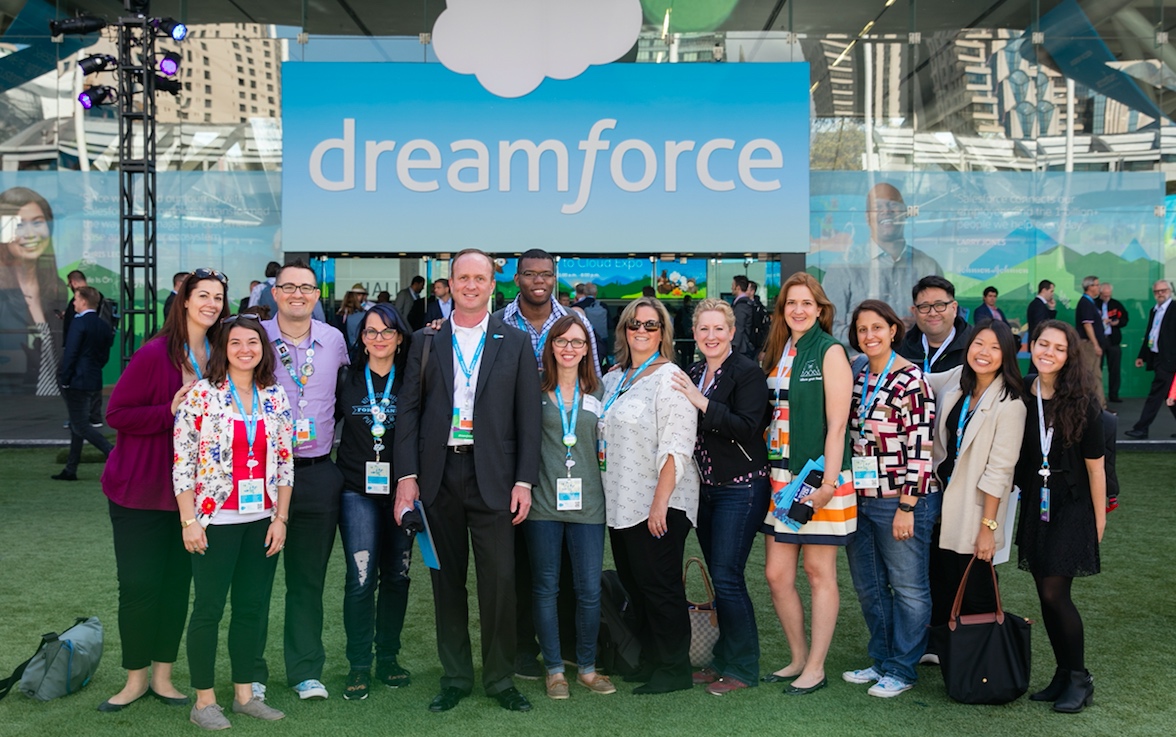
How’d you build such a strong reputation within your market?
I actively work to make my clients self-sufficient. I’m not trying to be the person they can’t live without. I’m trying to teach them how to think like a business analyst, how to approach their systems with confidence, how to make good decisions when I’m not in the room.
Most consultants would never admit that out loud because it sounds like you’re working yourself out of a job. But what actually happens when you empower people is that they trust you more. They refer you more. And when they move to a new company and hit the same problems, you’re the first call they make. Not because they’re dependent on you, but because they know you’ll set them up for long-term success, not just a quick fix.
I also think my reputation benefits from the fact that I’ve been in the trenches. I’ve been the employee dealing with a system that doesn’t work, handed a process that makes no sense, asked to report on data that’s been a mess for years. I bring that empathy to every engagement.
After twenty years in this space and nearly ten years on my own, my reputation is built on being someone who tells the truth, does solid work, and genuinely cares whether it works after I leave. That’s it.
Contact Info:
- Website: https://purplenerd.com
- Instagram: https://www.instagram.com/sfdc_nerd
- Facebook: https://www.facebook.com/ForceBehindtheForce
- Linkedin: https://www.linkedin.com/company/purple-insights


Image Credits
BellaLu Photography