

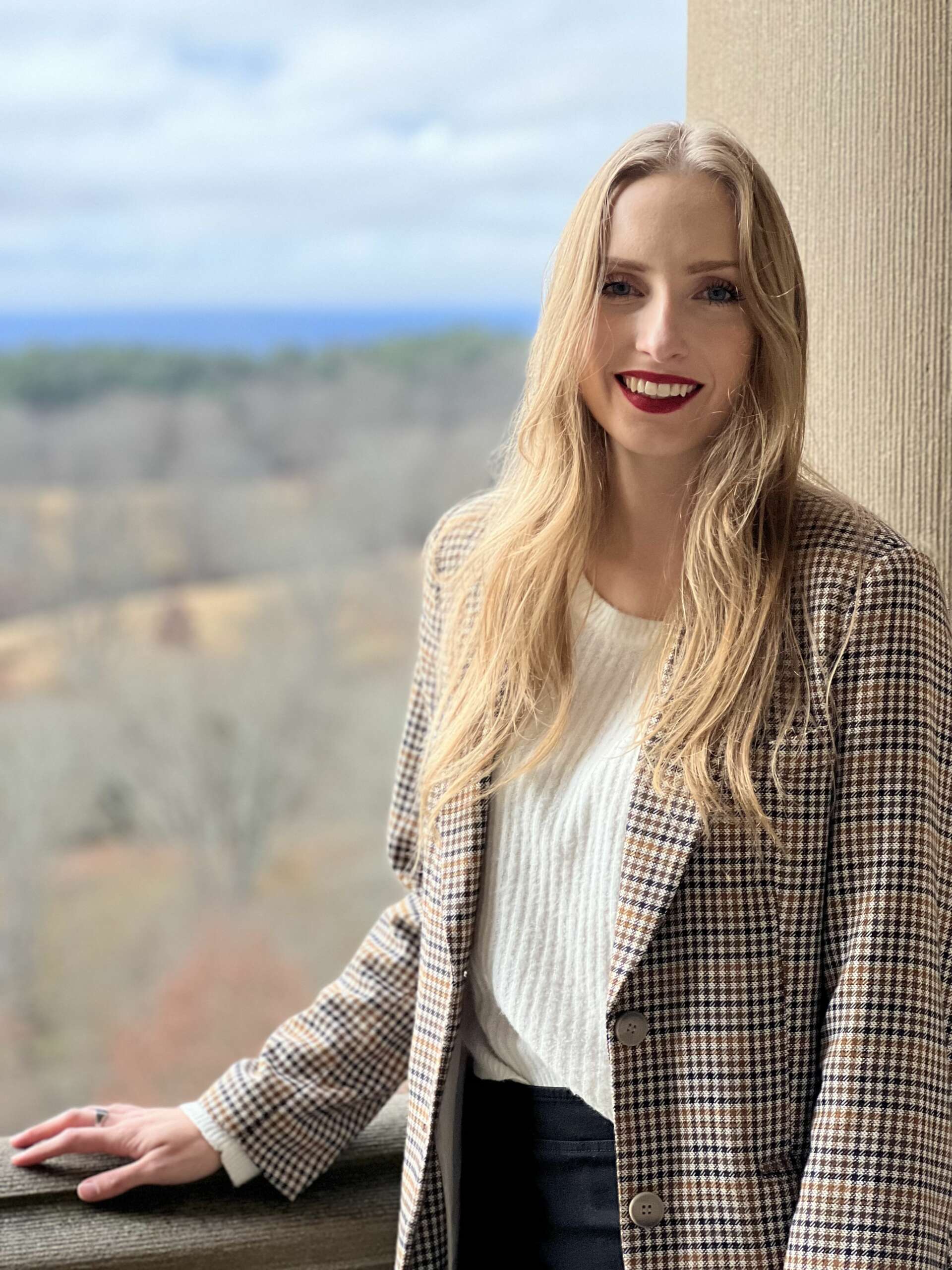

We caught up with the brilliant and insightful Becca Joy Allen a few weeks ago and have shared our conversation below.
Becca Joy, appreciate you joining us today. Can you open up about a risk you’ve taken – what it was like taking that risk, why you took the risk and how it turned out?
Taking a chance to do something you haven’t done before or doing something in a different way is one of the greatest influencers of success. Most of the time success doesn’t just happen. It is a product of action. To do something often feels like a risk. It takes us out of our comfort zone, but it also takes us where others are not willing to go. One of the things that has allowed me to take such risks is the risks on the other side of the coin that feel so much heavier: not doing something. I have been more afraid of missing out for not even trying than I have been of failing. This mindset has allowed me to take a variety of chances throughout my life which have all led me to where I am now.
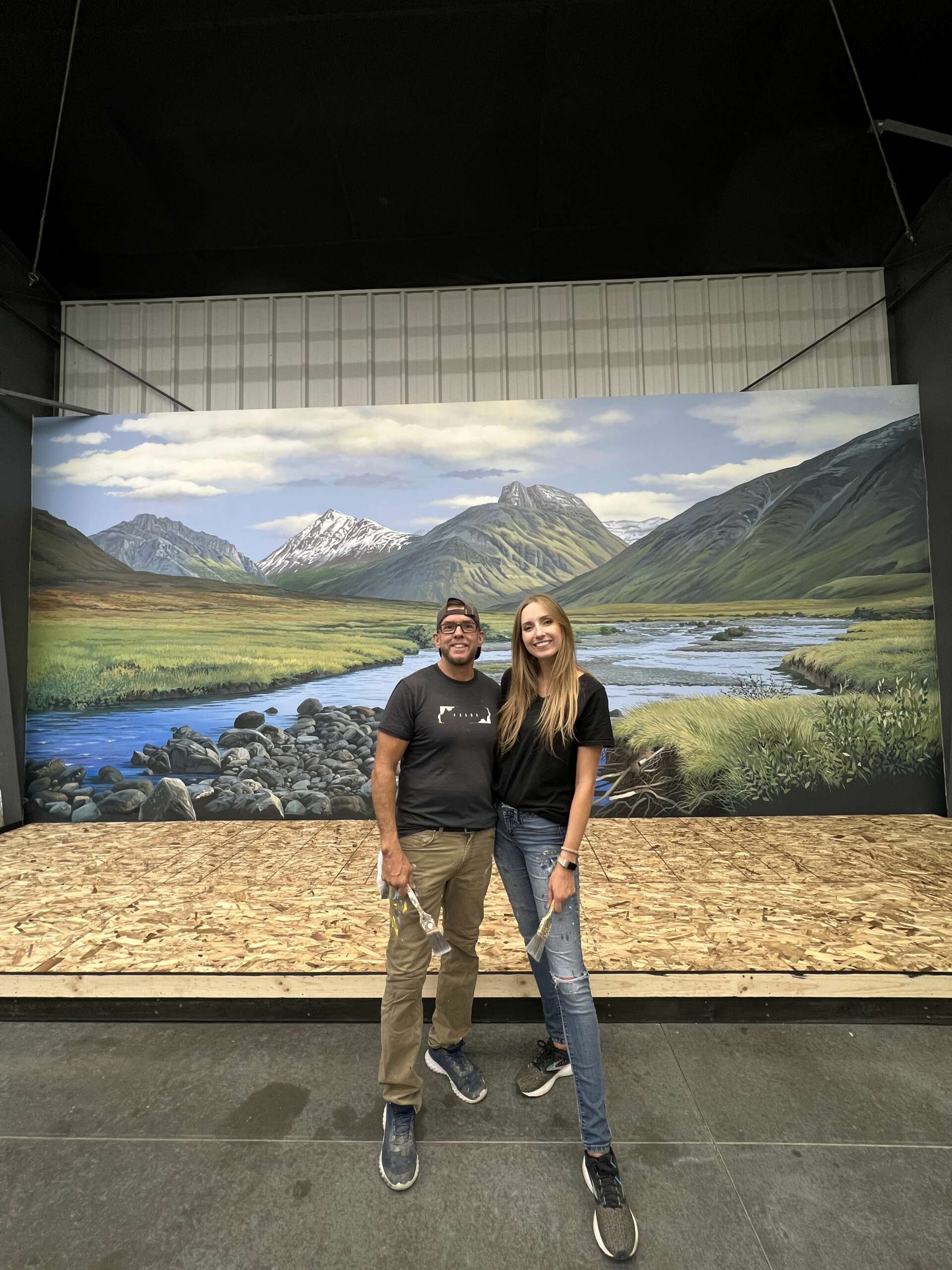
I have done almost nothing in my life the ordinary way. I earned a Bachelor’s of Science in Biology and rather than pursuing a career in biomedical research like I’d planned, I threw myself a curve ball and decided to continue my education with a Masters in Art Therapy. Despite a non-traditional foundational education, I never doubted that I had the knowledge and skill to do it. After graduation I worked for about a year and a half as a therapist before taking another risk: flying to Greece to paint a mural on the island of Crete and solo travel for a month. I had never painted a mural before, and had never gone anywhere by myself, but I never doubted that I had the skill to do it. The following year I incorporated my art business and became the owner of a company. I had never taken a business course and knew little about running a company, but I never doubted that I had the skill to do it. Later that year I was offered the opportunity to partner with an artist who was creating giant scenic murals at a scale I had never dreamed of. I didn’t hesitate. I drove 8 hours from where I was living at the time to meet the man and spend the next 3 weeks with a stranger painting 3 massive landscapes. That led to 2 more and then painting backdrops for a museum across the country, and now we have completed over 20 large scale landscape murals together. I had never painted at that scale, but I never doubted that I had the skill to do it. The thing about all of these risks is that after taking the risk, when I was in the middle of whatever I had decided to do, invariably I had the realization that in fact I did not have the skills required to do it. My confidence gave me the ability to take the risk, but ultimately, I had to push myself, and struggle, and grow throughout each of these experiences in order to be successful. In hindsight I don’t think it was my skill that I didn’t doubt. I think more accurately, I never doubted my ability to figure things out and to rise to whatever challenge was presented. Sometimes you have to be willing to be bad at something in order to be good at it. I have always believed in my ability to get better. I read an article recently discussing the way people often talk themselves out of their dreams. Most people are convinced they are incapable of achieving great things and therefore aim for mediocre – something more achievable, they think. Therefore, the level of competition is toughest for “realistic” goals while the competition lessens as you aim higher due to the reduced number of people who believe in themselves enough to aim that high. Aiming higher than you can imagine is a risk. But then again, to some degree, isn’t it a risk not to? I will end my story with an analogy to painting. When I was in graduate school for art therapy, I felt pressure to prove myself (especially with my non-traditional educational background). At first, I would focus on creating things that would highlight my skill, putting all of my energy into controlling the outcome. I also used to do the same with my paintings, knowing that I had very little technical training, no art degree, I focused on creating things that would prove that I had skill. But in both cases, when I took creative risks, when I trusted my instincts and focused more on the process than on the product, I ended up making more meaningful and compelling things. My outcomes were better when I was willing to take a risk. They say that life mirrors art and, in my life, I have certainly found that to be true. It can be considered a risk to pursue a creative career, but for me, the reward is far greater than the risks involved. By choosing an unconventional path, I have found more happiness and connection with myself than ever before. I feel like I am doing what I was made to do and feel so grateful that it also happens to be making me a living I never thought possible. Furthermore, when I reflect on all the risks I have taken in my life, I know that each of them has made me who I am today, and that without the risks, I would not have grown in the ways that I have and would not be making the paintings that I make. They pushed me to be better, and while risks may lead to mistakes, I have come to find that those mistakes can lead to the most gratifying successes.
My art is better for the risks I take, my life is better for the risks I take, and I am better for the risks I take.
As always, we appreciate you sharing your insights and we’ve got a few more questions for you, but before we get to all of that can you take a minute to introduce yourself and give our readers some of your back background and context?
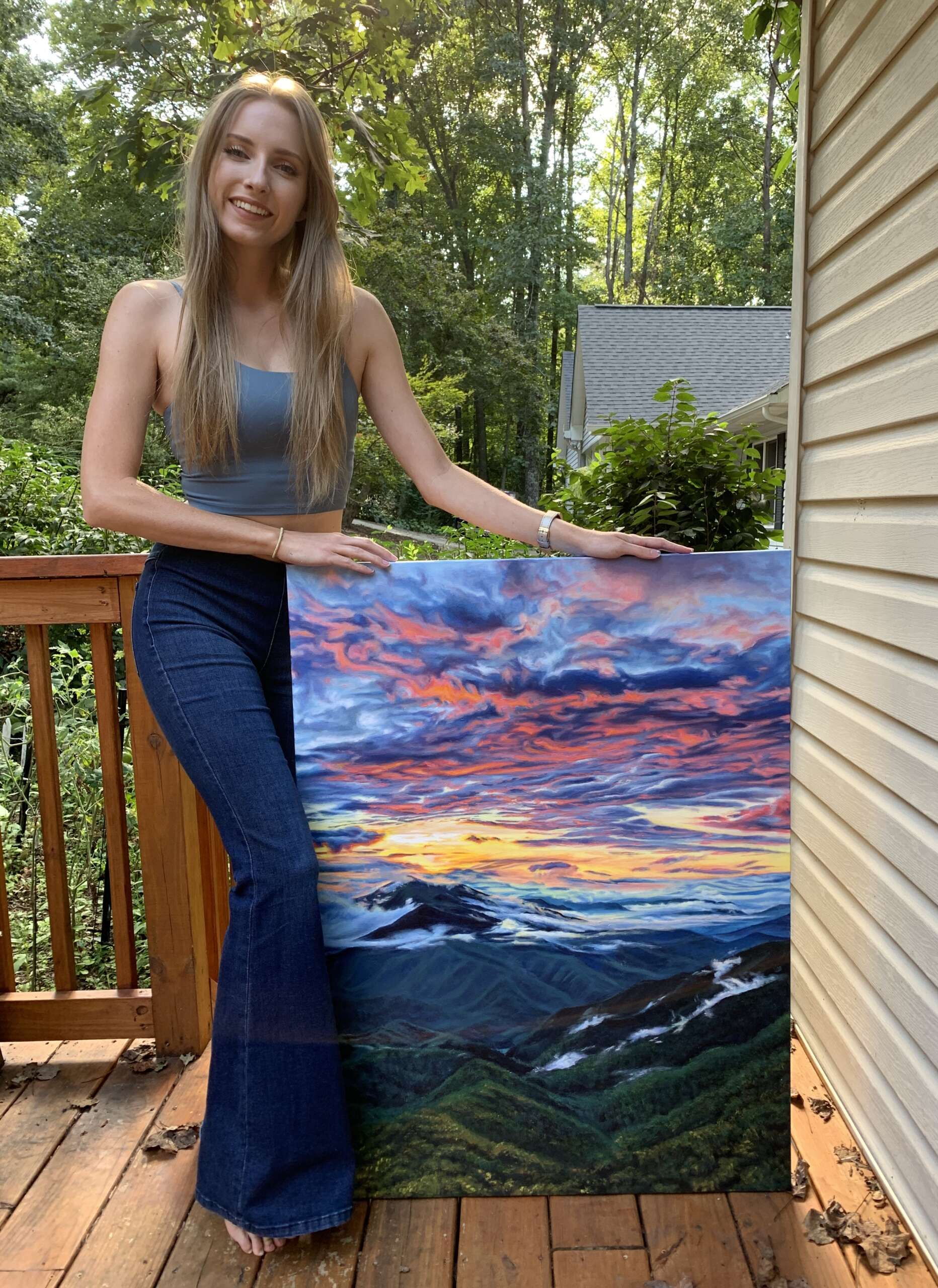
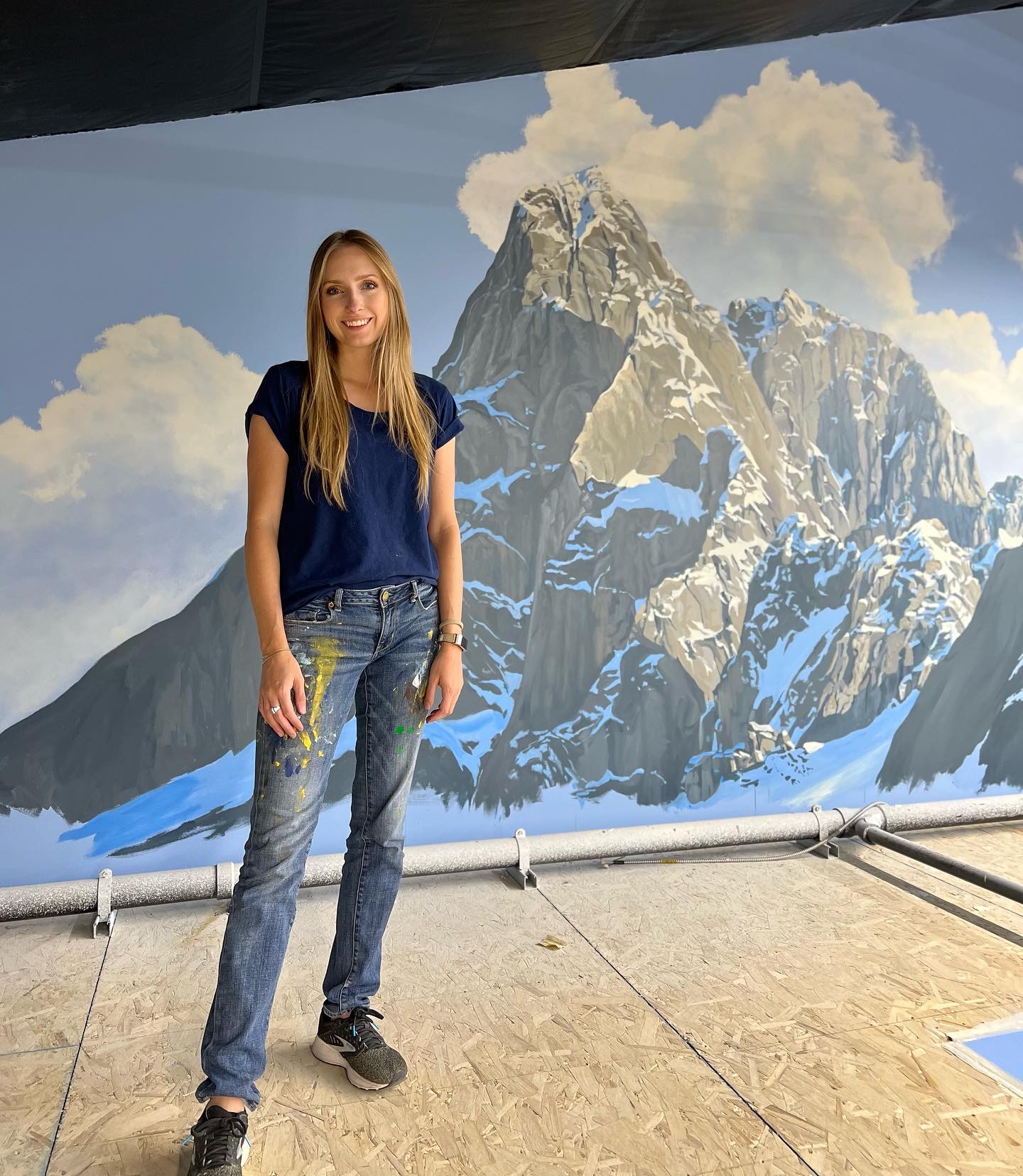
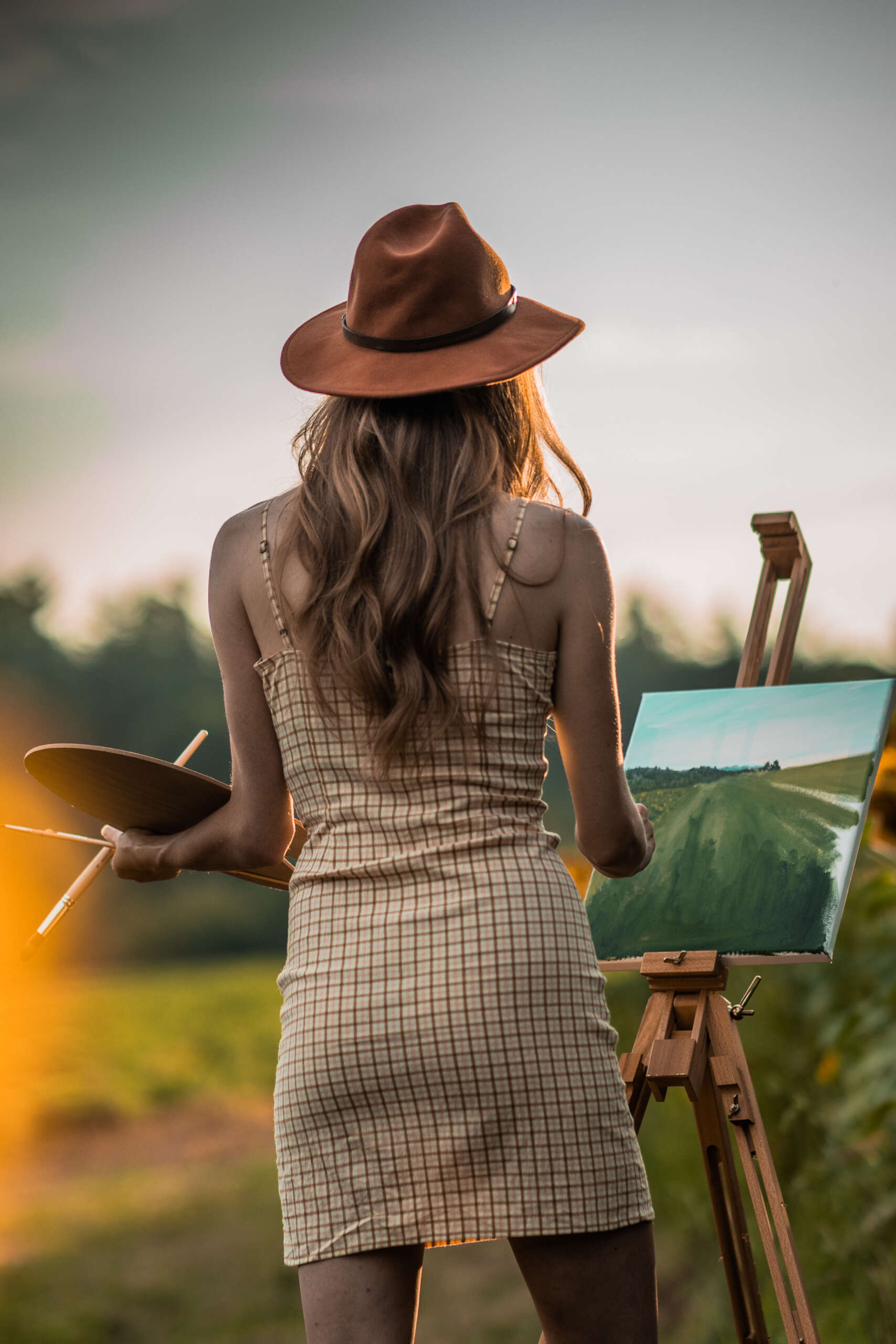
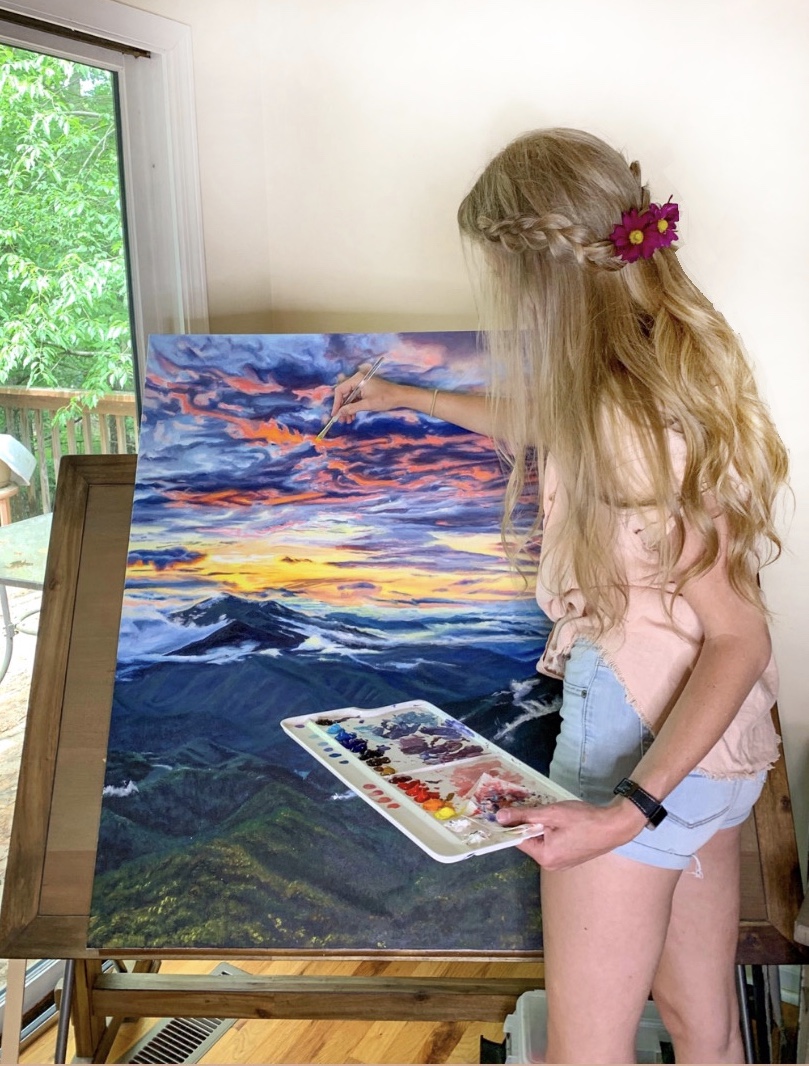
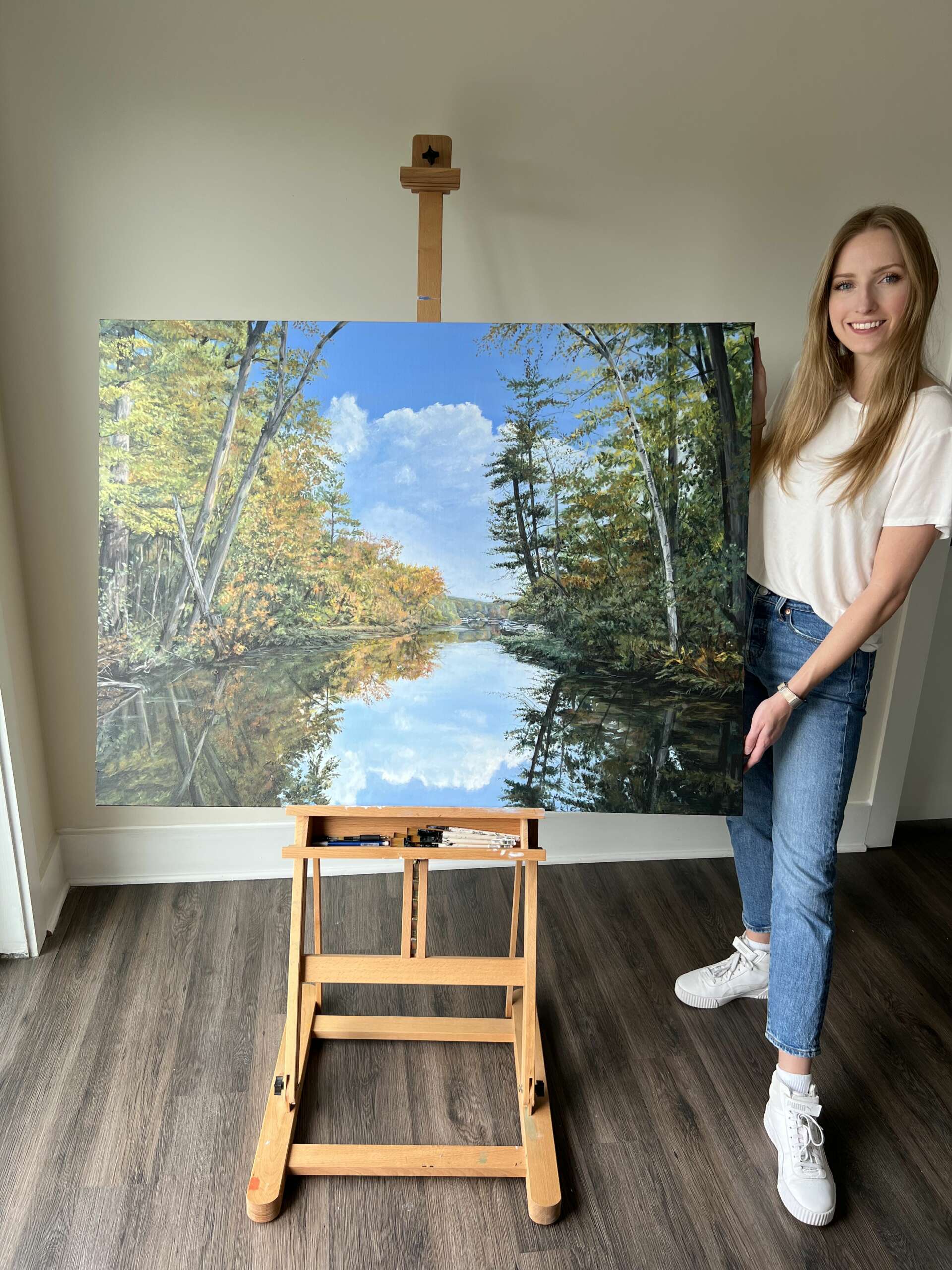
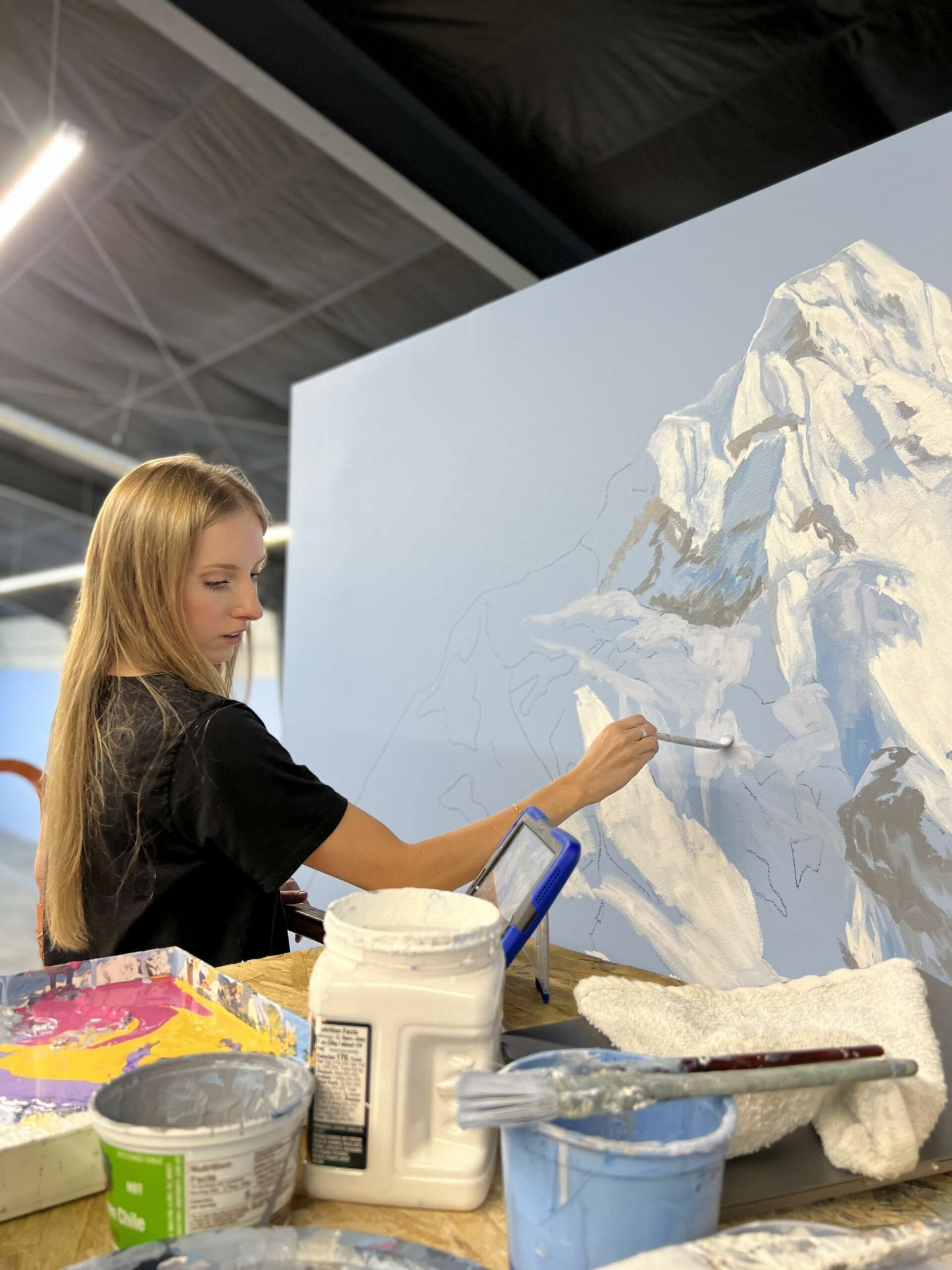
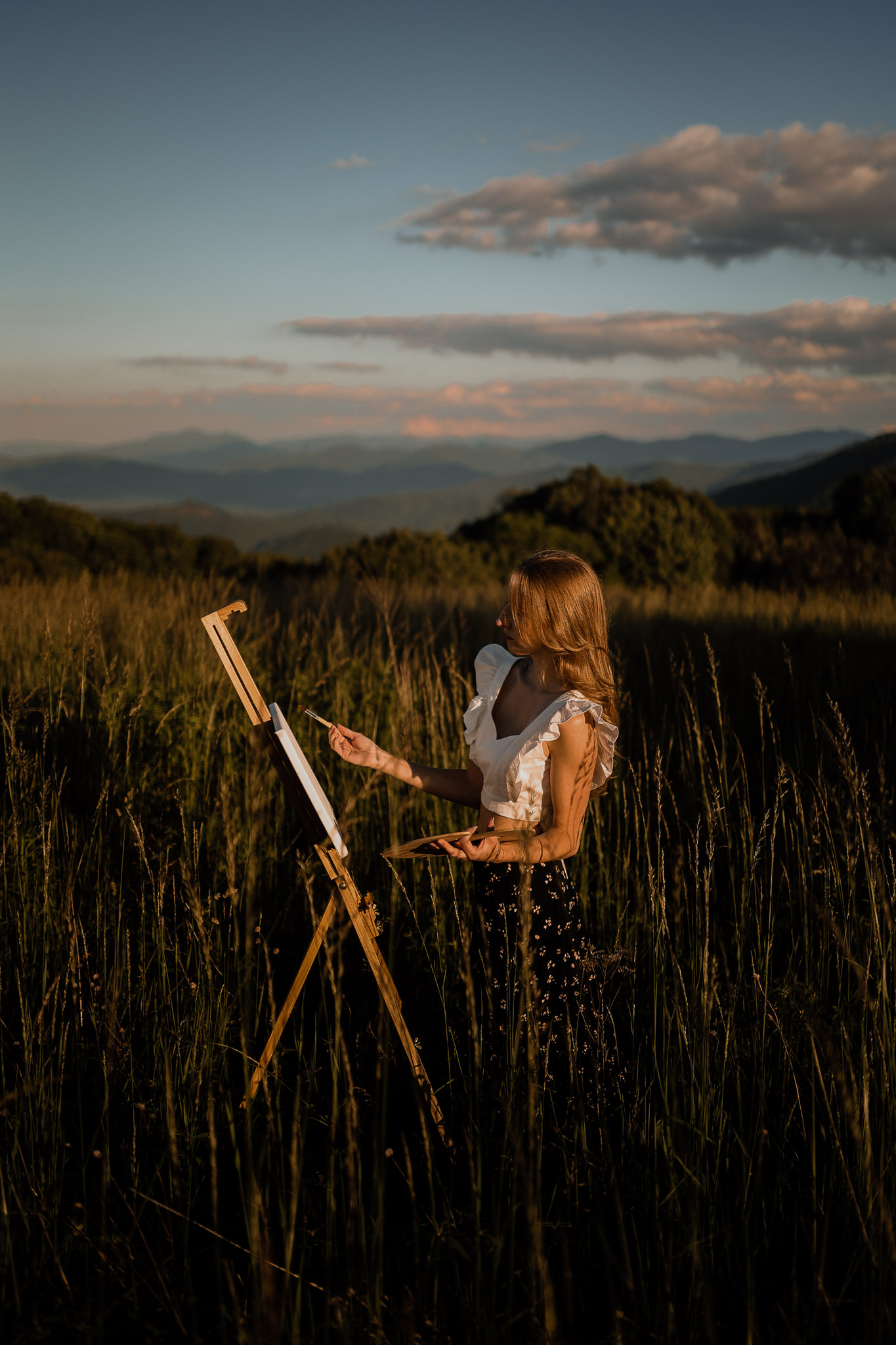
My name is Becca Joy Allen and I was born and raised in Western North Carolina. I spent a large part of my childhood in the Pisgah National forest and have always been captivated by nature and details that often go unnoticed. It is no surprise that I have leaned into that love and invested much of my artistic career into painting landscapes. I began primarily as an acrylic painter and continue this practice while adding large-scale murals to my business. I currently split my time working full time as an art therapist at a private practice as well as a traveling muralist. On breaks in between murals, I typically work on commissioned canvas paintings or passion projects. I am proud of the way I have been able to balance multiple passions and pursue big dreams. I paint most of my murals alongside longtime muralist Rich Marks. We started working with each other in 2021 as Rich was seeking a partner who could match his style and create a seamless look. Our artistic styles were similar and have blended wonderfully. We often talk about our landscape murals like giant fine art. We have an appreciation for the work of the old Masters and appreciate how our painting styles have a painterly and oil painting-feel despite being rendered in latex house paint.
I connect deeply with my work and invite others to do the same. Much of my painting practice is centered around capturing favorite moments – both my own and those of my clients. I love to create large-scale paintings that feel like walking into a memory and feel so honored to be able to be a part of telling someone’s story. I am inspired by intricacies often overlooked and my awareness of individual importance of each person’s perspective and how that informs their story. Listening to people’s stories through the lens of recognizing them as the protagonist in their own life is one of my favorite parts of both painting and therapy. Through meticulous brushwork and an understanding of atmospheric effects, I work hard to bring scenes and memories to life, evoking connections to memories, hopes, the self, and one another. My art is a celebration of the interplay between light and color, capturing fleeting moments that resonate with the soul. My artwork’s emphasis on connection to self and others is mirrored in what has primarily motivated my practice as an art therapist. Art therapy gives language to clients to support communication with the therapist as well as improve understanding within their self. Witnessing these connections and insights developed through the art has been such an honor throughout my career and continues to inspire my work both as a therapist and an artist.
What’s a lesson you had to unlearn and what’s the backstory?
I have held myself to practically unreachable standards for most of my life with the idea that if I am hard enough on myself, I will increase my worthiness and overall “goodness” as a person. I have extended immeasurable grace to others, but it has taken years of learning and unlearning to develop compassion for myself. As a therapist, I have seen many clients with a similar lesson to unlearn: the idea that if I am hard enough on myself, I will be able to achieve great things and will be able to prevent mistakes, and that having compassion for myself would lead to laziness or making excuses. I have always been incredibly hard on myself, thinking that this would motivate me to be better. With a lot of intention and practice I have learned that treating myself with kindness is far more encouraging and motivating than self-criticism ever was. I have also learned that being overly self-critical comes from a place of insecurity and that as my confidence has grown so has my compassion for myself. I think both my work as an artist and art therapist helped illustrate these lessons to me. In holding space for others with unconditional positive regard, I began to start holding a similar space for myself. Having compassion for yourself, it turns out, isn’t a gateway to self-pity, rather it is a path to extending unconditional love to the self – which can be an empowering road to be on. Within this journey I have also transformed my perspective on mistakes – unlearning the resistance to making them on an unrelenting pursuit of perfection. I have instead discovered that we often learn more from our mistakes than we ever could from our victories, that overcoming obstacles is more satisfying and more enriching than easy journeys, and that removing the fear of mistakes allows for taking more risks and engaging in tasks more freely and confidently. This unlearning has allowed me to feel more connected with myself and engage with my art and the world in a more authentic and expressive way by taking a page from Bob Ross’s book and leaning into the idea of “happy accidents.” Sometimes things go better than you could have planned, and releasing my grip on perfectionism has expanded opportunities and given space for more possibility.
What’s the most rewarding aspect of being a creative in your experience?
I feel the most myself when I am creating. There is less resistance in my life when I am engaging with life creatively. So in an essence the most rewarding aspect of being an artist is the freedom it allows me to experience. Freedom of thought, freedom to see the world, freedom to know people and see things from their perspective, and the freedom to be and know my truest self. Within that, the connections I develop through my art are profoundly rewarding and authentic. I am deeply connected to my work, which can feel vulnerable at times but this invites rich connections with others and allows me to feel seen and known in a way that I’m not sure would be as accessible to me if I didn’t create things. The way people connect with my art and feel inspired by it creates a symbiotic relationship as I become inspired by their response to it. I feel I have so much to offer the world and feel grateful for all of the creative avenues available to make my mark. I am fortunate for the opportunity to leave a part of myself wherever I go and feel ironically fulfilled by that.
Contact Info:
- Website: www.beccajoyfineart.com
- Instagram: instagram.com/beccajoyfineart (@beccajoyfineart)
- Facebook: Facebook.com/artistofjoy
- Linkedin: www.linkedin.com/in/becca-joy-fine-art
Image Credits
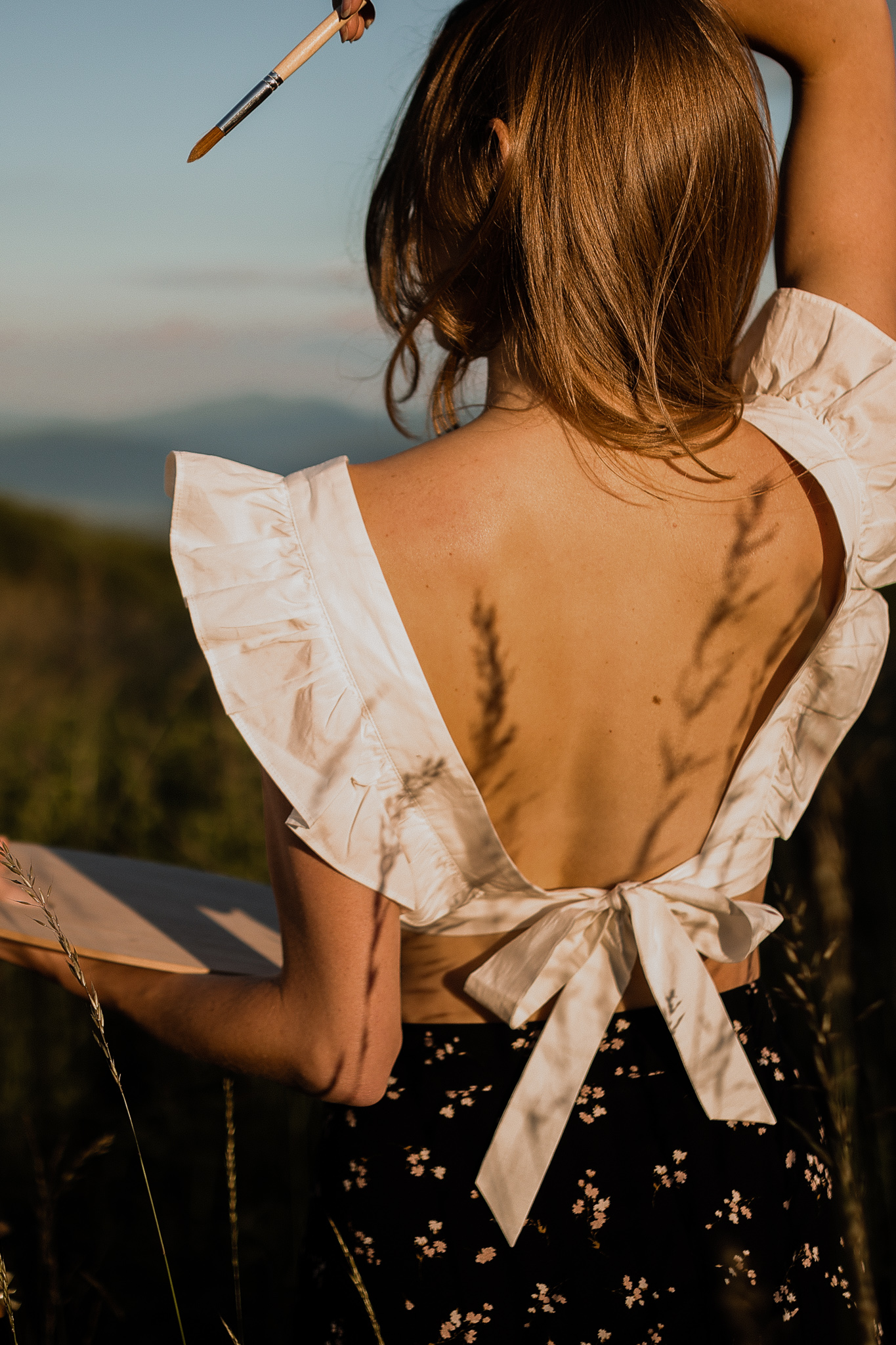
Ashley Lee Photography (photo of artist and easel in field with mountains in background)