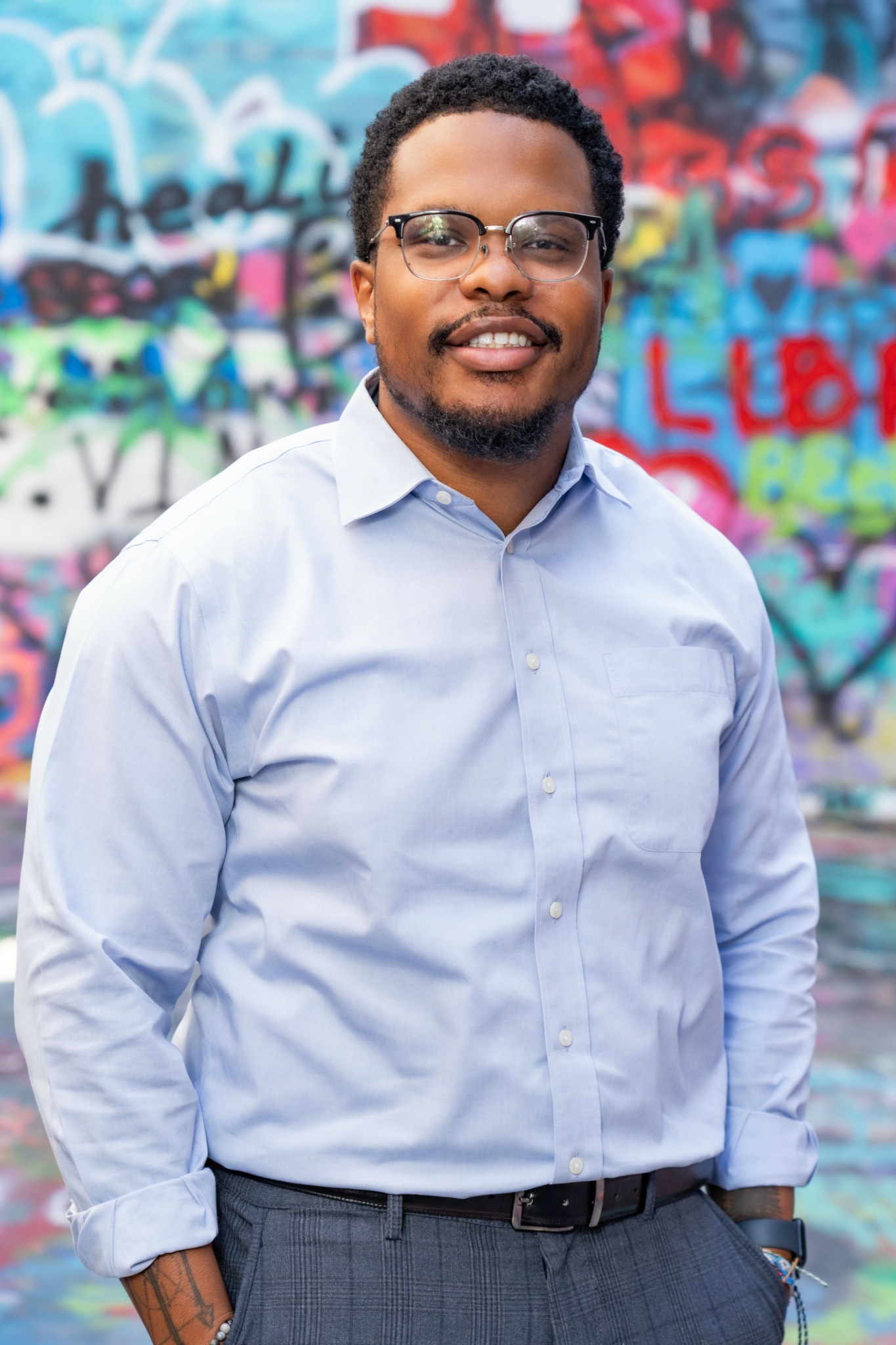

We caught up with the brilliant and insightful Austin Merritt a few weeks ago and have shared our conversation below.
Austin, thanks for joining us, excited to have you contributing your stories and insights. What were some of the most unexpected problems you’ve faced in your career and how did you resolve those issues?
One of the most unexpected challenges in my professional career came at a time when everything seemed to be going perfectly. I had spent a few years climbing the corporate ladder, putting in countless hours, and making sacrifices to land what I thought was my dream role as a VP in a thriving company. It felt like I had finally made it—I had the title, the influence, and the trajectory I had always worked toward. But that all came crashing down unexpectedly when I was laid off.
At the time, I felt blindsided. My career was on an upward path; I was working with a high-performing team, hitting ambitious goals, and had a seat at the decision-making table. I had never imagined that, with all that success, I could lose my job. The shock of it hit hard. I felt a deep sense of failure, even though I knew it wasn’t something within my control. And honestly, I didn’t know what the next step would be. I had wrapped so much of my identity and worth into that corporate title and the role I had built.
But looking back, I realize that layoff was a redirection—a blessing in disguise. After some soul-searching, I found my way into the nonprofit sector, and that’s when things really began to shift for me. I realized how deeply my previous role had affected me mentally and physically. In corporate America, I had been constantly chasing the next goal, running on a treadmill of endless demands. I thought that was what success looked like, but in reality, I was burned out and disconnected from the things that truly mattered to me.
When I transitioned to the nonprofit world, everything changed. I found myself working in an environment that aligned with my values—focused on impact, community, and purpose. The work was still challenging, but it was meaningful in a way that left me feeling fulfilled rather than drained. My stress levels decreased significantly, and I started to realize how much I had neglected my own well-being while chasing external success. It was like stepping off a hamster wheel. I could breathe again.
This transition allowed me to grow in ways I hadn’t anticipated. I not only became more effective professionally but also started focusing on personal growth—building stronger relationships, developing mindfulness practices, and finding balance in my life. It’s funny because I once thought being a VP was the pinnacle of my career, but landing in this space has shown me that success is about more than just titles or accolades. It’s about living a life that feels rich, purposeful, and aligned with who you are.
So, to answer your question, the most unexpected problem was losing my job at a peak moment in my career. But the way I resolved it was by embracing the uncertainty and allowing myself to pivot toward something that, in the end, brought me far more joy and balance. I’m now in a role where I continue to grow professionally while making time for my personal growth, and that’s been the biggest win of all.
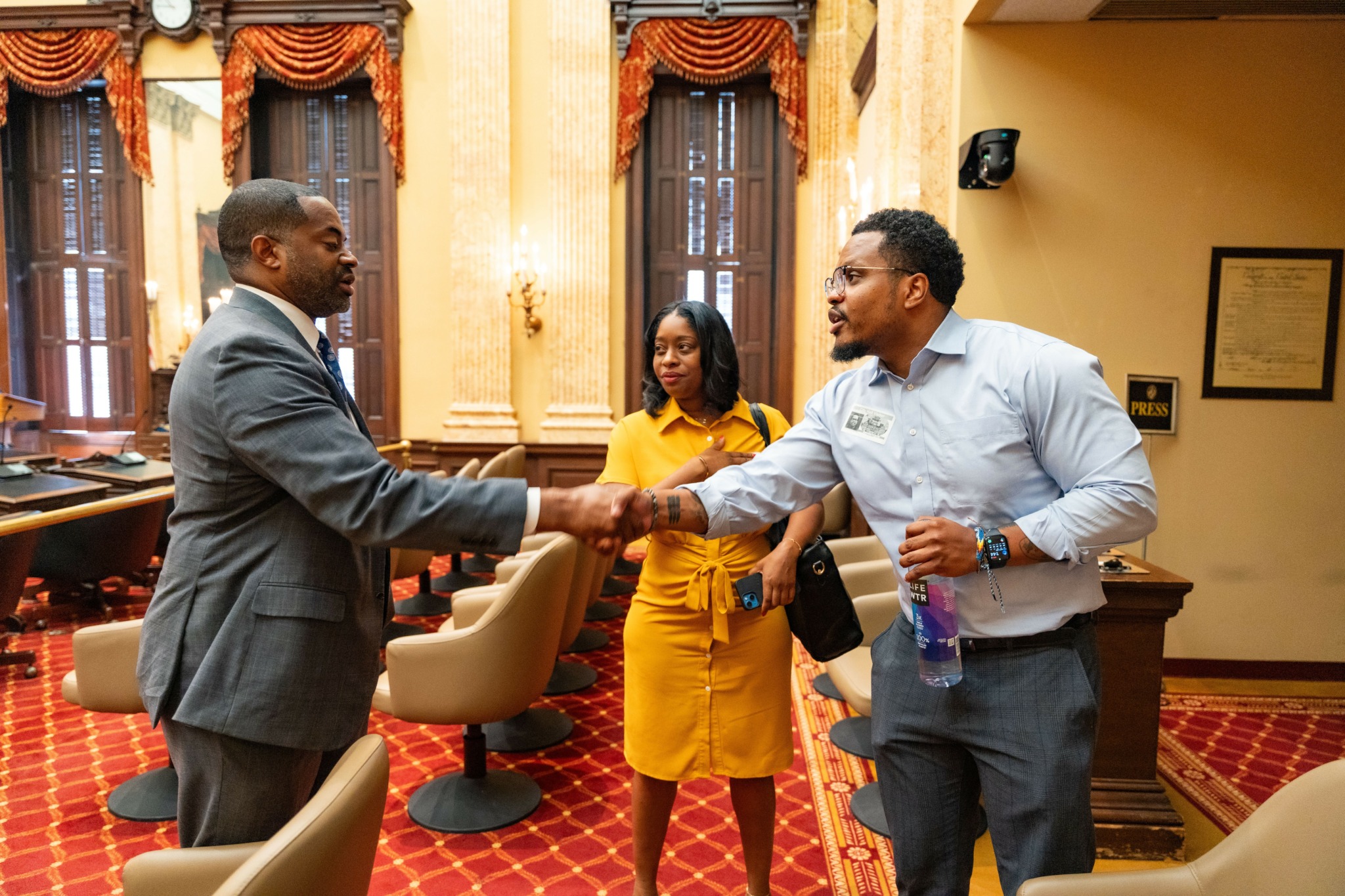
Great, appreciate you sharing that with us. Before we ask you to share more of your insights, can you take a moment to introduce yourself and how you got to where you are today to our readers.
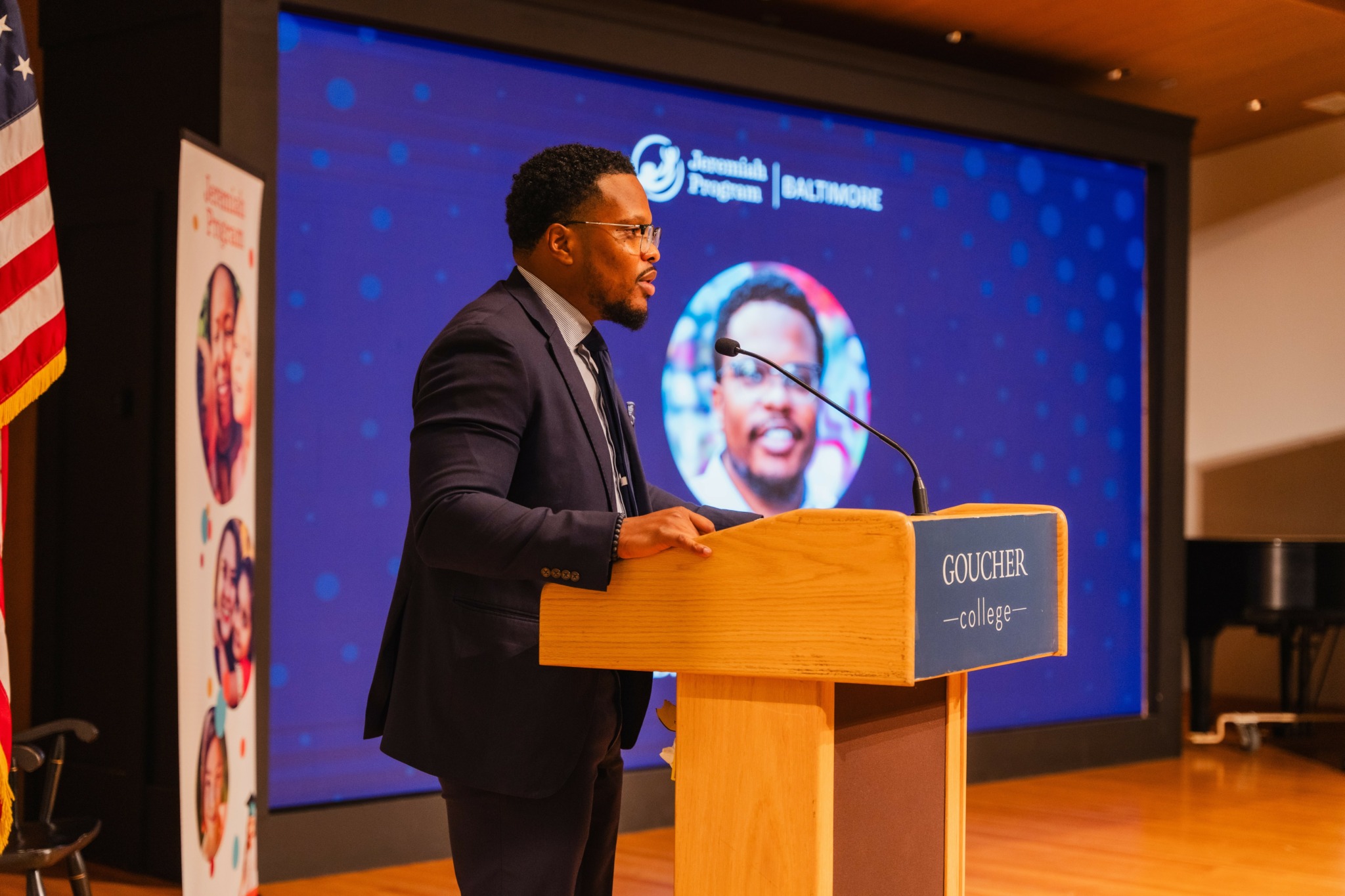
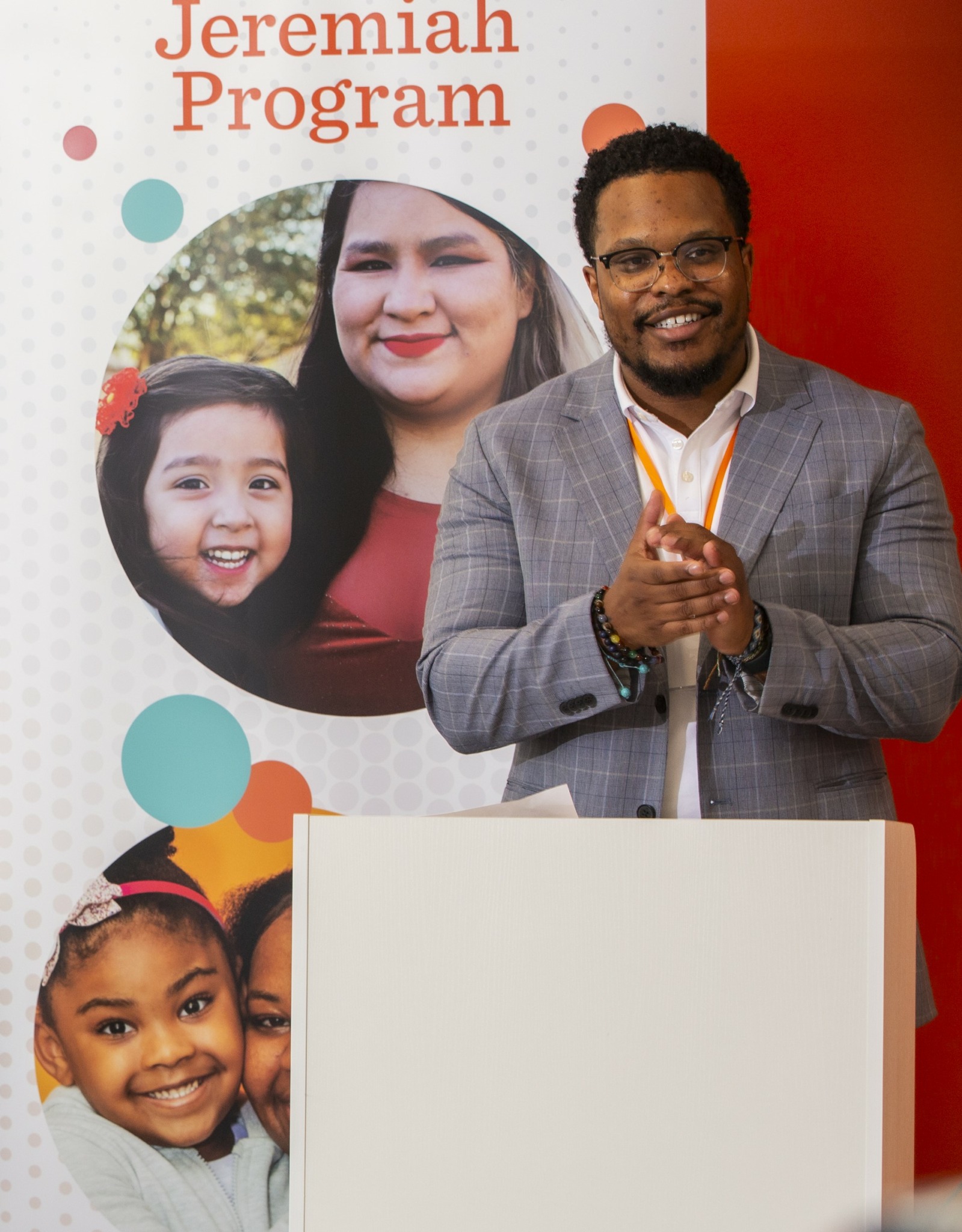
I’d be happy to share a bit about my work. I’m the Director of Development at Jeremiah Program Baltimore, where I focus on securing funding to support our mission of breaking the cycle of poverty for single mothers and their children. What sets our program apart is our holistic, two-generational approach—helping both mothers and their children succeed simultaneously.
Before joining Jeremiah Program, I spent several years in corporate philanthropy, working with nonprofits across Maryland to provide funding and support critical community initiatives. This experience gave me a deep understanding of community development and strategic philanthropy, which I now apply in my role.
I’m also actively involved in the community, serving on the boards of local nonprofits where I bring my expertise in finance and community engagement to help guide these organizations.
What I’m most proud of is the direct, positive impact we’re making in the lives of the families we serve. Seeing single mothers gain the skills and confidence they need to succeed, and knowing their children are set up for a better future, is incredibly rewarding.
What sets me apart is my unique blend of corporate and nonprofit experience. This dual perspective allows me to approach challenges with creativity and innovation, securing the resources needed for impactful programs. I’m passionate about making a real, lasting difference in the community and ensuring that the work I do has a meaningful impact.

We’d love to hear a story of resilience from your journey.
Absolutely. One story that really illustrates my resilience comes from the early days of my career when I was navigating the finance industry. I started young, and I quickly realized that age and experience bias were real challenges I’d have to overcome. I often felt underestimated simply because of my youth.
One particular moment stands out. Early on, I was in a meeting with senior executives pitching an idea I had spent weeks developing. I could sense they weren’t taking me seriously because of my age. Instead of letting that discourage me, I doubled down, refining my pitch and proving the value of my ideas through data and results. Eventually, I won them over, and that experience taught me that resilience is about not letting others’ perceptions limit your potential.
These experiences taught me the importance of resilience and persistence. They also deepened my commitment to helping underserved communities, where barriers like the ones I faced are all too common. Those challenges didn’t stop me—they fueled my determination to drive real change, both in my career and for the people I now work to support.
Have any books or other resources had a big impact on you?
Yes, there are a few books that have had a significant impact on my thinking and philosophy.
The Alchemist by Paulo Coelho taught me the power of resilience and following your personal journey, no matter the obstacles.
The Four Agreements by Don Miguel Ruiz provided a framework for personal integrity and responsibility that has guided both my personal and professional decisions.
The Subtle Art of Not Giving a Fck* by Mark Manson helped me prioritize what truly matters and let go of unnecessary stress and external pressures.
These books have shaped my approach to life, leadership, and decision-making, allowing me to stay grounded and focused on what truly matters.
Contact Info:
- Website: https://jeremiahprogram.org/campuses/baltimore/
- Linkedin: https://www.linkedin.com/in/austin-m-61b58a140/