
We caught up with the brilliant and insightful Austin Hair a few weeks ago and have shared our conversation below.
Austin, thanks for taking the time to share your stories with us today Risking taking is a huge part of most people’s story but too often society overlooks those risks and only focuses on where you are today. Can you talk to us about a risk you’ve taken – it could be a big risk or a small one – but walk us through the backstory.
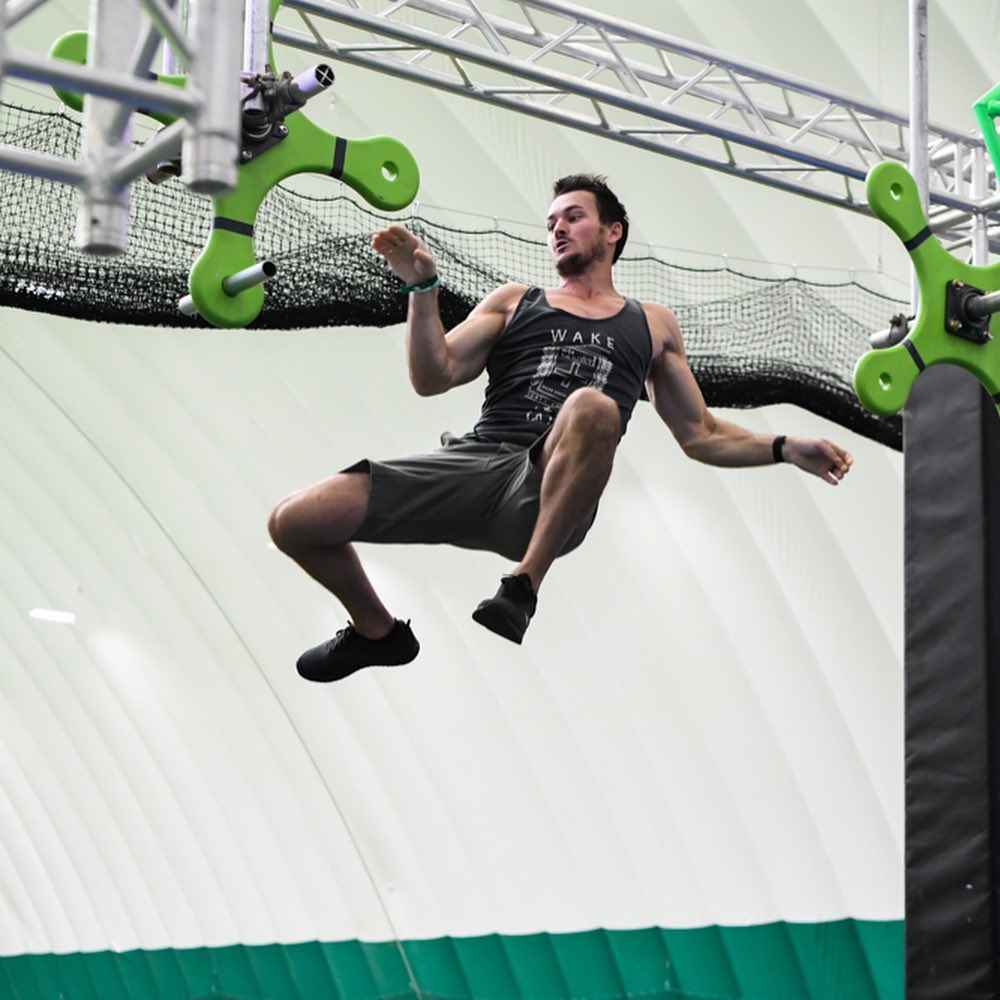
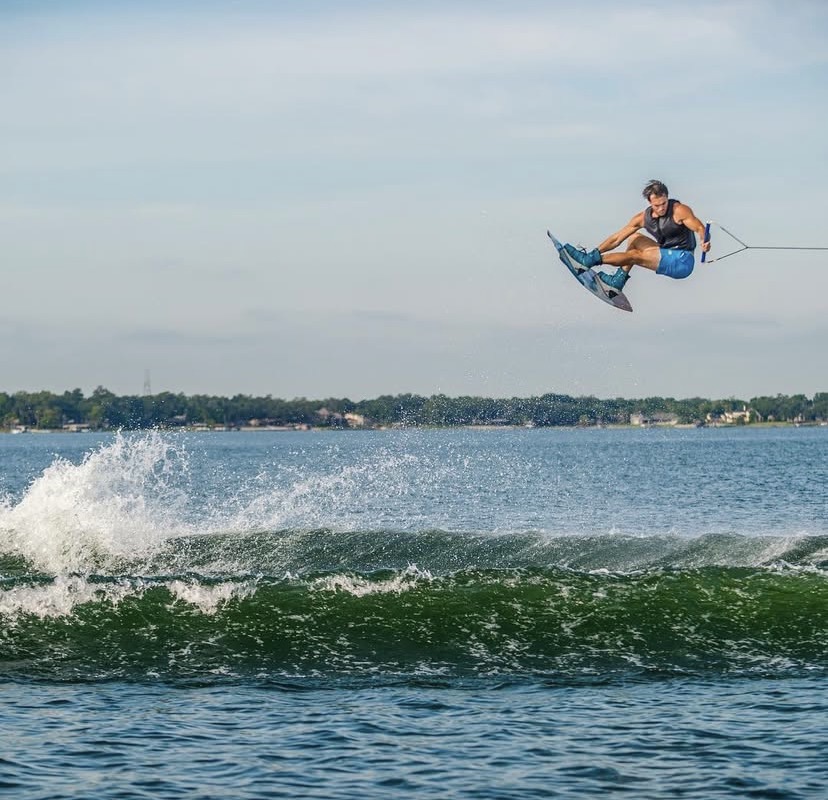
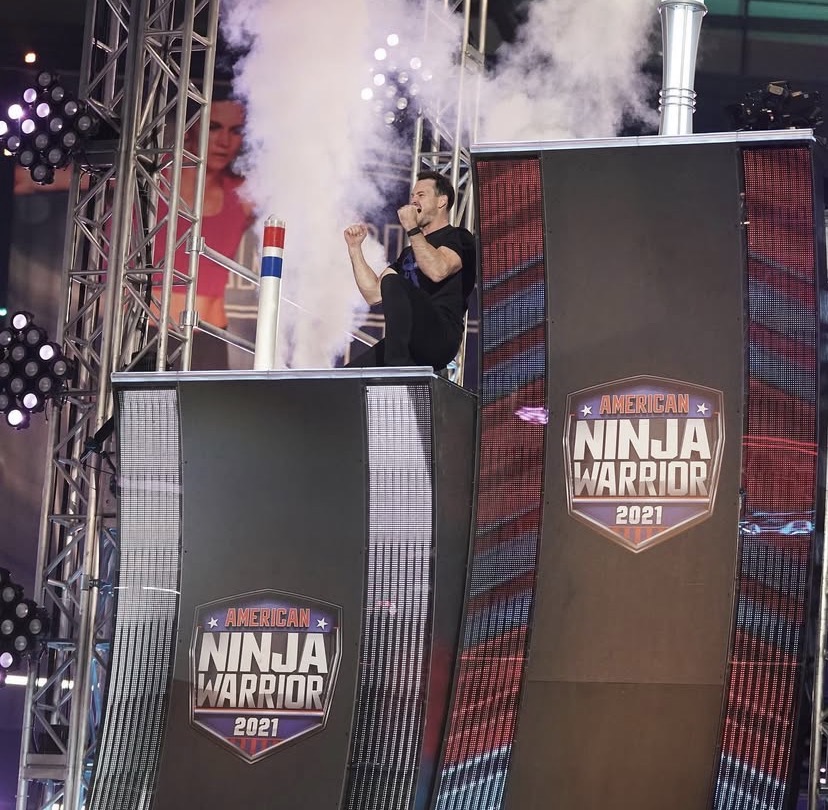
I’m Austin Hair, an American Ninja Warrior national finalist, world champion wakeboarder, and an investor focused on helping others achieve financial freedom through passive real estate investing.
One of the biggest risks I’ve ever taken didn’t look dramatic from the outside. Just a contract, a signature, and a deep sense that I was stepping into the unknown.
It was April of 2011. I was 23 years old, still wakeboarding professionally, and had just scraped together enough money for a down payment. The housing market had been collapsing for years. Between 2008 and 2011, real estate felt like a falling knife. Foreclosures were everywhere. Banks were nervous. People were terrified to buy.
I remember standing on the dock one day with a friend. He said, “Man, I wish I had enough money to buy a house right now.” That phrase stuck with me. I didn’t want to live in the “I wish” mentality. I wanted to figure out how.
So I started looking.
I found a four-bedroom lake house in Orlando with a pool, a hot tub, and a guest house listed for $185,000. It had been beaten up by the recession. It needed work. It was not turnkey. But it was on the water.
I had no high-income job. I was a wakeboarder chasing sponsorship checks. My income fluctuated wildly. Every responsible voice would have said, “Wait. Get stable first.”
But I saw something different. Instead of a house, I saw leverage.
I structured it so I would live in the master bedroom and rent out the other rooms individually. I was essentially signing up to become the landlord at 23 years old, with very little experience and not much margin for error.
The risk wasn’t just financial. If I failed, I’d be stuck with a mortgage I couldn’t cover. If tenants didn’t pay, it was on me. If the market kept falling, I could be underwater. I didn’t have wealthy parents backing me. There was no safety net.
I signed anyway.
The first few months were stressful. Repairs came up. Cash was tight. Managing roommates is not glamorous. But slowly, something shifted.
Instead of the house costing me money, it started paying me. After mortgage, taxes, insurance, and utilities, I was clearing around $1,200 per month to live there. I had a lake view, a pool, and my housing was effectively free.
That one decision changed my trajectory.
Over the next several years, that property appreciated dramatically as the market recovered. It became a launchpad. It gave me confidence. It gave me capital. It gave me a blueprint.
More importantly, it rewired how I think about risk.
I learned that not all risk is reckless. There’s a difference between blind risk and calculated risk. The world was panicking. I was buying at the bottom of the market. The headlines were negative, but the fundamentals were strong.
That house became the foundation for everything I’ve done since: short-term rentals, wedding venues, healthcare-backed commercial real estate, and structuring passive investment opportunities for others.
If I hadn’t taken that risk at 23, I probably would have stayed focused solely on athletics longer. I might have delayed investing. I might have waited for “certainty.”
And certainty never comes.
That moment taught me that risk, when paired with preparation and conviction, is often the doorway to opportunity. The biggest cost never is failure, it’s hesitation.
As always, we appreciate you sharing your insights and we’ve got a few more questions for you, but before we get to all of that can you take a minute to introduce yourself and give our readers some of your back background and context?
My path into real estate was not linear. I began my career as a professional wakeboarder, competing internationally for over a decade. That season of life taught me discipline, delayed gratification, and how to perform under pressure. During that time, I read Rich Dad Poor Dad, and it fundamentally changed how I thought about money. I realized that if I wanted long-term freedom, I needed to build assets and not just income.
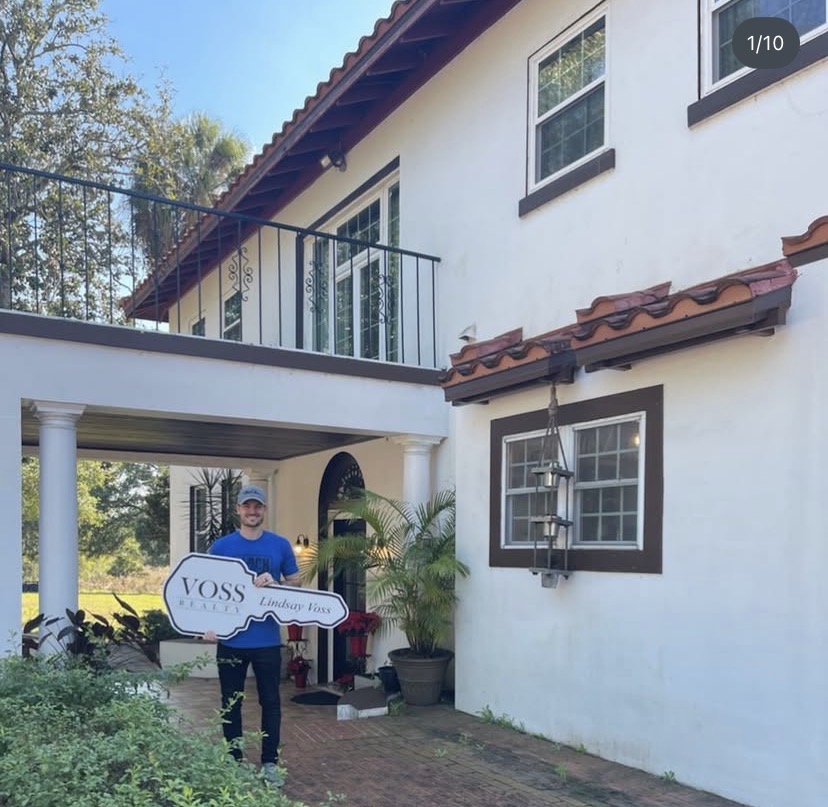
In 2011, at 23 years old, I bought my first lake house at the bottom of the market in Orlando. I house-hacked it, renting out the extra rooms to cover the mortgage and generate cash flow. That single decision shifted my trajectory. It showed me that real estate, when approached strategically, could create both income and equity at the same time.
From there, I continued investing while also opening and scaling fitness centers. Eventually, I sold the gyms and transitioned fully into real estate. What began with residential house-hacking evolved into short-term rentals, wedding venues, eventually healthcare-backed commercial real estate, and now also game-houses! Today, I specialize in identifying strategic locations and structuring investments that allow operators to scale while giving passive investors stable, risk-adjusted returns.
The core problem I solve is this: high-income professionals, especially healthcare entrepreneurs, often generate strong cash flow but lack time to actively manage real estate. They want exposure to real assets, tax efficiency, and long-term wealth building without taking on another full-time job. I structure investments that prioritize preservation of capital first and upside second. My focus is on locations, tenant strength, and risk management before chasing returns.
What sets me apart is a blend of athletic discipline and conservative underwriting. I am competitive by nature, but in investing I am cautious. I have experienced both wins and losses, and that has shaped my philosophy. I believe in calculated risk, not speculation. I prioritize downside protection, strong tenant credit—particularly in healthcare—and long-term value creation.
I am most proud of two things. First, the discipline to pivot when necessary. I left professional sports, sold businesses, and restructured my focus when it became clear there was a more scalable path forward. Second, I am proud that our investments are designed around alignment. I invest alongside my partners and clients. I do not promote deals I would not personally participate in.
Through my podcast, Helping Healthcare Scale, and through speaking engagements, I also work to educate entrepreneurs on capital allocation, location strategy, and the trade-offs between active and passive income. I believe clarity reduces risk. The more informed an investor is, the better their decisions will be.
If there is one thing I want potential investors and partners to understand about me, it is that I take stewardship seriously. Capital represents years of someone’s effort and sacrifice. My responsibility is to treat it with respect. My brand is built around disciplined execution, strategic location selection, and long-term thinking.
What else should we know about how you took your side hustle and scaled it up into what it is today?
My goal wasn’t to build an empire. I just didn’t want to pay rent.
That first property produced cash flow and, more importantly, confidence. I realized I could use assets to fund my lifestyle instead of relying solely on performance income. While I was still competing and later running fitness centers, I continued acquiring properties. At the time, it was simply a parallel income stream.
The real turning point came after I sold my gyms in late 2019. I looked at my income sources and realized my highest dollar-per-hour returns were coming from real estate. That clarity shifted my focus from operator income to asset income. I began acquiring short-term rentals, then wedding venues, and eventually transitioned into healthcare-backed commercial real estate.
Key milestones were buying at the bottom of the 2011 market, selling the gyms before COVID, partnering on commercial site selection projects, and moving from active investing into structuring opportunities for passive investors. What began as a way to offset rent became the foundation of my career.
Can you talk to us about how you funded your business?
When I started, there was no outside capital, no investor pool, and no institutional backing. The initial capital came from discipline, creativity, and a willingness to live lean.
At 23, I was still earning inconsistent income through sponsorships and competitions. Instead of upgrading my lifestyle when checks came in, I saved aggressively. I lived with roommates, kept expenses low, and treated every surplus dollar as future investment capital. That discipline allowed me to accumulate enough for a down payment on my first property in 2011.
That first deal was a lake house in Orlando. I didn’t buy it as a luxury purchase—I structured it to produce income immediately. I rented out the extra rooms individually to cover the mortgage and utilities. That house effectively funded itself and created positive monthly cash flow. Instead of spending that surplus, I reinvested it.
When I later expanded into fitness centers, I used a mix of personal savings and partnership capital. We structured the deals conservatively and reinvested profits back into growth. I did not take large distributions early; I recycled cash flow into building stronger foundations.
As I transitioned into larger real estate projects—short-term rentals, luxury Orlando-area vacation properties, and eventually commercial healthcare-backed real estate—I continued using a combination of retained earnings, strategic partnerships, and structured debt. I never relied on speculative capital. I focused on assets that could support their own debt and protect downside risk.
The throughline was simple: start with discipline, create cash-flowing assets, reinvest consistently, and only scale when the foundation is strong.
There was no dramatic capital raise at the beginning. It was methodical. Save. Buy right. Operate well. Reinvest. Repeat.
Contact Info:
- Website: https://orlandoarealuxuryrentals.com
- Instagram: https://www.instagram.com/austinhair/
- Facebook: https://www.facebook.com/AustinMHair
- Linkedin: https://www.linkedin.com/in/austin-hair/