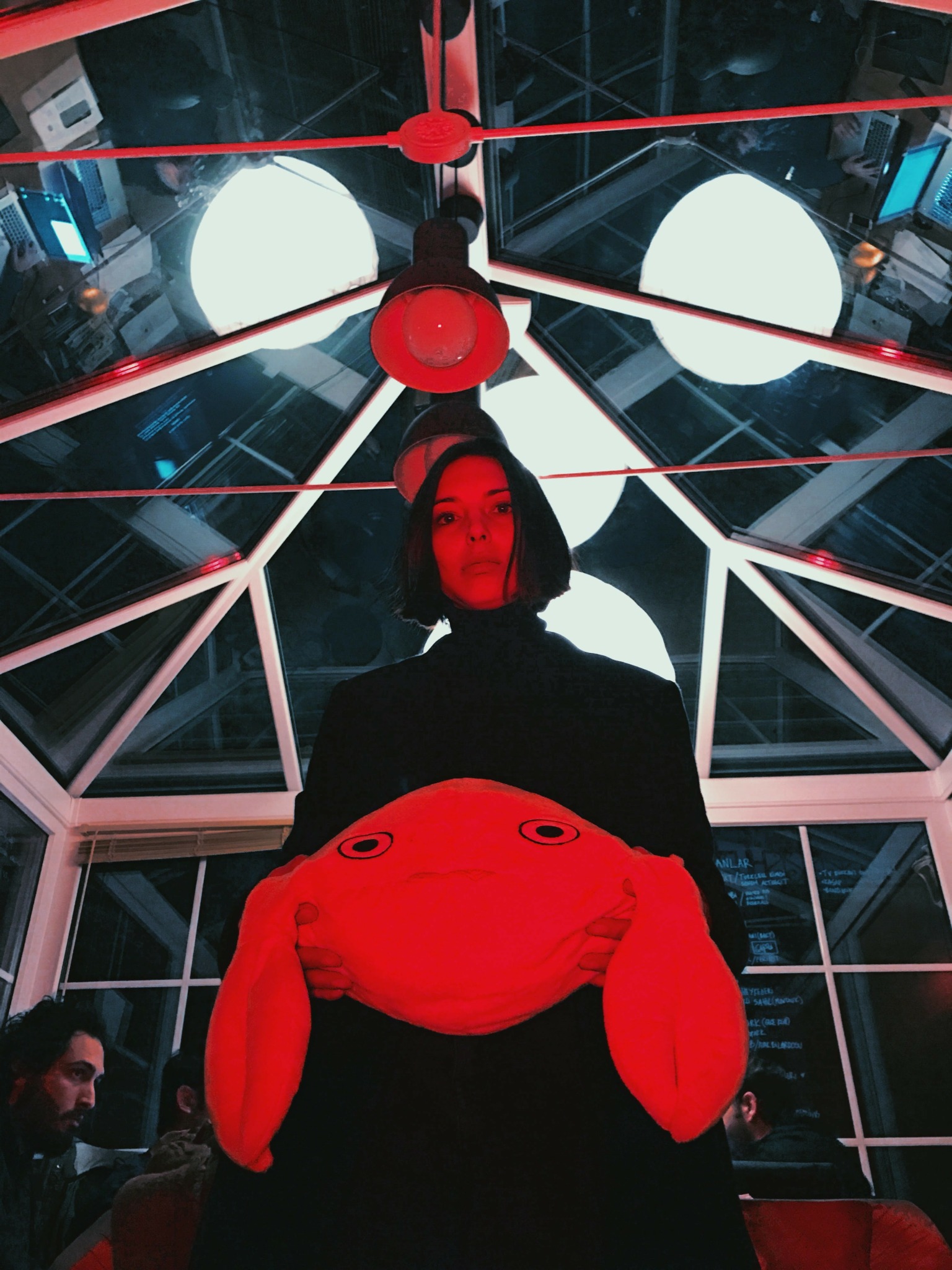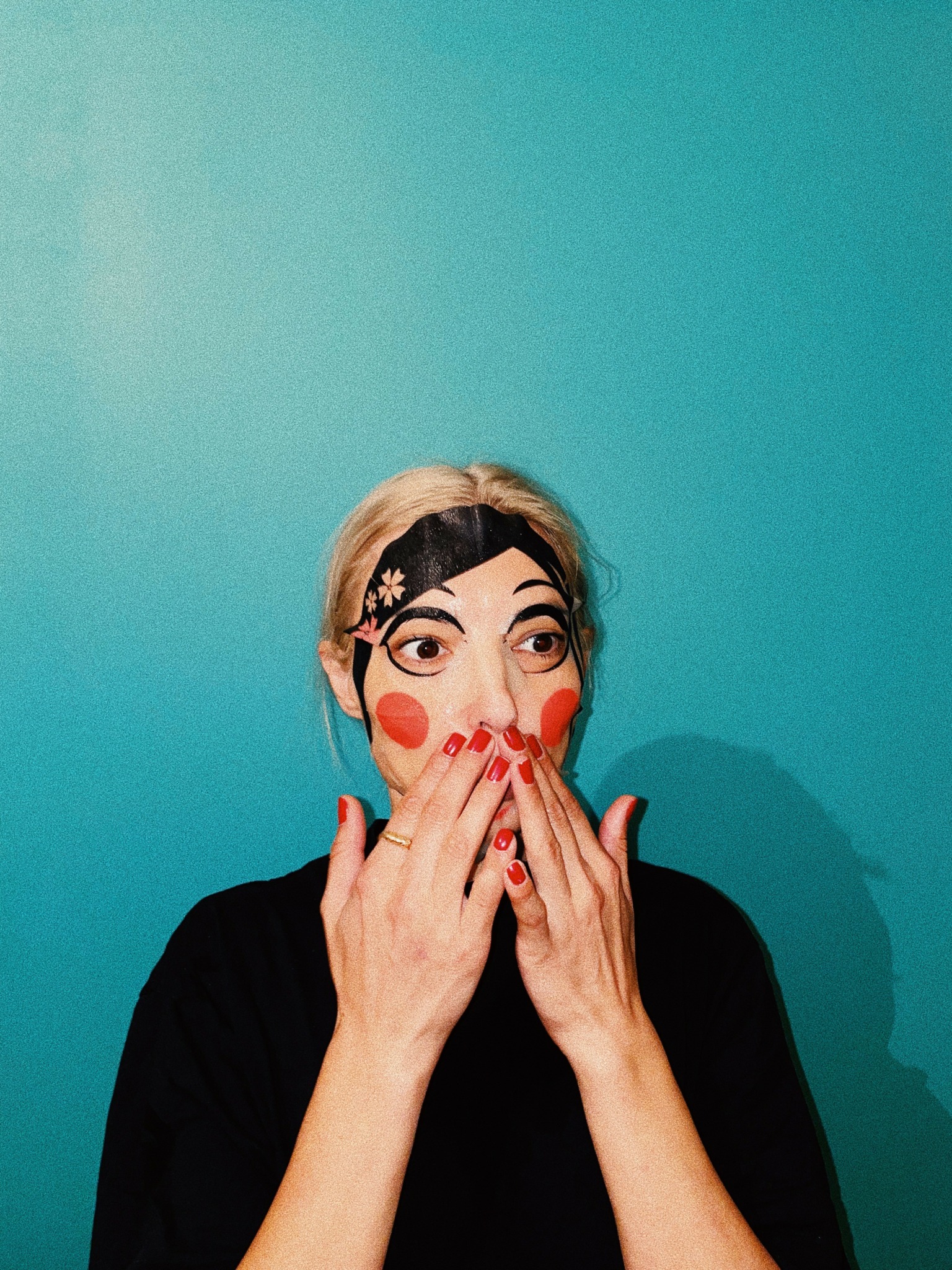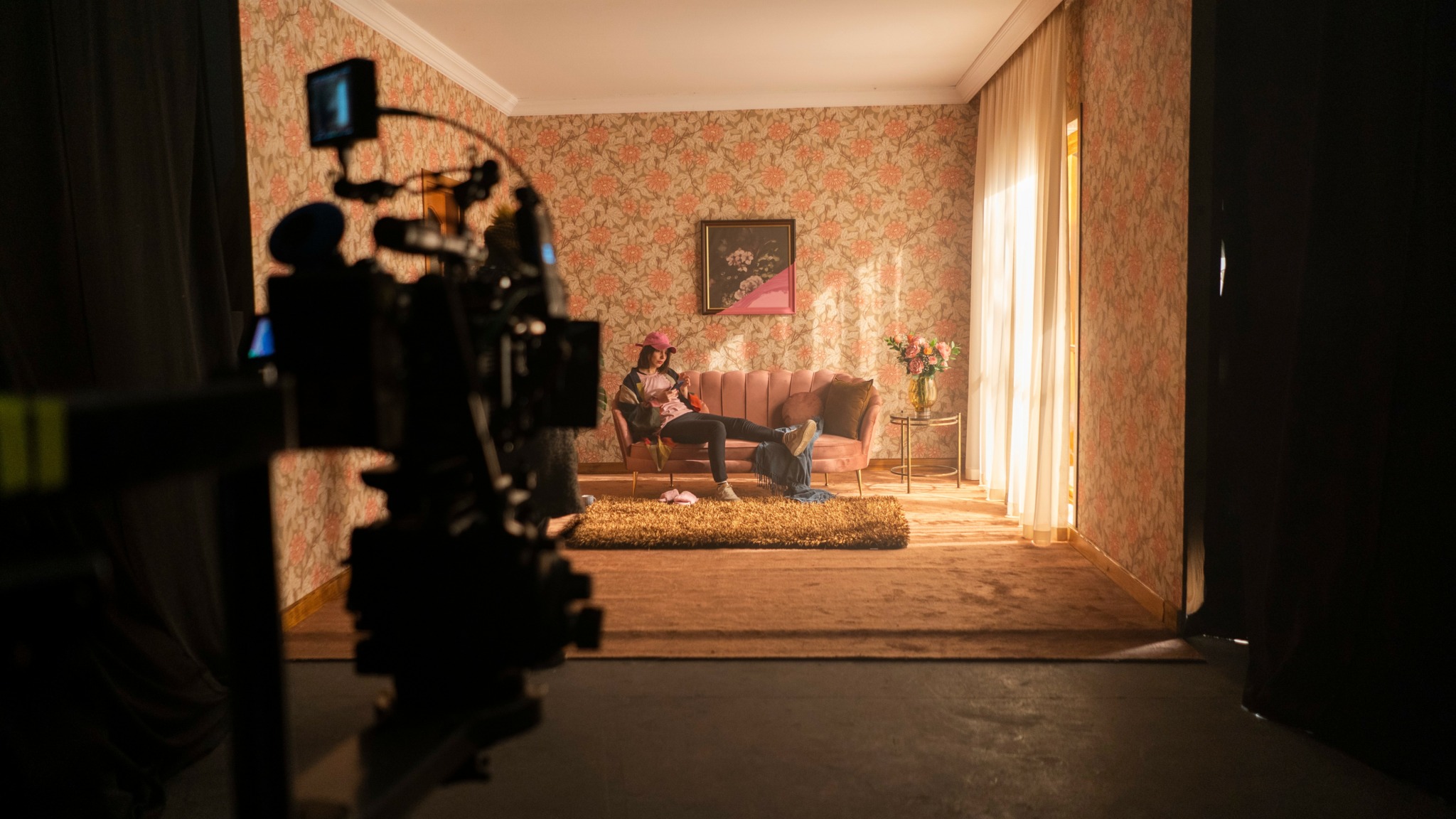

We recently connected with Aslı Çelikel and have shared our conversation below.
Aslı, thanks for taking the time to share your stories with us today Can you talk to us about how you learned to do what you do?
I learned what I do by following a simple instinct. When something moves me, I want to translate it into an image before it disappears. Long before I could explain myself clearly with words, I was already thinking visually. As a child, I sometimes struggled with written text, so I started drawing what I couldn’t hold in language. That’s how my “visual alphabet” began: pictures, shapes, symbols, and quiet meanings hidden inside ordinary things.
Formal education came after that. University gave me the technical foundation: how to read light, control a frame, and build a visual structure. It also placed me near mentors whose experience I could absorb. But my real education happened through repetition. I shot, failed, re-shot, and slowly learned what feels true to me.
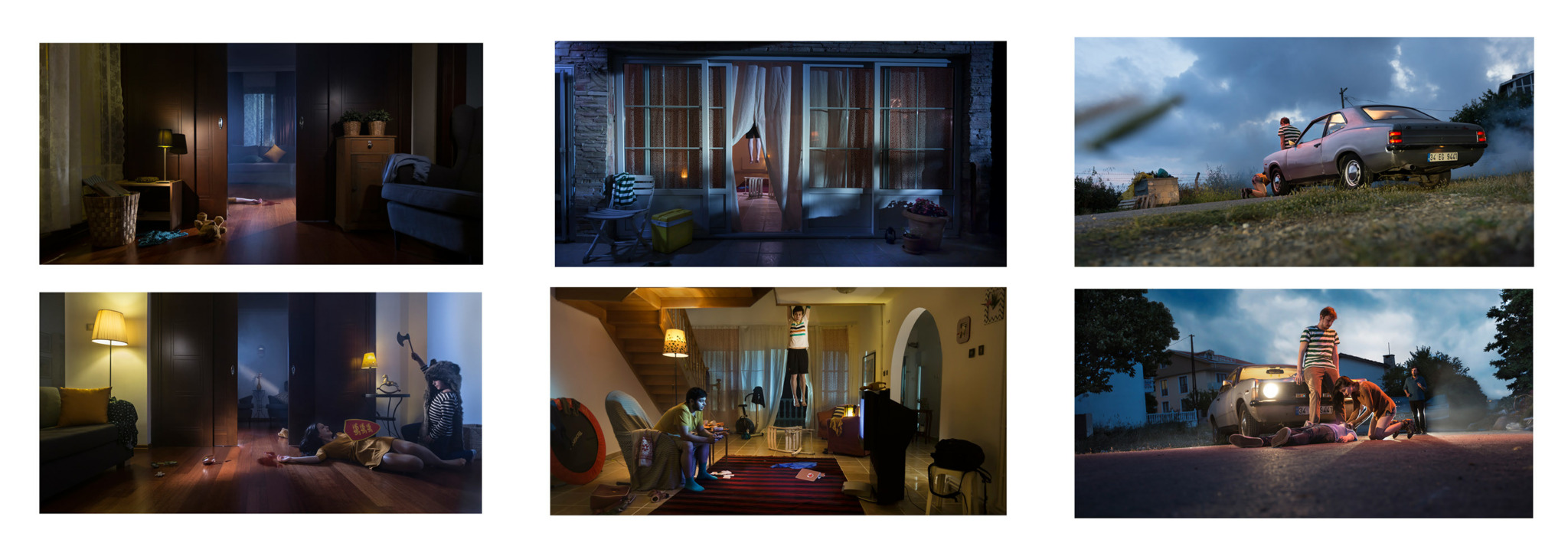
Over time I realized I don’t start from big statements. I start from small, everyday details and let them carry weight. I’m the kind of person who gets genuinely excited when I notice a strange color contrast in the street. An orange inside a blue plastic bag, a single glove left behind, a lipstick stain on a forgotten napkin. Most people pass these things without seeing them, but to me they are already fragments of a story. That attention shaped projects like Pür, where simplicity and slowness become a kind of cleansing. It is a way to step away from synthetic noise and return to something quiet and human. In Unexpected, I learned through listening, entering people’s spaces, and realizing how much psychology lives inside a room.
Knowing what I know now, I could have sped up my learning by seeking sharper feedback earlier and more consistently. I would have shown unfinished work more often, asked harder questions, and built a rhythm of deadlines. Speed isn’t about rushing. It’s about continuity. I also would have separated practice from production and repeated single skills intentionally until they became muscle memory.
The most essential skills have been attention, patience, and empathy. Attention to the almost invisible. Patience to let an image arrive instead of forcing it. Empathy to see people and myself without performing judgment. The biggest obstacles were practical, like time, resources, and pressure, but also psychological, like perfectionism, self-doubt, and the noise of expectations.
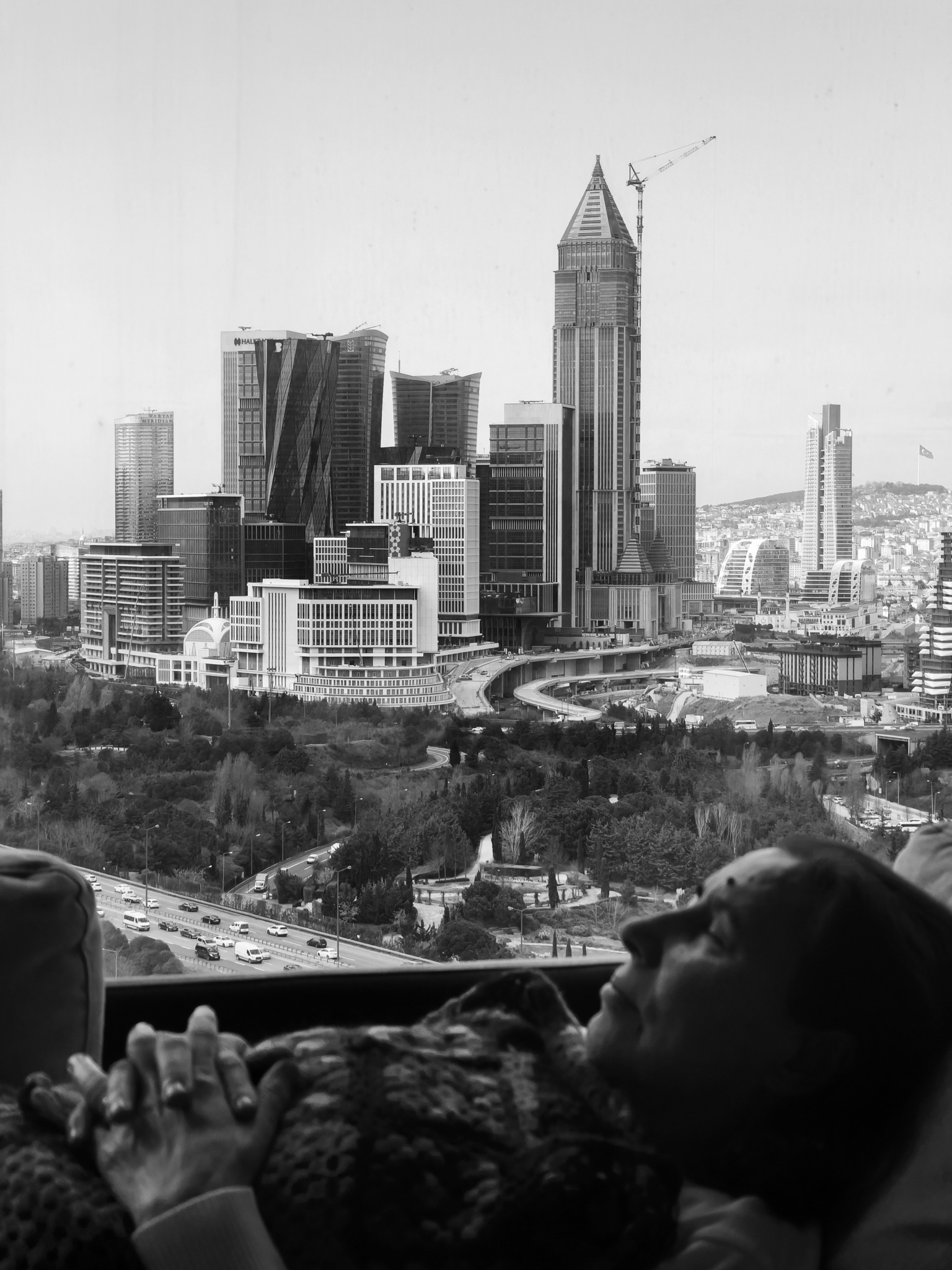
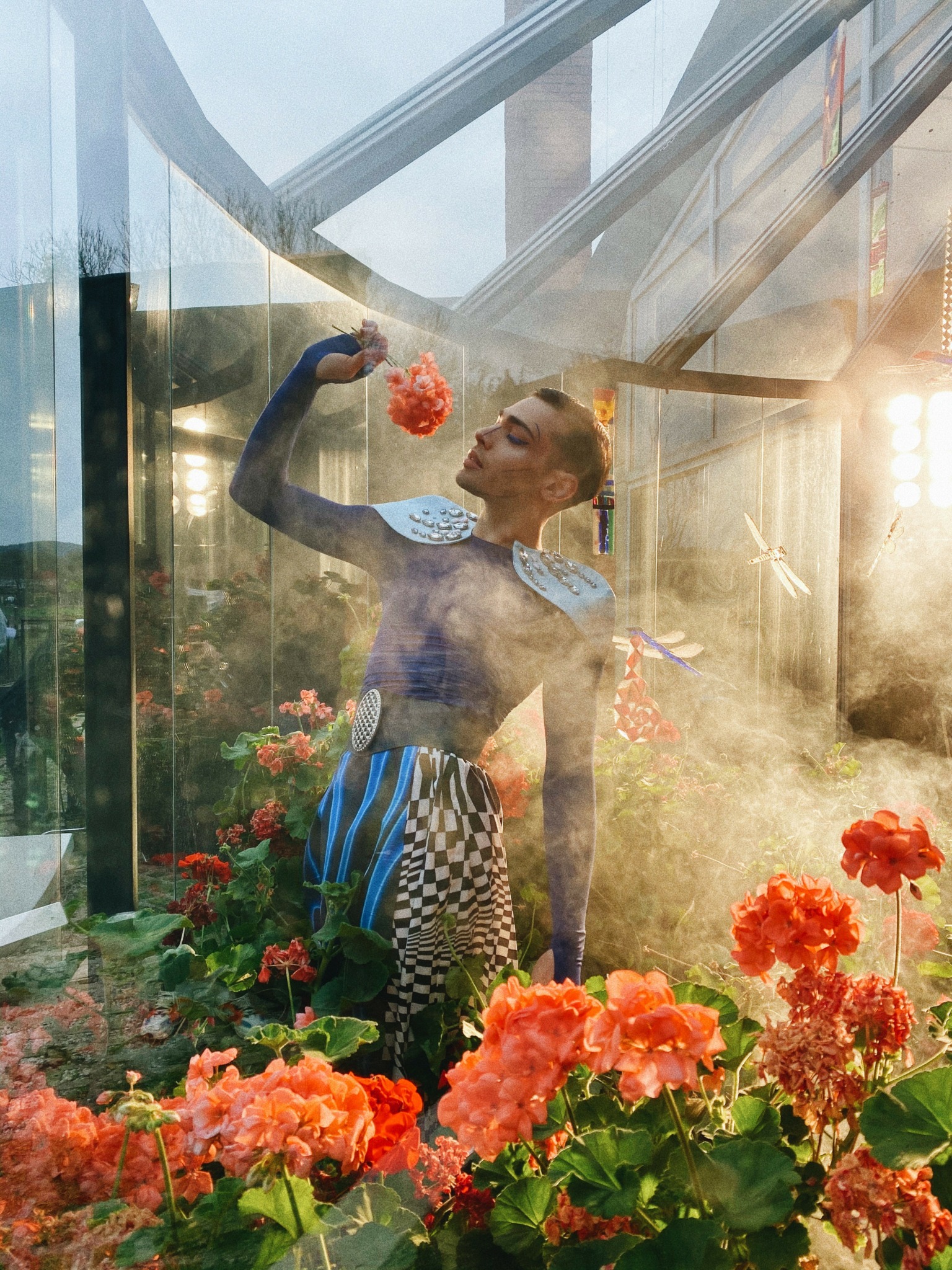
Awesome – so before we get into the rest of our questions, can you briefly introduce yourself to our readers.
I’m a visual artist, photographer, and film director based in Istanbul. My practice sits between fine art and commissioned work, so I approach every image, still or moving, as a small world with its own psychology, rhythm, and atmosphere.
I first entered this discipline through photography, but the root goes further back. I’ve always used images as a way to think. Even before I could articulate myself confidently, I was building a personal visual language, my own “alphabet,” out of forms, colors, and details people tend to overlook. Photography felt like the most honest extension of that impulse.
Over time, still images naturally expanded into moving image, because some emotions don’t fit inside one frame. They need duration, sound, breath, and pacing. I work across conceptual series, portraits, editorial and campaign imagery, and I also direct films, including commercial films, art films, and documentary-leaning pieces. When invited, I also do creative direction and shape a project’s visual language from references and styling logic to location mood and shot language.
Most clients don’t just need a beautiful image. They need clarity. What do we want people to feel, what do we want them to remember, and what should remain unsaid but understood? That’s where I’m most useful. I translate a brand, a person, or an idea into a visual narrative that feels authentic and emotionally precise, and I build it in a way that survives real production conditions.
What sets me apart is that my work usually begins with the ordinary. Familiar spaces, small gestures, overlooked objects. Then it slowly reveals what’s underneath. I’m drawn to restraint and simplicity, not as a trend, but because slowness makes room for truth.
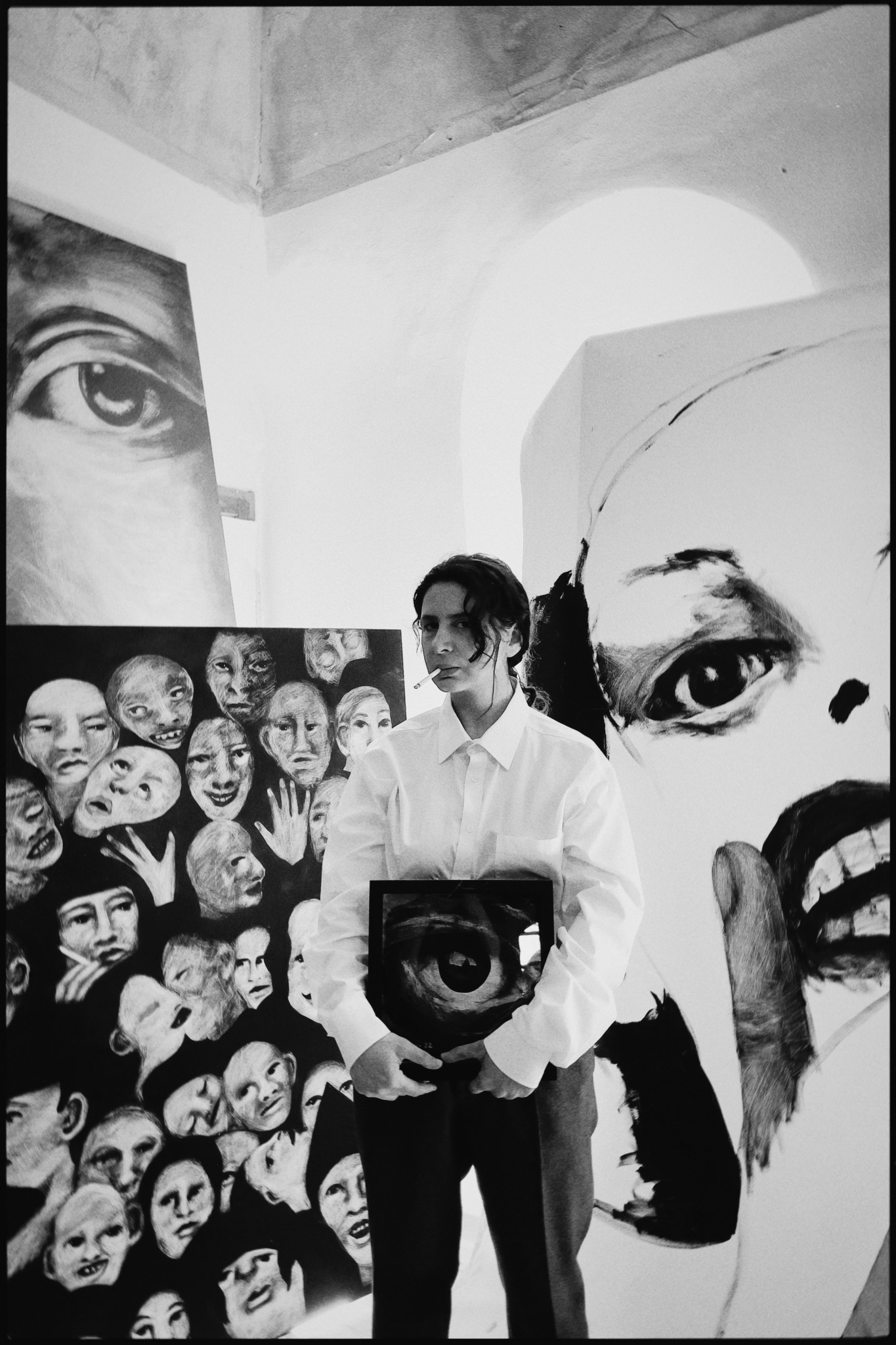
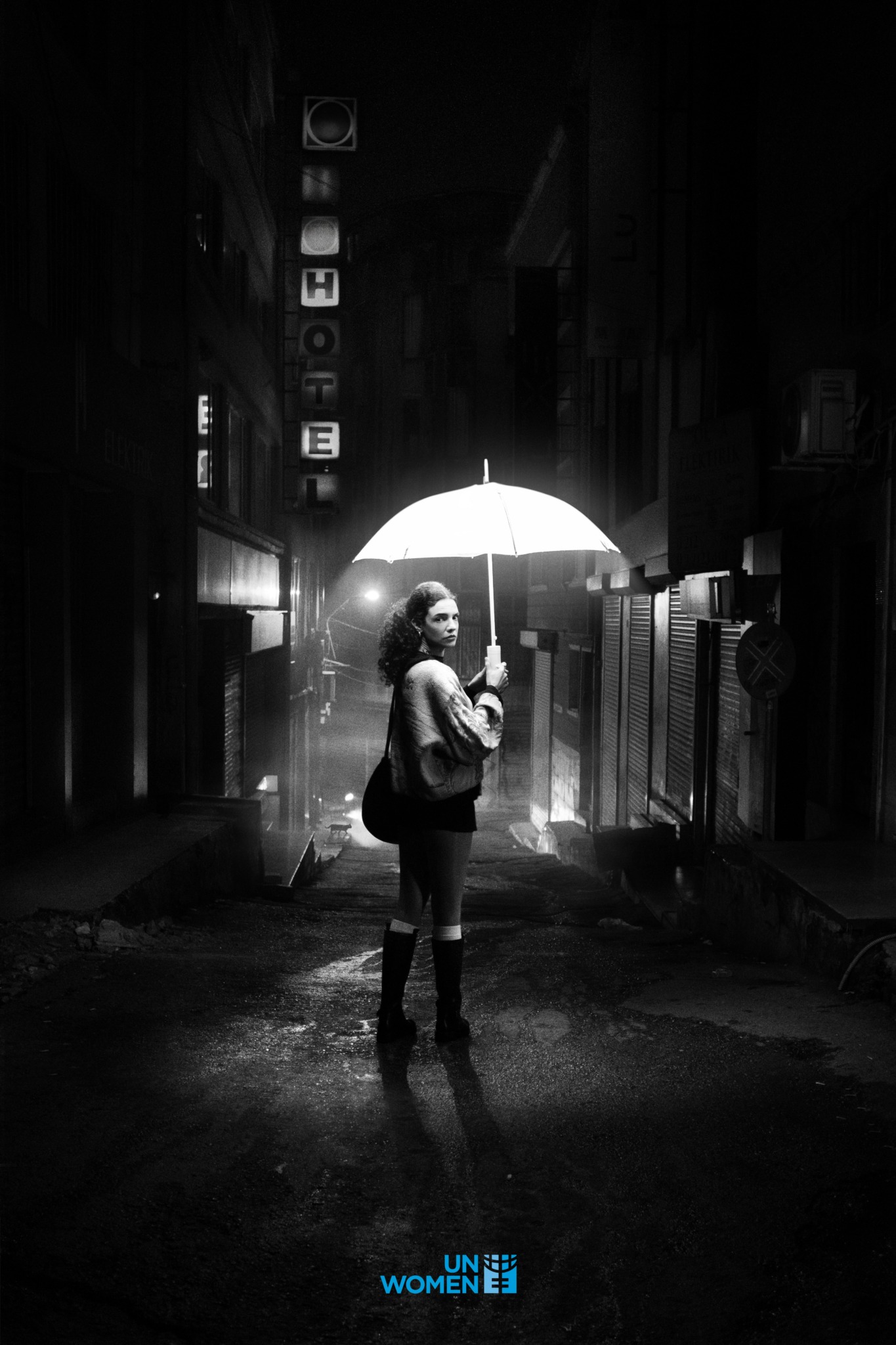
For you, what’s the most rewarding aspect of being a creative?
For me, the most rewarding part of being an artist is that it feels less like a choice and more like a necessity. Almost like emotional survival. There’s a pressure that builds inside you when you’re carrying something you can’t explain in a clean sentence, and the only honest way out is to turn it into an image.
There’s also the pure electricity of it. The moment a scene starts forming in your head, sometimes while you’re doing something completely ordinary, and suddenly the world becomes a studio. You can be walking down the street, waiting in line, or standing in a crowded metro, and a tiny detail flips into a whole story. That ability to stay mentally awake and to keep seeing is a kind of power.
But what truly stays with me is what happens after the work exists. When someone tells you they felt seen, or when something you made makes them feel less alone. Art becomes an intimate bridge between strangers, and that feeling is the deepest reward.
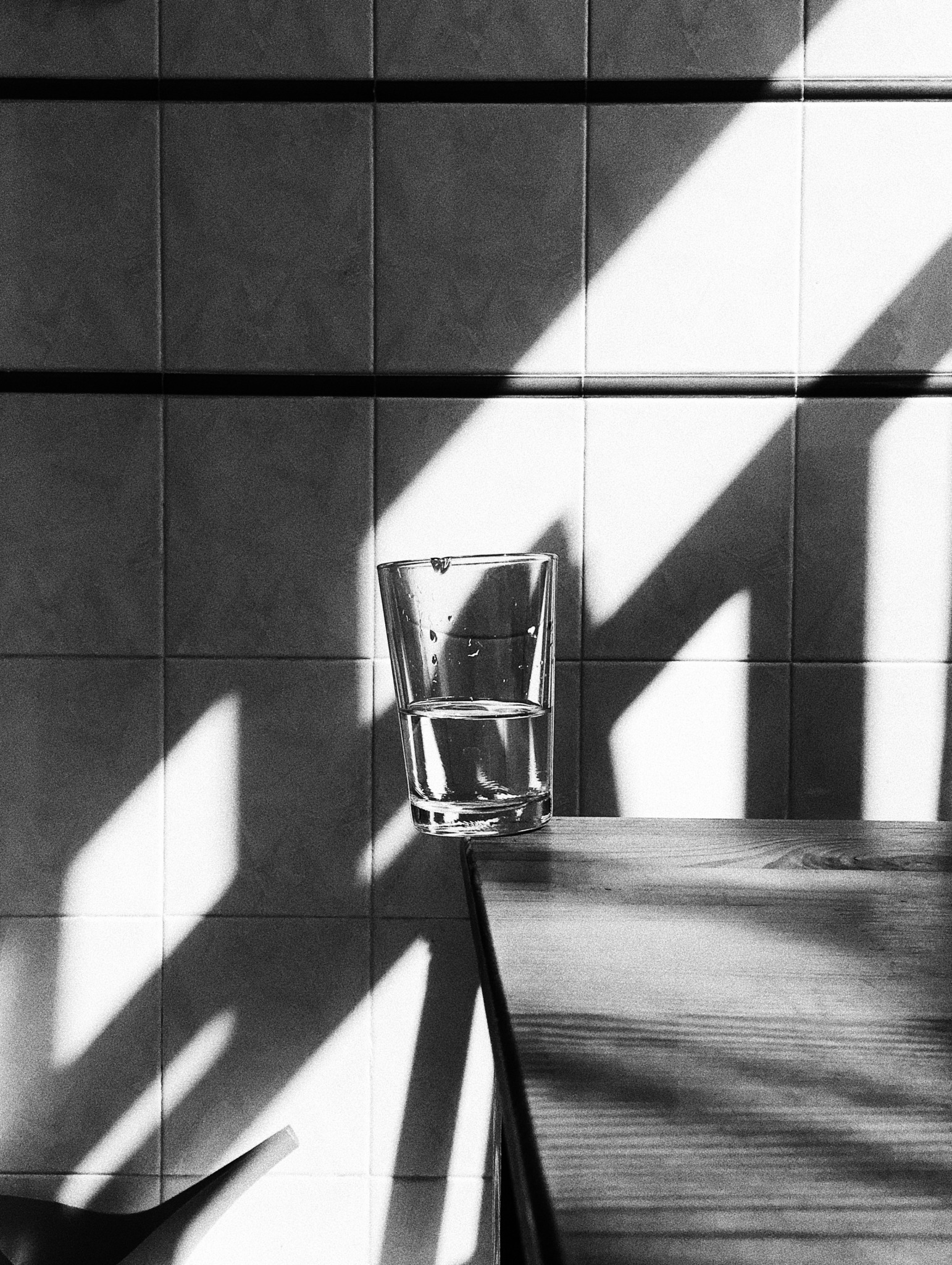
Is there something you think non-creatives will struggle to understand about your journey as a creative? Maybe you can provide some insight – you never know who might benefit from the enlightenment.
One of the hardest things for non-creatives to understand is that what we do can look simple from the outside, but it is rarely just a job on the inside. If you don’t speak the language of composition, rhythm, symbolism, and emotional intention, you might only see the surface.
On set, I might insist on a very specific placement or detail, and to someone untrained it can feel unnecessary. They might ask why it matters if the subject is two steps to the left. But these small decisions hold the emotion together. A minor shift in composition can change the entire psychology of an image.
Beyond technique, the work is often built from lived experience. Even when it looks minimal or quiet, it can be the result of years of observing, remembering, and carrying certain feelings, then translating them into a form other people can enter. That’s why it can be frustrating when it is treated like something interchangeable. What you’re seeing is a singular response to life, not just a service.
Contact Info:
- Website: https://www.aslicelikel.com
- Instagram: https://www.instagram.com/aslicelikel/
- Linkedin: https://www.linkedin.com/in/asli-çelikel-k-48551475
- Other: https://www.hokus.com/en/directors/celikel-asli/