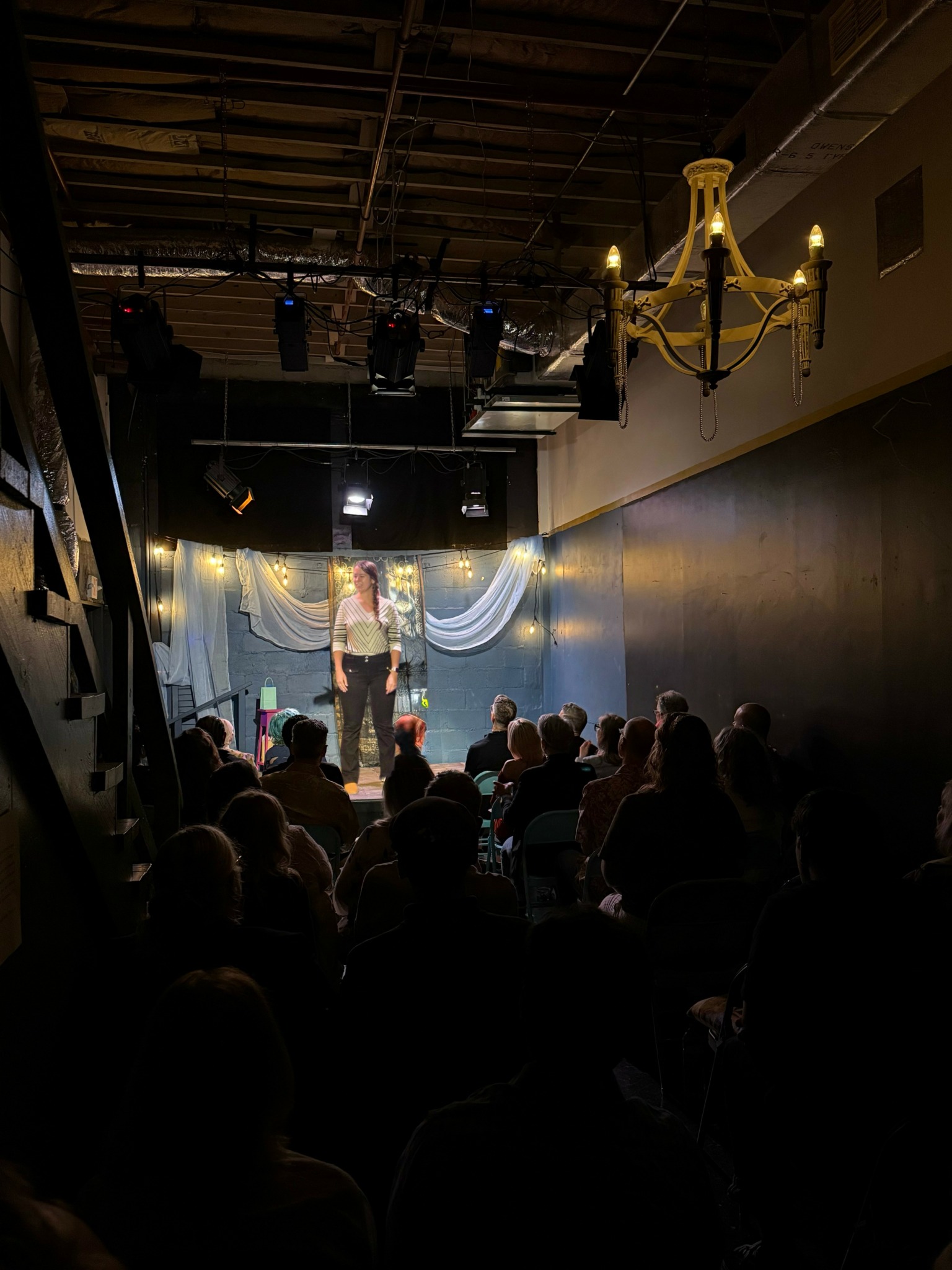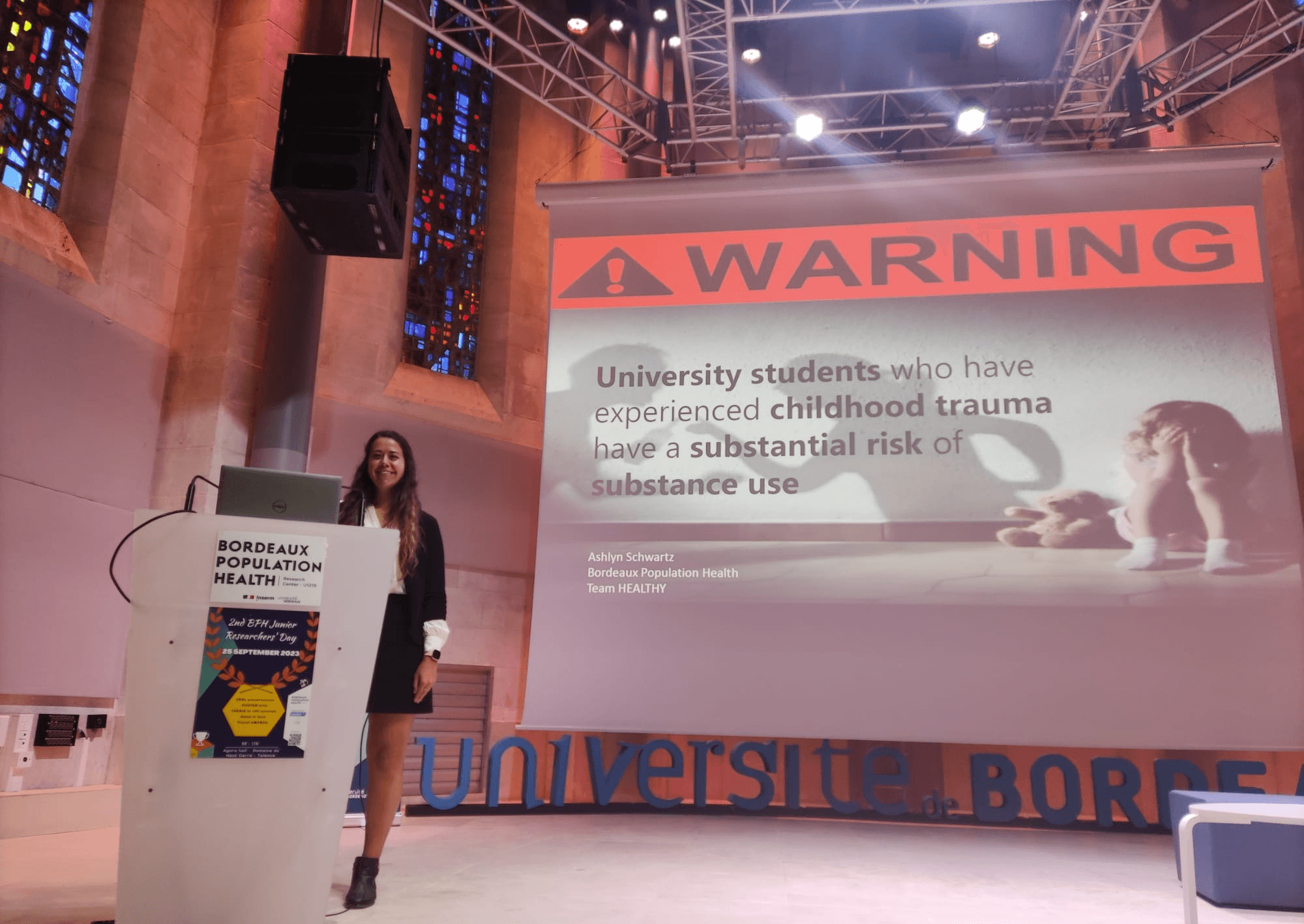

We’re excited to introduce you to the always interesting and insightful Ashlyn Schwartz, PhD. We hope you’ll enjoy our conversation with Ashlyn below.
Ashlyn , looking forward to hearing all of your stories today. Was there a defining moment in your professional career? A moment that changed the trajectory of your career?
In 2016, I lost my brother, who was also my best friend, to an unexpected opioid overdose. That moment changed the trajectory of my life.
It left me with two questions: why did this happen, and how can I make it stop?
Up until then, my background was in kinesiology and exercise physiology. After his death, I shifted my focus entirely to studying mental health, substance use, and trauma. That path led me into nearly a decade of work across research, community prevention, and public health, from supporting pregnant women and neonatal outcomes, to youth development programs, to community-based initiatives like drug take-back events and expungement efforts.
That pursuit also led me internationally, including a Fulbright fellowship in France and later work in Ireland as an Assistant Professor of Addictions. More than anything, it gave my work a deeper sense of purpose. It was no longer just about health. It was about understanding, prevention, and creating meaningful change.
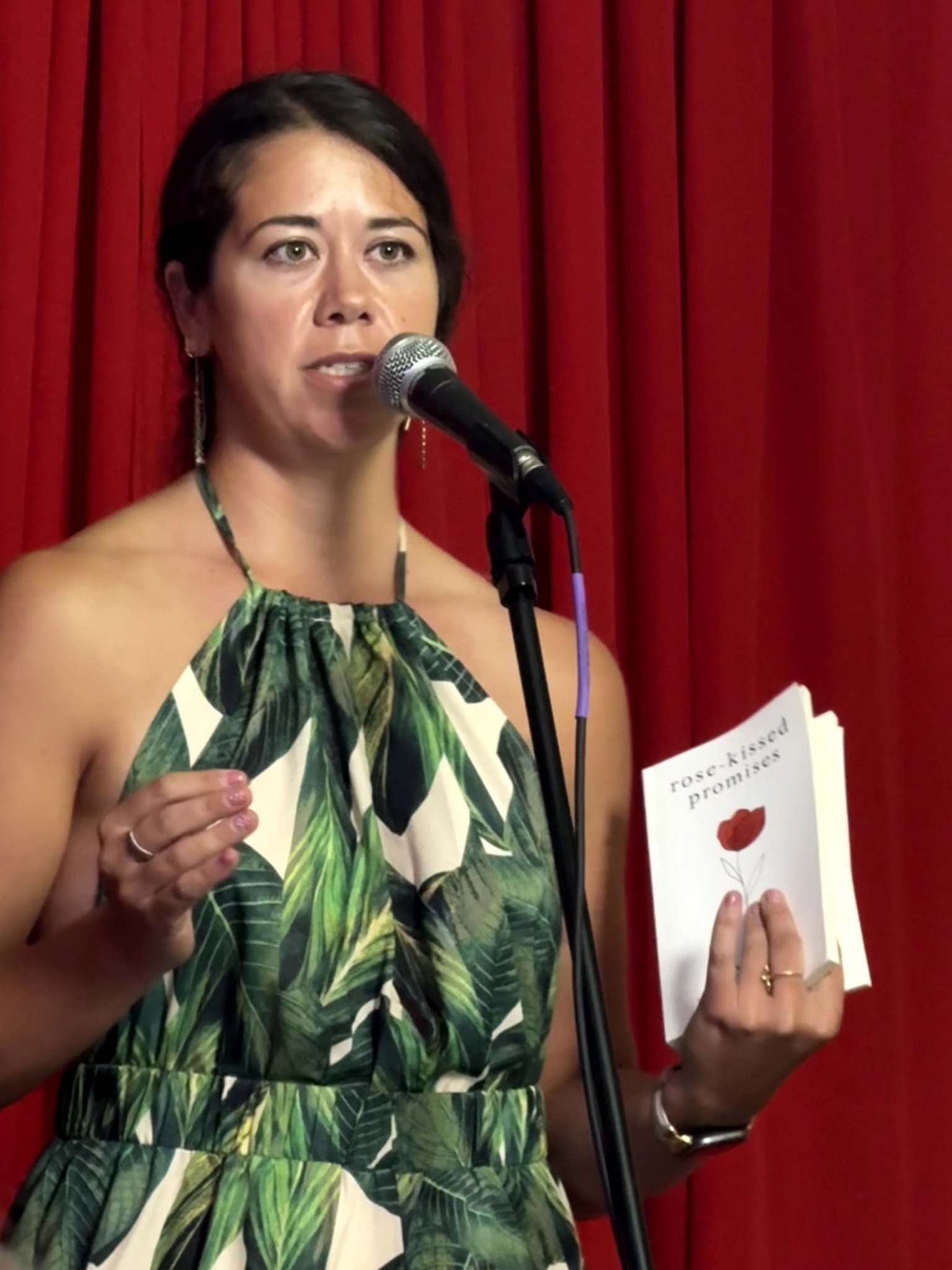
Ashlyn , love having you share your insights with us. Before we ask you more questions, maybe you can take a moment to introduce yourself to our readers who might have missed our earlier conversations?
I’m a public health scientist and speaker helping individuals and organizations change their relationship with stress through neuroscience-backed and embodied practices.
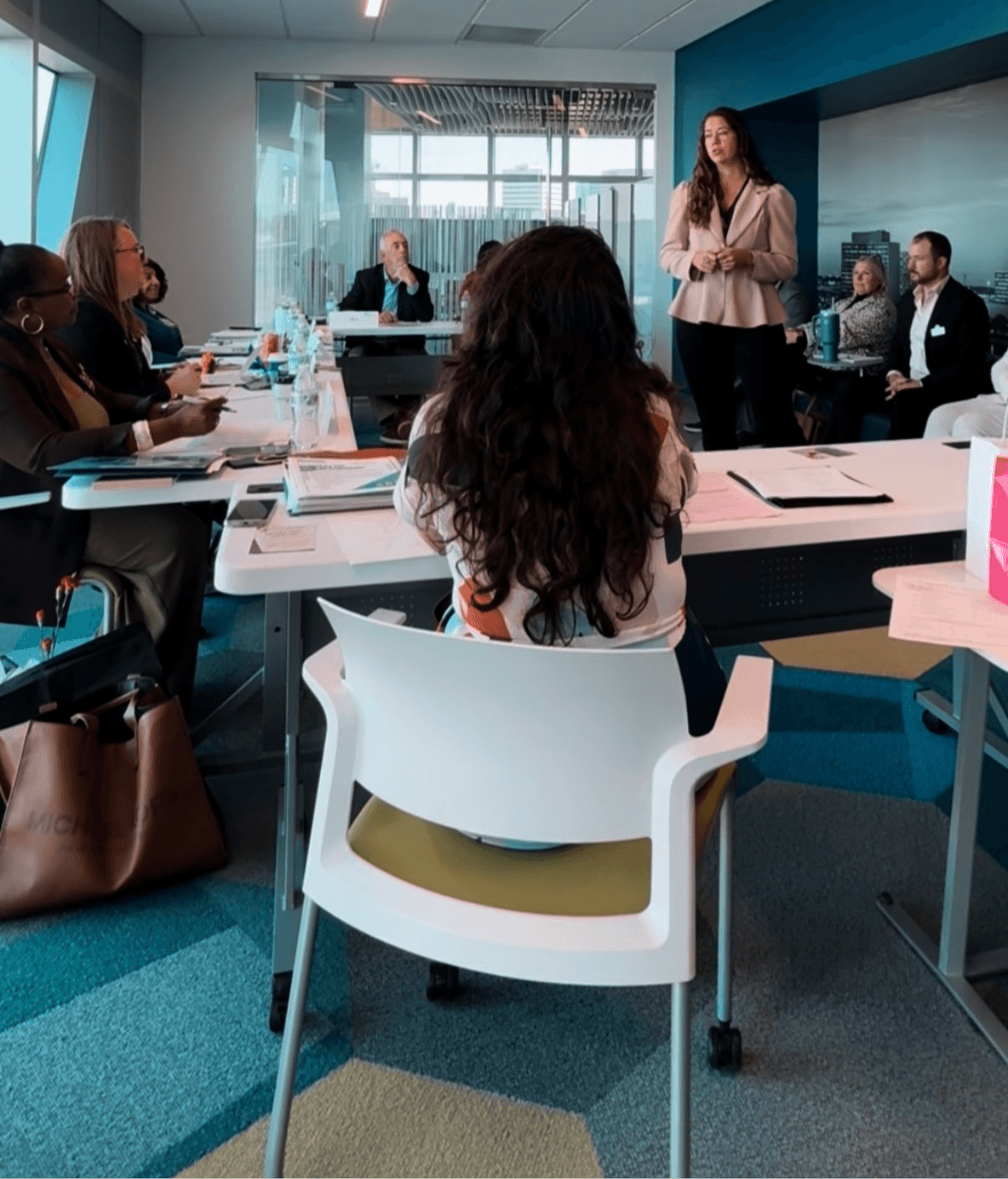
At the core of my work is bridging Western science with Eastern wisdom, translating research on the brain and nervous system into simple, practical tools people can use in their daily lives. I teach how stress impacts our thinking, behavior, and decision-making, and more importantly, how to regulate those systems so we can move from reactivity to strategy. Through my speaking engagements and workshops, I guide people through evidence-based and experiential practices, including breathwork and mindfulness, so they can feel the shift in real time.
I developed a framework called Regulate, Reflect, Reconnect™, which provides simple tools to slow down, build awareness, and take more aligned action.
What sets my work apart is that it’s both evidence-based and experiential. People don’t just learn about stress, they experience how to shift it. I also integrate storytelling and poetry into my work, creating experiences that are both intellectually grounded and emotionally impactful.
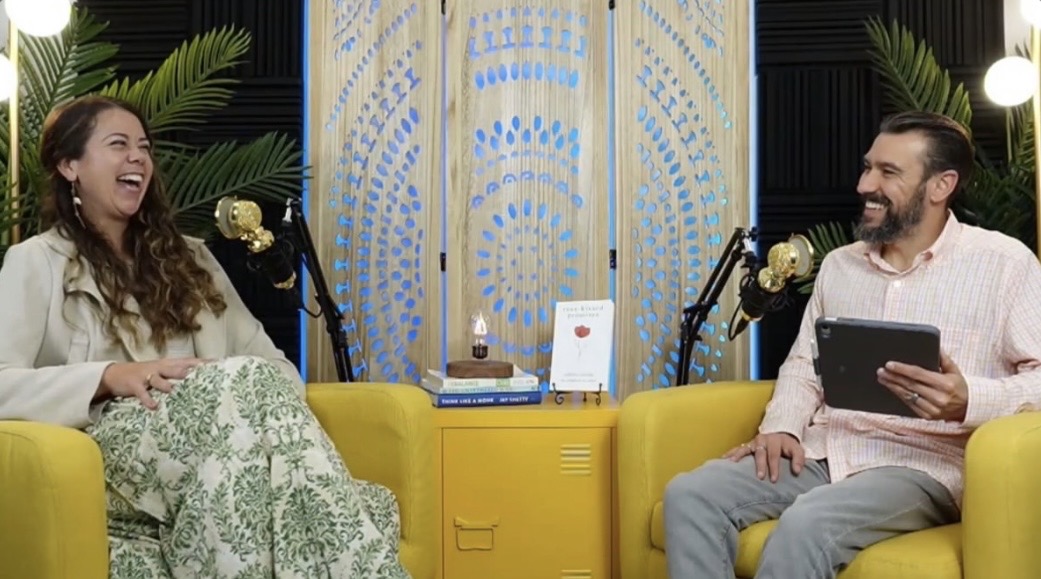
We often hear about learning lessons – but just as important is unlearning lessons. Have you ever had to unlearn a lesson?
One of the biggest lessons I had to unlearn was that my worth was tied to my productivity and achievements. For years, I lived in a constant state of pressure, always doing more, pushing more, and tying my value to what I accomplished. On the surface, it worked. I built a strong career and reached many of my goals. But my body told a different story.
During that time, I experienced recurring injuries, two knee surgeries, multiple concussions, chronic migraines, and ongoing infections that kept me on antibiotics for months at a time. I didn’t realize how much stress I was carrying, because that level of pressure had become normal. Everything changed when I moved to France. For the first time in years, my health issues disappeared. I didn’t have a single migraine for three years. That experience helped me connect the dots.
I realized that stress itself wasn’t the problem, it was my relationship to it.
Unlearning that meant redefining success, learning how to listen to my body, and recognizing that my value isn’t something I earn through output. That shift now shapes the work I do, helping others change their relationship with stress so they can live and lead more intentionally.
How about pivoting – can you share the story of a time you’ve had to pivot?
I reached a point in my career where everything looked right on paper, but didn’t feel right in practice. I was working as an Assistant Professor at Trinity College Dublin in Public Health, Addictions, and Health Equity. I coordinated a master’s program in Addiction Recovery and worked within a Neurobehavioral Addiction Research group. It was a highly respected position, and in many ways, the role I had spent over a decade working toward. On paper, it exceeded what I had once imagined for myself. But internally, I felt a growing disconnect.
When I slowed down enough to really listen, I realized that stress had been quietly guiding many of my decisions. While my work began from a meaningful place, I could see that I wasn’t fully making choices that aligned with who I was. Much of my role centered on research and publication. While that work matters, I didn’t feel like I was creating the level of impact I wanted. I wanted to be working directly with people, not just studying the problems. At the same time, I could feel that my strengths, my energy, and the way I naturally connect with others weren’t being fully utilized.
Leaving wasn’t just a career decision. It meant walking away from stability, from a role that offered security, and from a life I had just begun building abroad.
I had never been an entrepreneur, and I didn’t have a clear plan for what came next. But I knew I couldn’t continue on a path that felt misaligned. That decision led me to create The Collective Om, where I now help people learn the tools I wish I had earlier, so they can reduce stress, think more clearly, and make more aligned decisions without losing years to burnout or misalignment. That shift didn’t just change my career. It changed how I live, lead, and make decisions. And it’s the foundation of the work I now bring to organizations.
Contact Info:
- Website: https://www.thecollectiveom.com
- Instagram: https://www.instagram.com/thecollectiveom/
- Facebook: https://www.facebook.com/collectiveom/
- Linkedin: https://linkedin.com/in/ashlyn-schwartz-public-health
- Youtube: https://www.youtube.com/@TheCollectiveOm