
Alright – so today we’ve got the honor of introducing you to Aryan Garg. We think you’ll enjoy our conversation, we’ve shared it below.
Aryan, looking forward to hearing all of your stories today. If you had a defining moment that you feel really changed the trajectory of your career, we’d love to hear the story and details.
For sure! I still remember stepping into a memory care unit for the first time last April. A staff member was giving me a tour and somehow, entering this area – their home – felt confidential. Even to open the large bolted doors, the staff member had to enter a passcode code and their fingerprint. It felt odd from the start.
We entered, and she had gone off to clean a patient’s bed. Meanwhile, I entered the common area and looked around. Each dementia patient sat in their own corner of solitude, despite staff members trying to entertain them. Suddenly, a patient came up to me in vivid tears. She cried, “I can’t find my kids. I left them at the bus stop”. I knew I wasn’t equipped to deal with this situation, and frankly, I was a little shaken. I had only heard about sundowning, which is a form of hallucination in dementia, but I had never encountered it. Looking around, I noticed how severely lonely everyone seemed, and this moment was one of my inspirations to start Dance for Dementia. I knew there was a way I could help these patients on my own, and dance was the answer to my calling.
Awesome – so before we get into the rest of our questions, can you briefly introduce yourself to our readers.
Many of us already know how destructive a disease like Alzheimer’s can be, with symptoms of memory loss, disorientation, and mood swings. However, it becomes much more difficult when patients with dementia – our most vulnerable – are placed in nursing homes, where they must be confined by bolted doors on every end. With a lack of engaging activities and motivated volunteers to keep them stimulated, a patient’s environment becomes more isolating than their disorder.
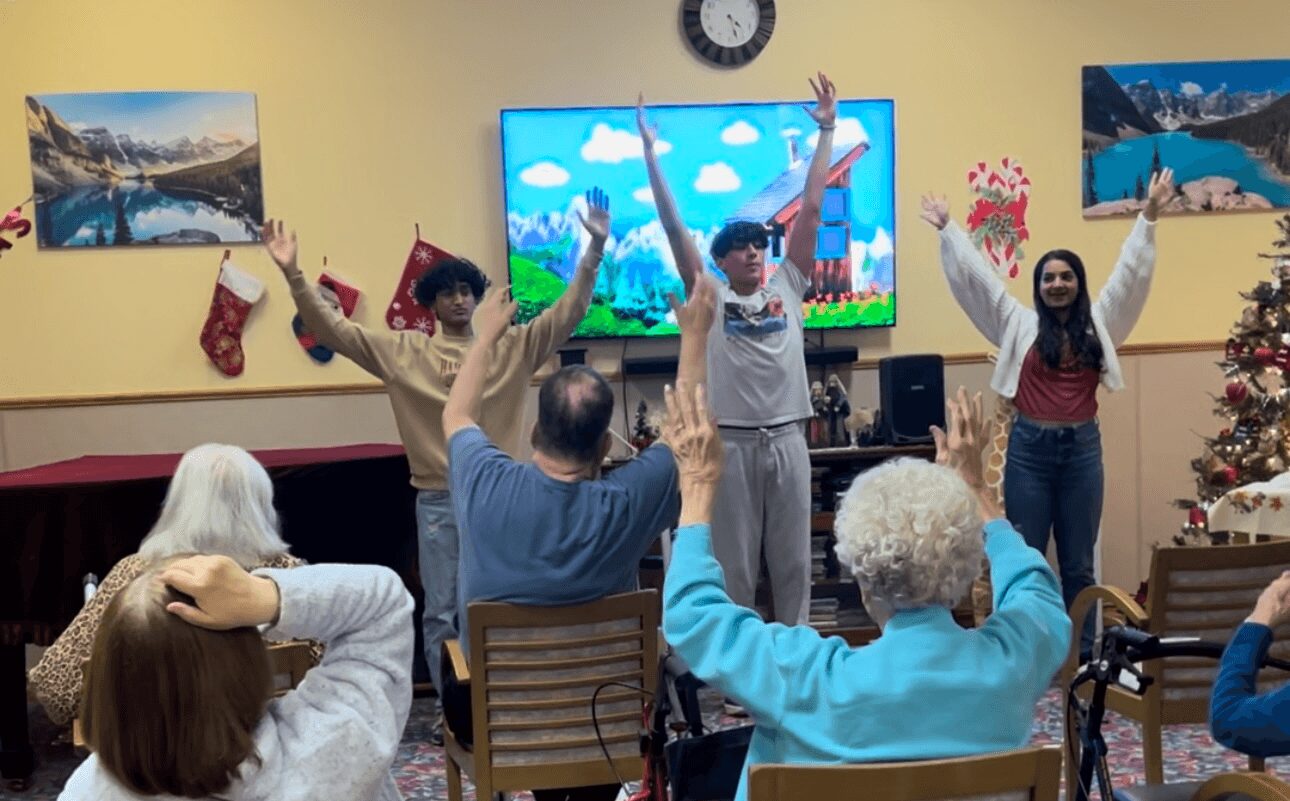
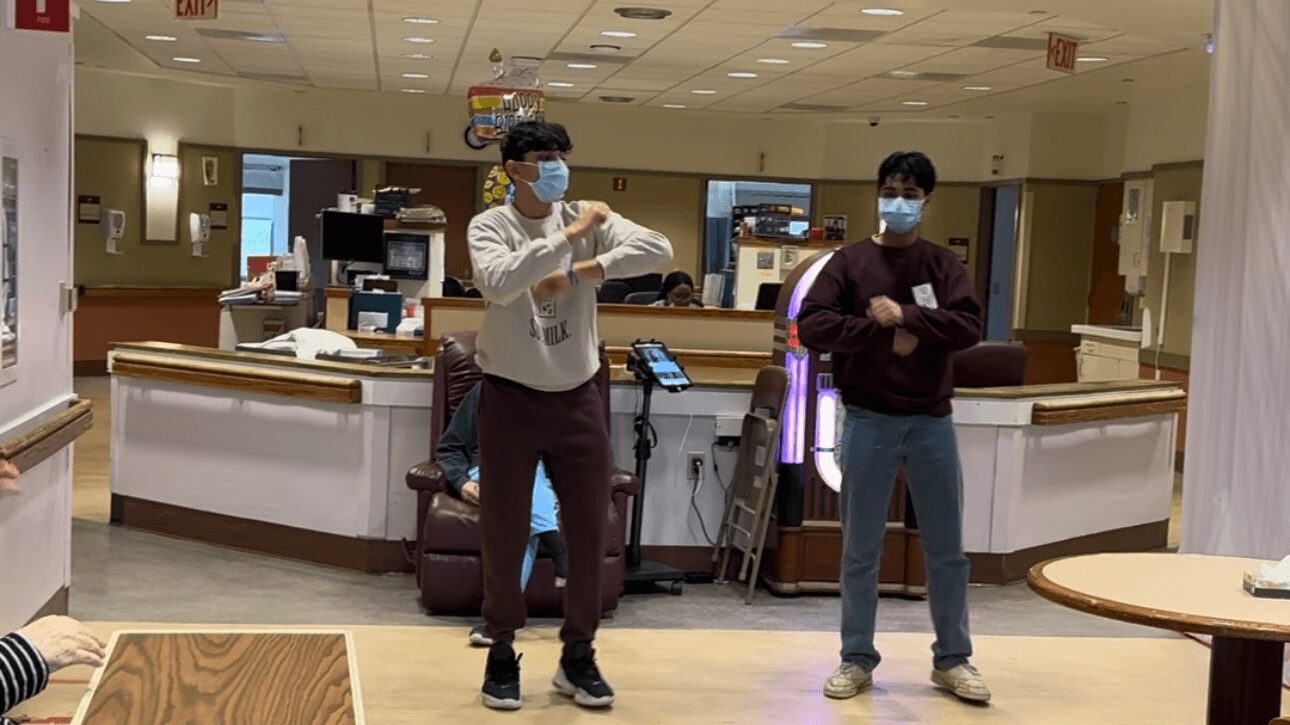
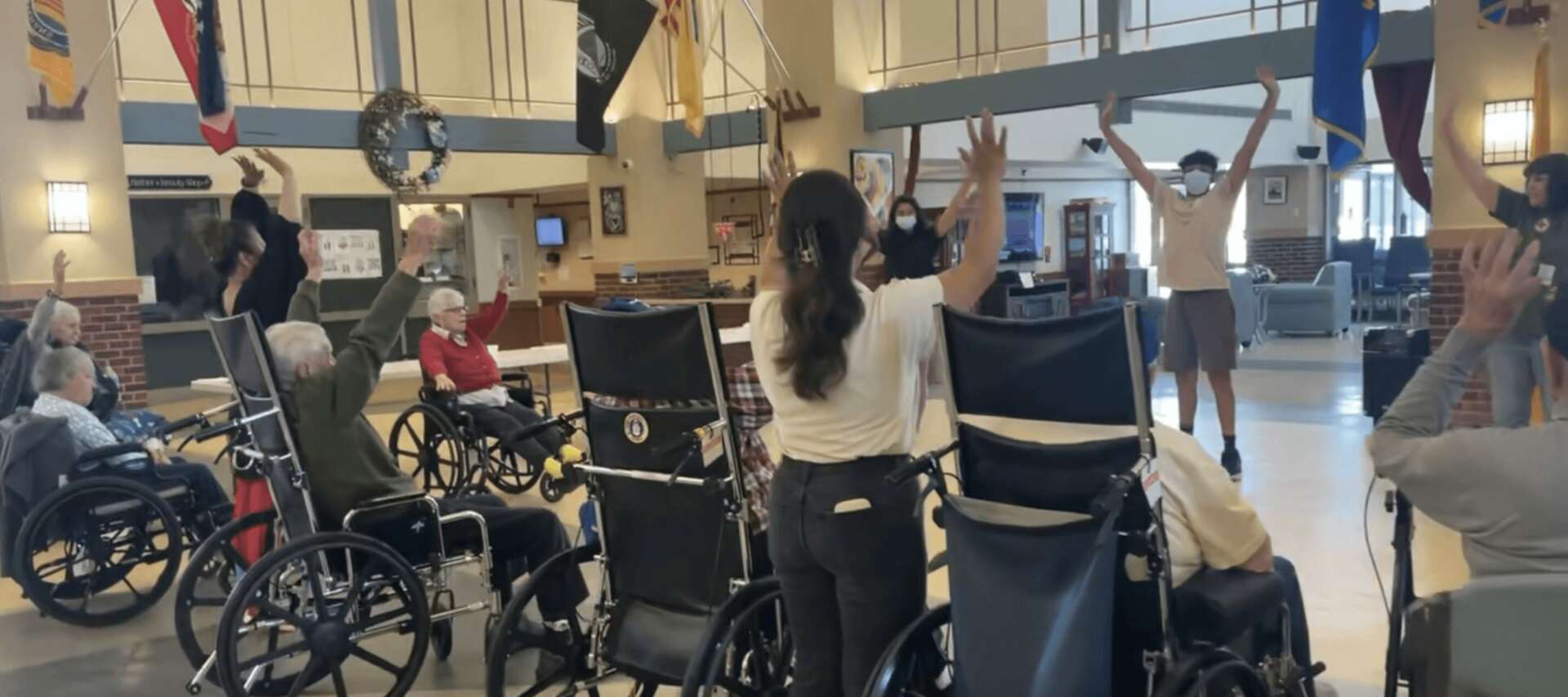
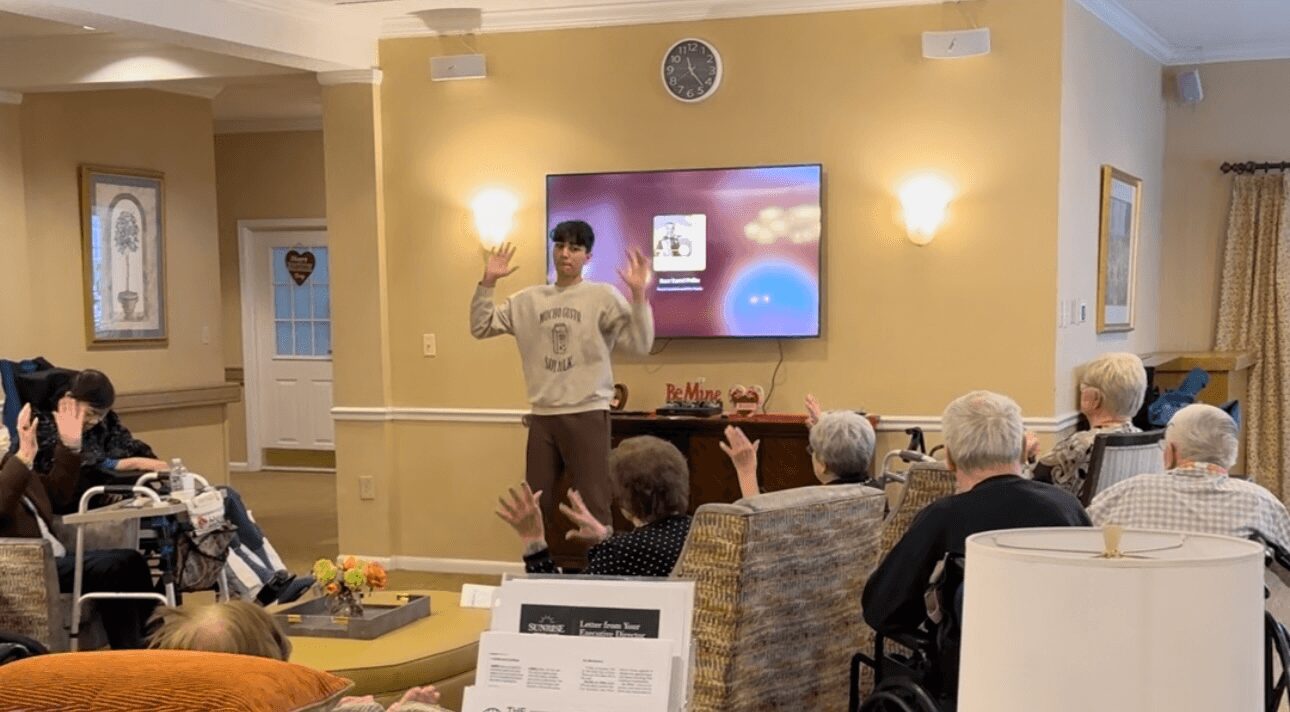
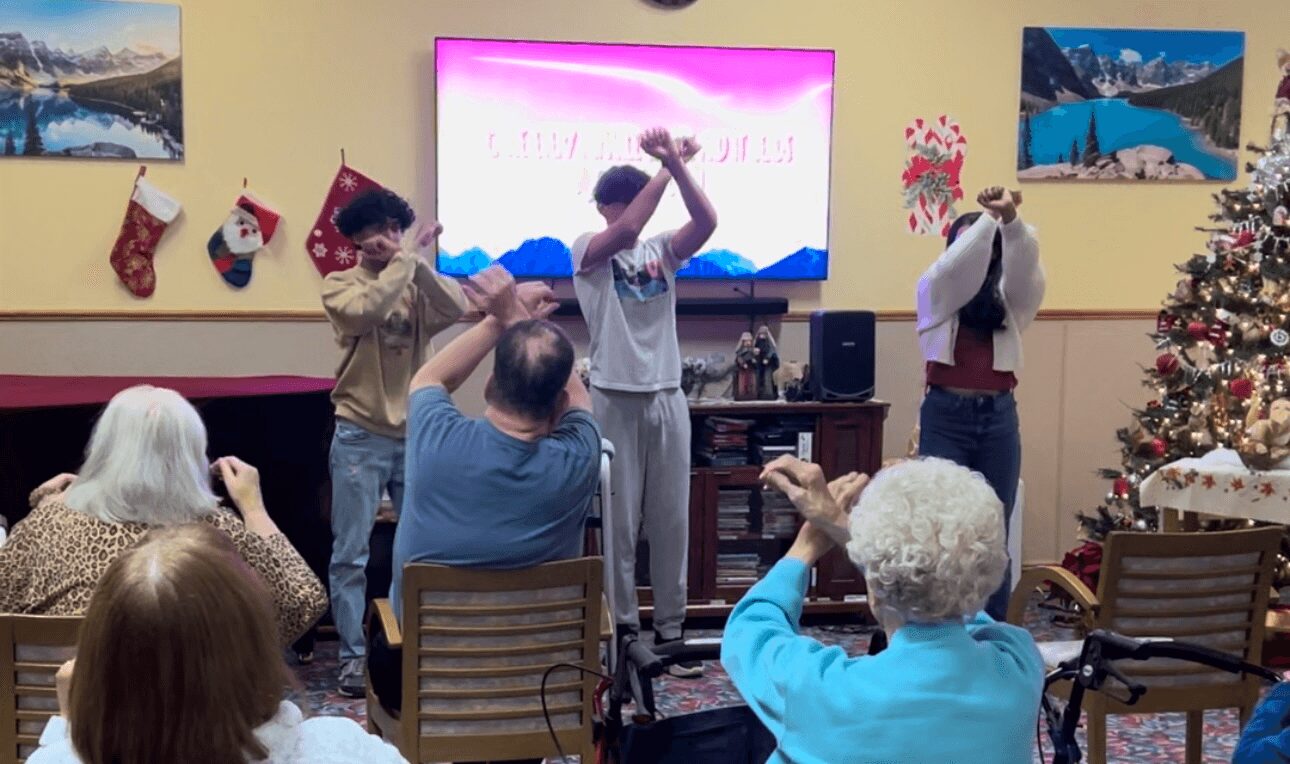
My name is Aryan Garg, and I’m a 17 year old student from New Jersey. My organization, Dance for Dementia, is a 501(c)(3) nonprofit dedicated to improving the lives of senior citizens with dementia through dance. Recent evidence has supported the immense benefits that dance can provide to patients with Alzheimer’s disease, from reduced anxiety to increased neuroplasticity. Thus, our goal is to bring carefully curated dance classes to dementia patients across the country, and provide these benefits firsthand. Moreover, beyond the scientific benefits, we hope to bring simple joy to their lives and combat the modern disparity in elder engagement.
Over the past year, we’ve been able to bring dance to 5 nursing homes across New Jersey, and soon to Texas, New Zealand, and Australia! With over 80 classes held for over 110 patients, we firmly believe in the therapeutic power that dance holds.
Can you share a story from your journey that illustrates your resilience?
I think one of the most defining moments in my journey took place last June, during the first stages of my program. I had reached out to a local nursing home in Edison, New Jersey to ask if I could try a new form of activity with their memory care patients. Although I hadn’t created the organization yet or had experience dancing with dementia patients, I felt like I needed to test the waters before taking it further.
Once I began the class, I noticed an atmosphere of disengagement. 3 patients showed up, and only 2 of them actually danced. All of the big dreams I had about making a change started to fade away, and at that moment, I doubted the feasibility of my program. Maybe I wasn’t prepared to deal with patients who had advanced neurodegenerative conditions. Maybe there was a reason why modern nursing homes rarely provide physical activities to dementia patients.
Nonetheless, I pushed through. In fact, it was one patient, Rosemary, that kept me going throughout this past year. Disengaged and distracted on the first day, she slowly began showing up to all of my subsequent classes. She started out in the back, reserved and hesitant to dance. However, through her and with the rest of the patients in that class, I have realized the transformative power that dance can have. Last Sunday, the first thing I heard when I walked into the home was Rosemary exclaim, “Aryan’s here!” Even if I cannot measure the extent to which her memory has improved, I do know this: she’s now always in the front of the class, singing and dancing to every song, and sharing her stories with me after. This is growth! She once told me, “Thank you for dancing with me Aryan. We miss you every time you’re gone”. No matter what the future holds for this organization, I’m glad I’ve started by changing one life. The reason I push through and continue to provide these classes is because you don’t have to be young or 20 to dance your heart out. If Dance for Dementia can have an impact on patients like Rosemary, it can have an impact on dementia patients across the world.
Do you have any insights you can share related to maintaining high team morale?
Great question! I have a few key pieces of advice that govern the way I manage my team and keep the enthusiasm flowing.
First of all, communicate. I believe communication is the pillar to all change because it can make or break the way your team works together. Once, I had scheduled a new class in a nursing home in Monroe, New Jersey, but I was not planning to attend the class myself. My team members hadn’t danced in a nursing home environment before, and as expected, they reported the first class to be difficult. They felt like they were dancing all alone because of the lack of participation from patients. The solution? Communication. I told them how even if patients were uninvolved, they were making a change in the day-to-day lives of the patients. They were bringing something new to their environment. I reminded my team of our end goal, and how, next time, they could collaborate with each other to create more engaging dance routines. For all of you reading this, my message is to be open. Allow your team to voice their opinions and concerns, and then help develop new strategies to work around those issues.
Another key piece of advice is to be patient. During my initial class at a facility in Woodbridge, NJ, I got blank stares for the first 20 minutes. Clearly, no volunteer had come in before and asked them to kick their feet and roll their wrists! The whole time, I felt like I was doing something wrong. Slowly, however, I saw one patient begin to sway back and forth. Then another. It was during the last song that I saw the patients truly bust a move! In other words, it takes a long time for anyone to see true progress. It may be disheartening at first, but you can maintain morale by envisioning your ultimate goal and embrace the change you’re enacting along the way. This goes along with making feasible decisions for your organization or business. Reaching too high too early will inevitable reduce your morale, so make sure to weigh out the pros and cons when making big decisions.
Contact Info:
- Website: https://dancefordementa.info
- Linkedin: Aryan Garg
- Youtube: Dance for Dementia