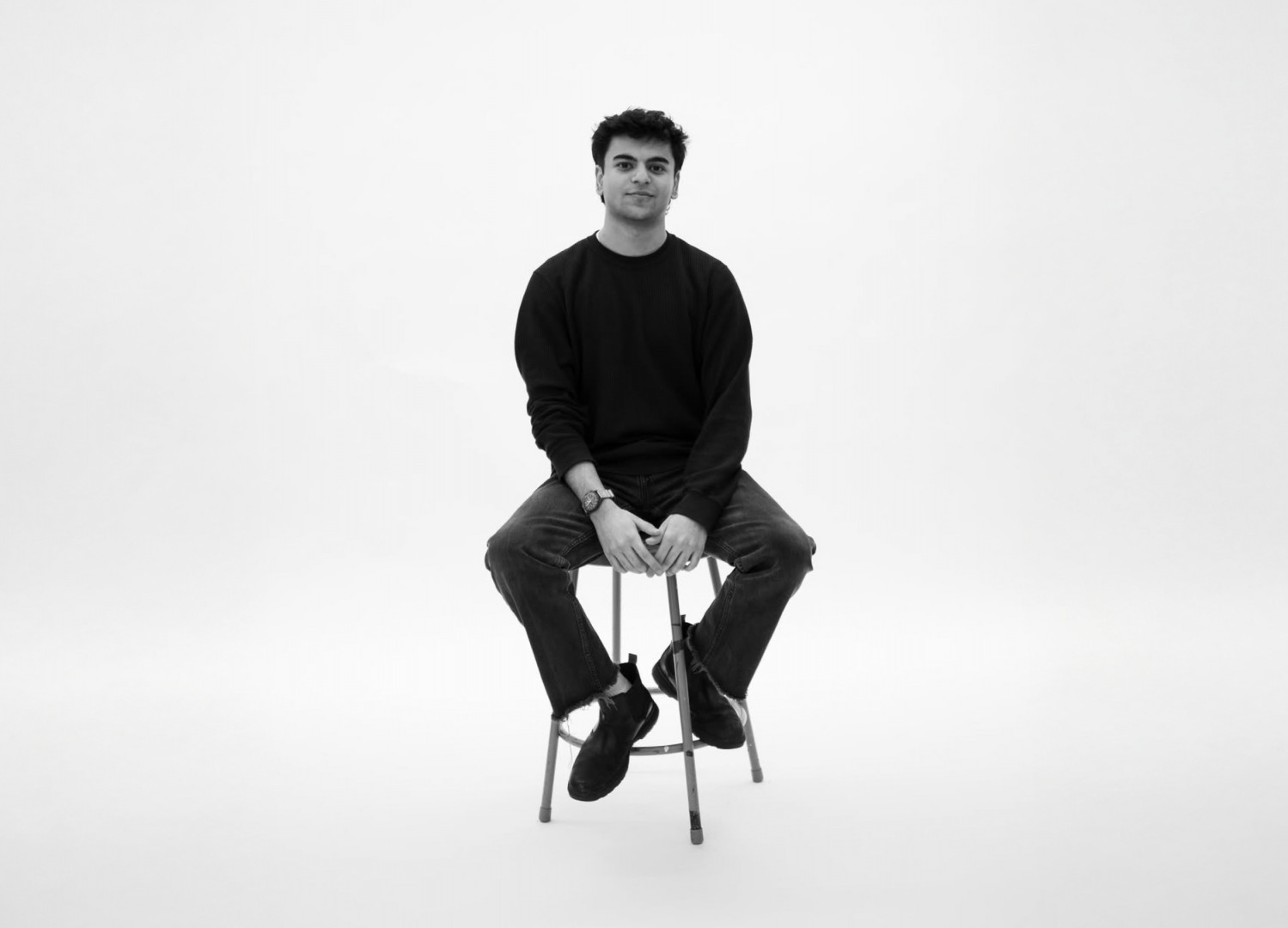

We caught up with the brilliant and insightful Aryaman Minocha a few weeks ago and have shared our conversation below.
Aryaman, appreciate you joining us today. We’d love to hear about when you first realized that you wanted to pursue a creative path professionally.
I did not grow up thinking of myself as a future designer. I just knew that the traditional academic world never felt like the right place for me. I could complete the work, but nothing about that environment felt imaginative or energizing. What felt natural was making things. After school, I would sketch objects, paint, design sweatshirts for friends, or build small tools that solved everyday problems. At the time, I did not see these moments as anything more than personal projects.
The first time I knew I wanted to pursue a creative path professionally was in my final years of high school. I had designed a small object that made a daily task easier. It was not for an assignment. It was simply something I created because the problem bothered me. When I showed it to a teacher, expecting a quick comment, they asked where I had learned design thinking. I had never heard the term before. That question sent me searching, and I realized that everything I enjoyed doing had a place within product design.
That realization changed everything. It was the moment I understood that the way I think and the things I make are not side interests but the foundation of a meaningful career. From that point on, choosing a creative and artistic path felt obvious. It finally felt like I had found the work that matched who I am.
Aryaman, before we move on to more of these sorts of questions, can you take some time to bring our readers up to speed on you and what you do?
I am an industrial designer who works across physical products and digital experiences. I entered this field by realizing that I was most energized when I was building, experimenting, and creating systems that made everyday life easier. Over time, that instinct grew into a body of work that spans consumer products, behavioral design, sustainability, and digital platforms.
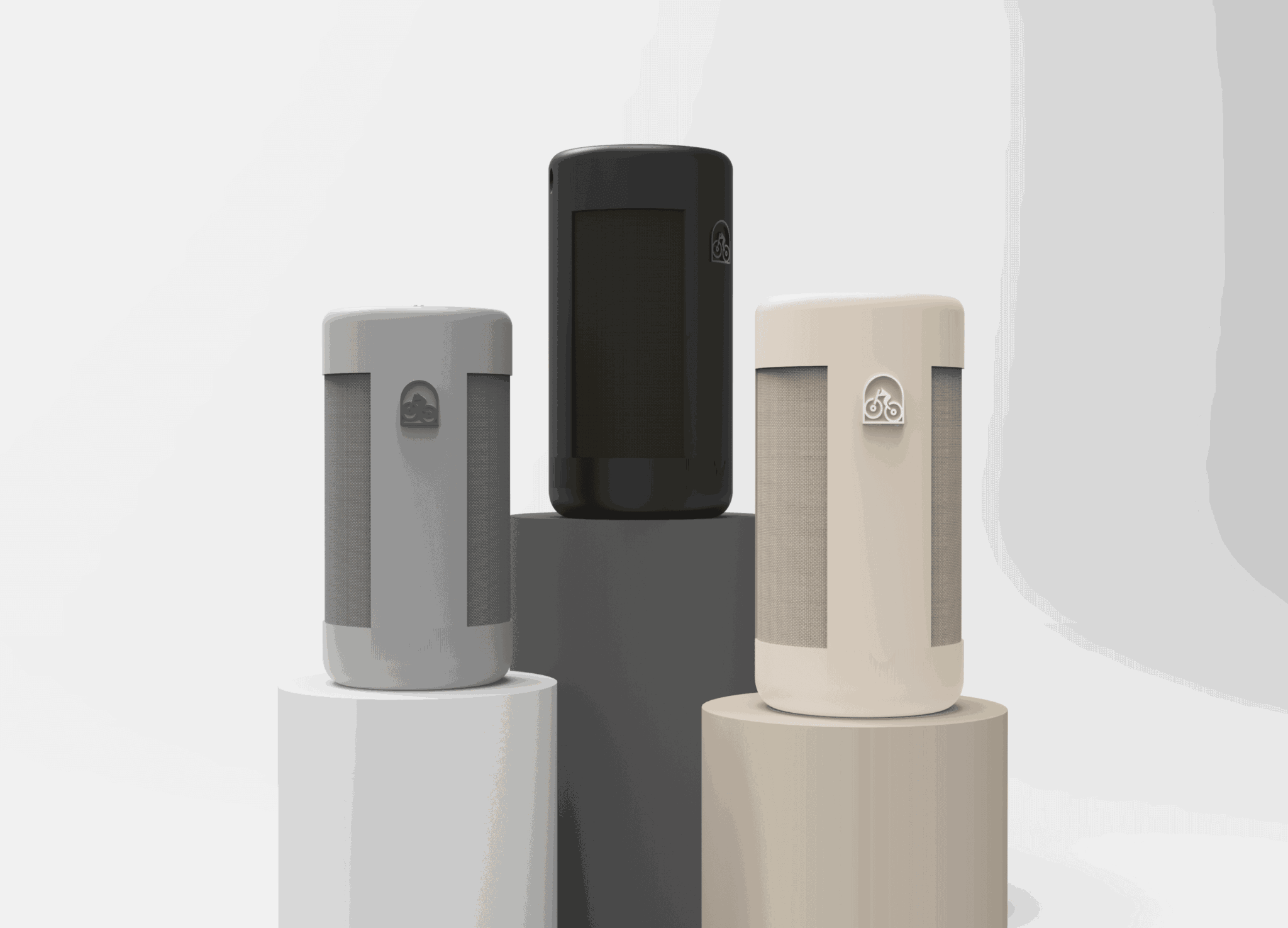
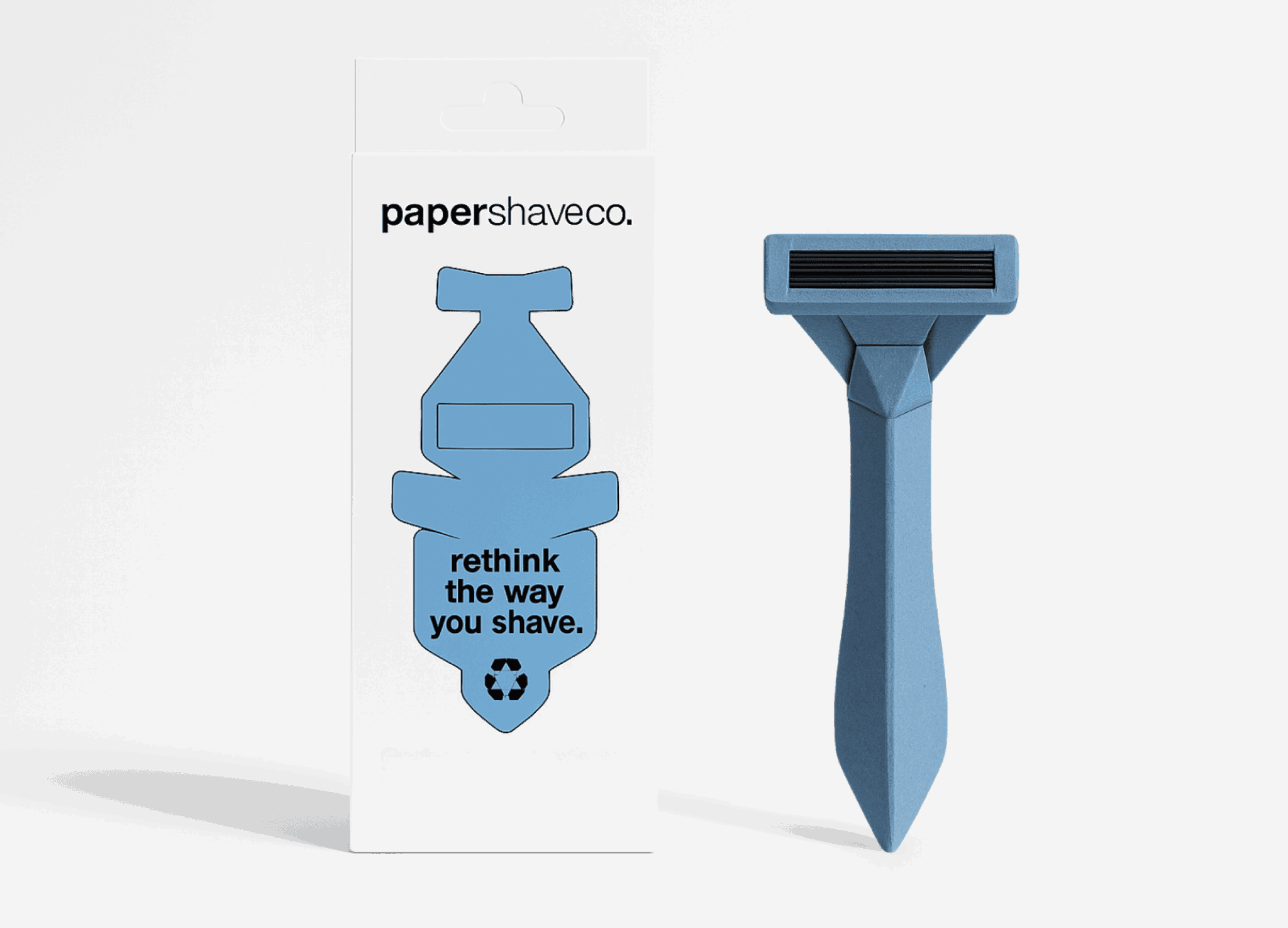
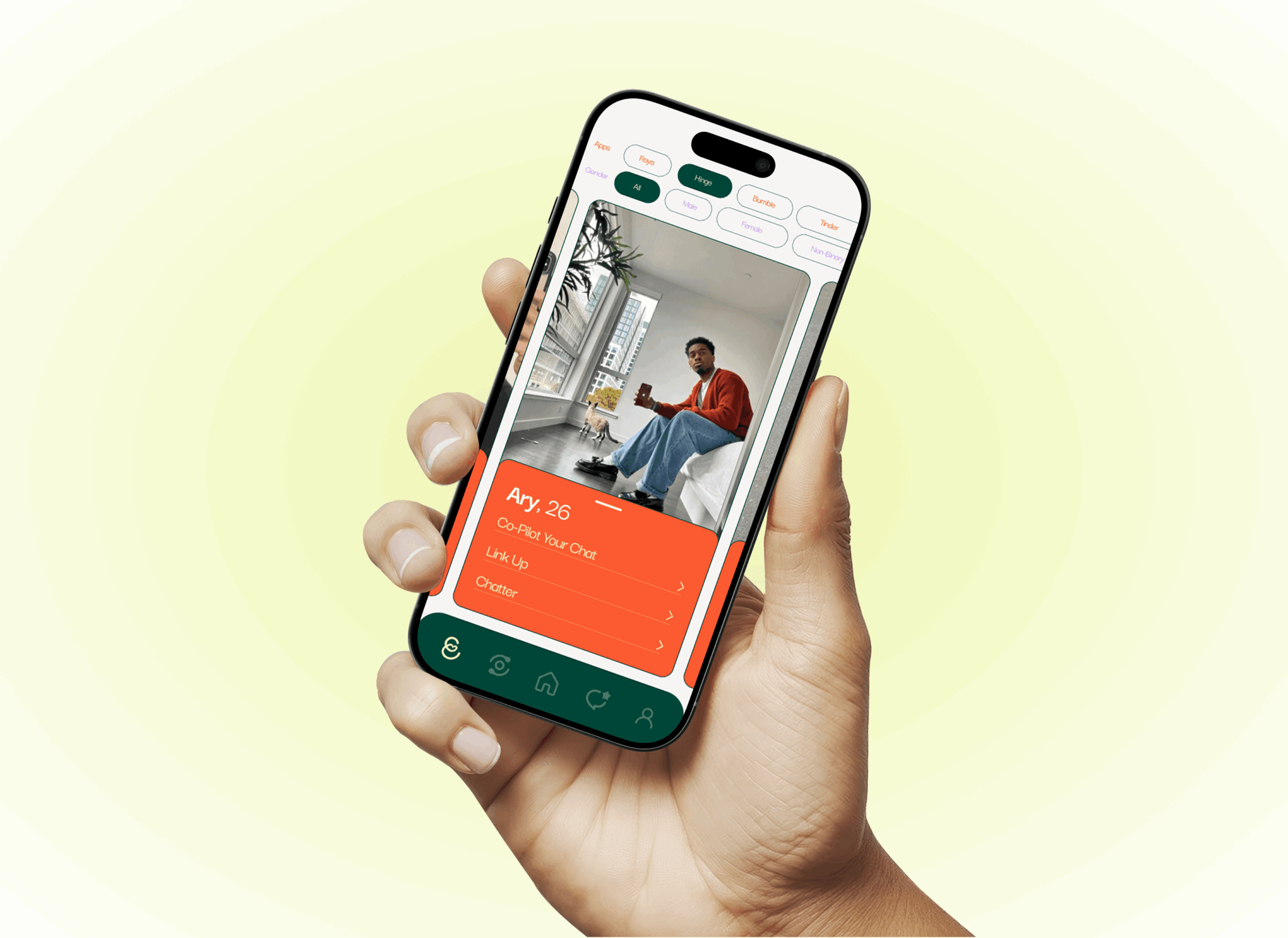
Some of my key projects include Eros, an AI-powered dating profile assistant; DOSE, a vitamin dispensing ecosystem designed to simplify routines; PaperShave, a flat pack paper razor that questions what disposable design should look like; BYKE, a bicycle speaker created for real-world safety; and Reserva, a restaurant reservation app focused on group decision making. Each of these projects reflects the same goal: to design experiences that reduce friction and make daily interactions feel clearer and more intentional.
What sets me apart is the way I blend industrial design methodology with digital thinking. I approach every project through research, testing, and iteration, whether the outcome is a physical object or a digital interface. I am most proud that my work is grounded in real human needs rather than trends. I aim to create products and systems that are thoughtful, useful, and genuinely improve everyday.
What’s the most rewarding aspect of being a creative in your experience?
For me, the most rewarding part of being a creative is experiencing the full arc of the process. It begins with curiosity and the excitement of learning something new, then moves into understanding a problem with enough depth to see what people truly need. From there, the work becomes a cycle of exploration, research, iteration, and testing, which is where I feel most engaged. But the real reward comes at the end, when the idea leaves my hands and enters someone’s life. Seeing a design get adopted, used, and folded into a person’s daily routine is incredibly meaningful. It proves that the hours of refining and problem-solving had a purpose beyond the studio. That moment of impact, even if it is small, is what reminds me why I create in the first place.
Are there any resources you wish you knew about earlier in your creative journey?
It was never one specific resource I felt I was missing. What I wish I had understood earlier was the power of self-learning. The moment I stopped waiting for a class, a teacher, or the “right moment” to learn something, everything changed. Teaching myself new tools and skills gave me a sense of independence that accelerated my growth far more than any single resource could have. It allowed me to move at my own pace, follow my curiosity, and build projects that stretched beyond what was taught in a traditional setting. That mindset has become one of the most important parts of my creative journey, and something I am truly grateful to have developed.
Contact Info:
- Website: https://aryminocha.com