

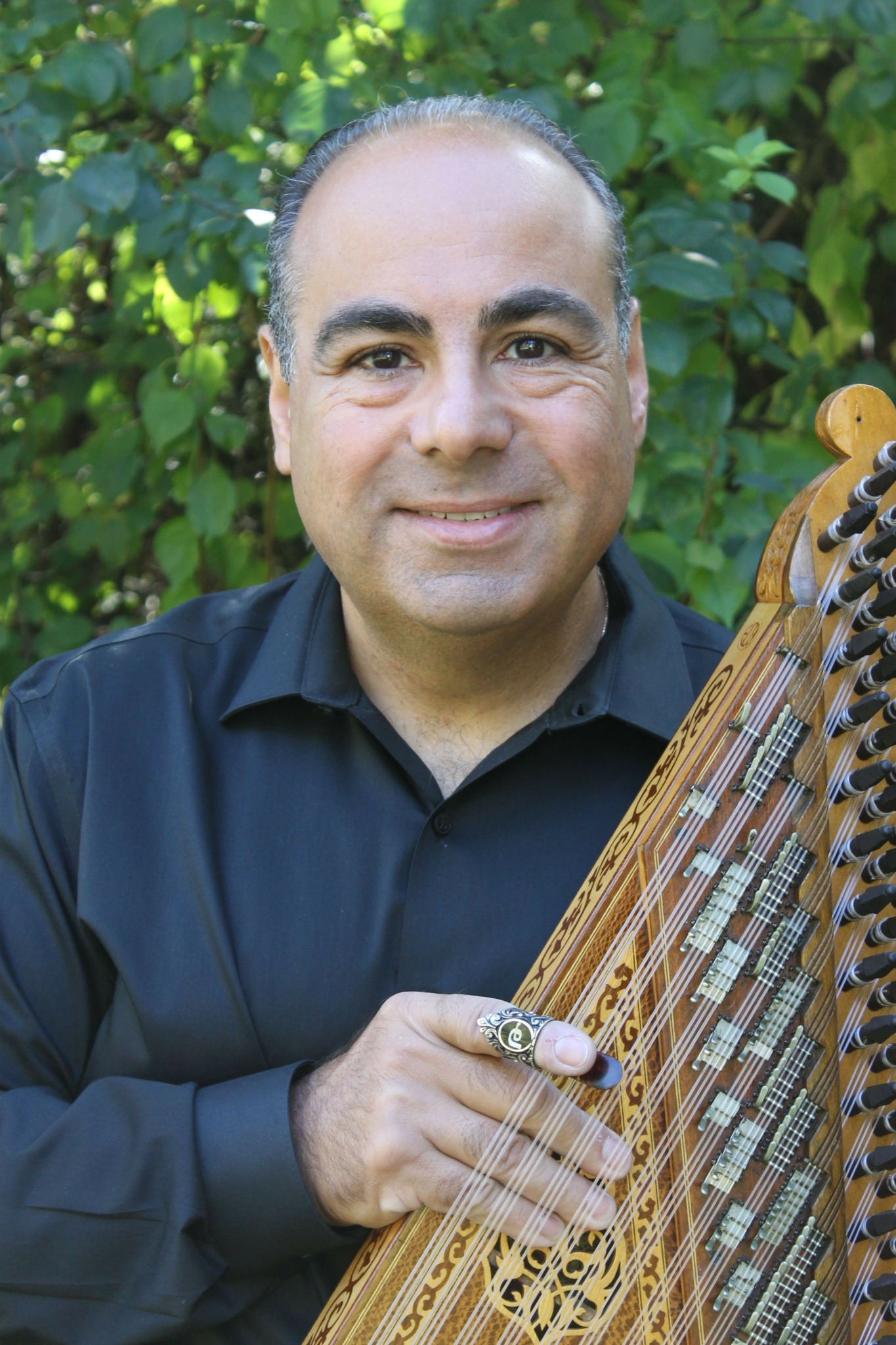

We caught up with the brilliant and insightful Ara Topouzian a few weeks ago and have shared our conversation below.
Ara, thanks for taking the time to share your stories with us today Can you talk to us about a project that’s meant a lot to you?
I learned to play music mostly on my own, listening to recordings and watching other musicians perform live on stage. In 2012 I was awarded the Kresge Artist Fellowship and this changed my musical life. It allowed me to see there was more to playing music than just an occasional wedding, party or private event. It allowed me to pursue opportunities that eventually lead to other awards, project grants, and even allowed me to create a film documentary that aired worldwide on PBS.
Ara, before we move on to more of these sorts of questions, can you take some time to bring our readers up to speed on you and what you do?
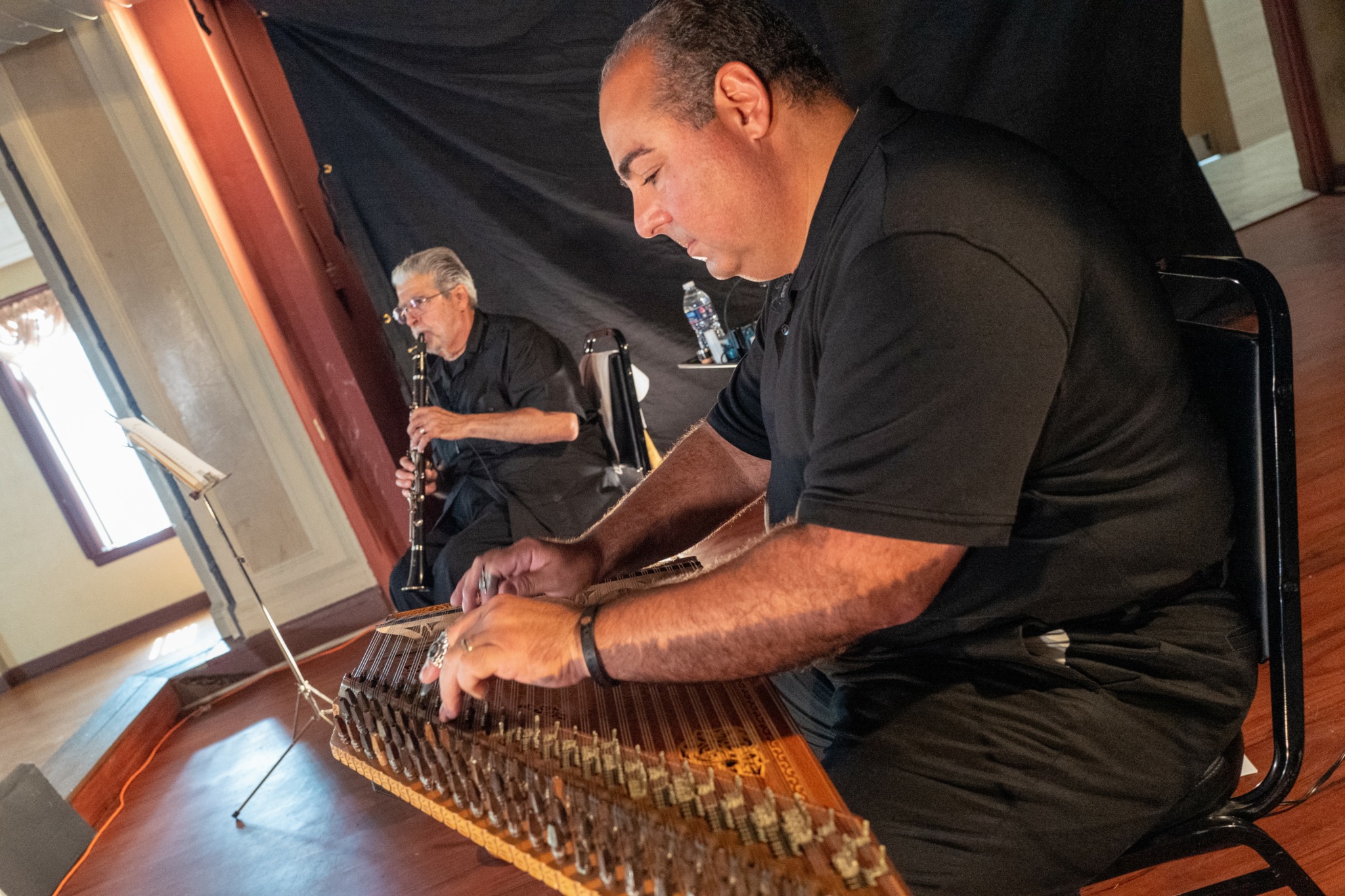
I’m an Armenian-American musician who has spent more than thirty years performing and preserving traditional Western Armenian and Middle Eastern music. My primary instrument is the kanun, an ancient Middle Eastern lap harp with 78 strings, and over the years it has become the vehicle through which I share my heritage and connect audiences with the rich musical traditions of the region.
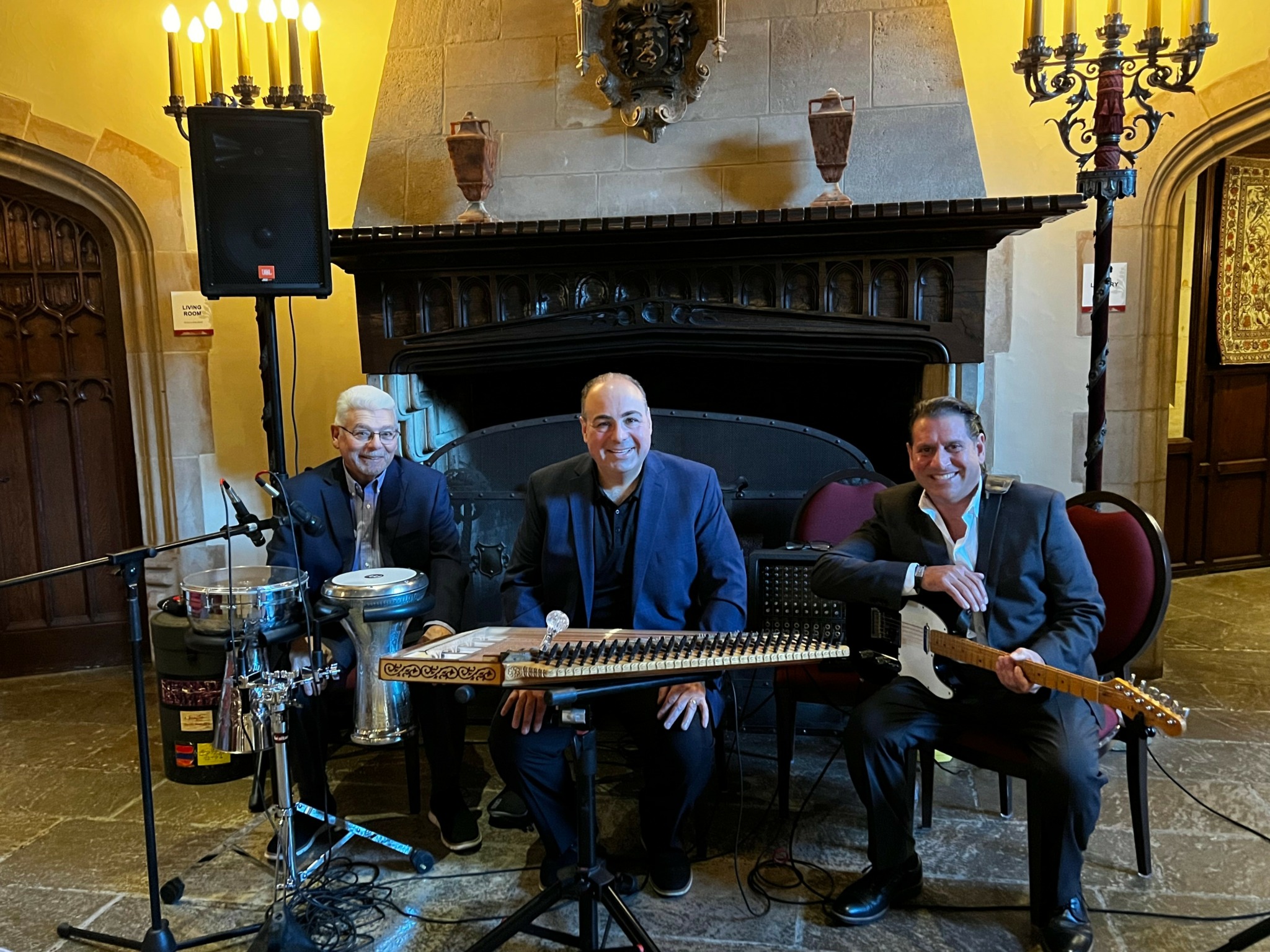
Throughout my career I’ve performed at concerts, festivals, and cultural venues across the United States alongside many of the leading musicians in Armenian and Middle Eastern music. Some of the memorable stages I’ve played included the Detroit Institute of Arts, Detroit Orchestra Hall, Museum of Contemporary Art Detroit, Old Town School of Folk Music, and the Charles H. Wright Museum of African American History.
My music is rooted in traditional Armenian sounds, but over time I’ve expanded my knowledge to include music from across the Middle East, often blending it with elements of jazz/fusion and world music. I’ve produced nearly twenty recordings since 1994 and have appeared as a guest recording artist on several others. My music has traveled around the world and has also been featured in multiple film documentaries, including three produced by Emmy Award-winning producer Andrew Goldberg.
In 2000, my music was included in an educational audio program produced by McGraw Hill that teaches students about different forms of world music. I also narrated one of the units while demonstrating the kanun. My work has also been referenced in books about Armenian, Greek, and world music traditions.
In 2012, I was honored to receive a Kresge Arts Fellowship from Kresge Arts of Detroit for my contributions to the arts. That same year, I performed with the Virginia Commonwealth University Symphony Orchestra in the premiere of a concerto composed by Professor Doug Richards.
In 2015, I produced the award-winning documentary Guardians of Music: A History of Armenian Music in Detroit. The film honors the first generation of Armenian musicians who helped keep our traditional music alive in the Detroit community. With support from the Knights Arts Challenge, the film premiered nationally on PBS.
Also in 2015, I was named Artist-in-Residence for the City of Farmington Hills, recognizing my contributions to the arts community.
Storytelling has always been a key part of my performances. I believe music becomes more meaningful when audiences understand the cultural stories behind it, so I try to combine performance with dialogue whenever possible.
As an advocate for arts in Michigan, Governor Rick Snyder appointed me to the Michigan Council for Arts and Cultural Affairs in 2018, and I was later reappointed by Governor Gretchen Whitmer in 2020. I currently serve on the Cultural Advocacy Networks Executive Committee, helping support and expand arts and culture across Michigan.
During the pandemic, I continued performing virtually and had the honor of representing Michigan in The Kennedy Center’s Arts Across America series, which highlighted artists across the country. In 2021, I also performed to a sold-out audience at TEDx Detroit.
In 2022, I received the Michigan Heritage Award from the Michigan Traditional Arts Program at Michigan State University, recognizing my efforts to preserve traditional music and cultural heritage.
Today, I continue to perform, record, and share the stories behind Armenian and Middle Eastern music, helping keep these traditions alive for new generations of listeners.
Music has been part of my life for as long as I can remember. Growing up in the Armenian community in the Detroit area, I was surrounded by traditional Armenian music at weddings, gatherings, and community events. Those sounds stayed with me. Eventually I discovered the kanun, an ancient Middle Eastern harp, and it immediately captivated me.
The kanun is both melodic and rhythmic, and it allows for a tremendous amount of expression. Over time I realized that playing the instrument wasn’t just about performing music — it was also about preserving a cultural tradition that could easily fade if people stopped sharing it.
What started as a passion eventually became a lifelong mission. I began performing more widely, recording albums, and collaborating with other musicians. Along the way I realized that audiences were often fascinated not only by the music but by the stories behind the music, so I started weaving storytelling into my performances.
Today my work lives at the intersection of music, culture, and storytelling.
One of the challenges with traditional music is that it can easily disappear if it’s not passed down and shared. Many of the musicians who carried these traditions are no longer with us, and I see my role as helping ensure that the music — and the stories behind it — continue to live on.
What makes my work different is that I combine performance with storytelling and cultural context. When audiences understand the story behind the music — where it came from, what it meant to the people who played it — the experience becomes far more meaningful.
In many ways, I act as a bridge between generations and cultures, helping new audiences discover music that has been part of our heritage for centuries.
At the heart of everything I do is a commitment to preserving culture through music.
I want people to know that this music isn’t just something from the past — it’s something that still has relevance today. Traditional music can connect people across cultures and generations in powerful ways.
Whether I’m performing on stage, recording music, producing a documentary, or speaking about cultural heritage, my goal is simple:
To keep the music alive and help people understand the stories behind it.
What’s the most rewarding aspect of being a creative in your experience?
The most rewarding part of being a musician is seeing how music can connect people. I often perform traditional Armenian and Middle Eastern music, and when someone tells me a piece reminded them of their family, their heritage, or a memory they had long forgotten, that’s incredibly powerful. In those moments, you realize music isn’t just entertainment—it’s a way of preserving culture and creating shared experiences.
What do you think is the goal or mission that drives your creative journey?
I want our music to be alive well beyond when we leave this Earth. It is important to me that the music of my ancestry be preserved, respected, performed and enjoyed. This music was silenced by the Armenian Genocide – we will never know how much more we were capable of creating or what we lost.
Contact Info:
- Website: https://aratopouzian.com/
- Instagram: https://www.instagram.com/ara_topouzian_musician/
- Facebook: https://www.facebook.com/aratopouzian
- Linkedin: https://www.linkedin.com/in/aratopouzian/
- Youtube: https://www.youtube.com/@atopouzian
- Other: https://substack.com/@aratopouzian
https://hyetimesmusic.com
https://michigancreates.buzzsprout.com
Image Credits
All photos are my own.