



We were lucky to catch up with Anthony Jones recently and have shared our conversation below.
Hi Anthony, thanks for joining us today. Learning the craft is often a unique journey from every creative – we’d love to hear about your journey and if knowing what you know now, you would have done anything differently to speed up the learning process.
How did you learn to do what you do?
From an early age, design ignited a passion within me, and I was captivated by the idea of creating products that not only fulfilled their purpose but also provided an enjoyable experience for users. My fascination led me to draw relentlessly and experiment with creative software like Fruity Loops and Paint. Even rearranging my surroundings became a quest for the most pleasing arrangement.
However, when it came to choosing a college major, my focus shifted, and I made decisions based on different priorities. I ventured into accounting, but my heart never truly settled. After several major changes, I eventually took a break from school, during which I rekindled my love for drawing and design.
Returning to college with a clear sense of purpose, I pursued graphic design, combining my drawing and design skills. But as fate would have it, I discovered Interaction Design and knew instantly that it was my true calling. Obsessed with this new field, I graduated with a bachelor’s degree in Interaction Design, and my journey as a User Experience Designer began.
Knowing what you know now, what could you have done to speed up your learning process?
This is an outstanding question, and I’d love to delve into three essential topics that could have accelerated my learning process: failure, intention, and curiosity.
Failure:
We’ve all experienced those moments when we try something new and stumble, falling flat on our backsides. Failure is a common experience, and it can be frustrating and demoralizing. However, once I recognized the true value of failure, it transformed into a potent tool for speeding up my learning process. How did I achieve this paradigm shift? By understanding myself better and finding meaning behind each failure. Instead of viewing failure as a loss, I embraced it as an opportunity to learn and grow. Entrepreneur Billy Carson once said, “Take this L for a learning opportunity, not an L for a loss.” So, my advice is simple—don’t be afraid to explore that idea you’ve been pondering. Failure can be your ally on the path to success.
Intention:
At times, the value of failure becomes difficult to grasp, especially when we don’t know where or how to begin pursuing our ideas. Looking back, I’d advise my younger self to stop overcomplicating things. Throughout life, we’ve all been asked, “What do you want to be when you grow up?” or “Where do you see yourself in 3-5 years?” I’m sure you had vivid visuals in your mind as you answered those questions, with a genuine intention to turn those ideas into reality. However, fear and excuses often hinder us from acting on those intentions. The key to overcoming this obstacle is clear and unwavering intention. Know where you want to go, and actively engage in actions that support your journey toward that destination. When things don’t go as planned, view those setbacks as invaluable learning opportunities, and let them fuel your determination to reach your intended destination.
Curiosity:
One vital aspect I wish I had embraced earlier in life is curiosity. Being genuinely curious about the world around you and continuously seeking knowledge along your path can greatly accelerate your learning process. By asking questions and exploring various topics, you gain a deeper understanding of your chosen path. Combining your intentions with curiosity creates a powerful synergy, helping you stay focused on your goals while gaining invaluable insights into what lies ahead.
Embracing these principles of failure, intention, and curiosity would have significantly expedited my learning journey. Now that I recognize their importance, I can confidently say that they hold the key to continuous growth and success.
What skills do you think were most essential?
Throughout my journey, I discovered a set of essential skills that proved instrumental in my success:
* Communication/Listening: The ability to convey ideas and truly understand others.
* Problem Solving: Tackling challenges with creativity and ingenuity.
* Patience: Nurturing ideas and seeing them through to fruition.
* Confidence: Believing in my abilities and staying steadfast in my pursuits.
* Empathy: Understanding the needs and emotions of users.
* Time Management: Efficiently allocating time and resources.
* Curiosity: Embracing an inquisitive mindset to foster continuous learning.
* Design: Mastering the art of crafting meaningful and impactful experiences.
What obstacles stood in the way of learning more?
Reflecting on my learning journey, I recognize that the most significant obstacles were self-generated. I learned that if something obstructed my path, it was up to me to pivot and find alternative routes to my intended destination.

As always, we appreciate you sharing your insights and we’ve got a few more questions for you, but before we get to all of that can you take a minute to introduce yourself and give our readers some of your back background and context?
Hello, my name is Anthony Jones, and I am a passionate UX Designer.
In my role as a UX Designer, I am consumed by the intricacies of the “how” and the “why.” Continually seeking opportunities to enhance processes and deriving immense satisfaction from crafting impactful, human-centered solutions. Design thinking is at the core of my approach, and I take pride in creating efficient and intuitive designs supported by comprehensive data, research, and testing. My hunger for knowledge knows no bounds, and I consistently strive to expand my expertise through learning and unyielding curiosity.
Design has been a lifelong passion for me, stemming from a lineage of engineers. What truly captivates me is not merely creating functional products, but also ensuring an enjoyable experience for the end-users. My journey began as a freelance visual designer, where I honed my skills while pursuing my degree. This experience taught me valuable lessons in managing client expectations, effective project communication, and mastering the design process. Additionally, I founded my own clothing company, where I designed a range of products for customers, allowing me to become proficient in industry-standard software such as Photoshop, Illustrator, InDesign, Figma, and XD.
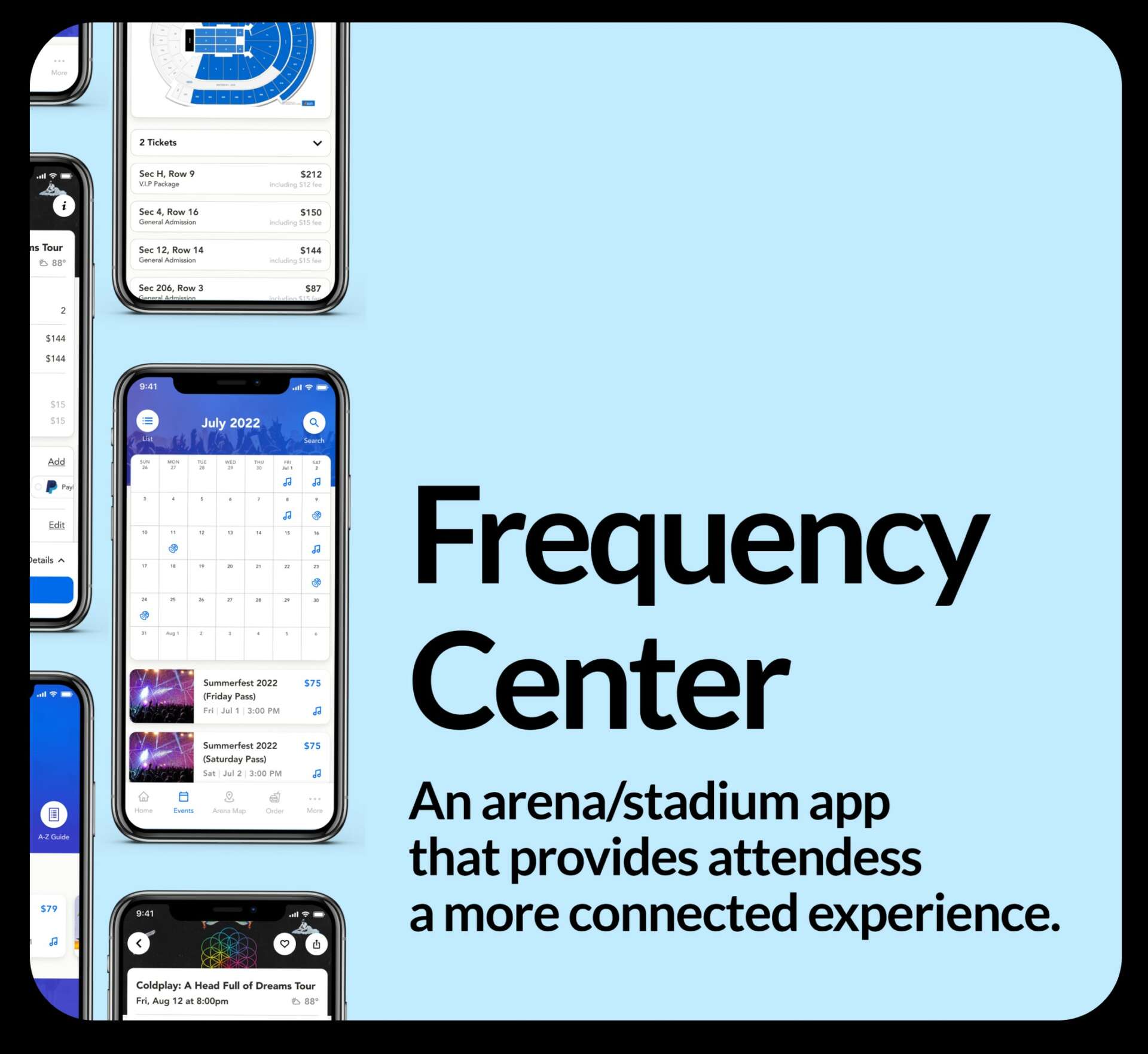
However, what truly sparked my fascination with the UX/UI field was the opportunity to work directly with end-users to create tailored solutions. Upon graduating from college and delving deeper into the world of UX, I have had the privilege to develop interactive experiences for notable companies like USPS, T-Mobile, AIMSPlus, Tellworks, and KellerWilliams. This journey has been incredibly fulfilling, and I am eager to continue contributing my expertise to make a positive impact on users’ lives.
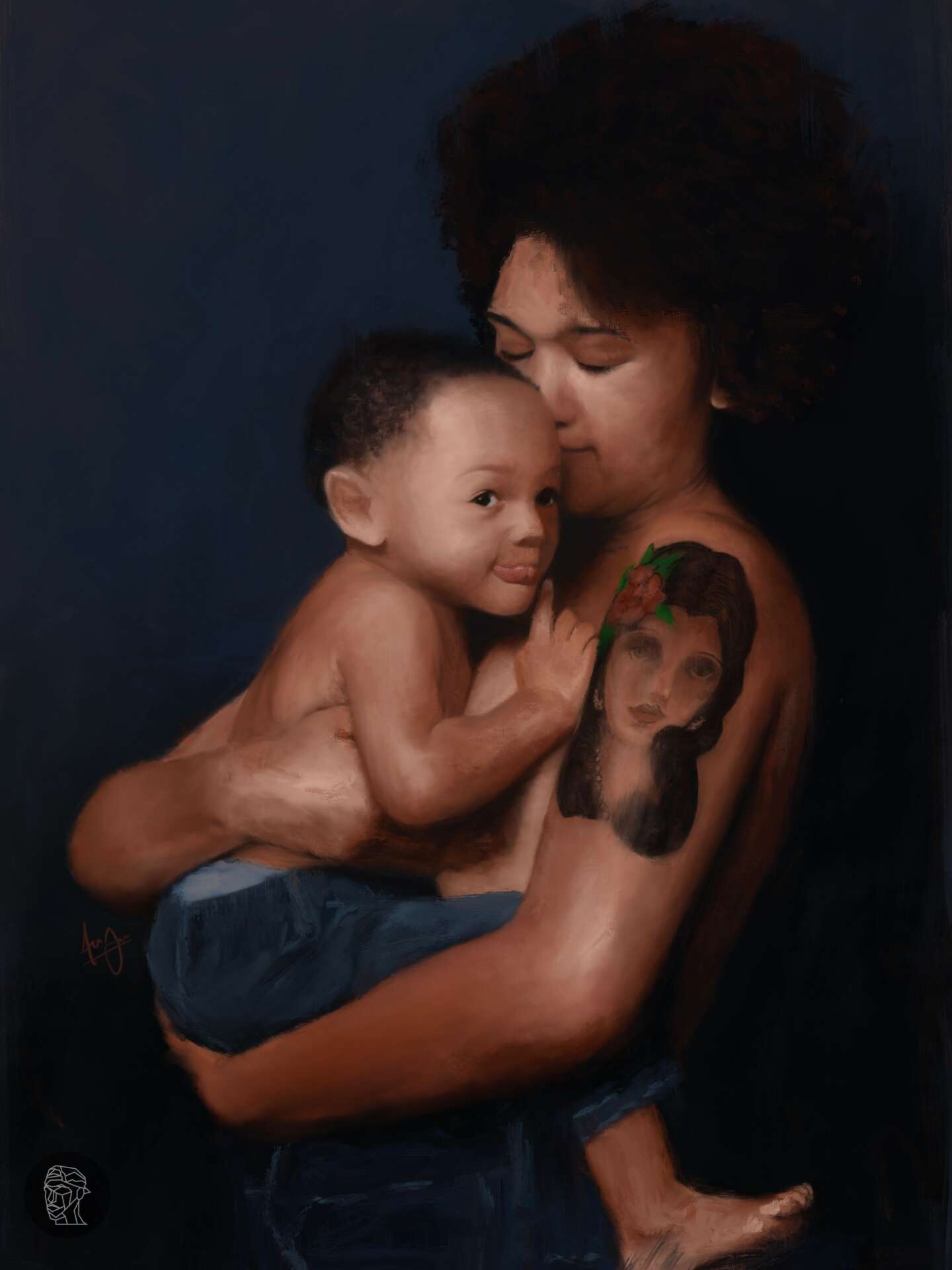
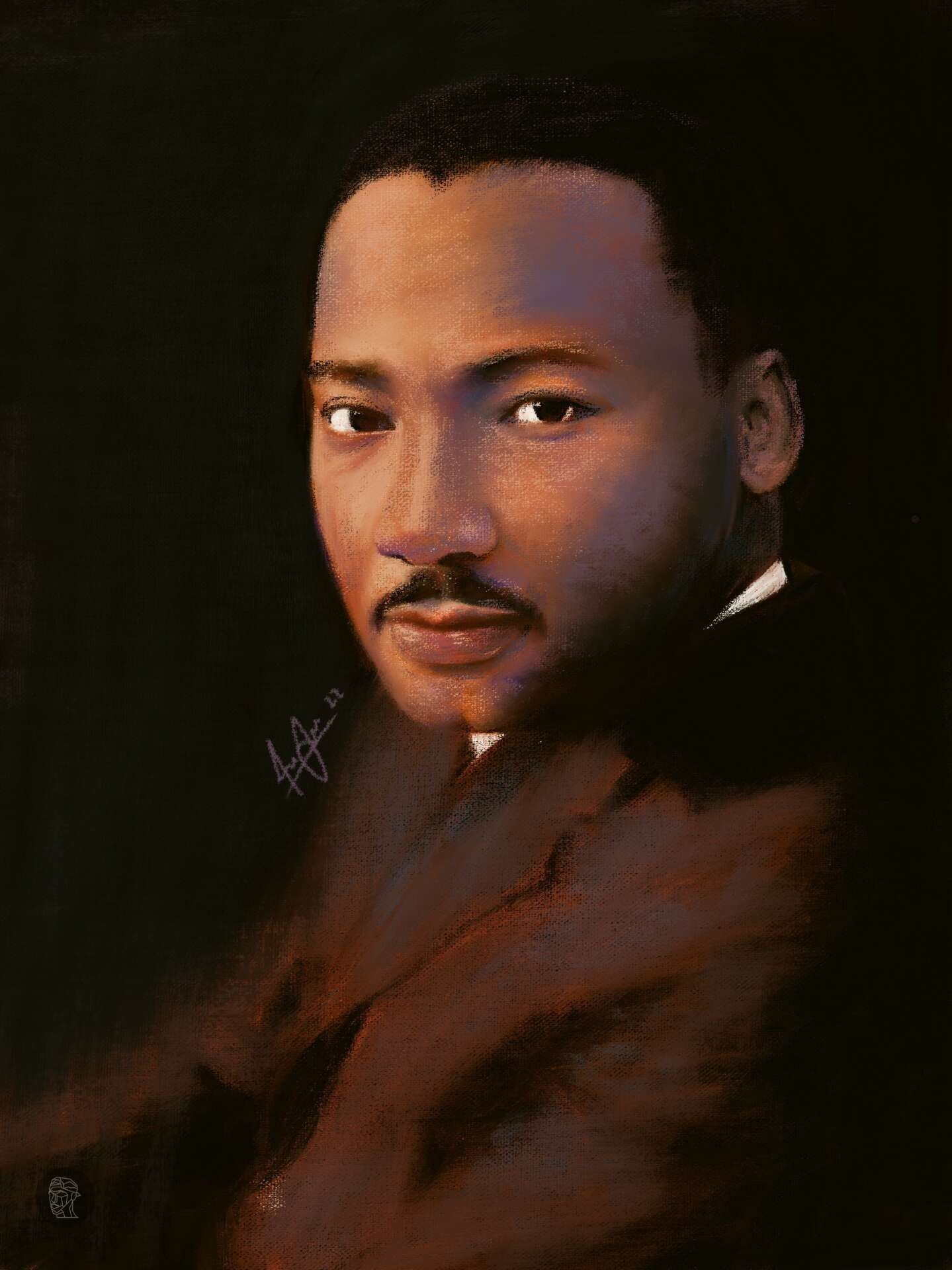
Is there mission driving your creative journey?
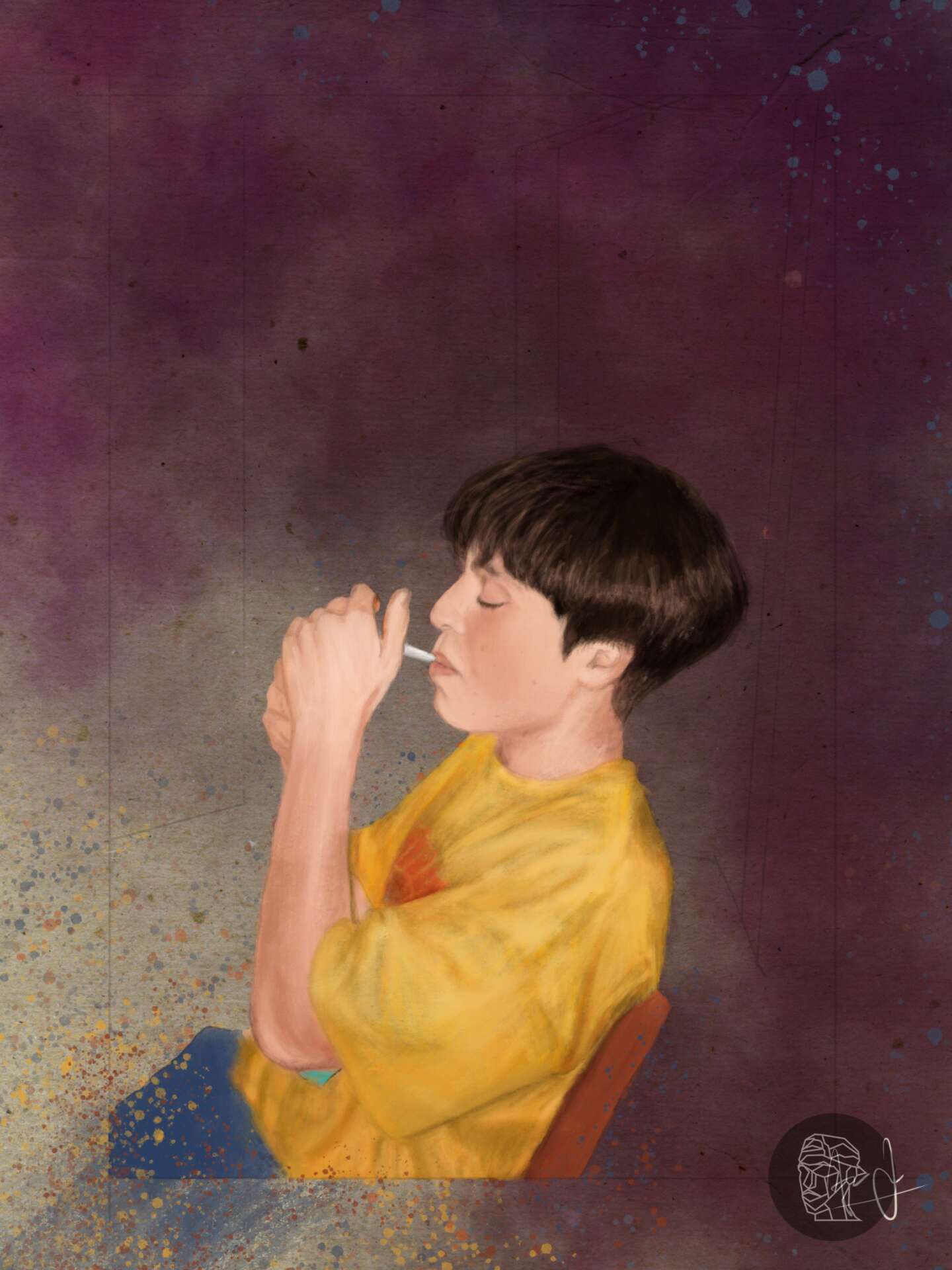
My ultimate goal is to craft art and develop products that enrich the very essence of people’s lives and elevate their daily experiences. By seamlessly integrating creativity and functionality, I strive to create an unmatched lifestyle and workflow enhancement for every viewer and user.
What do you find most rewarding about being a creative?
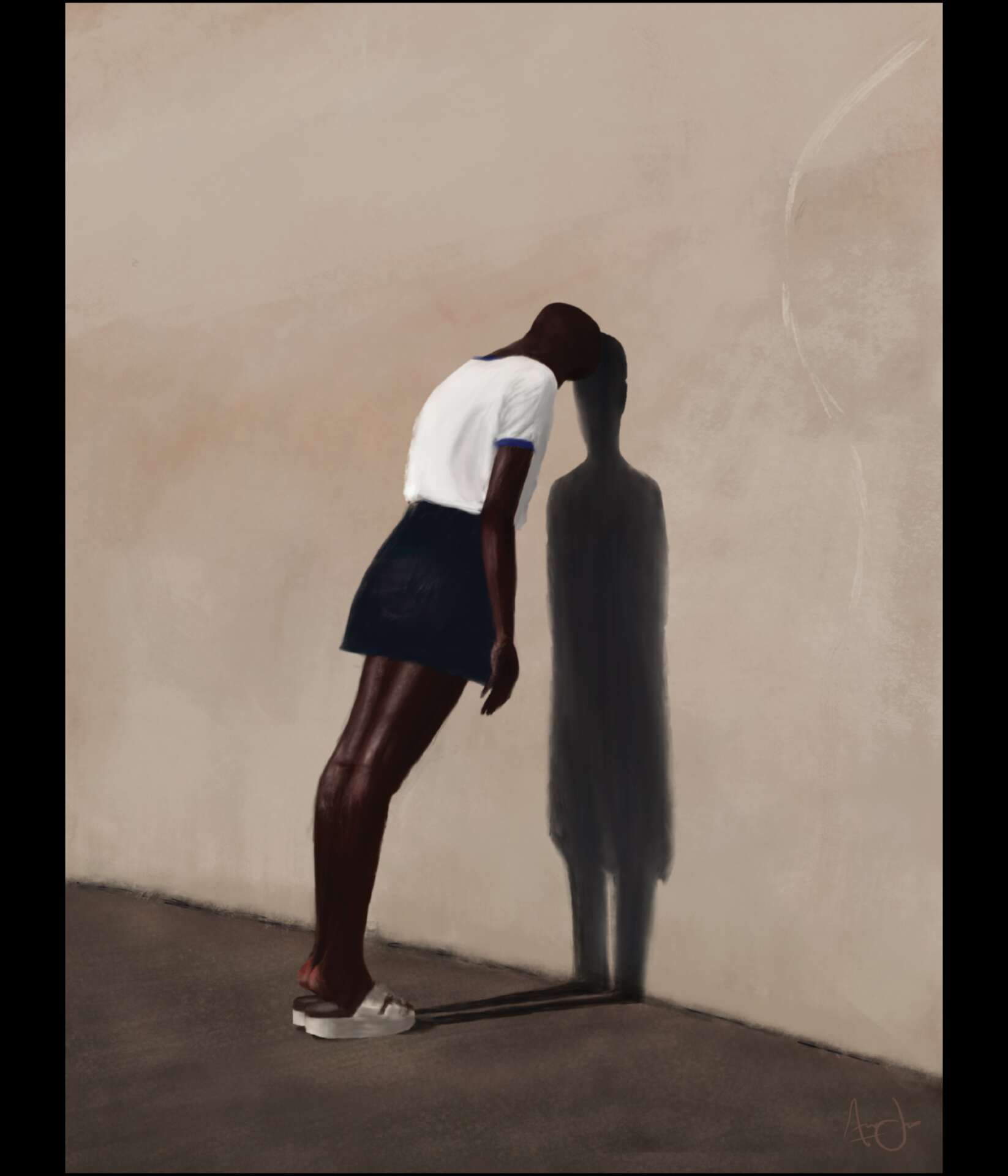
As a creative, there’s nothing quite as fulfilling as witnessing the profound psychological impact my work has on individuals and businesses. The sheer joy of communicating ideas that not only solve problems but also draw attention to critical issues is simply indescribable.

Contact Info:
- Website: https://www.antjones.design
- Instagram: https://www.instagram.com/antjones.art/
- Youtube: https://youtube.com/@antjonesux