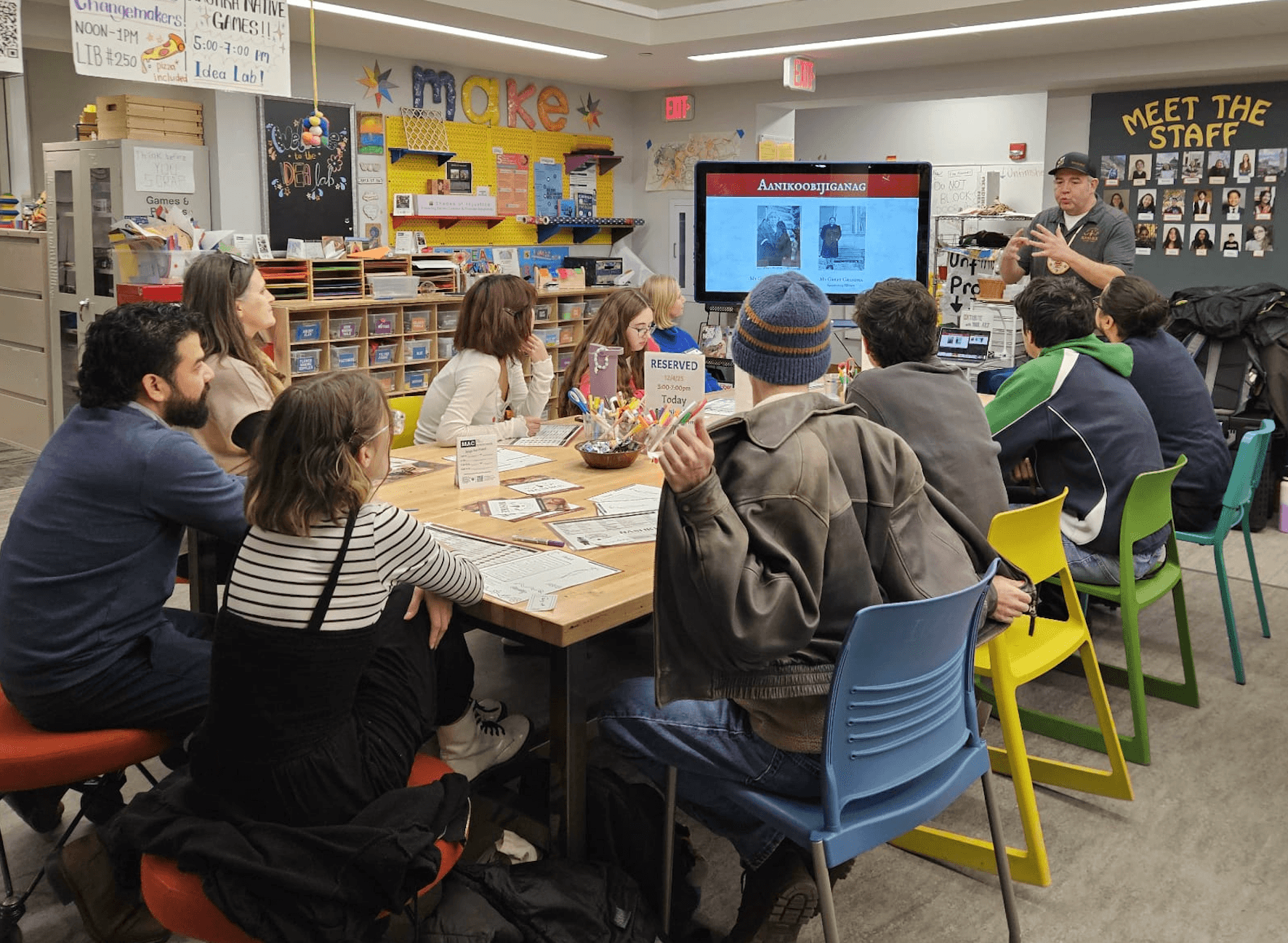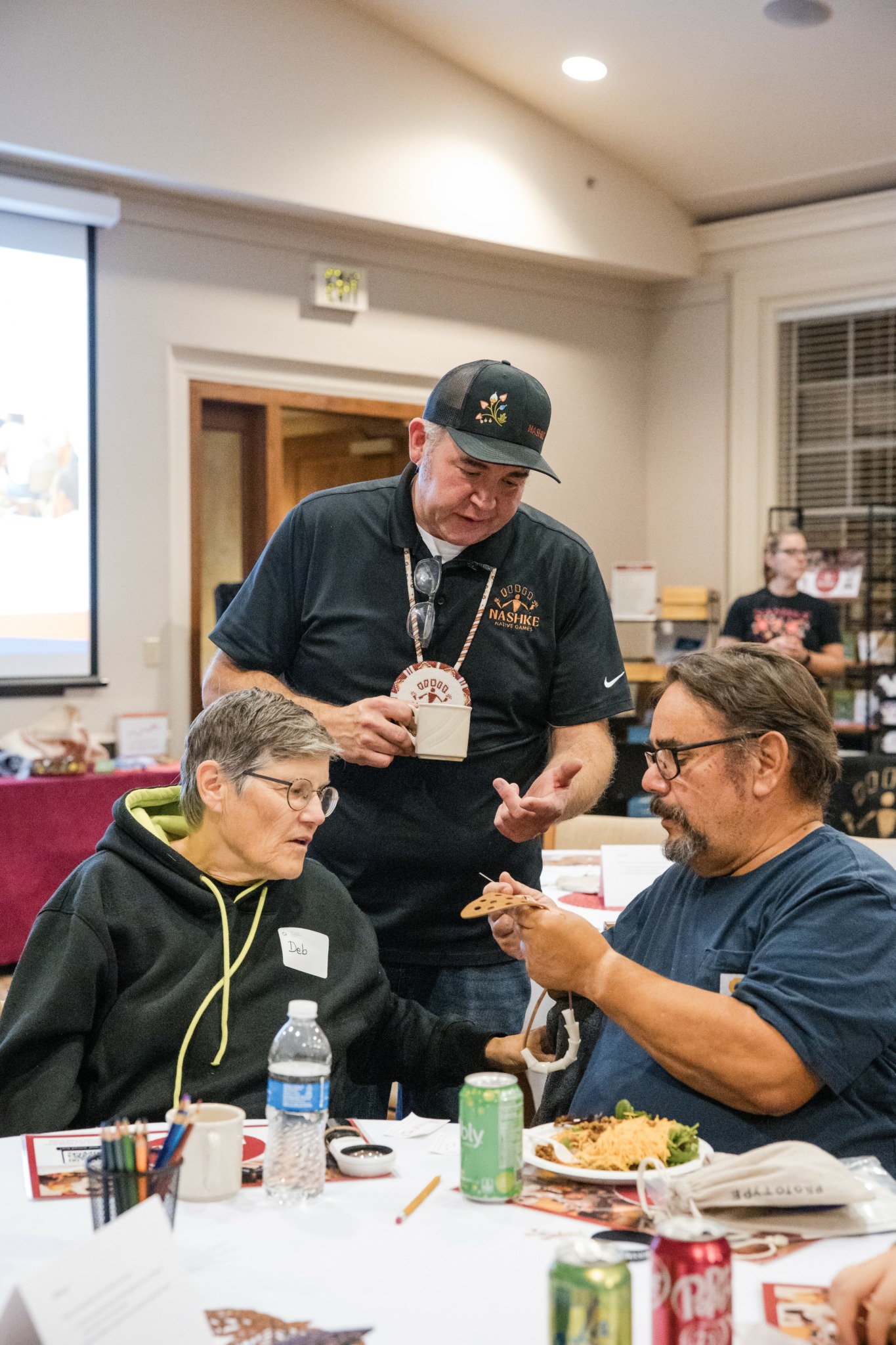

We caught up with the brilliant and insightful Anthony Drews (Chi-Noodin) Drews a few weeks ago and have shared our conversation below.
Hi Anthony Drews (Chi-noodin), thanks for joining us today. What’s the backstory behind how you came up with the idea for your business?
My lifelong dedication to raising awareness of Native culture and language began during what should have been one of the proudest moments of my childhood. I was given my Ojibwe name, Chi-Noodin (Big Wind), in ceremony by my grandmother’s cousin. She told me it was also the name of her grandmother, my great-great-grandmother, and shared stories that filled me with pride and connection.
Later that day, my father gently encouraged me to be careful about sharing what had happened at school. At the time, I didn’t fully understand the weight of that moment. As I grew older, I came to understand it as an act of love and protection, shaped by the realities he had experienced growing up as an Ojibwe person in a world that was not always kind to our identity.
That moment stayed with me for life. It planted a question in my heart: What would it look like if Native kids grew up feeling pride instead of caution?
Years later, after spending decades working in Native communities, schools, and family systems, I saw the same problem everywhere. People genuinely wanted to teach Native culture and history, but many educators felt unprepared. Families wanted ways to reconnect with language, but the tools often felt academic, inaccessible, or disconnected from joy.
I realized games could become the bridge. Games are one of the few things that naturally lower defenses. People laugh, compete, tell stories, and learn without fear of getting it wrong. I saw an opportunity to use that joy as a vehicle for language revitalization and cultural pride.
What made it feel worthwhile was that it solved multiple problems at once:
• It gave Native youth opportunities to see themselves reflected in playful, empowering ways
• It gave families culturally grounded tools to reconnect at home
• It gave educators immediate, usable resources
• It made Native culture part of everyday life rather than something reserved for special occasions
What excited me most was that this approach felt both ancient and innovative. Storytelling, play, and gathering have always been part of how our communities teach. I wasn’t inventing something new as much as I was reimagining an old truth in a modern format.
The logic became clear very quickly: if people are more open when they’re having fun, then joy could become a powerful strategy for systems change. That belief has proven true. What started as a few games has grown into partnerships with schools, museums, cultural institutions, and Native communities across the U.S. and Canada.
At its core, Nashke Games exists because I wanted to help build a future where Native identity is visible, celebrated, and lived out loud.
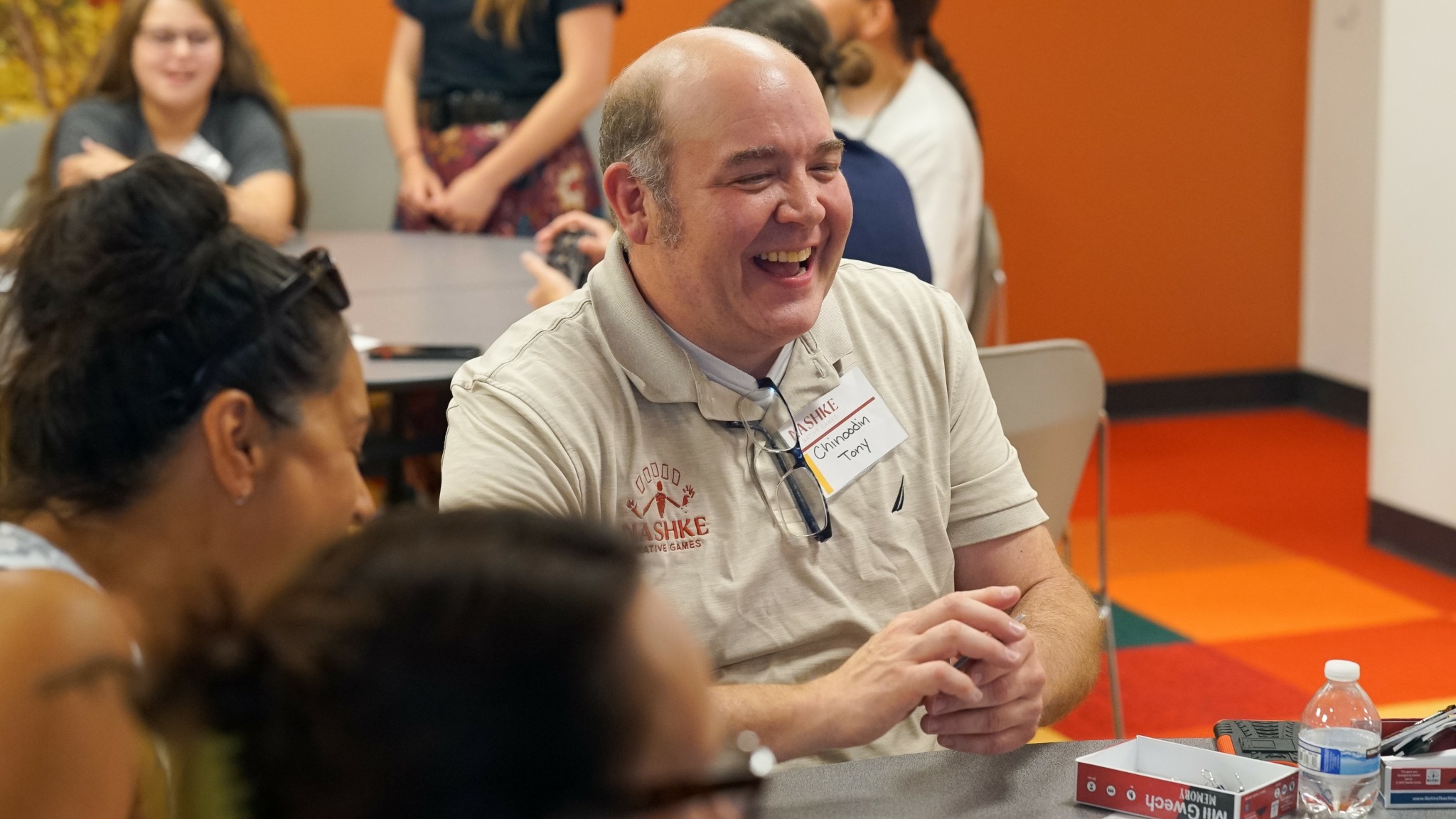
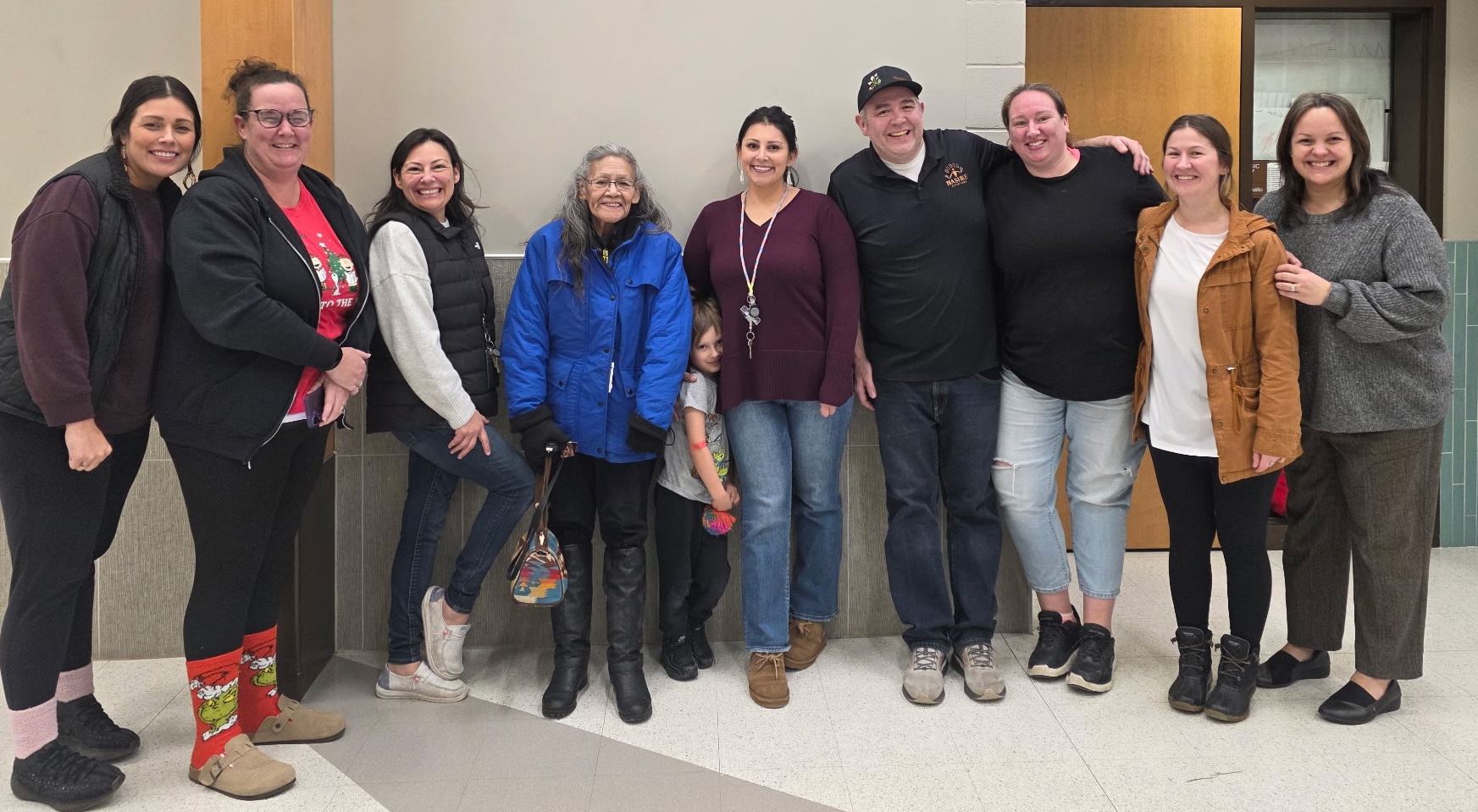
As always, we appreciate you sharing your insights and we’ve got a few more questions for you, but before we get to all of that can you take a minute to introduce yourself and give our readers some of your background and context?
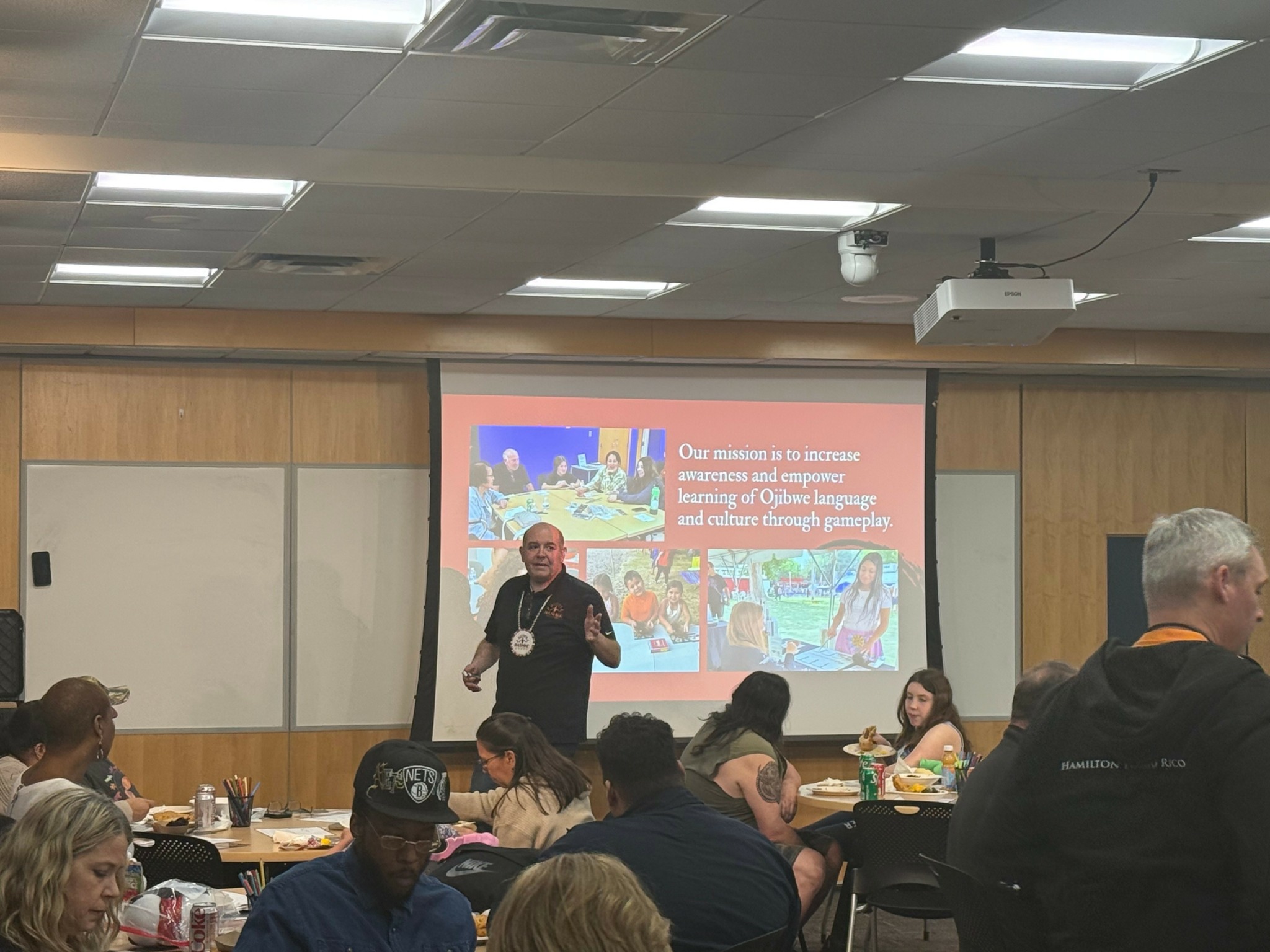
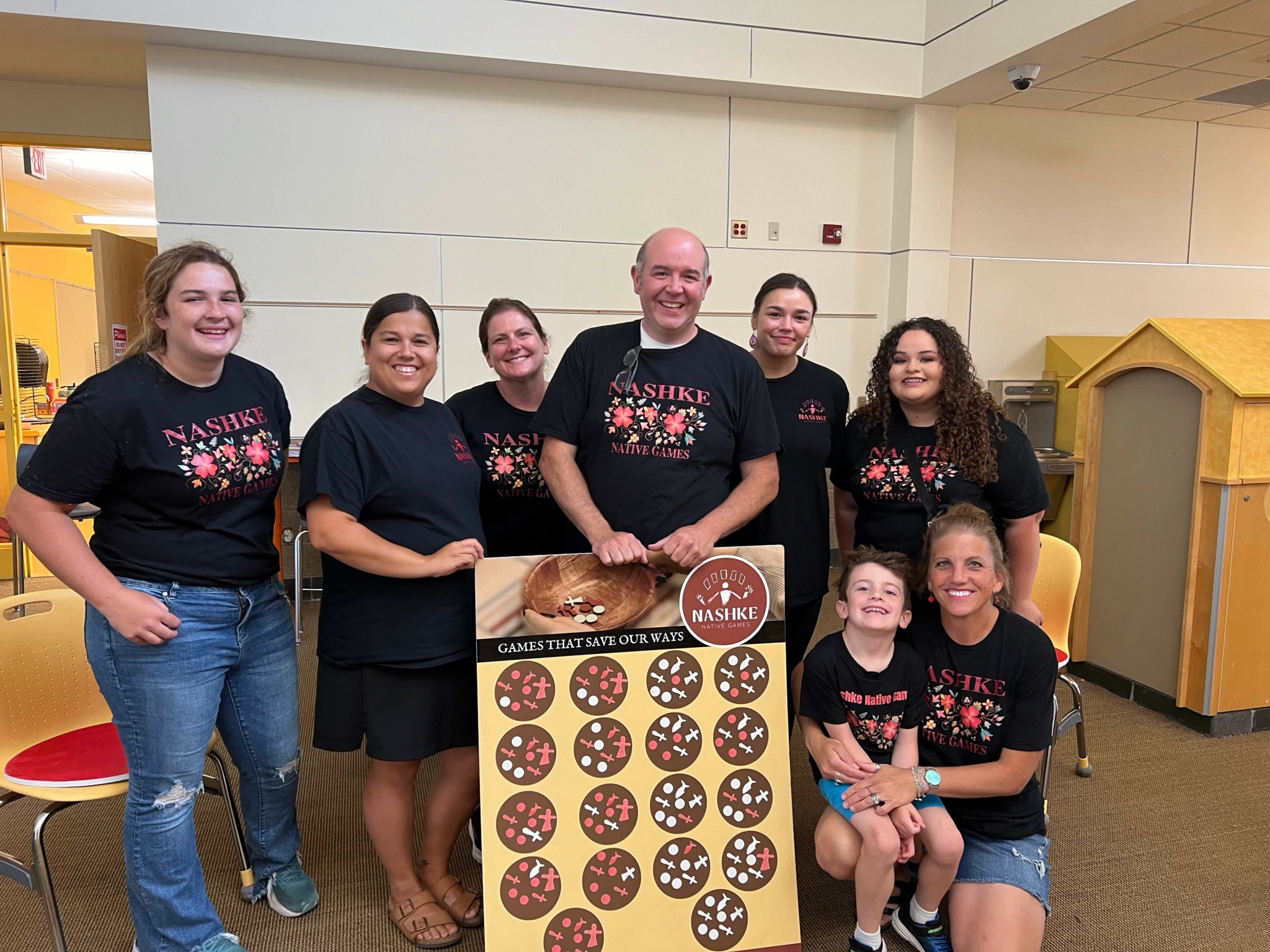
I’m Tony Drews, Founder and President of Nashke Native Games, a Native-led social enterprise that increases awareness and empowers learning of Indigenous language and culture through joy and gameplay.
My path into this work is deeply personal. I come from the Leech Lake Band of Ojibwe, and much of my life has been shaped by the balance between cultural pride and the quiet ways Native families were taught to protect that pride. One of the earliest moments that stayed with me was receiving my Ojibwe name, Chi-Noodin (Big Wind), in ceremony as a child. My family shared stories that made me feel deeply connected to who I was and where I came from. Later, my father gently encouraged me to be thoughtful about how I shared that experience at school.
That moment planted a lifelong question in me: What would it look like if Native children grew up experiencing pride, visibility, and belonging in every space they entered? That question eventually became Nashke Native Games.
For more than 30 years, I’ve worked in Native communities, building programs, supporting families, and creating pathways for cultural preservation and educational equity. Nashke grew out of seeing the same challenge repeatedly: educators, families, and institutions genuinely wanted to teach Native culture and history, but often lacked accessible, joyful, and culturally grounded tools to do it well.
That’s the problem we solve.
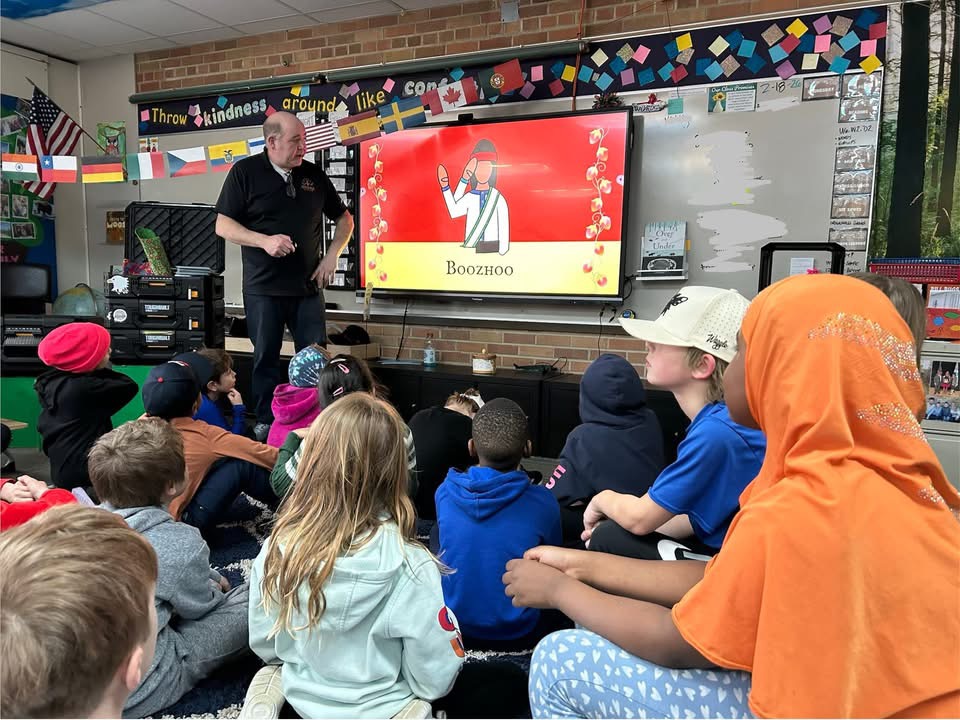
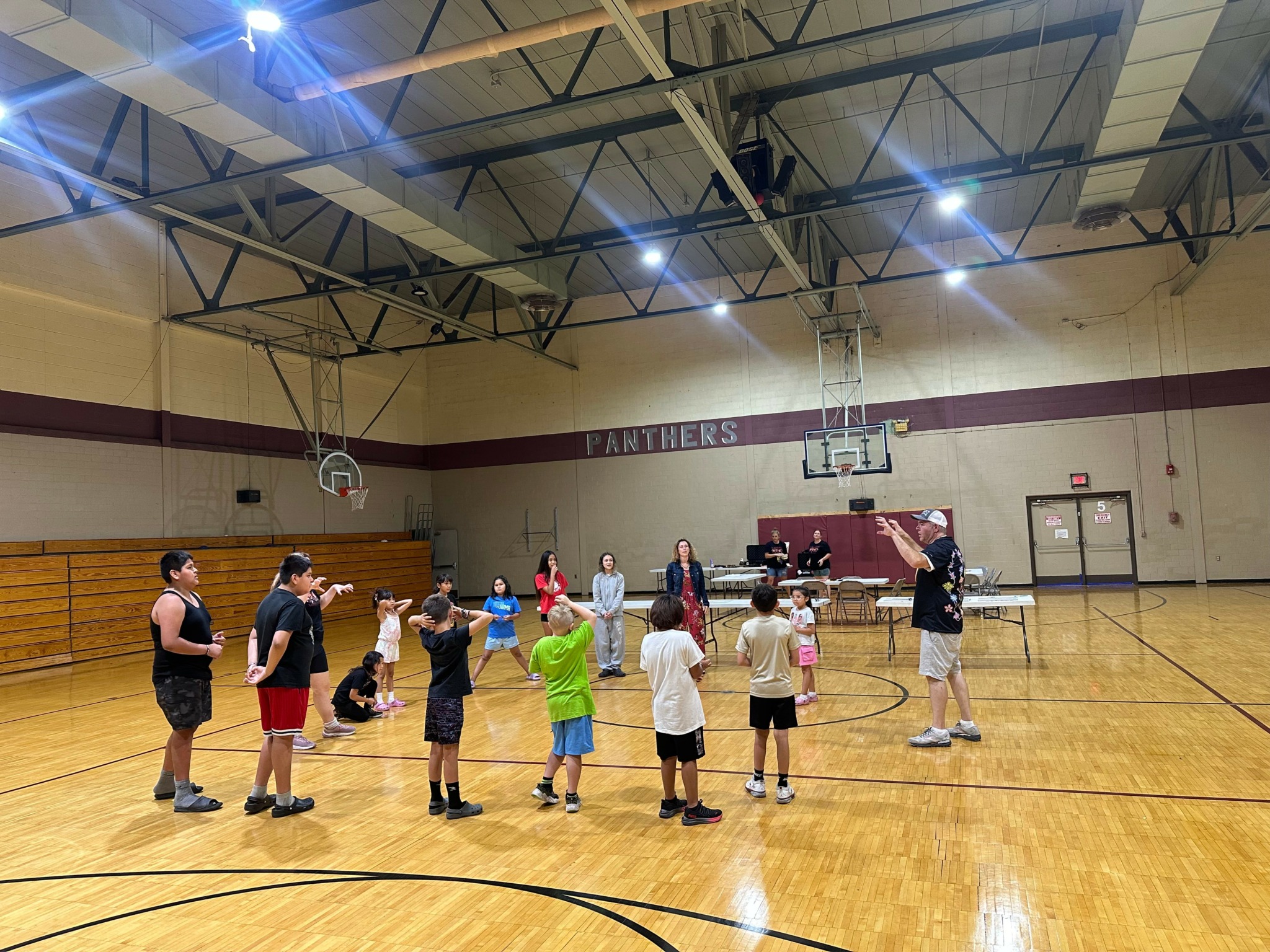
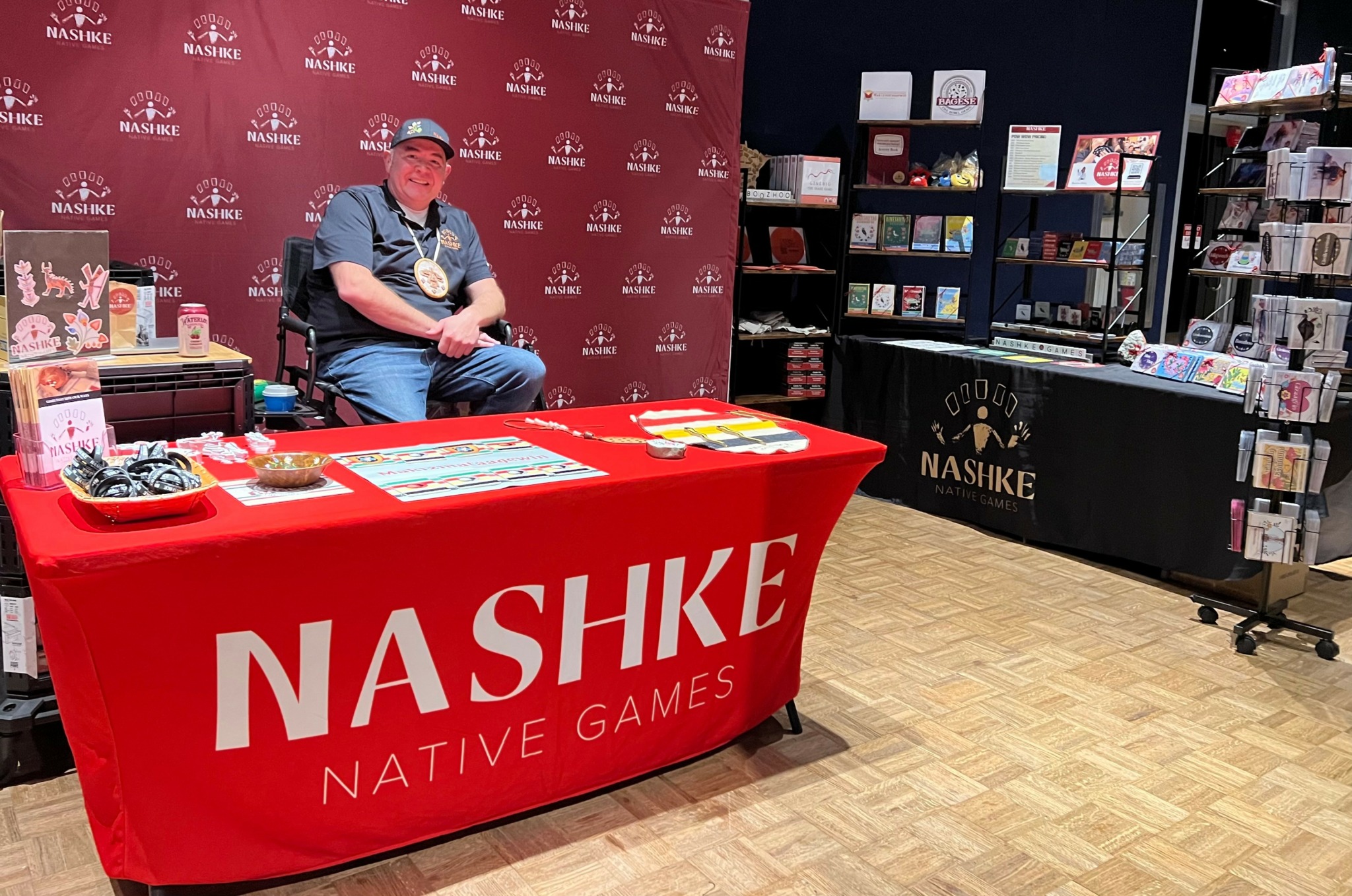
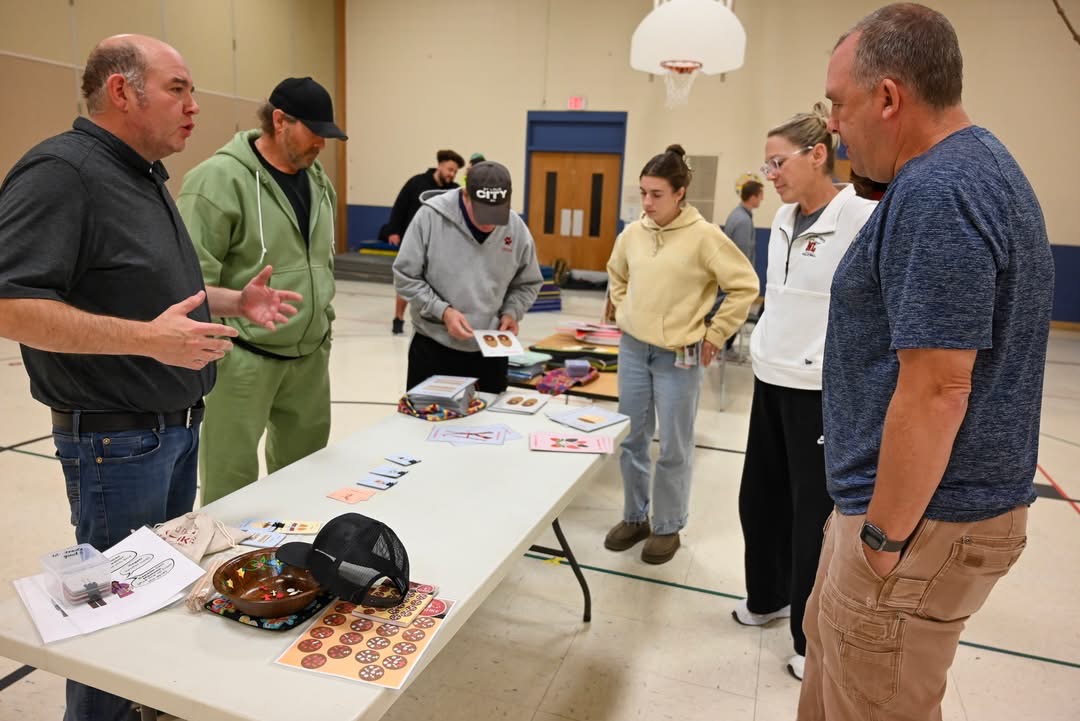
Through board games, card games, educational resources, and immersive programming, we help schools, museums, families, and community organizations engage with Indigenous language and culture in ways that feel natural, welcoming, and memorable. We also provide professional development for educators, family engagement events, and culturally grounded community programming.
What sets our work apart is that we use joy as the strategy for cultural revitalization.
Games lower defenses. They create laughter, storytelling, curiosity, and connection. People stop worrying about getting things “right” and instead begin learning through relationship and shared experience. In many ways, the work feels both innovative and deeply traditional, because storytelling, gathering, and play have always been Indigenous teaching tools.
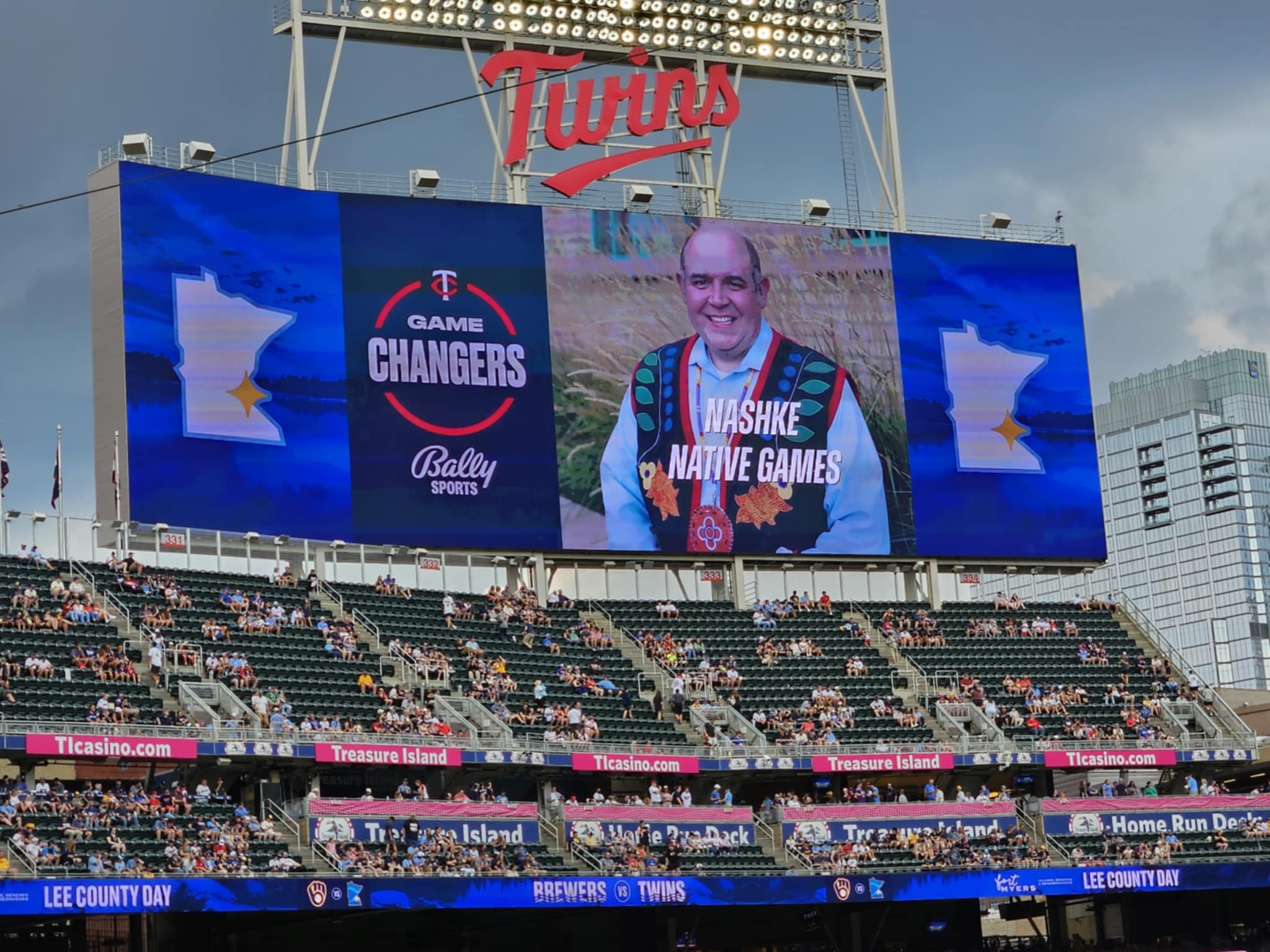
The thing I’m most proud of is seeing Native youth light up when they hear their language spoken in spaces designed for joy. I’m equally proud when educators realize they do have the capacity to bring Indigenous perspectives into their classrooms in authentic ways. What began as a handful of games has grown into a movement that now reaches schools, museums, tribal communities, and families across the U.S. and Canada.
The biggest thing I want people to know about Nashke is that this work has never been just about games. It’s about helping future generations inherit pride instead of silence, connection instead of disconnection, and culture that is lived out loud in everyday life. At its heart, Nashke Native Games is about building tools that help culture stay visible, joyful, and alive for generations to come.
How do you keep in touch with clients and foster brand loyalty?
We stay connected with our clients by building relationships beyond the sale. For us, brand loyalty is rooted in trust, generosity, and consistently exceeding expectations.
A big part of our approach is a simple philosophy: under promise and over deliver. We pay close attention to the little things that make people feel valued. Every purchase includes a handwritten thank-you note, and we almost always include some kind of free bonus, whether that’s extra stickers, greeting cards, a small game add-on, or another thoughtful surprise. Those small gestures help people feel the care behind the work.
We also stay in touch through retail partner newsletters, educator updates, social media storytelling, and personal follow-up emails that share new products, upcoming events, and creative ways to use our games in classrooms, homes, and community spaces.
What truly fosters loyalty is that we meet people and organizations where they are. Whether that means helping an educator integrate games into a lesson, supporting a museum activation, or working creatively around budget constraints for a school or community program, we stay flexible and solutions oriented.
Because our work is rooted in culture, joy, and community impact, many of our clients become long-term partners. They return not only for the products, but because they know they are working with a brand that genuinely cares about their success and shares their commitment to helping future generations inherit pride instead of silence.
Okay – so how did you figure out the manufacturing part? Did you have prior experience?
Yes, we absolutely manufacture our products, and the journey into manufacturing has been one of the biggest learning curves of building Nashke Native Games. When I first started, I had the vision for how the games should feel, joyful, culturally grounded, beautiful, and durable enough to live in classrooms, homes, and community spaces. What I did not have was a background in manufacturing. I came into this work from decades of community building, education, and systems leadership, not product production.
So, in the beginning, a lot of it was learning by doing. Our first manufacturer really took us under their wing and showed us the ropes. That early partnership was invaluable. They helped me understand the language of manufacturing, from materials, proofs, packaging, freight, margins, and minimum order quantities to how timelines and quality standards really work behind the scenes.
Looking back, those first products were truly our MVPs (the minimum viable products). They were strong, meaningful, and exactly what we needed to launch. They allowed us to get the mission into people’s hands, learn from the market, and prove that this model worked. As we’ve grown, so has our understanding of what quality and scalability really require.
Now, three years in, we work with multiple manufacturers both stateside and overseas to ensure our customers receive the highest-quality products possible, products that truly reflect the beauty of our culture while also helping sustain and scale the business in a healthy way.
Finding the right vendors has always come down to a mix of relationship, responsiveness, and values alignment. At first, I intentionally worked with partners close to home because proximity made it easier to learn the process and troubleshoot in real time. As we grew, I expanded into national and overseas manufacturing relationships to improve both quality and production capacity.
One of the biggest lessons I’ve learned is that manufacturing is as much about communication and trust as it is about production.
A beautiful design means very little if the final product doesn’t arrive on time, meet quality expectations, or support the customer experience we promised. I’ve had moments where packaging issues, delays, or production inconsistencies forced us to rethink entire product lines. Those experiences taught me the importance of:
building redundancy into timelines
never rushing proof approvals
protecting quality standards
choosing partners who solve problems collaboratively
planning for the customer experience, not just the product itself
The biggest mindset shift for me was realizing that manufacturing is not just “making things.” It’s really about translating cultural integrity into a physical experience. Every choice, from card stock to tuck boxes to puzzle durability, shapes how people experience Native culture through our work.
What I’m proudest of is that even through the learning curve, we’ve continued to evolve. We are actively strengthening our manufacturing systems so our products continue to grow in quality, beauty, and consistency while positioning Nashke for national scale.
The lesson I carry forward is simple: Your manufacturer is not just a vendor; they are an extension of your brand promise. That perspective has changed everything for us.
Contact Info:
- Website: https://www.nashke.com
- Instagram: nashkenativegames
- Facebook: https://www.facebook.com/nashkenativegames/
- Linkedin: https://www.linkedin.com/in/anthony-drews-2937a7293/