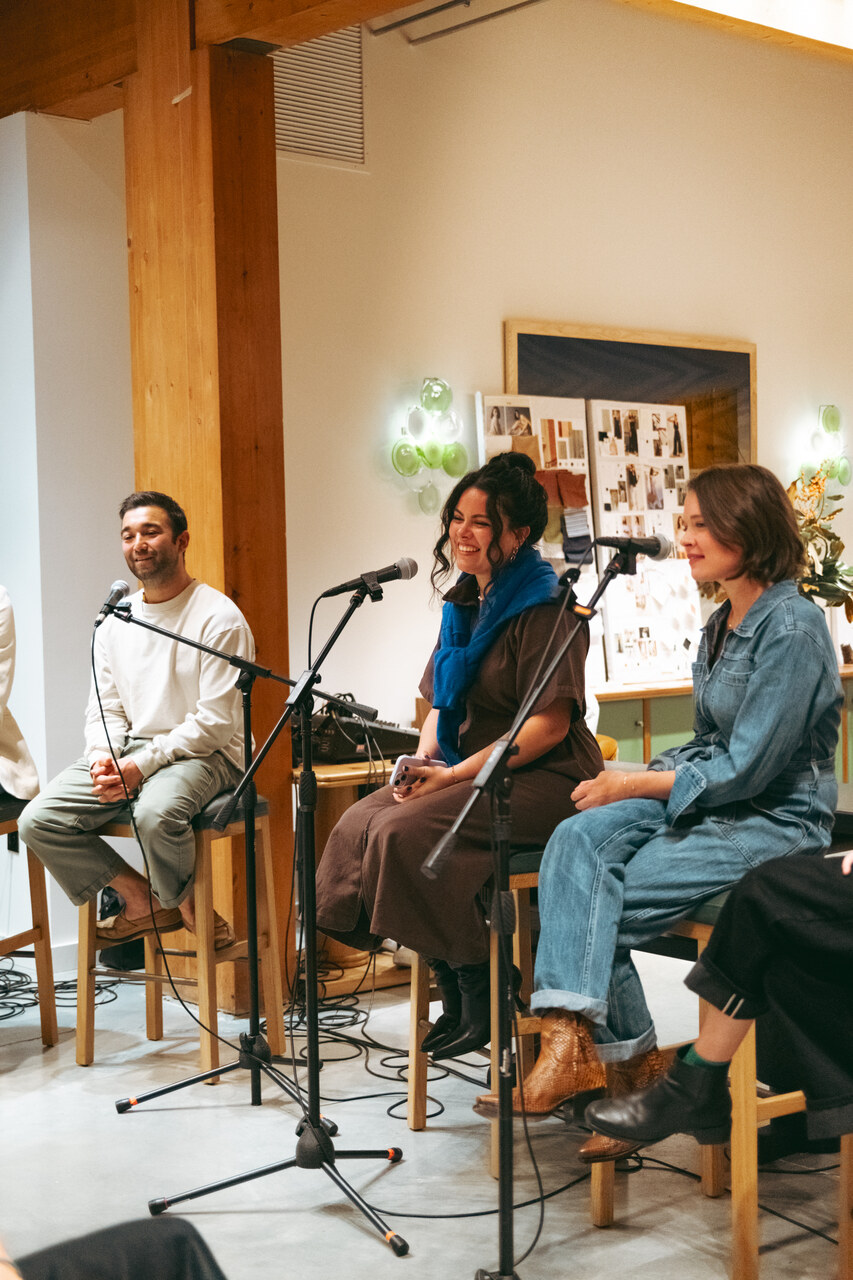

We caught up with the brilliant and insightful Annie Masarie a few weeks ago and have shared our conversation below.
Annie, looking forward to hearing all of your stories today. If you could go back in time do you wish you had started your business sooner or later
After graduating from Colorado State University with a degree in Apparel Design and Production, I started my career in New York City’s garment district, digitizing patterns at a grading and marking service. It was monotonous and paid next to nothing—but it got my foot in the door.
I was especially fascinated by grading: the subtle, disproportionate ways bodies change as sizes scale, and how that gets translated mathematically into a consistent fit. It felt right at home in my math-oriented brain. I asked a lot of questions and built a solid understanding of what happens between finalizing a production pattern and the fabric hitting the cutting floor.
Even though I loved grading and marking, my goal was always to become a pattern maker. I eventually moved down the street to an in-house pattern making role at a high-end manufacturer. There, I learned from incredibly skilled tailors and worked across a wide range of brands from children’s wear to men’s suiting to gowns headed for the Grammys.
In 2014, I went out on my own as a freelance pattern maker and I’ve been fully booked ever since.
When I relocated to Nashville in 2018, I was pleasantly surprised by the growing fashion scene in the Southeast. As soon as word got out there was a pattern maker in town, I was flooded with work. That was the first moment I wished I had treated my little freelance empire like a real business.
By 2022, I was exhausted trying to do everything myself—pattern work, client communication, fittings, measuring samples, all of it. I hired a freelance assistant, and as capacity grew, the work was there to fill it. When revenue hit six figures, I filed as an LLC. If I’m honest, that was about the only step I took toward truly legitimizing the business.
In 2024, I hired a second assistant who turned out to have a natural talent for technical design. As we began offering technical design services alongside patterning, I had a realization: I wasn’t just building a freelance career anymore. I was in a position to create meaningful, long-term careers for other talented women in a creative, dynamic industry. That’s when I really hit “go.” And that’s when the storm began.
I dusted off what I’d learned from my business minor, but I quickly realized I was in over my head. My immediate goal was simple: understand the business well enough to know what salaries I could responsibly offer my team. It turns out one giant Excel spreadsheet for tracking taxes is not a business strategy.
So I took a leap and started working one-on-one with a business advisor. It changed everything—not just my business, but my life. I painstakingly went back through years of invoices and expenses to clean up my books. I learned QuickBooks. I started analyzing revenue streams and costs. For the first time, I could actually read and understand my own P&L statements. It was frustrating and time-consuming—but also one of the most empowering things I’ve ever done.
Today, the business is in a place of steady, sustainable growth. My team receives raises. I can breathe occasionally. I dedicate weekly time to reviewing the numbers, refining workflows, adjusting pricing, and positioning us intentionally within the industry.
So do I wish I had started sooner or later?
I don’t think I did it “wrong.” Every phase gave me the skills I needed. But I do wish I had organized my data earlier, and realized sooner that I was underpricing our services.
If I could give one piece of advice to freelancers everywhere, it’s this: start treating your work like a real business from day one.
Great, appreciate you sharing that with us. Before we ask you to share more of your insights, can you take a moment to introduce yourself and how you got to where you are today to our readers.
Growing up, my mother was a quilting teacher. I had free rein of the scrap pile and machine. Quilts were her thing, so I started copying my clothes! Turns out, if you can copy something, you can make anything. After I earned my degree, I moved straight to NYC for an internship at Diane Von Furstenberg, where I found myself making excuses to go to the patterning room. After deciding the world of haute couture wasn’t for me, I began the journey that led to Masarie Patterns.
We offer everything you need to get production-ready: sourcing, tech packs, sampling, sizing, fittings, and more. While we’re proud to partner with established brands like Imogene + Willie, Sendero Provisions, and REP Fitness, we’re equally passionate about supporting those who are brand new to the industry. Helping emerging designers bring their vision to life is a true joy for us, and we guide and educate our clients every step of the way.
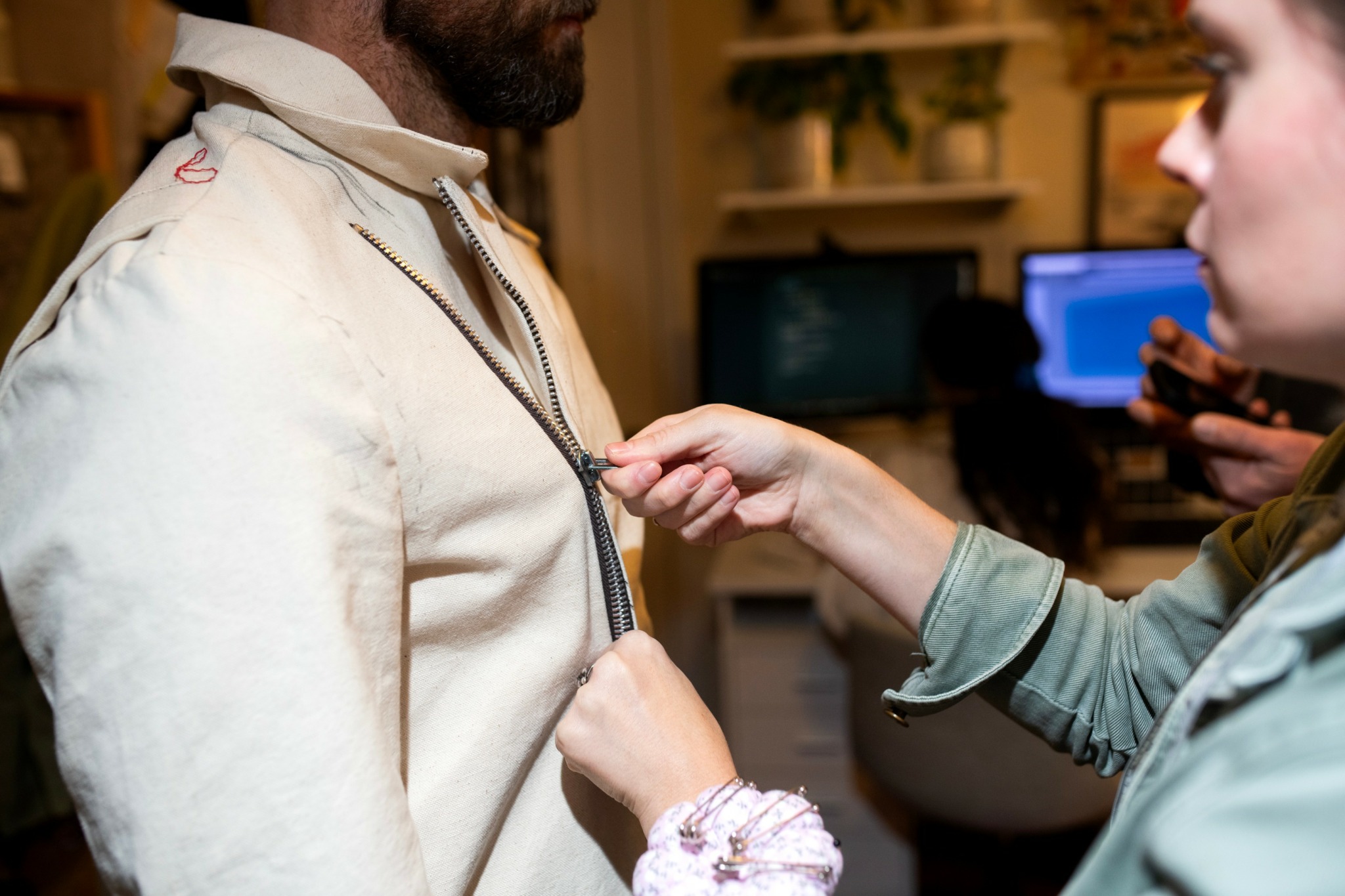
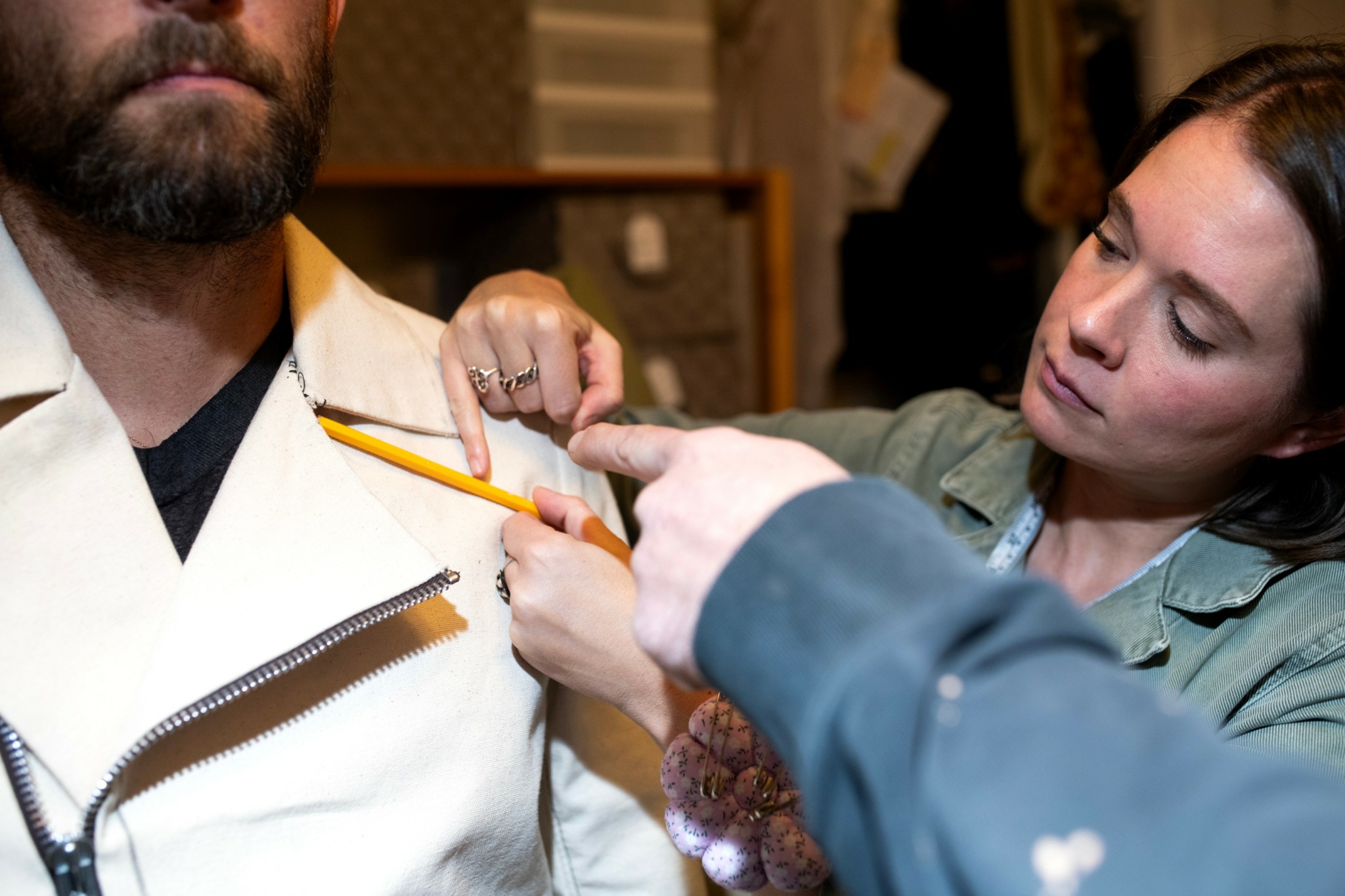
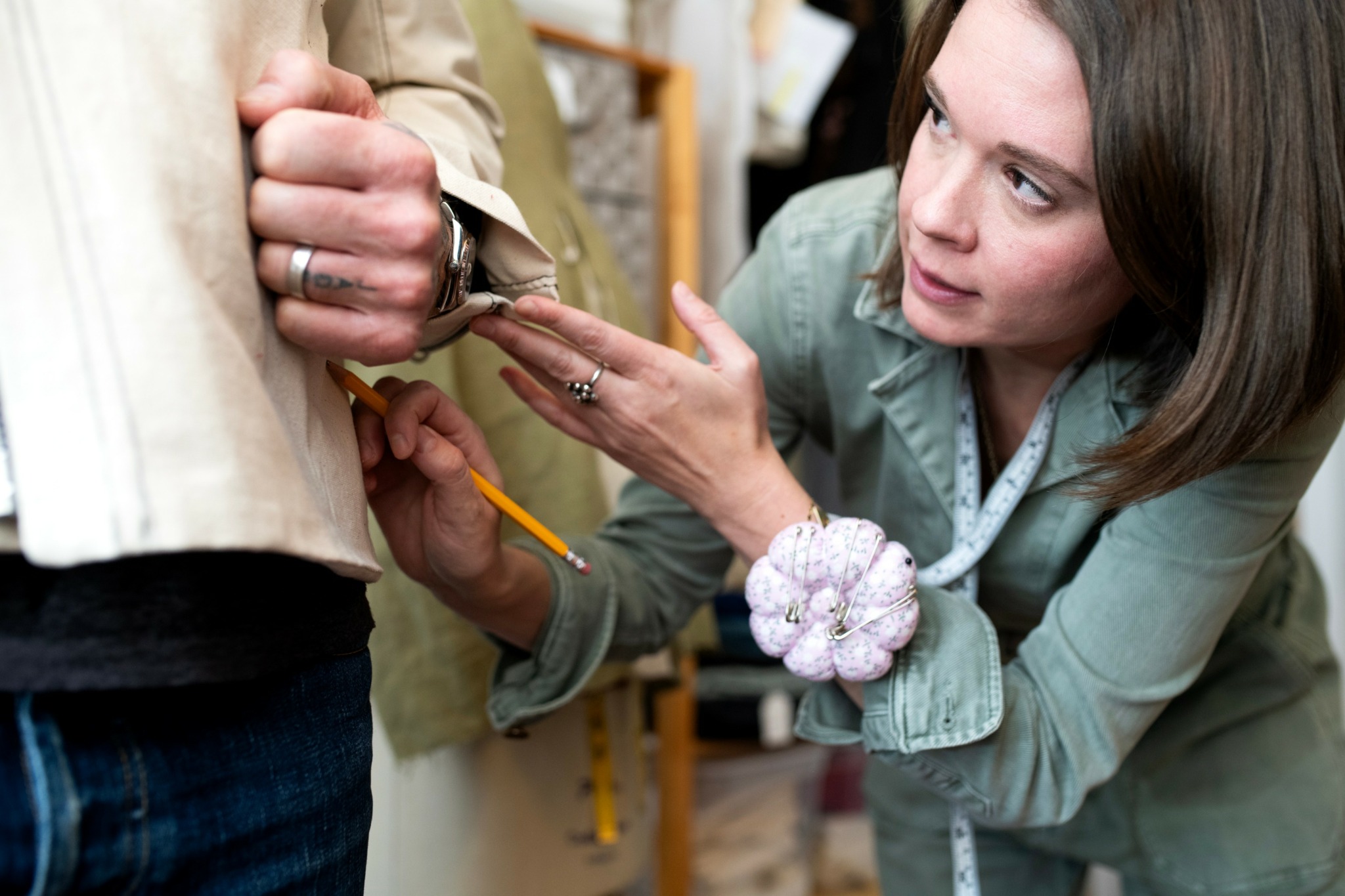
I’m especially passionate about fit and sizing because a truly great fit is the foundation of any successful clothing brand. We work with a trusted network of professional fit models and conduct meticulous garment fittings to ensure the final product performs exactly as it should. In categories like plus size and children’s wear, size grading can often feel like a mystery. We’ve spent years researching and refining our approach in these niches, making sure our grading reflects today’s bodies and aligns with the current state of the industry.
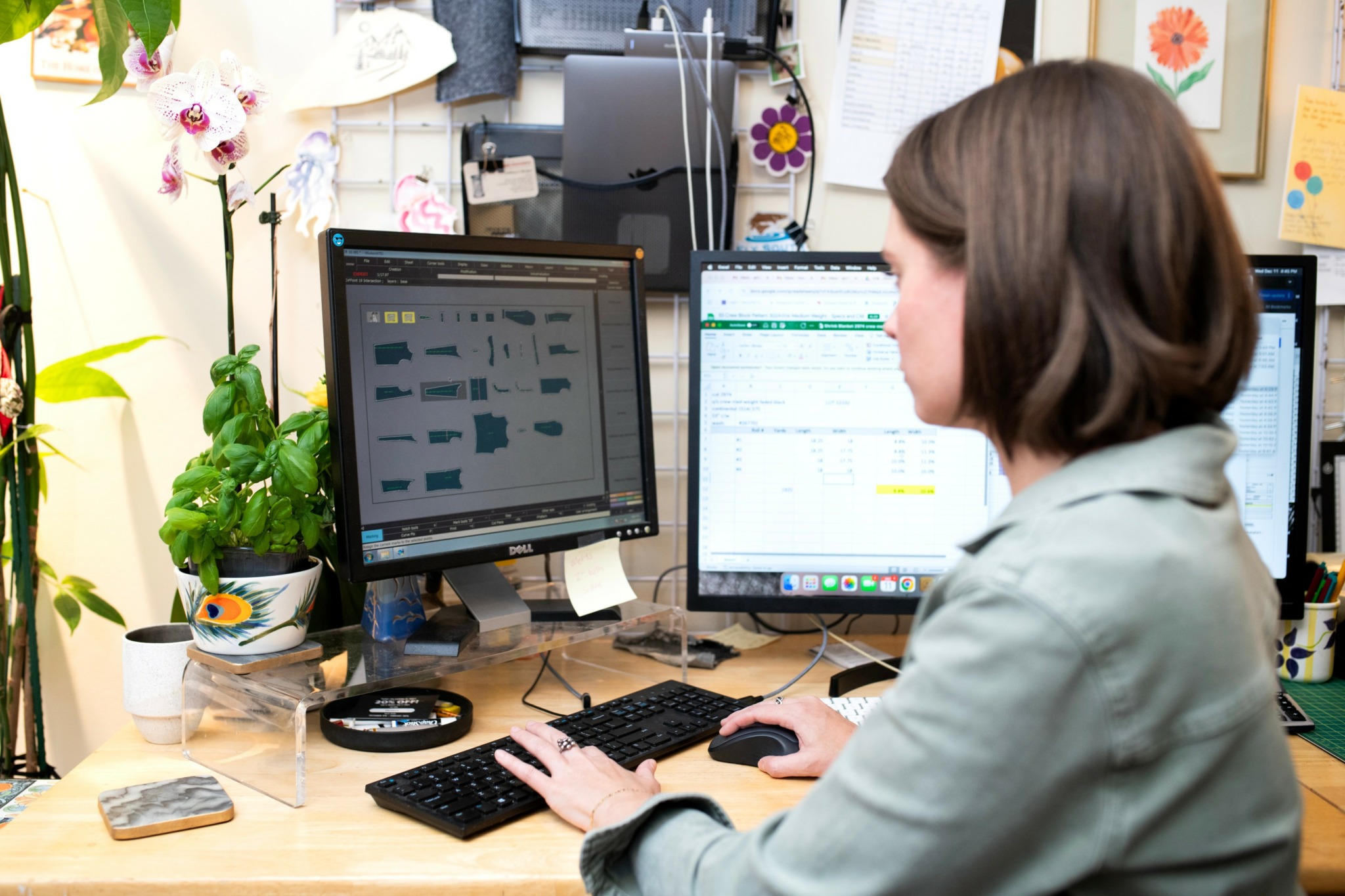
What do you think helped you build your reputation within your market?
Consistency, adaptability, and good old-fashioned word of mouth. The garment district is a surprisingly close-knit community, and people talk. When you’re reliable, collaborative, and easy to work with, that reputation travels quickly.
Early on, I realized there’s a strong customer service component to pattern making. My job is to bring the designer’s vision to life and to make the sewer’s job as smooth as possible. Every designer communicates differently. Every brand has its own fit preferences. Every sewer has construction methods they trust. With each new client, I paid close attention to feedback so I could learn their style and anticipate their needs.
If a sewer preferred a different seam allowance or construction method, I’d adjust without hesitation and make a note to use that standard for that company moving forward. Historically, pattern makers can have a reputation for being rigid or insisting their way is best. I’ve always believed the sewer is right – they’re the one assembling the garment, after all.
And beyond all that, I stick to the fundamentals of freelancing: show up five minutes early and deliver on time. It sounds simple, but consistency in the small things builds trust in the big ones.
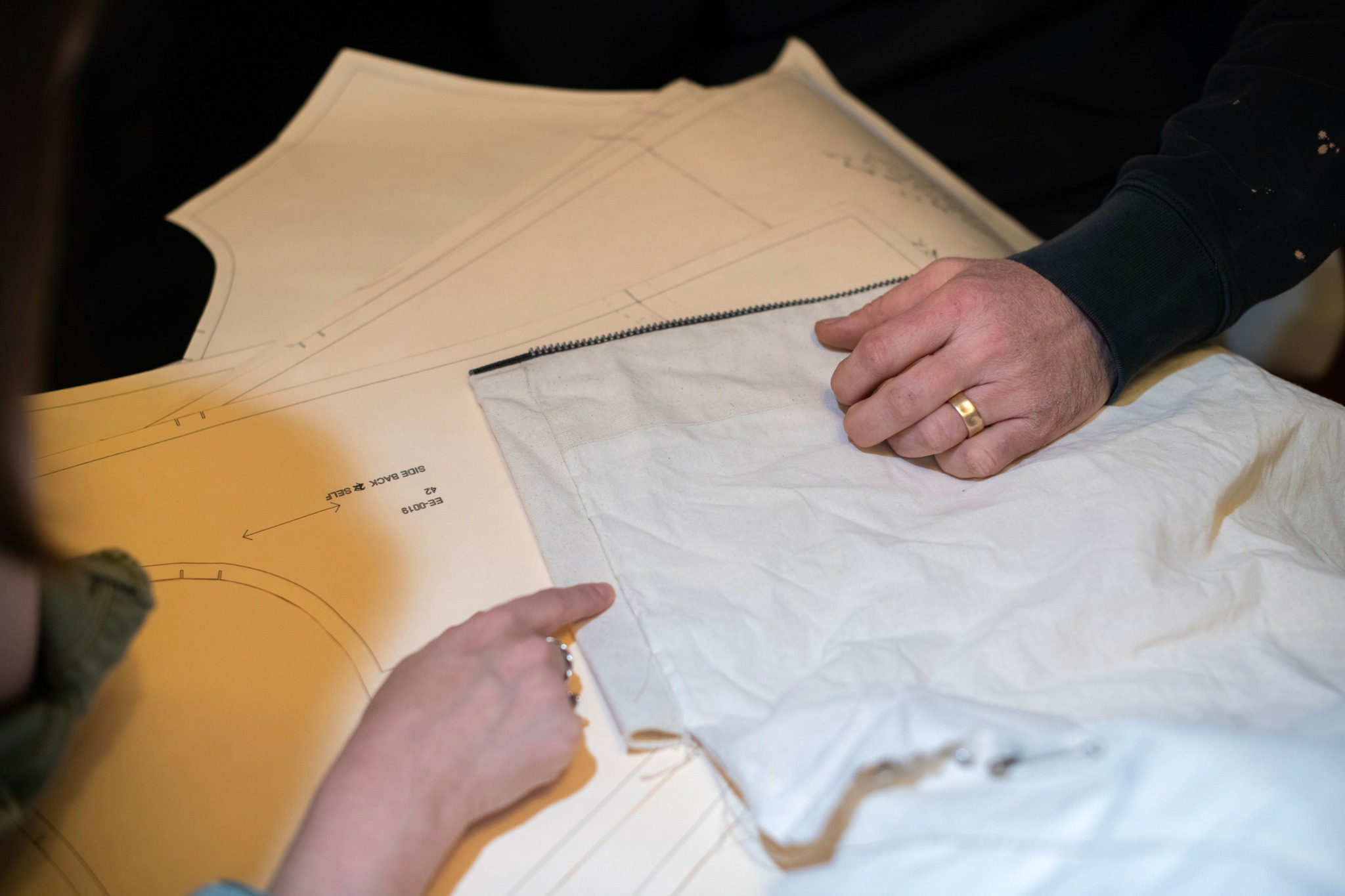
Can you tell us about what’s worked well for you in terms of growing your clientele?
The most effective strategy for growing my clientele has been building mutually beneficial, genuinely trusted relationships with adjacent services in the industry. If someone is looking for a pattern maker, they’re not usually searching blindly, they’re asking fellow designers, cutting and sewing rooms, and grading and marking services for recommendations. Being the name that comes up in those conversations is everything.
And it only works if it goes both ways. I consistently recommend the same colleagues to my clients. In such a tight-knit industry, strong relationships are your best marketing tool.
The grading and marking service I worked for right out of my internship is still my most important business partner. Behind the scenes, we collaborate constantly to ensure clients have a seamless experience. If there’s ever a pattern or grading issue, we get on the phone, decide together how to handle it, and make sure the final result is accurate and high quality. We truly have each other’s backs.
Many new designers don’t realize that pattern grading and pattern making are separate services, so they often approach the grading house first. In 2022, they added a landing page for my patterning services to their website because they were, as they put it, “tired of giving out my phone number every day.” My business skyrocketed almost immediately. And when those clients were ready for grading and marking, they were already working within a trusted ecosystem and felt confident they’d receive the same level of quality and care.
Contact Info:
- Website: https://www.masariepatterns.com
- Instagram: @masariepatterns
- Linkedin: https://www.linkedin.com/in/annie-masarie-30035a2b/