

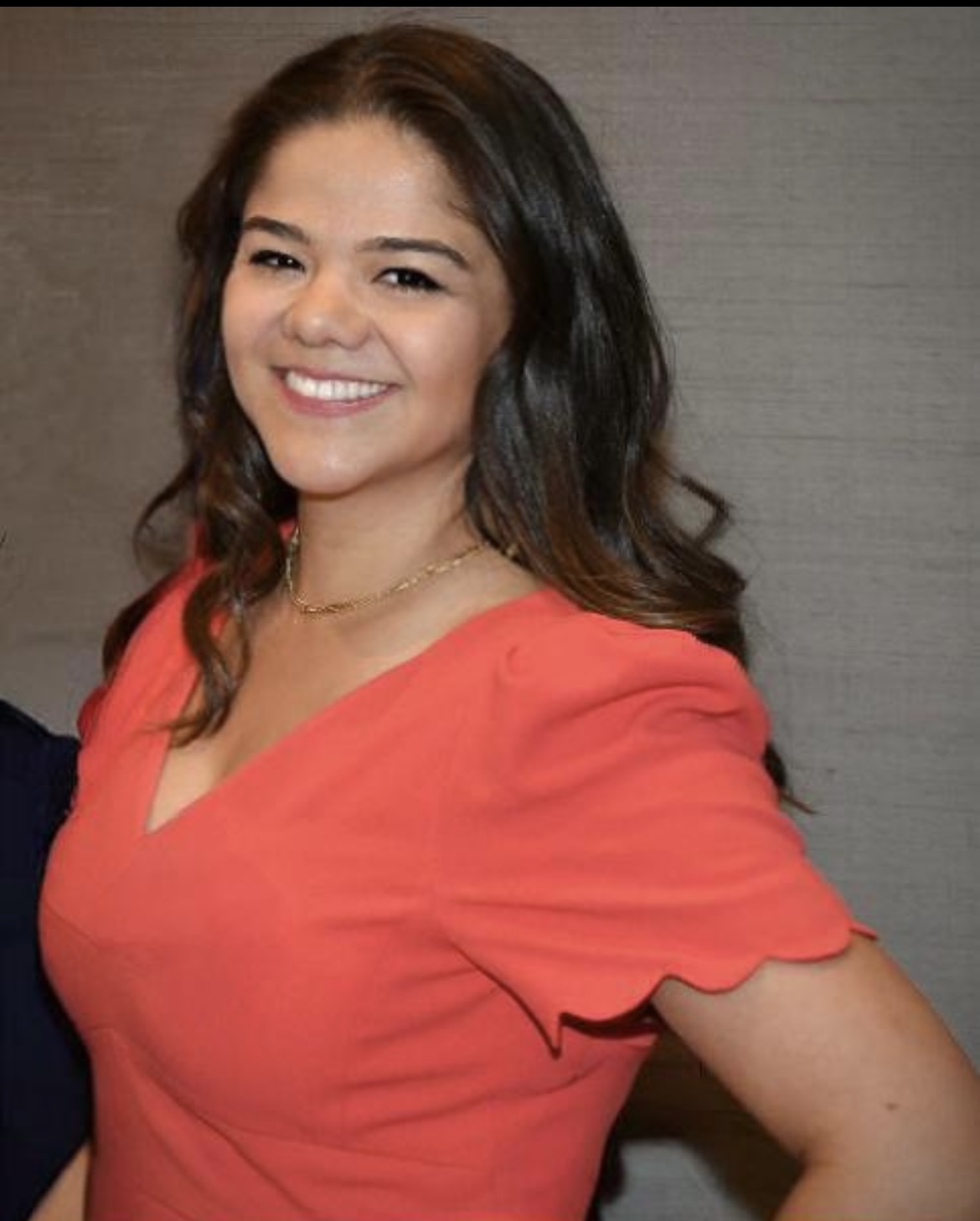

We recently connected with Anna Carpenter and have shared our conversation below.
Anna, thanks for taking the time to share your stories with us today Let’s start big picture – what are some of biggest trends you are seeing in your industry?
In today’s digital age, a significant trend in our industry is the shift in how the public consumes news and information. There is a notable change in people’s trust and preference for news and reports delivered through their handheld devices over traditional mainstream outlets such as radio, TV, or newspapers.
Allow me to illustrate this trend through an anecdote from my role in community engagement. Our office is responsible for disseminating information digitally, in print, and through videos and ads, all aimed at educating the public about their rights and the intricacies of the criminal justice system. However, communicating effectively in this era is tricky to say the least. With attention-grabbing headlines and one-minute videos dominating, it’s challenging to convey the complexities of the criminal justice system comprehensively, engagingly, factually, and in an easily digestible format.
When we first ventured into social media, we faced criticism suggesting that we weren’t fulfilling our responsibilities. This stemmed from the fact that most of our posts didn’t directly showcase how we were executing our duties. As a result, people didn’t believe in our efforts, no matter how diligently we worked behind the scenes. It appeared that saying “If it’s not on Facebook or Instagram, it didn’t happen” held true.
Our challenge was to bridge the gap between our work and public perception. We devised a strategy involving short posts that showcased real examples of cases that promoted public safety. This marked a turning point, as we observed a shift in public sentiment on social media. Criticisms dwindled, or at least became less vocal, as our followers began seeing daily, fact-based stories about how our office was contributing to public safety. Although we had been doing this work for years, it wasn’t until people saw it on their mobile devices that it felt real to them. This encapsulates the challenge of communication in today’s world.
People tend to believe information they receive on their phones because it feels personal and honest. In contrast, mainstream media is sometimes viewed as less personal and less reliable. Holding a device in your hand creates a sense of connection to the information it provides. However, this trend also poses a problem. Many social media self proclaimed journalists, reporters, or activists tend to report with biases, making it crucial for us, as a government agency, to present unbiased and well-researched information about our office in a way that resonates with our audience.
Furthermore, much of the work done in this office deals with highly sensitive information, and we can’t, by law, provide all the details of every case as the public would like. This balancing act of delivering truth without bias, in an understandable manner, while avoiding oversimplification, is the challenge I face as a communicator on digital platforms for our government organization.
Anna, before we move on to more of these sorts of questions, can you take some time to bring our readers up to speed on you and what you do?
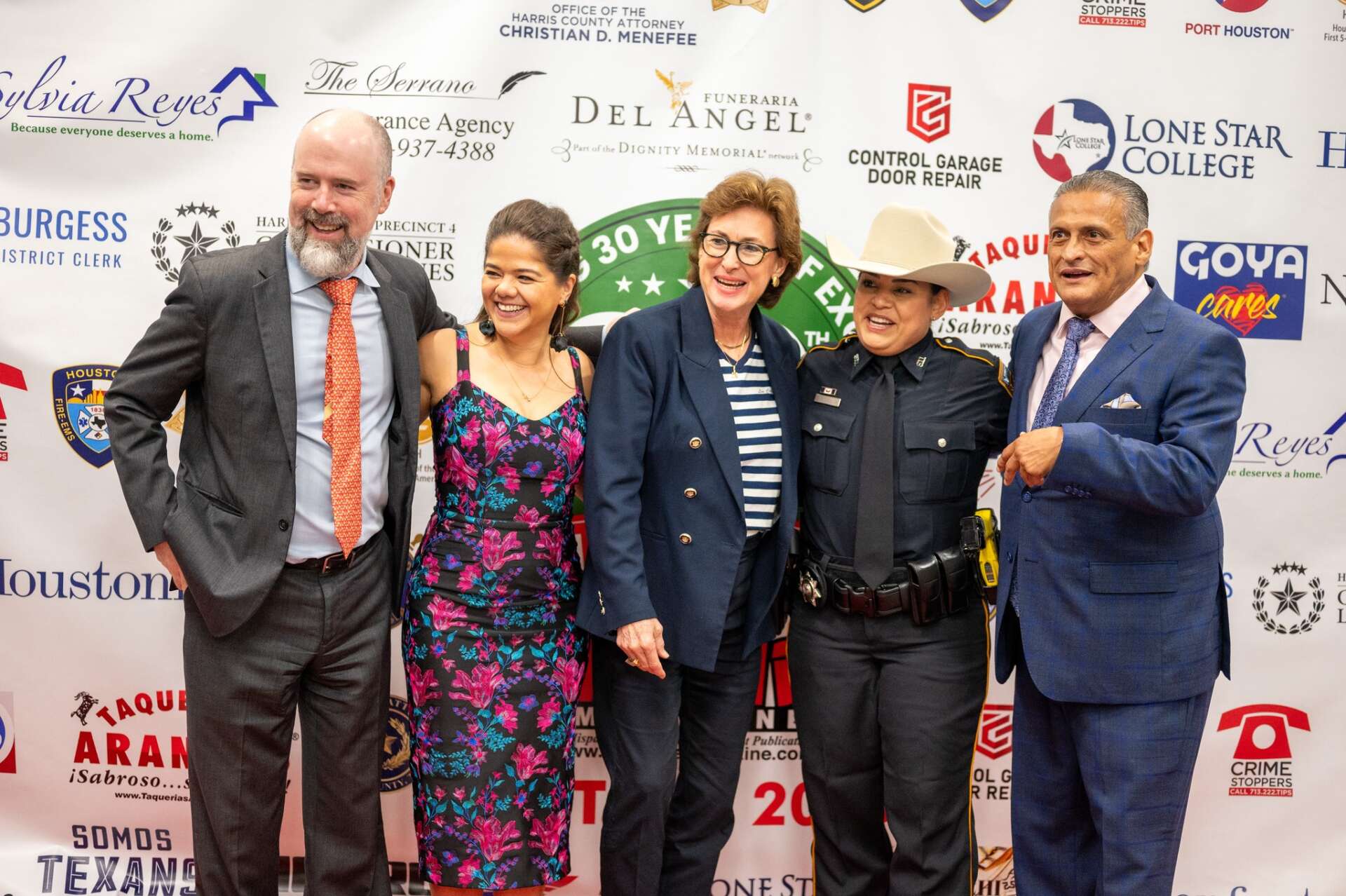
In my role as a Community Engagement Director, I take pride in my contribution to public safety through effective communication with the community. My mission is to convey vital information visually, not only about the services we offer but also about rights and public service announcements aimed at enhancing the safety of Harris County.
This multifaceted task involves crafting printed ads, TV media content, radio ads, and posts across five diverse social media platforms. Additionally, I handle newsletters, yearly reports, and various other communication channels.
One skill I’ve developed, which I didn’t realize I had, is the art of visual creativity. I’ve learned how to convey complex messages through graphics, a medium that often speaks volumes quicker than words. Thankfully, over the last decade, numerous tools have emerged to aid in this endeavor, allowing me to tap into my creative instincts and understand what appeals to our audience.
Discussing sensitive topics like domestic violence or child neglect requires a delicate balance. I strive to communicate effectively without alienating our viewers before they have a chance to absorb the message.
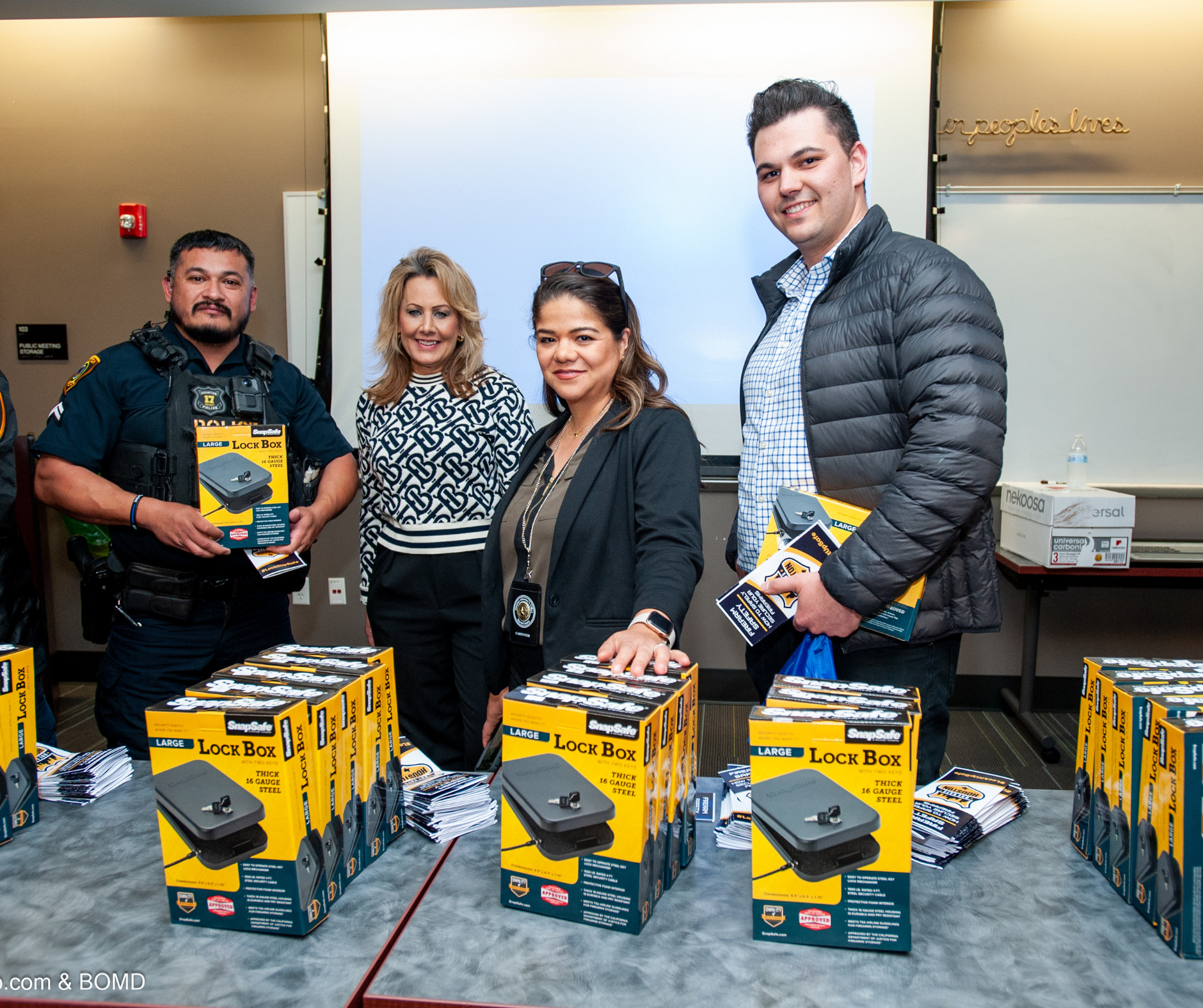
One project that I am very proud of is the video Public Service Announcement (PSA) that I conceived, wrote, and produced from inception to completion. This PSA addresses the critical issue of safe firearm storage.
I’d had the desire to undertake such a project for years before the opportunity presented itself in my current role. This three-day production was funded by assets seized from illegal activities, reinvested back into the community through this vital public service announcement. It implores Texas gun owners to handle their firearms responsibly.
Given the budget constraints within our office, I had to maintain strict financial oversight. All the actors generously volunteered their time, and the locations were donated. We allocated funds to a production company for editing and on-set direction of the PSA.
While I may never fully gauge the impact of this public service announcement, our hope is that by encouraging responsible firearm storage, we have contributed to saving lives.
This is just one example of what makes my job worth the daily one hour commute and the daily challenges of being a public serving office.
How’d you meet your business partner?
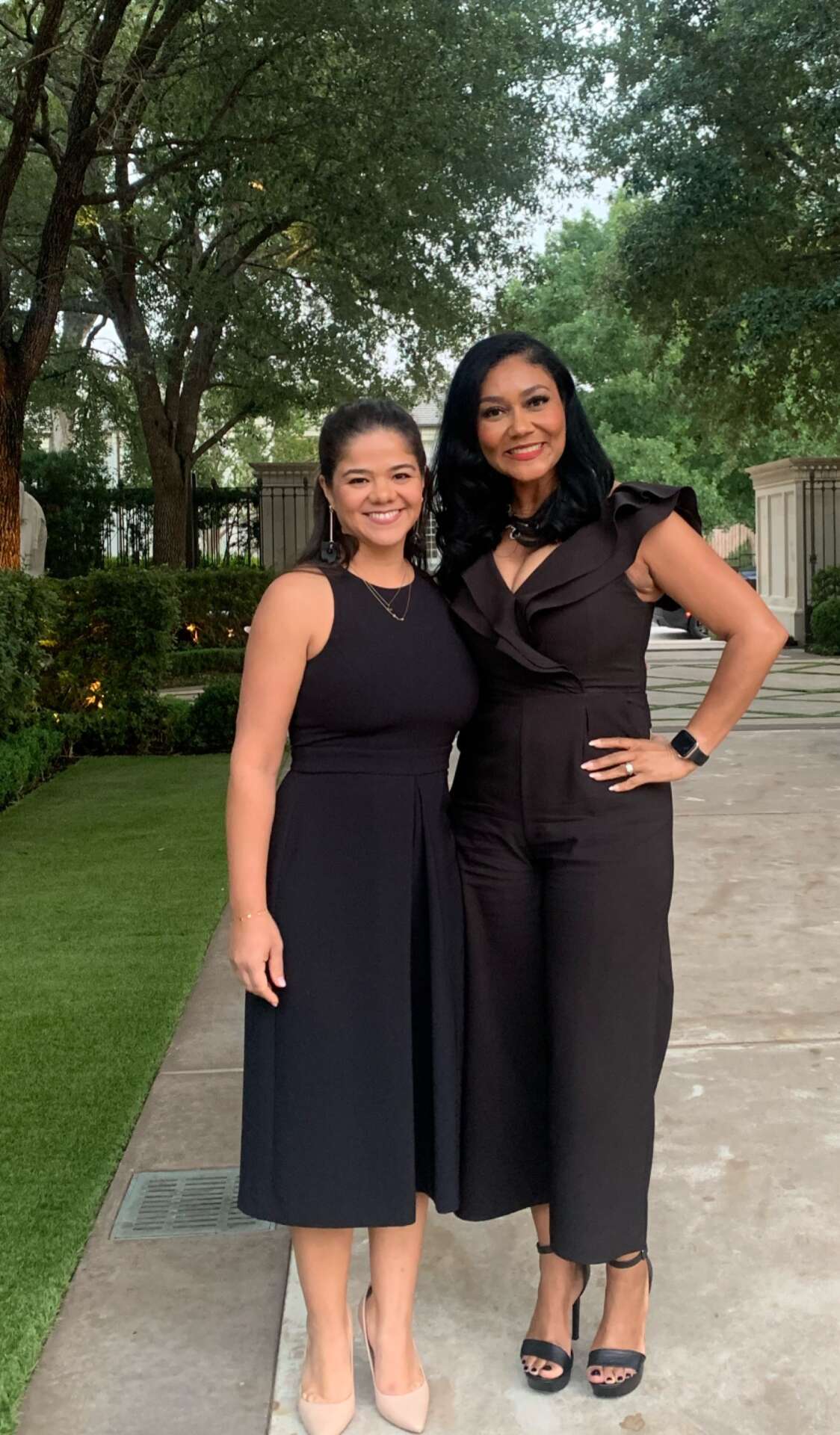
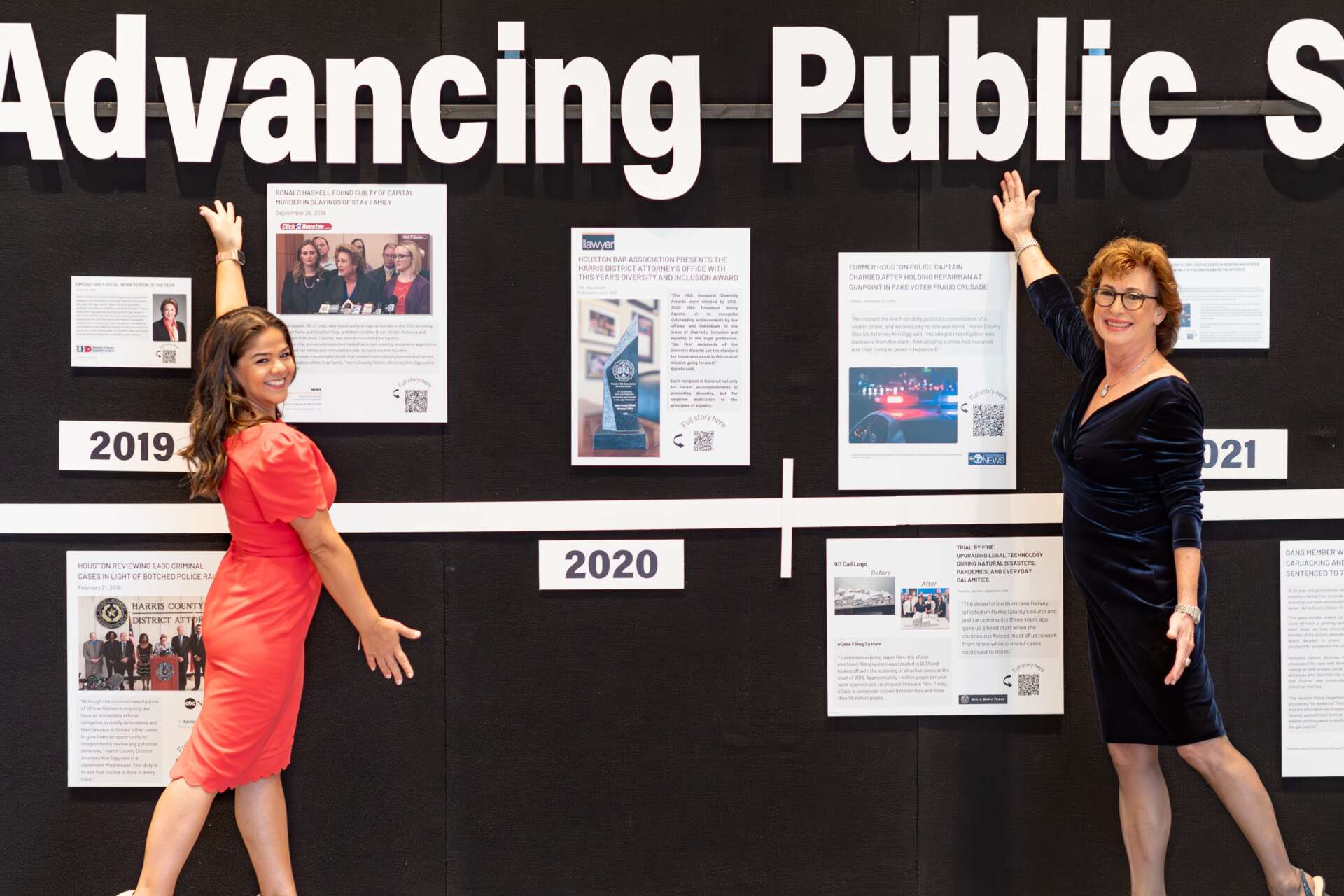
I’d like to share the story of how I met my current employer, the District Attorney, as it’s a serendipitous tale of how I ended up working for her.
I had been a teacher for many years before taking a break to stay at home with my second child. During that time, a wave of school shootings and increasing gun violence in the country prompted me to become an advocate for gun safety and legislation through a specific advocacy group. I became their spokesperson for Spanish-speaking media.
While I had worked on political campaigns, it was always in a supporting role, never in a leadership position. Nevertheless, I enjoyed the work and was learning about legislation and local politics. One day, I was asked to volunteer as the Spanish-speaking media representative at an event unveiling a billboard promoting safe firearm storage. It was at this event that I saw a local elected politician investing resources in an awareness campaign on gun safety in Texas, something I hadn’t witnessed before.
This politician spoke passionately about victims of gun violence and our responsibility to protect children. Despite not knowing much about the role of a district attorney or her political affiliation, I was captivated by her dedication to child safety and responsible gun ownership. She was a powerful woman in a significant position, and I admired her passion and eloquence in advocating for victims’ rights. So I turned to the person beside me and said, “Who is this woman? I want to work with her!”
Returning to my teaching job, which I didn’t particularly enjoy, I continued my involvement in advocacy. In 2019, I received a call from the director of one of these campaigns who had observed my work and believed I was well-suited for a specific role – managing the Harris County District Attorney’s reelection campaign. He became my mentor, and I worked under him for several months during the primary and general elections.
What struck me was that I had expressed my desire to work with this remarkable woman out loud, without actively pursuing it. I hadn’t believed I was qualified for a role in the district attorney’s office. Yet, destiny seemed to play a role when that campaign director called me. Terrified but sensing an opportunity, I accepted, feeling as though the universe had spoken to me in some way.
So I successfully ran her reelection campaign in 2019, leading to her second term in 2020. Afterward, she offered me the position of Community Engagement Coordinator at the DA’s office, focusing on public safety, community involvement, and educating individuals about their rights in the criminal justice system.
I’ve found incredible fulfillment in this job that has allowed me creative freedom and amplified my voice as a gun violence survivor and survivor in general. This transition allowed me to develop creative skills I didn’t even know I had the potential for. My experiences are valued in my role as a communicator to the public about victim rights, the criminal justice system, crime prevention, reporting, and self-advocacy.
I’m immensely grateful for the serendipity that brought us together, and I’m proud of the decisions I made that led me to this opportunity.
Any insights you can share with us about how you built up your social media presence?
When I initially joined the District Attorney’s office Community Engagement team as the Social Media Coordinator, my primary focus was on enhancing our online presence. At that time, our social media presence was limited to Facebook, Twitter, and Instagram, with infrequent text-only posts, resulting in limited engagement. My objective was clear: develop a plan to double our viewership within six months.
To achieve this, I devised a comprehensive plan that involved refreshing content across all three platforms and expanding our online presence to include five platforms and a redesigned website. The key was to post daily, not just advertisements or aesthetically pleasing content, but substantive updates. Given the nature of our work, which doesn’t involve public ceremonies or infrastructure projects, our content aimed to shed light on the daily efforts of our Assistant District Attorneys in ensuring public safety, often under challenging conditions.
Rather than focusing solely on picturesque moments and inspirational quotes, I chose to showcase the reality of our work, even when it wasn’t cheerful. This approach, while controversial, led to a transformation in our engagement. People began asking pertinent questions about our legal system, the role of the District Attorney, and the judicial process. This opened doors for us to educate the community about the complexities of the legal system.
Consistency was paramount. I established a routine of scheduling posts in advance and being prepared to respond to significant events promptly, even during off-hours. This commitment demanded substantial effort but contributed significantly to our success. Although we encountered detractors, I learned to overlook negativity.
In summary, our growth was the result of unwavering posting consistency, daring content choices that set us apart, and a commitment to daily updates. Depending on your organization, this approach might prove effective in capturing your audience’s attention, even if it doesn’t involve traditional Instagram-worthy content.
Contact Info:
- Website: https://www.harriscountyda.com/
- Instagram: https://instagram.com/kim_ogg?igshid=NTc4MTIwNjQ2YQ==
- Facebook: https://www.facebook.com/HarrisCountyDAO?mibextid=LQQJ4d
- Twitter: https://x.com/harriscountydao?s=21&t=zMZ-4vcw1_ya9AcKawmq-w
- Youtube: https://youtube.com/@harriscountydistrictattorn6088?si=B7ixMUE_61R5MGvi
- Other: https://assets.nationbuilder.com/harriscountyda/pages/273/attachments/original/1671585744/HCDA_FiveYearReport_digital_12.20.pdf?1671585744p