



We were lucky to catch up with Ann Zhao recently and have shared our conversation below.
Ann, thanks for joining us, excited to have you contributing your stories and insights. Do you think your parents have had a meaningful impact on you and your journey?
I’m lucky my parents educated me openly and wisely when I look back right now. Each of my parents taught me different precious things. I appreciate my dad, who encouraged me to be a brave person; for example, when hiking, instead of some parents warning their children not to get close to the cliff, my dad always gives me a prize if I can approach the cliff, which might be a controversial way. Still, I greatly appreciate his way, which I believe I was affected subconsciously in my life. Because of his way, I chose to take challenging opportunities in many pivotal moments in my life.
Another thing I appreciate from my dad is how he encouraged me to see things critically when I was young. It is the most important lesson I learned, significantly growing up in an environment full of collectivism. People are always afraid of being different or saying different things against authority. My father told me I should never believe anything without thinking when I was six. ‘Anyone could be wrong, whether the teachers, the government, or us”, he told me on my first day of primary school, which has helped me constantly make the right choices for my life.
I rarely regret what I did or did not do in my life, not just because most decisions I made are correct, which I will not say before I died, but it’s also about the mindset I learned from my mom. My mother is a therapist, and she’s been learning psychology independently since her middle ages. She is an optimistic and wonderful woman who always sees things from multiple perspectives. I know from her that nothing is 100% negative, and we can always learn something from our own experiences. The philosophy of seeing things from different perspectives helps me greatly in my work and personal life.
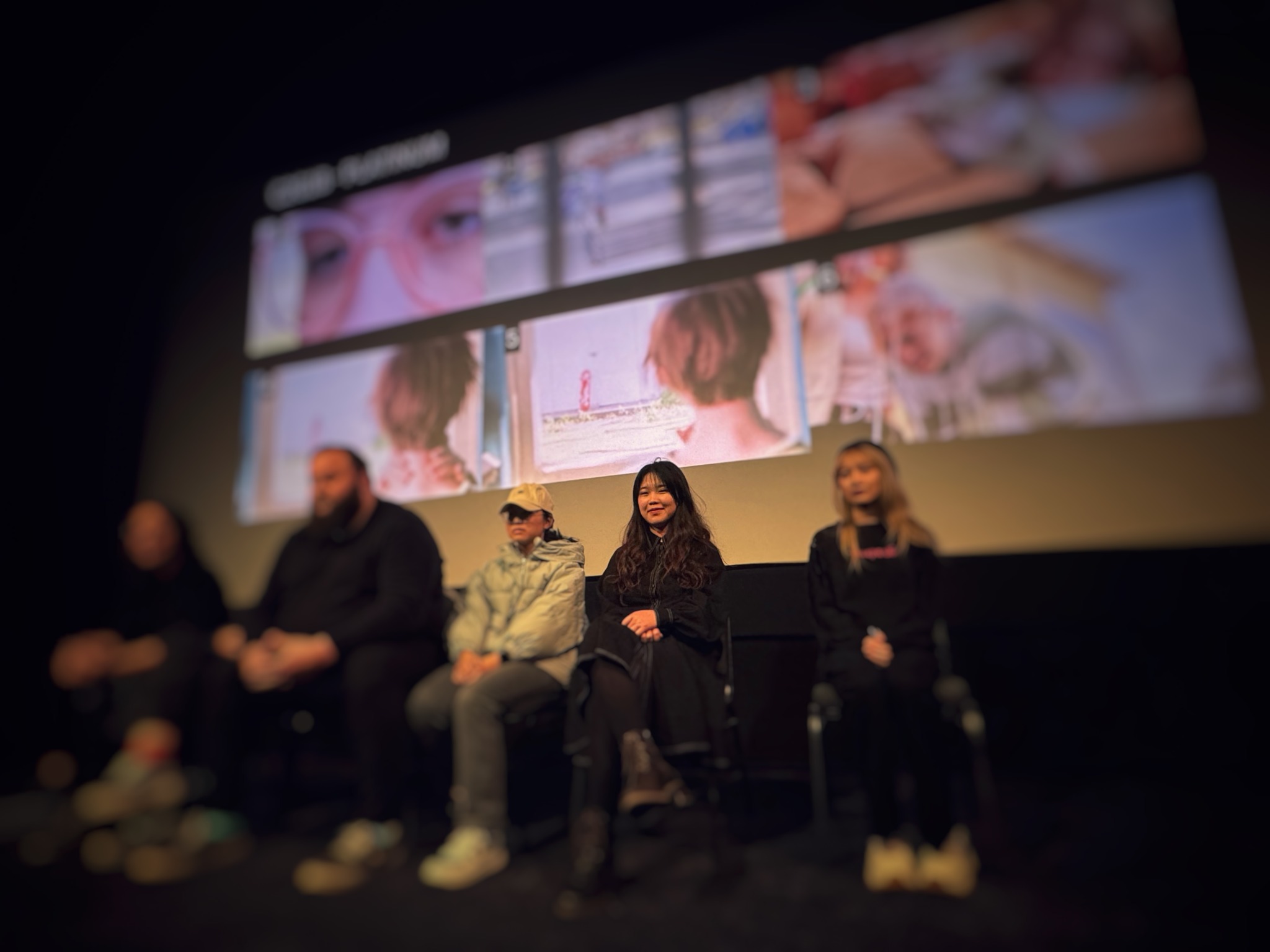
Ann, love having you share your insights with us. Before we ask you more questions, maybe you can take a moment to introduce yourself to our readers who might have missed our earlier conversations?
I tried a variety of hobbies when I was younger—Chinese traditional dance, gymnastics, piano, guitar, singing, Gu Zheng (a traditional Chinese instrument), martial arts, and painting. Each of these helped me explore different passions, but none felt like a lifelong career. I enjoyed them and did pretty well, but I knew I didn’t have the drive to pursue them fully.
At 10, I discovered theater. It all started with performing small dramas based on textbook stories. From that point on, I was hooked on acting and directing. I would spend all my free time preparing for plays—adapting stories, reading about acting, making props and costumes, and figuring out how to lead my classmates in bringing a production to life. Even though I hadn’t watched many movies at the time, I was drawn to the storytelling process. I also watched a lot of TV shows, and I naturally started thinking about how scenes were put together, which in hindsight, was the start of my interest in editing.
By high school, I was making simple short films. I wore all the hats: writer, director, actress, editor, cinematographer (well, I positioned the camera and asked a friend to press the button), and even sound designer, doing all the Foley work myself. None of my friends were passionate about film at the time, but they helped, and I’m grateful for that.
Getting into the top film school in China felt like a dream come true. I finally met people as passionate about film as I was. But from my first year, I also realized that turning a passion into a career can be overwhelming. There was pressure to watch all the classics, and I felt ashamed that I hadn’t seen as many films as others. I don’t necessarily believe that watching more movies automatically makes you a better filmmaker, but I pushed myself to learn from them—whether it was storytelling, blocking, or cinematic taste.
There were times when I felt discouraged or questioned whether this was really what I wanted to do. Yet, no matter how many other hobbies I considered—art history, music, philosophy—filmmaking was always the one thing I came back to. It’s the only thing I’m passionate enough about to pursue as a career, even if I sometimes second-guess myself.
The desire to share my voice with the world is what keeps me going, and that’s why my long-term goal is to become a director. I’ve directed several short films, some of which have been nominated at festivals, which has been encouraging. However, through this process, I’ve found that editing is my favorite part of filmmaking. That’s why I’m focusing on honing my skills as an editor while also building connections in Hollywood and giving myself time to write.
I’m excited to be at AFI, learning from both the projects and the people around me. I believe success takes time and persistence, and I’m ready for that journey.
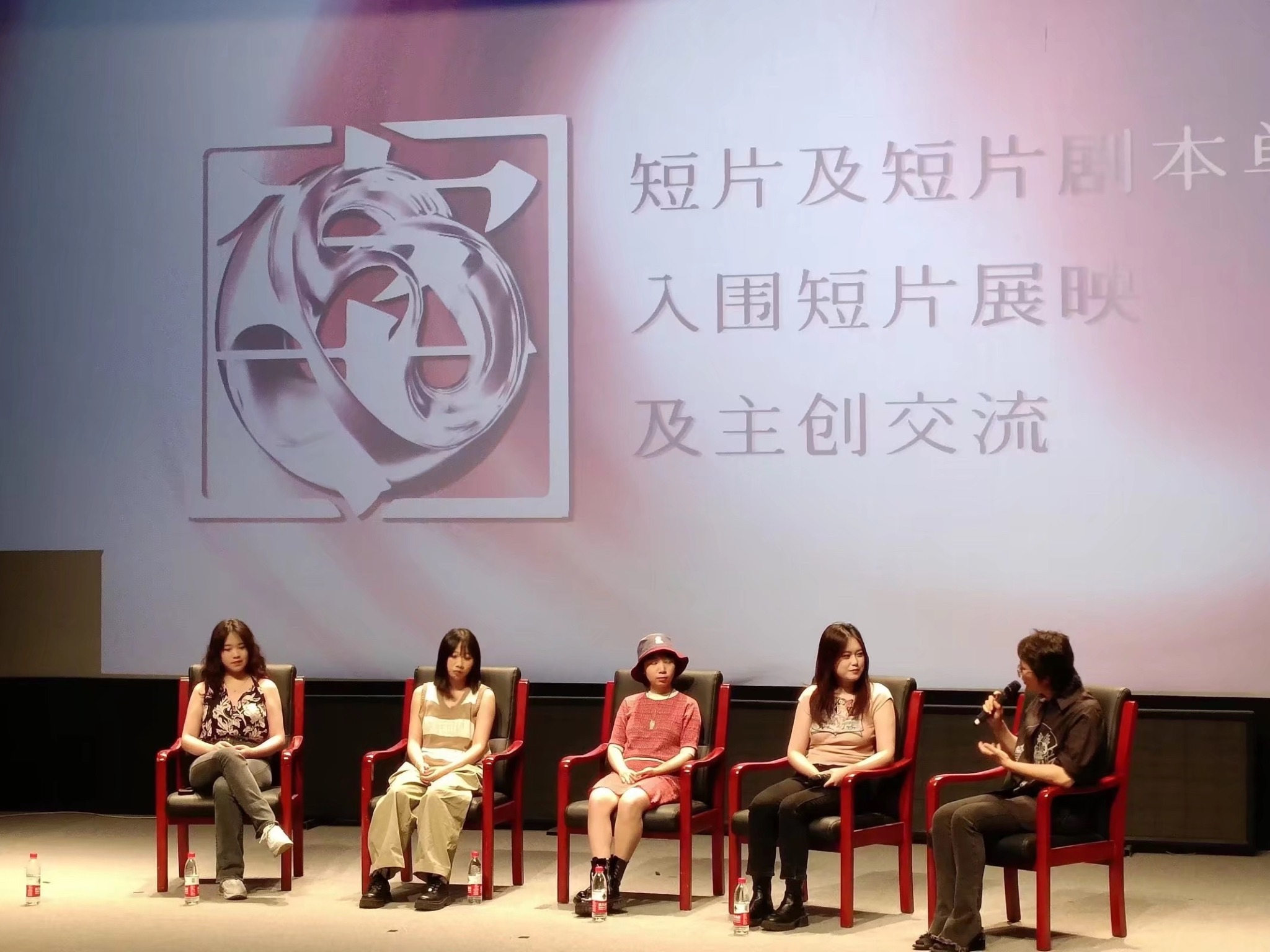
For you, what’s the most rewarding aspect of being a creative?
For me, the most rewarding part is how being a filmmaker has changed the way I see life and the world. Ever since I knew I wanted to make films, my experiences have become richer—both in life and on a spiritual level. I’ve learned to see people with more depth and empathy, focusing on their individuality rather than making quick judgments. As a creative, I also find myself looking for unique and spontaneous moments in life that could spark new ideas or inspiration.
Even during tough times—when I’ve felt down or discouraged—I remind myself that every emotional experience I go through adds something to my creative process. I wrote down thoughts, poems, or ideas, and in a way, those moments of hardship become a source of inspiration. I believe that everything I go through shapes me and will eventually come back in a positive way, influencing my work as a filmmaker.
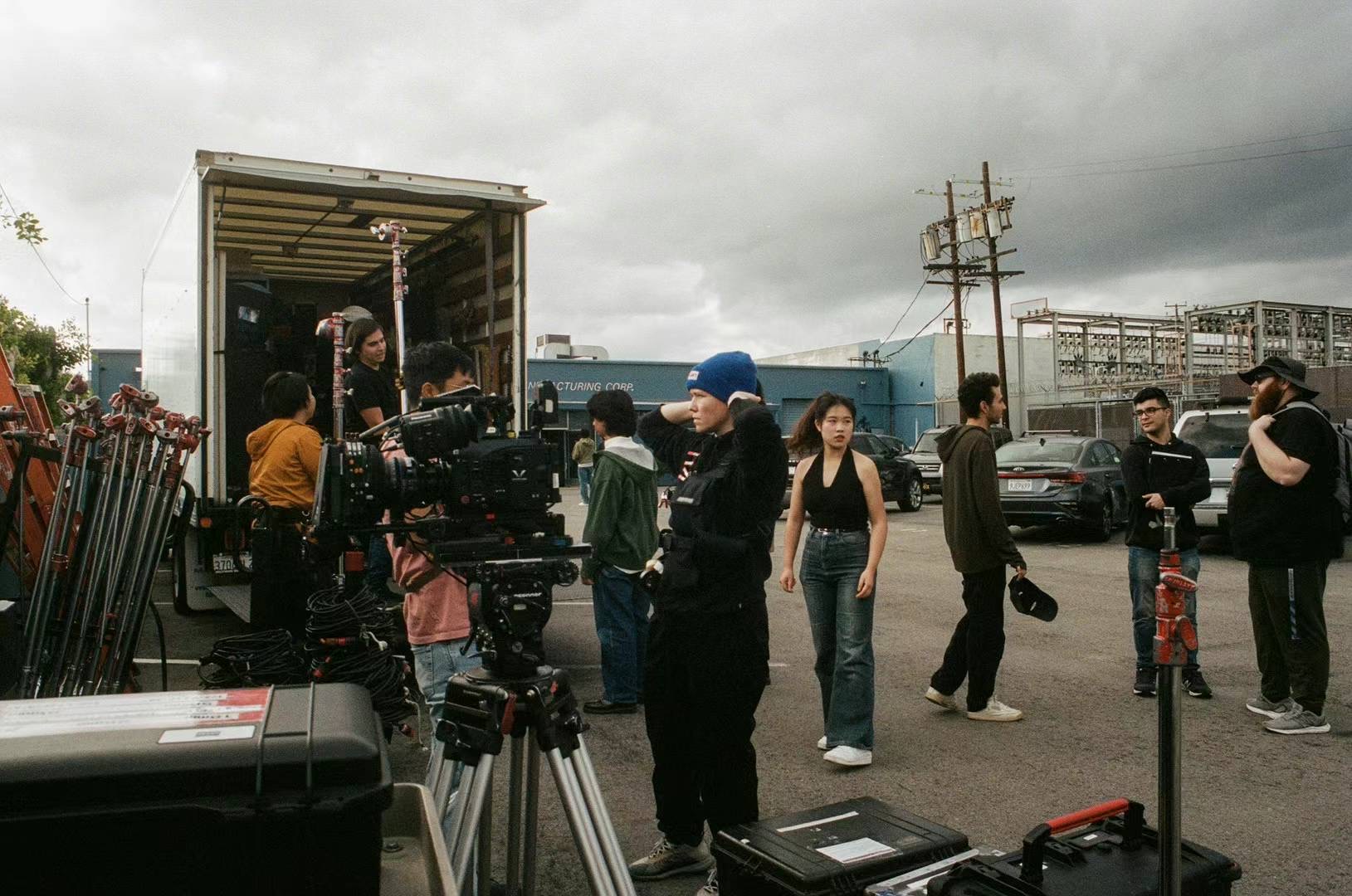
Can you share a story from your journey that illustrates your resilience?
I think the best example of my resilience is the fact that I’ve been dedicated to filmmaking since I was 10 years old, and I’ve stayed committed to learning and pursuing this path for 14 years. Before that, I tried a lot of different things, but I gave them up easily because I didn’t have the same passion. I’ve come to believe that resilience is directly tied to passion—it’s about how much you really want something.
While I may not consider myself resilient in things that don’t matter to me, when it comes to filmmaking, I never quit. I’ve seen a lot of young filmmakers abandon their projects during post-production because the footage didn’t meet their expectations, but I’ve always pushed through. No matter how rough things were in the beginning, I’ve made it a point to see every project through to the end. I owe it to myself, and to the people who trust and support me, to finish what I started.
I don’t have a dramatic story to prove my resilience, but I know I’m ambitious, and I’ll always give my best to achieve my goals.
Contact Info:
- Website: https://anranbell.myportfolio.com/
- Instagram: https://www.instagram.com/ann_zhao_/
- Linkedin: https://www.linkedin.com/in/ann-zhao-24250528a/
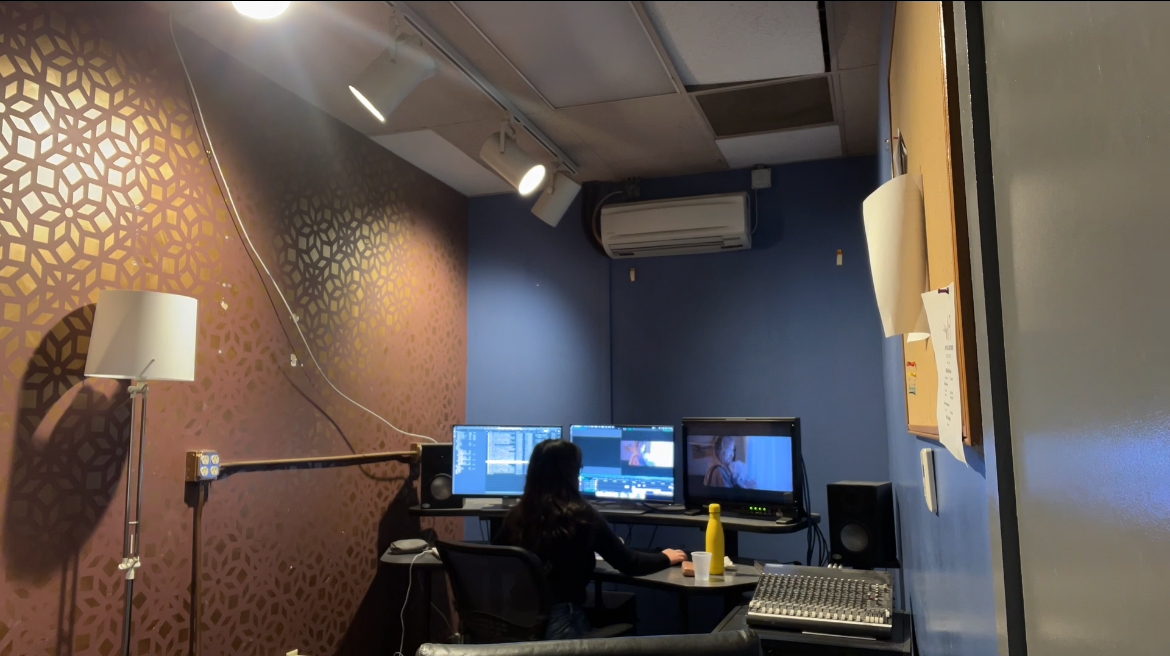
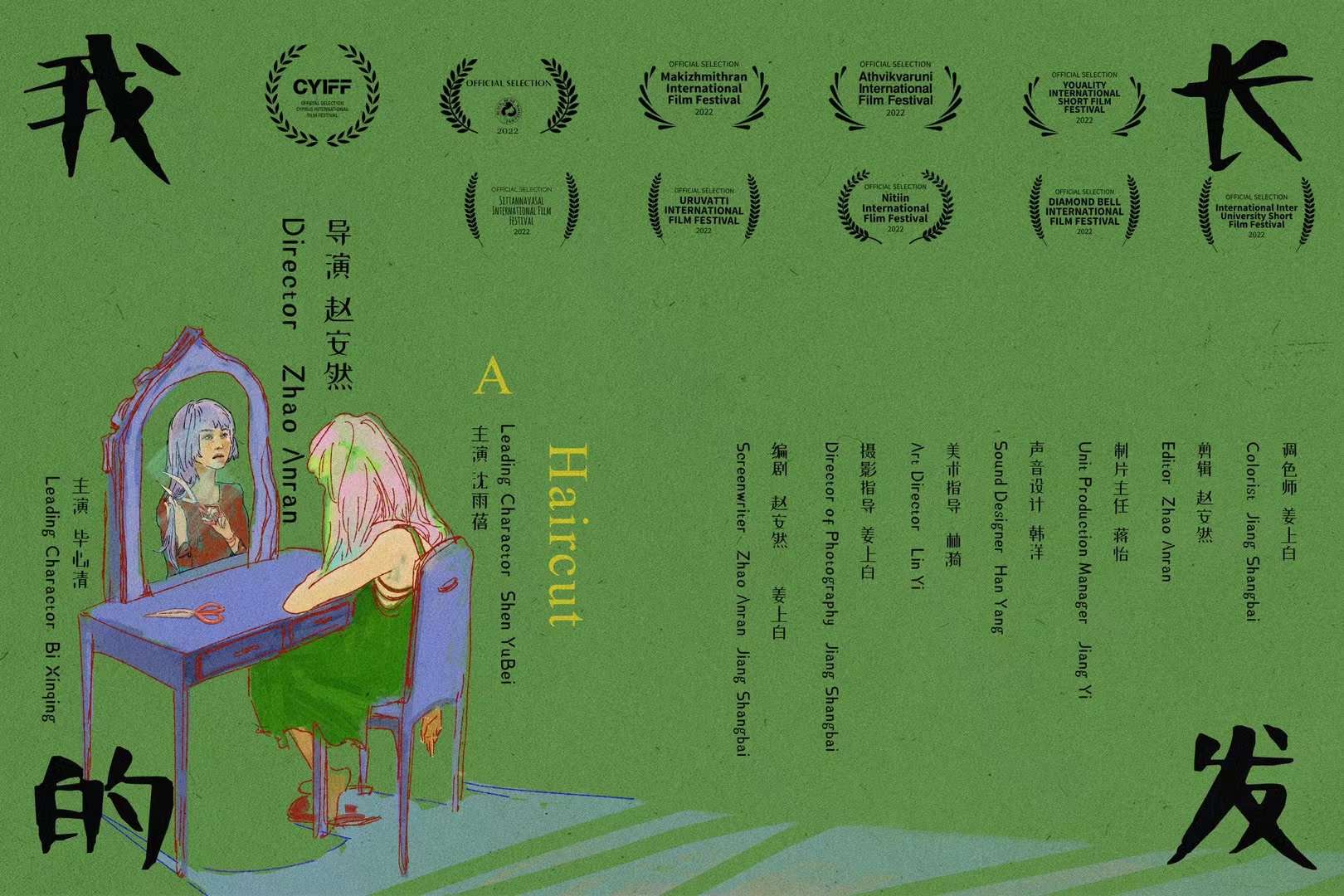
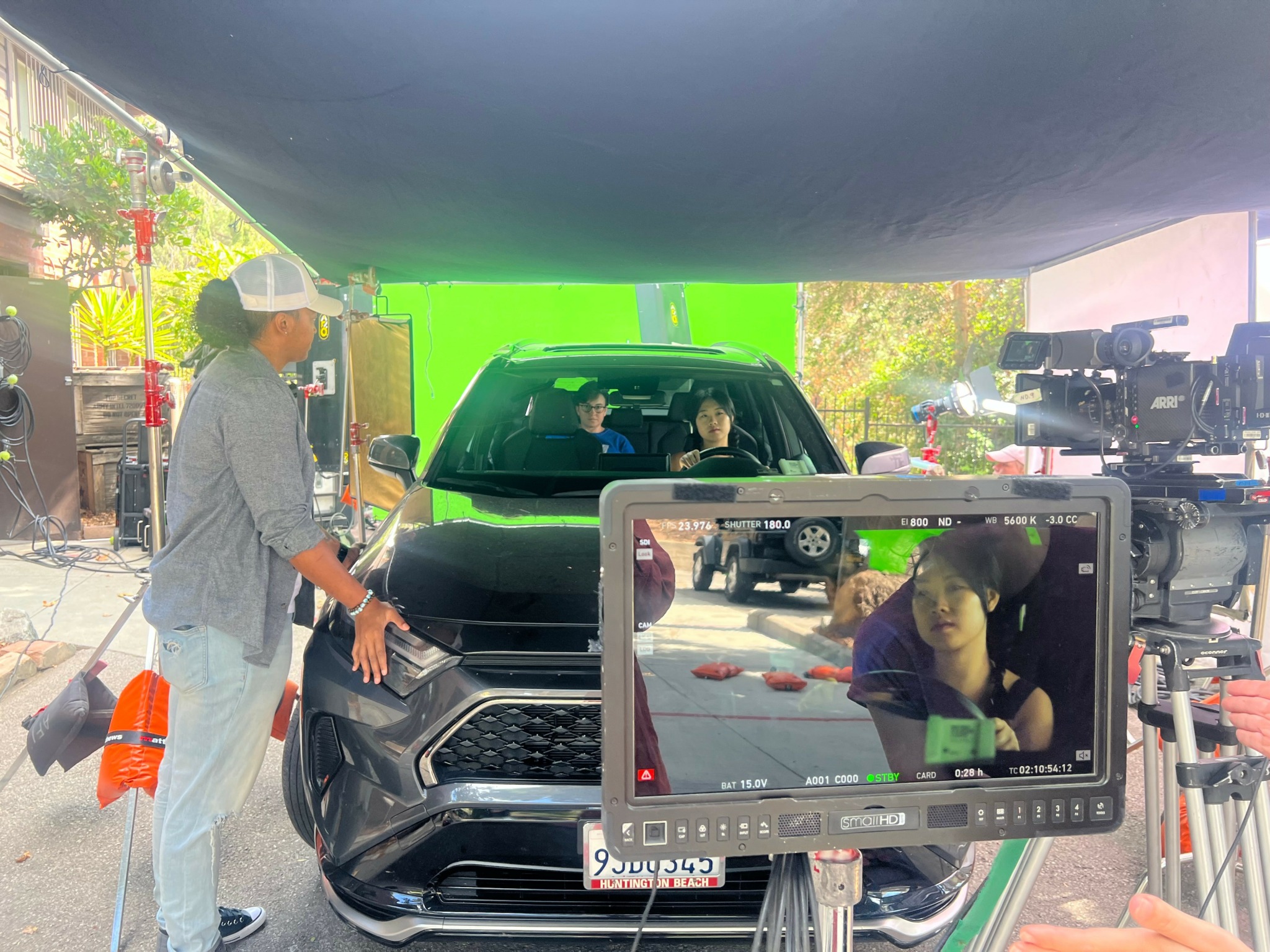
Image Credits
n/a