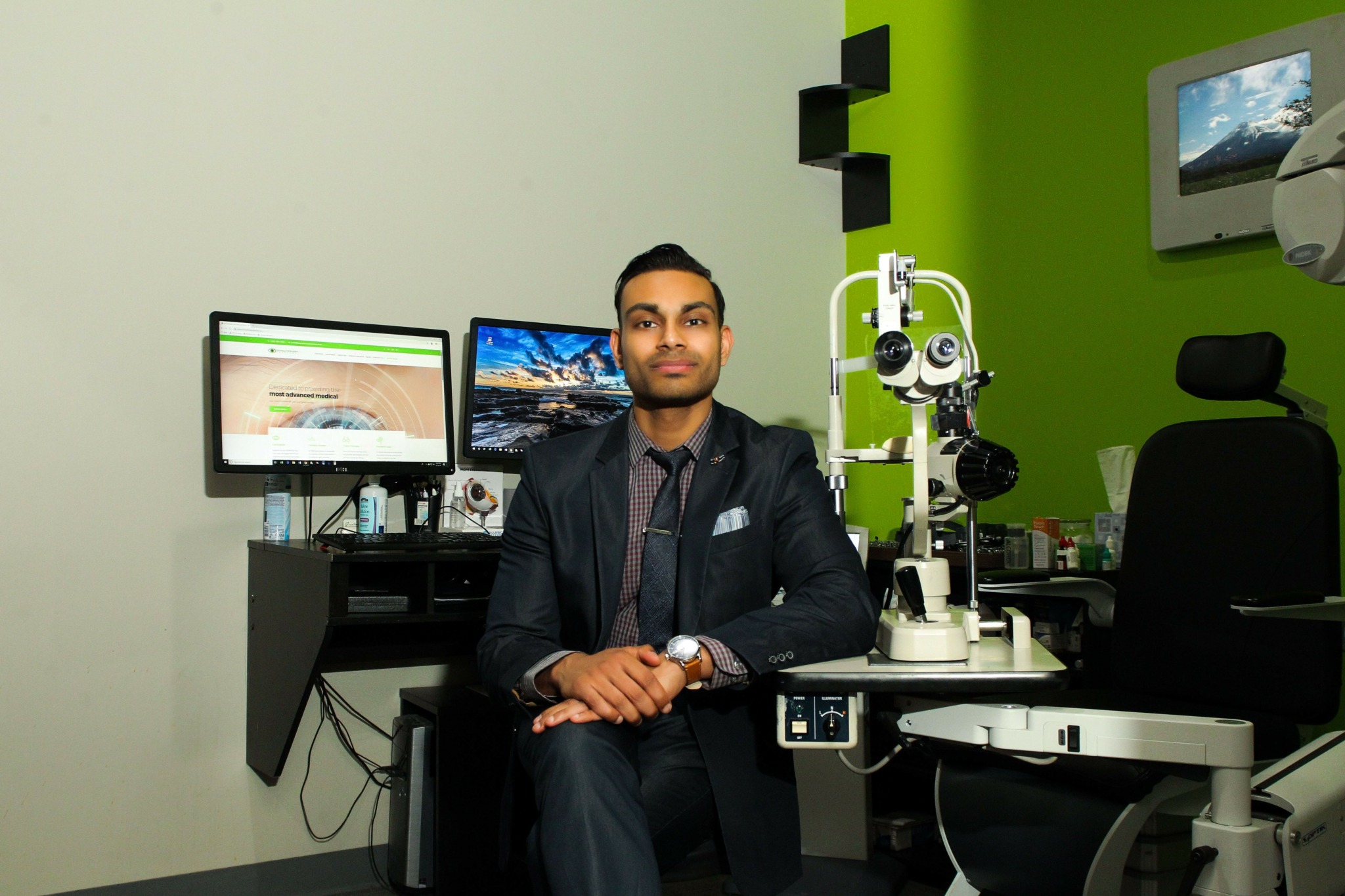

We were lucky to catch up with Anith Pillai recently and have shared our conversation below.
Anith, thanks for taking the time to share your stories with us today We’d love to hear the backstory of how you established your own practice.
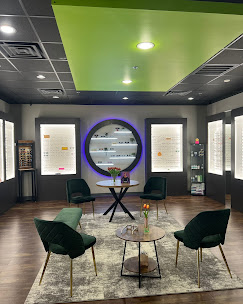
Starting Evolutionary Eye Care was a mix of excitement, uncertainty, and a very clear vision of doing things differently.
Early on, I realized that I didn’t just want to practice optometry—I wanted to build a patient experience that felt modern, personalized, and rooted in innovation. That meant stepping outside the traditional model and creating a practice that was hyper focused into the specialites of eye care that truly drove us and we were passionate about. For me this was Orthokeratology, treating corneal diseases with Scleral Lenses and other Specialty Contact Lenses, and managing Dry Eye and Ocular Surface Disease.
The first major step was defining that vision clearly. Before anything else—before the lease, before equipment—I had to answer: *What do I want this practice to stand for?* Once that was solid, everything else became more intentional. From there, the key steps included securing a location, navigating financing, selecting the right technology, and—most importantly—building the right team. I spent a lot of time thinking about workflow and patient experience, not just clinical care.
One of the biggest challenges was balancing clinical excellence with the realities of running a business. In school, you’re trained to be a great doctor—but not necessarily how to manage cash flow, marketing, hiring, or operations. There were definitely moments where I had to learn quickly and adapt on the fly. Another challenge was making long-term investments early—whether that was advanced diagnostic equipment or specialty services—without immediate returns. We were building what what we wanted to be a essentially a referral center for these speciality services. This required to build trust in the community, not only for potential patients, but within the doctor community as well. We needed to build trust that we would be able to help their patients, and trust that we would refer them back to their practices.
For any young professional considering starting their own practice, my biggest advice is this: be very clear on your “why,” The most successful practices are the ones that are intentional and differentiated. Also, understand that you don’t have to know everything on day one—but you do need to be willing to learn quickly and stay adaptable.
And finally, invest in your team and your patient experience early. Technology matters, clinical skill matters—but what truly drives long-term success is how patients feel when they walk through your doors and the consistency of care you provide.
Anith, before we move on to more of these sorts of questions, can you take some time to bring our readers up to speed on you and what you do?
I’m an optometrist and co-owner of Evolutionary Eye Care, where we focus on delivering a modern, technology-driven approach to eye care specializing in Orthokeratology, Scleral Lenses and other Specialty Contact Lenses, Vision Therapy, and Dry Eye Treatment.
My path into optometry really came from a desire to combine healthcare, technology, and patient relationships. I’ve always been drawn to fields where you can make a tangible impact on someone’s daily life, and vision is such a fundamental part of that. Over time, my interests evolved beyond routine care into specialty areas like orthokeratology, Scleral Lenses, and dry eye treatment—areas where you’re not just correcting vision, but actively changing the trajectory of a patient’s eye health.
At our practice, we provide comprehensive eye care, but what really defines us is our focus on specialty services. We offer advanced myopia control solutions, including custom Orthokeratology. We also focus heavily on dry eye disease and are continuing to expand into advanced treatments like IPL and radiofrequency. The common thread across everything we do is that we’re not just treating symptoms—we’re identifying root causes and building long-term strategies for our patients.
The main problem we solve is that a lot of patients don’t realize they have options beyond traditional glasses or contact lenses. Whether it’s a child with progressing myopia or an adult struggling with chronic dry eye, we help patients understand that there are proactive, customized solutions available that can significantly improve their quality of life.
What sets us apart is our intentional approach to both technology and patient experience. We’ve built our practice around education—patients understand *why* we’re recommending something, not just *what* we’re recommending. We also invest heavily in advanced diagnostic tools so we can track outcomes and progress. And just as importantly, we’ve built a team culture that prioritizes communication, empathy, and consistency, because the experience matters just as much as the clinical result.
What I’m most proud of is the culture and vision we’ve created. From day one, this was never meant to be a “volume-based” practice—it was about building something that truly evolves with both the science and the patient. Seeing patients, especially kids in myopia management, come back year after year with measurable improvements and knowing we’ve made a long-term impact—that’s the most rewarding part.
For anyone considering working with us, I’d want them to know that we’re deeply committed to doing things the right way, not the easy way. We’re constantly learning, constantly improving, and always looking for better ways to serve our patients. And at the end of the day, everything we do is centered around one goal: helping people see better, live better, and protect their vision for the future.
What do you think helped you build your reputation within your market?
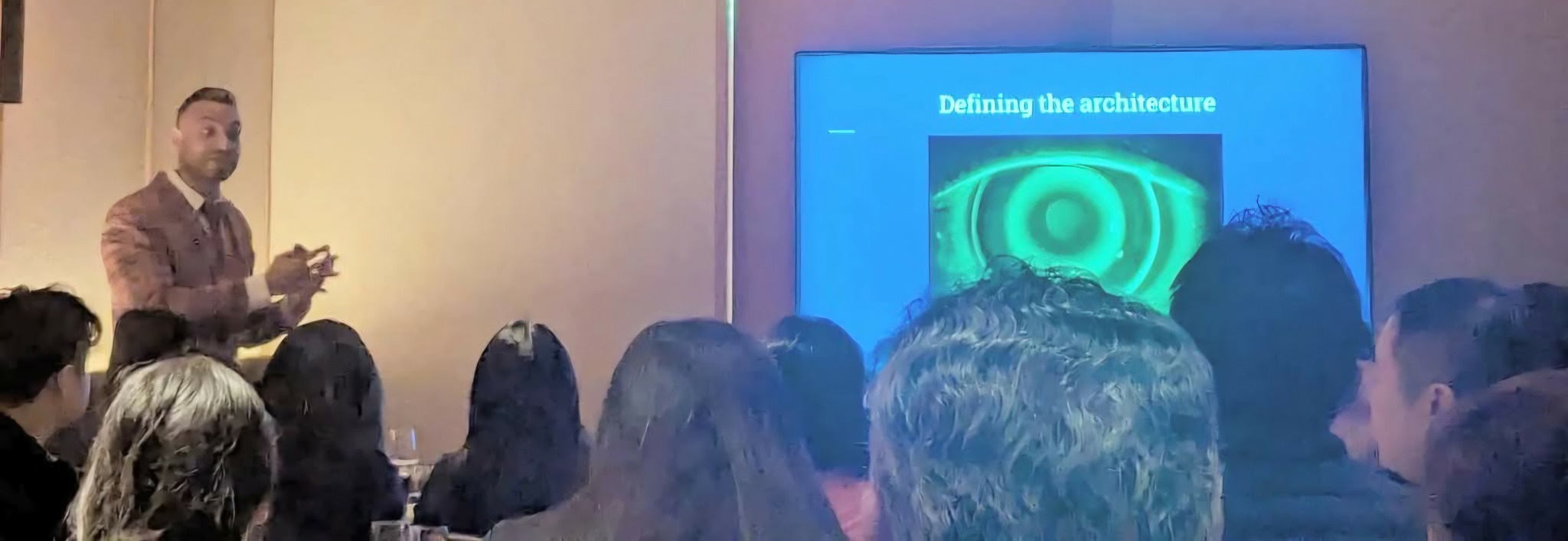
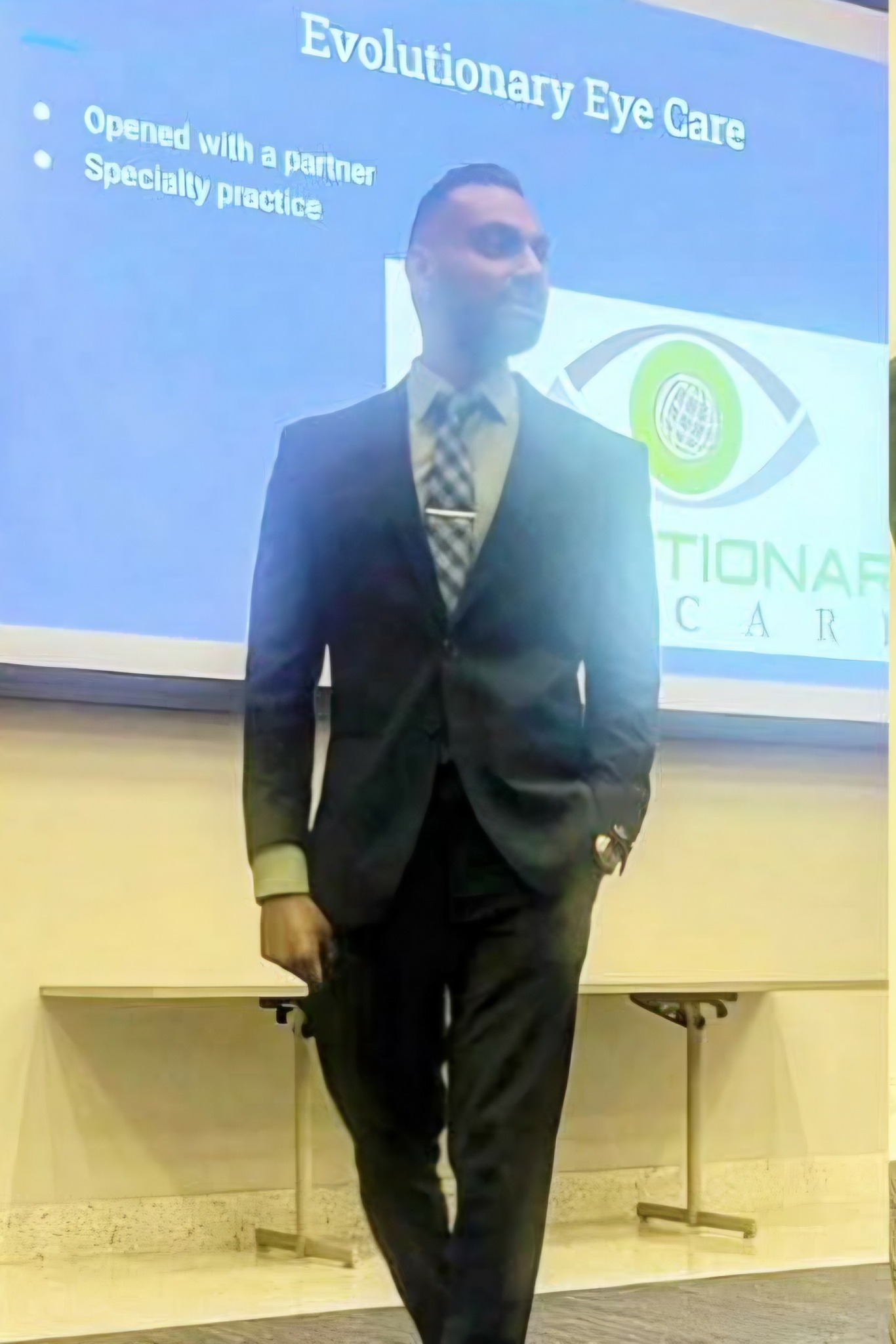
Most of our practice is based on referrals from other optometrists in the community for our specialty services. Providing clinical advise, in the form of continue education lectures, case studies, and sharing the fore front of research and real world applications I believe showed our colleagues and community not only expertise, but passion for our respective fields. More than that however, providing genuine and compassionate help to our colleagues I believe was the most improtant factor. They understand that we truly want to help our colleagues, in any way we can.
Other than training/knowledge, what do you think is most helpful for succeeding in your field?
Geniune compassion and eagerness to help not only our patients but our colleagues. When there is a true passion for what you do, and a compassion to help as much as you can, the rest comes easy.
Contact Info:
- Website: https://evolutionaryeyecare.com
- Instagram: @evolutionaryeyecare @anithp23
- Facebook: evolutionaryeyecare Anithp23
- Linkedin: Anith Pillai
- Youtube: evolutionaryeyecare