

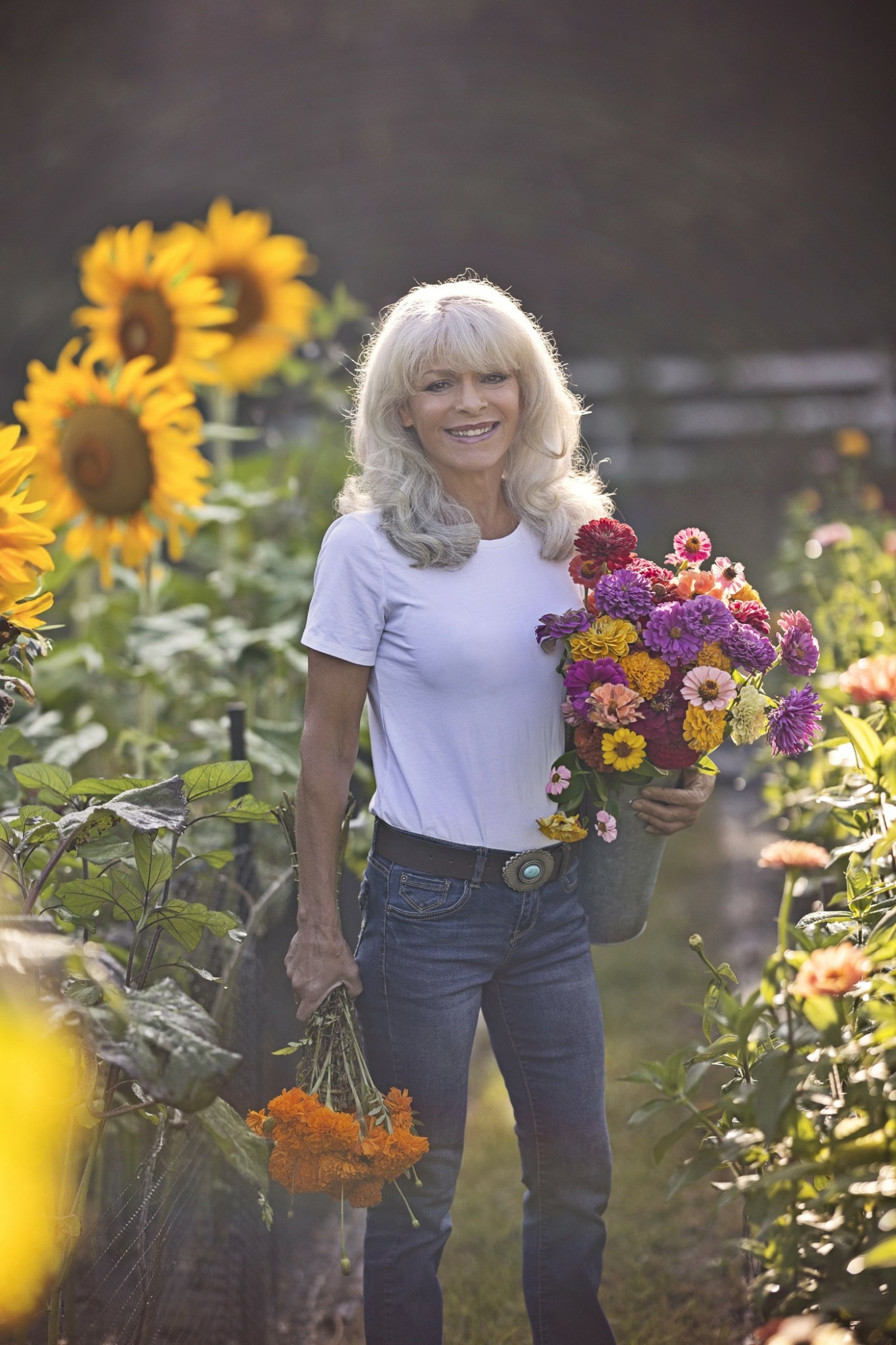

We were lucky to catch up with Angie Kilmer recently and have shared our conversation below.
Angie, appreciate you joining us today. Do you feel you or your work has ever been misunderstood or mischaracterized? If so, tell us the story and how/why it happened and if there are any interesting learnings or insights you took from the experience?
The interest in small-scale cut flower farming has grown over the last five years that I have been in the business. I think people really want to support a local grower rather than a large corporate store. And, similar to food production, buyers appreciate flowers that are grown without chemicals and extensive shipping and its effects on the environment. The movement toward locally and mindfully grown flowers (and produce) is a wonderful thing to see.
Although I do see and appreciate the desire for locally grown flowers in the market, there are misconceptions that I have observed. With the popularity of DIY solutions as a method to complete projects economically, I feel there is the impression that since a flower farm produces its product locally, many times in the grower’s home and on their own property, that the flowers should be inexpensive (cheap.) The time and money invested in growing flowers for market is substantial, with a very small window of time to grow and sell the crops. And the quality of flowers produced are equal to or better than flowers purchased from large-scale sellers since they are grown with minimal chemicals, sometimes certified organic, are harvested within days of sale and have not traveled thousands of miles to the point of sale. There are costs to provide flowers of this quality and a farmer must price their product accordingly. When I am asked to provide a proposal for an event, I have had potential clients walk away because they are expecting a bargain. Flower farmers produce fresh, high quality, hard to find product and should charge accordingly.
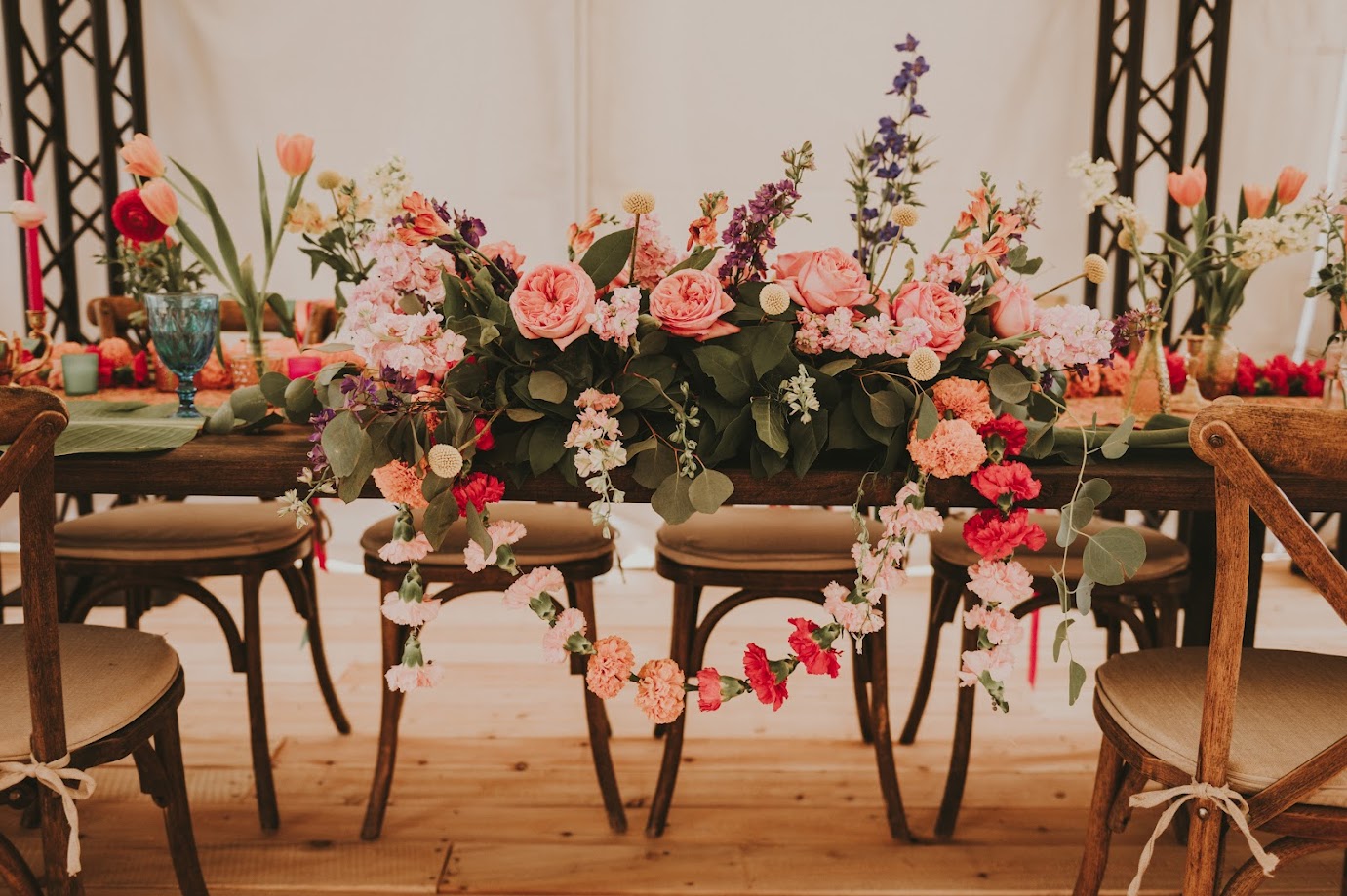
The popularity of “Boho” themed events and a more organic aesthetic guides customers to flower farms and this is great! I am also seeing a rise in the popularity of the “wildflower” aesthetic and the notion that a party or event that is decorated largely with filler flowers and foliage will be more economical. Really, I think the wildflower aesthetic has not only flower farmers stumped, but traditional florists as well. It is my thought that a wildflower grows without help, in any area and without any planning. A grower mindfully plans, plants and nurtures the flowers for the season and many of the flowers do not resemble what you would randomly find in a meadow or field. We can, however, present the flowers we grow in a way that speaks to the organic and natural aesthetic of this design style. I think sometimes people say they want a “wildflower” theme, but what they actually want is a concept that is fresh and unique.
There is a romantic impression around flower farming. Think: A Hallmark movie where the lead actor quits corporate life and moves to the country to grow flowers, admiring each bloom in the field. So far, that has not been my experience. If anything, I linger over flowers trying to figure out what they need from me! Flower farming is hard work. It is FARMING. There is heavy lifting, long hours in the hot summer sun, and back breaking planting and weeding by hand, not machine. We combat pests, disease and wildlife (groundhogs took out two large sections of my Dahlias this year and all I could do was be sad.) The flowers we produce are beautiful, romantic, dreamy, but the work that goes into it is sweaty, dirty, with long hours from dawn to dusk and sometimes accompanied by colorful language. Vacations and time off must wait for the “off season” and self-care is a distant memory. This calling is not for the weak of body and soul!
Angie, before we move on to more of these sorts of questions, can you take some time to bring our readers up to speed on you and what you do?
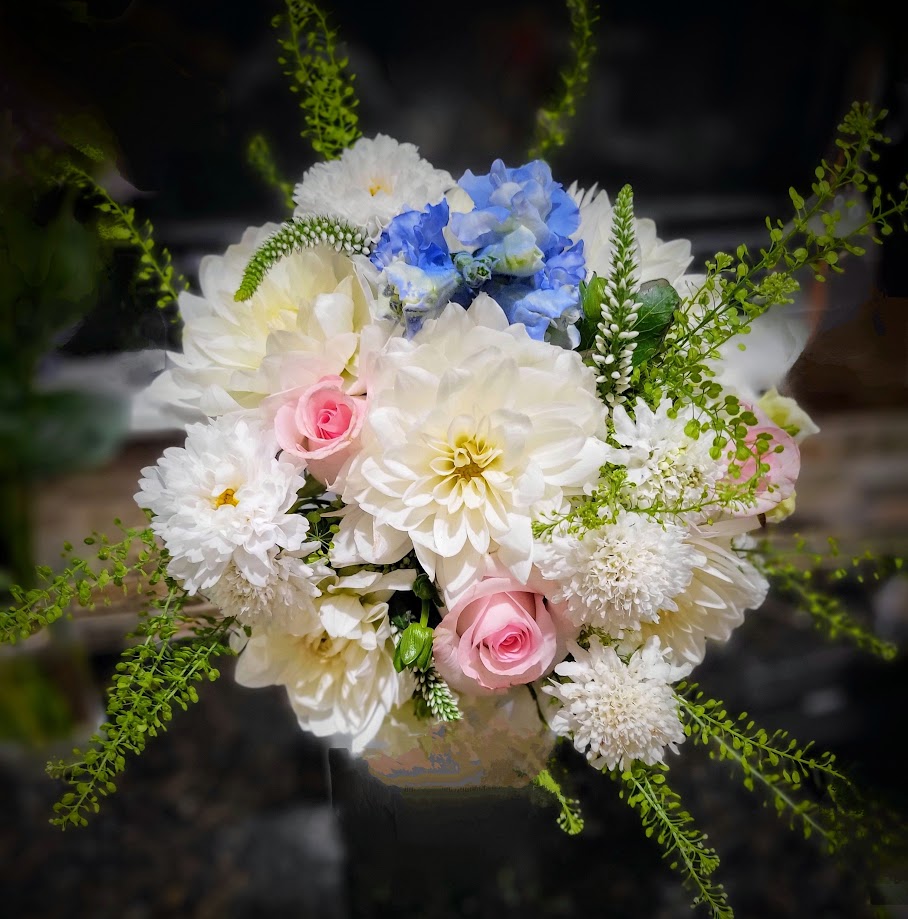
My name is Angie Kilmer and I am a specialty cut flower farmer in Southeast Michigan. I grow seasonal blooms from April through October on our 12-acre farm, 2 acres of which are my flower farm. Each season brings its “stars” and in early Spring, my stars are Tulips, Ranunculus, Narcissus and in late Spring my 450 peony plants are in bloom. In early summer, we are greeted by LA Hybrid Lilies, Lisianthus, Sunflowers, Zinnias, Daisies, Snapdragons, Marigolds and a host of other filler flowers and foliage. In late summer, after caring for them for months and months, we welcome Dahlias. Such a beautiful flower in so many colors, shapes and sizes. I am also working on building my perennial base, so I have flowers that will bloom year after year without much help from me.
I offer these flowers in bouquets and arrangements through a variety of channels. I have a sweet flower cart here at the farm that my husband built for me using antique wood wheels. That is my “farm stand”. Our farm is located right in the middle of a state recreation area. It is a quiet, rural location that has excellent mountain biking and hiking trails, as well as field trial areas for hunting dogs. Every weekend I stock my flower cart with bouquets or arrangements and sell them with the “honor system”. My customers love taking a peaceful drive to our farm to pick up flowers. It’s sort of a nod to simpler days when life was slower and we had more time to take a drive, pick up flowers and drop your money in a wooden box. I think this concept helps people to pause, breathe, and slow down for a minute. And, it brings me peace to know that people appreciate it!
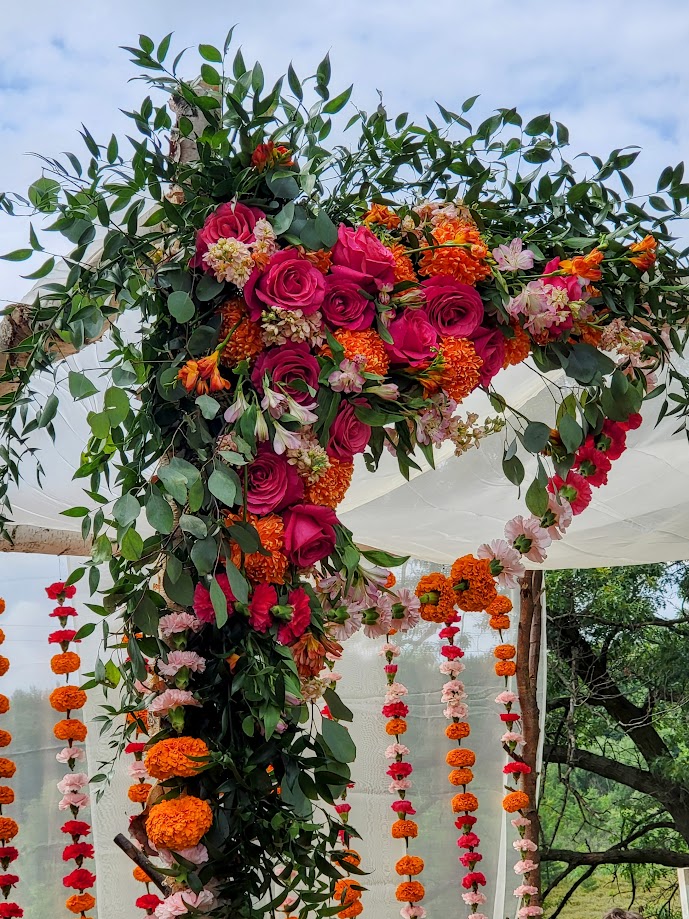
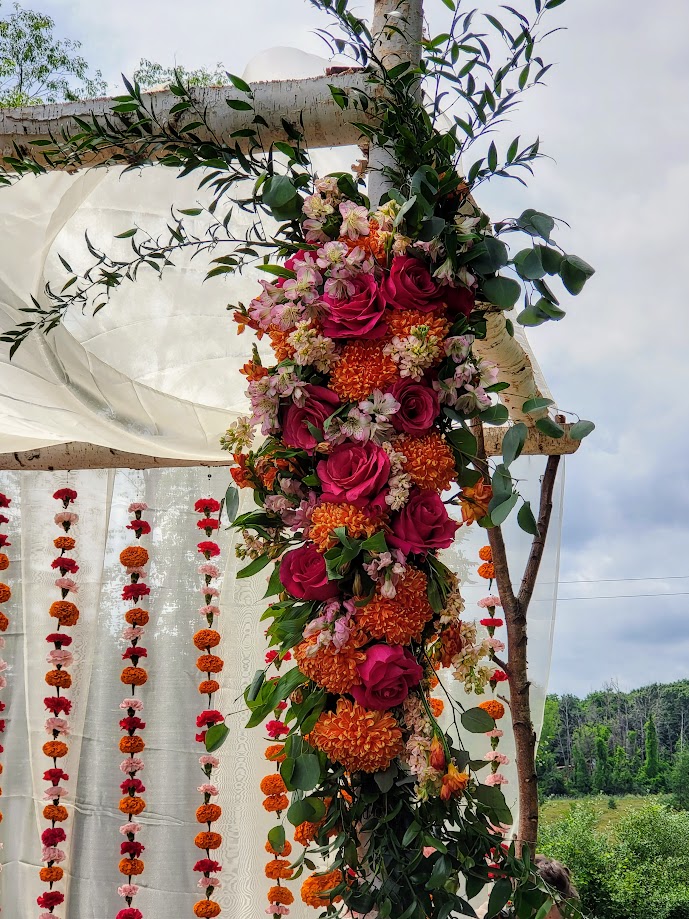
During the week, I fill orders for all kinds of requests. I make bouquets for gifting, and many times for self-care. I prepare centerpieces for graduation, anniversary and birthday parties, memorials and small scale weddings and civil ceremonies. Recently, I started presenting floral designing workshops, and I invested in a smaller flower cart which I offer as a party rental, and fill it with flowers from the farm for a “flower bar” type party. This is a popular option for bridal and baby showers and really showcases the lovely blooms grown here.
Cut flower farming is following the “farm to table” trend. A large percentage of cut flowers purchased in the U.S. are imported from other countries like Colombia. Flowers grown locally last longer because they do not have the travel time after harvesting like imported flowers do. Some flowers do not ship well, which is an advantage for a local farmer since these flowers can be enjoyed with minimal handling. Flowers like Zinnias and Dahlias are a perfect example. These are flowers you rarely see in the grocery floral department, but they are so beautiful! Cut flower farmers have the ability to share varieties you might not otherwise have the opportunity to enjoy, and the flowers were likely harvested within days of delivery to you, so they are fresh and have a longer vase life.
I have been an accountant for over 30 years, and I have yet to experience someone being overjoyed when I hand them financial statements! Math and science have always been my strength, but there is not a lot of joy inherent in accounting. At this point in my life, I have decided I want to live joyfully and to share that joy with others. When we bought the farm, it was the perfect opportunity to build a business based on growing happiness and providing that joy to others. There is something about flowers that is just so magical. Flowers are pure joy from nature. It is scientifically proven that flowers make us happy! Flowers evoke memories and emotion. I hear so many stories from the people who stop by the farm to buy flowers. Some people buy a certain flower because it is what they had at their wedding. Others remember their grandmother planting the same flowers and it brings them comfort and a sense of nostalgia. A scent or a color can conjure so many feelings! And I think the experience of taking a little country drive out to the farm to buy the flowers sets us apart from other flower farmers.
We often hear about learning lessons – but just as important is unlearning lessons. Have you ever had to unlearn a lesson?
Although not a new concept, flower farming has picked up momentum in the past several years. When I first started this business, there were just a handful of growers near me. Now when I look up flowers on the internet or even Facebook Marketplace, there are so many in my area! And like me, many of these growers follow a very successful flower farmer/entrepreneur in Washington state and have completed her workshop. The workshop is a great tool for those just getting started with a dream and some land, whether it be acreage or a backyard. And the reference materials are very useful while navigating not only growing, but managing a new business.
When I first started growing, I followed all that advice and information to the letter. I grew the same plants, using the same methods and tried to present them in the same style. I bought my supplies from the same companies and spent a lot of money before I actually had the growing experience under my belt to understand what I really needed. The earliest and also a very lucrative crop for some is Tulips. One of the references from the workshop highlights “must grow” flowers. So, one year I grew hundreds and hundreds of white “Exotic Emperor” Tulips, because it was highly recommended. I practically had to GIVE these flowers away. They were not successful for me at all, and I ended up taking a loss with them. They just did not appeal to my client base.
What I finally realized is that this business is not one-size-fits-all. There are so many factors to consider when growing cut flowers for market. In my Tulip example, the “Exotic Emperor” Tulip is an excellent flower for floral designers, to whom the workshop presenter provides flowers. But, to my customers who are buying flowers for their dining room table, they were not attractive. I needed to start growing flowers for my client base and in order to do that, I had to find out who my client base is and that takes time and is changing to this day.
After years of growing, I found that Tulips, as profitable as they can be, are just not a good fit for my farm. In the cut flower growing community, we grow Tulips like annual flowers. We plant them in the fall, and when we harvest in the Spring, we harvest the whole plant with the bulb attached. So, every year we invest in new bulbs, which is actually a big investment when you consider that each bulb only produces one flower. The Spring weather in Michigan has been very unpredictable in recent years with wild swings in temperatures from unseasonable warm with highs around 80 degrees, to very cold with temperatures in the single digits. It makes it difficult to grow Tulips that are saleable. After a few years of trying different growing methods and either just breaking even or losing money with this crop, I have decided not to grow this flower any more. It just isn’t a good fit for this farm. That was a hard one. It is such an important crop to many growers, but just doesn’t work for me.
I am evolving. While I do research, and still follow the advice of successful growers and entrepreneurs, I take time and think a new idea through completion before implementing it, to discern if the effort will make sense for me, my clients and my growing conditions. I have even found that what works for someone 2 miles away, doesn’t work for me here in my little microclimate and ecosystem even though we are in the same growing hardiness zone. I have to grow according to my unique setting and my group of buyers and I have been happier and more successful as a result.
Do you think there is something that non-creatives might struggle to understand about your journey as a creative? Maybe you can shed some light?
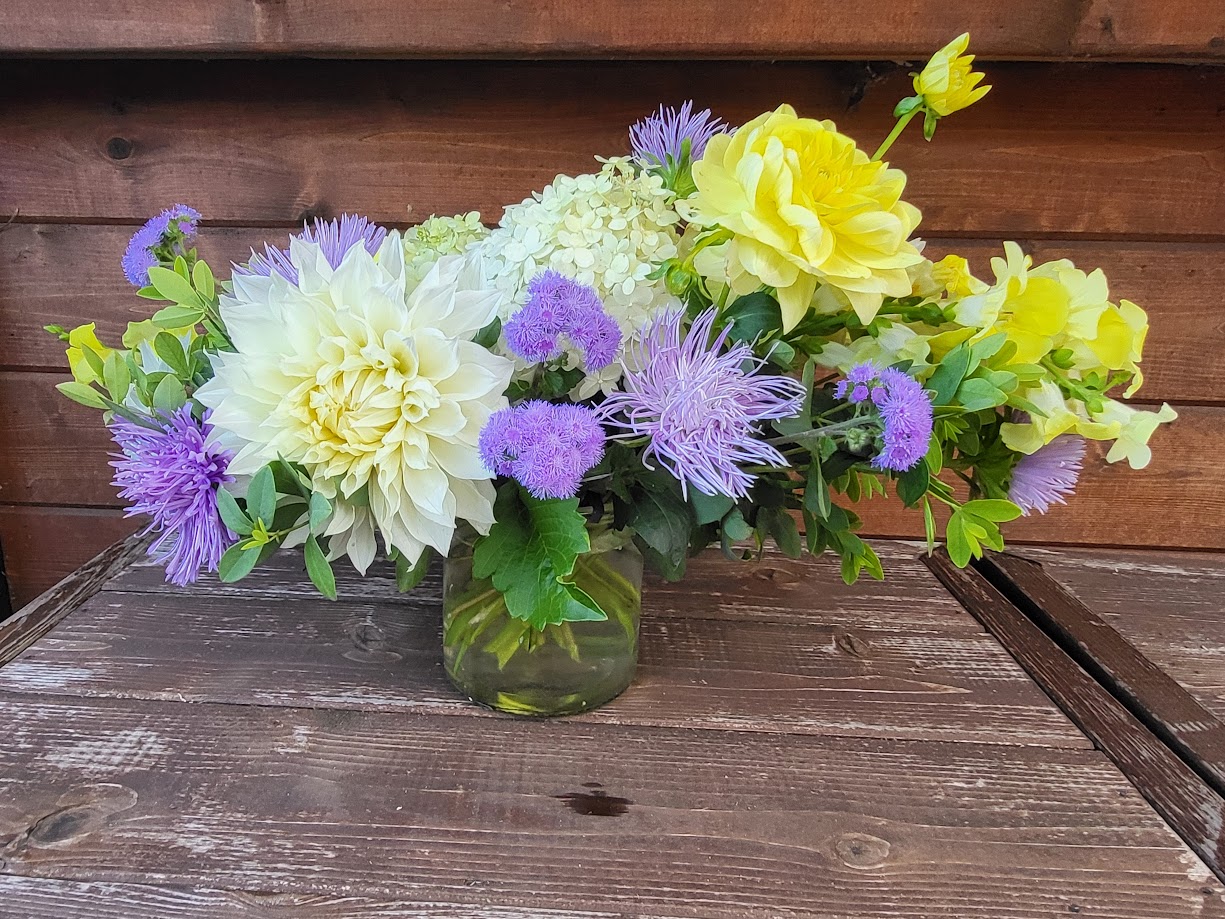
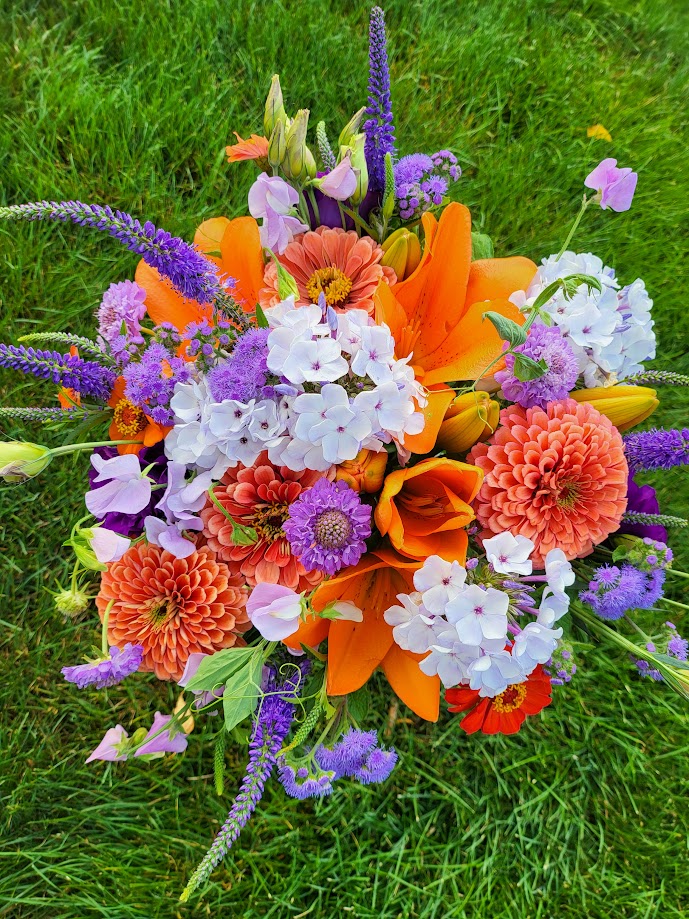
In addition to evolving as a grower, I have been exploring my creative energy with floral design. In our business, we are called “farmer/florists”. Floral design is a visual art. There are various programs and courses that provide certification, but I think the real talent with floral design is something that is already inside of you.
The most unique part of being a creative as a farmer/florist is that I grow my medium. I start planning months, even a year or more in advance of planting the crops for a growing season. And I am not guaranteed that the flowers I plant will grow to maturity and bloom. There are so many variables that impact the crops, my medium. Weather inconsistencies, disease, pests, wildlife and weed pressure are all factors that decide whether the seeds, bulbs, tubers that I planted will become beautiful flowers. And, even though I can choose the colors I grow and know approximately when the flowers will bloom, the plants are on their own schedule and bloom when all the conditions are ideal. So, when I create, I create with what is available to me at any given time. I do not have the ability to choose the exact colors to use like a painter would. I think that is where farmer/florists really tap into their creativity.
Social media and inspiration tools, like Pinterest, have become important visual aids for people who are searching for a host of ideas, vision and direction. This is valuable, however, can be tricky when it comes to flowers (and I’m sure for creatives in other disciplines, too!) When I am presented with inspiration photos for a wedding, graduation party, baby shower and other events, I appreciate the guidance, but I tend to feel limited in my own creativity. Often, I am presented with photos of flowers that will not be in season at the time of my client’s event, or flowers that I do not grow on my farm, or can’t grow in Michigan. Or even flowers in colors that do not exist! Sometimes flower inspiration photos have a filter applied which presents the bouquets/arrangements in a palette that is not real.
Like anything else, flowers and floral design experience trends and these trends are highlighted on social media. I try to work with my clients to design pieces that speak to their vision, but my best work is when I am free to design with the flowers as they come into bloom. I love to showcase each bloom when it reaches maturity in its own season. In the Spring, bright and delicate Ranunculus are such a treat after a long, gray winter and in the Fall moody, muted colors of late blooming flowers ease us into the slower pace of Autumn and Winter. I am happiest and most creative when I create designs in the space and time when the flowers arrive and when I follow the shapes and curves of the flowers in a design and let the flowers guide my creativity, rather than copying the art of another creative from an inspiration photo.
Contact Info:
- Website: https://merijoflowers.com
- Instagram: @merijoflowers
- Facebook: @merijoflowers
- Other: Email: angie@merijoflowers.com
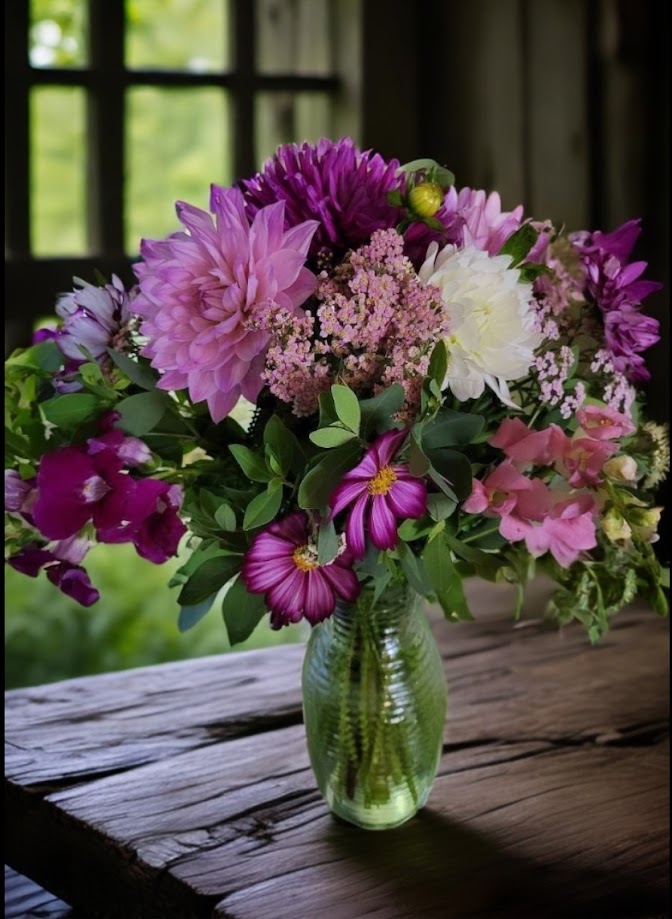
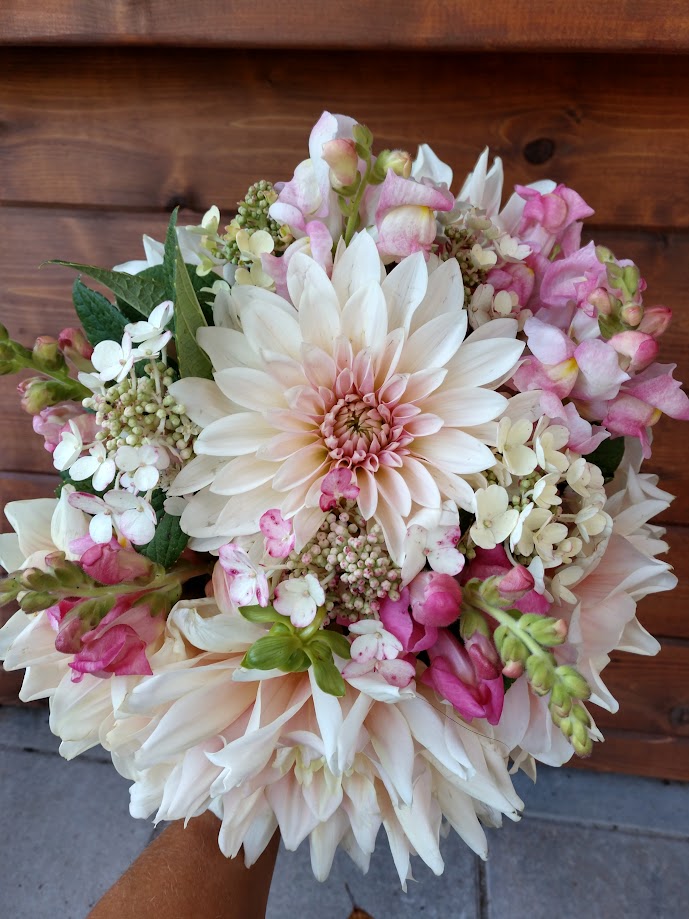
Image Credits
Erin Drallos – Footprints Photography (registered trademark)
Nicole & Daniela Photography