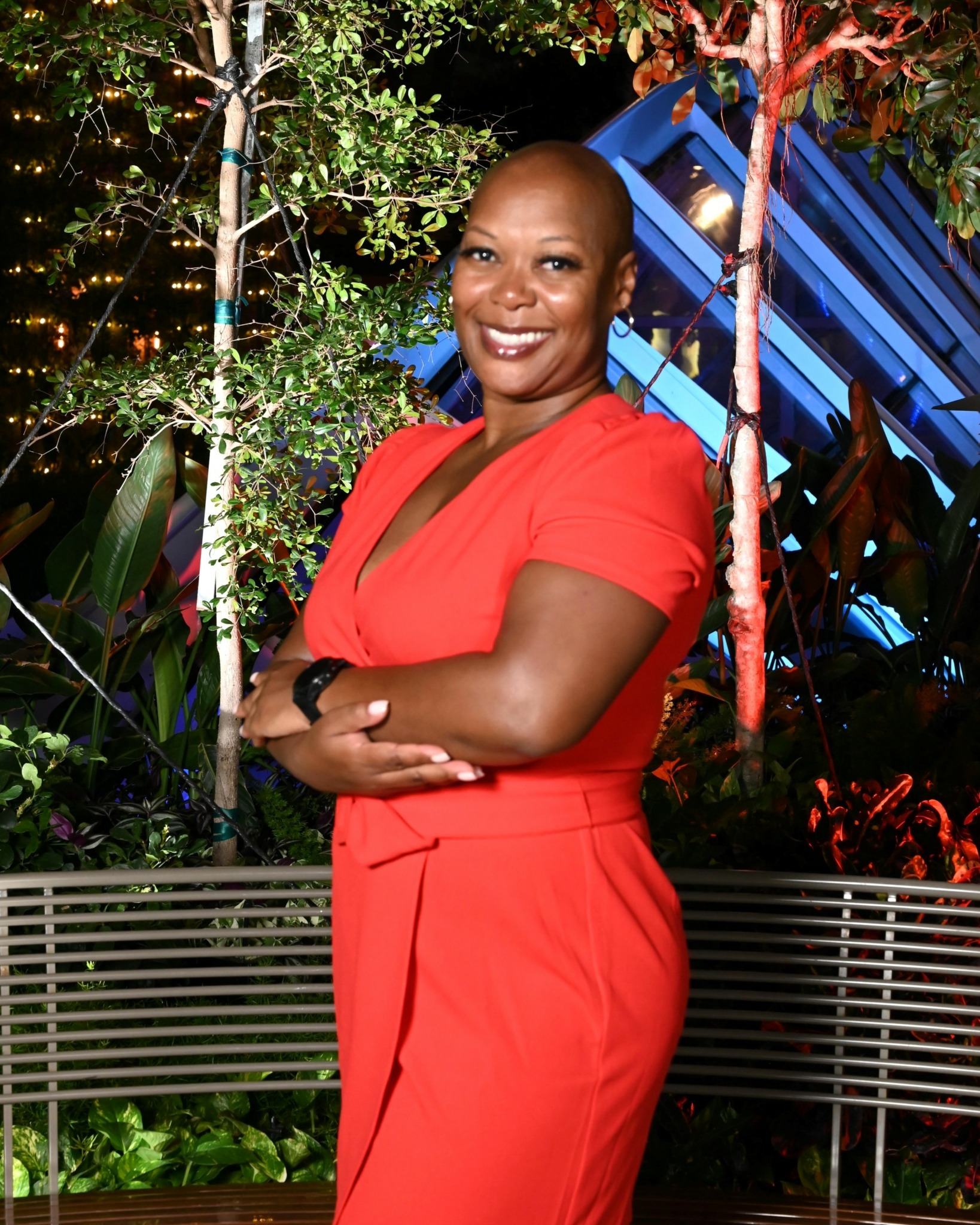

We recently connected with ANGELETHA LONG and have shared our conversation below.
ANGELETHA, appreciate you joining us today. Can you recount a story of an unexpected problem you’ve faced along the way?
One of the most unexpected problems I faced in my business was realizing I was not charging my worth.
When I first started, I thought the hard part would be planning the trips, finding the right options, working through the details, and making sure people had a good experience. I wasn’t worried about that part. I knew I could do that. What caught me off guard was everything around it, asking for the money, setting boundaries, and not second-guessing myself when people hesitated.
Growing up in Jamaica and serving in the military both shaped how I show up for people. Taking care of people, making them feel comfortable, and being of service came naturally to me. So when I started my business, I brought that same mindset with me. If someone asked about a trip, I would jump in and start helping. I would answer questions, research options, and keep the conversation going because that felt natural to me.
The problem was that I was doing too much before there was any real commitment.
If someone hesitated about a planning fee, I might wait to send the invoice. If they sounded interested, I would keep helping and assume the booking would come. At the time, I probably would have called that being flexible or giving outstanding service. Looking back, I can see I was trying to show my value first and deal with the money part later.
And to be honest, sometimes I took it personally. If someone backed off or started hesitating, I would replay the conversation in my head and wonder if I said too much, not enough, or maybe they just didn’t think it was worth it. Instead of being direct, I would sometimes back up too.
My wake-up call came at the end of the year when I sat down and looked at my numbers. I could see what I had spent to run the business. I could see how much time and effort I had put in. And I could also see that I had not been consistent about charging for my expertise. That was hard, because I had to face the fact that I was working hard, but I was making it too easy for people to get the benefit of my time without making a real commitment.
After that, I changed the way I handled things. I got more direct about planning fees, more clear about when my work actually starts, and I stopped doing all that extra unpaid back-and-forth hoping it would turn into a booking. That didn’t make me mean. It just made me more solid.
That was a hard lesson, but I needed it. I had to learn that taking care of people does not mean leaving the door wide open. I can serve people well and still expect them to respect my time, my process, and what I bring to the table.
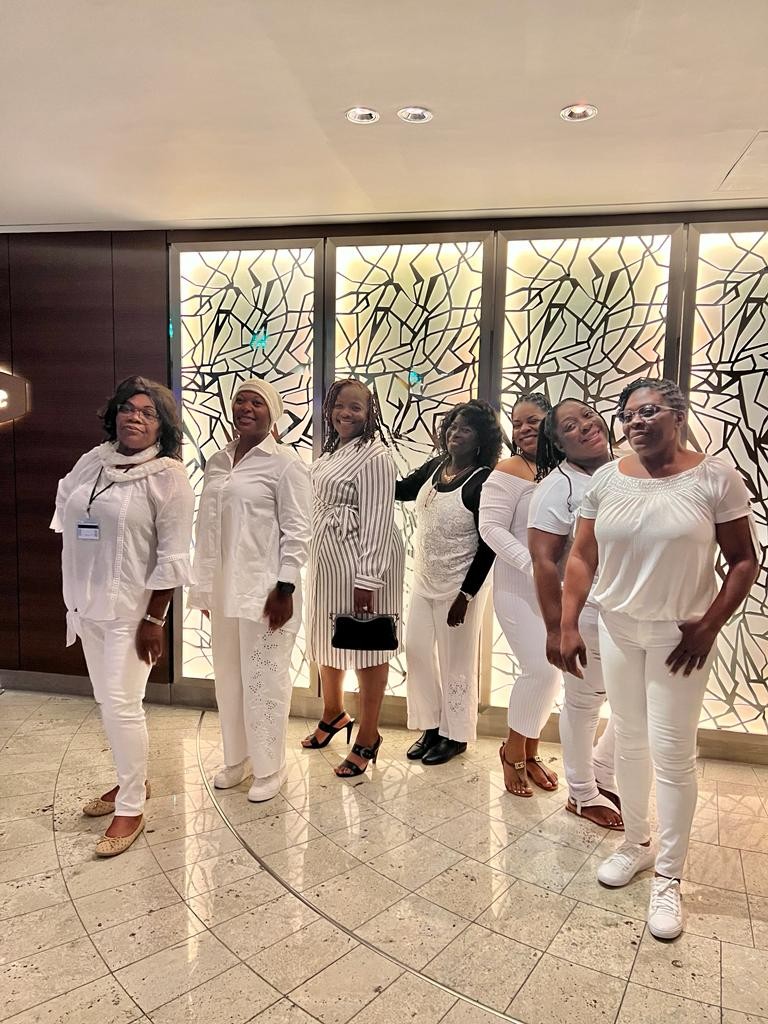
ANGELETHA, love having you share your insights with us. Before we ask you more questions, maybe you can take a moment to introduce yourself to our readers who might have missed our earlier conversations?
I didn’t start out trying to build a personal brand. I was trying to build a life that made more sense for me and my family.
After 24 years in the U.S. Army, I knew I wanted to keep using the strengths I had built over the years, leadership, logistics, planning, and the ability to move people through complexity—but in a way that gave me more ownership and more room to be present at home.
So in 2022, I launched Global Travel Designs as a Cruise Planners franchise. It was a natural fit. I grew up in Jamaica, and hospitality was just part of life. You took care of people. You made them feel comfortable. You paid attention. That stayed with me. Then the military added another layer: discipline, structure, contingency planning, and the ability to manage a lot of moving parts without losing sight of the people involved.
At first, my business centered on travel. But as I got deeper into the work, I noticed that most clients were not just asking for a trip. They were trying to create something bigger: a connection, celebration, rest, renewal, team alignment, or simply an experience that felt intentional instead of thrown together. That shifted how I saw the work. I realized I was less interested in transactions and more interested in creating environments where people could connect, think differently, and move something important forward.
That is what led me to build LongEdge Strategies.
Today, LongEdge Strategies is my consulting firm, focused on leadership development, transformational experiences, and practical AI consulting. The common thread across all three is simple: I help people and organizations become more intentional in how they lead, connect, and create experiences. Sometimes that looks like leadership retreats or curated group travel. Sometimes it looks like helping a business owner use AI in a more practical way. In every case, my goal is the same: helping clients get out of autopilot and make better decisions about their environment, their strategy, and their next move.
One of the ideas I’m most excited about right now is Seminars at Sea. For me, that is not just about being on a ship. It is about the environment. When I take people out of their normal routine and place them in a well-designed setting, they communicate differently. They think more clearly. They have space for conversations that usually get pushed aside in day-to-day life. That is what interests me most — creating experiences that are not only enjoyable, but useful and transformational.
What sets me apart is the combination of backgrounds I bring to the table. I have military leadership experience, a hospitality mindset shaped by my Jamaican roots, and a practical understanding of how to design experiences that work both operationally and personally. I care about the details, but I also care about how people feel inside the experience. I do not think those should be separated.
The problems I solve for clients usually go beyond the obvious. On the surface, someone may come to me for a retreat, a group experience, or AI support. Underneath that, they are often trying to solve for something deeper: disconnection, lack of clarity, inefficient systems, poor planning, or the need to create something meaningful without carrying all the stress themselves. I help bring structure, thoughtfulness, and intention to that process.
What I am most proud of is that this business grew out of real experience and real reflection. It started as a travel business, but it evolved because I kept paying attention to what I was actually being called to do. I am proud that I have been able to take my background, my values, and the life I have lived and turn them into work that feels useful, grounded, and aligned.
What I want people to know is that I care about doing work that actually helps. I want my work to be useful, well thought out, and done with intention. Whether I’m helping someone shape a retreat, think through strategy, or make sense of AI for their business, I want them to walk away feeling clearer and better supported.
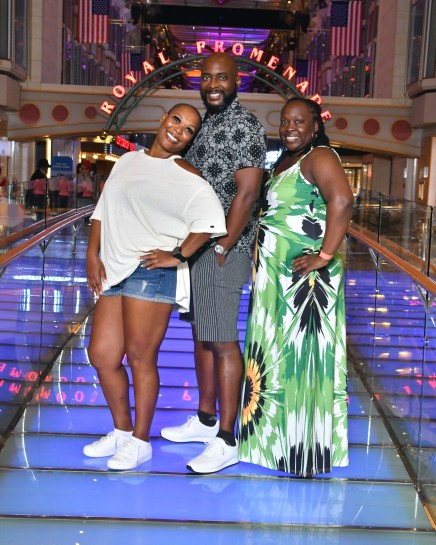
Have you ever had to pivot?
One of the biggest pivots in my life happened when I moved from military service into civilian entrepreneurship.
Years ago, I had an XO who would leave for work when it was dark and come home when it was dark. One evening, he actually got home early, which almost never happened, and the next day he told us that when he walked through the door, his little girl ran to her mom and said, “Mom, mom, there’s a stranger in the house.” We all laughed.
But that story stayed with me.
Because eventually, I became that parent too.
One night, I came home and my husband handed me my son’s first-grade report card. He was struggling. Part of that was the fallout from COVID kindergarten, but part of it was me. I was working long hours, leaving when it was dark, coming home when it was dark, and my family was getting the leftovers of me.
That was a hard moment, because I knew something had to change. That was when I made the decision to transition out of the military. What came next was a much bigger shift than just changing careers.
I had spent more than half of my life in the military, in an environment built on structure, responsibility, and service. Stepping into civilian life meant figuring out who I was outside of that system and what kind of life I wanted to build next. I also had to figure out whether the skills I had developed over 24 years would still matter in a completely different space.
That is what led me to build something in travel first.
I thought back to my roots in Jamaica, where my mother ran a villa. Guests would arrive as strangers and leave as friends because she knew how to create a space where people felt welcome, cared for, and connected. That stayed with me. I realized I wanted to build something that allowed me to be more present with my family while creating those same kinds of meaningful experiences for other people.
What I did not know yet was whether my military background would really translate.
Then I had one of my first consultation calls with a group of experienced cruisers. As I started asking about timelines, logistics, dietary restrictions, special requests, and backup plans, the client stopped me and said, “Wow, our previous agent never asked questions this detailed.”
That was the moment it clicked for me.
Coordinating troop movements, planning regimental events, managing PCS moves, and handling last-minute changes under pressure was travel planning, just with different stakes. The skills I had built over 24 years were not separate from this work. They were exactly what made me good at it.
What started as a pivot out of military life became something much deeper than a career change. I launched Global Travel Designs, and over time I realized I was not just helping people book trips. I was helping create environments for connection, reflection, celebration, and renewal — and that realization eventually grew into a broader vision for how I wanted to serve people long term.
Sometimes the next chapter does not start with a perfect plan. Sometimes it starts with a report card. Sometimes it starts with a stranger walking through their own front door. For me, the pivot was not just leaving one career and starting another. It was realizing that the skills, values, and experiences I already had were not behind me. They were what I was building from.
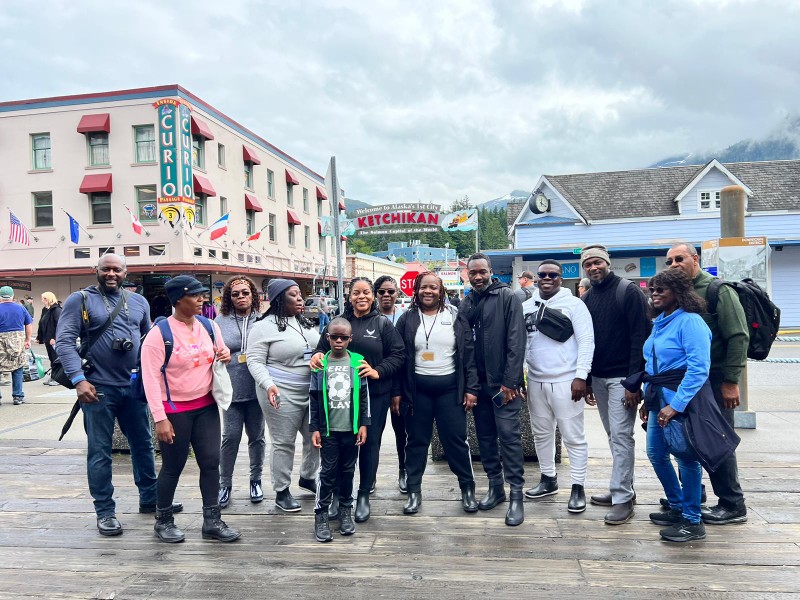
What’s a lesson you had to unlearn and what’s the backstory?
One of the biggest lessons I had to unlearn was that some of the habits and instincts that helped me succeed over 24 years in the military did not automatically serve me in entrepreneurship.
The military taught me a lot that was good and necessary: discipline, responsibility, structure, urgency, and the ability to perform under pressure. But it also conditioned me around visibility, self-promotion, rank, and response time in ways that made building a business harder than I expected.
The one that surprised me most was operational security. Both of my military occupational specialties drilled it into me. Do not tell people when you are not home. Do not broadcast your movements. Keep things quiet. Then I became a business owner in travel, where I was suddenly supposed to post when I was away, talk about where I was going, share what I was doing, and market myself consistently. That went against years of deeply embedded training. There were moments when posting a photo from a trip genuinely felt wrong, like I was breaking a rule I could not fully explain.
I also came from a world where your work speaks for itself. You complete the mission. You do your job well. No one expects you to create content about how well you handled logistics or leadership. And then there was rank. In the military, people can look at your uniform and immediately understand your experience and responsibility. In civilian business, none of that transfers automatically. I had to learn how to communicate my value without the cues I had relied on for most of my adult life.
Learning to market myself has probably been one of the hardest parts of this whole journey. I have stared at a blank Facebook post for an hour, wondering how to talk about client results without sounding like I was bragging. I have watched other people make social media look effortless and thought, this feels completely unnatural to me. That was not laziness. That was years of conditioning telling me that talking about myself was not what leaders do.
What I have learned is that I do not have to abandon who I am to adapt. I do not have to become loud or performative. I just had to understand that good work still needs visibility, and experience still needs language. Once I accepted that, I stopped trying to market like everyone else and started doing it my way, real stories, real results, and the kind of steady consistency that actually reflects who I am.
The military did not teach me the wrong things. It taught me what worked in that environment. I just had to learn that business requires something different. For me, that has meant learning how to be visible without feeling fake, how to talk about my value without feeling like I am bragging, and how to show up in a way that still feels true to who I am.
Contact Info:
- Website: https://www.globaltraveldesigns.com
- Instagram: https://www.instagram.com/globaltraveldesigns
- Facebook: https://www.facebook.com/globaltraveldesigns
- Linkedin: https://www.linkedin.com/in/angeletha-long