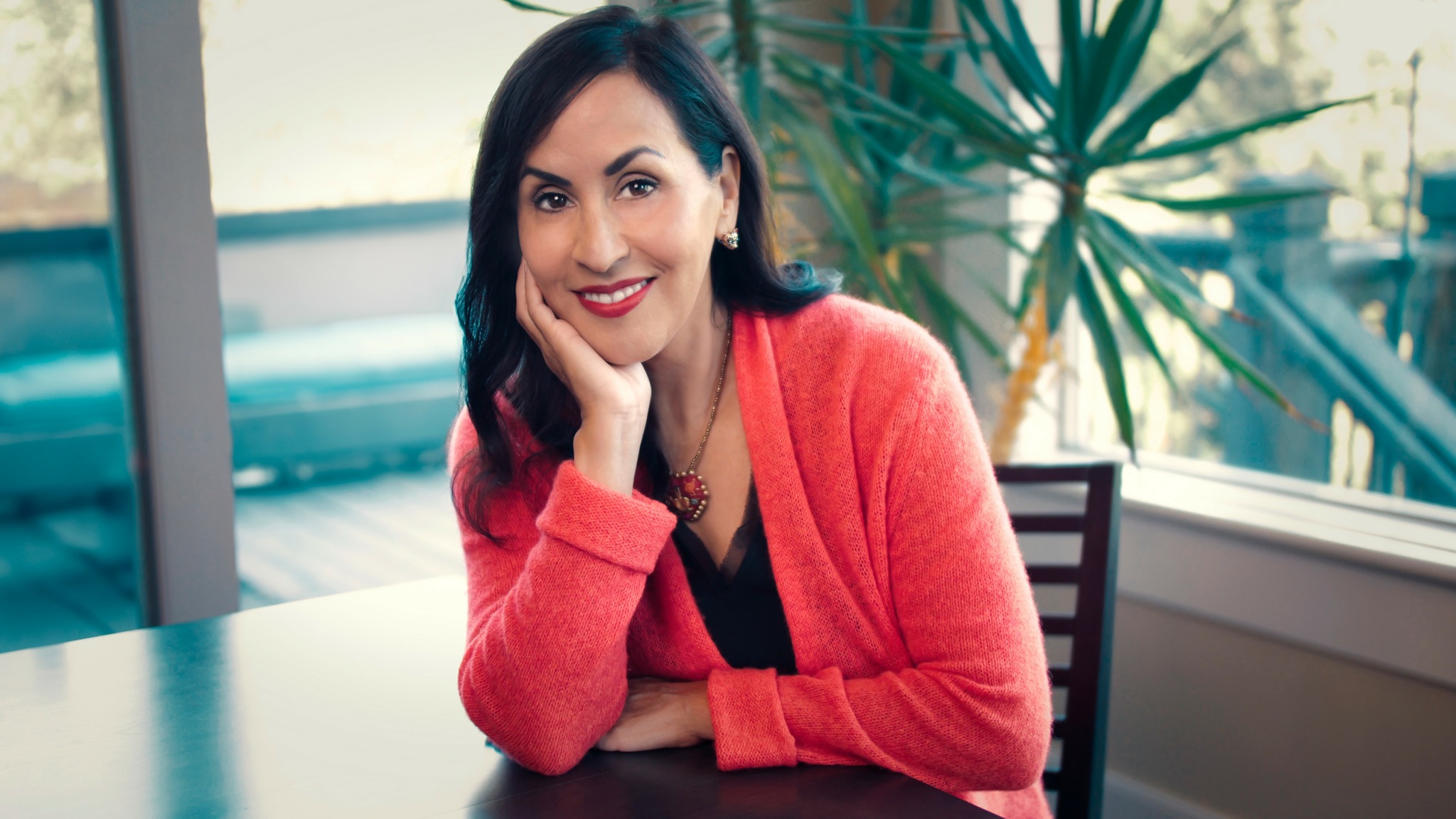

We were lucky to catch up with Angela Cervantes recently and have shared our conversation below.
Alright, Angela thanks for taking the time to share your stories and insights with us today. Can you tell us about an important lesson you learned in school and why that lesson is important to you?
The most important lesson I learned in school occurred when I was very young. When I was a child I was a flashlight kid. You know the type. Hours after parents called for bedtime; I was still up under my bedcovers with a flashlight reading a favorite book.
I read books to escape boredom. I read books to find new friends. I read to learn about history. I read books to understand the world around me because when you’re a child, everything seems out of your control. Books helped me to calm down, take a moment, and understand the world a little better.
Many times, those books under the covers with me were the Chronicles of Narnia by C.S. Lewis or Charlotte’s Web by E.B. White. Turns out that most of the books I read and was exposed to featured main characters who were white. I don’t think I read a book that featured a Latinx or African-American main character until I was in high school. The more I read, the more I questioned why there weren’t books with Latina girls like me?
In 5th grade, I had a wonderful teacher named Sister Judy. She had set up a little library in the corner of our classroom for us to read whenever we finished our assignments early. One day Sister Judy realized I had read through every book in her classroom library and asked, “What sort of book would you like to read next? Whatever it is, I’ll find it for you.”
I answered that I’d like a book about a Mexican American girl like me who saves a cat, or time travels, or solves an international mystery.
Sister Judy smiled and said, “I’m going to find that book for you.”
In an instant, I felt so grateful and excited. The weekend passed and on Monday morning, I noticed that Sister Judy didn’t say anything to me about the book she promised. I spied around her desk and there wasn’t any new book as far as I could see. Then, during recess she marched toward me with a thin book under her arm. When she reached me, she began to apologize which is not what I was expecting. My teacher apologizing to me? Usually, it was the other way around. She recounted how she had looked everywhere and couldn’t find a book about a girl like me.
It was then at that very moment, I remember a spark growing inside me. I remember questioning, why aren’t there books about girls like me? Are Mexican American girls like me invisible? Do our stories not matter? Do other people not want to read about us? Why not? We read about them all the time. Do they think we don’t have stories too?
Sister Judy must have noticed my confusion and anger on my face, because she pulled a notebook from under her arm and handed it to me. “Angela, I think you should write the kind of stories you want to read.”
Boom! It was like being struck my lightning. At that very moment on that playground, while my friends played soccer and jump roped around me, I knew I couldn’t just read books anymore, I had to write them. This was the lesson. I had to write books about all the kids I knew. It was up to me to share our stories and to give us a place on the shelf. I was determined to fill that notebook with stories about my amigas, mi comunidad, and my family. I knew then that it was my place on this planet to give my community a voice.
And that’s what I’ve been doing ever since. I write the kind of books that I wanted to read.

Great, appreciate you sharing that with us. Before we ask you to share more of your insights, can you take a moment to introduce yourself and how you got to where you are today to our readers.
I write for the best people on earth: children.
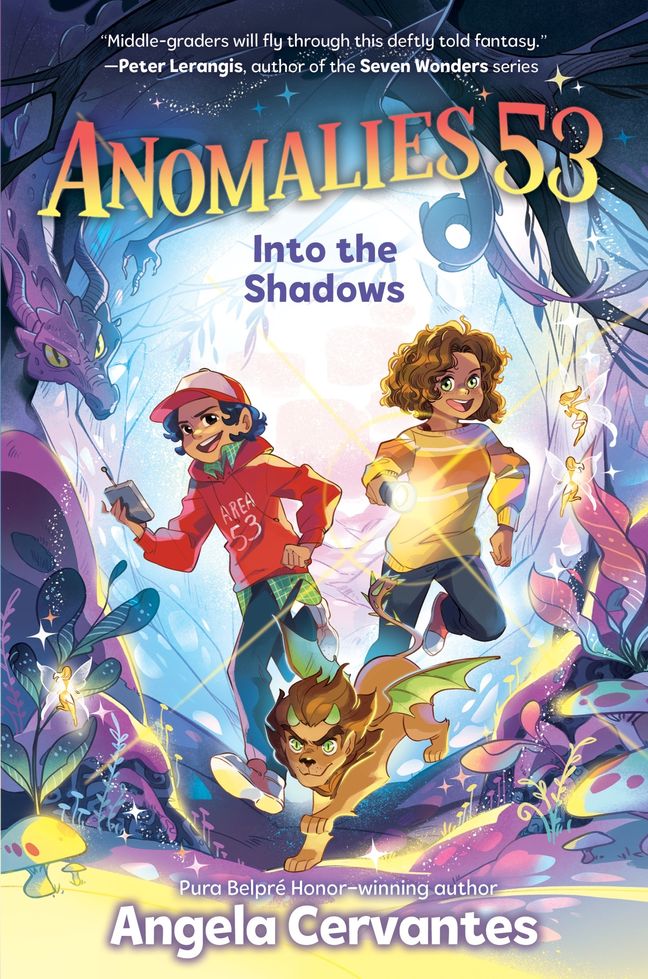
I’m a published middle grade author which means I write books for people ages 8 year and up. I like to say that I’ve been a writer since I was a kid, but I didn’t become a published children’s author until my debut novel, Gaby, Lost and Found, was released by Scholastic Press in 2012.
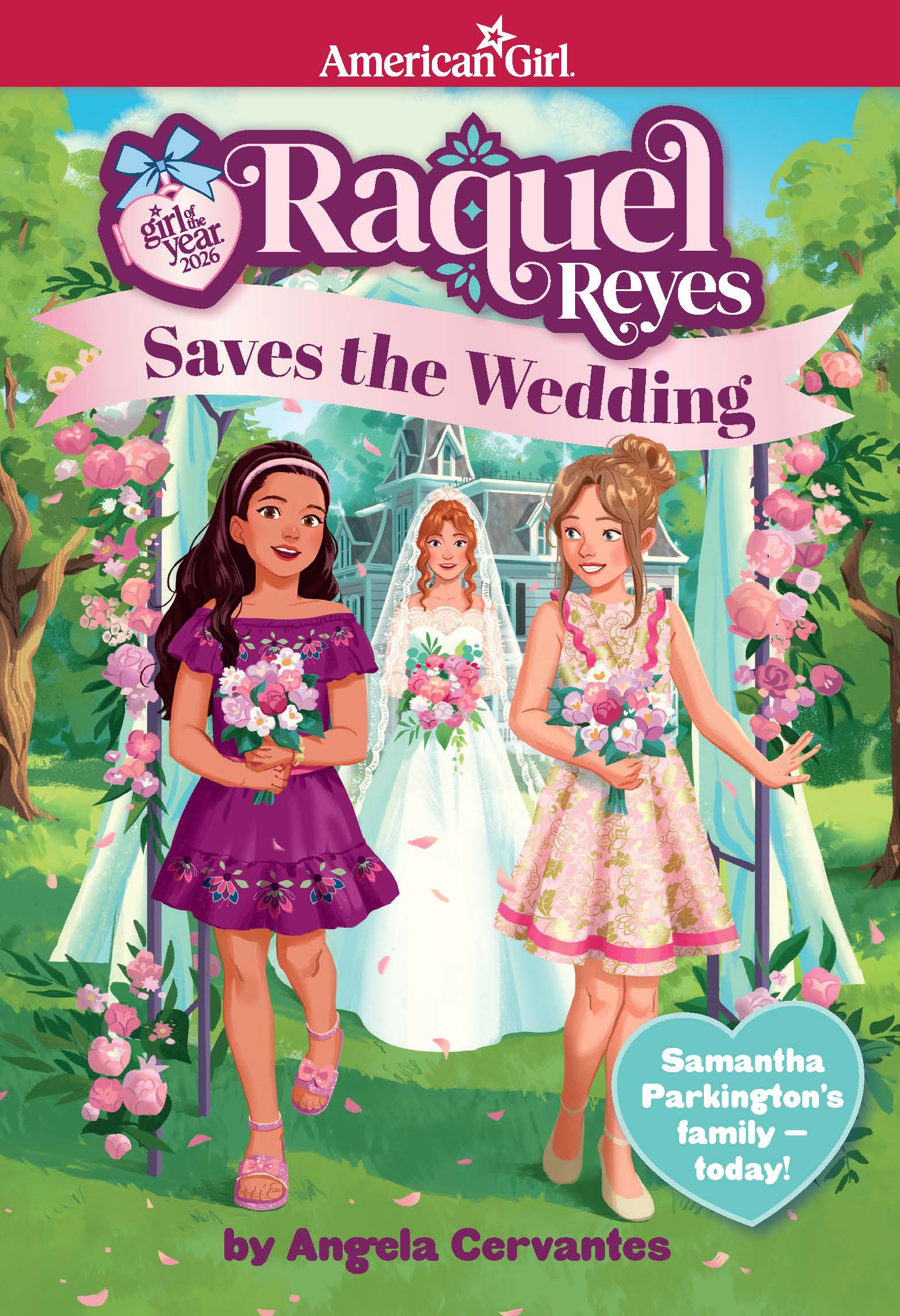
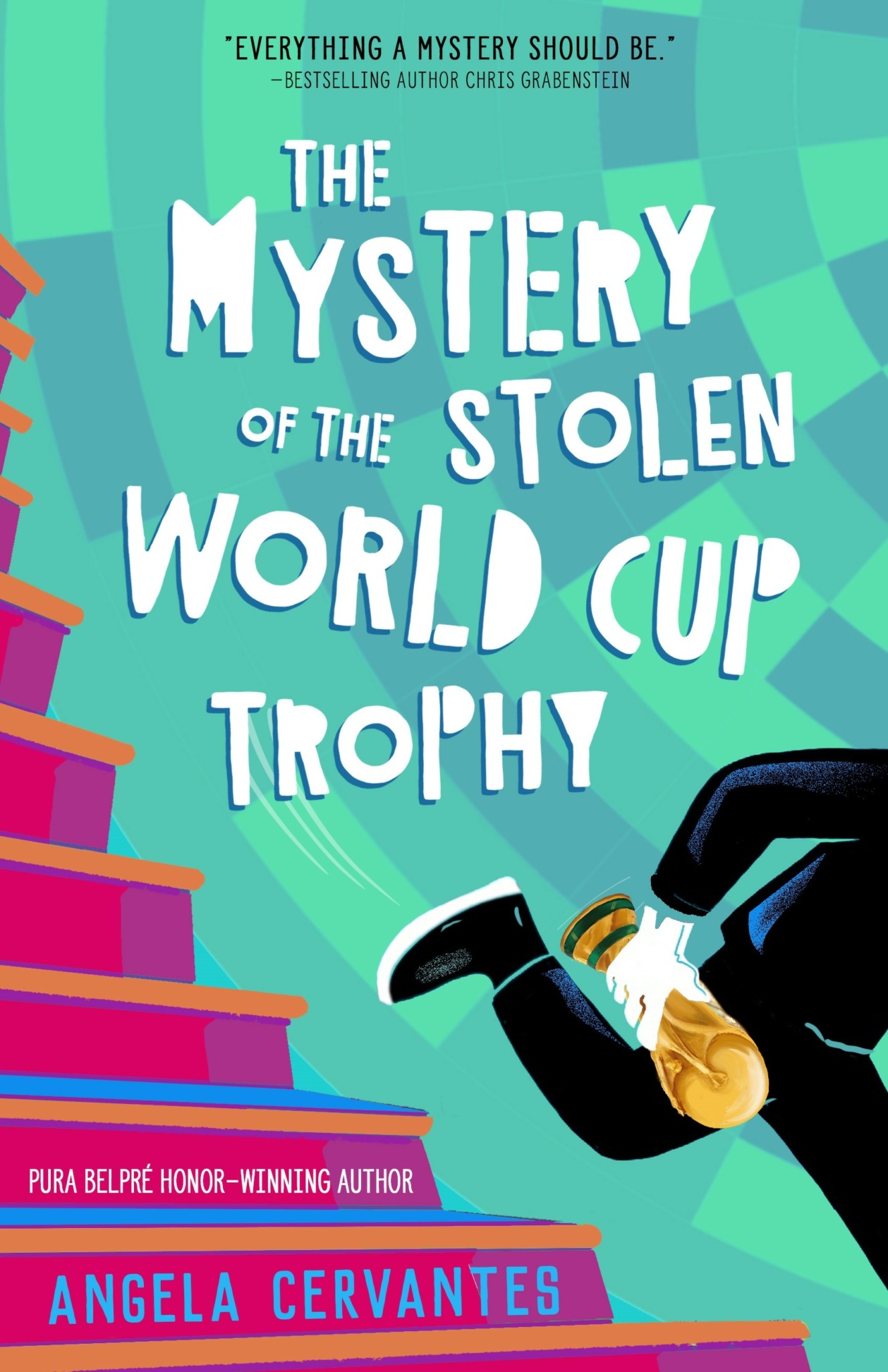
Once the publishing world opened its doors to me, I’ve never stopped. I’ve now written over eleven middle grade books for children and sold over a million copies. I’ve had the opportunity to work with different publishing houses and collaborated with Disney and American Girl dolls. Regardless of the publisher, I stick to my mission: to write the kind of books I wanted to read when I was a kid.
This mission has guided me well in my life and career.
What’s the most rewarding aspect of being a creative in your experience?
The most rewarding aspect of being a published children’s author is conducting author visits at schools. When I first became a published children’s author, I dreaded the idea of going out to speak about my books at schools, literature festivals, and events. I couldn’t believe that people would actually pay me to speak. I was full of self-doubt.
Why would anyone want to hear from me?
What if they don’t like me and decide not to buy my books?
There are so many other famous authors out there — why would they want to hear from me?
Because of that self-doubt, I actually turned down speaking opportunities at the beginning of my writing career. Can you imagine?
But after a few school visits, my confidence grew. I shifted my focus from myself to the children. I felt I had an obligation to represent my community and stop shying away from opportunities to share our stories. This shift made a huge difference.
I don’t think self-doubt is unique to me. I think many artist struggle with it. And you have to come to terms with self-doubt. Make it your companion — the one you know is always there — but you’ve learned to confront it with humor and love.
The truth is, I love writing and speaking to children more than I despise the self-doubt that creeps into my head. I won’t let it stop me from fulfilling my dreams and my mission on this earth.
Can you share a story from your journey that illustrates your resilience?
Rejection has been one of the most defining parts of my writing career.
My debut novel Gaby Lost and Found was rejected more than twenty times. After a while, those “no’s” started to get loud. There was a point when I genuinely wondered if I would ever become the published children’s author I had dreamed of being since childhood.
But deep down, I believed in my story. I knew it was a good one.
I had already made peace with a Plan B: if no traditional publisher picked it up, I would self-publish. That’s a very real and respectable path for writers today. What mattered most to me wasn’t how the book reached readers as long as it reached them.
And then, Scholastic called and changed my life. They wanted to buy my first novel. And that first novel about a sixth-grade girl volunteering at an animal shelter went on to sell over 150,000 copies in its first year at the Scholastic book fairs.
I often think about how easily my story could have ended at rejection number five… or ten… or twenty.
Today when I’m speaking at an event, one of the questions I’m asked most often is: How do you bounce back from rejection?
My answer is always the same: If you’re not getting rejections, you’re not doing your job.
Rejection isn’t a verdict. It’s proof that you’re putting your work and your heart into the world.
Contact Info:
- Website: https://www.angelacervantes.com
- Instagram: @angelacervantes_author
- Facebook: Angela Cervantes-Author
- Linkedin: Angela Cervantes
- Youtube: @angelacervantes_books