

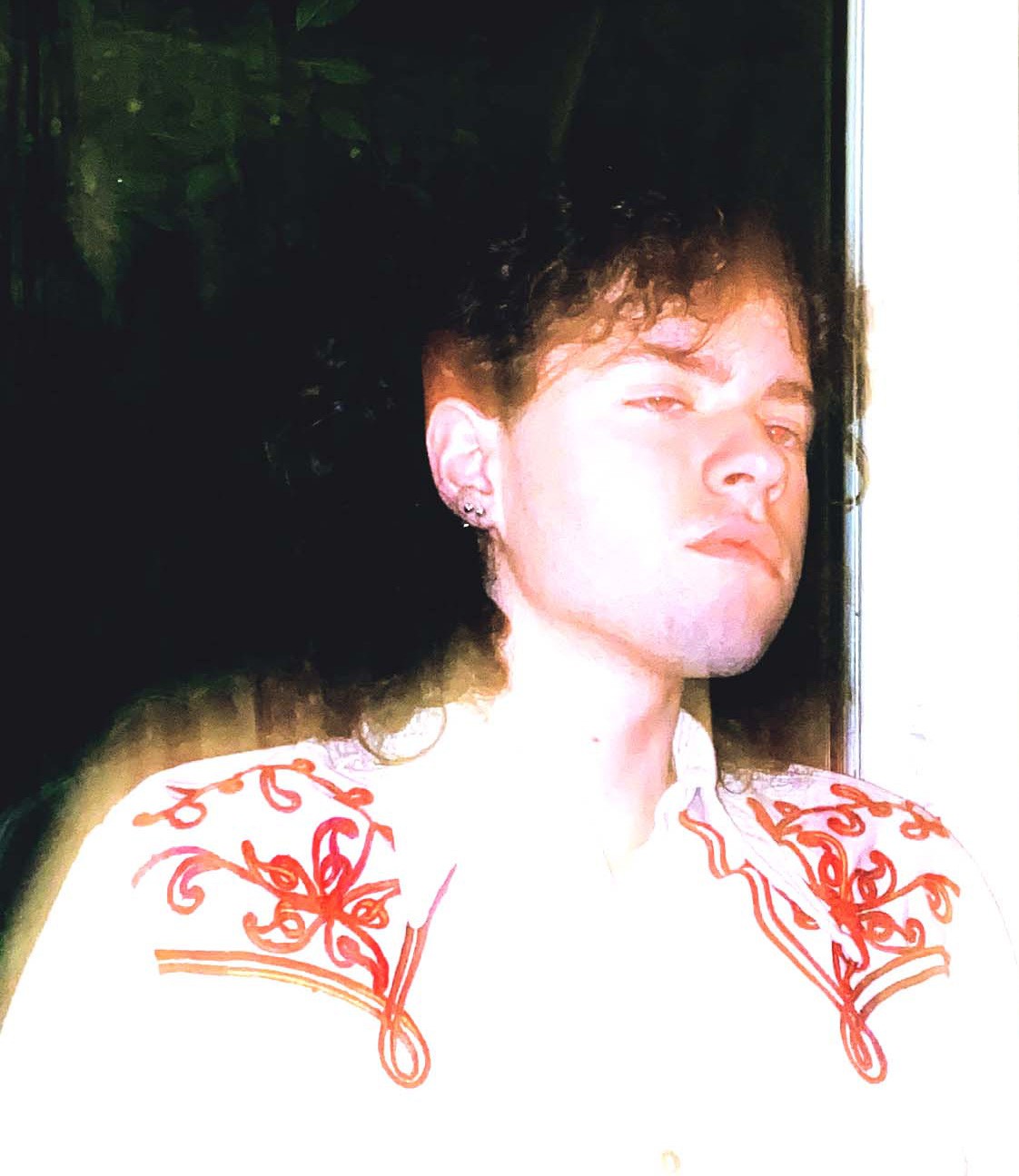

We caught up with the brilliant and insightful Andrés Colón a few weeks ago and have shared our conversation below.
Andrés, appreciate you joining us today. We’d love to hear the story of how you went from this being just an idea to making it into something real.
I approach writing very similar to how I approach my art. To me, it’s all a process of collaging–collecting scraps of life and building a landscape that exists beyond the physical. Sometimes with writing, a single line will come to me in a grocery store, other times, an entire character arc will enter my dreams and inspire its way into my waking life. But the ideas never come to me in “lightbulb moments”, rather, I see them more as shifting fireflies that need to be captured and compartmentalized for future use. And maybe, one day all the bits of light will add up to illuminate an entire perspective. This can be a sporadic but exciting process, having to believe in the smaller, unconscious pieces of self. It’s almost spiritual. The process can trigger a lot of doubt, but it also forces the body to exercise a lot of trust. This trust is a practice that I think all people struggle with to one extent or another. Sometimes there’s days where I barely have any faith in what I’m making, but I push the pen regardless. Because if I stop believing in the creation entirely, then I’m left holding nothing. There’s nothing there to believe in.
Great, appreciate you sharing that with us. Before we ask you to share more of your insights, can you take a moment to introduce yourself and how you got to where you are today to our readers.
I consider myself many things, but I do not consider myself just an artist. I am a storyteller. I write, I paint, I design, I dream. I try not to apply a piece to a medium, instead, I strive to apply a medium to a piece. I don’t ask “what should I paint” I ask “what medium does this idea need to justify it’s existence”. This can be anywhere from a simple, quickly scribbled sonnet or a week-long fully-fledged video collage. If an idea calls for a heavier tone, I’ll create a piece with ink or charcoal. On the other hand, if an idea calls for a bright and eye-catching voice to it, then I’ll use gouache or a computer to create a flashy graphic. And so on. Though these mediums may vary, I never choose to confine a piece to the medium I assign it. Many of my paintings are inspired by poems I’ve written. Many of my poems are inspired by paintings I’ve painted. I take it upon myself to give breath to whatever a story demands to be given. I do so in the sense that one may look upon a randomized collection of my work and wonder if all the pieces coexist in the same fictional universe, not solely by the style, but also by the soul granted to each.
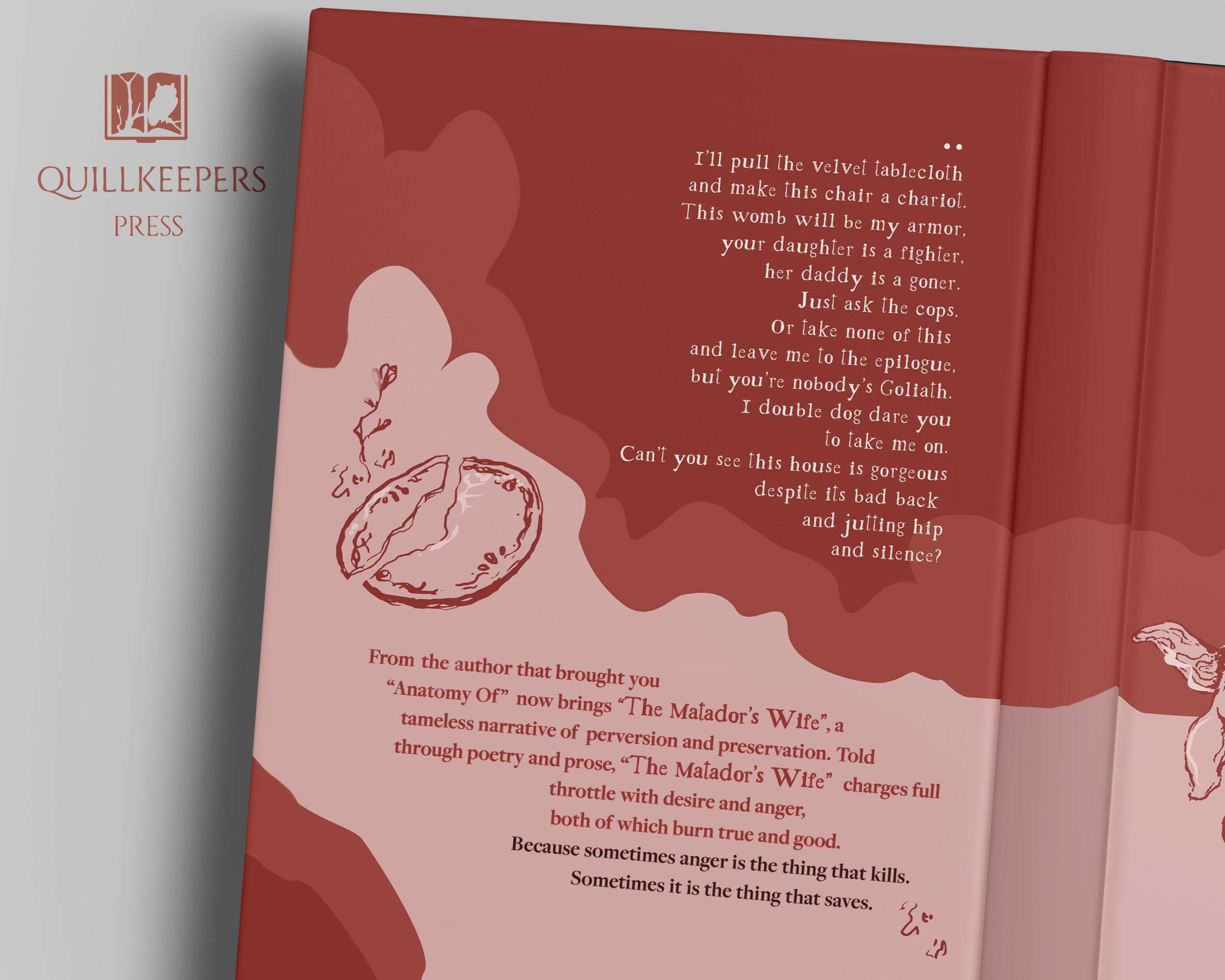
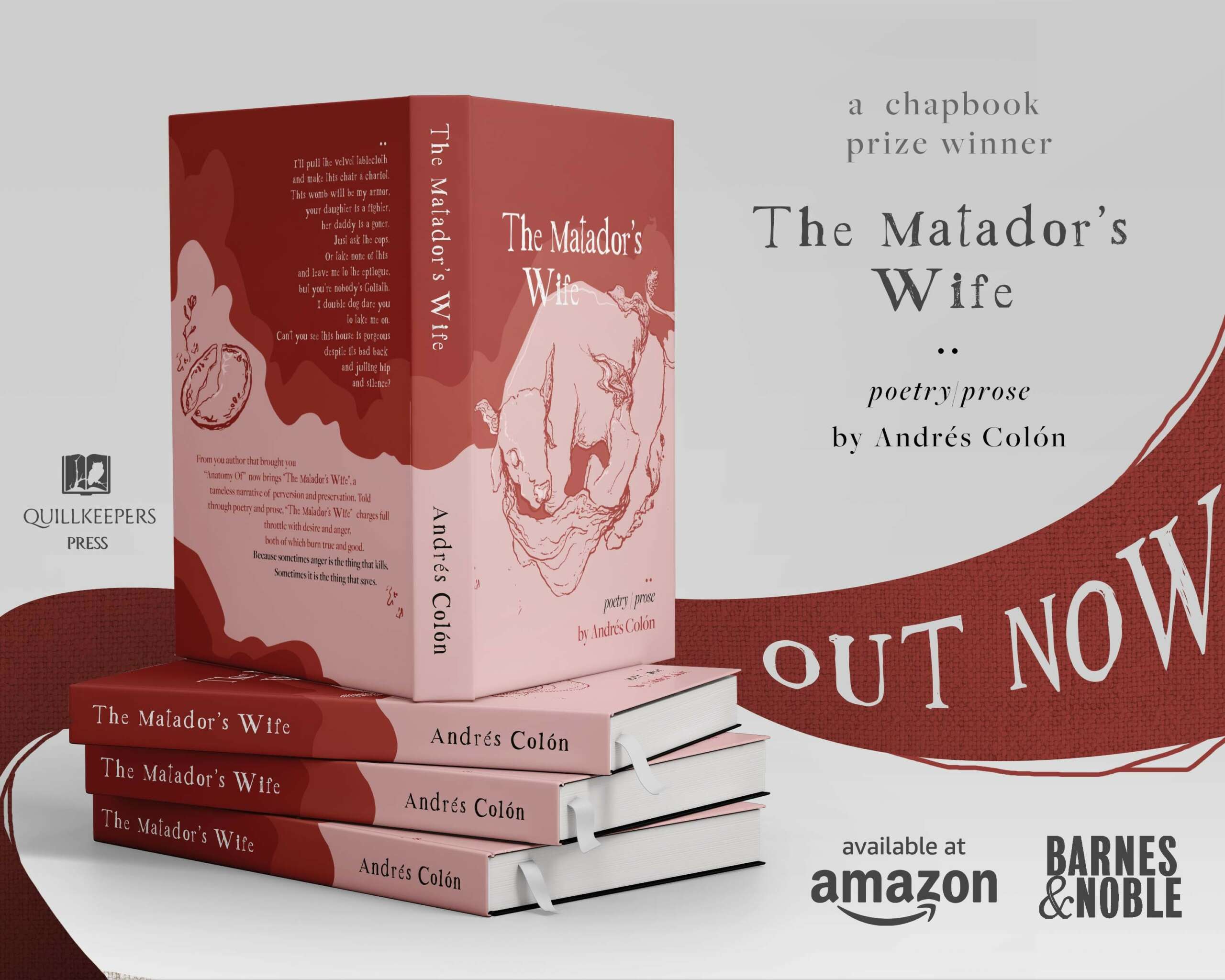
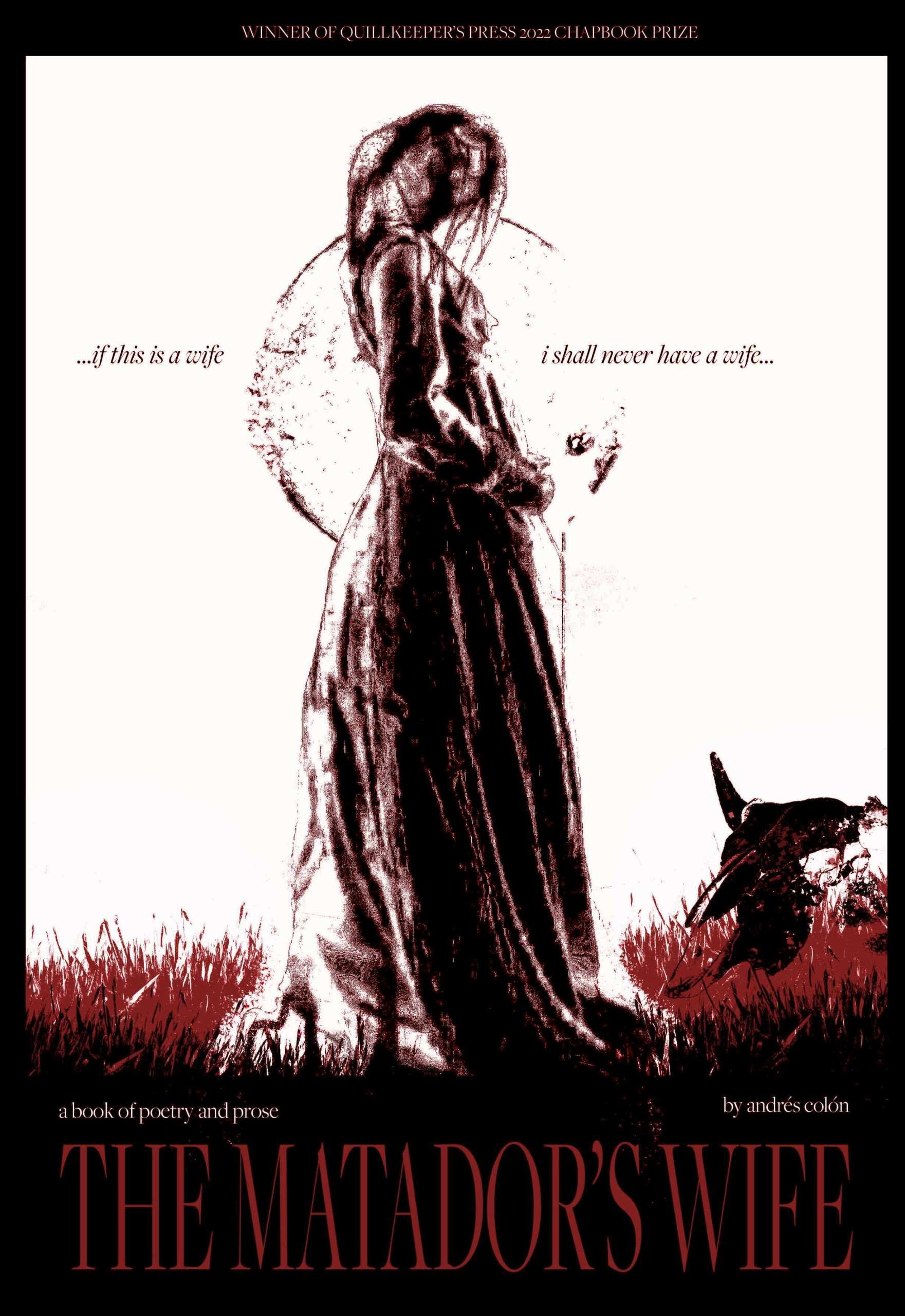
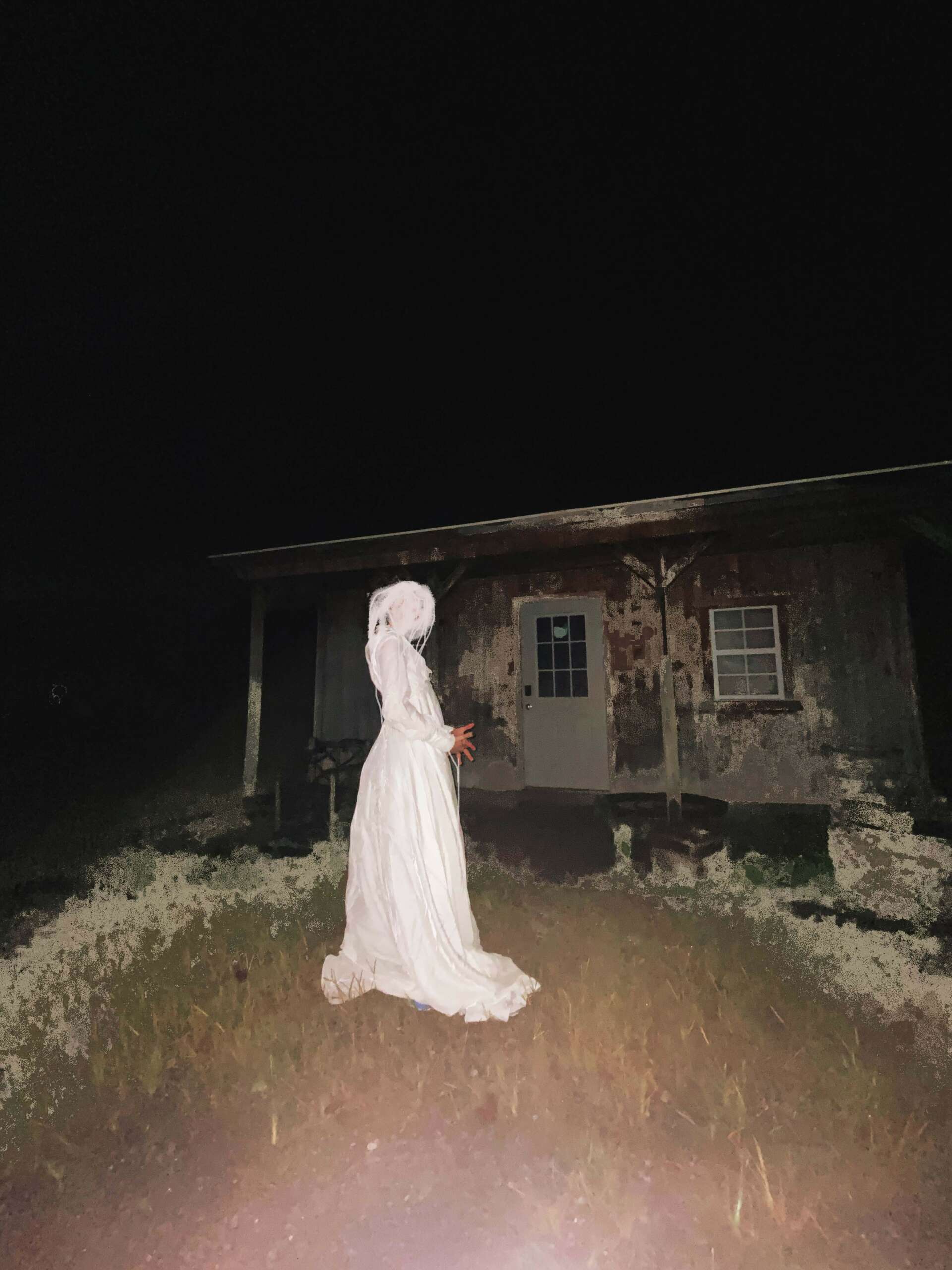
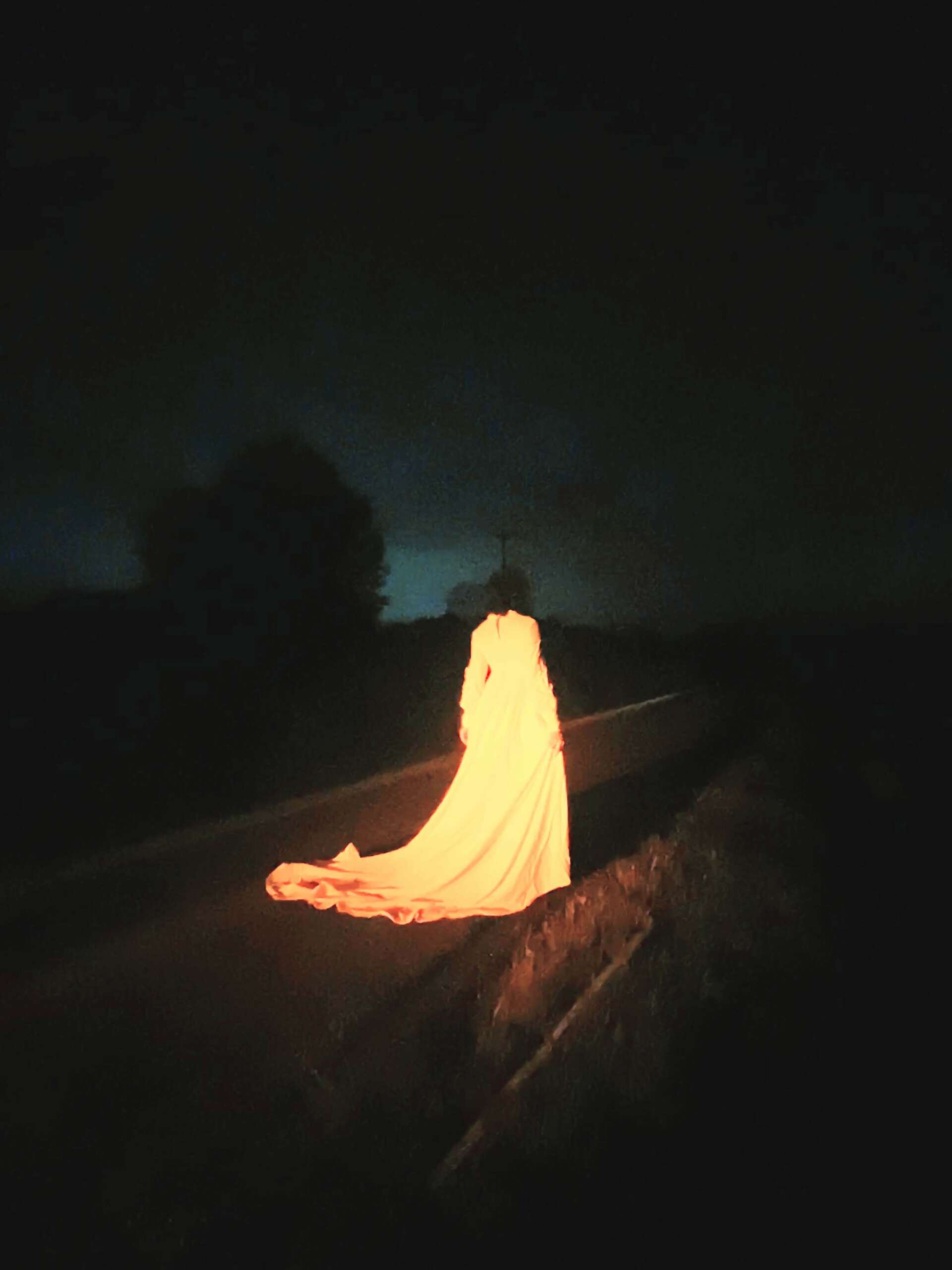
My most recent project, “The Matador’s Wife” is a chapbook of poetry + prose; a tameless narrative of perversion and preservation. The collection introduces the reader to a character known as the Matador’s Wife, as well as an introspective undertone that readers are sure to identify with. With undercurrents of what I call “quiet violence”, we follow the journey through the mind of the Matador’s Wife as she explores femininity, domestic turbulence, past and present traumas, and a desperate search of self. “The Matador’s Wife” charges full throttle with desire and anger, both of which burn true and good. Because sometimes anger is the thing that kills. Sometimes it is the thing that saves. The collection is available in both eBook and paperback.
What’s a lesson you had to unlearn and what’s the backstory?
I’m (still) trying to unlearn my stubborn sense of self-sufficiency. Especially with my art, I find myself becoming far too reliant on my own abilities. I think as young people, particularly those up-and-coming within an industry, we feel the need to prove ourselves. For a long time, anything I didn’t know how to do I’ve tried to figure out or teach to myself. While an adaptive skill, it’s been a detriment to me at times. I saw this most with my first collection of poetry, which I self-published. For that collection, other than writing and publishing it, I designed the book cover, did the marketing, made art/photography for each poem, and more. Though I’m still proud of this, in retrospect, I made many technical errors due to lack of experience that could have been solved simply by asking others for help. Since, I’ve had to let go of my ego quite a bit and learn that letting others help you doesn’t tarnish the authenticity of your work. And that you can learn something from pretty much anyone. I want to embrace collaboration, even if that means just having more conversations with strangers to gain perspective.
How about pivoting – can you share the story of a time you’ve had to pivot?
I think all creative processes require some sort of pivoting, or improvising, at least. In speaking about my first poetry collection, I had to do a lot of pivoting to get to where I wanted it to be (at the time). While in the process of making the collection, my computer ended up wiping its memory after breaking down, clearing all my progress with it. I had to rewrite pretty much all of it. I was devastated. But at that point in the writing process, I was really fixated on a certain idea that I couldn’t quite figure out, and it was almost paralyzing. So I think losing that progress helped me, in a way. It reminded me that sometimes you need to tear something down and build it back up in order to see it for what it really is, or what was missing from the bigger picture. That’s a pretty common theme in “The Matador’s Wife”, my most recent poetry collection. Since that incident I’ve definitely gotten better about backing up my data, thankfully, haha.
Contact Info:
- Website: https://linktr.ee/andrescolonart?lt_utm_source=lt_share_link#264128502
- Instagram: @a_ndres.c
- Other: Portfolio: https://acrobat.adobe.com/link/review?uri=urn:aaid:scds:US:f44b4e74-9b0f-3371-9c14-eaf08a44e630
Image Credits
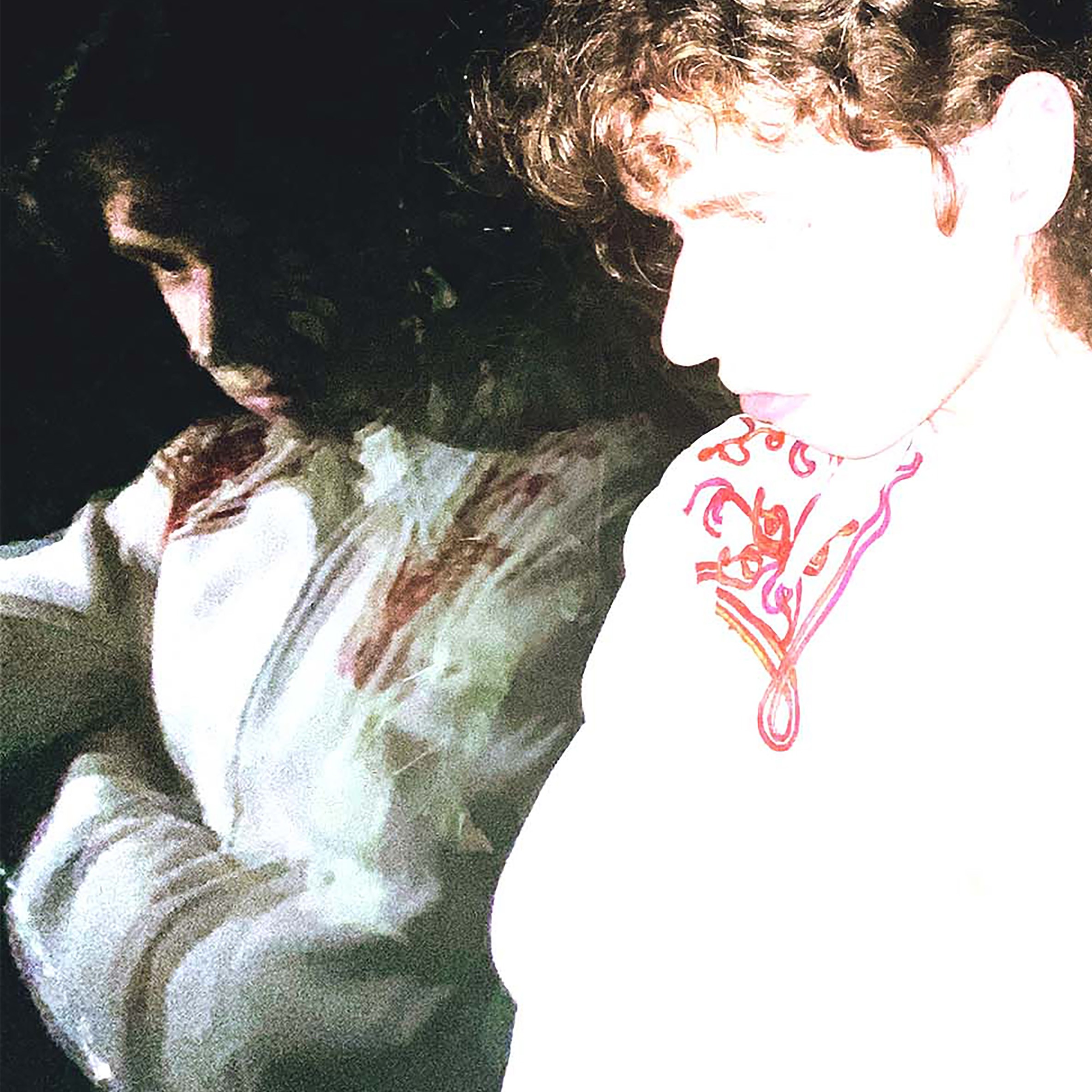
All photos shot and directed by Andrés Colón. All art designed and illustrated by Andrés Colón.