

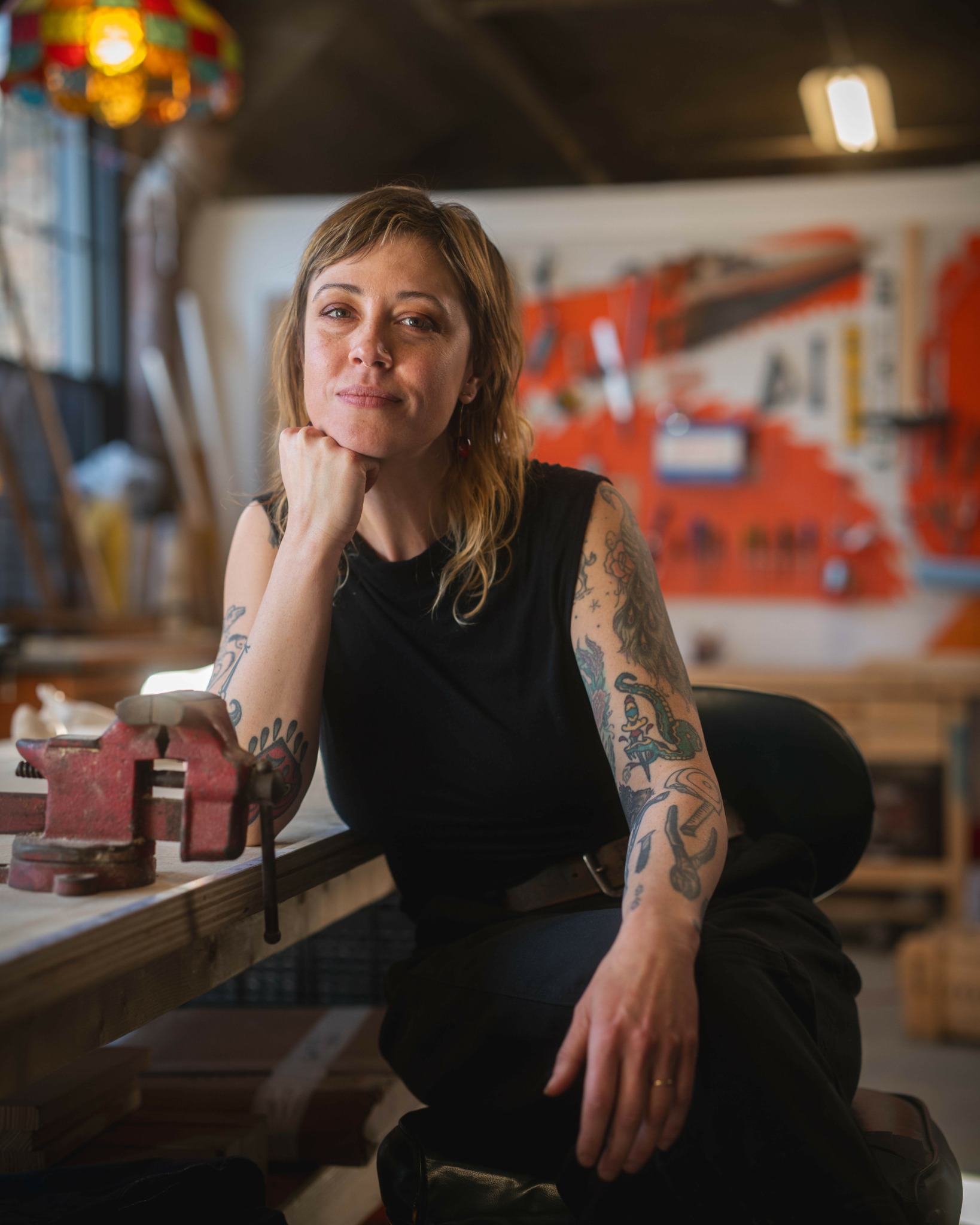

We were lucky to catch up with Andi Crist recently and have shared our conversation below.
Andi, thanks for joining us, excited to have you contributing your stories and insights. We’d love to hear about the things you feel your parents did right and how those things have impacted your career and life.
I really struggled as a teenager trying to figure out where to go to college. Both of my parents are academics with long careers and PhD’s, which is an intimidating position to be in as a young creative person. I knew that I had a creative edge, but it was difficult for me to envision how I would be able to actually make a living as an artist. At the time, I was in a band and could see a possible future writing and playing music, but I hated the idea of performing the same thing over and over again. I knew I loved making artwork, but I felt very unstable and early in my style and was not sure I would be able to find a singular discipline that would satisfy me. I also really loved cooking and enjoyed the idea of expressing myself in a creative and practical way, so I seriously considered a local culinary school for its obvious link to a career in food and beverage. My parents sat me down and said they would support me in whatever I decided to do. They couldn’t pay for everything but would help me sort through loans and get my living situation set up. The only caveat was that I needed to move at least 300 miles away from home.
This surprised me, but they made it clear that college was not just about choosing your career, but that it was an opportunity to learn how to be on my own. They gave me a safety net that was wide enough that made me feel confident in taking a risk, but it was thin enough that there was an incentive to try and find my own path. They made me feel like college was ultimately not going to choose my future, but that being among a community of creative people, in a place where I could evolve, would be the thing that got me ahead. I ended up choosing to move to Chicago to go to art school and I’ve lived here for the past 19 years.
Andi, love having you share your insights with us. Before we ask you more questions, maybe you can take a moment to introduce yourself to our readers who might have missed our earlier conversations?
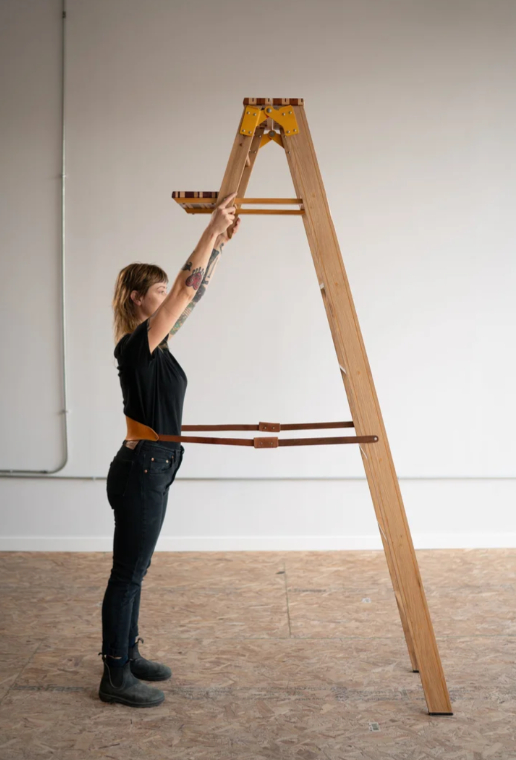
I am an artist and I currently work as an educator and fabrication center manager at the Illinois Institute of Technology. For the past 15 years I have worked as a professional art-handler and fabricator, making a living preparing exhibition spaces, building gallery infrastructure like pedestals, plinths, frames, stretchers and shelves. I have a background in woodworking and I specialize in a variety of fabrication techniques such as carpentry, ceramics, mold-making/casting, and leathercraft.
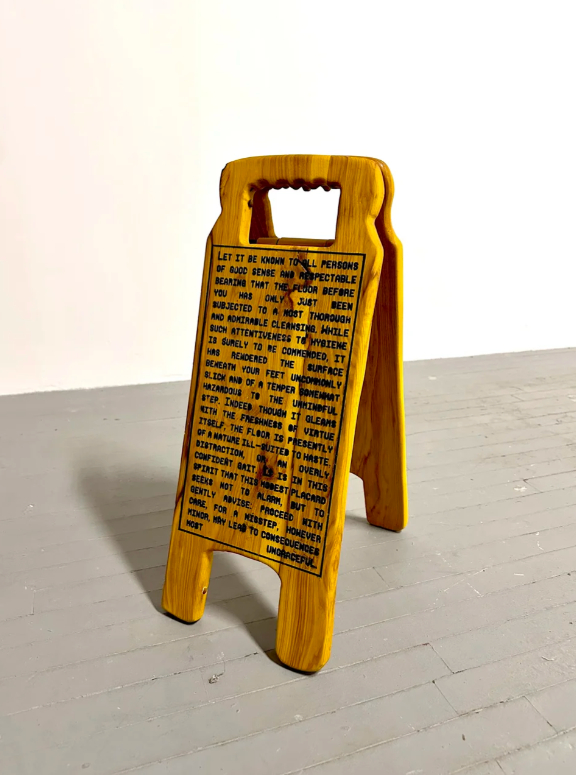
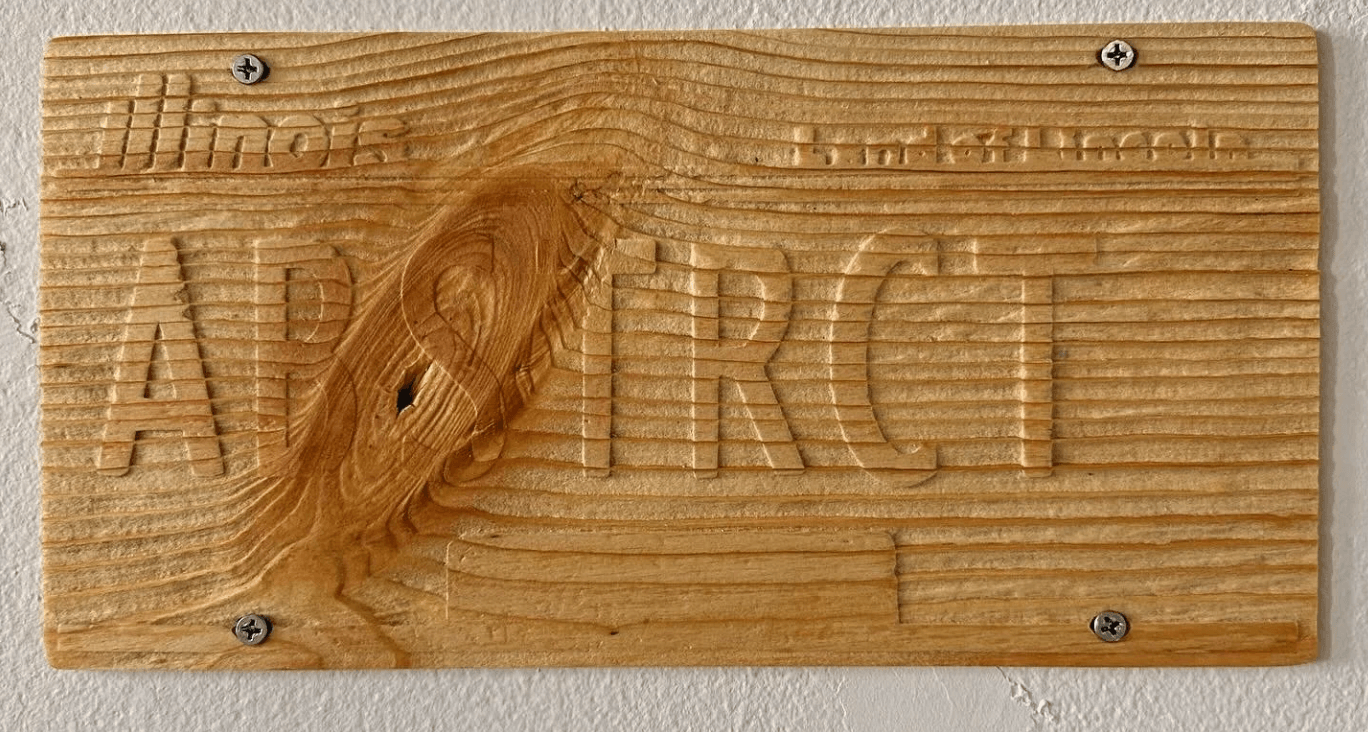
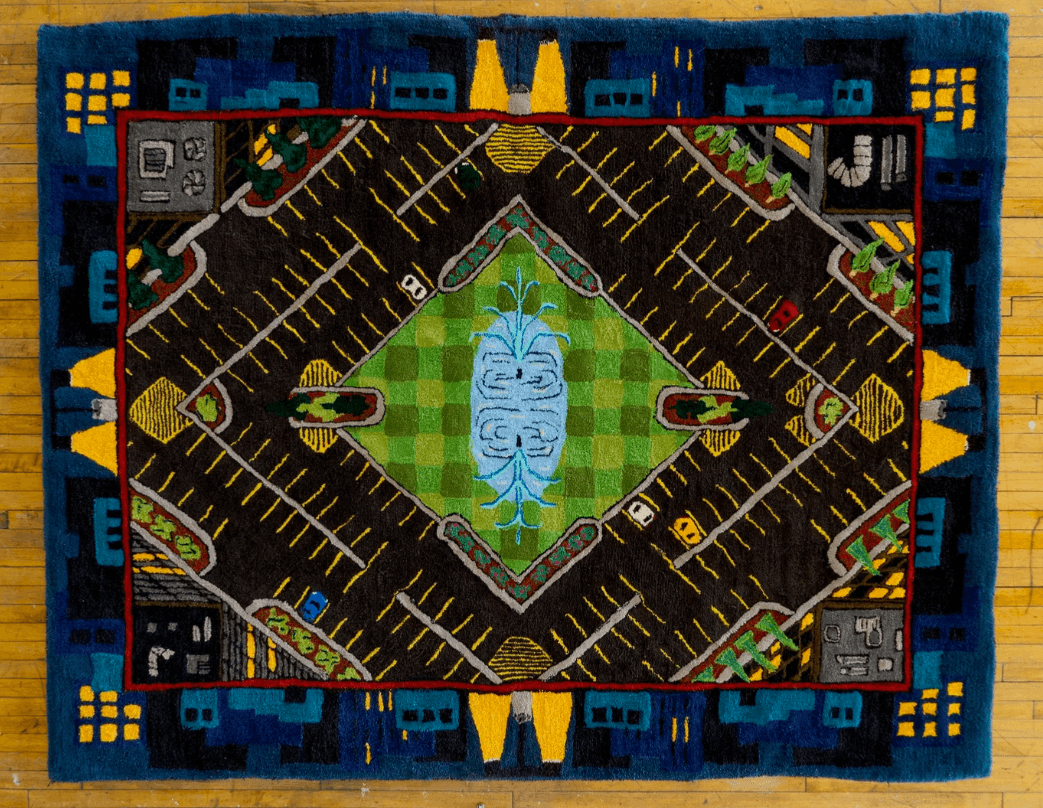
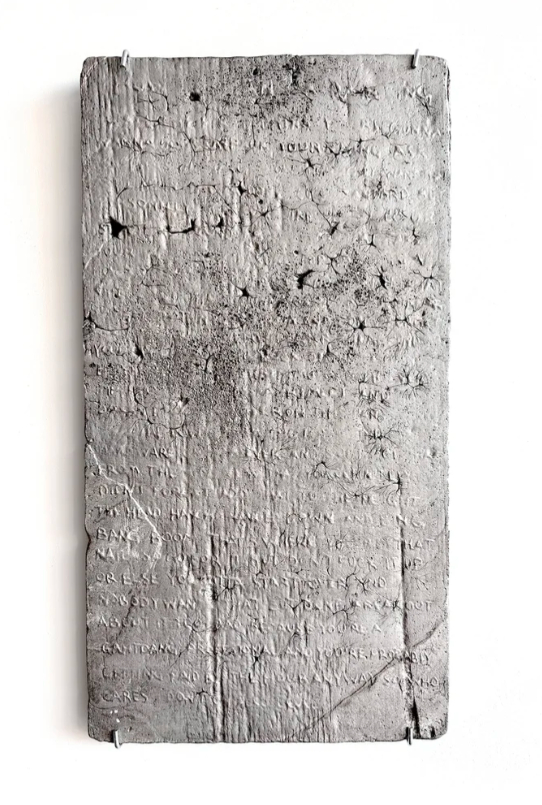
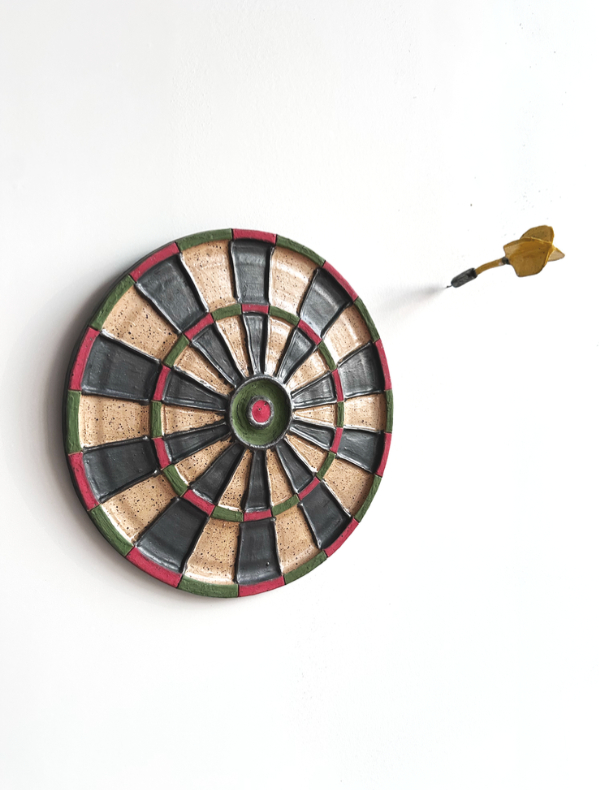
As an artist, my sculptural practice is influenced by my career as a professional art-handler and fabricator. I use a diverse range of media to explore the various roles and representations of the artist as a worker. My work is often characterized by a pairing humor and skepticism with traditional craft techniques. I always aiming a critical eye at the value systems within the arts economy and the underlying systems that perpetuate them, such as language, architecture, and social economics. A lot of my sculptural work relates closely to the signs and symbols found in my workplace setting often referencing utility and futility.
What’s the most rewarding aspect of being a creative in your experience?
I think the thing I enjoy most about being an artist is the fact that I am never not a student of my craft. I am constantly learning something new, and by keeping myself open to new materials and techniques, I’m also opening up my network up to other talented people when I ask for help or advice. Being an active part of a creative community has been the most rewarding aspect of my practice.
What do you think is the goal or mission that drives your creative journey?
When I was teaching sculpture at UIC, I had a few broad strokes that I tried to pass on to my students.
1) We should all focus less on being in competition with one another, and consider ourselves a part of a larger, everchanging community of creative people. If you keep that in mind as an artist and view that as a benefit rather than a barrier, you will have a happier, healthier and more fruitful practice.
2) The most interesting artists I know or follow have worked in a variety of careers and jobs that connected them to the world in more ways than simply being an artist. I think young artists get really bogged down by focusing a lot of energy on expressing something from deep down inside and trying to come up with something so original their work ends up feeling pedantic. I think viewers and audiences connect more with work that is produced as a kind of reflection of the world through that person, rather than the singular expression of a single person. Successful art generates dialogue that goes beyond thinking about a single person’s perspective. It’s more interesting when people can see something more in your practice than just you.
3) We should all be shamelessly telling people what we do. When you meet new people, be prepared to tell them that you have a practice in this and that and you’re interested in this and that, whatever it is that you identify with (medium/discipline, culture/language, etc). The best thing that can happen to launch your practice forward is for someone to think about you in conversation with others. That’s how you get shows, it’s how you get studio visits, new opportunities, all of that. Remain open.
Contact Info:
- Website: https://www.AndiCrist.com
- Instagram: @theandicrist
- Linkedin: https://www.linkedin.com/in/andi-crist/
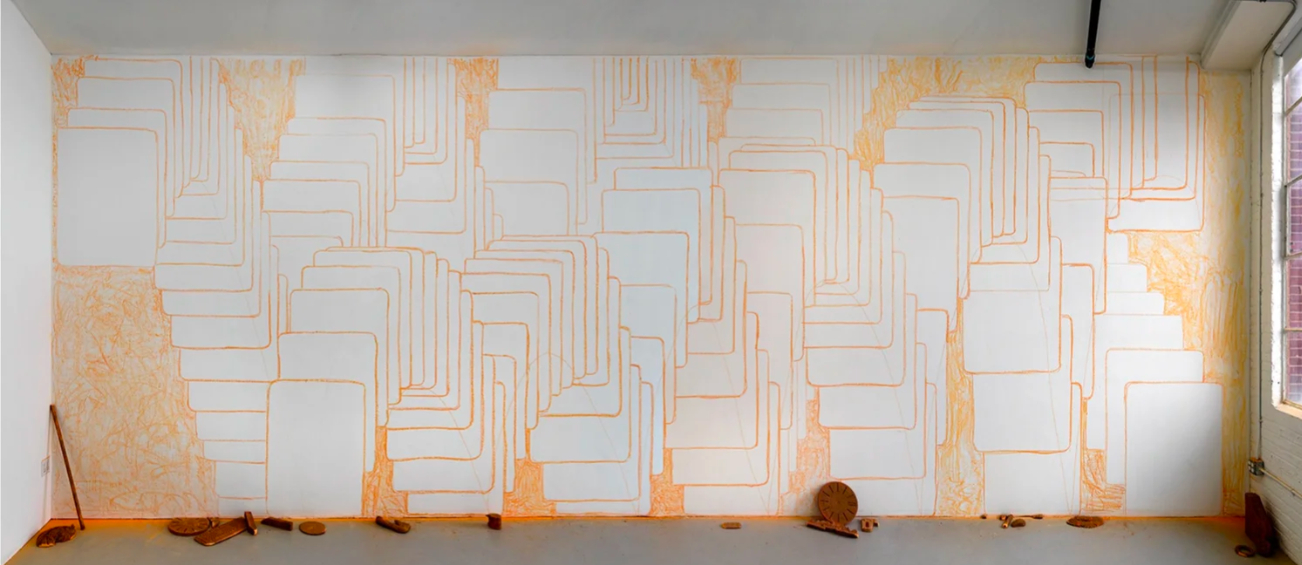
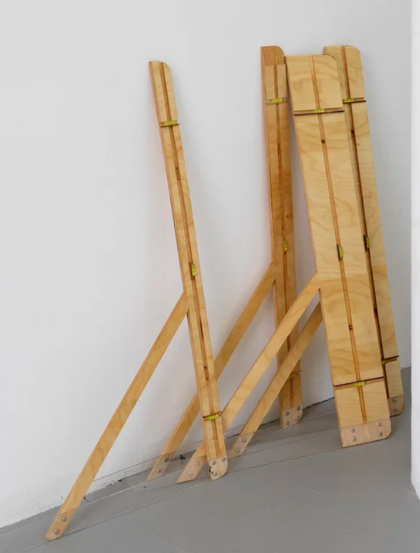
Image Credits
Jeff Perlman, Tom van Eynde, Eileen Mueller