



We recently connected with Amy Di Francia and have shared our conversation below.
Amy, thanks for taking the time to share your stories with us today Can you recount a time when the advice you provided to a client was really spot on? (Please note this response is for education/entertainment purposes only and shouldn’t be construed as advice for the reader)
As an anxiety therapist, there is one piece of advice that I end up giving to 99% of my clients, and it has to do with understanding how our brain can make changes, and then having patience with that process. The advice actually comes in the form of a metaphor, which I’ll walk you through: Imagine that your brain is a meadow, and when you think a certain thought it represents walking across that meadow on a certain path. If you think the same thought hundreds or thousands of times, eventually that path becomes an established dirt road across the meadow, worn down by all the travel. Now imagine that one day you wake up and decide you want to think differently, which means you want to cross the meadow a different way. I remind my clients that we absolutely have the freedom to wake up and make new choices in our lives, BUT it’s important to remember that just because we decide to make a change in our lives and our thinking, doesn’t mean we will instantaneously see results. Just like it took months for the original thought patterns to make a pathway in the “meadow of the mind”, so it will also take months for the new, healthier thought processes to create a new pathway in the mind, and for the old pathway to be reabsorbed into the meadow. So basically the advice is: changing your brain and the way you think about the world IS possible, but have patience with yourself because it’s a journey that takes time.

Amy, before we move on to more of these sorts of questions, can you take some time to bring our readers up to speed on you and what you do?
I currently work as a licensed marriage and family therapist in private practice, clinical supervisor, and mental health educator. As a therapist with over a decade of experience, I specialize in helping people work through anxiety and all the ways it can show up in our lives. One of my professional passions is studying how anxiety operates in the brain on a biological level, and then communicating that knowledge to my clients in a way that is easily understandable and can help lead to tangible change in their lives. I’m always learning more about anxiety in order to provide the best care to my clients, including earning certificates in Attachment-Focused EMDR and in the neuroscience behind treating anxiety.
More recently in my career, I’ve expanded the services I offer beyond therapy to mental health courses as well. Creating mental health resources like courses and workbooks is one way that I can make mental health resources more accessible, which is also something I’m passionate about. Therapy is a wonderful resource, but it is not always accessible or affordable to everyone. Creating high-quality, psychologically sound resources that are also affordable is one way that I feel I can give back to the community and help people find a little peace in the midst of the difficulty of life.
When creating my signature online course, Overcoming Anxiety, I combined my knowledge of healing anxiety with another community that I am intricately familiar with and passionate about helping, which is anxious Christians. Having grown up in a faith community, I have seen first-hand how Christianity and mental health can sometimes be at odds with one another. I am passionate about bridging the gap between the two and helping Christians learn that it’s ok to seek therapy, and that there are many valuable mental health tools that can be used for healing. That’s why I decided to put my creative efforts toward creating an online course specifically for helping Christians work through anxiety. Throughout the 11 lessons of the self-paced course, I guide Christians on how to combine their faith with the science behind anxiety and how to regulate your nervous system. This is one of the things that sets my business apart – my passion for helping Christians not be afraid to integrate faith with science and psychology. It’s also the part of my work that I am currently the most excited about! I love creating mental health resources that help people develop into the healthiest version of themselves, and I believe it’s a more affordable, accessible way that people can access help for their mental health.

Learning and unlearning are both critical parts of growth – can you share a story of a time when you had to unlearn a lesson?
One lesson I had to unlearn as a therapist is the belief that I need to be the right therapist for every single client. When you’re just starting out in the field and completing your training there’s so much pressure to be effective at working with every single client population, and although getting a variety of training and experience is important, it’s just not realistic to think I can be the best therapist for every potential client I come across. Instead, what I’ve learned through my years in private practice is that I will be a great fit for some clients, and some clients would benefit from a different therapist with a different modality, personality, or counseling style. And that is perfectly ok! I have found so much power and freedom by leaning into attracting the type of clients that I know my unique skill set, personality, and counseling style can greatly help. For example, as an anxiety specialist I have learned that my naturally calming, gentle, and laid-back demeanor in therapy is a great fit for helping clients struggling with intense anxiety and panic.

Other than training/knowledge, what do you think is most helpful for succeeding in your field?
Genuinely caring about the people you are trying to help! As therapists we do have a lot of years of higher education and training, but at the end of the day it’s important to remember that we have the privilege of meeting people in the deepest parts of their pain. The best therapists always remember the humanity of their clients, and remember that when we sit down with a new client, we are often meeting them in one of the worst, most vulnerable, or most difficult moments of their life. This is a sacred privilege and responsibility, and to be a successful therapist you should always remain compassionate to the suffering of the people in your care.
Contact Info:
- Website: https://www.amydifrancia.com/
- Instagram: https://www.instagram.com/amydifranciamentalhealth/
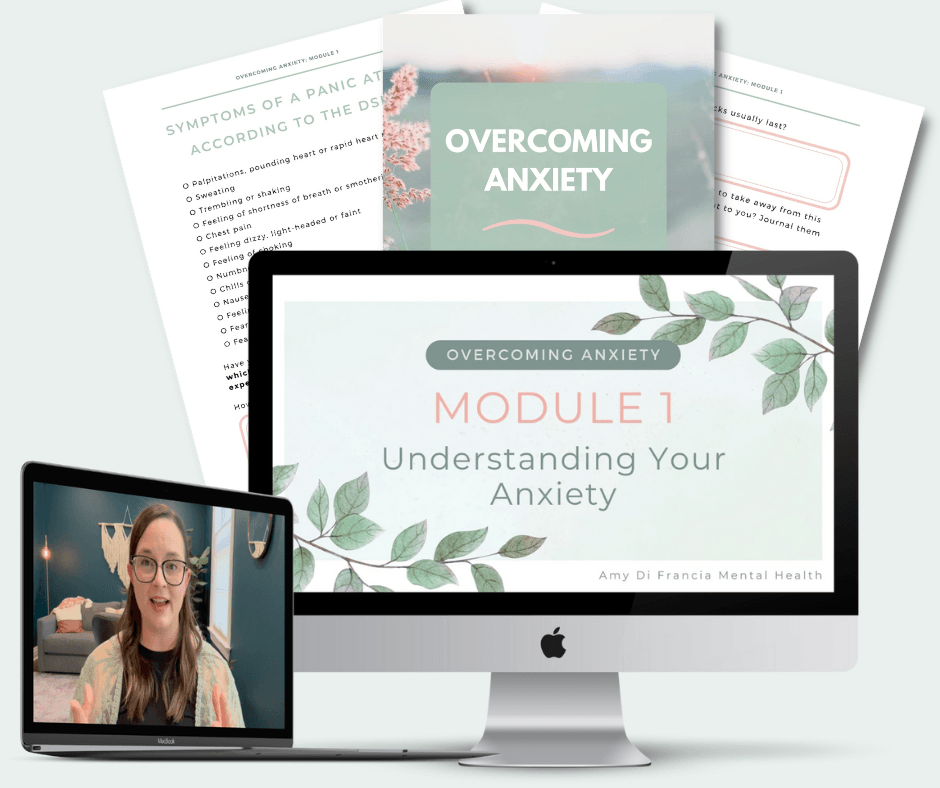
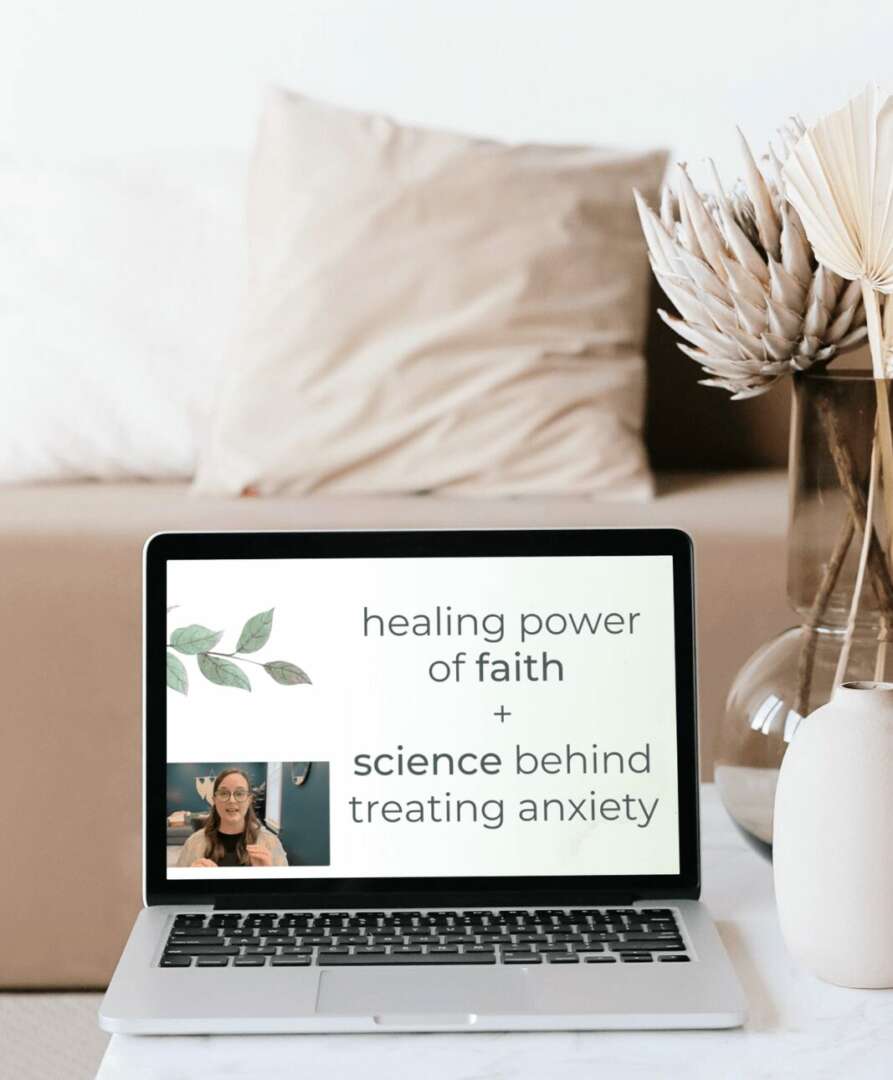
Image Credits
Bethany Love Photography