
We were lucky to catch up with Amenta B. recently and have shared our conversation below.
Amenta, looking forward to hearing all of your stories today. Being a business owner can be really hard sometimes. It’s rewarding, but most business owners we’ve spoken sometimes think about what it would have been like to have had a regular job instead. Have you ever wondered that yourself? Maybe you can talk to us about a time when you felt this way?
I am happier as a business owner—but not in a constant, uncomplicated way. It’s a deeper kind of happiness, one that comes with responsibility, uncertainty, and a lot of self‑reflection. There are moments when I think about what it would be like to have a regular job, especially during periods of exhaustion or financial pressure.
The last time I seriously had that thought was late at night, after a long day that had stretched into weeks of problem‑solving—logistics, sourcing issues, emails, decisions that only I could make. I remember sitting at my table with a cup of tea I had made earlier, feeling physically tired but mentally wired, thinking about how simple it might feel to clock out at the end of a day and leave the weight of decisions behind.
In that moment, a regular job felt appealing not because I wanted less purpose, but because I wanted rest. Entrepreneurship doesn’t really turn off—your mind keeps moving, your ideas keep asking for attention. I let myself sit with that feeling instead of judging it. I asked whether I was craving a different life, or simply a different rhythm.
What I realized was that while I sometimes long for the structure and predictability of a traditional job, I don’t long for someone else shaping my values or creative direction. The freedom to create with integrity, to work in relationship with the land, and to build something that reflects who I am matters too much to me.
So the conclusion I came to wasn’t “I should quit,” but “I need better boundaries, more support, and more rest.” That clarity reminded me that entrepreneurship isn’t about choosing freedom over stability—it’s about learning how to care for yourself while holding both.
Great, appreciate you sharing that with us. Before we ask you to share more of your insights, can you take a moment to introduce yourself and how you got to where you are today to our readers.
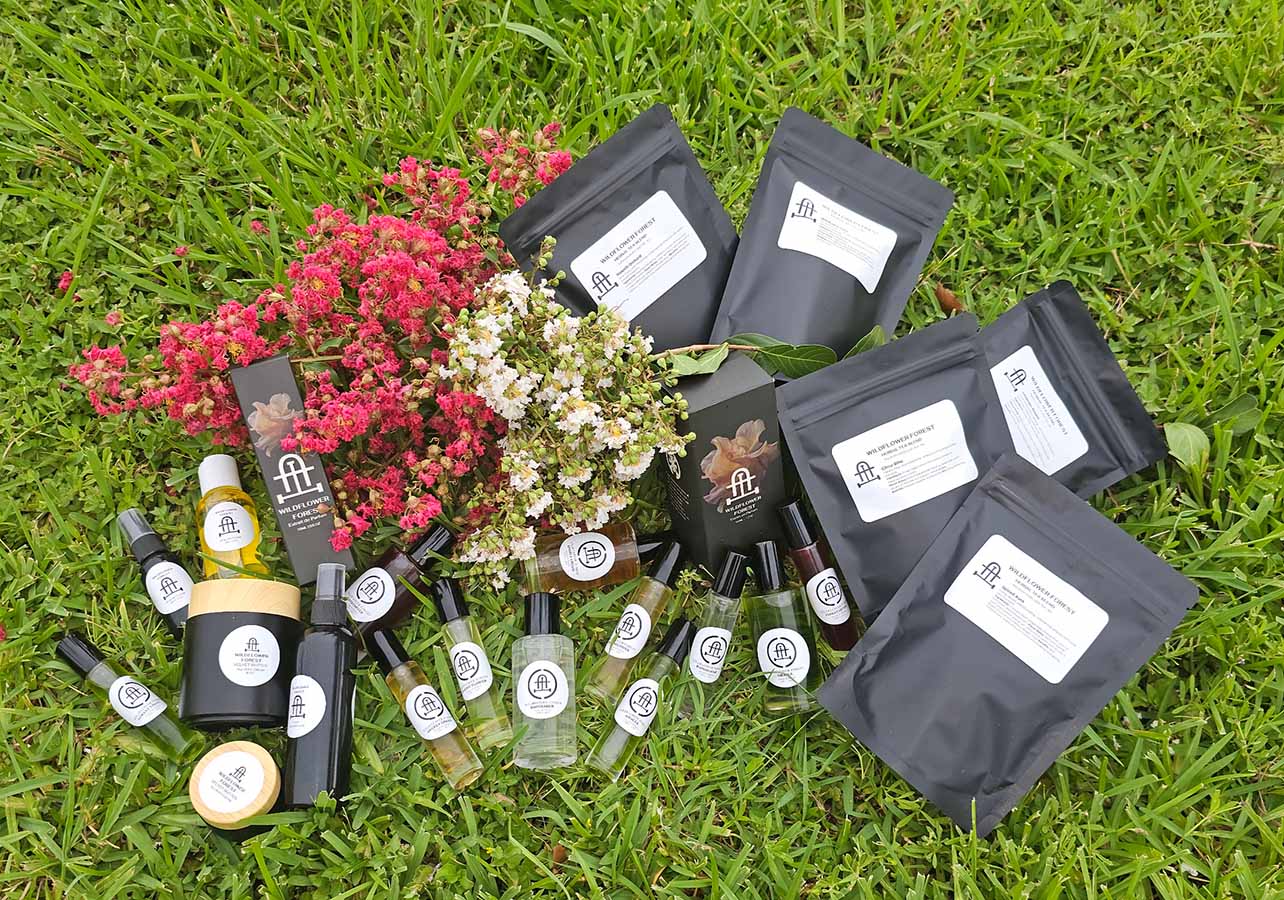
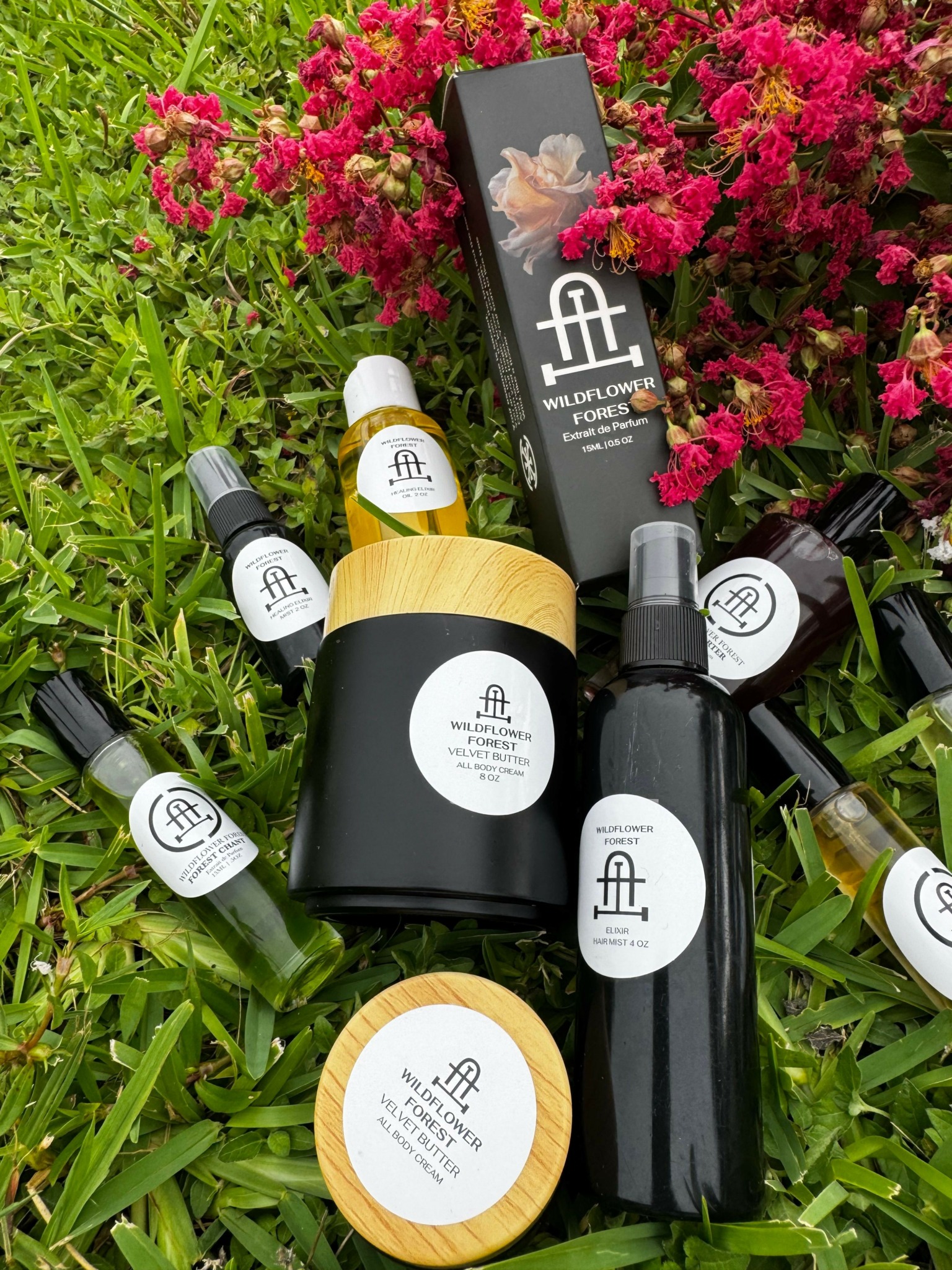
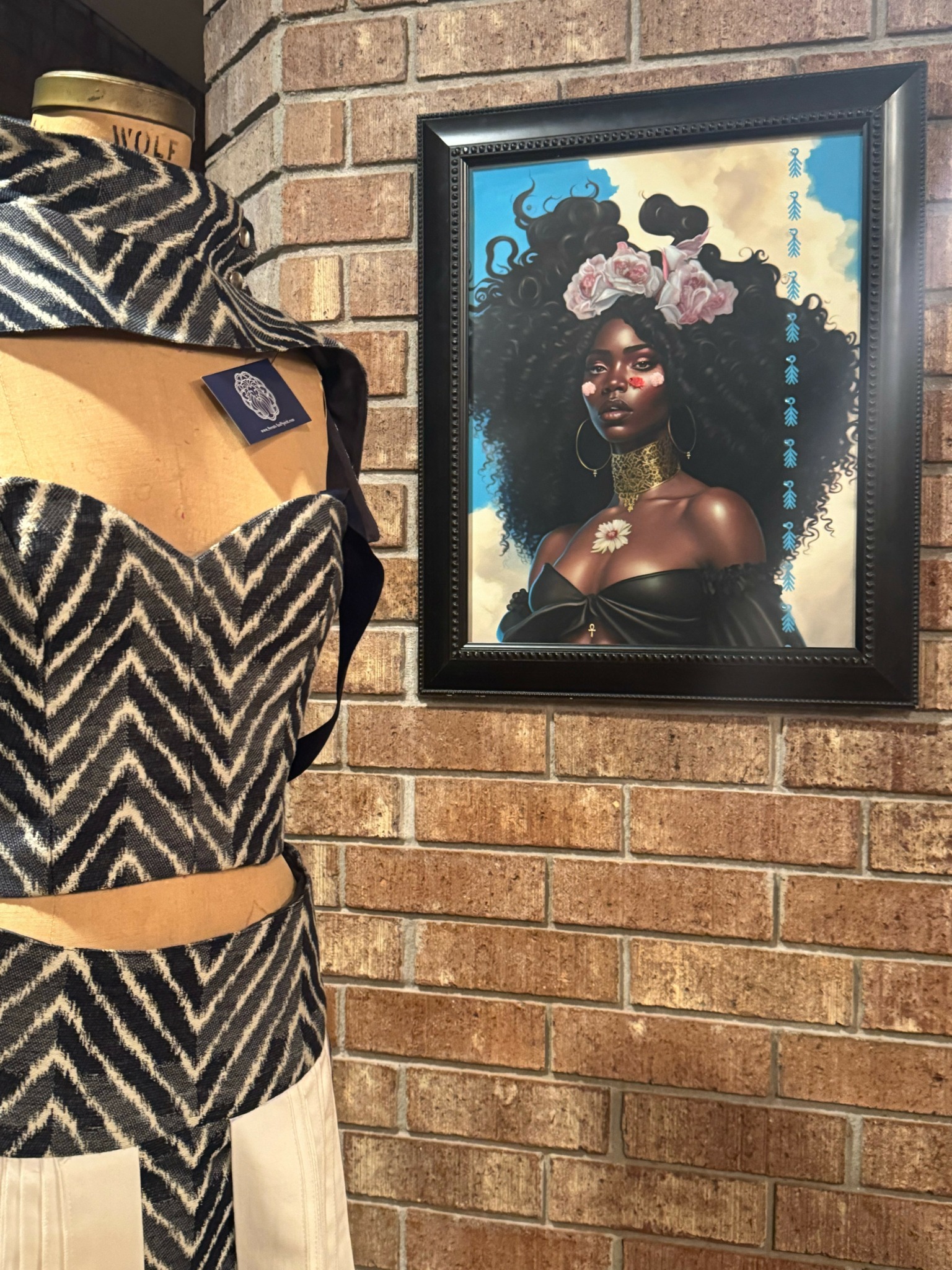
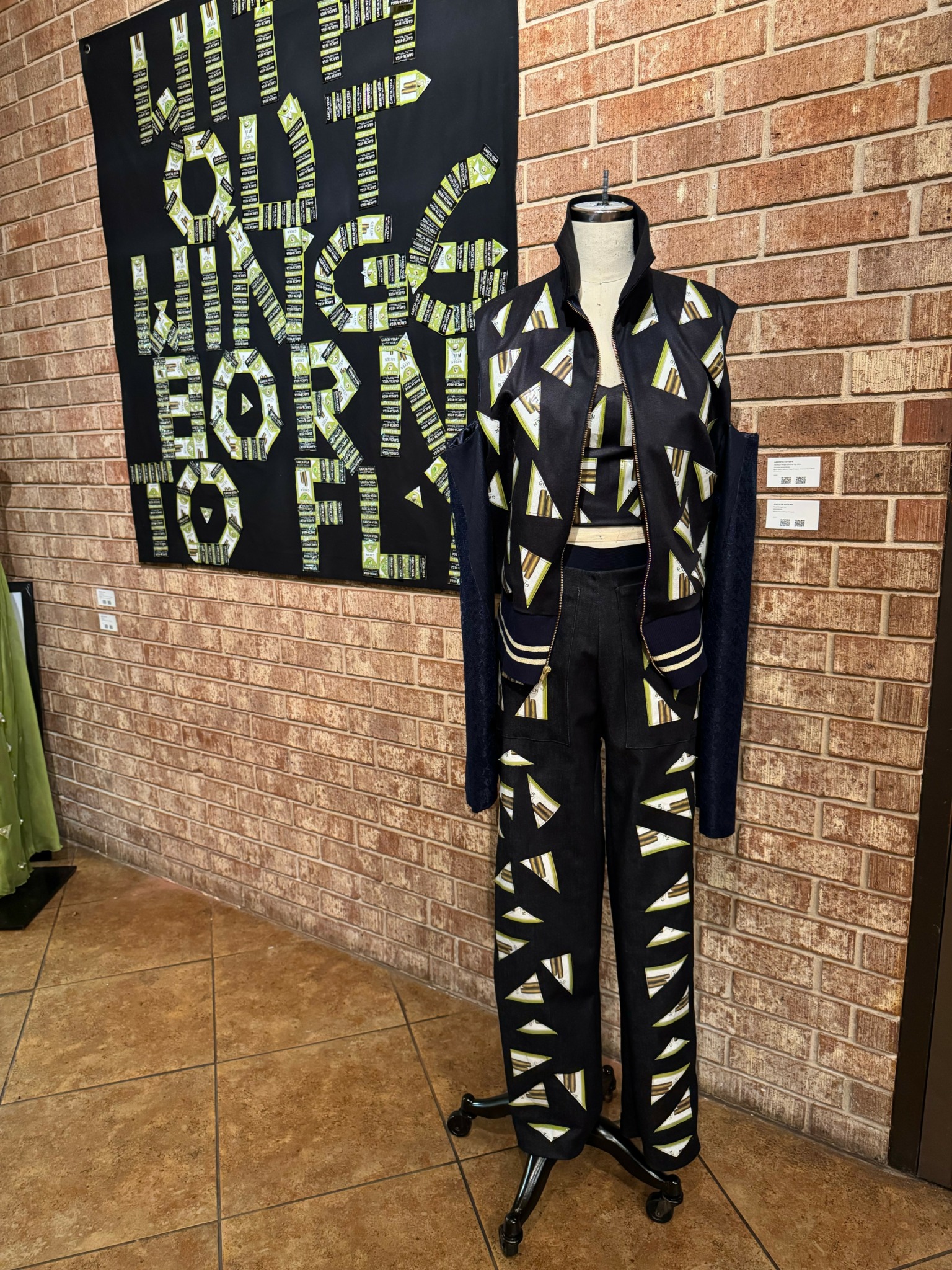
As founder of WildFlower Forest, and my work exists at the intersection of music, art, fashion, and plants. Everything I create begins and ends with music—it’s where I found my voice, both to express myself and to stand firmly in my beliefs. From music, I moved into drawing, graphic design, and fashion, and each discipline informs the next. That creative thread carries into regenerative gardening, natural perfumery, and herbal tea artistry, where the sound, rhythm, and intention of each moment shape the experience, whether I’m blending a tea or mixing a perfume.
I specialize in translating plants into sensory experiences—scent, taste, ritual, and reflection—helping people slow down, reconnect with themselves, and engage with the natural world. My work is not just consumed; it’s felt and remembered. I’m most proud of building WildFlower Forest with integrity and care, creating every product with respect for the land, the plants, and the people who experience them.
What sets my work apart is the integration of art, music, science, and plant knowledge. Everything I do—perfume, tea, or teaching moment—is part of a living practice, intentional and regenerative. WildFlower Forest is about connection: to yourself, to nature, and to beauty that is alive, thoughtful, and deeply rooted in both craft and creativity.
Can you share a story from your journey that illustrates your resilience?
One of the highest-stakes moments in my journey came the day before a large herbal tea order for a major event was due. A key ingredients were delayed in shipping, the label printer broke that same night, and I suddenly ran out of packaging due to random damages.
For a moment, I felt completely overwhelmed. This wasn’t just a logistical problem—it was a test of whether I could deliver something that reflected the care and intention. That night, I worked through every challenge: sourcing what I could locally, adjusting the blends without compromising quality, finding a way to print the labels, and securing replacement packaging in time. Exhausting and stressful, yes—but by the next day, the order went out as planned.
The most important lesson from that experience was the ability to change—to be like water between rocks. Even when things don’t seem perfect, they are exactly as they’re meant to be, and it’s up to you to rise to the challenge called growth.
Have you ever had to pivot?
One pivotal moment in my journey came when I realized that my creative practice and my plant-based work weren’t separate—they were part of the same story, and trying to treat them as separate was holding me back. For years, I focused intensely on regenerative gardening, herbal tea, and natural perfumery, while still creating art, music, and fashion—but I kept those creative endeavors compartmentalized. I thought I needed to “choose” one path to be successful.
At a certain point, I noticed that the experiences I was creating—tea blends, perfumes, workshops—felt incomplete without the music, art, and design that had always informed them. I pivoted by fully embracing an integrated approach: every product, every teaching moment, every sensory experience became a space where plants, art, music, and ritual coexist.
That shift changed everything. Not only did it make the work feel more authentic and joyful, but it also allowed me to connect more deeply with clients and audiences. The lesson was clear: success isn’t about narrowing your focus—it’s about finding the intersections where your full self can live in your work.
Contact Info:
- Website: https://www.wildflowersforest.com
- Instagram: wildflowers.forest
- Youtube: https://www.youtube.com/@wildflower.forest
- Other: Instagram Main account @Afro.Empress