



We recently connected with Amanda Garcia Torres and have shared our conversation below.
Amanda, thanks for taking the time to share your stories with us today Was there a moment in your career that meaningfully altered your trajectory? If so, we’d love to hear the backstory.
In 2013, I was in my second year of my NYU master’s program and completing a clinical internship where I worked with severely traumatized youth. Though I loved my clients, I struggled with the emotional toll of their experiences. I was particularly distressed by the suffering of one of my teen clients. Looking back, I realize I was experiencing vicarious traumatization (the negative emotional and psychological impact from repeated exposure to others’ traumatic experiences).
One weekend that December, I found Chairwork and it changed everything for me. I attended a workshop being facilitated by Dr. Scott Kellogg, who is now my business partner for the Chairwork Psychotherapy Initiative. During the Chairwork workshop, I volunteered for a live demonstration that profoundly impacted me. I was guided to engage in separate imaginal dialogues with my client and her abusers, giving voice to my feelings of rage, sadness, and care. For the first time, I had an outlet to express my rage over my client’s mistreatment. I was also able to imagine my client and speak from my heartache, as well as my feelings of pride and hope for her. This experience left me feeling relieved, motivated, and ready. In the months following, my work with the client improved and I was able to more effectively advocate for her care at the clinical site.
The workshop radically changed my understanding of psychotherapy. I saw that powerful healing could happen when we talked to things and people, instead of just talking about them. Therapy could be active, intense, and simultaneously gentle and subtle. This revelation set me on a path to becoming a certified chairwork psychotherapist.

Awesome – so before we get into the rest of our questions, can you briefly introduce yourself to our readers.
I am a psychotherapist, coach, therapy trainer, speaker, and founder.
I practice and teach Chairwork Psychotherapy, an experiential therapy modality where we address suffering by giving voice and embodying our inner parts or selves, and engaging in imaginary dialogues with people or forces from our past, present, and future. This form of therapy is incredibly powerful and direct, and I have found that it is very effective for cases where other forms of therapy may not be successful. We’ve all had moments where we know something in our minds, but still fail to believe it and connect with it in our hearts. Chairwork creates that bridge that connects the head and the heart, which then allows true healing and integration to happen.
As the world’s first certified Chairwork psychotherapist and co-creator of the first Chairwork certification program through my organization, the Chairwork Psychotherapy Initiative, I have taught numerous clinicians in the US and abroad. I am deeply proud of my role in the global Chairwork renaissance movement.
My clinical practice, Chairwork Therapy NYC, and my coaching practice, I.N.C. Coaching, are also big parts of my career, and they both offer me the privilege of working one-on-one with remarkable individuals. At this time, I primarily assist adults struggling with trauma, self-hatred, identity confusion, and low self-esteem.
Managing three businesses keeps me pretty busy, but I often reflect on how fortunate I am to have a career that allows me to witness so much beauty. Seeing people reclaim their true selves and their lives is incredibly rewarding and is such a privilege to be a part of.
Do you think you’d choose a different profession or specialty if you were starting now?
Yes. A million times yes.
I have known that I wanted to be a therapist since I was just a kid in middle school. In fact, my oldest childhood friend recalls the day we met on the first day of 7th grade, and I opened with, “Hi, I’m Amanda. One day I am going to be a therapist and I am going to live in New York.” While this was definitely a bit odd and specific, I appreciate that 12-year-old’s clarity and conviction.
I love the work I do. I feel so blessed to witness the most incredible moments of healing and transformation! Even a decade into my career, I have not experienced therapist burnout, and I credit that to my modality and to the incredible people I get to work with. My modality gives me so much freedom and space for creativity. I am never bored, I am always learning, and I am always surprised.
Choosing to learn and specialize in Chairwork has been one of the biggest, but honestly, easiest decisions of my life. Even as clinicians in the US have been slower to adopt Chairwork, I would still choose it again and again. I have known in my bones that this was the way for me, in the same way I felt so sure of my future path as a kid in San Antonio, Texas. I am someone who has gotten to live their dream, and I am so grateful for that.
Other than training/knowledge, what do you think is most helpful for succeeding in your field?
Courage. In my roles a psychotherapist, speaker, trainer, founder, and coach, the practice and cultivation of courage has been absolutely essential.
I do a great deal of trauma work in my clinical practice. I have learned that the more courage I embody, the more I empower my patients so that they feel confident to confront painful memories and emotions. For me, it is more frightening to imagine someone suffering alone, than to imagine entering and moving through the darkness with them. When they choose to begin trauma work, my patients know I will be right there alongside them the whole way.
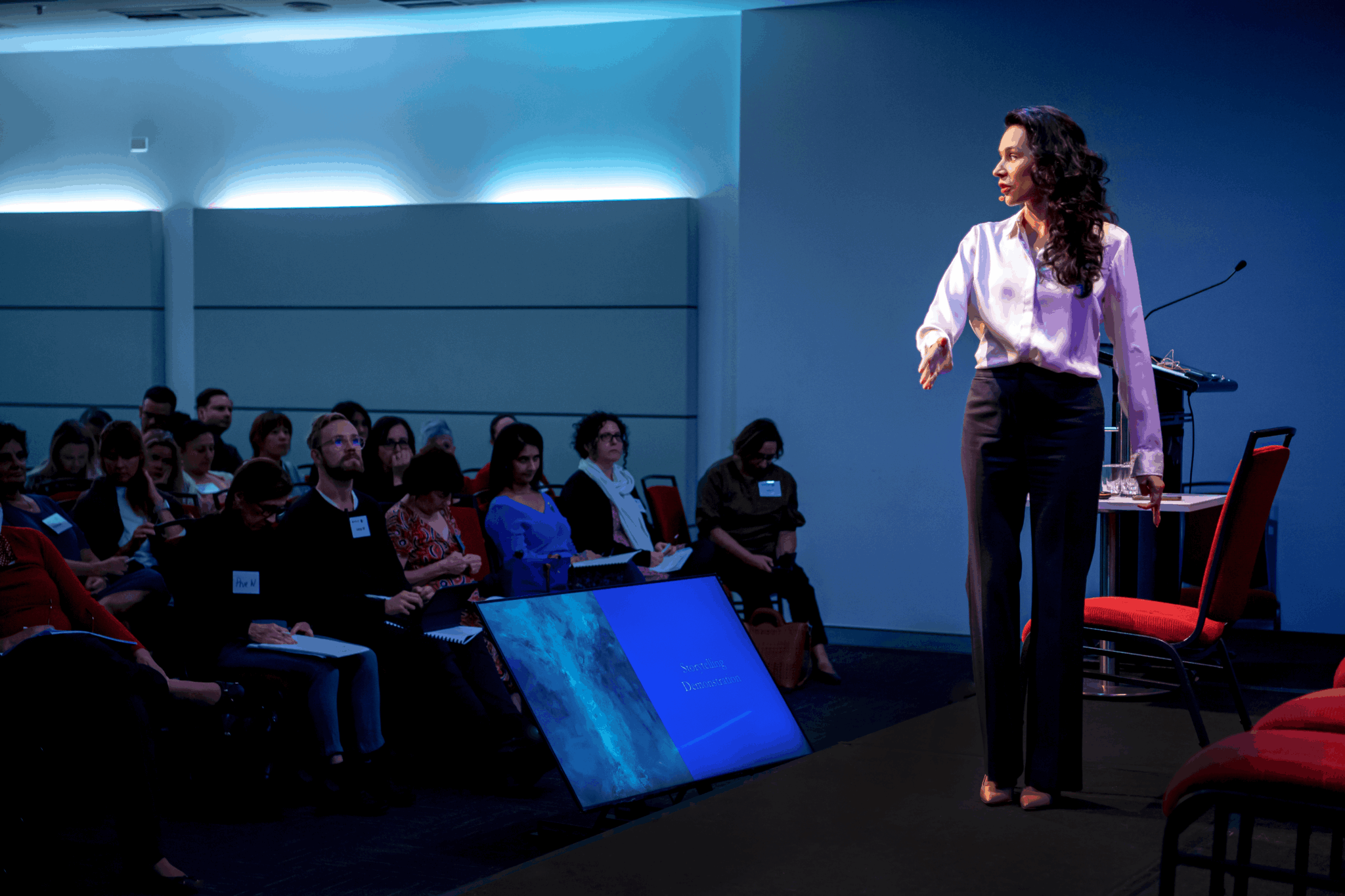
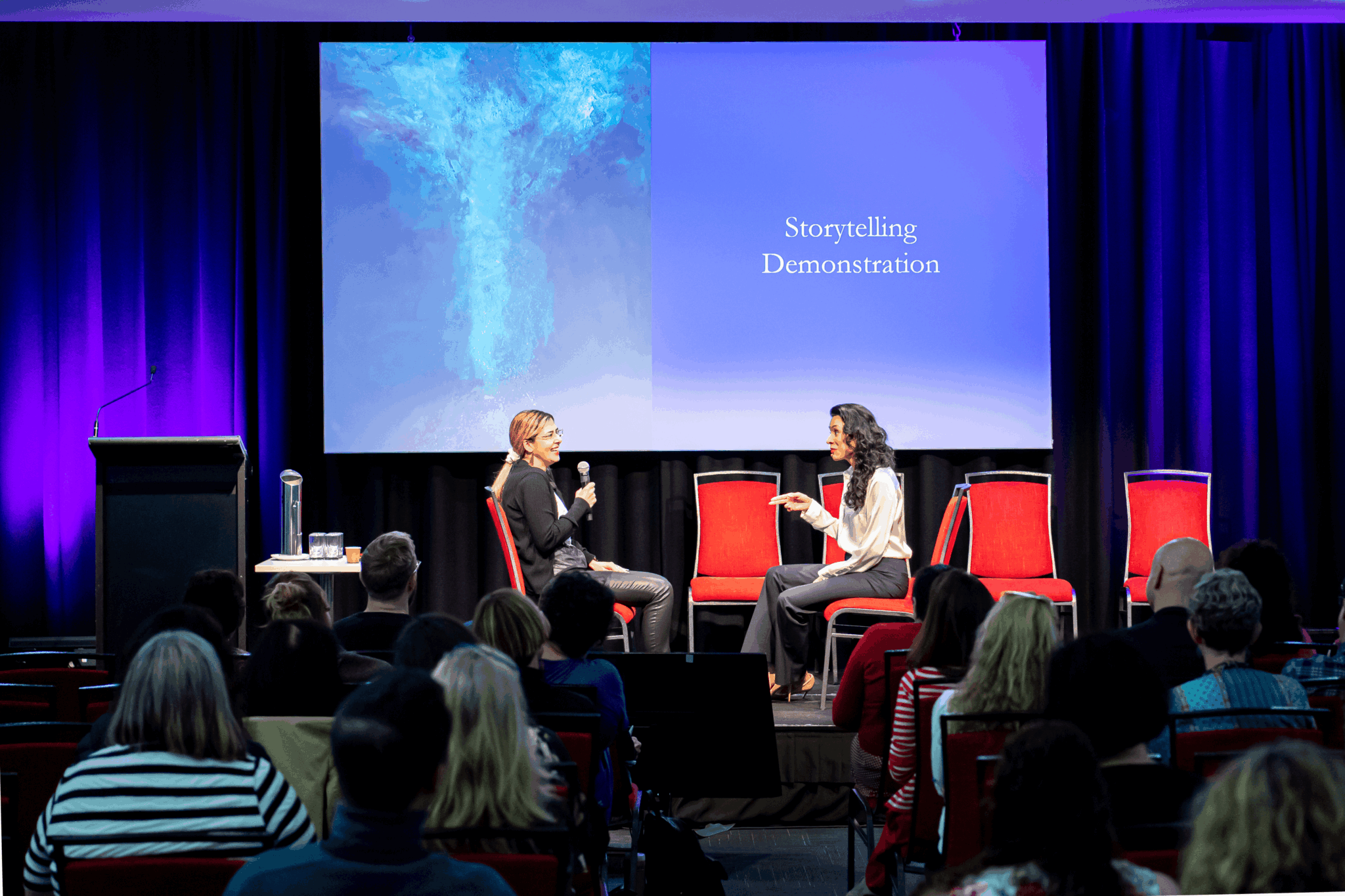
Being a Chairwork practitioner, I must quickly adapt to the unpredictable flow of each session. Improvisation is key, especially during trainings where we have live, unrehearsed therapy session demonstrations with audience volunteers. Unlike so many therapists whose work is only done in private, I’ve had the unique experience of being observed by many of my colleagues and peers. These single-session therapy demo sessions leave no room for do-overs, and they demand a lot of personal courage to commit to the process and follow my instincts. Doing live trauma work with an audience is not for the faint of heart! While I get to improve my skills and confidence with every session, I have also been able to take in the value of humility. More and more, I let myself admit when I don’t have an answer, even if it is in front of an audience of hundreds,
I do not usually speak about this, but I am often one of the younger clinicians and one of the few people of color in the in-person and online spaces where I teach and speak. That can add on to the pressure I already feel in those moments. I use courage to give myself permission to claim my role as a leader and as an expert, and to not be so shy even when I feel like I am out of place.
Courage also becomes useful in my day-to-day role as an entrepreneur and founder where, despite being listed on my various websites, papers, and training materials, unfamiliar colleagues assume I am my company’s administrative assistant or intern. On those days, I just listen to one of my favorite hype motivation songs and reconnect to my “why,” so I can get back to accomplishing the “how”.
My courage continues to be a constant source of the support, energy, and positive audacity I need to keep moving forward.
Contact Info:
- Website: https://chairworktherapynyc.com/
- Instagram: https://www.instagram.com/chairworktherapynyc/
- Facebook: https://www.facebook.com/ChairworkTherapyNYC
- Linkedin: https://www.linkedin.com/in/amandagarciatorres/
- Other: https://www.chairworkpsychotherapy.com/
https://www.myinccoach.com/


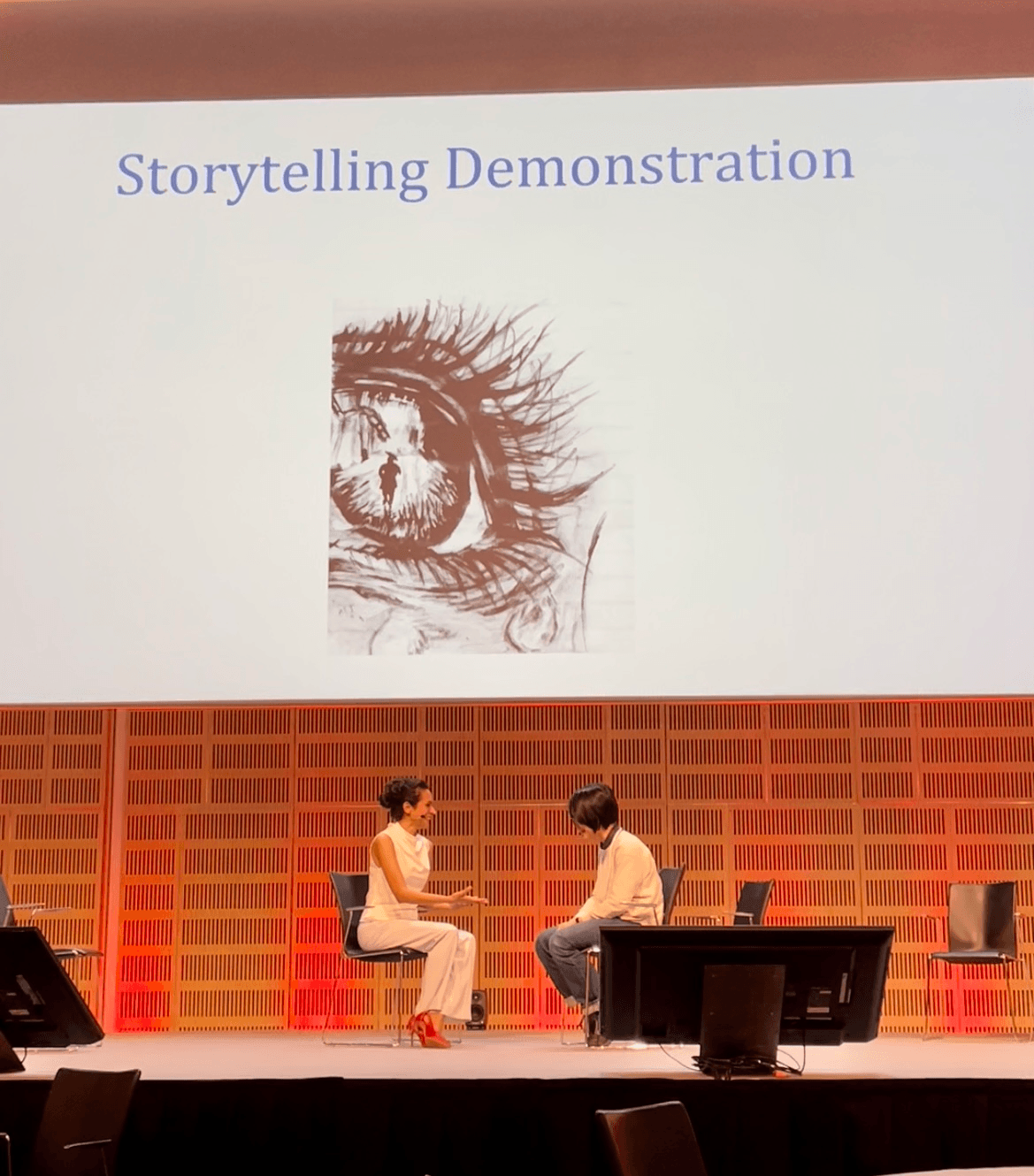

Image Credits
Paolo Mascatelli
Mar Tristán Vega