

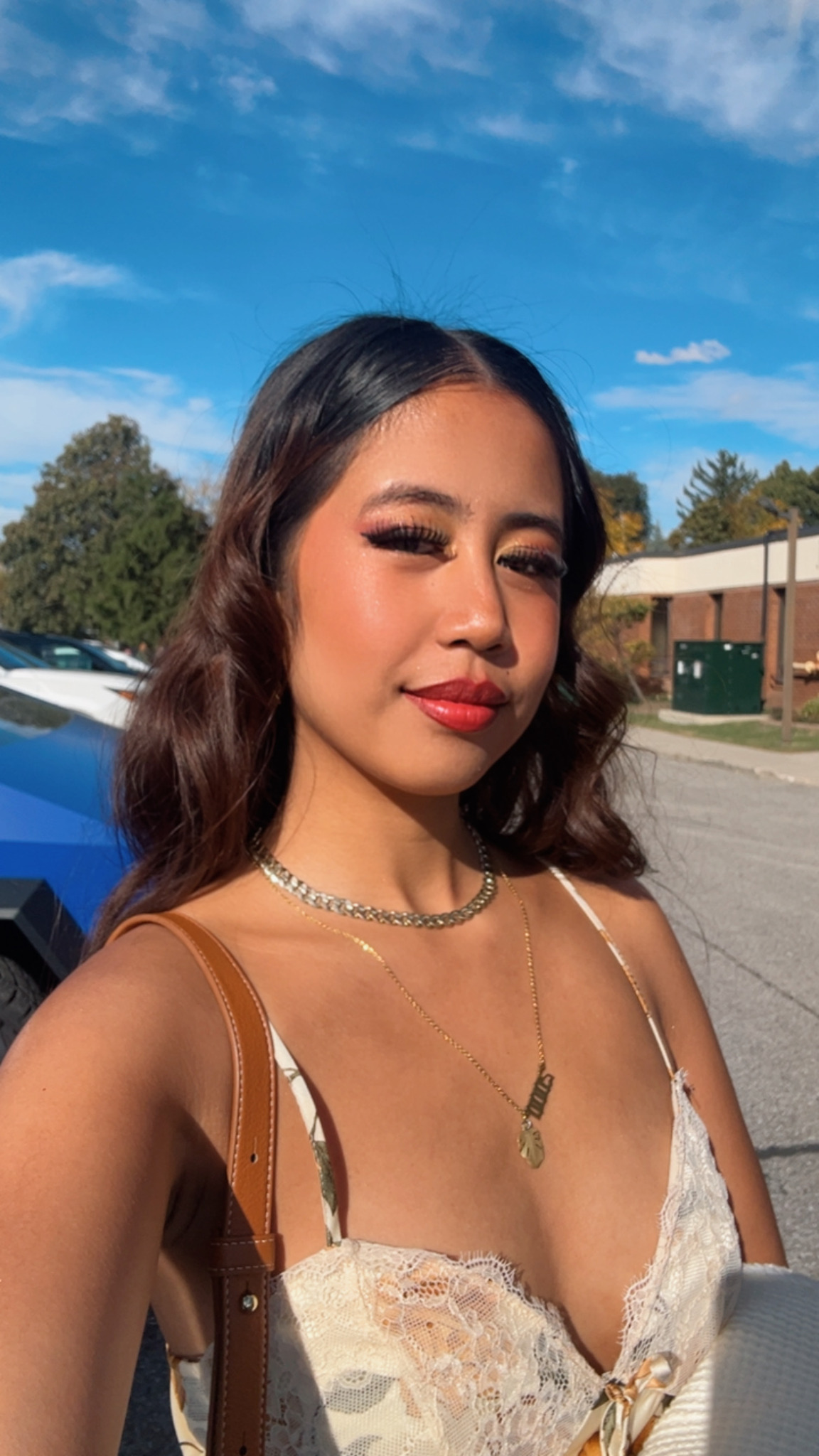

We recently connected with Alyssa-Jaylene Adato and have shared our conversation below.
Alright, Alyssa-Jaylene thanks for taking the time to share your stories and insights with us today. What was your school or training experience like? Share an anecdote or two that you feel illustrate important aspects or the overall nature of your schooling/training experience.
When I first began my medical program, I was nervous, transitioning from fine arts to medicine felt daunting. I worried about keeping up and whether I could truly succeed. But I quickly discovered how compassionate and supportive my professors and healthcare educators were. They genuinely wanted to see us grow, learn, and take our place in a field that deeply impacts lives.
Classes were a balance of textbook knowledge and real-world experiences, and I carried that perspective into every clinical encounter. One lesson that has stayed with me came during a simulation: never doubt a patient’s pain. For them, it is real, as are their experiences and beliefs. As healthcare providers, we put ourselves in a position to advocate for patients who can’t do it for themselves, ensuring they receive the respect, dignity, and care they deserve.
Awesome – so before we get into the rest of our questions, can you briefly introduce yourself to our readers.
I work in the medical field, supporting patients and healthcare professionals through administrative and clerical work at a rehab hospital. While it may not always seem glamorous, it’s deeply human work. I’m often the first voice someone hears or the first face they see, and those moments—especially when someone is anxious or vulnerable—truly matter. I got into this field after spending two years as my grandmother’s full-time caregiver during the pandemic. That experience profoundly transformed me, showing me the power of compassion, patience, and advocacy, and inspiring me to dedicate my life to helping others in meaningful ways.
I continue to love art and create regularly as a way to process, reflect, and reconnect. My creative practice is personal and intuitive, shaped by emotion, memory, and quiet observation. Though healthcare and art may seem different, both are rooted in the same thing: care, empathy, and human connection.
I’m proud to be part of an organization that continually strives toward innovation in healthcare, where every day I have the opportunity to help patients access the care they deserve. Whether through my work in healthcare or my art, I aim to bring thoughtfulness, compassion, and presence to everything I do, helping others feel seen, supported, and valued.
Let’s talk about resilience next – do you have a story you can share with us?
My first job in the medical field after completing my education was at a family doctor’s clinic, working as a front desk medical office administrator. The clinic had over 2,000 active patients, and it was just the doctor and me. The workload was overwhelming—phones ringing constantly, faxes pouring in, hundreds of patients to manage—but I reminded myself that this was part of being a vital member of someone’s healthcare team.
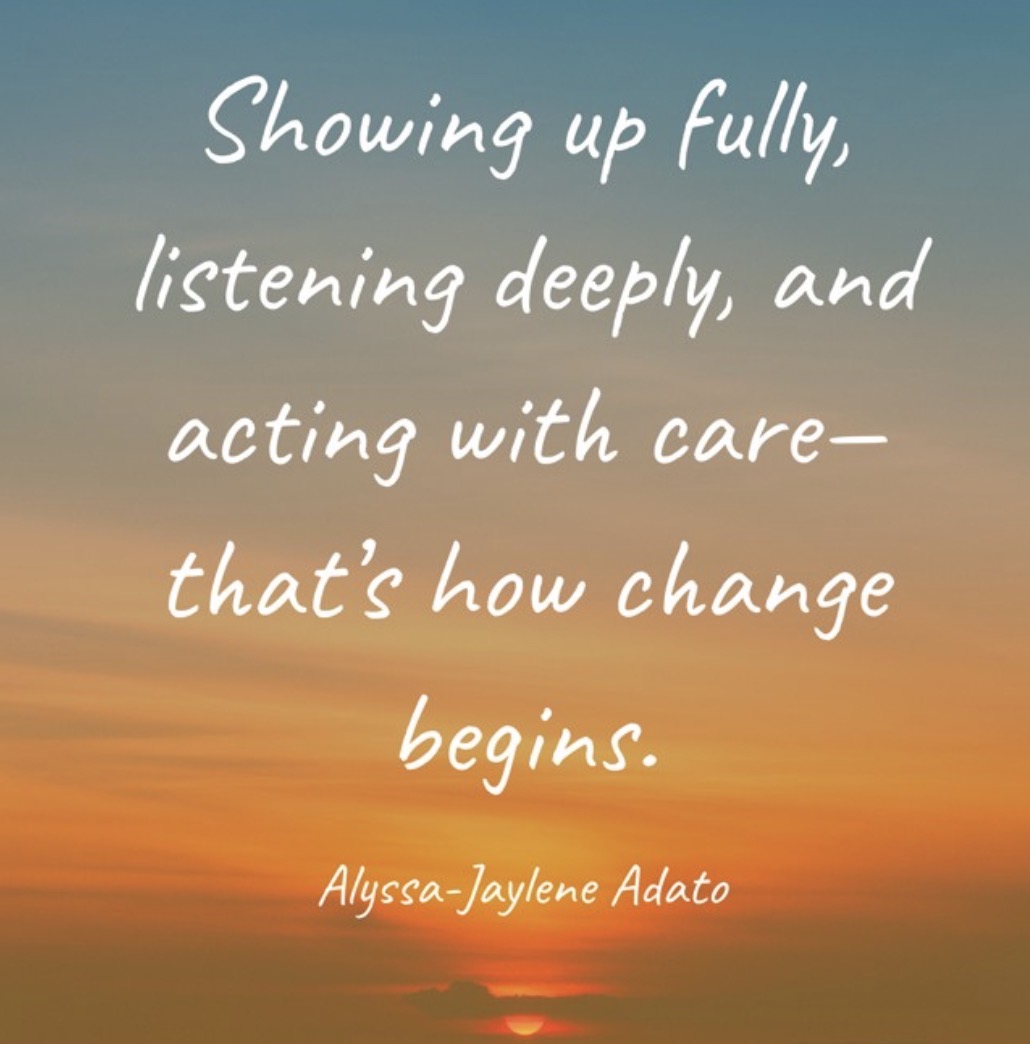
Every day brought new challenges. Some patients were frustrated or upset, and there were moments I felt drained or unsure how to respond. But I kept showing up. I learned that resilience isn’t just about enduring long hours; it’s about maintaining empathy and presence in the face of stress. Even a simple smile, a warm greeting, or attentive listening could create trust and reassurance for patients who might already be vulnerable.
Looking back, I realize that staying consistent, compassionate, and professional—no matter how chaotic the day—was what built my resilience. It taught me that even in overwhelming circumstances, showing up fully for others can make a real difference.
Any advice for managing a team?
Even though I don’t formally manage a team, I’ve learned that maintaining high morale starts with support, communication, and empathy. In a hospital setting, we all rely on each other to provide the best care for patients, and the work can be stressful and unpredictable. I try to contribute by being reliable, approachable, and positive—checking in on colleagues, helping when someone is overwhelmed, and acknowledging their efforts. Small gestures, like offering encouragement or sharing a quick thank-you, can go a long way in boosting morale.
I also think that listening and understanding each other’s perspectives is crucial. Everyone’s role matters, and showing respect and appreciation helps the team stay motivated and cohesive, even during challenging days.
Contact Info:
- Instagram: https://www.instagram.com/ajs_alley/ or https://www.instagram.com/a.jxy6/
- Facebook: https://www.facebook.com/ajsalley
Image Credits
Photo by Alyssa-Jaylene Adato
Quote by Alyssa-Jaylene Adato