

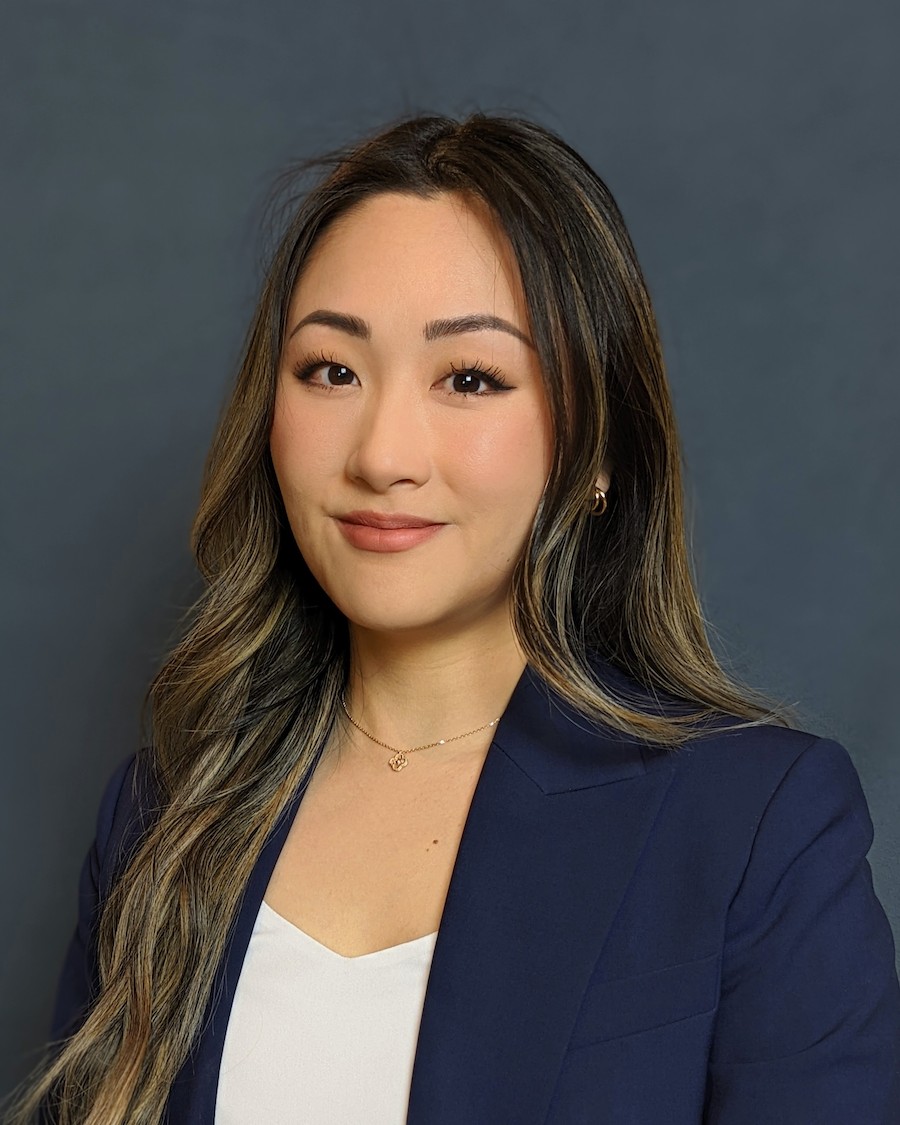

We were lucky to catch up with Allisa Song recently and have shared our conversation below.
Alright, Allisa thanks for taking the time to share your stories and insights with us today. We’d love to have you retell us the story behind how you came up with the idea for your business, I think our audience would really enjoy hearing the backstory.
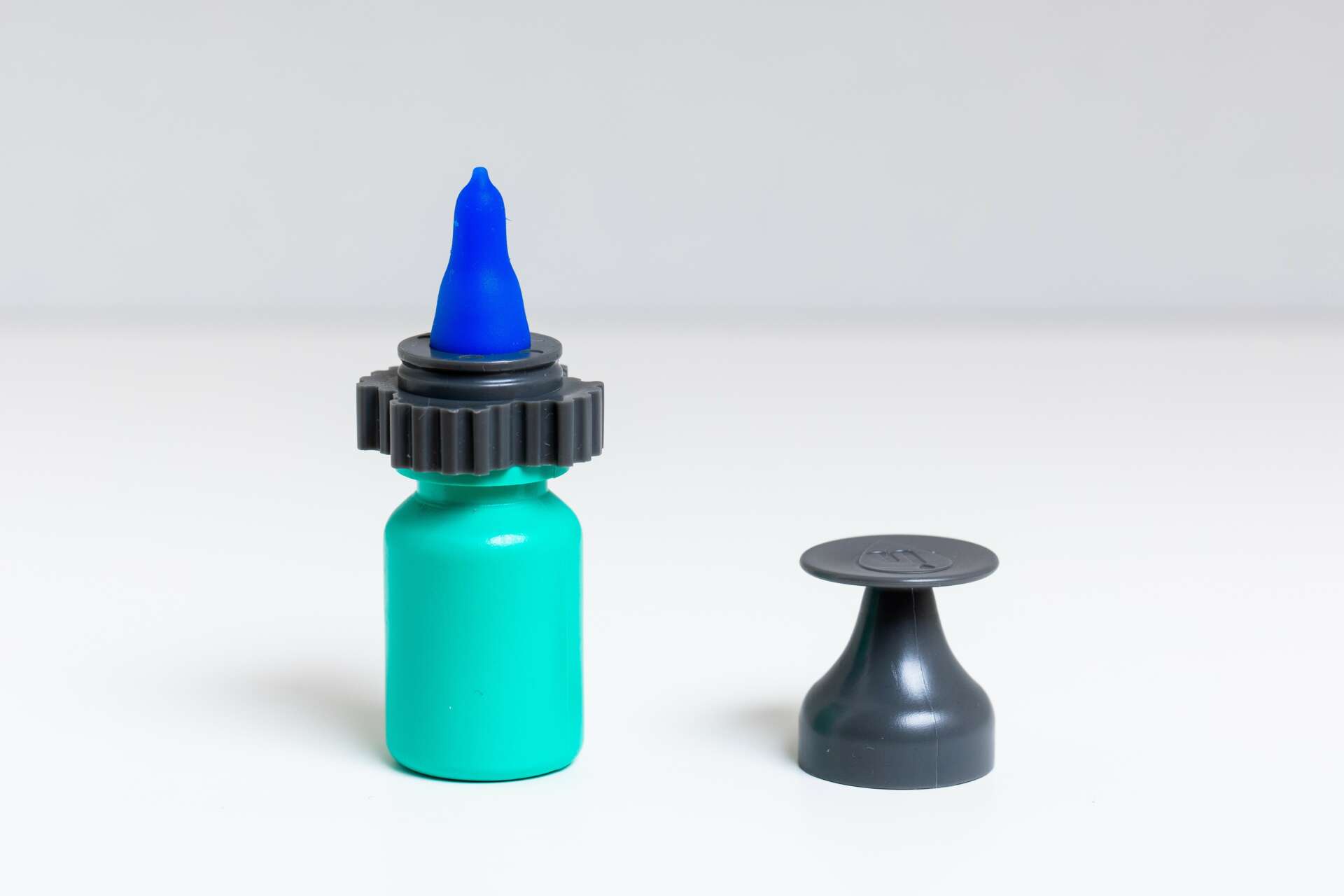
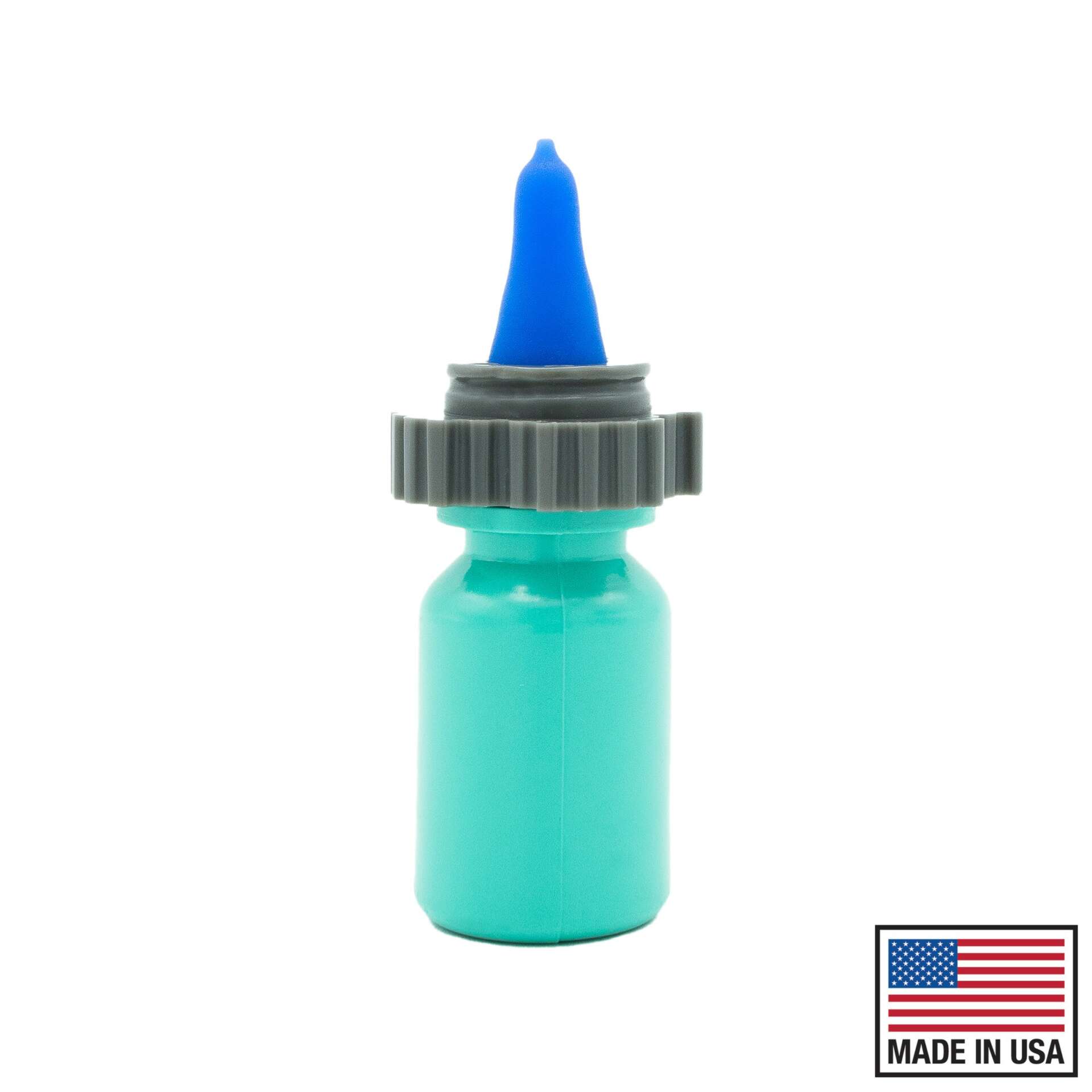
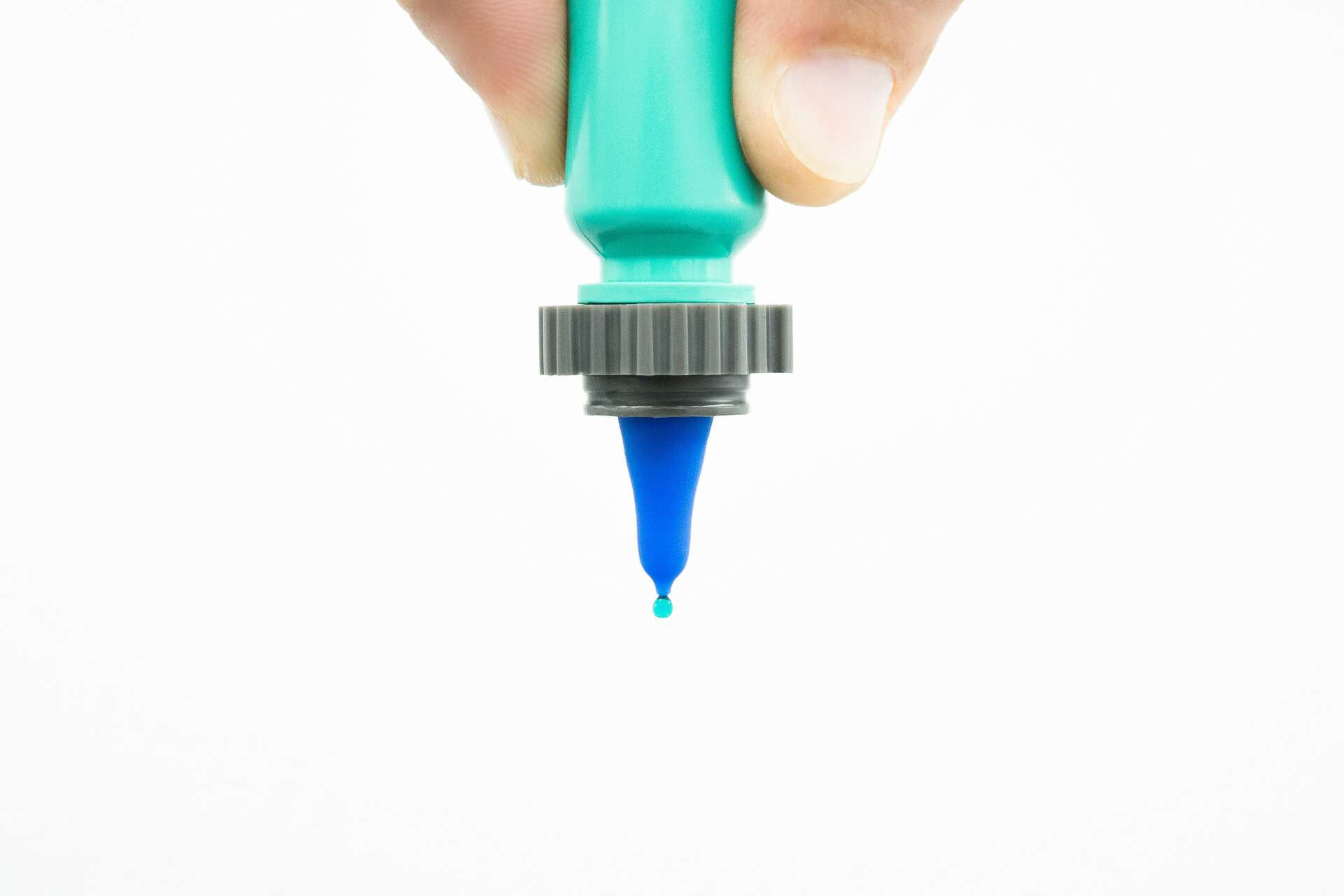
After reading an article from NPR titled “Drug Companies Make Eyedrops Too Big, and You Pay for the Waste”, I envisioned a simple, patient-centered solution to a global problem. An eyedrop bottle adaptor.
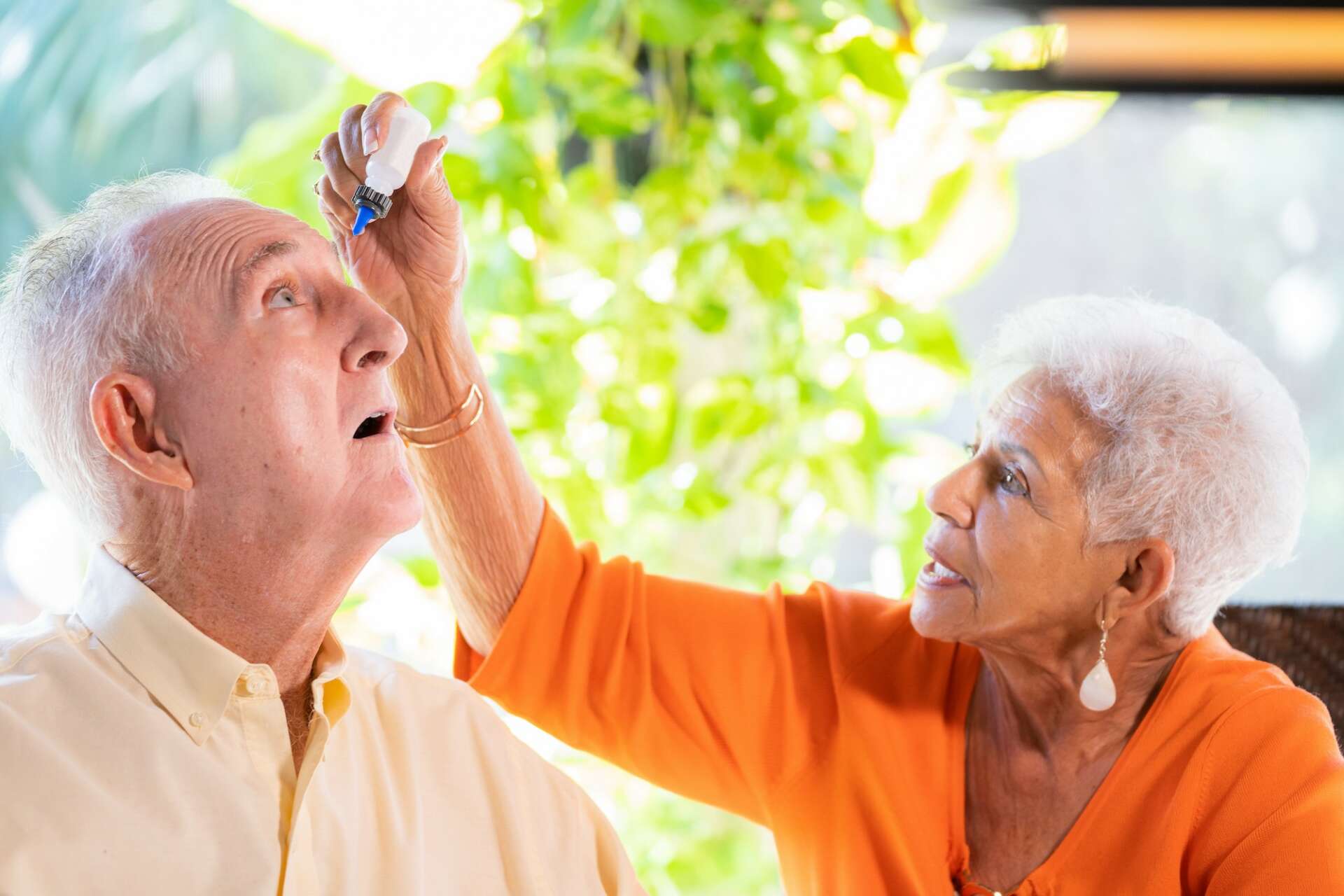
Current eyedrop bottles dispense up to five times the liquid an eye can absorb. This even includes over-the-counter drops, as well as prescription drops. With 25 percent of patients running out of medication before their next refill, we are paying for these oversized eyedrops not only out of pocket, but with our vision. To make matters worse, bigger eyedrops have been shown to cause more severe side effects.
Prescribed eyedrop medications for diseases like glaucoma can cost up to $500 per bottle. Virtually no insurance company foots that entire bill. If you can’t afford to do that, your eye health suffers.
Until recently, health insurance, doctors appointments, and financial stability were all luxuries for me. I often had to make decisions about what I could pay for. Including my healthcare. During a gap in insurance coverage when I was younger, I was in a situation where I could have lost my vision without treatment. I needed to see an ophthalmologist and pay for expensive medications. I had to weigh my immediate needs, like paying my monthly bills, versus my future vision. Vision is our primary sense, so the thought of losing that was terrifying. I had to make a hard sacrifice then, in order to maybe prevent losing my sight. People shouldn’t have to choose between their sight and making their rent.
On the same day I read the NPR article, I approached my partner Elias Baker, who was working as an industry mechanical engineer, with a design idea to solve the problem. We sketched out potential prototypes on a whiteboard, and Nanodropper was born!
As always, we appreciate you sharing your insights and we’ve got a few more questions for you, but before we get to all of that can you take a minute to introduce yourself and give our readers some of your back background and context?
I’m a Korean-American entrepreneur and innovator with a background in neuroscience, harm reduction, and psychology. I am currently an MD Candidate at Mayo Clinic Alix School of Medicine. I would describe myself as having a patient-centered mindset, which drives Nanodropper’s mission of helping patients better afford their medications, one drop at a time.
I graduated with a dual degree in Psychology Honors and Biology from the University of Washington (go Huskies!), then began working full-time in at a school research lab, learning about the role of the Kappa Opioid Receptor in modulating chronic stress and addiction behaviors. Learning more about the sociopolitical aspects of substance use disorders and the resulting poor outcomes from secondary harm helped me realize I wanted to focus on making an immediate impact for patients.
Any thoughts, advice, or strategies you can share for fostering brand loyalty?
Since we commercialized our product in June 2020, we have continued to make customer support a top priority, even with our significant growth. We have two primary customer segments — patients who can order Nanodroppers from our website, and eyecare professionals who use the Nanodropper Adaptors on their in-office drops, and are also able to sell them directly to their patients.
We have made substantial investments in customer support and education — by education, I mean offering written and video resources on our website, one on one meetings with eyecare clinics and their staff to help train them on how to best utilize Nanodroppers, and marketing materials that we send clinics (for free) to properly educate the patient on why Nanodropper will help them (and allow staff to quickly get up to speed on how Nanodropper helps them, too!).
These investments led to record reorder rates for us in 2023, along with sky-high customer satisfaction reports!
Any advice for growing your clientele? What’s been most effective for you?
Even with a remote team and our society’s continued movement to everything digital, in-person optometry and ophthalmology conferences have been our most effective strategy for generating new customers. Offering eye doctors the chance to try out the Nanodropper in person, with our co-founders present to answer their questions, has shown to be a powerful value proposition. We’re able to convince many doctors of its benefits in real-time, often in less than 60 seconds, and convert them into a believer (and a sale).
Contact Info:
- Website: nanodropper.com
- Instagram: Nanodropper
- Facebook: Nanodropper
- Linkedin: Nanodropper
- Twitter: Nanodropper
- Youtube: Nanodropper
Image Credits
Nanodropper – no credit required.