

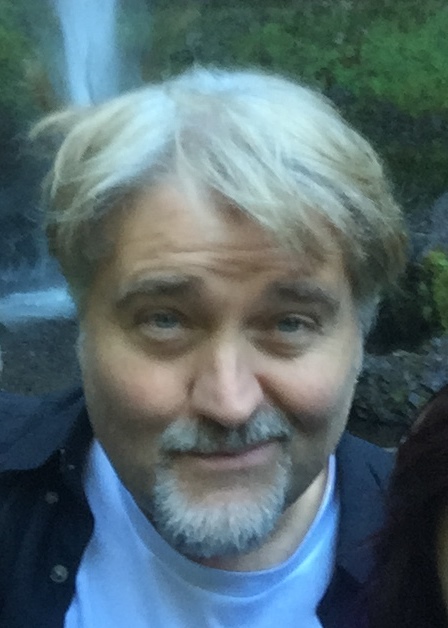

We recently connected with Alin Silverwood and have shared our conversation below.
Hi Alin, thanks for joining us today. Have you been able to earn a full-time living from your creative work? If so, can you walk us through your journey and how you made it happen? Was it like that from day one? If not, what were some of the major steps and milestones and do you think you could have sped up the process somehow knowing what you know now?
I’ve earned a full-time living from writing and editing for most of my career. It’s surprisingly rare, so one has to be careful not to take it for granted. And in the new world we’re just stepping into now, creative jobs are being handed to AI, or at least partially so, which means it will only become more rare and less valuable. Not a great step for humanity overall. I’m not much for making the species obsolete, but we’re making big strides in that area — bigger than ever.
When I was 5 years old, I sat down and drew (with stick figures) a series of images that told a story. I hadn’t been exposed to comics at that point, I don’t think, but I had plenty of children’s books. Dr. Seuss and such. And I watched cartoons. I suppose it felt natural to me to want to tell a story in this manner. Unfortunately, I never developed any artistic skill… draw better than a 5-year-old now, but just barely.
My writing, however, continued. I had stories in mind all the time. And I had several teachers throughout elementary school who encouraged creative writing. Somehow, I was often late turning in assignments (I wouldn’t find out what my problem was for many years, but it was a time period when certain conditions were still mostly, if not entirely, unknown). Despite my tardiness, teachers invariably chose my stories to read out loud to the class. They liked my work and, perhaps more importantly, so apparently did my classmates.
I didn’t get a lot of support for a creative career for my father. He was a tradesman, and though he read, I don’t think he considered writing a stable bet for income. He once looked at something I’d written in my teen years and remarked, “I hope you have a backup plan.”
I had also become an avid reader. I started reading novels at about 8 years old. I liked Science Fiction and Fantasy. I also discovered comic books. I was never found without reading material on my person.
After high school, my plan was to go to college, but I wanted to take a year off first. I was thinking about what to major in. Sure, I wanted English/Literature, but my father’s words had lodged in my head. A backup plan. What else was I interested in? I wanted to think about it. While I was thinking about it, I was… distracted. By many things. But this tied back to my late assignments, and I still didn’t realize what was happening. The next thing I knew, my parents both died in one year, and I got married. Couple of years out of high school, and I’m an orphan trying to make a marriage work.
I was doing night school, but I found a job at a company that published trade magazines. I started in the subscriptions department, setting up subscriptions in the database. Verifying info. But I managed to let them know I had interest in the writing/editing side of things. When an editorial assistant position opened up, they gave me a tryout. When I tested better than everyone coming in with a college degree, they offered me the position. As an editorial assistant, I wrote and edited for 3 or 4 of their publications. When the editors began to fight over my time, the publisher of one of their magazines (and also the company’s VP), promoted me to Associate Editor on that magazine, thereby securing my services exclusively.
During this time, I had rediscovered comic books in a big way. I was devouring them. I decided to follow the advice given by Mark Gruenwald, then senior editor at Marvel Comics, written in his monthly “Mark’s Remarks” column. He gave practical advice on how to break into comics. One of the suggestions was go to conventions and meet the creators. Easy. I went to San Diego and chatted with the editors and writers (in those days, San Diego was still the biggest game on the con circuit, but it was nothing like the circus it has become. You could do this.) I met a Marvel editor from England, Richard Starkings, and I was able to discuss a book he was working on with him. He seemed surprised that anyone was reading it, so we struck up a conversation. He found out I was from L.A., and he wanted to come visit. So I invited him, and we hung out.
Not long after, Rich moved to NYC. There was about to be an opening for an Assistant Editor on staff at Marvel, and he thought I might like to come to NYC and apply for the job. He was right, and I did, and I got hired. I went right to work on famous properties such as The Incredible Hulk, She-Hulk, Ghost Rider, and G.I. Joe. I got to work with some amazing people. I even got to write some short comic stories — dreams come true. I had, however, the rocky marriage, and I still had this focus problem I didn’t really think about, so I wound up heading back to L.A. to resolve things. The marriage finally failed, but not before I got a wonderful daughter out of it — best thing that ever happened to me.
I landed in Hollywood. Wound up working in the advertising materials branch of the Home Entertainment division of Paramount Pictures. I was more coordinator and less creative there, but I did review and proofread and such. I worked on major stuff… Forrest Gump. Braveheart. Titanic. And the Star Trek series. And a lot more. But I was still restless. I was trying to move upward, and I understood you had to move around to do that in Hollywood. So I tried. And this is the crash-and-burn stretch of my career. It was an ugly couple of years or so. I also had another child, a son. It was less easy to enjoy parenting during this period. I was doing temp jobs. I was renting rooms, not apartments.
Oh, yeah! That college thing. I was going to get my degree before I started doing the work I’d intended to get the degree to do. That had lapsed, so I started taking some classes again. Got into a writing group with some fellow would-be authors. One of them heard of a writing gig he thought I’d be perfect for, so he referred me. It turned out to be a writing gig for Mattel, working on their e-commerce website for adult Hot Wheels collectors. I landed the job in an interview where I played a word game with my prospective boss and coworkers. I won the game, so I like to say I got that job as a prize.
I spent the next 20 years working on all manner of copy and content for Mattel. Hot Wheels ties to a lot of pop culture, so I had the opportunity to do some fun articles — including, in a flashback way, some Marvel Comics stuff. But I covered a lot of stuff there… Star Wars, Marvel, DC Comics, and a lot more.
It was early in my time at Mattel that we discovered my daughter had a good case of ADHD. I spoke with her doctor about the symptoms, and it occurred to me that these were all the things which it was often said she was just like me. And I had to ask the doctor if it could be hereditary. The answer was yes, and the clouds which had shadowed me my entire life kind of parted. I got tested, and I was absurdly ADHD. Over the years, I had been dealing with some other stuff, too. PTSD. Panic Disorder. No wonder it was always such a challenge for me, though.
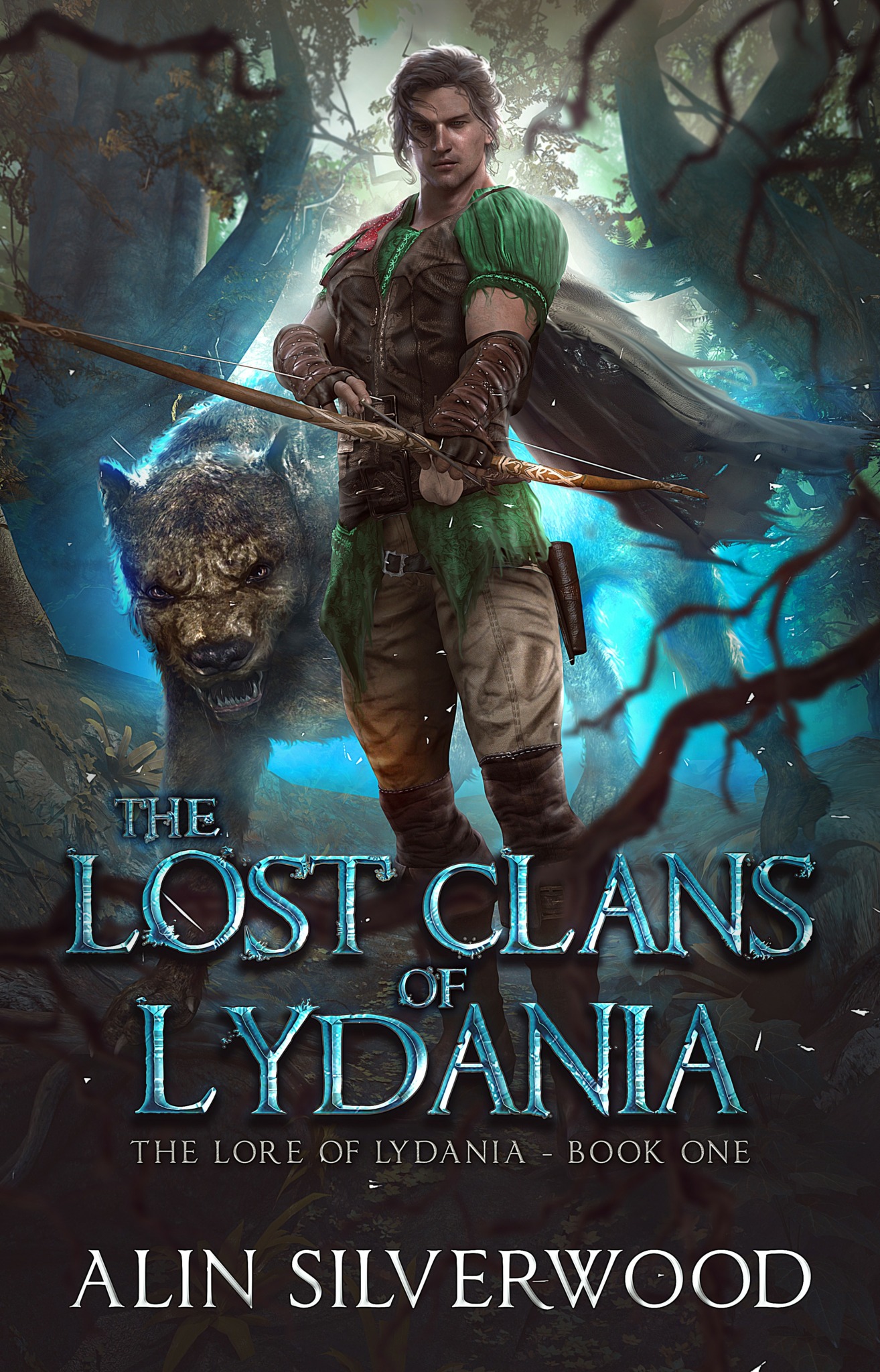
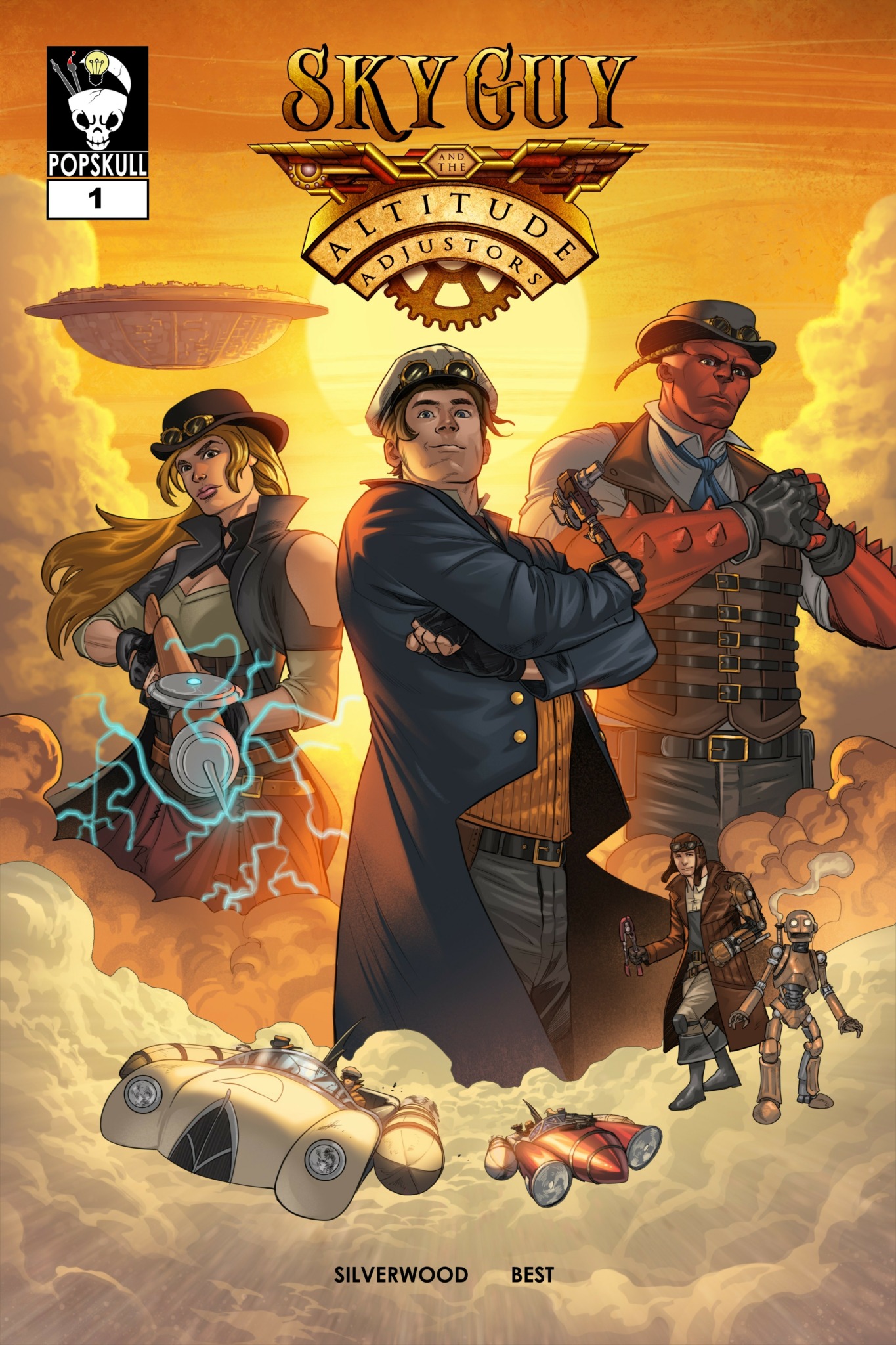
I was doing the same job for Mattel for a stretch of years in that time, and I started my own little company, PopSkull Productions. I used this to finally finish writing a novel and publish it, and I began to turn out some comics as well. It goes slower than I’d like for various reasons (not least of which is my health), but I make things happen. I do wish I’d known about the conditions a lot sooner in life, though. I feel like that could have led to management techniques earlier in life that would have made things a bit better for me.
As always, we appreciate you sharing your insights and we’ve got a few more questions for you, but before we get to all of that can you take a minute to introduce yourself and give our readers some of your back background and context?
Oh, well, I think I inadvertently covered much of this in my previous answer. I use my pen name for most things now, but at the time I began my career I was using my birthname: Gary Barnum. I had never liked it, so when I was encouraged to begin using a pen name, I simply did.
I got into my craft because I couldn’t stop myself. I was trying to write my own novels by the time I was in junior high school. I was always the best speller in school, and I had a much better grasp of punctuation and grammar than most people, including professionals. Of course, I developed that without the help of AI. It came to me naturally. I suppose reading piles and piles of books helped.
Besides writing, I have also worked as an editor, so in my business, I provide editing services. I have edited novels for a few authors, including a USA Today bestselling author. I’ve helped comic creators as well. My strength is in story development, but I wish I had more opportunities to do that. I write a bit, though I have frequent stretches of writer’s block, but I plan to keep trying to develop all the story ideas I have. It seems unlikely (which is a shame — there’s some very good stuff in here), but I keep hoping I’ll have a burst and produce a lot in a short amount of time. ‘Cause that’s how it works, right?
Is there a particular goal or mission driving your creative journey?
When I write something, it starts as something I’d be interested in reading. From there, as I flesh it out, I begin to think more and more of the reader. Writing isn’t just a way to do stories I’d like to see; it’s also a way to entertain, encourage, distract, or otherwise be of some value to your readers. I don’t do “How To” books, so I hope to be entertaining and inspiring — even if that inspiration is just to get other people who want to write to think about doing their own stories. Then I can read those. It’s cyclical. We all win. Art forms are good for people, good for the world. And yeah, sure — if you’re lucky, you can make a living doing it. I don’t always consider myself a lucky guy, but in some ways, I can’t deny it.
When I help people as an editor, I’m trying to coax their best work out of them without being offensive. I approach it by asking questions, bringing up what thoughts or ideas their work inspire in me. They need to know you believe in them, because any creative will tell you that the hardest thing about sharing your work with the world is believing in yourself. It’s a rare thing when a writer has total self confidence in their work. Has that ever happened? I don’t even think Hemingway had that much confidence.
I also think it’s important to ensure that the meaning is clear. This is done with the right information, the organization of the information, the right choice of words, the right punctuation… It doesn’t matter that most people don’t know how to use some punctuation, or even what it means. If it’s there consistently, I like to think that there’s at least a slight chance that it begins to make sense to any astute reader. I sometimes feel that your work is only as good as the target audience’s capability to grasp it. Sometimes, you’re just not in front of the right audience. So trying to keep an eye out for where that may be is an important aspect of the editorial process as well. Know thy market. Or, if you choose to ignore that, prepare to accept that your utter masterpiece may languish in obscurity for all time.
Any resources you can share with us that might be helpful to other creatives?
I do think that advanced medical knowledge would have been extremely helpful were it there much earlier in my life. When you’re fumbling through the world, messing up repeatedly despite not being entirely stupid or lazy, it would be good to identify medical reasons that interfere with your journey. We’re always behind. I’m sure many of us are struggling with things now that hold us back, but things for which the future of medical research will have solutions. There is nowhere near enough medical research being conducted, and there are many reasons for this. No one likes to spend money, and it’s costly. Also, there is a major financial upside to having millions of people with medical problems unresolved except temporarily or with ongoing and expensive pharmaceuticals. Do I sound like a conspiracy theorist? I’m just a realist. If you’re driving a major segment of the economy, keeping wealthy people wealthy, where’s your incentive to find answers or reveal them or eliminate those things which keep the money flowing in? It’s hard not to be cynical. We’ve seen too many cases where discoveries were withheld from the public for the sake of profits. And that includes overpriced medicines and treatments, and especially in the mental health arena. The decent side of humanity needs to prevail for humanity to reach its full potential. If we could get the greedy and the ignorant to understand that, and to see how it benefits them, maybe it would happen. But it’s not something I expect in my lifetime. We are not that evolved yet.
Contact Info:
- Website: https://www.popskullproductions.com/
- Facebook: https://www.facebook.com/popskullpress
- Linkedin: https://www.linkedin.com/in/garyabarnum/
- Other: NOTE: My website is out of date due to various factors. You can go to it, but the best thing to do is contact me on Facebook or via the contact form on the website.
Image Credits
Lost Clans of Lydania artwork by Amalia Chitalescu.
Sky Guy and The Altitude Adjustors artwork by Ryan Best.
PopSkull logo by Stephanie Johanesen.