

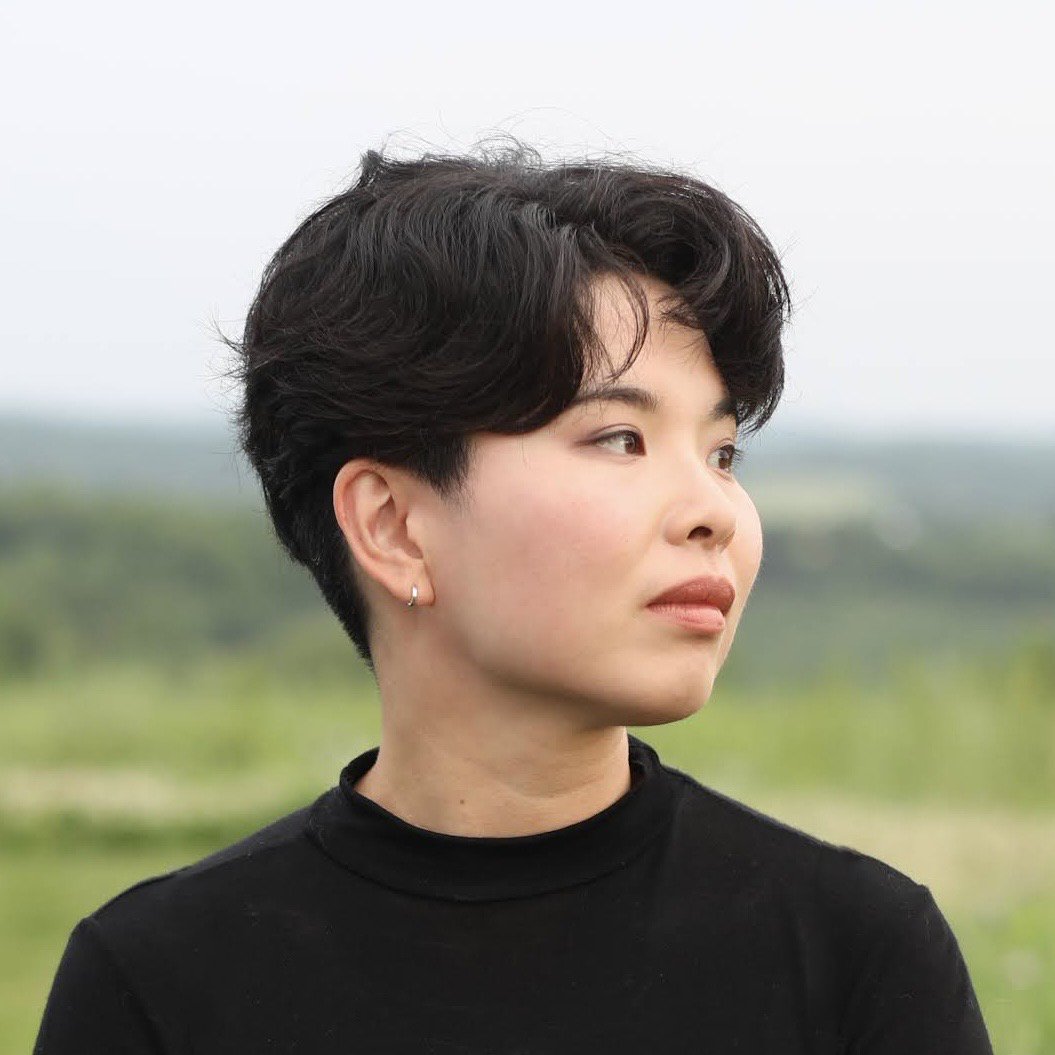

We recently connected with Alice Yang and have shared our conversation below.
Alice, thanks for taking the time to share your stories with us today We’d love to hear the backstory behind a risk you’ve taken – whether big or small, walk us through what it was like and how it ultimately turned out.
It won’t surprise anyone to hear that doing art full time is not the stable choice. But I think what gets lost in that framing is that the risk isn’t just practical — it reshapes how you see the world.
To give some context: I started my professional life squarely in the corporate track. I went to school for computer science — graduated with a CS degree, even though what I really wanted was to make art. My first job out of college was as a software engineer at a large gaming company. From there I got a master’s degree, pivoted into product design, burned out, took time off to develop my illustration practice, and came back as an in-house illustrator at Uber for five years. Then one more swing at it as Head of Art at an education startup, just to see if management would change anything. It didn’t.
After ten years of trying to fit myself into a mold, I had to confront the truth: I was not going to be happy on this path.
So I walked away. From the stability, from the prestige, from the ladder I’d spent a decade climbing. And I started over completely. Craft fairs. Making my own inventory. Packing, hauling, carrying heavy things up flights of stairs alone. Cold outreach. Getting ignored. Getting rejected. All of it humbling in ways I hadn’t anticipated, because when you’ve been in the same environment for long enough, you start to take things for granted — that people will respond, that you’re worth someone’s time. That’s not a given. I had to relearn that from scratch.
What surprised me most wasn’t the difficulty itself, but the impact it had on me.
When I was going through the motions in corporate, the idea of struggle felt like pain for no reason, aka something to avoid at all costs. But when I was finally doing something I genuinely wanted, struggle stopped feeling scary. It felt like evidence that I was actually alive and actually in it.
I wouldn’t have known this feeling if I didn’t take that risk of walking away from everything that was comfortable. And every day I’m grateful that I did.
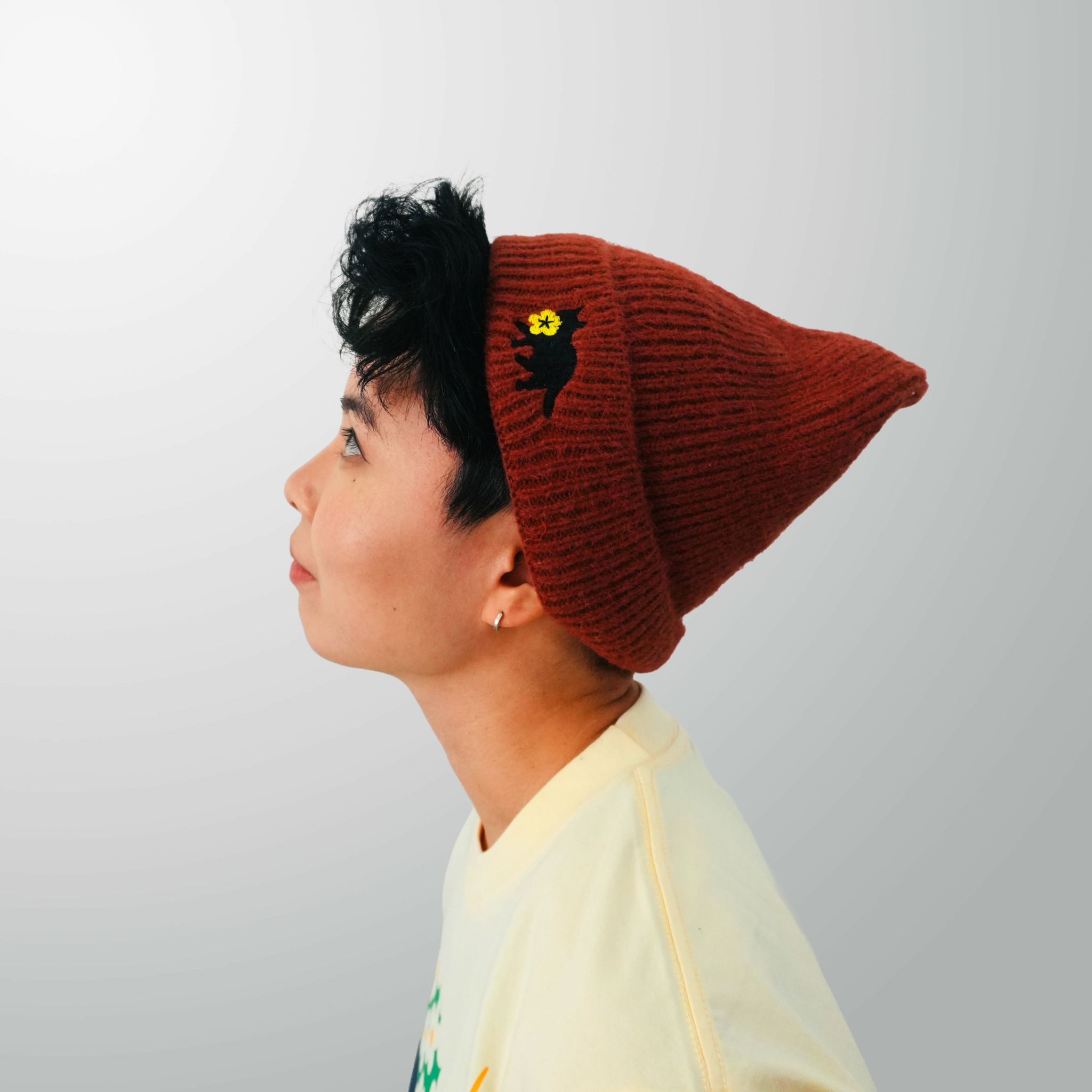
Awesome – so before we get into the rest of our questions, can you briefly introduce yourself to our readers.
At my core, I’m a storyteller. I think that’s the most honest way to put it.
I grew up completely obsessed with stories — Aesop’s fables, Oscar Wilde, fairy tales. I just couldn’t get enough. And that love never really left. It became the lens I see everything through, including my own life. When something hard happens, my instinct is to find the story inside it, the archetype underneath it. The archetype of the Hero’s Journey by Joseph Campbell hit me like a truck for exactly that reason.
So when I make work, what I’m actually trying to do is bring that forward. Share the feeling.
My business is pretty broad on the surface — stickers, prints, hats, shirts, apparel, gifts. But the thing that lives at the center of all of it, the thing I consider my real work, is my comics. That’s where the most fulfillment is for me, and honestly, it’s where people seem to respond the most deeply too.
The goods — the wearable stuff, the things you can hold — I think of those as material manifestations of a feeling. Peacefulness. Stillness. Liminality. A little mystery. I want people to be able to carry something, wear something, and feel it. Not just look at it.
Someone once told me they felt my work before they understood it. That a feeling landed before the details even registered. I was so happy to hear that, because that is exactly what I’m going for.
I think we’re living in a time that’s really starving for mystery. For myth. For the sense that life is something unfolding rather than just something to get through. And I want my work to be a small doorway back into that — the awe, the not-knowing, the “I really want to see what happens next.”
That’s my drive, I think. Metabolize my life into a story. Share it. Understand other people’s stories in return. And keep going.
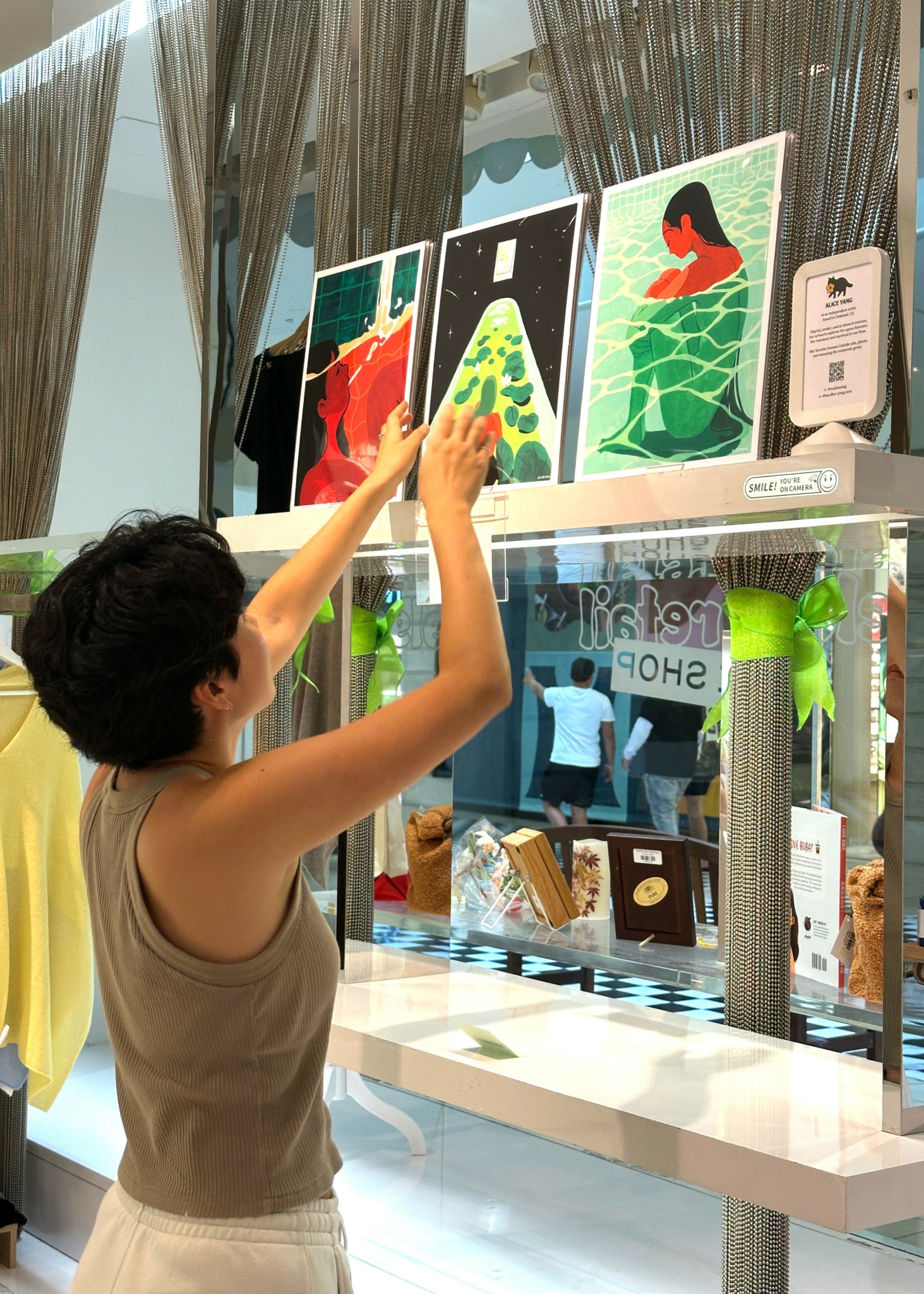
Is there something you think non-creatives will struggle to understand about your journey as a creative?
First thing I’d push back on: the divide between “creative” and “non-creative” is a really limiting way to see it. I think everybody is creative in some capacity. To me, creativity is just the willingness to exercise a personal preference. That’s it. And the more consistently and intentionally you do that, the more a result emerges, then a pattern, and eventually — you’re a creative. You didn’t become one. You just kept going long enough to see it.
The thing I hear most from people who say they’re “not creative” is some version of: I can’t draw, I’m not talented, I’m just not good at it. And what I want to say to that is — nobody is good at it at the beginning. Nobody. When you see someone who’s really good at something, what you’re actually seeing is someone who put in the time to work through the period where they were bad at it. That’s the whole thing. There’s no other secret.
I think kids have an advantage here, but not because they’re more talented. It’s because they haven’t yet developed the part of the brain that’s constantly judging the output. They’re just doing it for the hell of it. The joy totally eclipses the self-criticism. They’re not asking “what will I get out of this” — that question hasn’t even occurred to them yet.
That question is what stops most adults. The return-on-investment mindset creeping into something that was never supposed to be transactional.
And I get it — it’s hard to unlearn. But it’s also a false wall. The limitation isn’t your talent. It’s the belief that talent is what’s required. Keep going because it’s fun. Get worse before you get better. Start now. The improvement is basically guaranteed if you just don’t quit. You can start at any age. That part is true. The only thing youth actually gives you is not knowing any better — and honestly, that’s something you can choose to give yourself too.
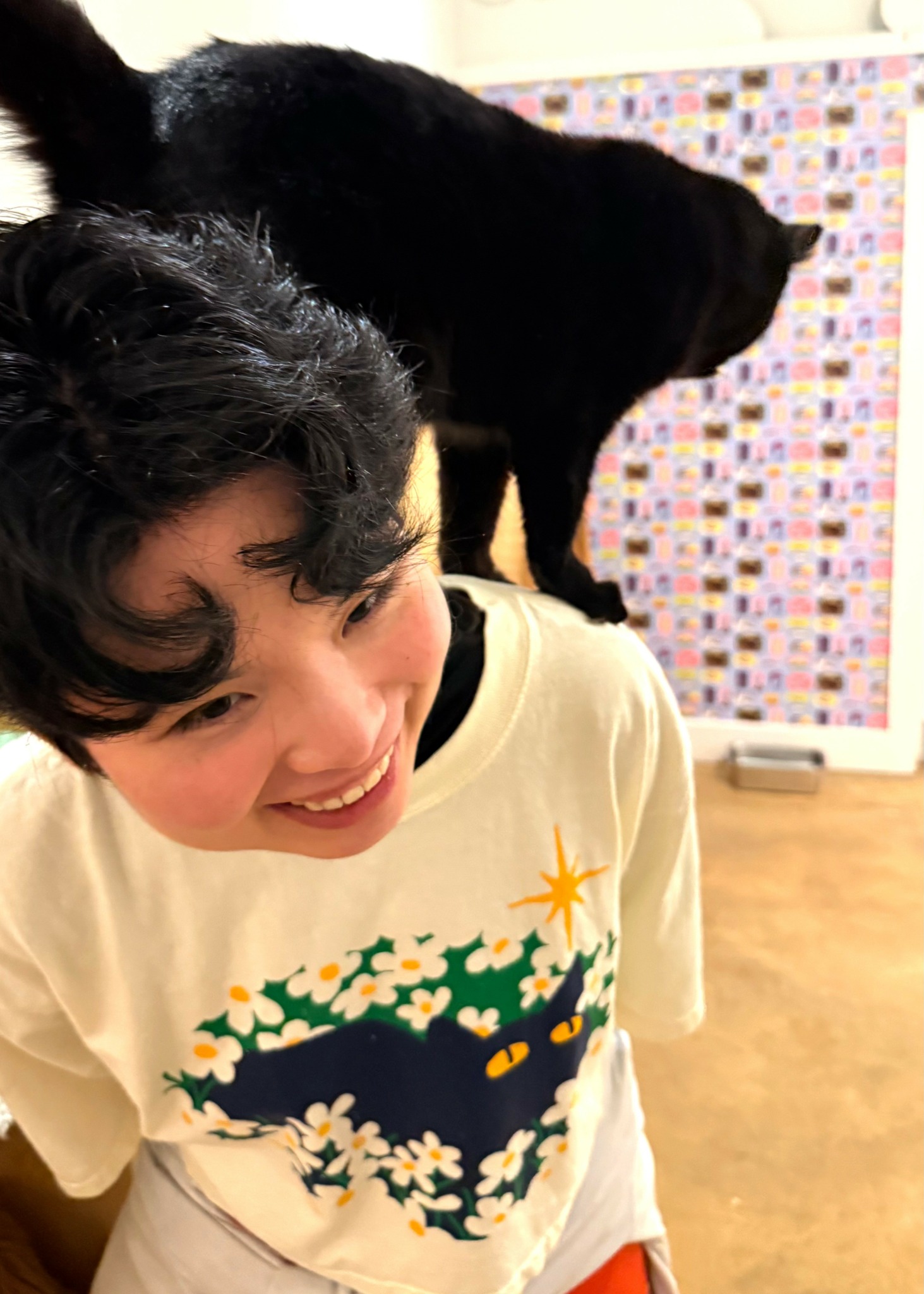
We often hear about learning lessons – but just as important is unlearning lessons. Have you ever had to unlearn a lesson?
I grew up a perfectionist. My default setting was: get everything lined up, make sure you’re really ready, then start. That felt responsible. Safe. Like the correct way to do things.
And then I left corporate and started doing this independently, and that whole mindset kind of fell apart.
Because the truth is, there’s never a perfect time. You’re always tired. There’s always something else on the list. There will always be a very reasonable reason not to start. And if you wait until all of that clears — you’ll just wait forever.
What I had to unlearn was the idea that readiness is a prerequisite. It’s not. Intention is. Wanting to bring something into the world badly enough to start anyway — that’s what actually moves things forward. Not having your ducks in a row. Not stakeholder approval. Just: I want this to exist, so I’m going to begin.
I think corporate trained me to ask for permission without realizing it. Everything ran through a process, a review, a sign-off. And that’s fine in certain contexts, but it’s a terrible way to make art. You can’t committee your way into something true.
Working for myself meant learning to make my own opportunities. To trust that if the work is honest and I put it out there, the people who need to find it will find it. So far that’s been the case, and I’m really grateful for that.
Readiness is a myth. Love for the thing is enough to start.
Contact Info:
- Website: https://shop.alice-yang.com/
- Instagram: https://www.instagram.com/maliceyang
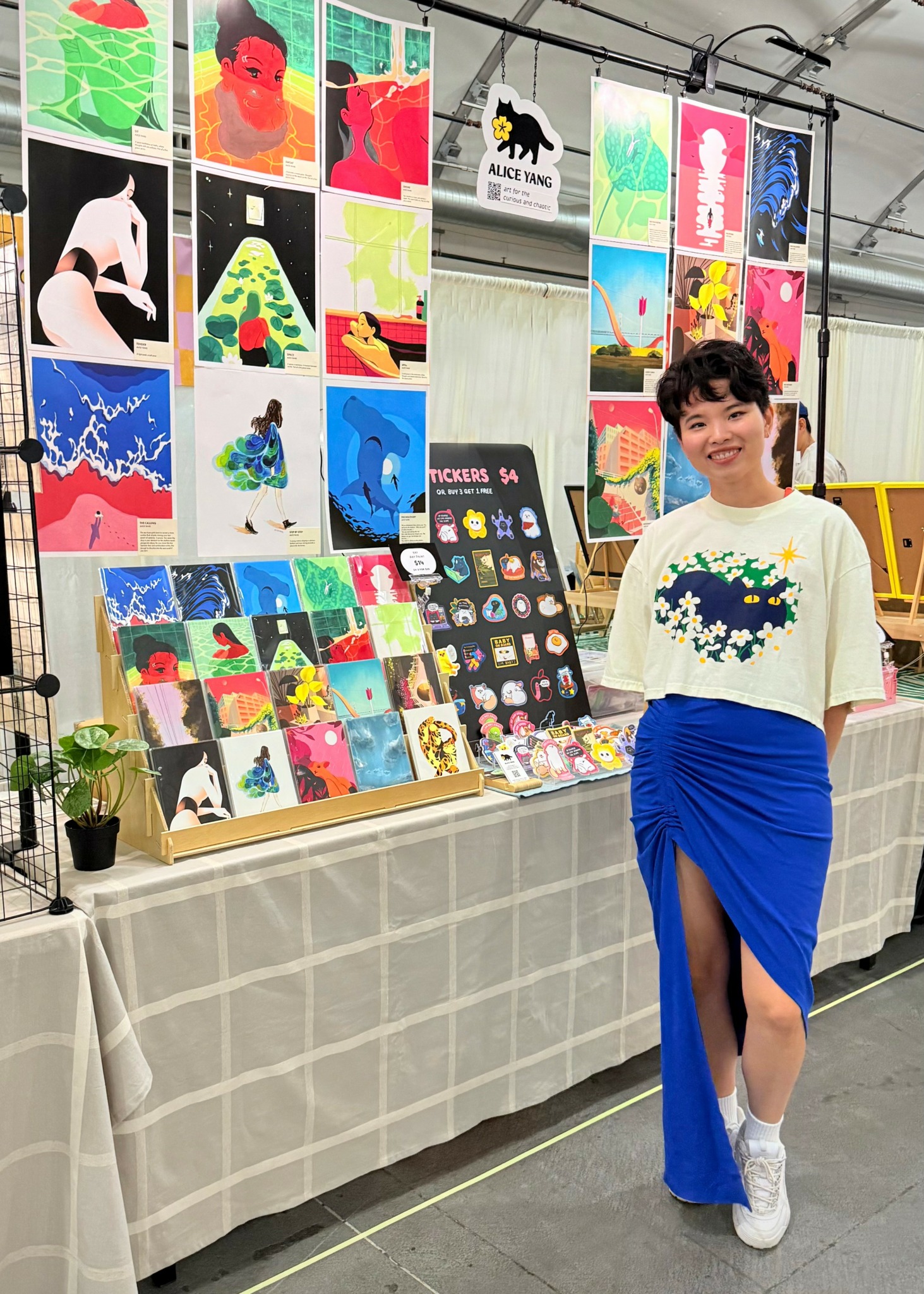
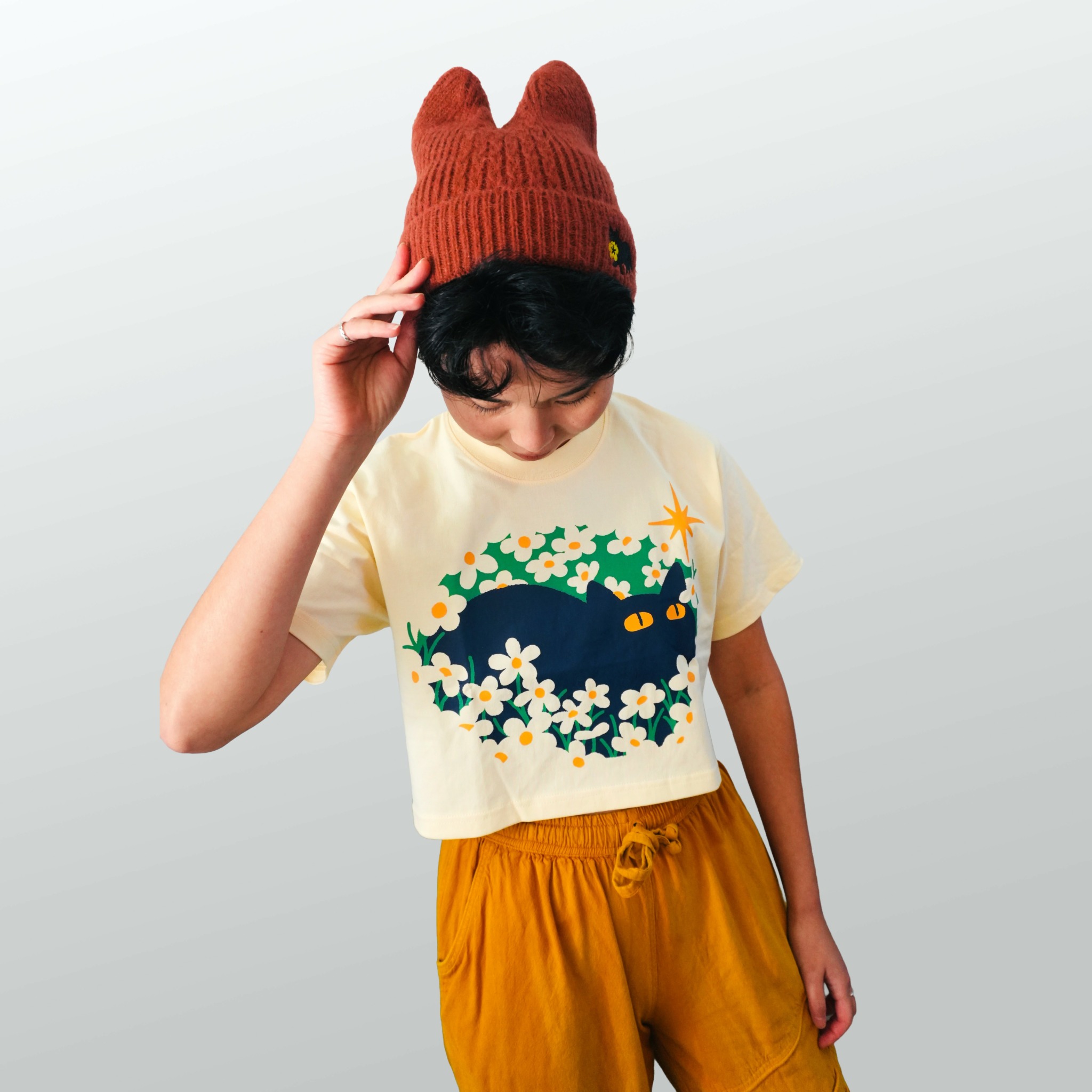
Image Credits
Alice Yang