

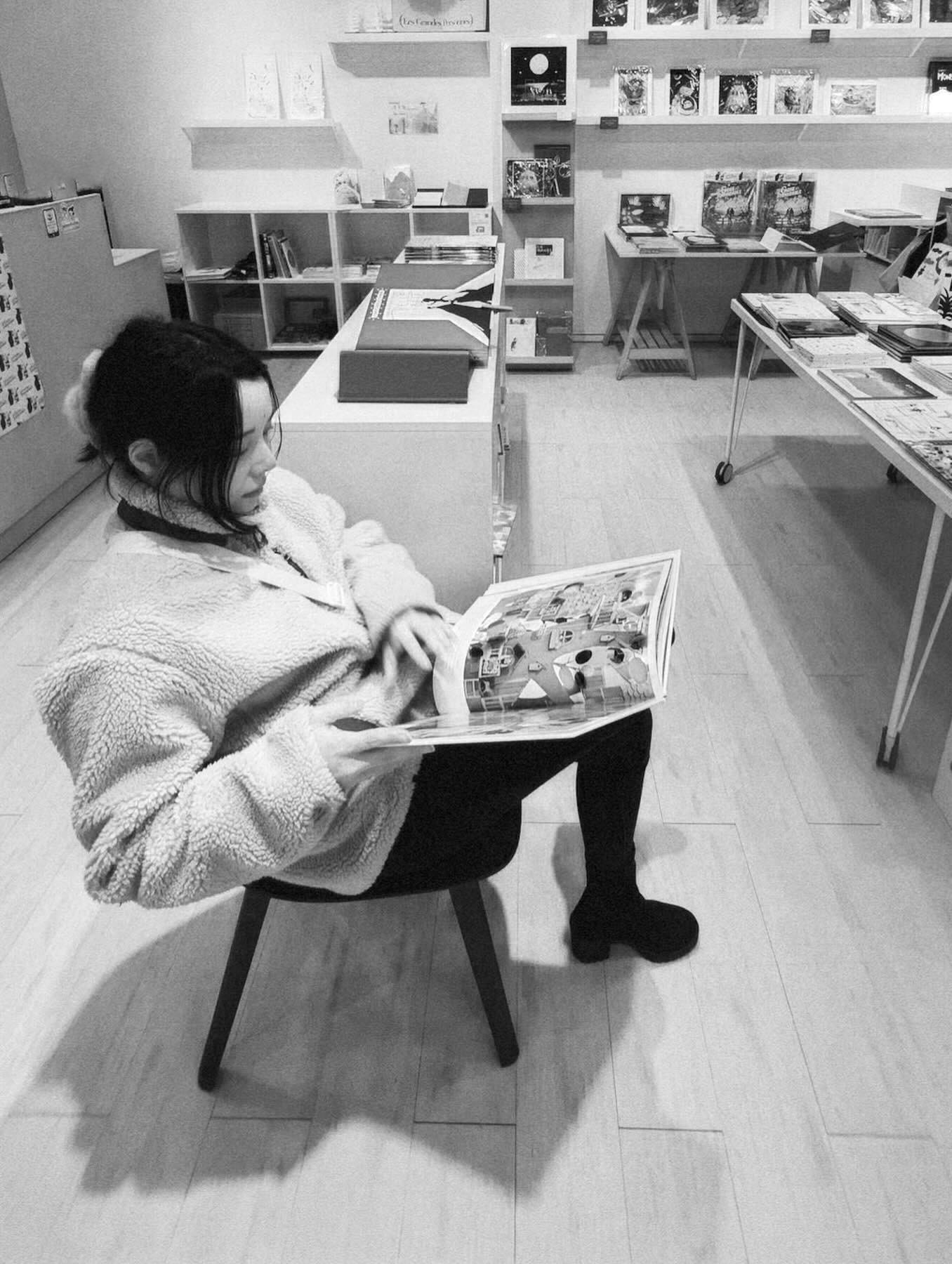

We’re excited to introduce you to the always interesting and insightful Alice Wang. We hope you’ll enjoy our conversation with Alice below.
Alright, Alice thanks for taking the time to share your stories and insights with us today. Let’s jump back to the first dollar you earned as a creative? What can you share with us about how it happened?
While I can now consider being a creative as my profession, I realized that this endeavor started a long time ago. I always loved drawing, and sometimes people would ask me to draw things for them. Eventually, people would ask me if I could draw them something if they paid me a fee. This started around the time I was in middle school and continued into high school. Sometimes the requests came from classmates, while other times they came from teachers. It included projects like drawing a portrait, or create a painting for their kid’s room. I remember how it felt at the time – exciting! People were willing to pay me for what they considered a valuable skill. It made me feel like, “Wow, maybe this is a path I can pursue in the future.” However, as more and more people started asking me to create something for them, I started to feel weighed down by the expectations. Rather than feeling empowered by making money from my craft, I started to feel helpless to saying yes to every project. I was young and didn’t feel comfortable charging very much for my work. Eventually I felt like I was doing the work out of obligation, and it wasn’t so fun anymore. I wasn’t creating things I loved. I wasn’t paid very much for the long hours those projects took me. I didn’t feel particularly accomplished by creating those projects. But looking back, I did learn a very valuable lesson from those first hard-earned dollars – We have to search for the opportunities to create work that we want to make. It doesn’t just land in front of us. And for the opportunities that do come our way, we can’t say yes to every project because the more we create work that we don’t love, the more those type of projects will fall into our lap. I’m glad I experienced and learned this valuable lesson, even if I had to remind myself of it many times along the way to the present day. I feel like I’ve learned to value my own work, trust in my skills, and search for the work that excites me. Even if I’m faced with the decision of taking on a project I don’t love in exchange for money, I always remind myself of what I’m really chasing.
Great, appreciate you sharing that with us. Before we ask you to share more of your insights, can you take a moment to introduce yourself and how you got to where you are today to our readers.
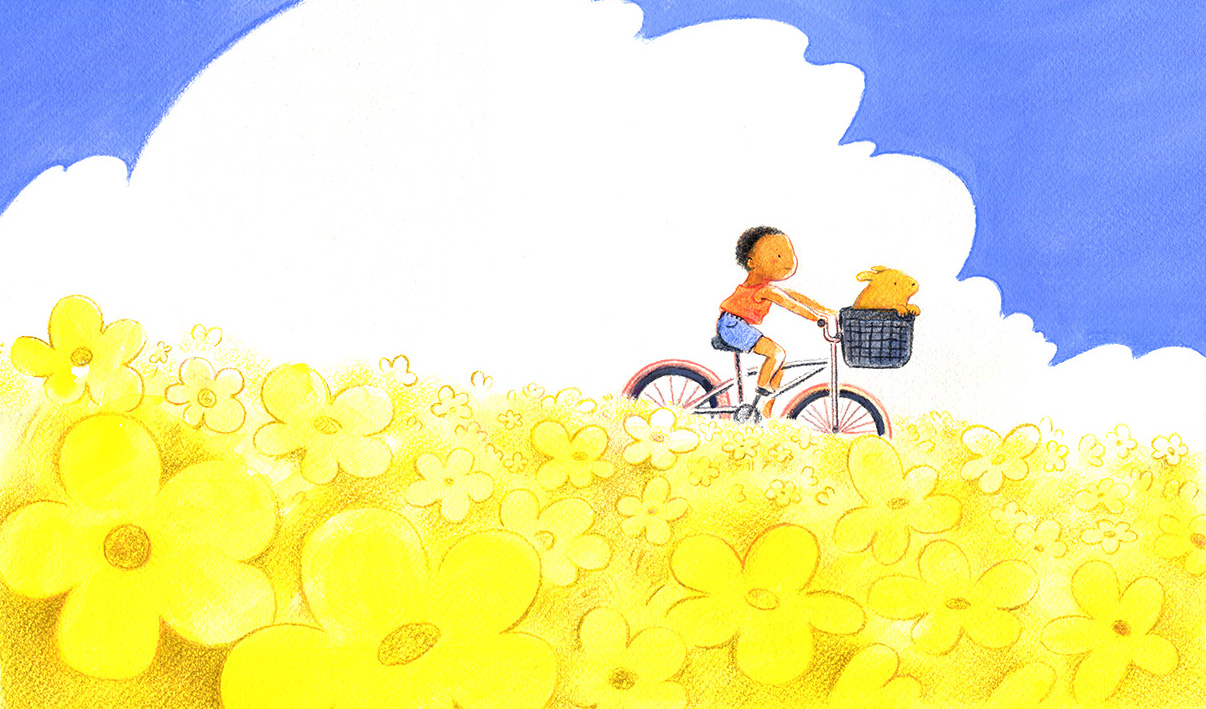
My name is Alice Wang, and I am an illustrator and designer working in publishing, but more recently, I will be a debut author/illustrator of my first picture book, A Party for Bear. It is scheduled to be published in winter 2027 and is a dream that has been a long-time in the making.
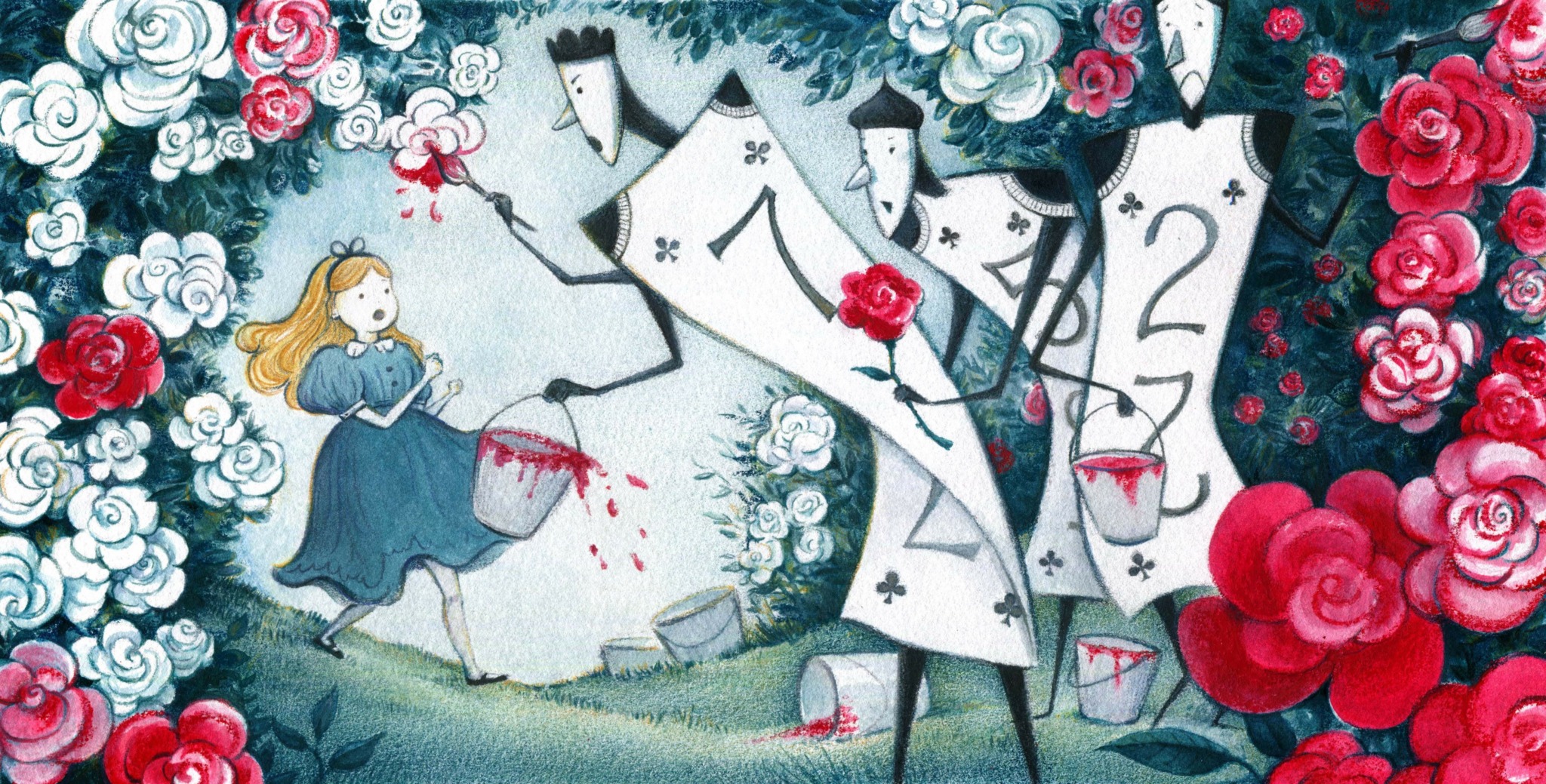
My interest in children’s books began when I was completing my BFA in Communication Design at Washington University in St. Louis. Communication Design encompasses many forms of visual communication such as graphic design, illustration, typography, and interaction design. This program taught me to appreciate the art of visual storytelling and thoughtful design. I found that in picture books, the use of well-designed illustrations and text resulted in something both simple and complex. There are a limited number of words and pages, but somehow through this selective array of text and pictures, you can create something profound. The juxtaposition of contrasting images and text can create a third space of meaning. Page turns can be utilized to build anticipation and surprise. Color can be used to elevate storytelling. The intentional absence of words can create a moment of impact. These are just a few examples. I also found an appreciation for the physical book and print media. There is something wonderfully tactile about flipping through printed pages and having a physical object to treasure and go back to over and over again.
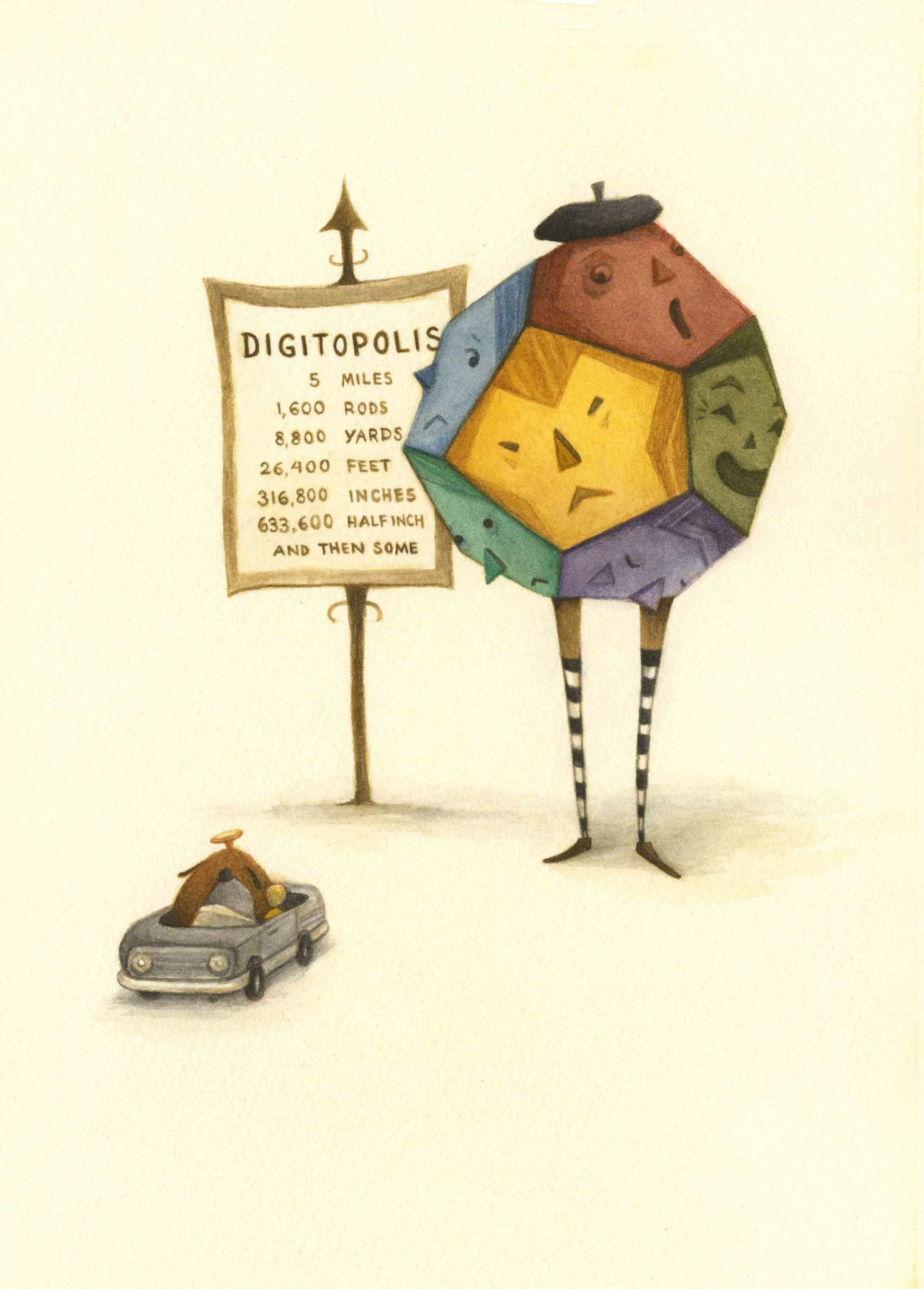
With all of these budding interests, working in publishing seemed like a good fit for me. For my capstone project, I created an illustrated adaption of <i>The Phantom Tollbooth</i> to explore my interest in illustration, storytelling, and book making. The project helped me land a job at HarperCollins children’s books after graduation. I worked there for a couple of years, and then, in 2021, I moved jobs to HMH. During these years, I learned a lot about publishing and book design. I felt every step I had taken was to help me get closer to my dream. However, I realized that while I was gaining valuable experience, continuing down the same path would not ultimately bring me towards the goal of writing and illustrating my own books. I decided to leave my full-time job and become a freelancer so I could have more time to work on creating my own book. I had so many story ideas saved up over the years, so I picked one and started developing it further. At first it was hard to decide on the perfect first story to work on, but I realized that starting and committing is more important than anything else. I just needed to begin somewhere. On the side, I took on projects like setting text for graphic novels and designing interiors. The new flexibility in my schedule allowed me to focus my creative energy on this new path.
The pivot to working on my own books was a challenging one. Even after I took that leap of faith, it took me a long time to develop my first book and get it to a place where I felt ready to share it. There was a lot of uncertainty and self-doubt. After years of sitting on it and revising it, I finally pitched it to editors and people I knew in publishing. The process was a whirlwind. Every day was waiting in anticipation for a reply. Luckily, my book found a home, and now I’m represented by an amazing agent, editor, and design team. Before, I was the designer working with authors, artists, agents, editors, but now I was on the other side. It happened both slowly and suddenly, but I felt very lucky to arrive at the place I previously dreamed about.
I think my experience in publishing has been a great asset to working on my own books. I feel like I have a much better understanding of the industry, the process, and the huge amount of dedicated people working behind the scenes. The skillset I learned from working as designer has greatly impacted my work as an illustrator because I am trained to continuously think about how illustrations and text build upon each other. Now I am working to develop my skills in storytelling and writing.
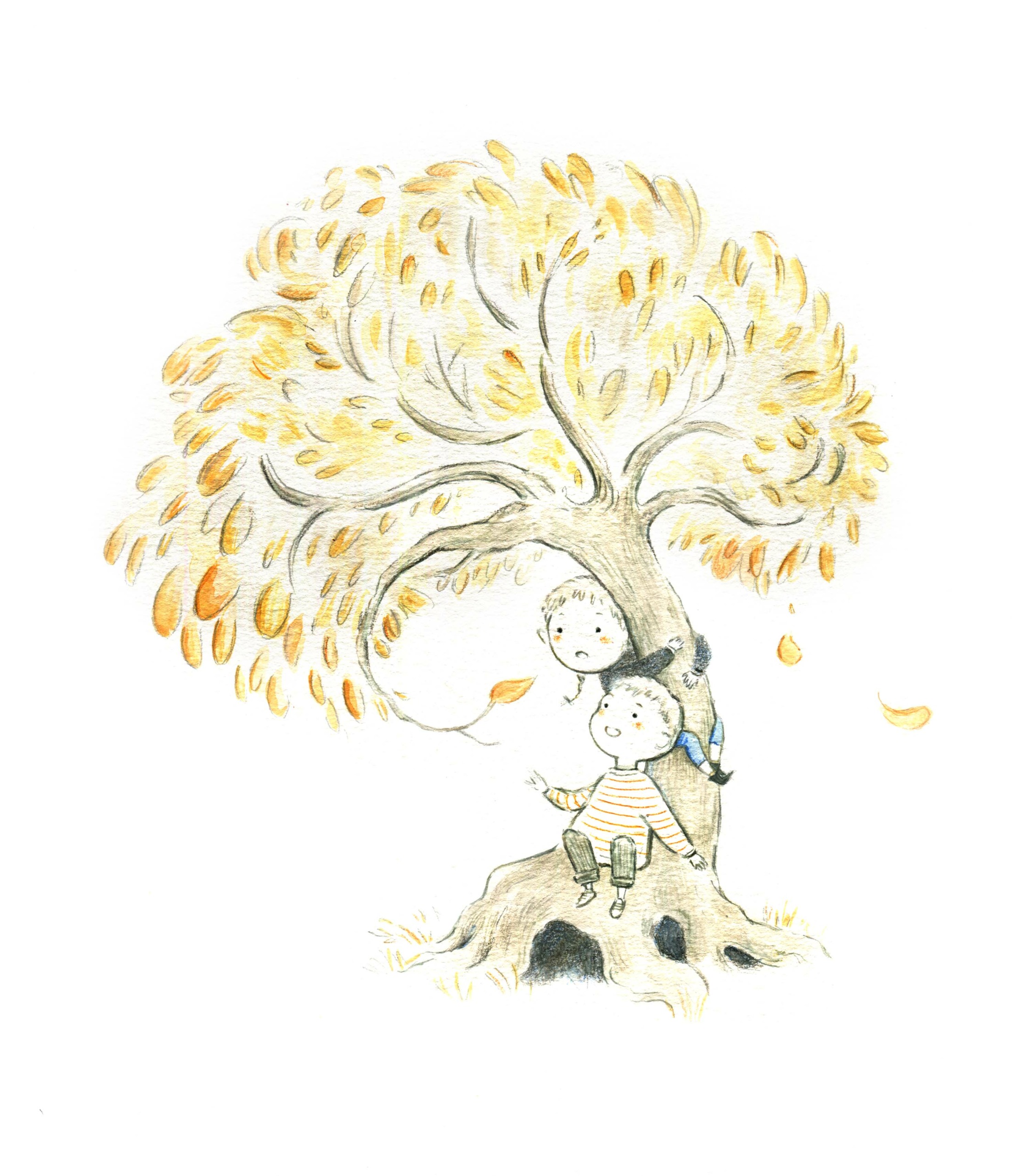
The stories I want to tell have a lot to do with our humanity and emotions. I like to use metaphors to convey complex ideas, and I believe children have the capacity to understand them. I’d like children to find comforting messages in my books that take on new meaning into adulthood. Some of my favorite books are ones that took on more meaning for me as I lived life and gained experiences. <i>The Giving Tree</i> by Shel Silverstein is one of them. There is magic in how messages change depending on what you have lived through and where you are in in life. I hope my books can be enjoyed by children, grow with them, and maybe even be passed down to their own children in the future.
In your view, what can society to do to best support artists, creatives and a thriving creative ecosystem?
I believe no matter the industry, it is important to respect artists’ visions without forcing ideas to fit into trends or commercial appeal. If we give people a chance to create something new and true to themselves, we’ll find it is often the personal that allows us to create universal connection. I feel that sometimes with the goal of trying to please as many as possible or finding the most ideal outcome, we lose the sparkle of what something could have been. There is risk in believing in something new. But I think creativity is about taking risks and venturing into the unknown. This is where magic happens. And good work inspires more creativity.
What’s a lesson you had to unlearn and what’s the backstory?
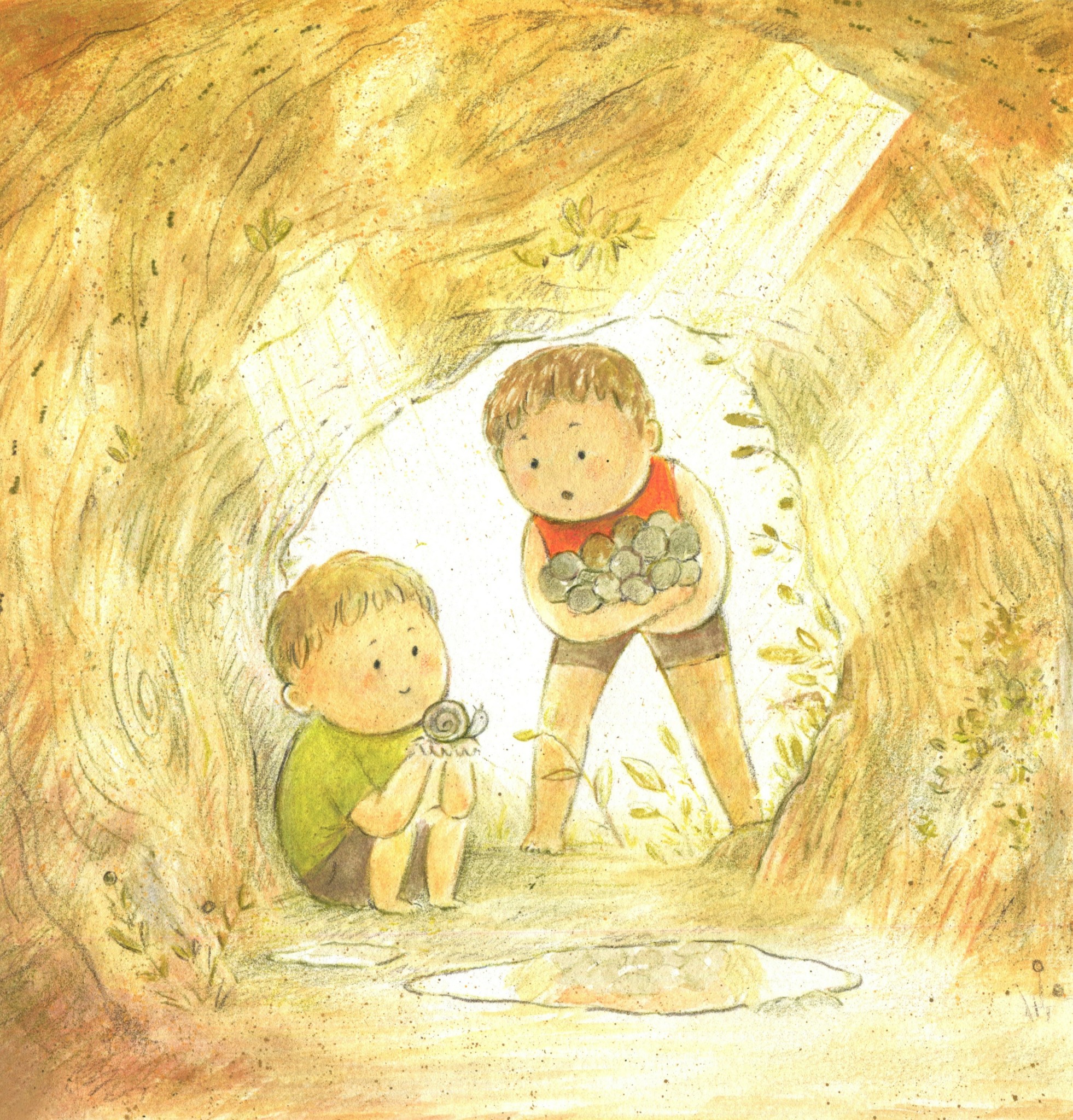
One thing I struggled to unlearn is the general perception of what makes “good” art. While there is nothing wrong with a beautifully rendered photorealistic image (there is certainly much to admire!), for a long time I thought skill in depicting something accurately was the only way to make “good” art. I dedicated myself to honing my skills at realistic representation. However, once I went to college, I realized that what I wanted to create did not even have to do with realistic drawing. I had to unlearn and relearn how to draw. I think this struggle is not uncommon. We are often told we are “good artists” if we can draw realistically. This causes us to equate only realistic artwork as “good” and traps us in the mindset of creating work we deem has value in the eyes of others. After all, it feels great to get positive feedback. Even now, when people ask to see my artwork, I have the urge to show them my most successful realistic renderings, to prove to them “Yes! I CAN draw!”But sometimes we choose to make art in a different way, and people can’t always see the skill, inventiveness, and insight in these other forms. I learned that people might not appreciate or compliment what I create. They might think, this looks like art for children, which it is. But it’s also art for me. It’s a reflection of what I feel, what I like, who I am, and that’s what makes it special. It is a culmination and reflection of my lived experience.
Contact Info:
- Website: https://www.alicexwang.com/
- Instagram: https://www.instagram.com/alice_a_dot/