

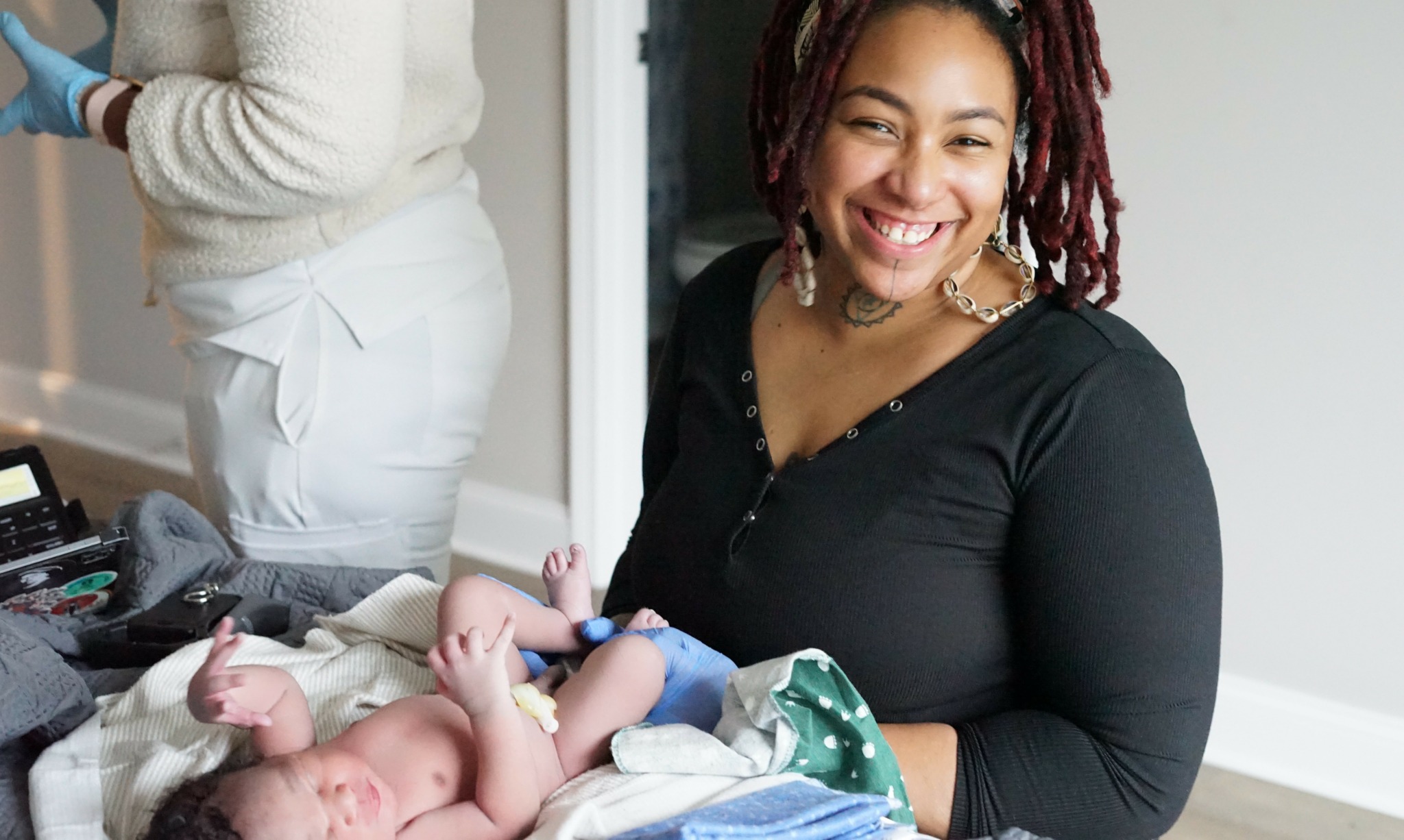

We recently connected with Alexis Alsup and have shared our conversation below.
Alright, Alexis thanks for taking the time to share your stories and insights with us today. Can you open up about a risk you’ve taken – what it was like taking that risk, why you took the risk and how it turned out?
One of the greatest risks I’ve taken was deciding to publicly pursue becoming a Certified Professional Midwife in a region where there are very few midwives who look like me — and even fewer outside of hospital systems.
When I began as a doula, I knew I was called to birth work. But choosing midwifery meant stepping into something much larger than a career decision. It meant committing to building infrastructure where there currently is none. It meant preparing to become the first Black Certified Professional Midwife in my community — not for recognition, but because representation in maternal healthcare saves lives.
That decision came with weight.
Midwifery training requires financial sacrifice, apprenticeship hours, clinical responsibility, and long seasons of being stretched. But beyond the academic and clinical rigor, there are social barriers that aren’t written in textbooks. There are moments where fear, scarcity mindsets, or competition create obstacles that make the path more complex than it needs to be.
When you are walking into a space as “the first,” you are often navigating unspoken resistance. Not always loud. Not always direct. But present.
I had to decide early on that I would not allow someone else’s fear of change to shrink my vision. I had to anchor myself in collaboration over competition. Because the truth is, our community does not suffer from too many providers — it suffers from not enough culturally aligned care.
Another major risk was moving from quiet service to public advocacy. I’ve stepped into legislative spaces to speak on maternal health equity. I’ve taken leadership in co-creating the Knoxville Black Maternal Health Conference — not as a solo effort, but as a model of what collaboration in maternal health should look like. I’ve expanded my work beyond supporting individual births to challenging systemic inequities.
Each of those decisions required courage.
What I’ve learned is that leadership is not about comfort — it’s about conviction. Risk is not about ego — it’s about obedience to impact.
I am willing to take risks because the cost of not taking them is greater. Black families deserve options. They deserve continuity of care. They deserve providers who understand their lived experience. And if being the first means creating a pathway so that I am not the last, then the risk is worth it.
Vision requires endurance. And I am building for longevity — not just for myself, but for the generations that come after me.
Alexis , before we move on to more of these sorts of questions, can you take some time to bring our readers up to speed on you and what you do?
I’m Alexis Alsup — a community-based birthworker, student midwife, maternal health advocate, and founder of Empowered Doula Services / Empowered Birth & Midwifery based in Knoxville, Tennessee.
I entered this field through lived experience. My own pregnancies and births opened my eyes to both the beauty of birth and the gaps that exist within maternal healthcare — especially for Black families. I began as a doula, supporting families emotionally, physically, and informationally through pregnancy, labor, and postpartum. Very quickly, I realized this work was bigger than individual births. It was about restoring dignity, autonomy, and community-centered care.
Today, my work spans several layers of impact.
Through Empowered Doula Services, I provide comprehensive doula services, prenatal education, birth support, postpartum care, and holistic support services. As a student midwife pursuing my Certified Professional Midwife credential, I am expanding into clinical midwifery care with the goal of increasing access to culturally aligned, out-of-hospital birth options in my region.
Beyond direct client care, I am deeply involved in advocacy and systems change. I’ve stepped into legislative spaces to advocate for maternal health equity in Tennessee. I’ve taken leadership in co-creating the Knoxville Black Maternal Health Conference to build collaboration among providers, advocates, and families working toward better outcomes. I also mentor aspiring doulas and birthworkers who are entering the field and looking for guidance rooted in both skill and integrity.
The problems I work to solve are both personal and systemic.
On a personal level, I support families who feel unheard, overwhelmed, or unsure navigating pregnancy and birth. I help them reclaim confidence, informed consent, and agency in their experience.
On a systems level, I am working to address the lack of culturally responsive care, the limited access to out-of-hospital options, and the disparities that disproportionately impact Black mothers and babies.
What sets me apart is that I don’t see birth work as a service — I see it as infrastructure. I am not just supporting births; I am building pathways. My approach centers collaboration over competition, community over ego, and long-term sustainability over quick visibility. I believe maternal health transformation requires both hands-on care and courageous leadership.
What I am most proud of is my willingness to evolve publicly. From launching my own doula practice to pursuing midwifery, to advocating at the policy level, to helping convene spaces for collective change — I have continued to say yes to growth even when it required risk.
I want potential clients and collaborators to know that my work is rooted in purpose. I am deeply committed to excellence, integrity, and representation. I serve families with compassion and clarity, and I build with vision and endurance.
This is not just my profession — it is my calling. And I am building something that will outlive me.
Training and knowledge matter of course, but beyond that what do you think matters most in terms of succeeding in your field?
In birth work and maternal health, technical knowledge is essential — but it is not enough.
What truly sustains you in this field is emotional regulation, humility, and endurance.
Birth spaces are unpredictable. Policy work is slow. Systems change is layered. If you do not have the ability to stay grounded in high-stakes environments, navigate personalities, and lead without ego, you will burn out quickly.
Another essential quality is discernment. You must know when to speak, when to advocate firmly, and when to listen. This field requires collaboration across different philosophies of care, and not everyone will agree with you. If you approach the work with a scarcity mindset or constant comparison, it becomes exhausting. But when you anchor yourself in purpose and service, it becomes sustainable.
I also believe integrity is critical. Families trust us in some of the most vulnerable moments of their lives. That responsibility requires consistency, accountability, and a commitment to growth — even when no one is watching.
Lastly, vision is what keeps you going. Maternal health transformation does not happen overnight. You have to be able to see beyond the current barriers and build anyway.
Training teaches you skills. Character determines how far you can go.
Let’s talk about resilience next – do you have a story you can share with us?
One of the most defining moments of resilience in my journey happened on November 25, 2023.
At that time, I was actively in midwifery school, serving clients as a doula, and mentoring an apprentice who was preparing to shadow me at an upcoming birth. My father had been battling cancer since 2021, and on November 21st, I was called to be at his bedside. I knew we were entering his final days.
I had a client who was due any day. Because birth work requires preparation and community, I had already arranged for a trusted community partner to support my apprentice and attend the birth if I was unable to make it. That’s the reality of this work — you plan for the unpredictable.
For days, I remained by my father’s side.
On November 25th at 6:00 AM, my father transcended.
Within that same hour, I received a text: my client’s water had broken, and they were headed to the hospital.
I had just walked out of the room where my father had taken his final breath. I felt empty. Grieving. Disoriented. But in that moment, my spirit told me to go.
My mother drove me to the hospital.
When I walked into the waiting room, everyone froze. They knew where I had been. They knew what had just happened. I immediately went back to triage to find my client. I met her in the hallway as she was being wheeled to her birthing room.
She looked up, saw me, and instantly began crying.
“You made it,” she kept saying. “You made it.”
In that moment, I understood something deeper about resilience. It is not about suppressing grief. It is not about pretending to be strong. It is about showing up in alignment with your calling — even when your heart is heavy.
That day, in the midst of loss, I supported life entering the world. We helped welcome her baby girl earthside. And somehow, in that sacred space between death and birth, I felt my father’s presence.
Resilience, for me, is not about being unbreakable. It is about being committed.
Committed to my clients.
Committed to this calling.
Committed to building something bigger than myself.
That experience confirmed for me that birth work is not just a profession — it is purpose. And even in my most vulnerable moments, I have learned that I am built to carry it.
And I carry it with the understanding that every birth I attend, every family I support, and every barrier I challenge is part of something far greater than me.
Contact Info:
- Website: www.empowereddoula.services
- Instagram: https://www.instagram.com/empowereddoulaservices/
- Facebook: https://www.facebook.com/EmpoweredDoulaAlexis
- Linkedin: www.linkedin.com/in/alexis-alsup-b3271a23b
- Other: www.Knoxvilleblackmaternalhealth.com
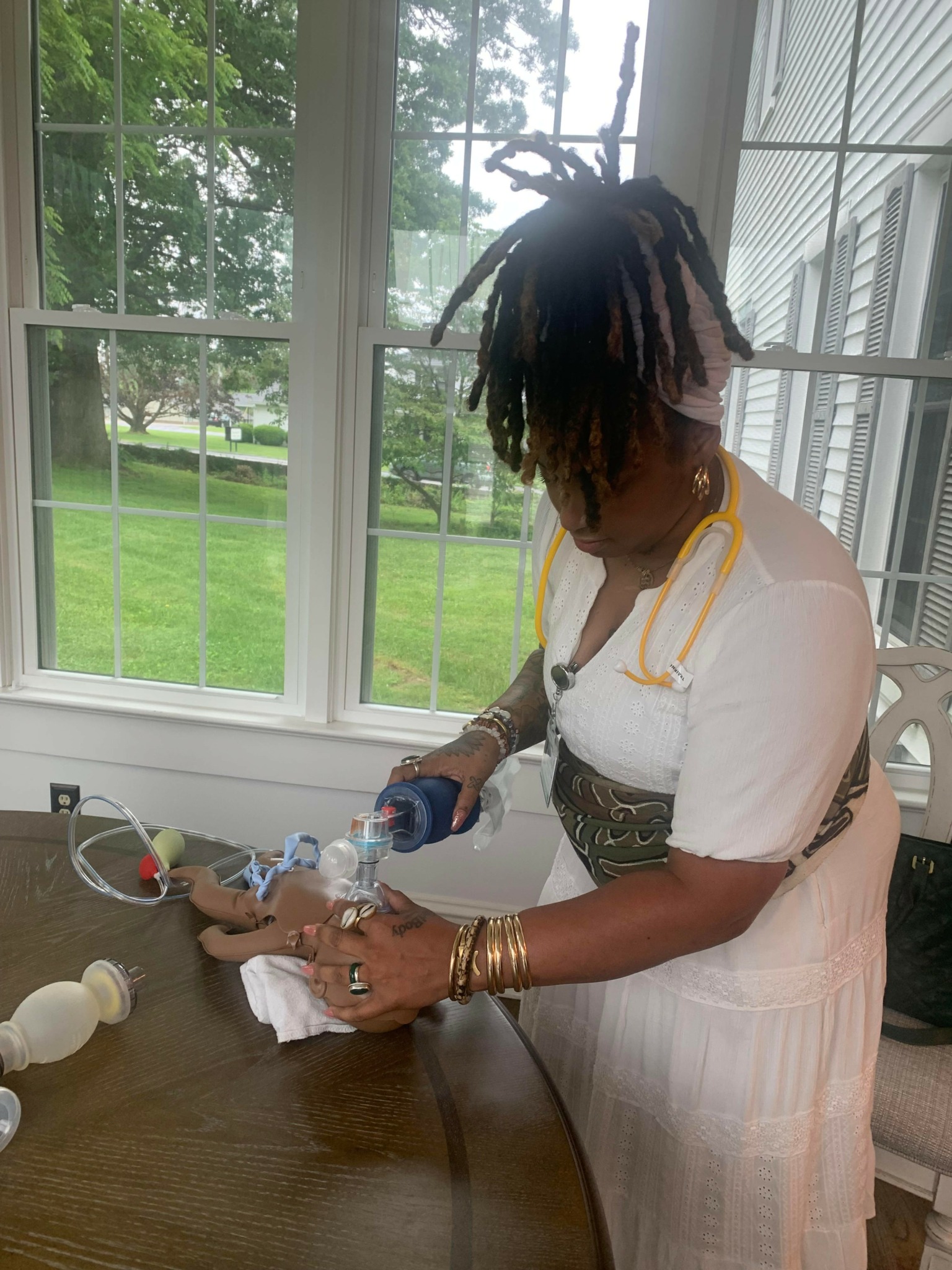
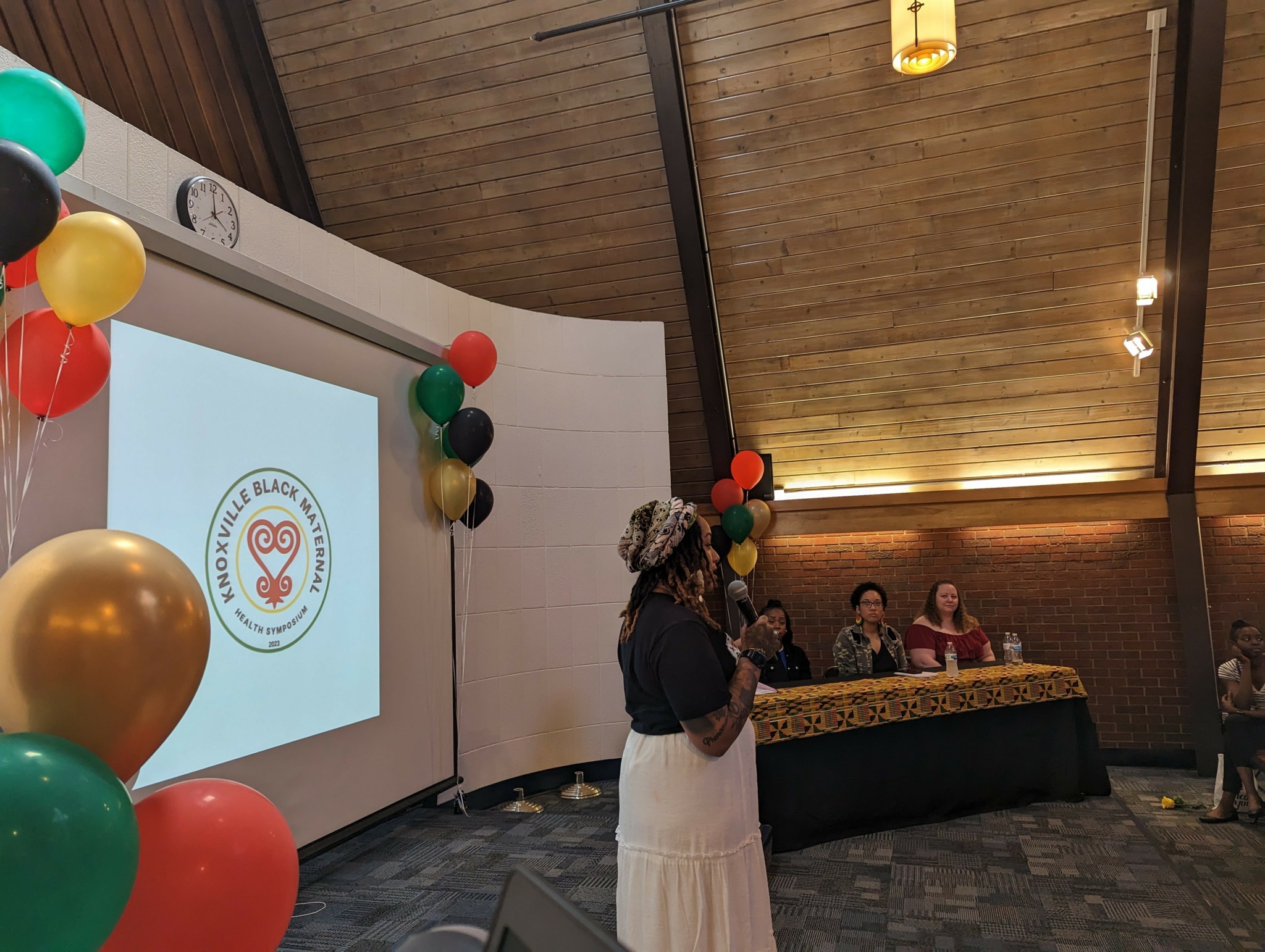
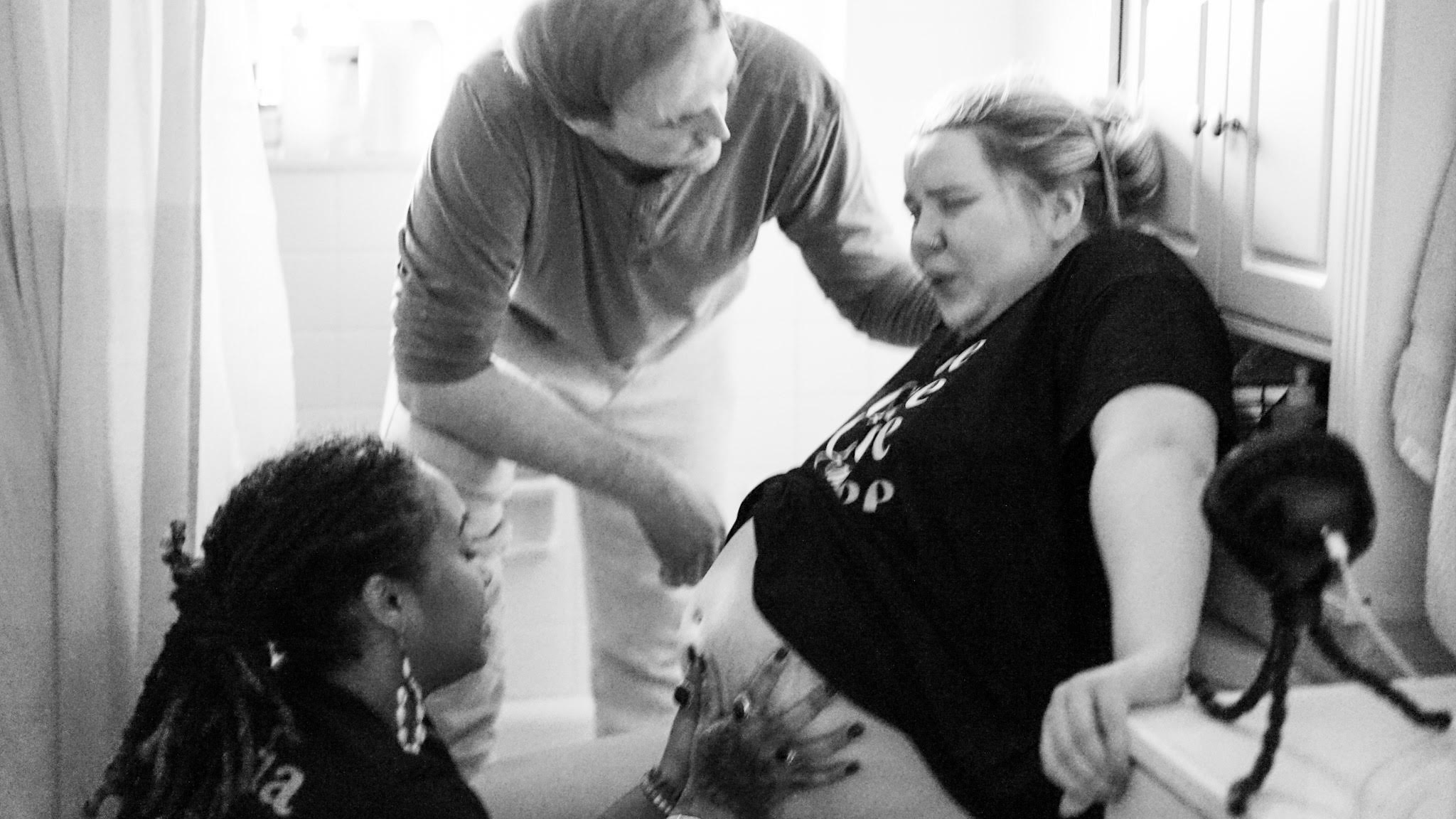
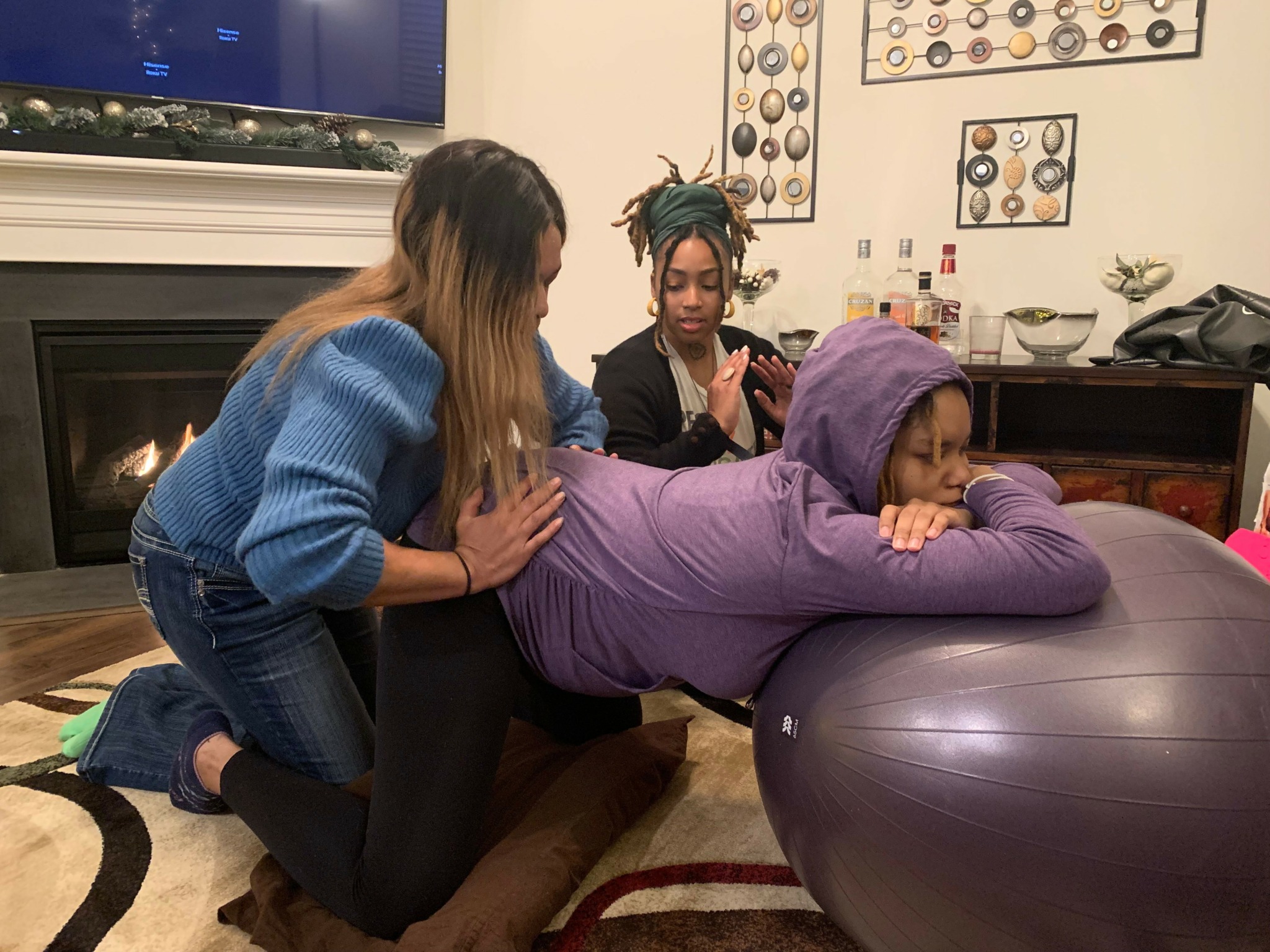

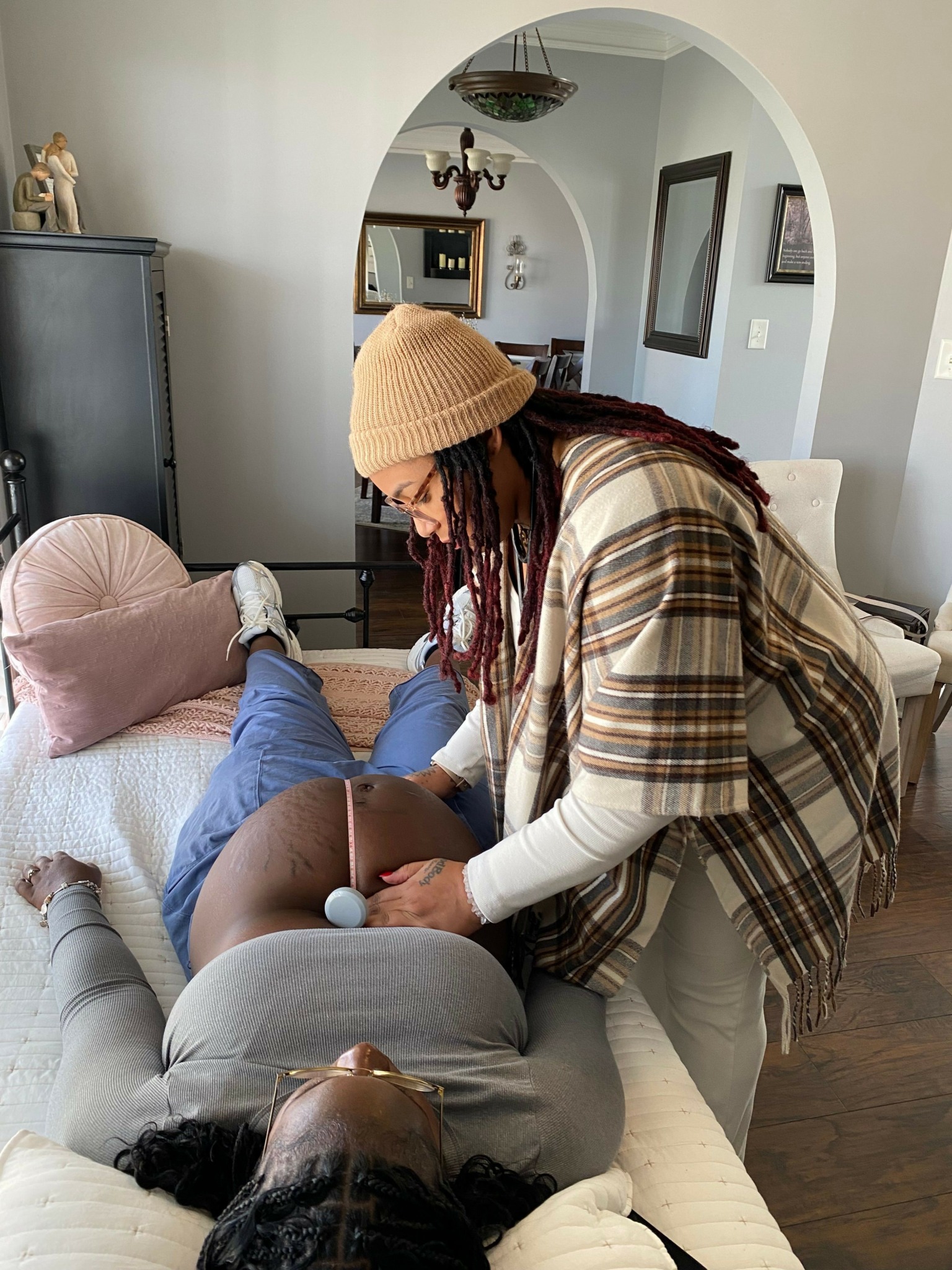
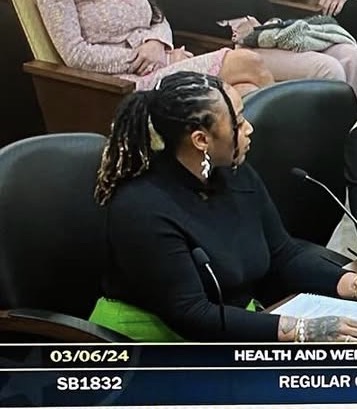
Image Credits
(Life moments photography) & (Awsnapshots)