

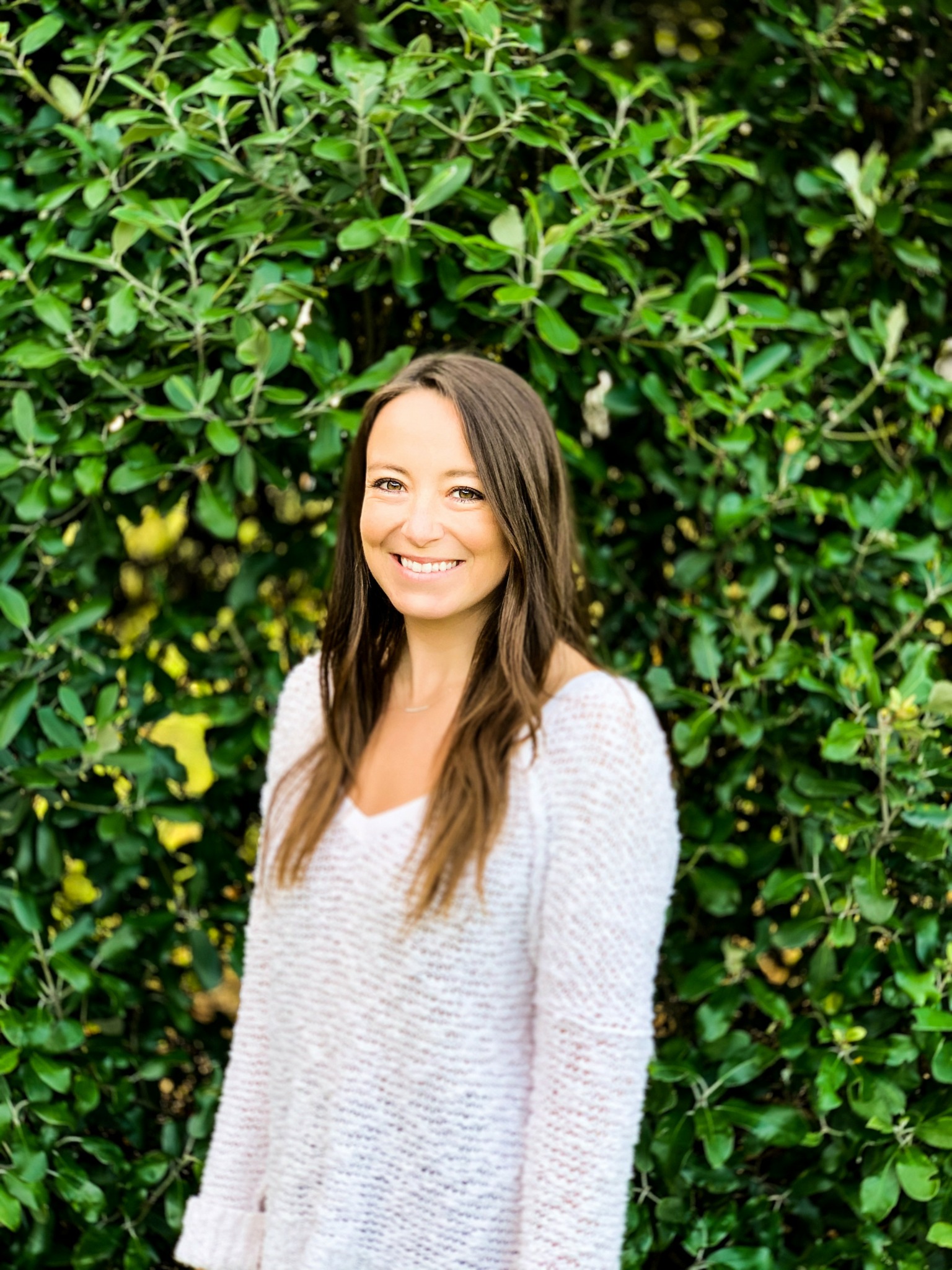

Alright – so today we’ve got the honor of introducing you to Alexandria Hays. We think you’ll enjoy our conversation, we’ve shared it below.
Alexandria, thanks for taking the time to share your stories with us today Was there a defining moment in your professional career? A moment that changed the trajectory of your career?
There was a pivotal moment in my career when I realized that healing wasn’t just about understanding the mind; it was about listening to the body. I had spent years in traditional talk therapy training, learning tools to help people process their stories and emotions cognitively. But it wasn’t until I experienced my own season of deep grief and heartbreak that I truly understood how vital it was to feel (not just think) our way through pain. It was when I experienced emotional release through movement, breath, and sound that something clicked: healing is a full-body experience.
That experience led me to pursue additional training in somatic modalities, such as yoga and dance, as well as trauma-informed approaches like IFS (Internal Family Systems), polyvagal theory and attachment work. I began weaving these into my work as a therapist and coach, and I witnessed clients begin to move through stuck patterns with more ease, depth, and self-compassion. That shift in perspective – from “talking about it” to “feeling through it” – changed the entire trajectory of my practice.
It taught me that our bodies remember what our minds try to forget, and that when we include the body in the healing process, we create space for profound transformation.

Alexandria, before we move on to more of these sorts of questions, can you take some time to bring our readers up to speed on you and what you do?
I’m a trauma-informed therapist, somatic coach, yoga teacher, and retreat facilitator dedicated to helping individuals reconnect with their bodies, regulate their nervous systems, and come home to themselves. My practice blends traditional therapy with embodiment tools such as breath-work, intuitive movement, parts work (IFS), polyvagal-informed techniques, and the SAH (Somatic Activated Healing) Method™ — a powerful modality for emotional release through breath-work, movement, mediation, mantra, and ecstatic dance.
After years of working in the mental health field, I realized that talk therapy alone often isn’t enough; especially for those carrying trauma in the body. It was through my own personal journey of grief and heartbreak that I discovered the transformative power of somatics. I learned that healing isn’t something we can simply think our way into; it’s something we feel and move through.
Through yoga and the SAH Method (a blend of breath work, mantra, meditation, movement, and dance) I began to process emotions that had been frozen for years. The practice helped me move from intellectualizing my pain to embodying my healing, reconnecting me to my joy, intuition, and strength.
One of the hardest things I’ve ever learned to do was feel safe in my body. Now, I integrate my background in counseling, trauma-informed care, and somatic practices to help others do the same. My approach bridges the clinical and the spiritual by guiding people to release stored emotion, regulate their nervous systems, and remember their wholeness.
Whether in private sessions or retreat settings, I hold a compassionate space where movement becomes medicine. Each breath, beat, and gesture is an invitation to return home — to safety, to self, and to love.
My intention is to help others not just survive their stories, but move through them with grace and courage one breath, one beat, and one dance at a time.
What sets my work apart is the way I integrate mind-body-spirit healing and honor each person’s unique inner landscape. Whether we’re working together in a session or sharing sacred space on retreat, my intention is to help you access your own wisdom, move energy that’s been stuck, and experience a felt sense of wholeness.
Putting training and knowledge aside, what else do you think really matters in terms of succeeding in your field?
In the mental health and healing space, I believe it’s essential to always remain a student. This field is constantly evolving, and so are we as individuals. But I’ve learned that it’s not about endlessly collecting certifications or checking boxes; it’s about engaging with material that genuinely lights you up and resonates with your own healing journey.
I only teach and share practices that I’ve embodied myself; ones I’ve moved through, tested, and found meaning in. Clients don’t need someone who knows everything. They need someone who is grounded, present, and real. When you’re honest about what’s worked for you, when you’re still learning, and when something doesn’t feel aligned; that authenticity is what creates trust and transformation.
So yes, stay curious, take trainings, and learn all you can, but do it from a place of inspiration, not obligation. Follow what calls to you and share from that place. That’s where real impact lives.
Success in this field comes from being deeply attuned to yourself and your clients, and that means building trust through honesty, presence, and humility. Rather than trying to “fix” or perform, I meet people where they are and offer what I can genuinely stand behind. That kind of realness builds connection, safety, and transformation. This work isn’t about having all the answers. It’s about creating space for people to access their own. That only happens when you’re rooted in your truth.
Any advice for growing your clientele? What’s been most effective for you?
Honestly, the most effective strategy has been word of mouth…plain and simple. I’ve found that when you’re deeply embodied in your work and truly live what you offer, people feel that and naturally refer others your way. I’ve grown my practice not through ads or flashy marketing, but through relationships with clients, peers, and community.
I love reaching out to other therapists, coaches, and practitioners just to connect; sometimes for lunch, coffee, or co-working. We all need a network of trusted referrals, especially when we each specialize in something different. It’s also important to have a circle of peers to lean on, to consult with, or be in supervision groups with.
What’s helped me most is staying authentic, being visible in ways that feel natural (like social media, retreats, or workshops), and keeping my focus on service and relationship over strategy. People find you when your presence speaks for itself.
Contact Info:
- Website: https://www.alexandriahays.com/
- Instagram: https://www.instagram.com/mindgarden_therapy?utm_source=ig_web_button_share_sheet&igsh=ZDNlZDc0MzIxNw==