

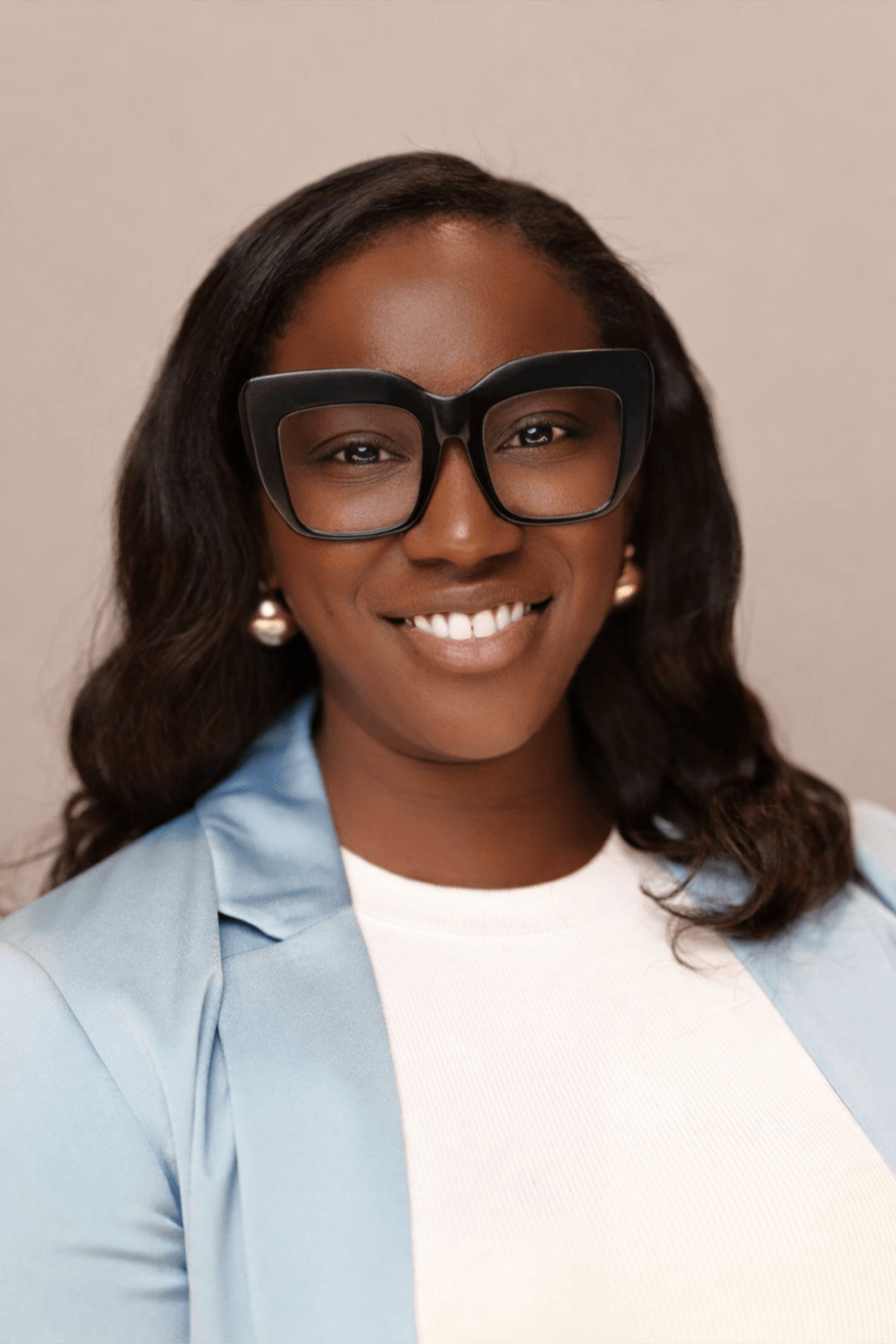

We’re excited to introduce you to the always interesting and insightful Alexandria Barnes. We hope you’ll enjoy our conversation with Alexandria below.
Alexandria, thanks for taking the time to share your stories with us today We’d love to have you retell us the story behind how you came up with the idea for your business, I think our audience would really enjoy hearing the backstory.
The idea came from two former government colleagues who retired and asked me to help them brand themselves. I was genuinely surprised they would pay me for it. But I delivered, and watching them use the work immediately is what told me this was real.
What made it emotional is that the idea found me at one of the hardest moments of my career. In late spring 2025, I left my director role on my own terms, but not necessarily on my own timeline. It was painful. I grieved for months. I was applying for private sector jobs while trying to figure out what came next. And in the middle of all of that, these two colleagues showed up and reminded me what I was actually worth.
The confidence to call it a business came from knowing what I had built over nearly 15 years. I produced TV newscasts in Dallas where every word had to land or the audience changed the channel. I communicated during national crises at FEMA, the FDA, and the Federal Highway Administration, knowing the wrong words had real consequences. I had done narrative work at scale, for millions of viewers and at the highest levels of government. That is not something that gets replicated easily.
What excited me most was the gap I kept seeing. Founders, mission-driven organizations, and purpose-led brands who knew their message matters but have no infrastructure around them to shape it. Not many people are doing this work at the level I bring it, especially in a world where everyone is asking “how are you different than AI?” My answer is that I listen for what someone says in passing and tell them, stop. That is your headline. That is your narrative. That is the problem AB Narrative Studio exists to solve.
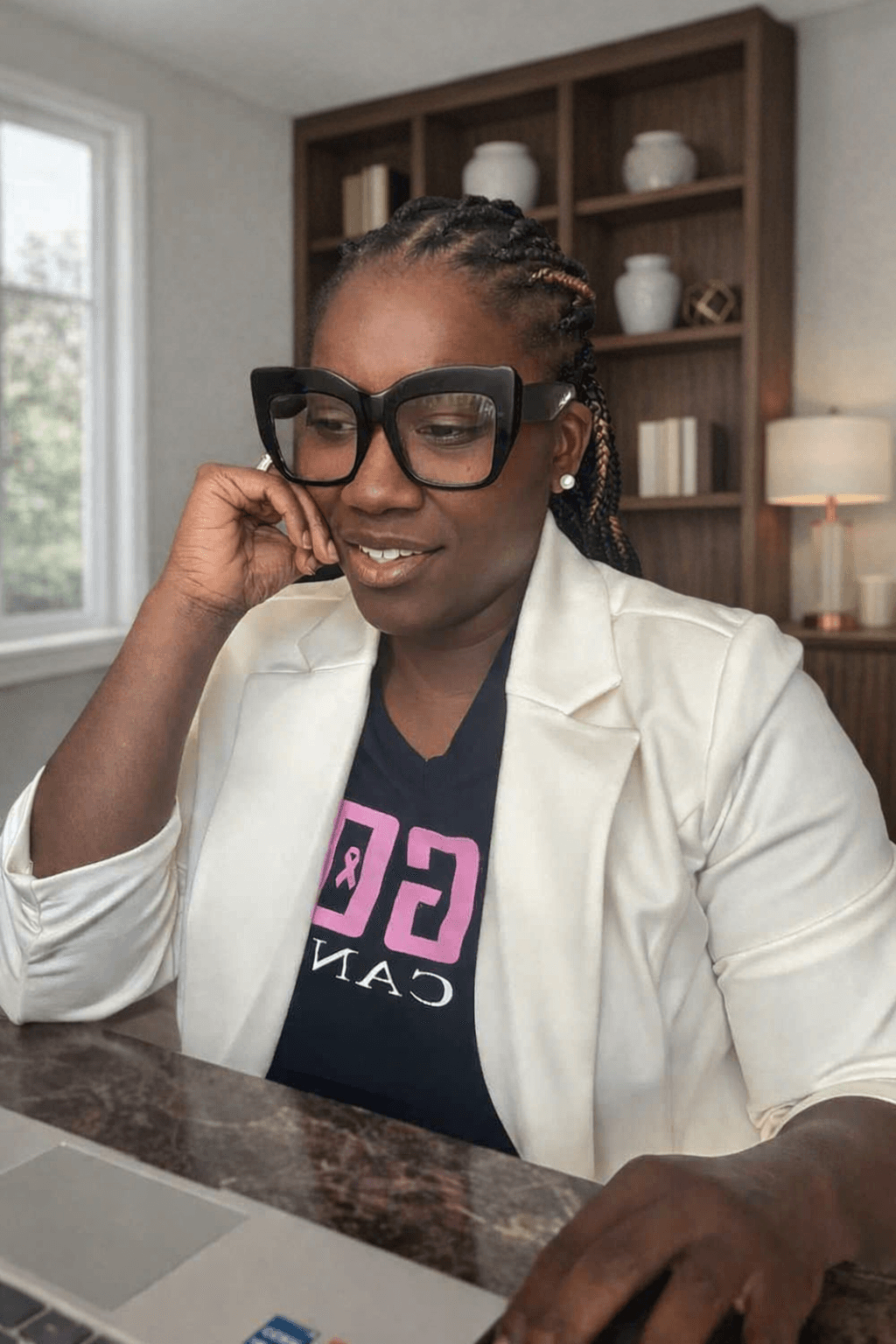
Alexandria, before we move on to more of these sorts of questions, can you take some time to bring our readers up to speed on you and what you do?
I remember sitting at after-school care when I was 8, watching the news and saying out loud that I wanted to work in a newsroom. I held onto that through college, where I originally planned to be in front of the camera as a news anchor or meteorologist. One afternoon, while writing a sports script for my school’s basketball game, someone told me I should be a producer. She said, “You have a knack for strategizing and planning, and you get to be the lead and in control.” That stuck.
My first job out of college was producing two newscasts a day at a small station in Quincy, IL. The real training came at NBC DFW. I was the youngest producer in the building and always an underdog. Dallas-Fort Worth taught me that writing had to be fast, clear, and errorless. Every time, no exceptions.
Newsrooms burn you out, and I was no different. I bet on myself and applied for a media spokesperson role at FEMA. It turned out to be the best decision I made. The 2017 hurricane season with Harvey, Irma, and Maria put me in front of national media, 12-plus hours a day, seven days a week for months. I understood why reporters wrote the way they did, and it made me more disciplined knowing that communities lost everything in a matter of minutes. The work was humbling and I took it seriously.
I eventually pursued a master’s in strategic communications to understand the science behind messaging and how it shapes an audience’s attention and perception. That deepened everything. I grew into leadership, ran communication programs, and developed a methodology around narrative strategy that became the foundation of AB Narrative Studio.
That methodology is what I bring to clients today. I work with founders, nonprofit executives, and mission-driven leaders who are at a turning point and need their narrative to do real work, on their websites, in their pitches, on stages, and across their brand. My core service builds what I call a Core Narrative Asset, which is not a tagline or a bio. It connects everything they say about themselves and their work.
What sets me apart is the standard I bring. I was trained in environments where the wrong words had consequences. I listen for what clients say in passing and find the line they have been talking around. That is the work AI cannot do.
What I am most proud of is that founders leave with a narrative they actually recognize as themselves. When the narrative is right, it does not have to be rebuilt every time someone asks what you do. That confidence is what I want every client to walk away with.
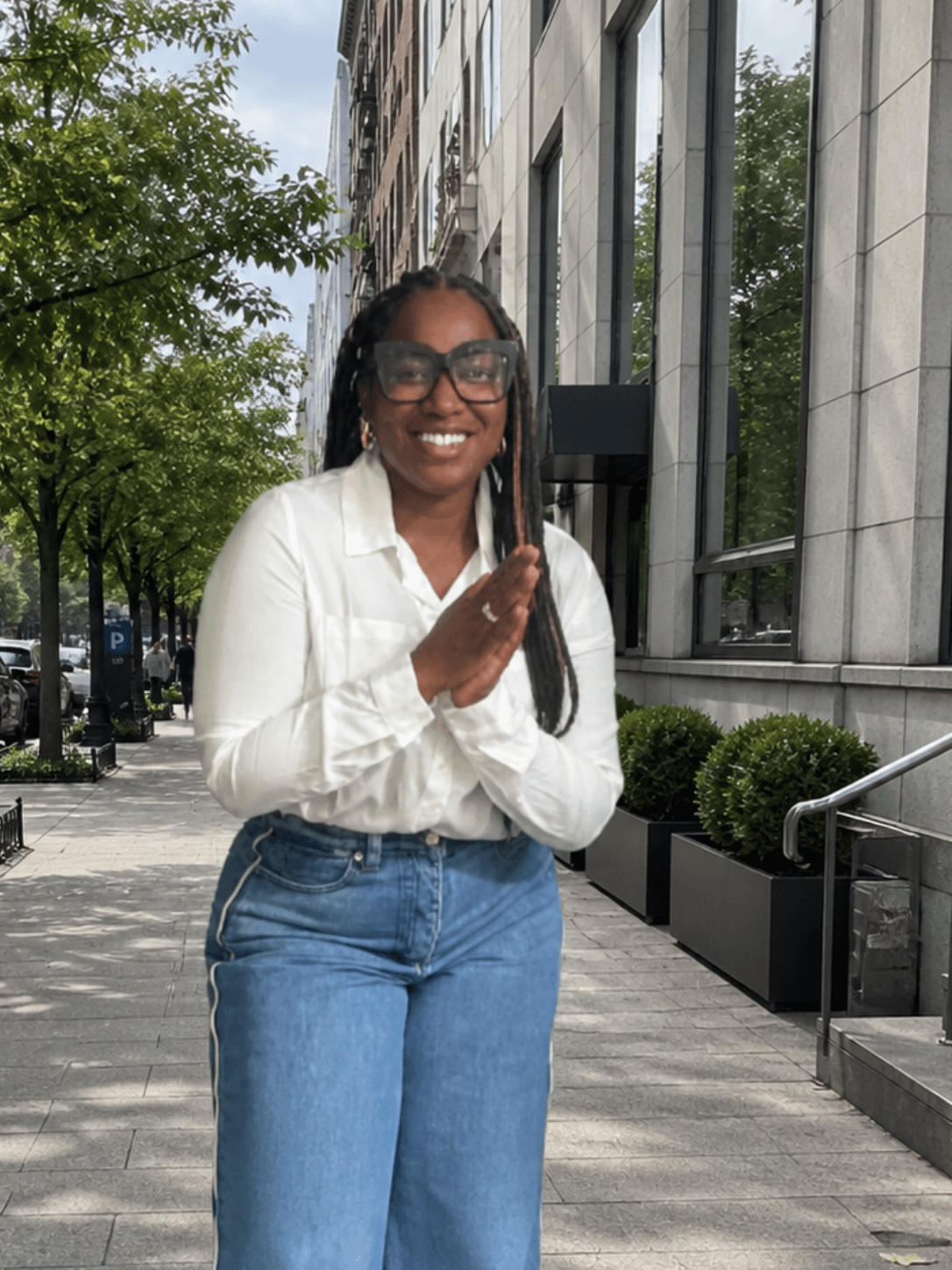
Let’s talk about resilience next – do you have a story you can share with us?
Resilience for me has never been one defining moment. It has been a series of bets I placed on myself when the outcome was not guaranteed.
The first was walking into NBC DFW as the youngest producer in the building. I was an underdog in a market that did not have room for learning on the job. I figured it out anyway, and the standard I built there has never left me.
The second was the 2017 hurricane season. Harvey, Irma, and Maria hit back to back to back, and I was on the ground as a national spokesperson for FEMA. Twelve-plus hours a day, seven days a week, for months. Communities were losing everything right in front of our eyes and I was responsible for making sure the public had the right information at the right moment. There was no margin for error when working with messaging and narratives, and I could not slow down.
The third was leaving my director role in 2025. It was my decision, but that does not mean it was easy or felt fair. I grieved. I questioned. I applied for jobs while trying to convince myself I was fine. And then two former colleagues reminded me what I was worth by simply asking me for help.
That is when AB Narrative Studio started to become real.
Every one of those moments required me to trust something I could not fully see yet. That is still how I operate as a founder today. The work is not always certain, but the standard I hold never changes.
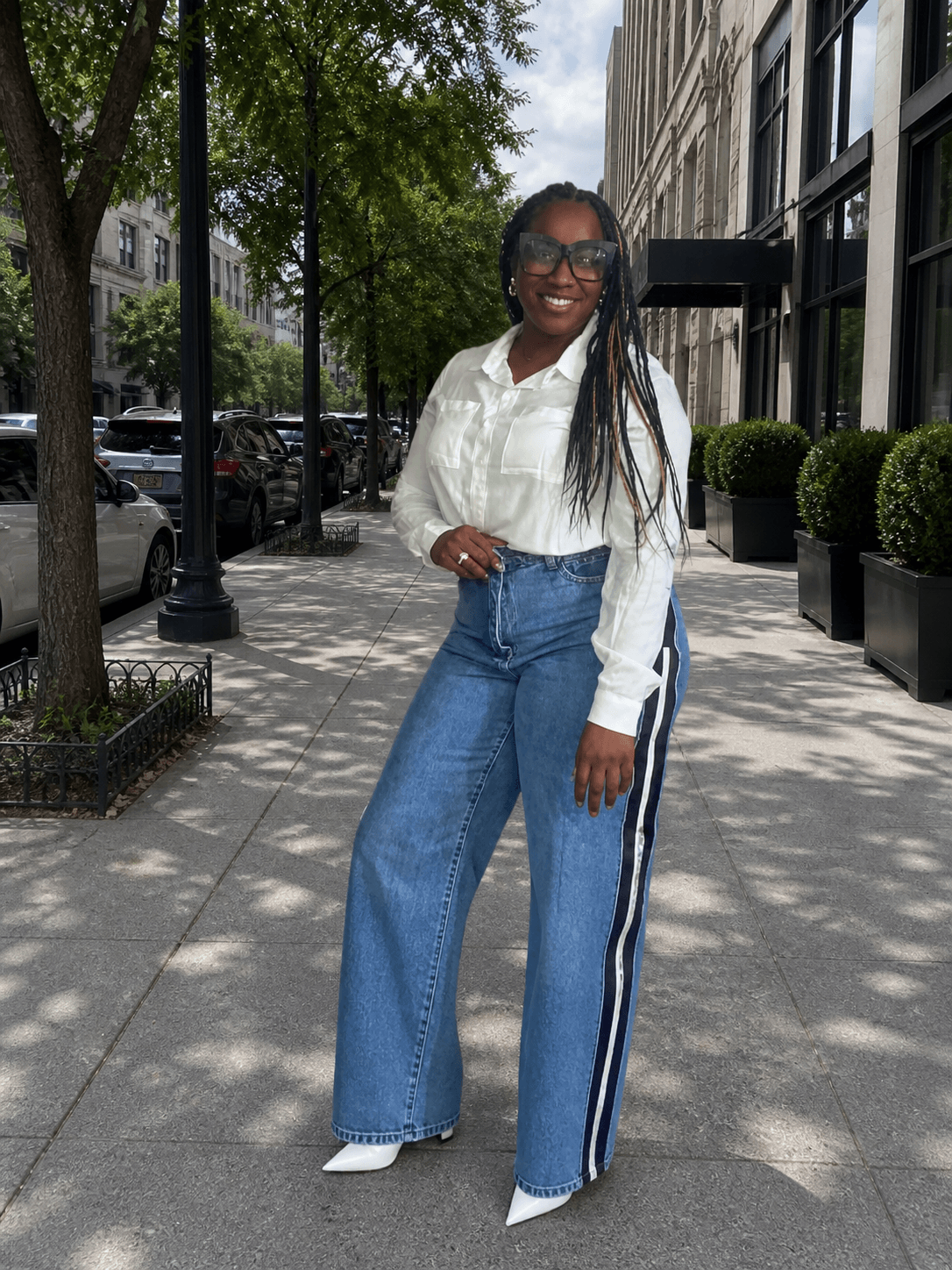
We often hear about learning lessons – but just as important is unlearning lessons. Have you ever had to unlearn a lesson?
I had to unlearn what I thought was my own narrative.
When I ran my first pilot program for AB Narrative Studio, I poured everything into my clients. I made sure each founder left with an authentic core narrative ready to use when pitching, on their websites, in podcast bios, everywhere. I was thorough, intentional, and proud of what they walked away with.
But I was so focused on delivering for them that I never stopped to do the same work for myself. I was using a version of me that was not ready to scale with me. And when it came time to sell my own services, I felt it. The words did not come as easily as they should have for someone who does this for a living. That was humbling.
The irony is not lost on me. I built a business around helping people find their true narrative, and I had been avoiding my own. I think part of it was fear. When you are the founder, your narrative is personal in a way a client’s is not. Getting it wrong feels like getting yourself wrong.
Once I did the work on myself, everything shifted. Talking about my services, my why, and my goals started to feel natural instead of forced.
The lesson is simple: do not be afraid to be your own case study. You will learn more about yourself as a founder than you expect. And whatever you are asking your clients to trust you with, make sure you have done it for yourself first.
Contact Info:
- Website: https://www.abnarrativestudio.com/
- Linkedin: https://www.linkedin.com/in/alexandria-barnes1/
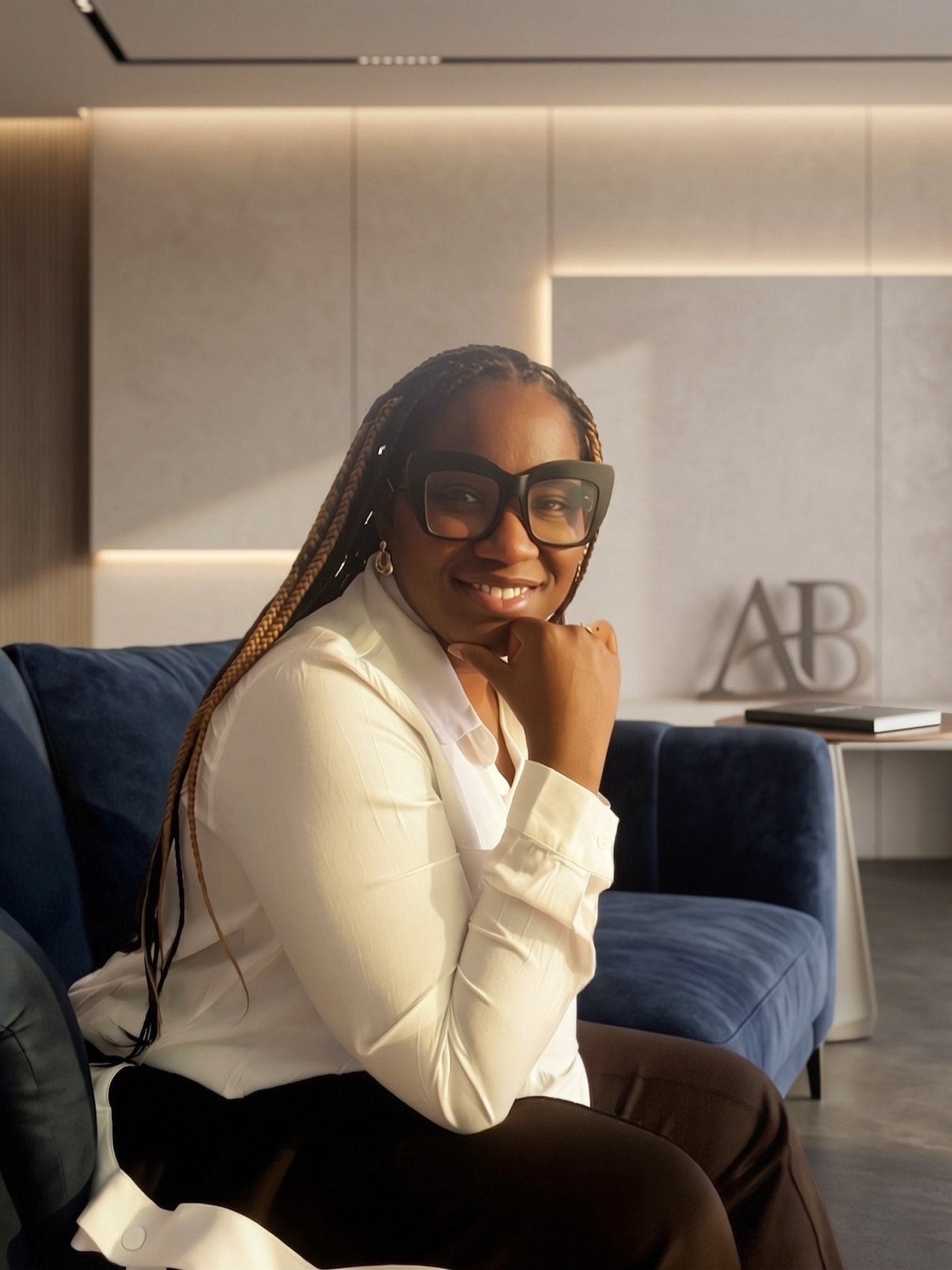
Image Credits
Alexandria Barnes