

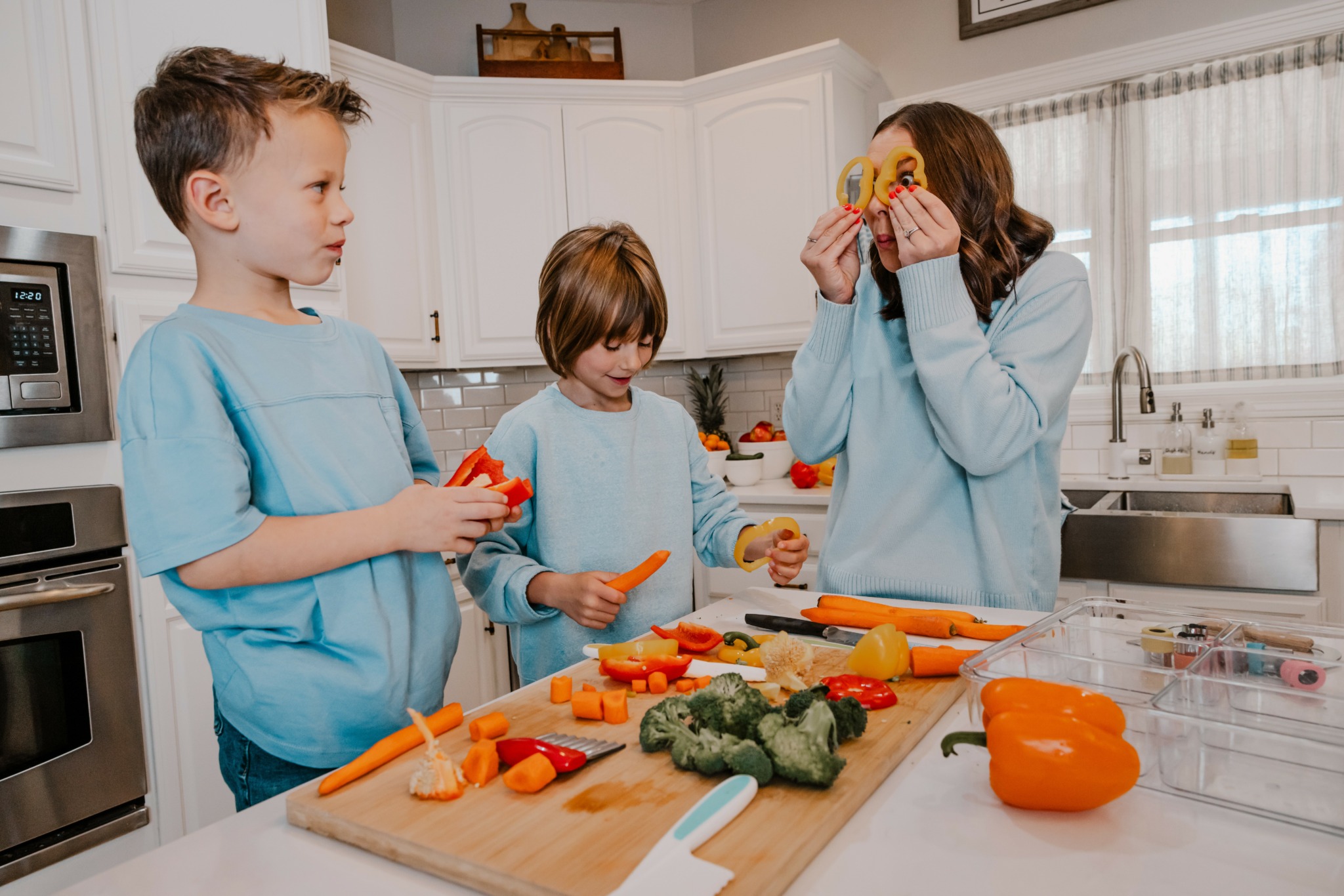

We were lucky to catch up with Alexandra Turnbull recently and have shared our conversation below.
Alright, Alexandra thanks for taking the time to share your stories and insights with us today. We’d love to hear about how you went about setting up your own practice and if you have any advice for professionals who might be considering starting their own?
I started my career as a brand-new RD in long-term care, just excited to land a job right out of my internship. But once I got started, I quickly realized it wasn’t the right fit—I lasted six months before moving on. Eventually, I found my way into school food service at a public school in Minnesota. I loved the work, but I always felt a little stuck—wanting to make changes without needing approval, a budget, or fighting constant pushback.
During that time, I started my family, which naturally took priority, though I kept working. I also had this creative itch and wanted to make a bigger impact, so I randomly started an Instagram account (originally realistic.dietitian.mommy, now thefamilynutritionist), sharing my daughter’s baby-led weaning journey—back when Instagram was just grainy, over-filtered graphics.
To my surprise, people loved it. The questions poured in about starting solids, and I remember thinking, Wait… could this actually be a career? Then a brand reached out to collaborate, and it hit me—I could get paid for this.
For five years, I juggled a full-time job with late nights and nap-time hustle, building my content and brand. Eventually, I hit a crossroads: keep my stable, predictable job or take the leap into social media full-time. I couldn’t sustain both. What pushed me wasn’t just the potential income, but the flexibility—more time with my kids, more freedom to do work I truly loved.
Running your own business, especially one built on social media, isn’t the most predictable path. But it’s opened so many doors, allowing me to position myself as an expert in child nutrition in ways I never could have imagined.
When I decided to step away from my role in school food service, I faced several big challenges. First, there was the fear of failure. Leaving behind a stable job was nerve-wracking, and the uncertainty was tough to handle. I also had to deal with inconsistent income, since I didn’t have a regular paycheck anymore. Sometimes it was months before I received payment for a project, which made budgeting tricky. Health insurance was another concern, as we were covered under my full-time job, and switching to a less ideal plan wasn’t exactly comforting. Then there was the accounting side of running my own business, which, honestly, is not my strong suit. And of course, staying productive while working from home was a real struggle at first. It was hard to find the balance and stay focused without the structure of an office.
I’m a big dreamer, always looking for the positive and what’s possible, but while my husband was supportive of my decision to make the switch, it took a little longer for him to believe it was a real thing. He’s extremely practical and thrives on predictability, so the leap into the unknown was a tough sell at first.
And let’s be honest—my business is far from perfect. It’s not run without faults or mistakes, and there have definitely been bumps along the way. But through every challenge and misstep, I’ve learned, adapted, and grown. It’s all part of the journey.
As always, we appreciate you sharing your insights and we’ve got a few more questions for you, but before we get to all of that can you take a minute to introduce yourself and give our readers some of your back background and context?
I’m a pediatric dietitian and mom who started my career in school food service—a role I loved because I was able to make a real impact by improving programs and helping students try new foods. But my journey took an unexpected turn when I started my own family. As my daughter began eating solids, I naturally shared our experiences, and I quickly realized that so many parents had the same questions: How do I introduce solids? What should I offer? How do I make mealtimes less stressful?
That’s when my side hustle in social media began. At the time, I was still working full-time, so I created content after my kids went to bed and during nap times on the weekends—juggling motherhood, my career, and this growing passion for helping parents navigate feeding their kids. I set a goal for myself: by the time my daughter started kindergarten, I had to make a decision—continue my full-time position or take the leap and pursue my own thing full-time. It was a huge risk to walk away from a steady paycheck, but I had built something that was making an impact, and I knew I could make it work. So, I took the leap.
Now, I help families feel confident in feeding their kids, whether it’s navigating picky eating, understanding nutrition labels, or figuring out what’s actually worth stressing over (spoiler: not as much as diet culture makes you think).
What sets me apart? I focus on nutrition by addition, not restriction. I believe in making feeding kids easier, not harder. And I bring a realistic, mom-first approach—because I know firsthand that parenting is messy, and mealtimes don’t have to be perfect to be nourishing.
I work with brands that align with my philosophy, create resources that make parents’ lives easier, and share content that’s both educational and entertaining. My proudest accomplishment? Building a space where parents feel reassured, not judged.
At the end of the day, I want families to know that feeding kids doesn’t have to be complicated. My goal is to make nutrition approachable, practical, and—dare I say—fun.
Training and knowledge matter of course, but beyond that what do you think matters most in terms of succeeding in your field?
In the social media world, I believe success comes from the ability to listen rather than react. With so many opinions and feedback circulating, it’s important to take the time to understand where people are coming from. Criticism, rather than being discouraging, should be seen as an opportunity to improve, clarify, or better connect. I also believe it’s important to let yourself feel uncomfortable at times because without that discomfort, there’s no growth. Instead of defending my position, I focus on using feedback to grow and communicate more effectively. Building trust and understanding is key to thriving in this space.

Let’s talk about resilience next – do you have a story you can share with us?
My journey has been full of moments where resilience was tested—especially when it comes to dealing with trolls, unkind comments, or criticism on social media. It’s not always just one instance, but many small challenges that can add up over time. Whether it’s a harsh comment on a post or someone questioning my approach, there have been plenty of times where I could have easily reacted emotionally. Instead, I’ve learned to take a breath, reflect, and respond thoughtfully, knowing that how I handle criticism can set the tone for my community.
What’s been powerful is realizing that you never know who’s watching. By staying calm and maintaining a positive, professional demeanor, I’ve been able to turn these uncomfortable situations into opportunities to model resilience for others. In fact, I’ve had many people comment on how much they appreciate how I handle criticism with grace and dignity, rather than responding with hate or humor. But honestly, there are also times when you just have to let it go and move on—it’s simply not worth the fight. Sometimes, choosing peace over engagement is the most resilient thing you can do. It’s not always easy, but it’s through these moments that I’ve grown and been reminded that staying true to my values and message is what matters most.
Contact Info:
- Website: https://www.myfamilynutritionist.com
- Instagram: https://www.instagram.com/thefamilynutritionist
- Linkedin: https://www.linkedin.com/in/alexandra-turnbull/
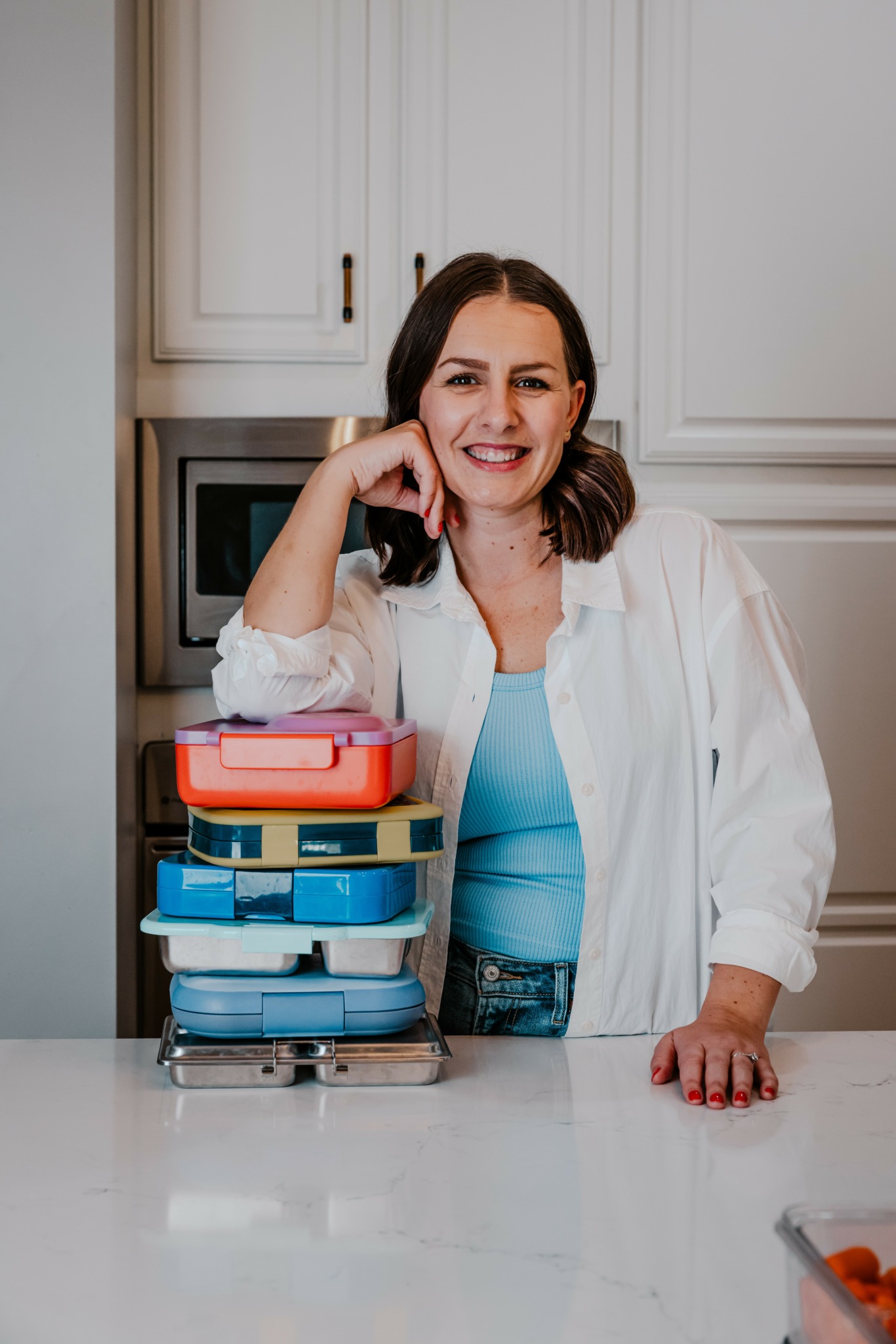
Image Credits
Ashley Moyna Schwickert – Studio Moyna