

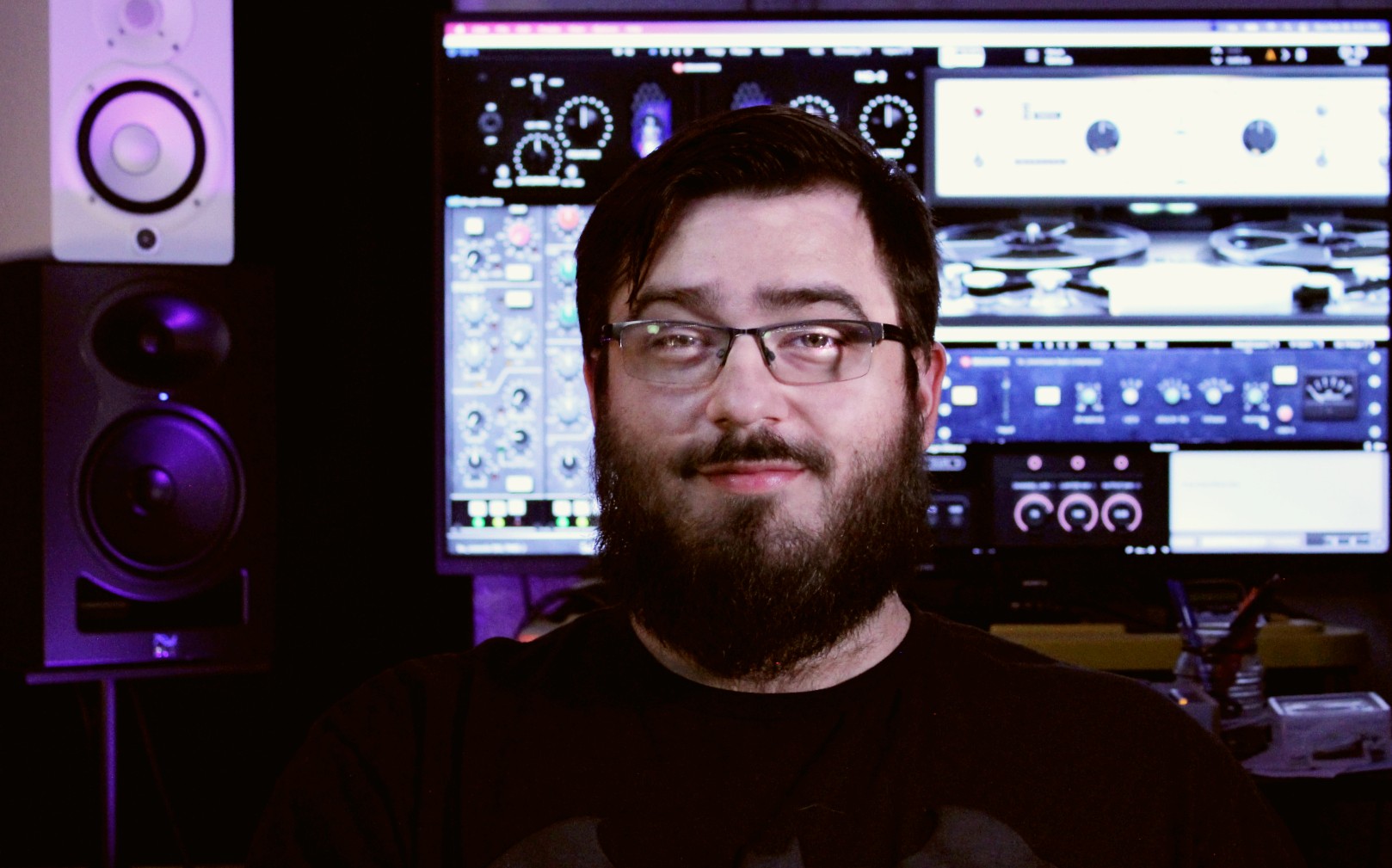

We caught up with the brilliant and insightful Alek Hand a few weeks ago and have shared our conversation below.
Alright, Alek thanks for taking the time to share your stories and insights with us today. Earning a full time living from one’s creative career can be incredibly difficult. Have you been able to do so and if so, can you share some of the key parts of your journey and any important advice or lessons that might help creatives who haven’t been able to yet?
Earning a living from creativity is possible, but difficult. A lot of great artists have said that art and business are mutually exclusive, and it can feel that way sometimes. Creating something beautiful isnt something you can just buckle down and do, it takes a lot of lucky inspiration, at least in my case, so fitting it onto a calander and into an invoice just isnt easy to do. I think I have been lucky to have a lot of clients that fully understand this central conflict, because they are living it too. It’s essential for anyone in an industry like this to be working for people who understand the nature of it, and can vibe with the unorthodox-looking processes of getting it done. I believe my biggest mistake in the beginning was working for people who didn’t understand the creative process, and wanted to work on music the way you would work on a spreadsheet or a car or something. I think my advice for anyone who wants to make money this way is: make sure your clients know what they are getting into! You are the creative one, you live this every day, but they might not be used to seeing someone that they are paying by the hour spin in a computer chair and blow raspberries for 10 minutes straight before coming up with the next perfect moment in their art.


Alek, love having you share your insights with us. Before we ask you more questions, maybe you can take a moment to introduce yourself to our readers who might have missed our earlier conversations?
I am in the business of making peoples dreams become a reality. This is something I tell myself, not as an inspiring anecdote, but as a literal reminder to inform my mindset every day. I have been making music since I was a kid, and as I progressed in bands and in my limited recording skills I realized that I liked working with outside ideas more than my own. I played the drums in all those bands, and similar to a drummer adding a beat to someones riff, I always wanted to add something to every idea that I heard. I was actually depressed about this for a long while because I, like many, thought that music was produced in a vacuum and that I was responsible for making all my ideas a reality. However, as I grew up I learned that this was actually very uncommon, and that many of the records i loved were made with the help of that mysterious 5th element: the Producer. The role of producer is hard to parse, and changes often, but for me it goes like this: The artist brings the idea for the song and the lyrics, and i as the producer make those ideas recordable. This can include picking the type and tone of the instruments, the type of microphones used to record them, the place they are recorded in, the execution of the arrangement of the song, and the type of effects used on the various elements. In my case I am also usually the recording engineer and the mixing/mastering engineer, so the song stays in my care throughout the entire process until release. This allows me to stay in super close collaboration with the artist as we chip away at the rough outline of the song, until it is perfectly shaped and polished and ready for the public.


Can you tell us about a time you’ve had to pivot?
When i was initially starting out a few years ago, I was approached by an investor who wanted to help me build a studio. For those of us who work in this industry a lot, having a “real” studio is a very exciting prospect. Most of us have home studios, but a dedicated, multi-room space with all the gear and acoustic isolation to make records in is a very big deal. I was a broke graduate of audio school with 5 clients and less than $2000/mo in revenue. I took the risk. Initially it was very exciting, I puased all my projects and i spent months working without pay to get the studio built and set up to make this dream a reality! However, like I said in my previous answer, the creative process is an enigma for most people, and my investor was one of them. We had scheduled a bunch of bands to come record as soon as we opened, but one by one they all had to postpone due to scheduling conflicts or simply not feeling ready to lay down their record yet. Even when bands did come for an initial session, scheduling overdubs and post production work had the same exact issues, especially when it came to creative delays/rewrites. Basically, we spent the first few months with a very empty calendar. I had expected this, but my investor had not, and the balance sheet stated that we had not been successful! He pulled out after about 6 months of being open. On my own again, having not actually made much music for nearly a year, I had to relearn my craft and completely restart my business at that point. I very seriously considered giving it up! Thankfully, I had 1 album on the books to record, and i felt i needed to get that done before quitting outright. I recorded that album and in the process completely reignited my passion for the craft, and found the willpower to build it back up to where I am today! If anyone out there has a craft, and feels like giving up, just do it one more time!
Alright – so here’s a fun one. What do you think about NFTs?
So dumb. However, if anyone wants to pay me a million dollars for a jpeg then I am all for it. I have lots of memes on my phone, take your pick.
Contact Info:
- Website: www.fiascosounds.com
- Instagram: @fiascosounds
- Facebook: Fiasco Sounds ATX
Image Credits
Nicole Montgomery