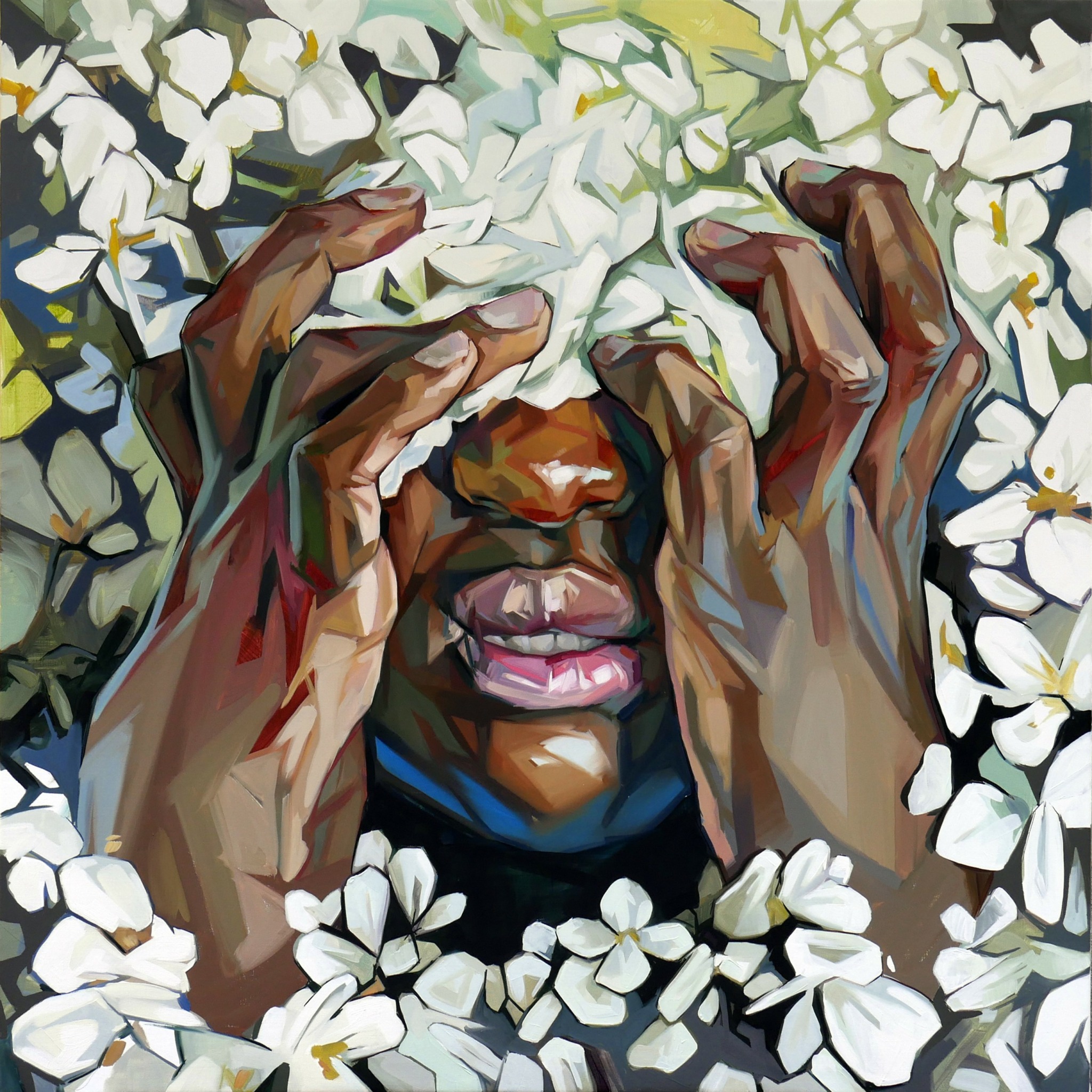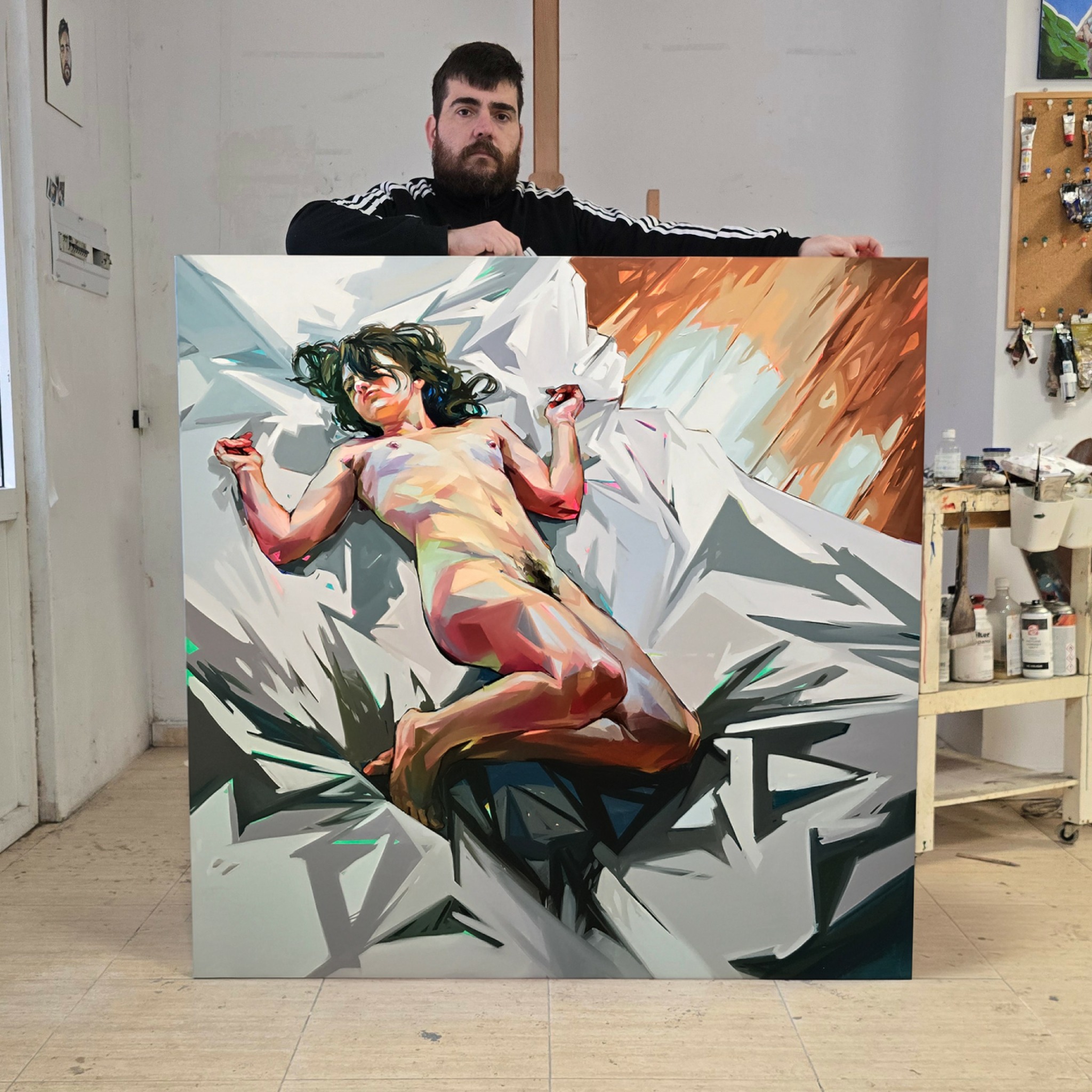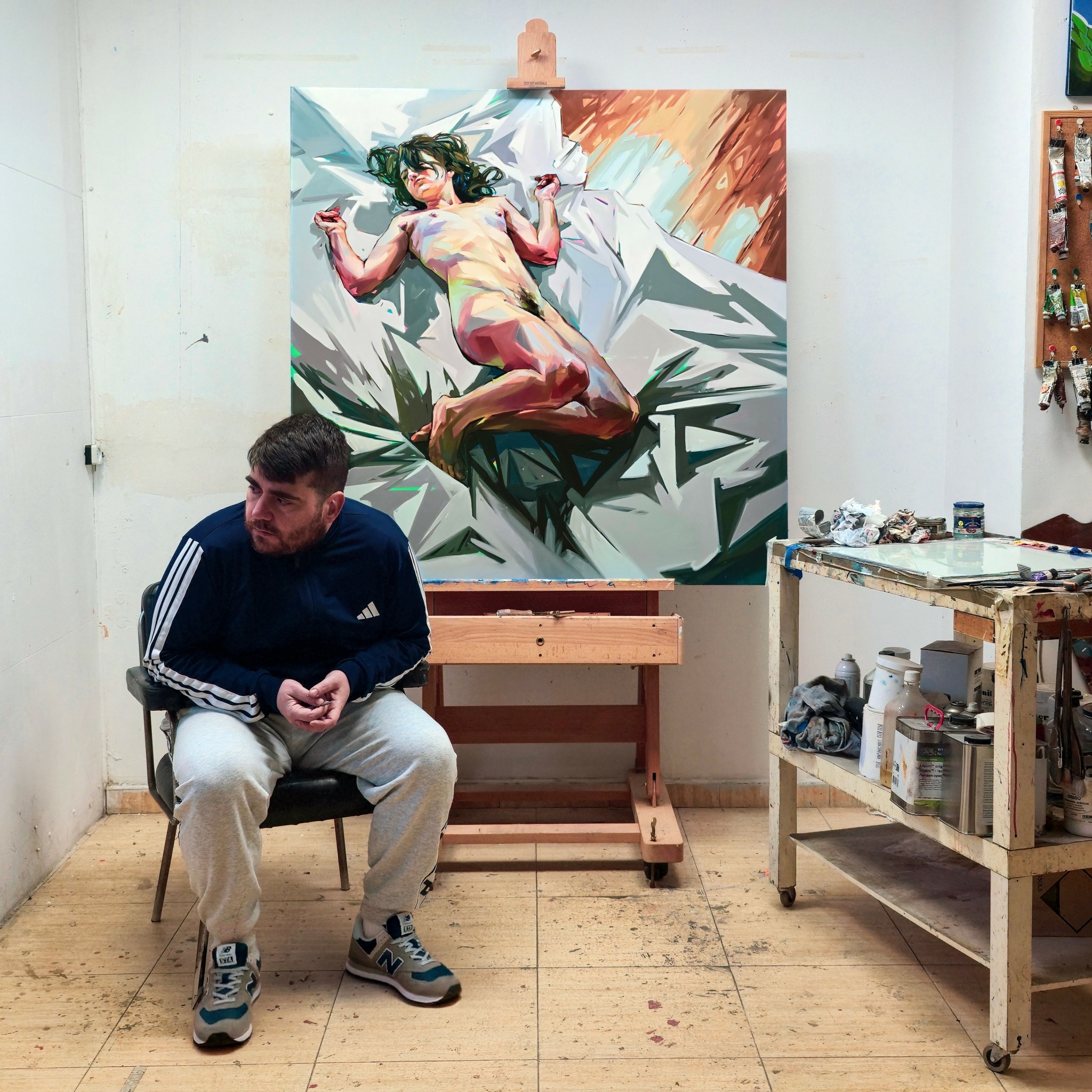

We caught up with the brilliant and insightful Ale Casanova a few weeks ago and have shared our conversation below.
Ale, appreciate you joining us today. Have you been able to earn a full-time living from your creative work? If so, can you walk us through your journey and how you made it happen? Was it like that from day one? If not, what were some of the major steps and milestones and do you think you could have sped up the process somehow knowing what you know now?
Yes, today I’m able to make a living from my work as an artist, but it certainly wasn’t that way from the beginning. And, to be honest, I don’t think there’s ever a precise moment when you can say, “That’s it, I’ve made it.” Most artists live with a certain degree of uncertainty. One month can go very well, and the next you’re not entirely sure what will happen.
For many years I combined painting with other activities connected to art. I’ve taught workshops, written articles, given demonstrations, collaborated with brands, and taken on different kinds of work that allowed me to keep painting. In fact, I still teach a few exclusive painting workshops, both in person and online, to supplement my income. I think that’s completely normal, and it’s something we should normalize more. There’s a romantic idea that a “real” artist should only make money by selling paintings, but the reality is usually far more complex. Most artists build their careers from several sources of income that are connected to their practice.
Probably the most important shift came when I understood that nobody was going to knock on my studio door and discover me. For a long time, like many young artists, I believed that if I worked hard enough, quality alone would speak for itself. Eventually I realized that painting is only one part of the job. You also have to learn how to communicate your work, present it, build relationships with galleries and collectors, and understand how the art market actually functions.
Another important step was moving away from thinking painting by painting and starting to think in terms of projects, series, and longer narratives. That allowed me to connect more deeply with viewers and give greater coherence to my work.
Could I have accelerated the process? Probably. If I could speak to my twenty-year-old self, I’d tell him to learn about business, communication, and sales much earlier. Artists often think those subjects are secondary—or even uncomfortable—but the truth is that they are part of the profession. I’d also tell him to be more patient. For years I felt as if I was always arriving late, and now I realize that many of the delays I worried about were simply part of the journey.
In the end, what allowed me to make a living from my work wasn’t a single breakthrough moment. It was a fairly unromantic combination of discipline, consistency, and time.
A lot of time.
Great, appreciate you sharing that with us. Before we ask you to share more of your insights, can you take a moment to introduce yourself and how you got to where you are today to our readers.
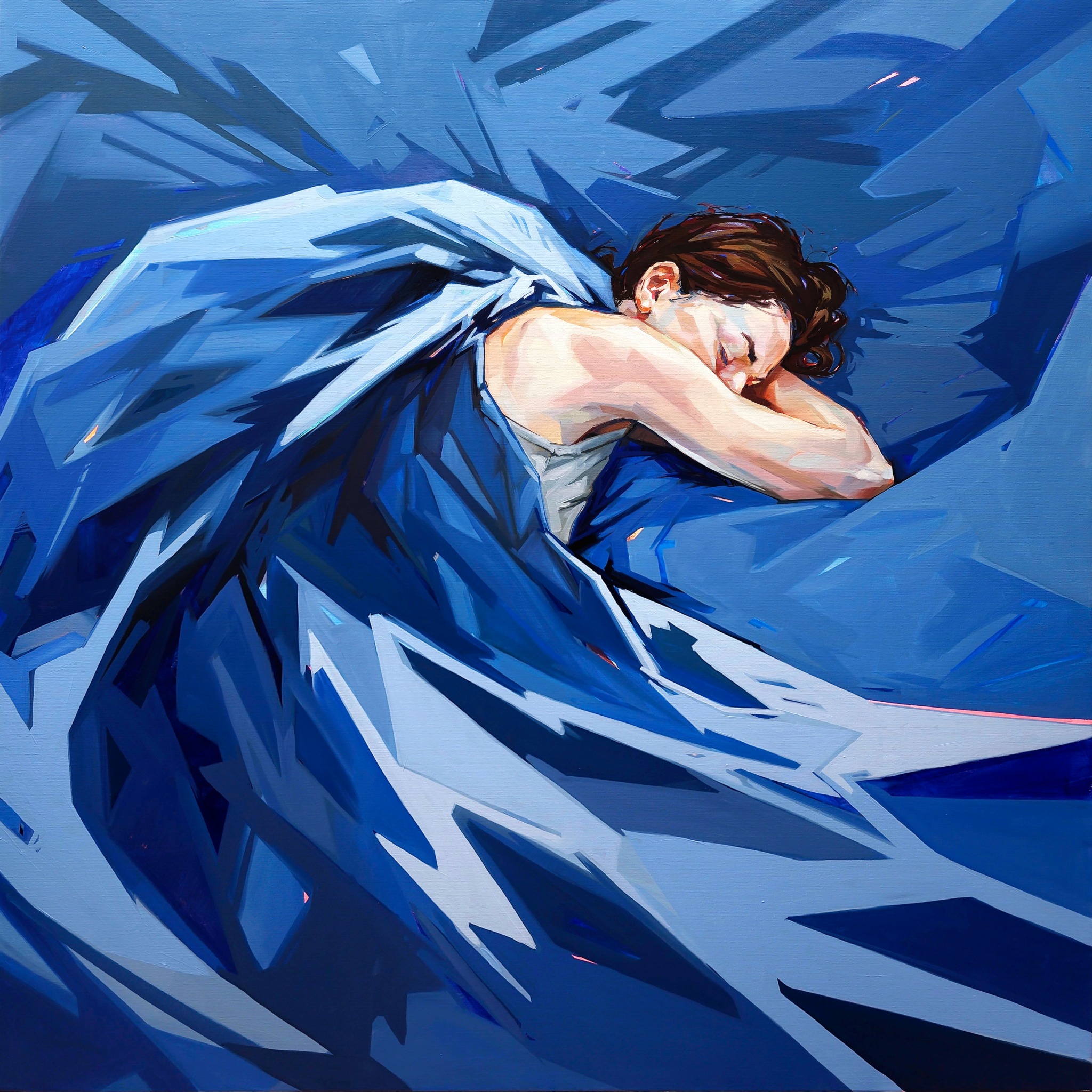
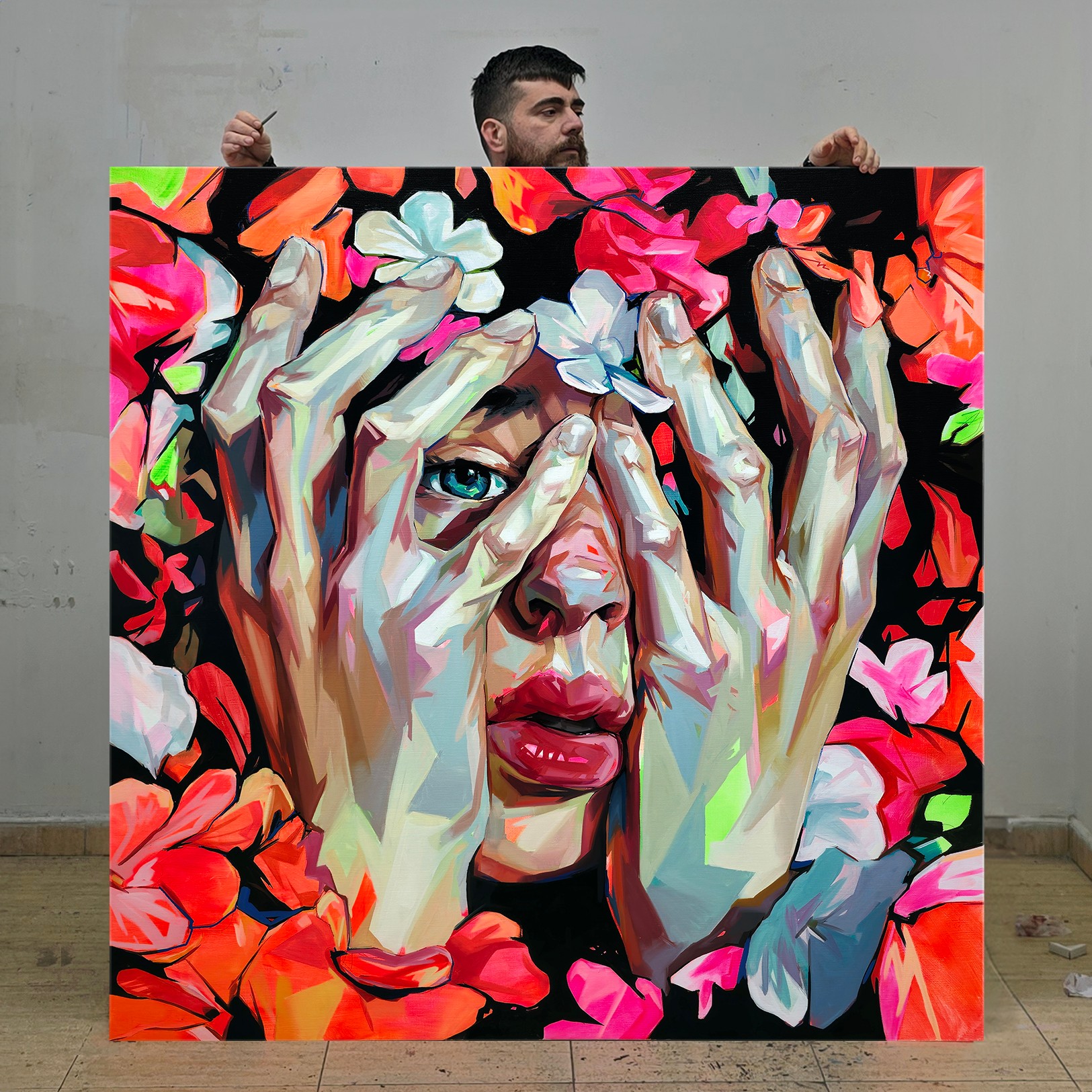
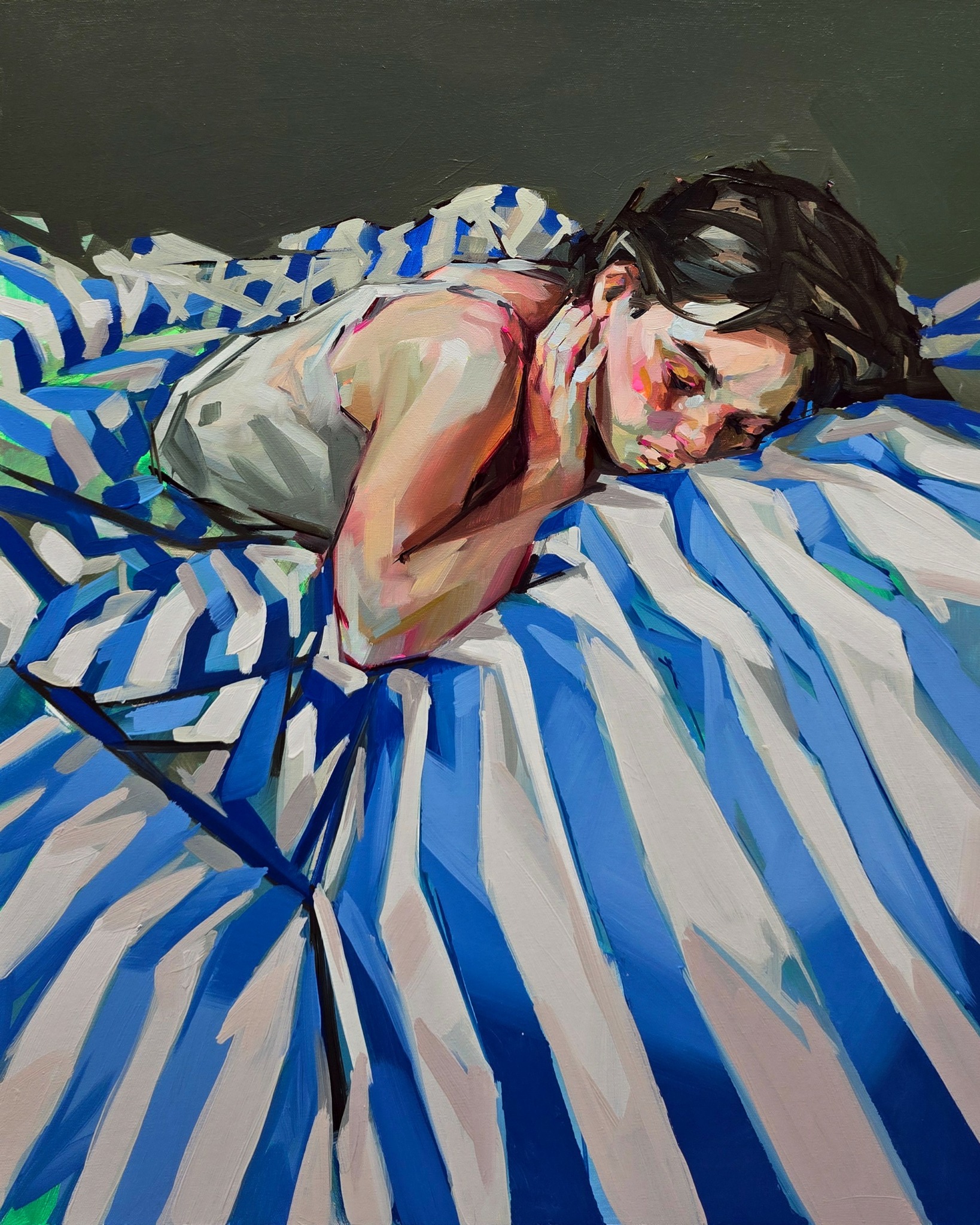
My name is Alejandro Casanova, although most people know me as Ale Casanova. I’m a contemporary figurative painter based in Valencia, Spain. I work primarily in oil and watercolor, and for more than twenty years my work has revolved around the human figure, intimacy, rest, desire, and those small emotional moments that often go unnoticed.
I came to painting in a fairly ordinary way. My older brother drew comics obsessively when we were kids, and I copied everything he did. Later I attended an arts high school, then studied Fine Arts at university, and little by little I made the decision—perhaps a slightly irrational one—to try to build a life around painting. Looking back, it wasn’t a single decision, but many small decisions repeated over the years.
Today, my main activity is creating and selling original paintings to collectors in different countries. From time to time I also teach workshops, write specialist articles, collaborate with art material brands, and take part in exhibitions. Like many artists, my career is supported by several interconnected activities, although painting remains at the centre of everything.
My work doesn’t solve any problem. Nobody needs one of my paintings in a practical sense. What I hope to offer is a moment of recognition. Many of my paintings depict people resting, sleeping, thinking, or simply existing. In a world that constantly demands our attention, productivity, and speed, I believe there is something valuable in being reminded of stillness, vulnerability, and the everyday beauty of being alive.
If there is something that sets me apart, it is probably my interest in combining painting as a craft with emotional content. I care deeply about structure, drawing, colour, and technique, but I’m equally interested in ambiguity, silence, and what remains unsaid. I want the viewer to complete the painting. In fact, what lies outside the frame is often just as important as the figure itself.
What I’m most proud of is not a particular exhibition or award. It is probably the fact that I have managed to build a sustainable artistic career without giving up the kind of painting I genuinely wanted to make. I come from a working-class family, and there was never a manual explaining how to become a professional artist. Everything has been built gradually through discipline, persistence, and many mistakes.
If there is one thing I would like people to know about me, it is that behind every painting there is a person trying to understand the world through images. I’m not interested in creating distance between the artist and the viewer. I’m simply someone who spends much of his life in a studio looking at bodies, light, colour, and human relationships, trying to transform those observations into paintings that might resonate with someone else’s experience.
We’d love to hear a story of resilience from your journey.
I think the greatest example of resilience in my career wasn’t a single dramatic moment, but rather many years of continuing to move forward when things weren’t progressing as quickly as I had hoped.
When I graduated from Fine Arts, I imagined—like many young artists—that if I worked hard and painted well enough, I would eventually find my place. The reality was quite different. For years I combined painting with research grants, university work, doctoral studies, and a variety of poorly paid jobs. Some months were good, others were much more difficult. At the same time, I watched some of my peers leave the path altogether, find more stable careers, or simply stop creating. And a small number achieved what all of us were chasing: making a living from their artwork.
Over time I came to understand that resilience is not about enduring great tragedies. It’s about showing up to the studio every day without any guarantees. Continuing to paint when an exhibition doesn’t work out, when a gallery never replies, or when a series sells less than you expected. I learned that you can’t judge an artistic career by a bad week or even a bad month. Sometimes you need to look at the bigger picture of one or even two years to understand whether you’re actually moving forward.
On the other hand, being self-employed has also given me things I would never have experienced otherwise. Thanks to this profession, I was able to spend time with my mother during the final weeks of her life. Today I can take my son to school in the morning and pick him up in the afternoon. That freedom comes at a price: early mornings, late nights, weekends spent working, and the constant feeling that there is always something left to do. But for me, it has always been worth it.
Looking back, I think what ultimately allowed me to build a career was a rather unheroic combination of discipline, stubbornness, and patience. I was never the most talented artist in my class, but I was probably one of the most persistent. And sometimes, that turns out to be more important.
Learning and unlearning are both critical parts of growth – can you share a story of a time when you had to unlearn a lesson?
La principal lección que tuve que desaprender fue la idea de que si pintaba lo suficientemente bien, todo lo demás acabaría llegando por sí solo.
Cuando era estudiante, e incluso durante muchos años después, creía que el trabajo del artista consistía únicamente en hacer buena obra. Pensaba que si conseguía pintar mejor, participar en más exposiciones o ganar algún premio, tarde o temprano alguien descubriría mi trabajo y las cosas encajarían de forma natural.
La realidad fue bastante distinta.
Con el tiempo entendí que la calidad es importante, pero no suficiente. Puedes ser un gran pintor y seguir siendo invisible si nadie ve tu trabajo. Tuve que aprender algo que durante años rechacé: comunicar también forma parte del oficio. Hablar con coleccionistas, mantener una web, escribir correos, colaborar con galerías, entender cómo funciona el mercado, estudiar marketing o incluso publicar en redes sociales no son actividades separadas de la carrera artística; forman parte de ella.
También tuve que perder el miedo a contactar con galerías. Durante mucho tiempo las veía como una especie de institución inaccesible, cuando en realidad la mayoría están formadas por personas intentando sacar adelante un negocio igual que tú intentas sacar adelante tu carrera. Entender que la relación entre artista y galería debe ser un beneficio mutuo me ayudó muchísimo. No estamos en bandos enfrentados; en teoría, todos estamos intentando que las obras encuentren a las personas adecuadas.
Por supuesto, no todas las relaciones funcionan. A veces encuentras personas generosas y profesionales, y otras veces encuentras gente que te mira por encima del hombro o que simplemente no comparte tu manera de entender este mundo. Pero eso también forma parte de cualquier profesión. Aprendes a no tomártelo como algo personal, das las gracias y sigues adelante.
Durante mucho tiempo vi todas estas tareas como una molestia o incluso como una traición a la idea romántica del artista encerrado en su estudio. Hoy pienso exactamente lo contrario. La comunicación es simplemente el puente entre la obra y las personas que pueden conectar con ella.
Curiosamente, cuando dejé de luchar contra esa realidad y la acepté como parte natural de mi trabajo, mi carrera empezó a avanzar con mucha más claridad. No porque pintara mejor, sino porque aprendí a asegurarme de que las pinturas encontraran a sus espectadores.
A veces pienso que me habría ahorrado muchos años de frustración si hubiera entendido antes que ser artista profesional implica tanto crear como compartir lo que creas.
Contact Info:
- Website: alecasanova@alecasanova.com
- Instagram: casanova_ale