



We’re excited to introduce you to the always interesting and insightful Adam Rosa. We hope you’ll enjoy our conversation with Adam below.
Hi Adam, thanks for joining us today. Let’s kick things off with talking about how you serve the underserved, because in our view this is one of the most important things the small business community does for society – by serving those who the giant corporations ignore, small business helps create a more inclusive and just world for all of us.
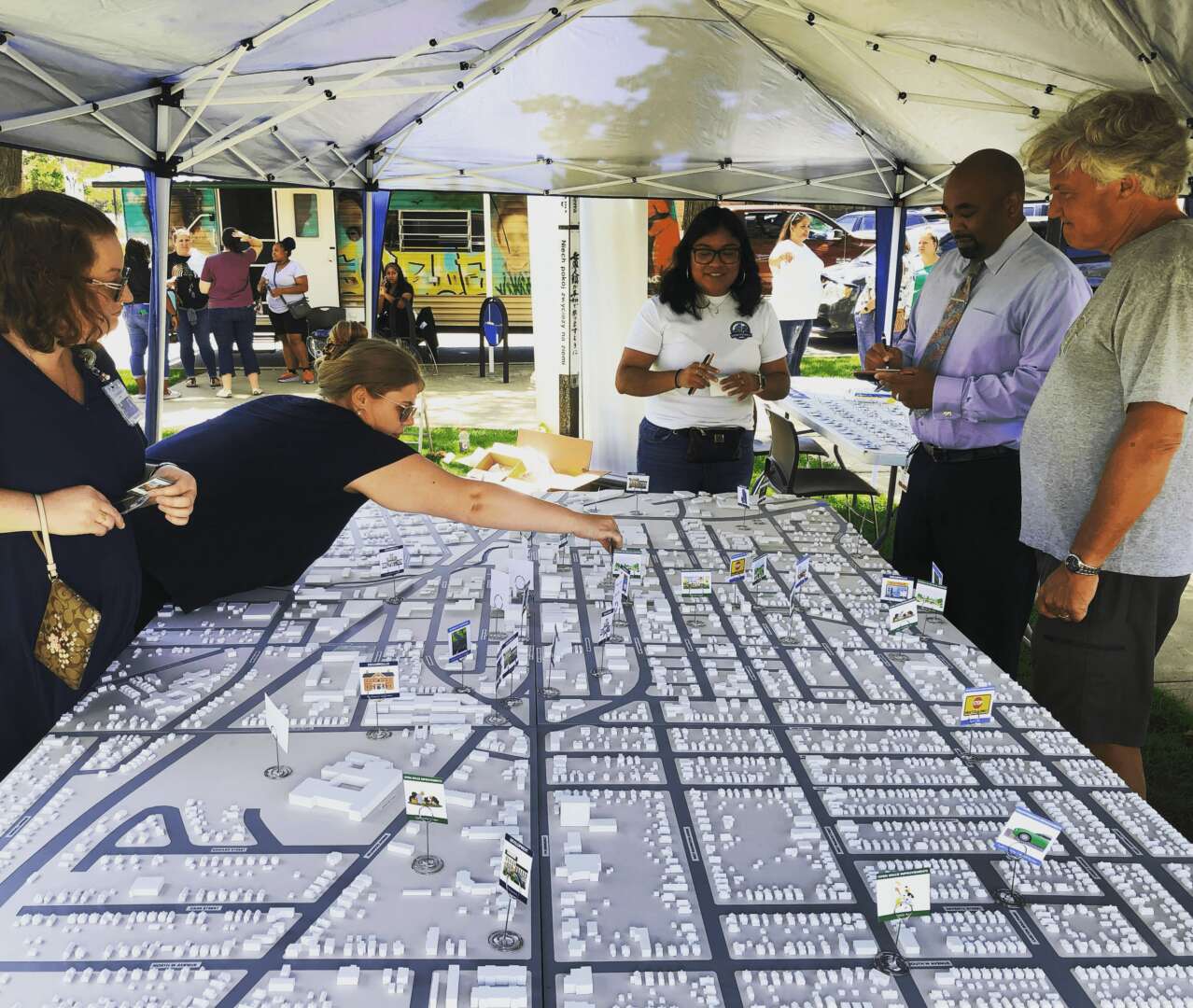
I founded COLLABO in 2020 during the dawn of the COVID-19 pandemic, reflecting on all I had learned in my 20-year career in urban planning. My goal was to create a practice centered on two core elements: going beyond traditional engagement and public participation into true community empowerment, and going beyond planning to action.
At 4.5 years young, COLLABO today is a dynamic planning and urban design firm leading innovative community revitalization projects throughout the country that generate real results and improve the quality of life for neighbors. We make a difference and create a lasting impact through innovative collaboration, early action and resident empowerment.
COLLABO has worked with diverse communities across the United States, developing strategies that reflect local culture and potential. The vast majority of our projects are in underserved and under-resourced communities, often centered on distressed public housing sites. Our work takes us to all corners of the US, from east coast locales including Bridgeport, CT and Bethlehem, PA down south to Gainesville, FL and New Orleans, LA, to the border region in Brownsville, TX and Albuquerque, NM and on up to our midwestern home base in Chicago and Flint, MI.
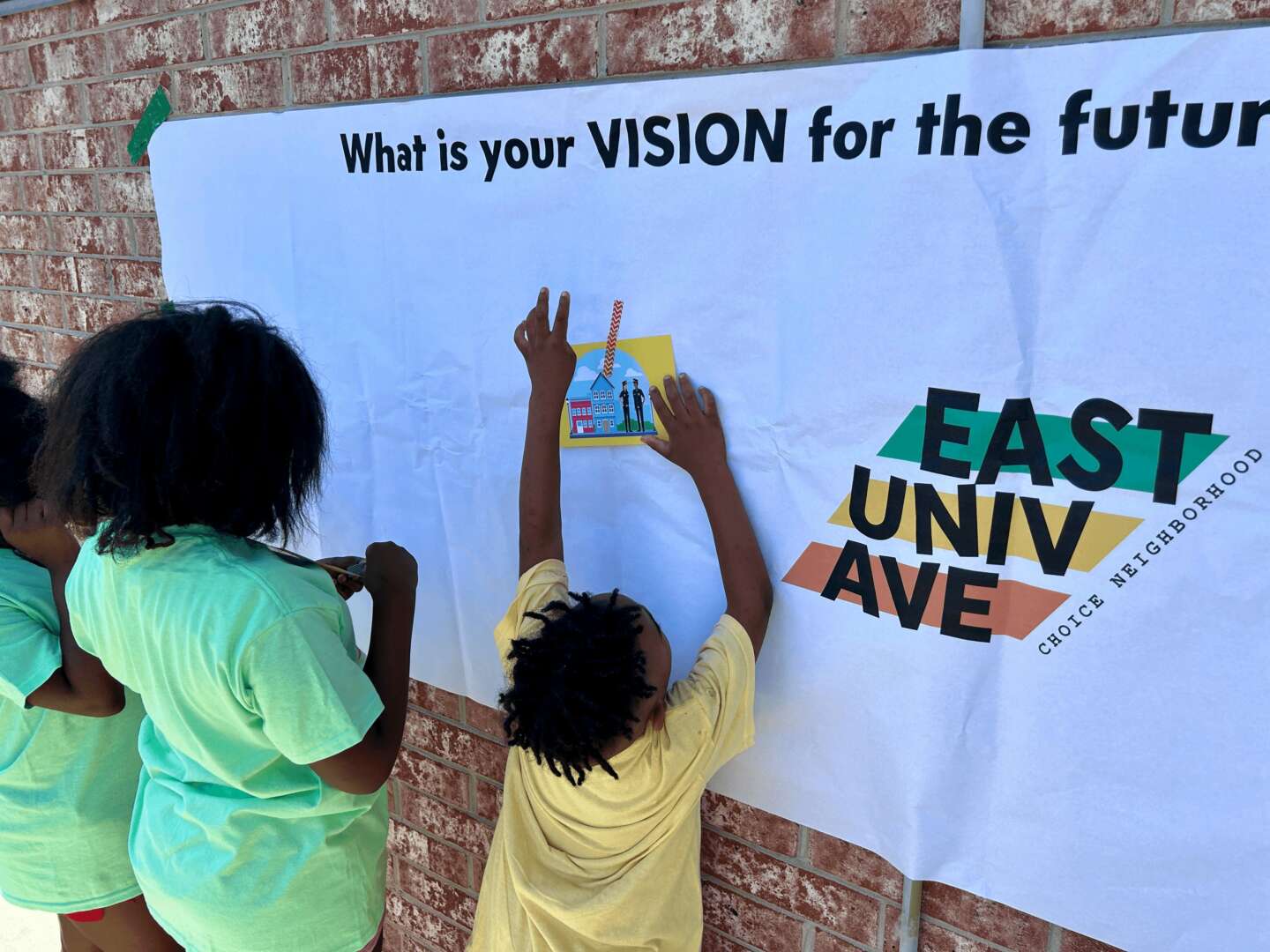
A foundation of our practice is the EQUITABLE10 Initiative, which is designed to ensure deep and meaningful engagement resulting in positive, tangible outcomes. When possible, COLLABO commits to utilizing 10% of the overall fee on each project to directly give back to the people and places we serve and to bridge beyond the Plan to help design and implement a priority catalyst project.
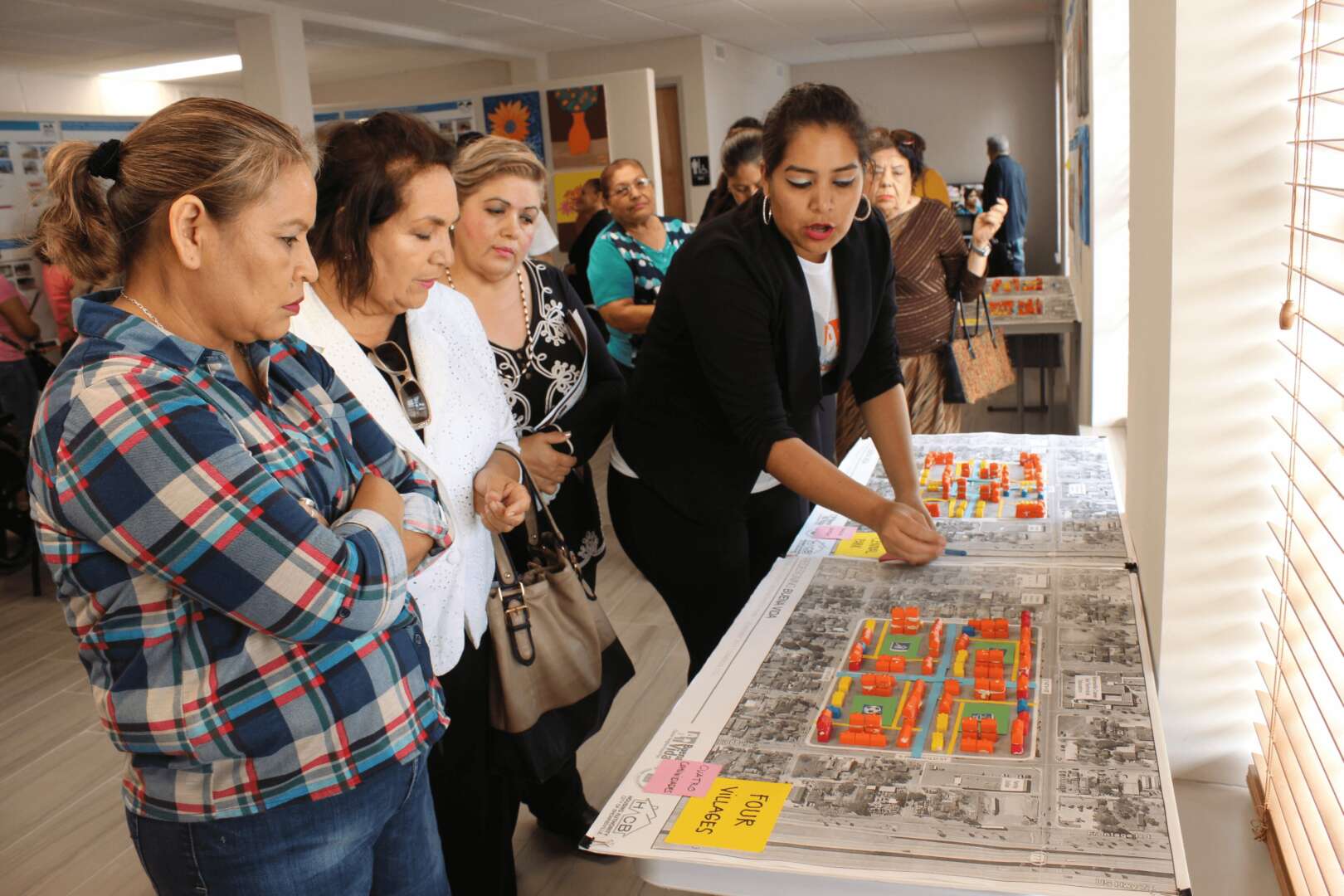
In almost every project that we undertake, we hire, trail and empower ambassadors to help represent the local community. We strongly believe in resident empowerment, and we aim to ensure that our team, our collaborators, and our actions represent the communities in which they will impact. Community Ambassadors identified through these processes will become part of the project team, assisting COLLABO with engagement, early action projects, and decision making while building their leadership skills and making important connections within the neighborhood. Though it is often challenging to undertake, this approach has been tremendously successful in many diverse communities in which we’ve served. Many of our Ambassadors have gone on to take up neighborhood leadership positions in their cities. One Ambassador in particular, Ms. Laura Villareal in Brownsville, TX was able to gain her US citizenship and become a board member of the Housing Authority of the City of Brownsville through the Ambassador process that was part of the Buena Vida Choice Neighborhood Plan.

As always, we appreciate you sharing your insights and we’ve got a few more questions for you, but before we get to all of that can you take a minute to introduce yourself and give our readers some of your back background and context?
From an early age, I’ve been captivated by urban environments. My fascination manifested in various ways – sketching cityscapes, memorizing urban statistics, and devouring information about metropolises from any available source. This interest was nurtured by my mother, who frequently took me on excursions to New York City during my childhood in the early to mid-1980s. These visits coincided with the emergence of hip-hop culture, exposing me to vibrant street art, breakdancing, and other urban experiences.
Simultaneously, I developed a strong aversion to suburban sprawl and car-centric development. This led me to engage with thought leaders in urban criticism, such as James Howard Kunstler, author of “The Geography of Nowhere,” even as a high school student.
My passion naturally steered me towards studying Urban Planning at the University of Cincinnati. The program’s co-op structure provided invaluable real-world experience, setting the stage for my future career. Post-graduation, I spent a decade in the San Francisco Bay Area, honing my skills in urban design and community engagement while leading transit-oriented projects across the West Coast and Hawaii. My work in western Oahu was particularly enlightening, highlighting the importance of cultural sensitivity in urban planning.
Relocating to Chicago about 12 years ago marked a pivotal shift in my career. I became involved with the HUD Choice Neighborhoods program, an Obama-era initiative aimed at revitalizing distressed communities. These experiences were profoundly humbling and ignited a passion for creating meaningful change in underserved areas.
This drive led me to establish my own practice, COLLABO, four and a half years ago. My goal was to push boundaries in community development and deliver tangible results. Starting as a solo practitioner in 2020, the firm has since grown into a dynamic team of eight, each member bringing unique skills and specialties to our collaborative efforts. Through this work, I’ve cultivated a robust network of resources and partners, enabling us to tackle complex urban challenges effectively.
How’d you build such a strong reputation within your market?
We’ve build a strong reputation within the urban planning and affordable housing market by always focusing on our ten core principles:
1. We give back to the communities in which we collaborate.
2. We always listen and learn first.
3. We include and connect with diverse team members from a wide variety of backgrounds.
4. We help to build trust and local capacity for success.
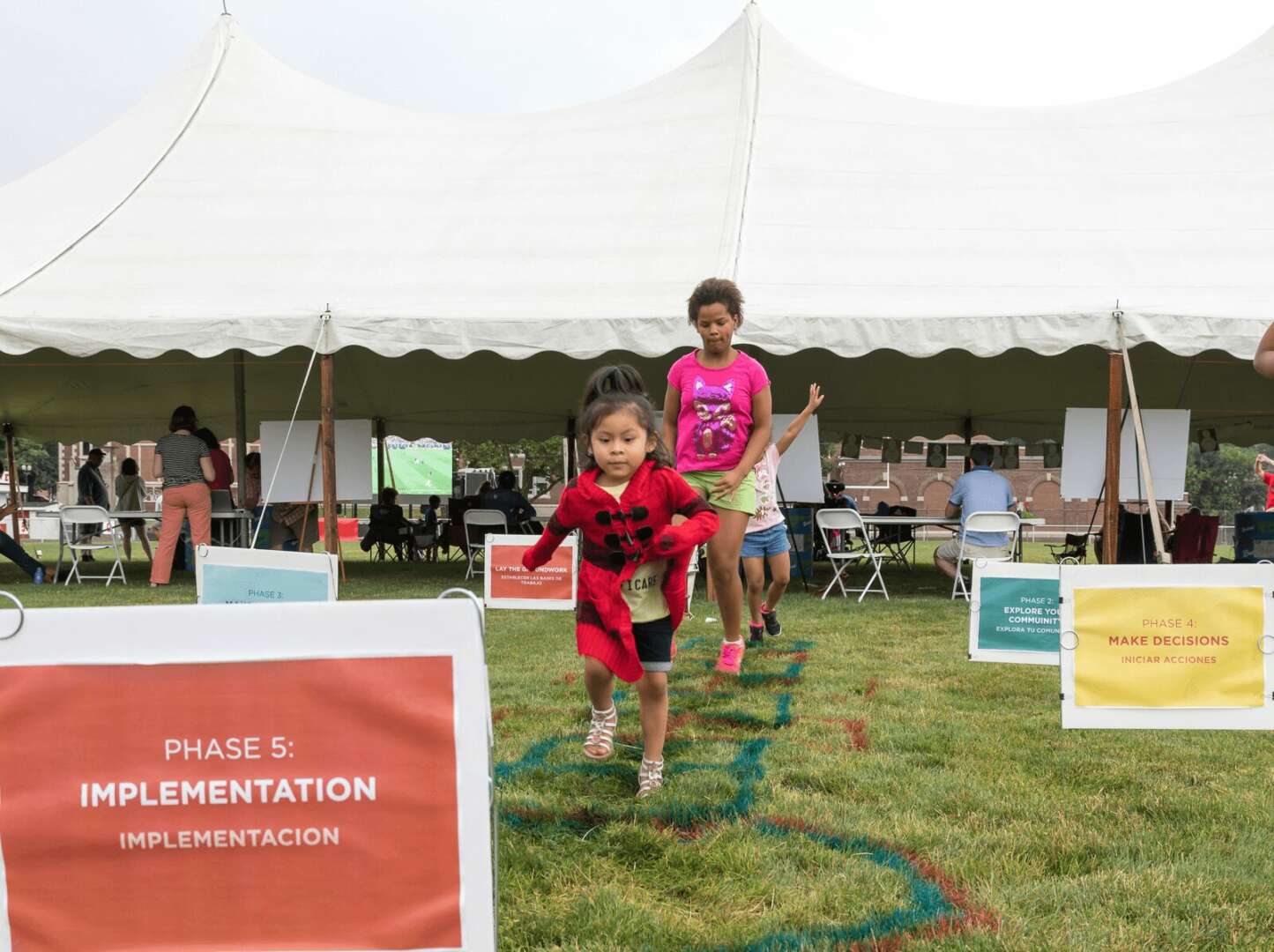
5. We engage in fun, entertaining and unique ways.
6. We develop guides for community action and empowerment.
7. We build off of local assets to address tough challenges.
8. We connect the dots through local and national partnerships.
9. We help to identify and acquire resources for success.
10. We bridge beyond the plan into implementation to help create a lasting and equitable impact.
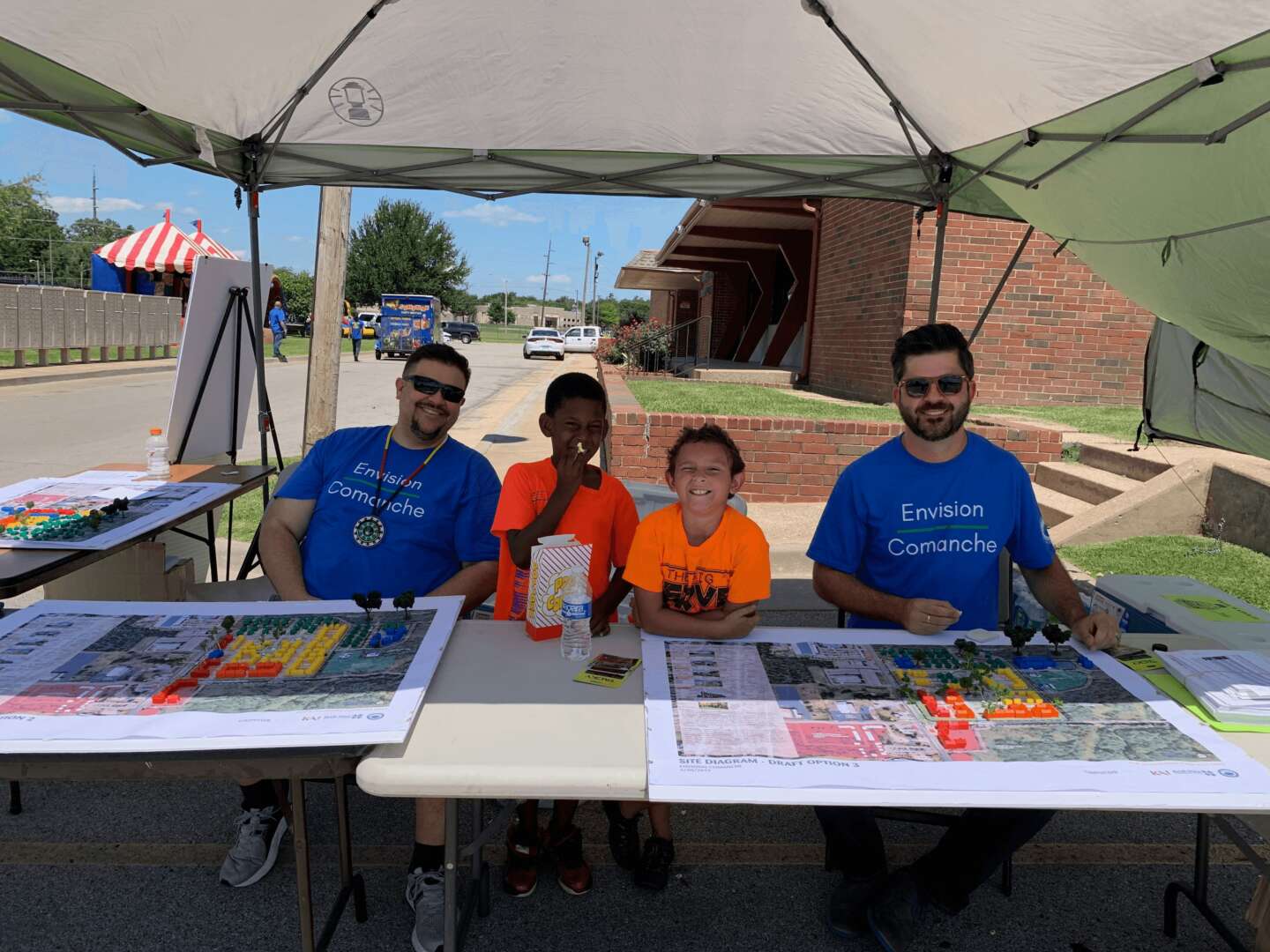
This successful approach has lead to significant action and implementation. Based on the Envision Comanche Plan, The US Department of Housing and Urban Development (HUD) recently awarded the City of Tulsa a $50 million Choice Neighborhood Implementation Grant to help move revitalization efforts forward. Other recently completed community plans in Easton, PA and Kansas City, KS have formed the foundation for successful state and national grant applications leading to over $3 million to support community based projects and programs.
The Plans we create alongside community members receive significant recognition for their focus on equity and empowerment. The recently completed Murchison Choice Neighborhood Plan in Fayetteville, NC was recognized by the North Carolina Chapter of the American Planning Association (APA) for the 2023 Advancing Equity Award. The West
Ward Choice Neighborhood Plan was recognized with the 2023 Project Plan Award by the Pennsylvania Chapter of the APA.
Can you tell us about a time you’ve had to pivot?
In the latter part of 2019, I found myself at a career crossroads after an eight-year tenure with a renowned Chicago-based urban planning firm. As I entered my early 40s, I faced a pivotal decision: either commit fully to the company through an ownership role or explore alternative career paths.
Despite my passion for the work and the constant intellectual stimulation it provided, the company’s organizational culture, deeply rooted in its 1970s origins, proved resistant to even minor changes in structure or methodology. This situation prompted me to consider other options.
During this period of reflection, my wife, Karie, began suggesting the possibility of establishing my own firm. Initially, I was hesitant, as my passion lay in urban planning rather than business management. My lack of business acumen and uncertainty about creating a successful practice structure further fueled my reservations.
Nevertheless, I decided to embrace the challenge, comforted by the knowledge that I could likely return to traditional employment if the venture proved unsuccessful. I spent several months laying the groundwork: registering my LLC, developing branding, creating a website, and preparing marketing materials. After informing my previous employer of my departure, I officially launched my practice from a hotel room in Rome, Georgia, following a community meeting.
Coincidentally, the night I made my website live and began reaching out to LinkedIn connections marked the beginning of the COVID-19 pandemic’s global impact. As news broke of Tom Hanks testing positive, the NBA season’s cancellation, and widespread event postponements, a sense of panic gripped the world. It was certainly an unconventional time to start a business.
Over the ensuing months, I focused on personal outreach to the extensive network of past and present partners I had cultivated throughout my 20-year planning career. My initial projects emerged organically from this network, allowing me to contribute to existing projects through smaller contracts with other small firms and community organizations.
By mid-2020, I had secured my first major projects and was writing grant proposals for several more. Within 18 months, the business was thriving, prompting me to consider moving into a local co-working space as the pandemic began to subside.
Paradoxically, the “great pivot” necessitated by COVID-19 proved to be an ideal moment for professional reinvention. Concurrently, a broader cultural shift was occurring, partly driven by civil unrest following the George Floyd incident. By 2021, there was an undeniable focus on diversity, equity, and inclusion, while housing affordability remained a critical national issue.
As these concerns aligned closely with the core elements of our planning practice, we found ourselves ideally positioned to address these issues through authentic community revitalization strategies.
Contact Info:
- Website: https://www.collaboplanning.com
- Instagram: https://www.instagram.com/collaboplanning/
- Facebook: https://www.facebook.com/collaboplanning/
- Linkedin: https://www.linkedin.com/company/collabo-planning-design/
- Twitter: https://x.com/COLLABOPlanning
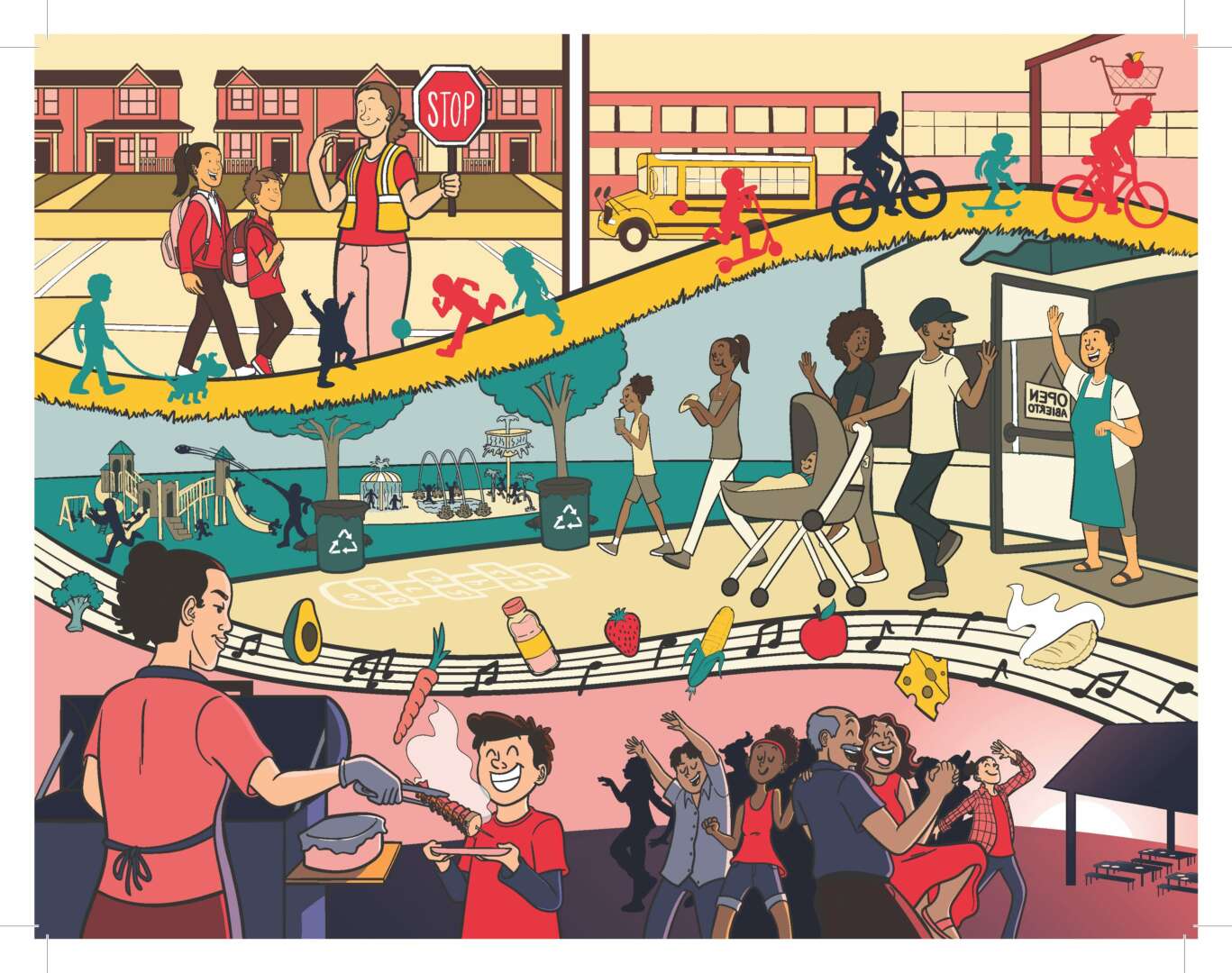
Image Credits
N/A