

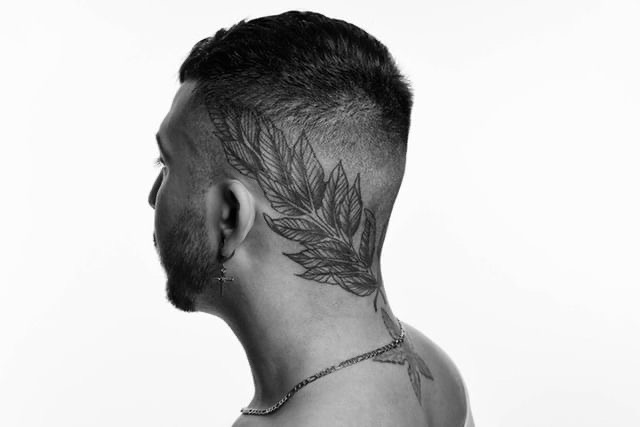

We caught up with the brilliant and insightful Abraham Resendez a few weeks ago and have shared our conversation below.
Alright, Abraham thanks for taking the time to share your stories and insights with us today. We’d love to hear about a project that you’ve worked on that’s meant a lot to you.
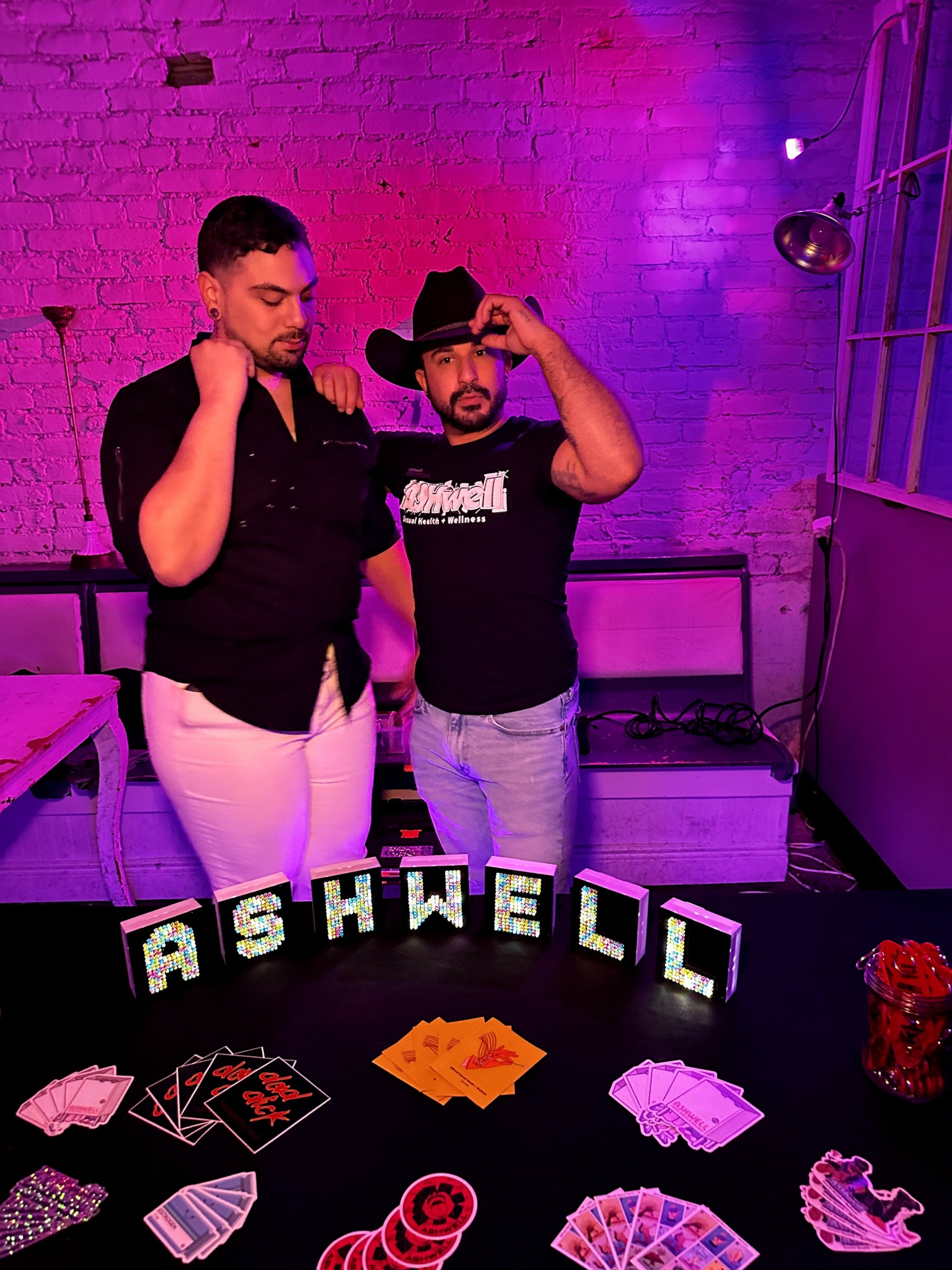
One of the most meaningful projects I’ve worked on is the “Sex in Recovery” booklet, which I had the opportunity to write and art direct. This project was especially personal and meaningful to me because it was inspired by a two-year partnership between ASHwell, the nonprofit where I work, and Austin Roundup (ARU), another nonprofit that focuses on hosting events for people in recovery from drugs and alcohol.
I’ve been sober for seven and a half years, and ARU has played an important role in my recovery journey, so I’ve volunteered there in the past as their marketing co-chair and chair. The idea for the “Sex in Recovery” booklet came from a need to provide resources and support around topics that are often stigmatized or overlooked, especially within the recovery community.
Creating something that not only reflected my lived experience but could also resonate with and help others was incredibly meaningful. Being able to present the booklet at ARU’s annual conference, where I knew it would reach people who might benefit from it, meant the world to me. It was a full-circle moment of giving back to a community that has supported me in my own recovery journey.
Great, appreciate you sharing that with us. Before we ask you to share more of your insights, can you take a moment to introduce yourself and how you got to where you are today to our readers.
My name is Abraham Resendez, I’m 31, and I live in Austin, Texas. I’m relatively new to the marketing industry—I just celebrated my first year at ASHwell this past June. How I got into this field is a bit unconventional. My future boss actually discovered me through my Instagram, where I was doing Shibari, a Japanese form of rope bondage. He booked me for a photoshoot for the clinic, and when they opened a new location, I even did a rope cutting ceremony in place of a traditional ribbon cutting.
At the time, I was still in school studying communications, but I stayed in touch with him, and once I graduated, I kept reaching out until he hired me. I knew I was perfect for the position because ASHwell’s branding resonated with my own life, so when I came on board, I felt comfortable contributing my perspective to evolve the brand into what it is today.
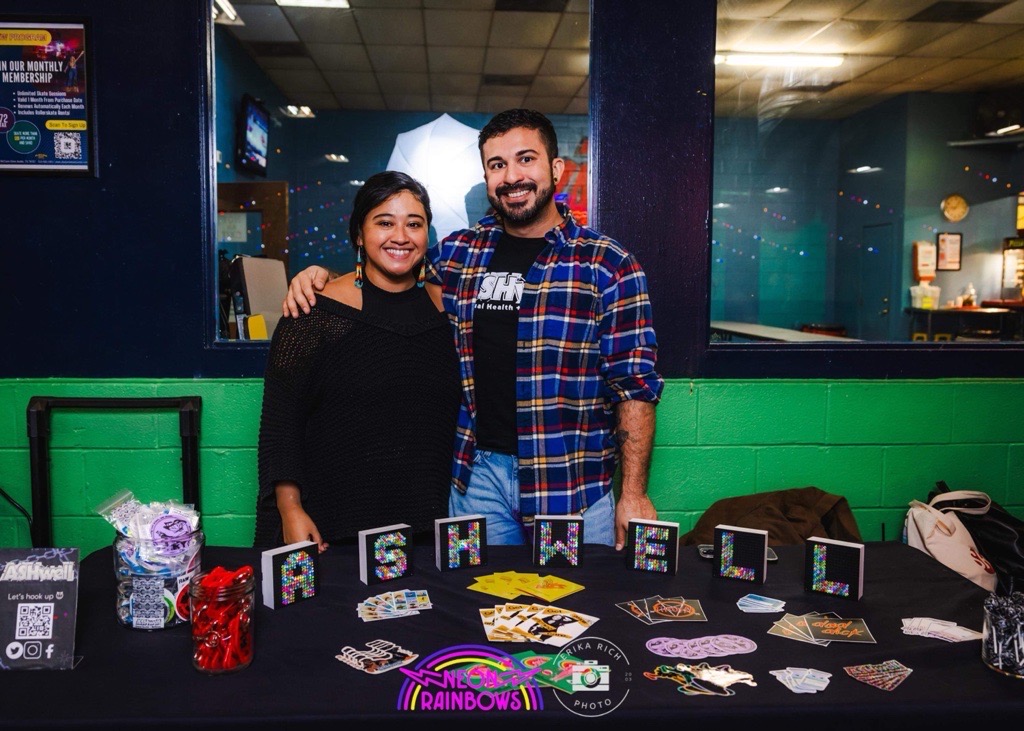
The problems I’ve helped solve primarily revolve around bridging gaps in lived experiences for the communities we serve. My close connection to the recovery community in Austin gave ASHwell the opportunity to deepen relationships not only here but also in San Antonio. We already run an amazing Hep C treatment program out of San Antonio, but I believe our partnership with San Antonio Roundup helped increase our visibility and further connect us to that community.
What I’m most proud of is being able to take something so personal to me—my experiences in recovery—and apply it to my career. It’s been incredibly rewarding to help get more eyes on ASHwell while building those meaningful connections.
What do you think is the goal or mission that drives your creative journey?
Absolutely, there is a very clear mission driving my creative journey—ending the HIV and Hep C epidemics. This goal is the reason I show up the way I do every day. I’ve seen so many people devastated by a positive HIV diagnosis, and it fuels my passion to find innovative ways of marketing and storytelling that help bring people into care and keep them there.
This mission isn’t abstract for me—it directly impacts the community I live in. The work we do at ASHwell helps the people I see in my everyday life. I’m inspired by the people we’ve lost and those we continue to serve. Their stories—both the ones they left behind and the ones they are still telling today—motivate me to push boundaries and seek creative solutions to make care accessible and supportive for all.
We’d love to hear about how you keep in touch with clients.
I believe the best way to keep in touch with clients and foster brand loyalty is by continuing to tell their stories. When someone sees a flyer for an ASHwell event, it should reflect our culture, our interests, and, most importantly, our love for the mission. It’s essential that the people we serve see themselves in what we create.
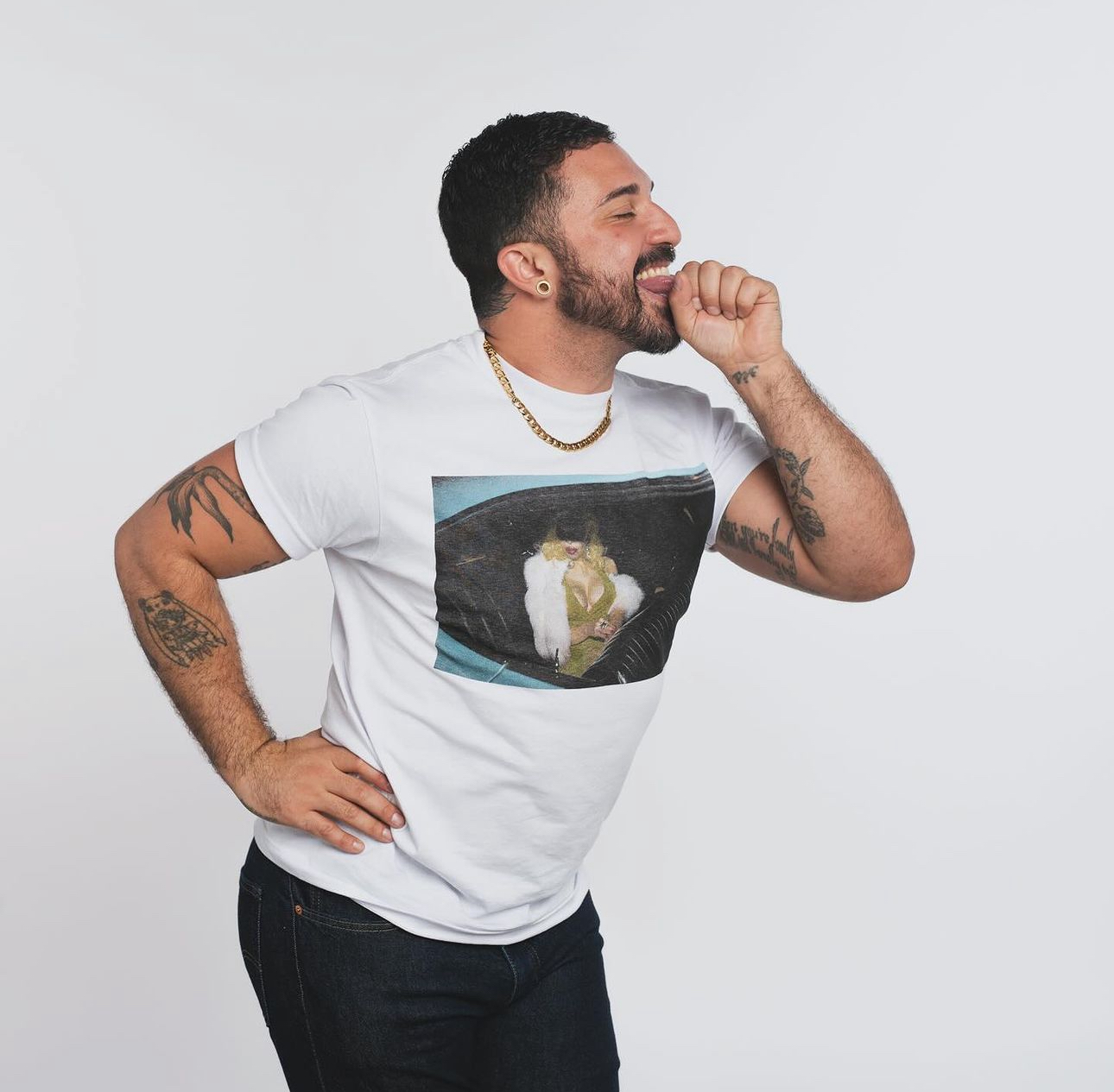
One way I make sure we stay connected is by involving community members in the creative process whenever possible. For example, when I was asked to be part of an ASHwell photoshoot, it made me feel so cool. It was personal, and it deepened my connection to the brand. So, by casting people who reflect our community and what we’re all about, we keep them engaged, and that loyalty spreads to their own circles.
Another key piece is making our messaging fun and engaging. Talking about HIV care or Hep C treatment doesn’t have to be sterile—it can be funny, relatable, and real. If more clinics like ASHwell realize that people just want to feel good and not judged, the more people will trust what is be provided to them. Creating that kind of trust is how we foster real connections with the community.
Contact Info:
- Website: https://ashwellatx.org
- Instagram: https://www.instagram.com/altfunk/
- Linkedin: https://www.linkedin.com/in/abraham-resendez-bb5076324/
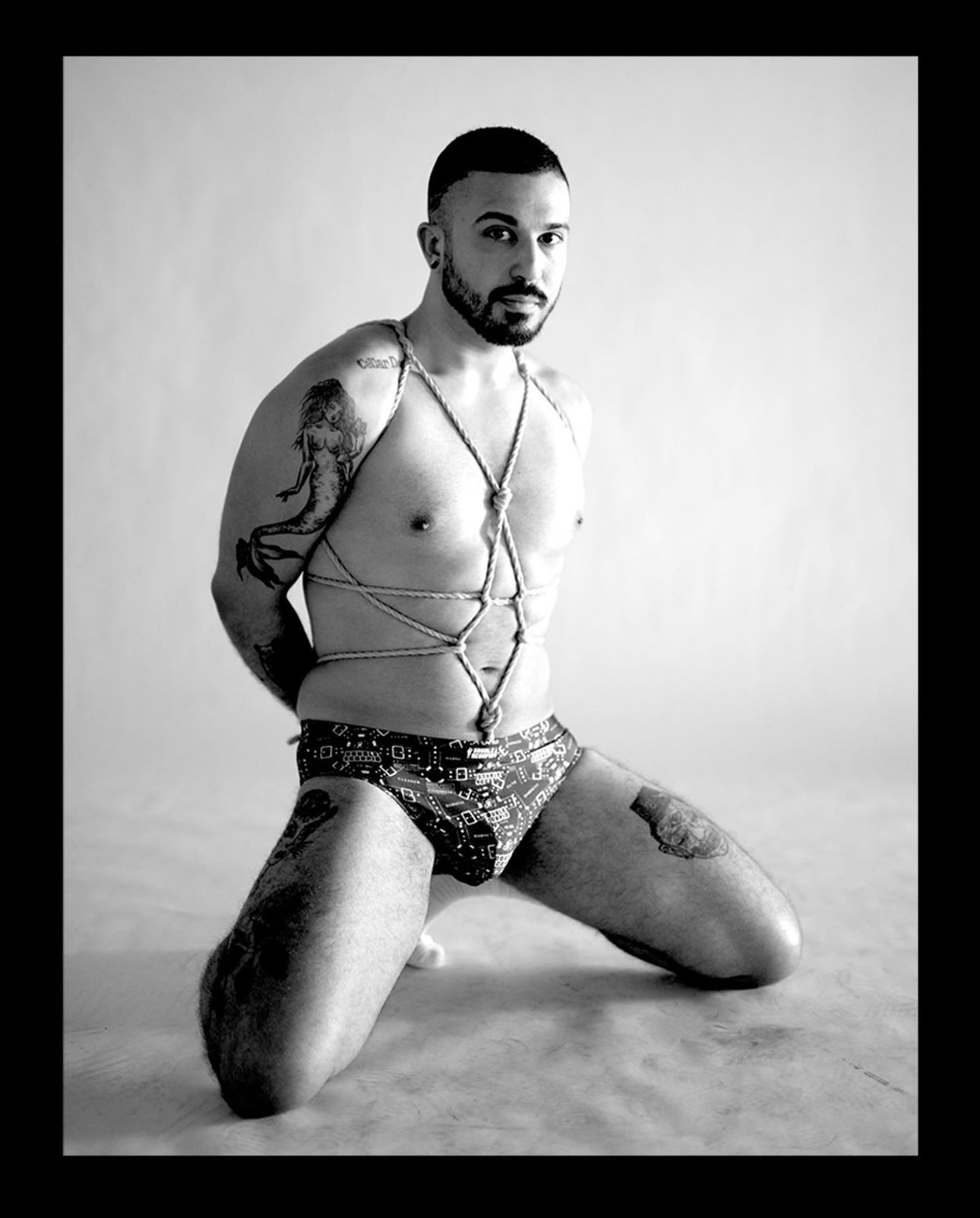
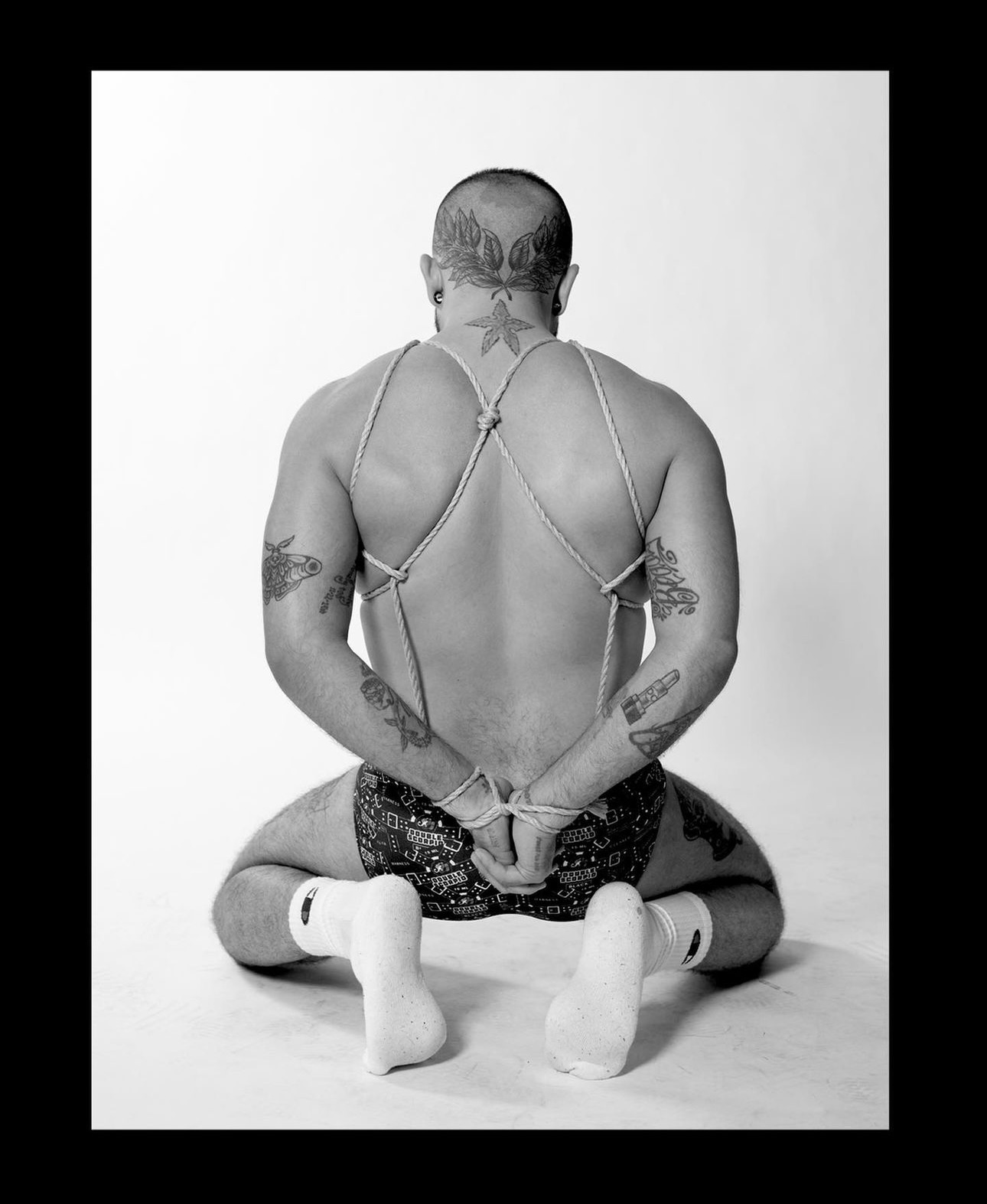
Image Credits
Anthony Cerbins (Personal photo)
Erica Nix (Black and white photos/kissing photo)
Erika Rich (2nd photo)